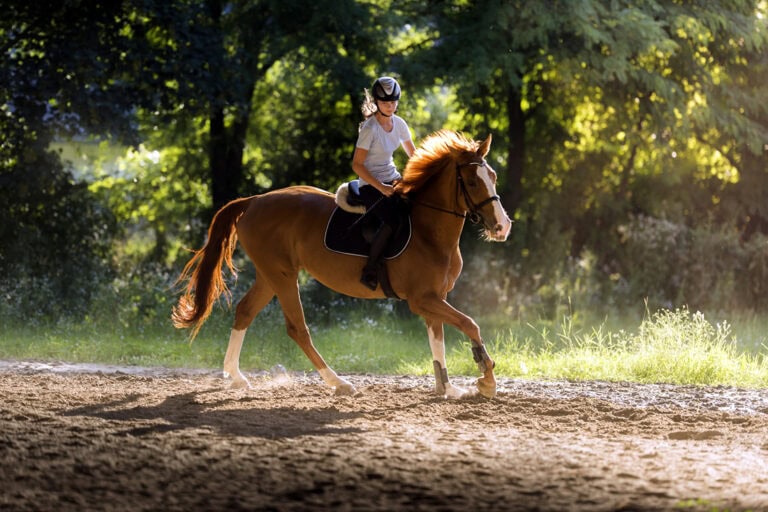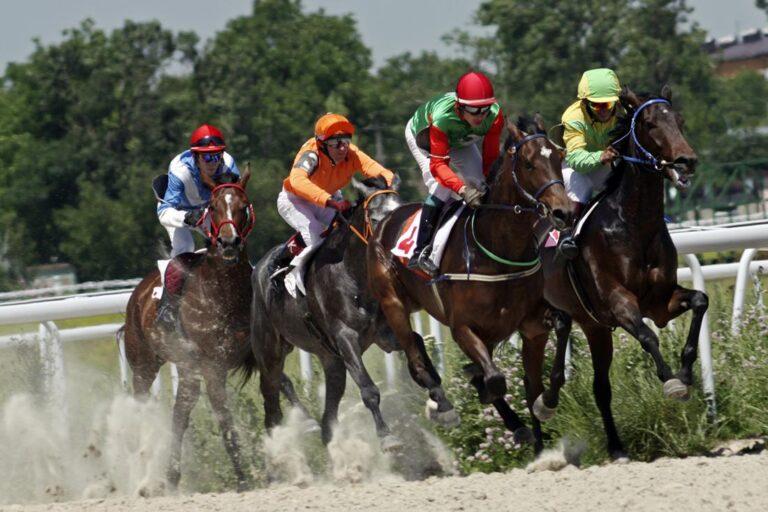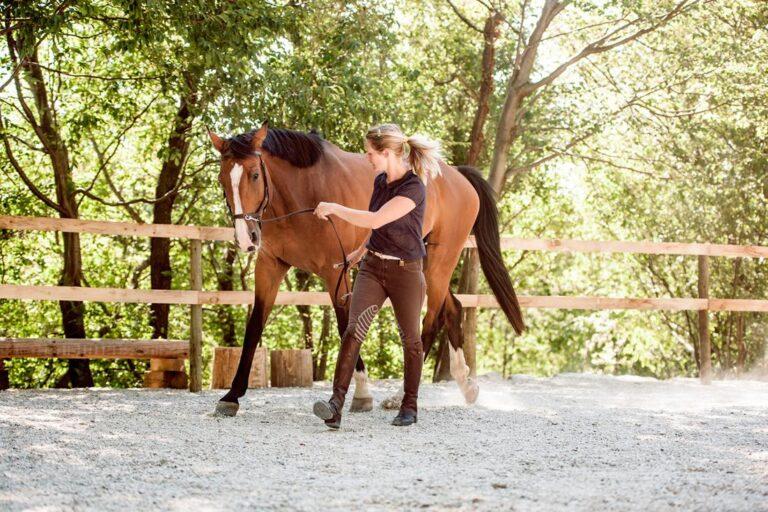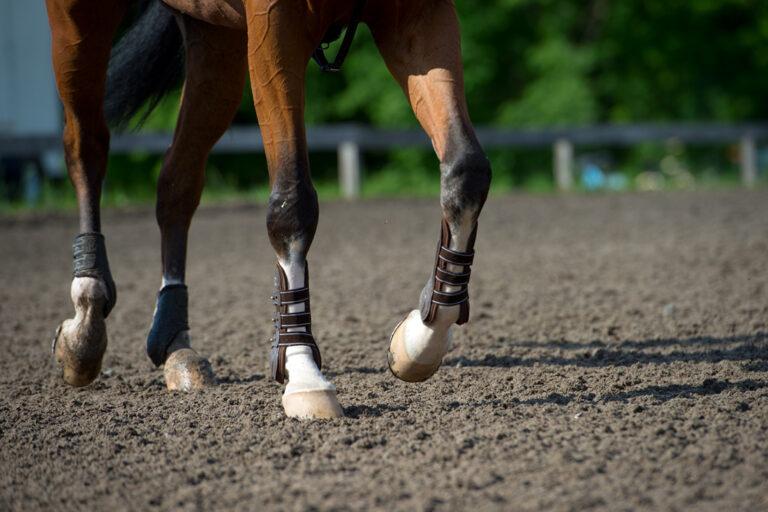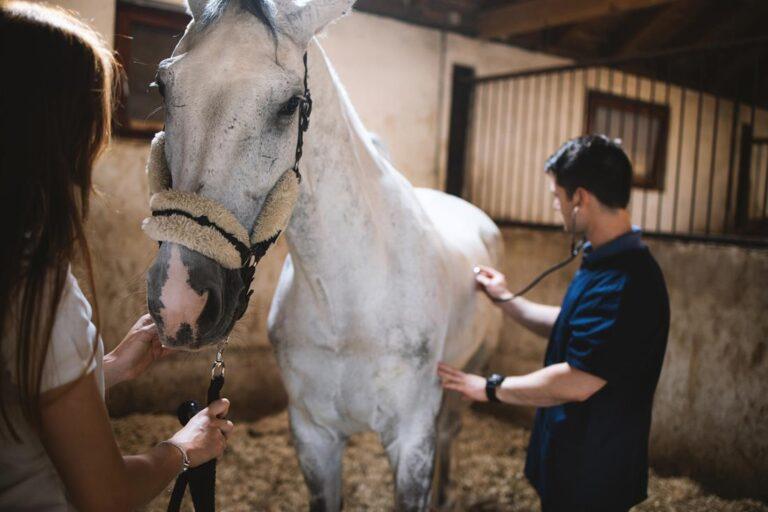
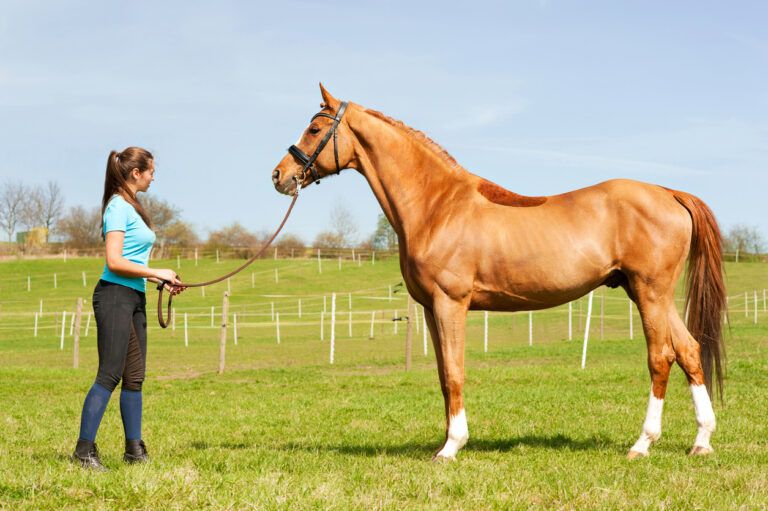
The shape and structure of a horse, referred to as its conformation, significantly influence both its athletic performance and long-term soundness. How a horse is built not only determines how they generate power and speed, but also how their body...
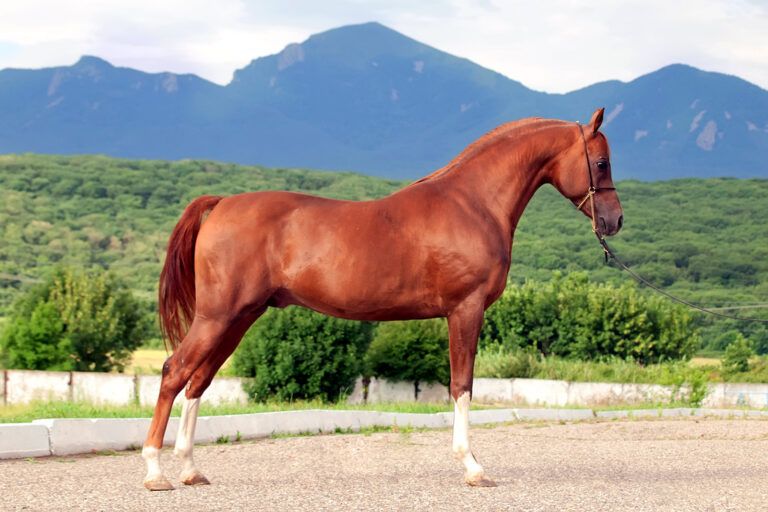
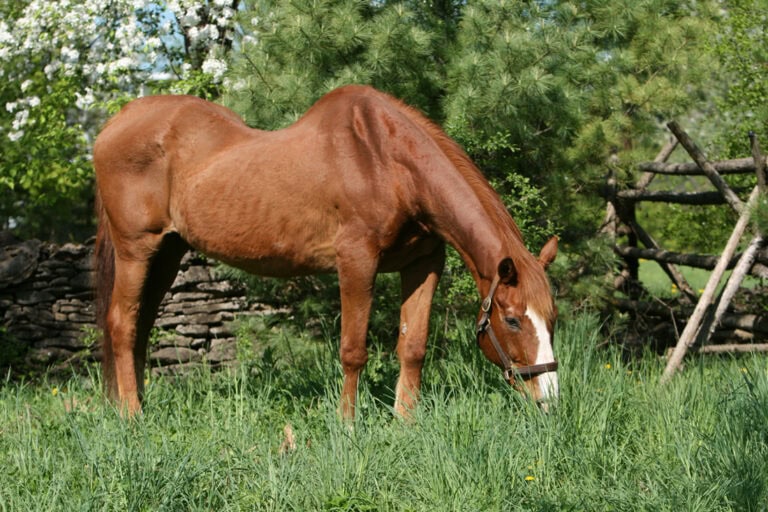
Your horse's conformation impacts their overall performance, soundness, and ability to excel in various disciplines. When it comes to evaluating forelimb conformation, judges will look at the withers, shoulders, elbows, leg, knee and pastern. The horse's forelimbs should exhibit symmetry...

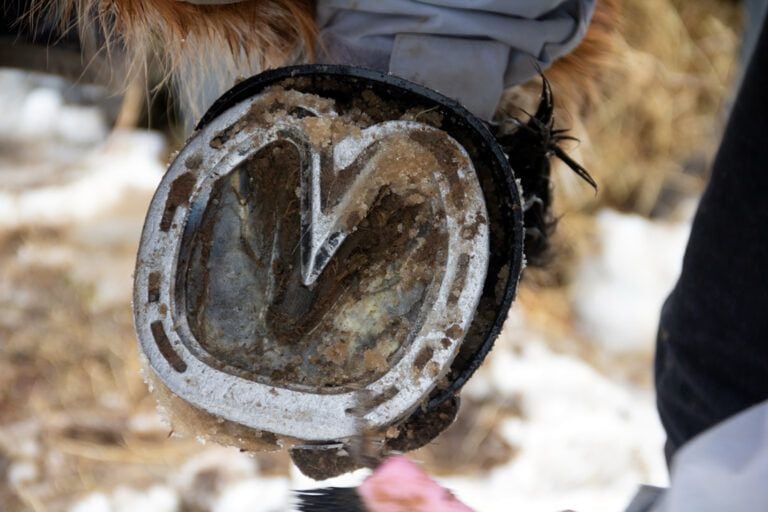
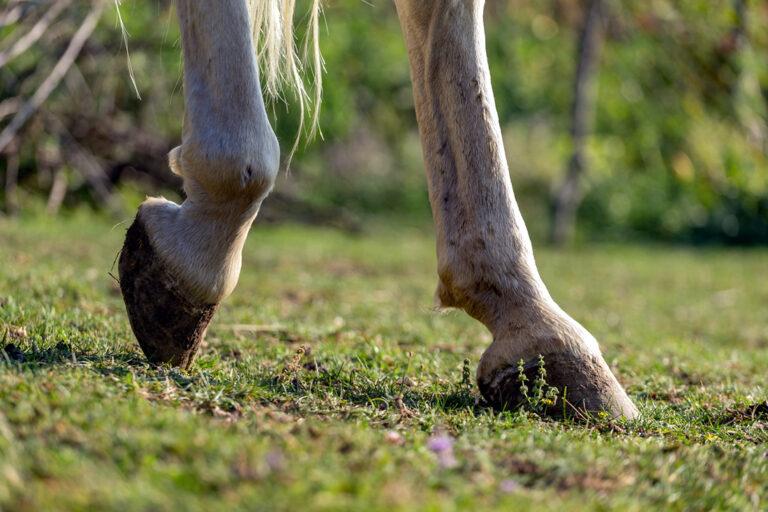
Corrective shoeing is a common way to address or reduce the effects of many hoof issues. From navicular syndrome to laminitis to tendon and ligament injuries, appropriate corrective shoeing done by a qualified farrier can reduce pain and increase the...
Shipping horses over long distances can be a daunting but rewarding undertaking. Many breeders, trainers, exporters and equestrians eventually find themselves needing to transport a horse over a long distance via air or land travel. Even settled horse owners may...

What does it mean to have a sound horse? The term 'soundness' is used by horse owners to describe how a horse moves. For example, a horse is not sound if they are limping or there is a deviation in...
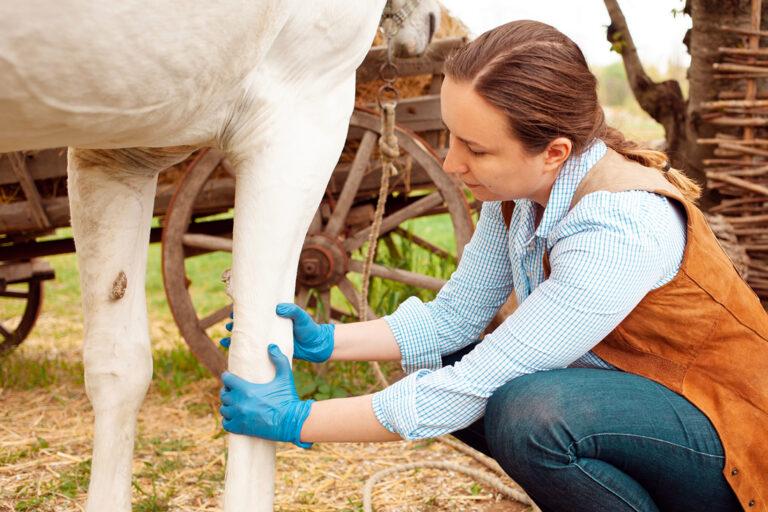
Lymphangitis, also known as big leg disease or stovepipe leg, is a condition in horses involving inflammation of the lymph vessels, most often in the lower limb. Lymphangitis presents as extreme swelling with rapid onset, resulting in pain in the...
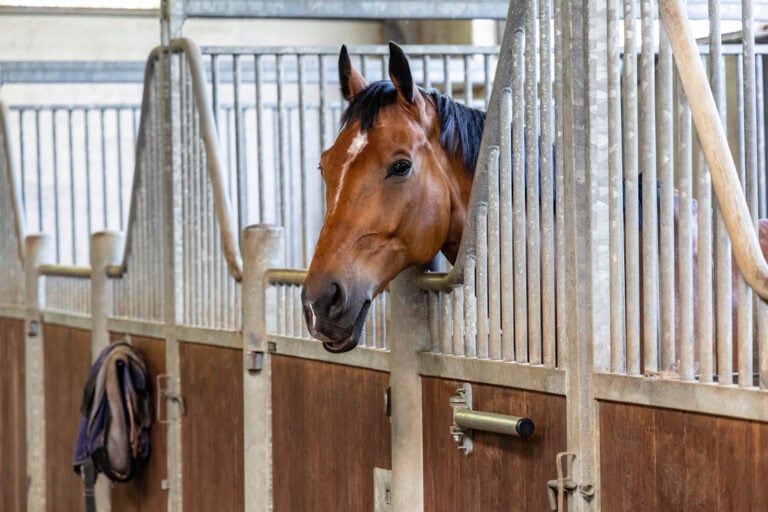
Box walking, stall circling and weaving are examples of locomotor stereotypic behaviours in horses. They are believed to be caused by a lack of freedom to express natural equine behaviours. Over time, stall walking and weaving can have negative physical consequences such as...
Swayback, or equine lordosis, is characterized by a large dip in the spine of a horse, often resulting in a high wither and severe downwards curve to their topline. Swayback is more common in older horses and broodmares who have...
The hind fetlock is a high-motion joint that undergoes significant compression and force absorption when the horse is moving. This joint is highly susceptible to soft-tissue injuries and bone disorders. Horses with hind fetlock lameness often show signs of heat...
The horse's knee is a complex joint, susceptible to trauma and progressive arthritis - especially in performance horses. Knee (or carpal) lameness is characterized by a shuffling gait, shortened foreleg strides, tripping in front due to not being able to...
Exercise-Induced Pulmonary Hemorrhage (EIPH) is a condition that causes bleeding in the airways, commonly seen in high-performance horses such as racing Thoroughbreds. Horses that experience EIPH are known as "bleeders."
A strong topline is one of the most important indicators of a well-conditioned horse. In addition to being aesthetically pleasing and supporting performance, a good topline can protect your working horse from strain and injury.
Lameness in the horse's hock joint is one of the most common causes of altered hind end gait. Hock lameness is characterized by shortened gait, weight shifting, stiffness when your horse picks their hind legs up, and reduced springiness off...
Equine wobbler syndrome, also known as cervical vertebral stenotic myelopathy (CVSM), is a devastating neurological syndrome resulting from damage to your horse's spinal cord. Horses with CVSM exhibit neurological symptoms such as poor balance and stumbling when walking.
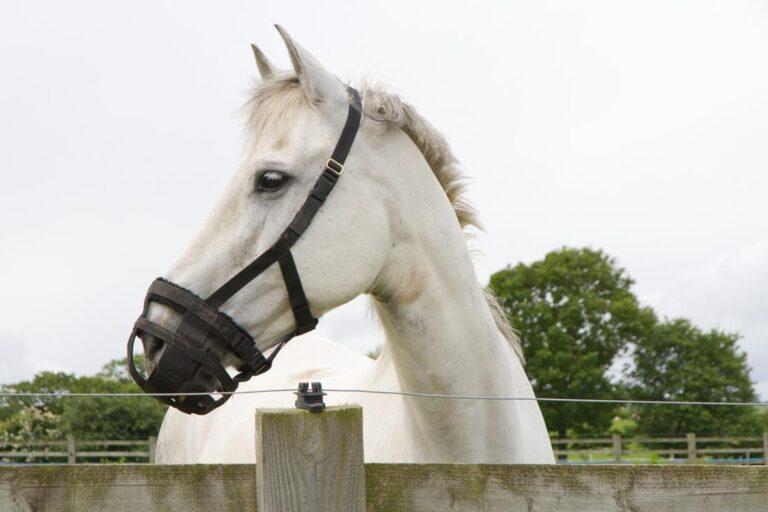
Grazing muzzles are a staple in the tack room of many pony and horse owners. These muzzles fit over the mouth and nose of a horse and restrict grass intake while allowing access to pasture. Grazing muzzles have been shown...
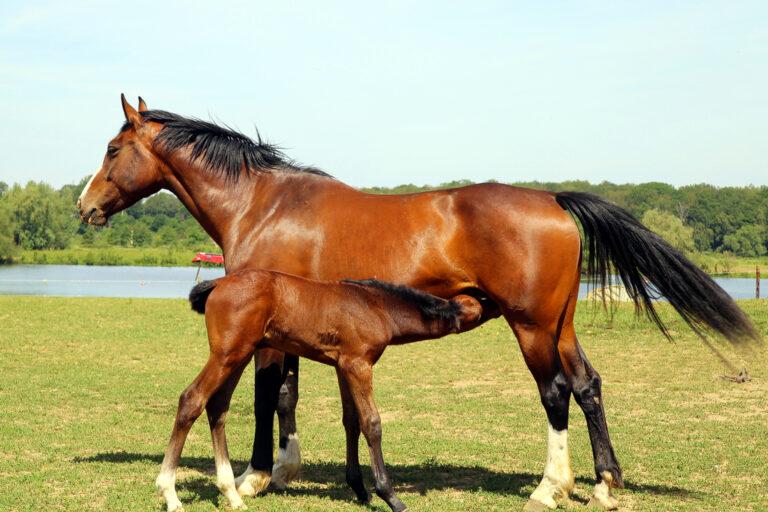
Producing high-quality milk for the foal requires a lot from your mare. Lactation puts higher energy demands on a mare’s body than any other stage of her life. To keep up with the milk requirements of a growing foal while...
Equine rotavirus is a potentially deadly virus that causes severe gastrointestinal symptoms in foals. Rotavirus is one of the most common causes of diarrhea in foals less than 6 months of age.
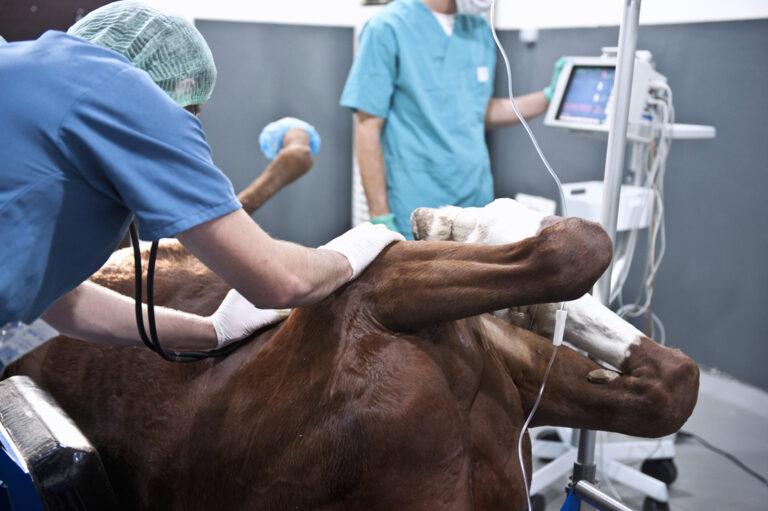
Surgical intervention is, unfortunately, necessary for many horses that experience colic, with 4 - 10% of colic cases requiring surgery. The term colic refers to abdominal pain of any cause.
To ensure you are making an educated decision, you should contact a veterinarian and book a pre-purchase examination (PPE). Pre-purchase exams shed light on current or potential health and soundness issues.
Lameness is a general term that refers to a horse with an abnormal gait or stance. This is a common issue that requires assessment by a veterinarian to determine the cause and best course of action. Common causes of lameness...
With higher temperatures in the summertime, horses are prone to heat stress. This can contribute to an increased risk of colic, ulcers, weight loss, fatigue and dehydration during this time of year. Horse owners should be vigilant for signs their...
Sucralfate is an FDA-approved drug for use in humans that is used off-label for the treatment of equine gastric and hindgut ulcers. It is typically used in conjunction with omeprazole. Sucralfate (Carafate® Sulcrafate®) helps to protect the lining of the...
Joint wear and tear is a part of every equine athlete's life. As your horse ages, joints naturally become stiff and sore - a process that is accelerated with heavy exercise. Joint injections deliver medication directly to the affected joints.
Kissing spine is a skeletal abnormality in horses in which bony growths on the vertebrae of the spine touch or "kiss". These bony outgrowths are called dorsal spinous processes.