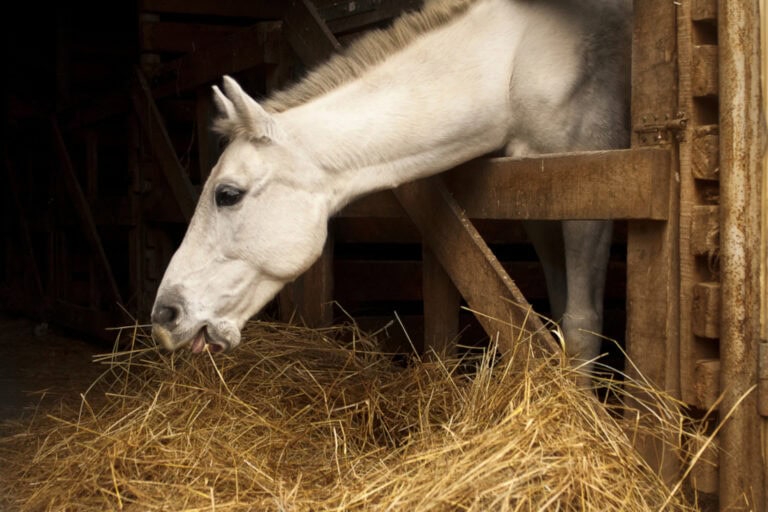
Horses produce between five and ten gallons (20 to 40 litres) of saliva each day. Unlike many other animals, horses only produce saliva during mastication (chewing). Saliva is vital for moistening and lubricating food, facilitating easier swallowing, and neutralizing stomach...
Tyzzer's disease, while rare, is a highly fatal hepatic condition that can affect all foals, including those which are healthy and well-nourished. The disease is not believed to be contagious, but the presence of bacteria in a contaminated environment can...
Atypical Myopathy (AM) and Seasonal Pasture Myopathy (SPM) are highly fatal muscle disorders in horses caused by the ingestion of seeds of the box elder or sycamore trees. Seeds of these species contain a compound called hypoglycin A that converts...
Monensin is a type of antibiotic commonly found in livestock and poultry feed that is highly toxic to horses. Monensin belongs to a medication class called ionophore antibiotics. These antibiotics are frequently used in feed as parasite control and to...
In recent years, extensive and persistent wildfires have been a growing concern for horse operations everywhere. Evacuation and preventive protocols are often challenging and put a great deal of strain on livestock and their human caretakers. Equally as concerning is...
Selenium (Se) is a micronutrient that horses require in trace amounts to support cellular function. The selenium content in soil contributes to its final concentration in plants. Worldwide, selenium levels in soil vary widely. Selenium imbalances are common in horses....
Pyrrolizidine alkaloids (PAs) are a naturally occurring type of compound found in many species of plants. When ingested, PAs are toxic to horses. Some of the most common plants that contain high concentrations of PAs include Ragwort (Senecio spp.), Rattlepod,...
Horses are susceptible to a variety of external pests and parasites. Most equine pests are either insects or arachnids, some of which can cause irritation, discomfort, and even life-threatening reactions. Several species of external parasite can cause severe health problems...
Blister beetles, also known as oil beetles, secrete a blistering agent called cantharidin as a natural defense against predators. Beetles in this family feed on flower blossoms, particularly in alfalfa plants, which makes them a common contaminant in alfalfa hay....
Alsike clover toxicosis is a potentially life-threatening condition in horses caused by ingesting large quantities of the Trifolium hybridum plant, commonly referred to as Alsike clover. To date, neither the precise mechanism of action nor the specific toxin from Alsike...
Poisonous snake bites (snake envenomation) in horses, while not common, are a medical emergency. Without prompt veterinary attention, snake envenomation can result in severe injury and, in some cases, death. In North America, venomous snakes belong to either the Elapid...