Transporting horses internationally is a complex but essential process for competitive riders, breeders, and equestrian enthusiasts around the world. Whether you're relocating a beloved companion, participating in international competitions, or exporting horses for breeding purposes, ensuring their safety and comfort...
While some equine owners might consider insurance an unnecessary expense, others find it an essential safeguard against unexpected costs that can add up quickly. Horse insurance policies are as unique as horses themselves, allowing owners to choose coverage tailored to...
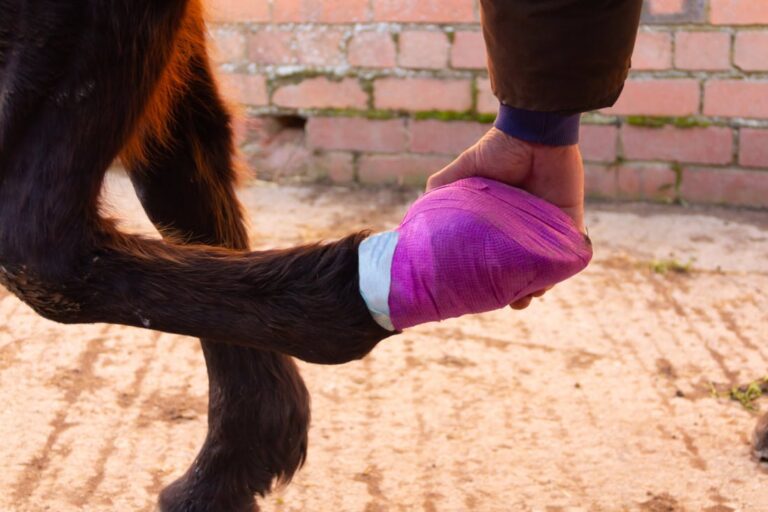
Kinesiology taping has become a popular technique in equine rehabilitation therapy, offering potential benefits for horses dealing with muscle strain, joint issues, and recovery from injuries. Originally developed for human athletes, kinesiology tape is now used by veterinarians and equine...
Ring sour refers to resistance or frustration behaviors in performance horses, often occurring during ring work in training or competition settings. Horses, like humans, can become frustrated by difficult, repetitive tasks, especially when the task lacks variety or causes confusion...
Owning a horse is a dream for many, but it is essential to understand that buying the horse is just the beginning. Horses come with a range of ongoing costs, from feeding and healthcare to boarding and equipment. So, how...
Foot lameness is a prevalent issue in horses, often leading to performance limitations and decreased quality of life. Understanding the anatomy of a horse's foot, recognizing the signs of lameness, and being aware of common causes are crucial for effective...
Horse's hooves are fundamental to their health, mobility, and overall performance. Whether you're a seasoned equestrian, veterinarian, or just a simple horse lover, understanding the intricate anatomy of the hoof is crucial for maintaining the wellbeing of your equine companion....
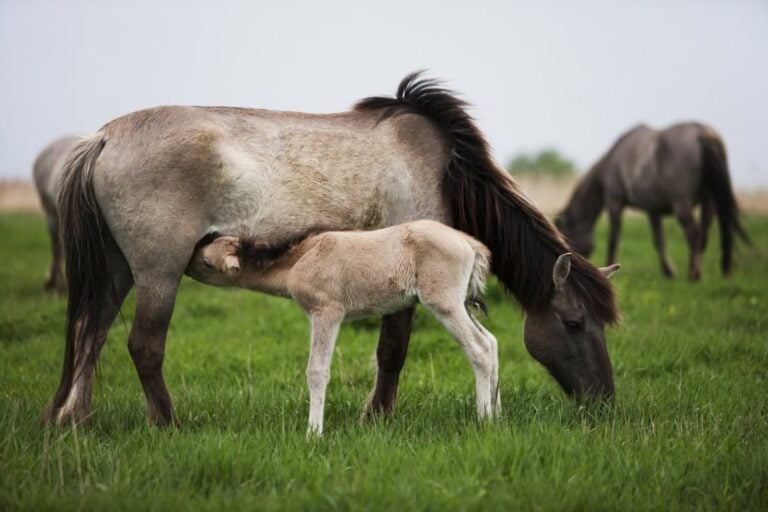
Gestation in horses is a journey that requires care, knowledge, and preparation to ensure both the mare and foal remain healthy throughout the pregnancy. The average gestation period for a horse lasts around 340 days, though some mares may carry...
Riders and trainers often encounter challenges that affect the performance and well being of their equine partners. Among these are exercise intolerance and poor performance, sometimes referred to as "ring sour." While ring sour can be frustrating for owners and...
Heart disease in horses, as in humans, encompasses a broad range of conditions that affect the heart's structure, function, or electrical activity, potentially compromising the horse’s health and performance. The heart is responsible for pumping oxygen-rich blood throughout the body,...
Horse owners strive to ensure the safety and security of our equine companions. One of the most effective tools for identifying and protecting your horse is microchipping. Whether you are new to the concept or considering it as a safeguard...
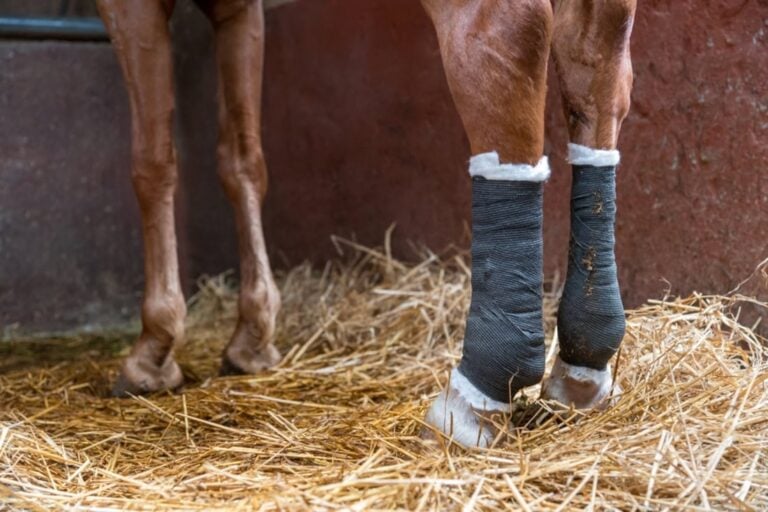
Injury recovery in horses is a complex journey that often requires careful management, patience, and a tailored rehabilitation plan. Whether your horse has suffered a traumatic injury, undergone surgery, or is dealing with a chronic condition, the road to recovery...
Lethargy in horses is a significant concern for equine owners and veterinarians alike, as it can often indicate a severe underlying health issue requiring medical attention. Lethargy is characterized as a decrease in typical energy levels, activity, and enthusiasm. It...
Non-steroidal anti-inflammatory drugs (NSAIDs) are a type of medication used to reduce inflammation and treat pain in horses. In equine medicine, NSAIDs are commonly used in supportive care for a wide range of symptoms and conditions such as colic, pain,...
Horses are renowned for their power, grace, and speed. Whether galloping across open fields or running down a racetrack, there’s something captivating about a horse in full stride. But how fast can horses actually run? And what makes certain breeds...
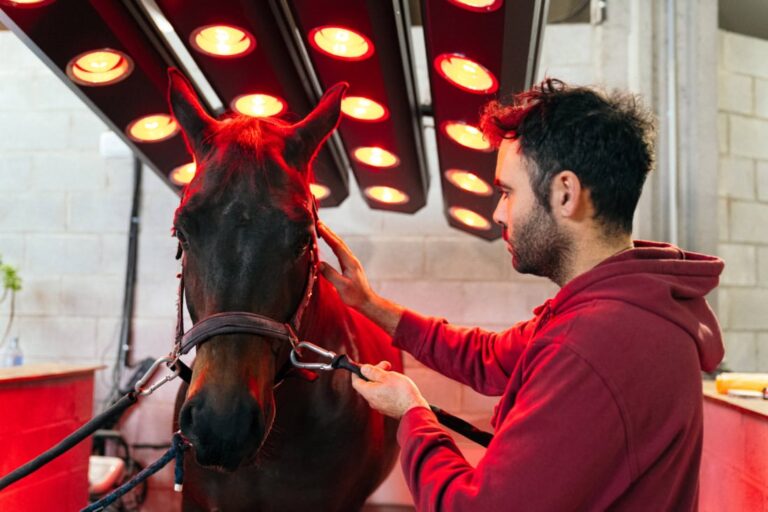
Laser therapy, also known as photobiomodulation, low-level laser therapy (LLLT), and cold laser therapy, is a rehabilitative therapy commonly used in physiotherapy for treating injuries. Given its purported effects and non-invasive nature, there is growing interest in this treatment modality...
Understanding the complexities and nuances of horse passports is essential for every equine owner. While requirements and regulations vary greatly between different jurisdictions, all forms of identification aim to address several important issues for horses and owners alike. A central...
Swollen jaws are a common concern in equine medicine; they can be a symptom of several underlying health issues and conditions that range from mild to potentially life-threatening. Jaw swelling in horses can be caused by a number of underlying...
Equine physiotherapy is a specialized profession within the field of veterinary medicine that focuses on the rehabilitation, recovery, restoration of correct movement and function, and overall physical well-being of horses. Physiotherapy combines elements of body work, stretching, specific exercise protocols,...
Migrating grass awns, commonly referred to as foxtails, pose a significant health risk to horses. These sharp, barbed seeds can become embedded in a horse's ear, mouth, nose, or skin. Once they have entered the animal's tissue, they can migrate...
Itching, or pruritus, is a common issue that affects all horses, with various potential causes ranging from insect bites and parasite infestations to bacterial and fungal infections, as well as allergic reactions. Horses typically exhibit signs of itchiness by biting,...
Spookiness refers to a sudden and frequently exaggerated reaction to a perceived threat. Spooky behavior can manifest in several different ways, including bolting, spinning, jumping, or freezing in place. Spooking is a natural behavior that has its roots in the...
The Australian Stock Horse, also known as the breed for every need, is renowned for its versatility, strength, and adaptability. It has a rich history dating back to the late 18th century. The Australian Stock Horse's origins can be traced...
Quidding is a term used to describe a horse dropping food from its mouth while eating. This can be a sign of dental problems as well as a number of other conditions. Regular dental care is of utmost importance to...
Horses, as prey animals with considerable size and weight, have evolved to minimize the need for lying down, a position that increases their vulnerability to predators and hinders quick escapes. Despite these adaptations, horses do spend a portion of the...
Horses produce 1 to 2.5 gallons of sweat per hour, amounting to up to 60 gallons daily. Sweat, produced by over 800 sweat glands per cm² of skin, contains water, electrolytes (sodium, chloride, potassium, calcium, magnesium), and proteins like latherin,...
Cyanide toxicosis is a potentially fatal condition in horses which is caused by the ingestion of plants containing cyanogenic glycosides. Understanding cyanide toxicosis is essential for anyone involved in horse care. Over 3,000 plants worldwide are known to produce cyanogenic...
Working Equitation is a dynamic equitation discipline that aims to test the versatility and skills of the horse and the owner, as well as the level of collaboration between the two. While the sport officially came into being only in...
Nitrogen compounds, crucial for fertilizers, have revolutionized agriculture, ensuring food security but they pose environmental risks such as water pollution and algae blooms. Horses, while less susceptible than ruminants to nitrate poisoning due to their digestive system, can suffer severe...
Ryegrass is a popular forage choice worldwide, and is a nutritious source of protein and energy for horses and other grazing animals. Although both species of ryegrass are good sources of nutrition and are not toxic in and of themselves,...