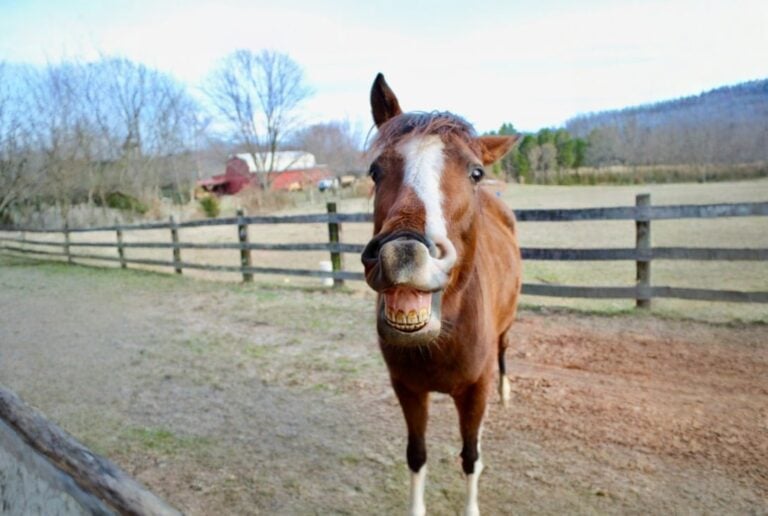
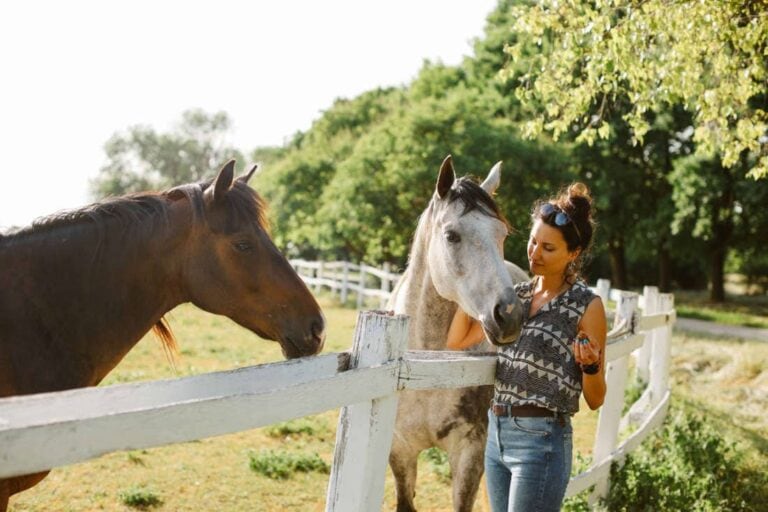
Understanding equine personality is essential for building strong relationships with horses and ensuring effective training, care, and welfare. Horses possess unique temperaments and behaviors that influence their interactions with the world. Recognizing the genetic and environmental influences of these traits...
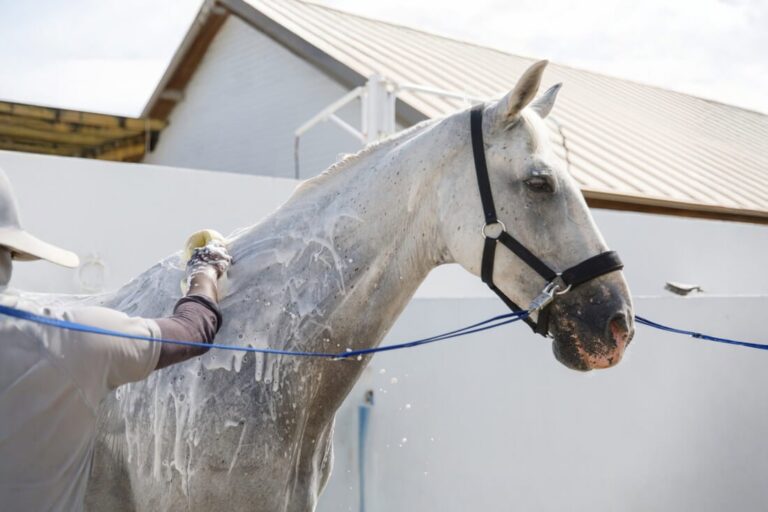
Natural horse behaviors like rolling in mud, dust, and manure help protect their skin, but often leaves their coat dirty. Bathing a horse is essential for removing sweat, dirt, bacteria, and buildup that grooming alone can’t handle. Proper baths support...
Western pleasure stands as one of the most distinctive and enduring disciplines in Western riding, originating from the practical needs of working ranch horses and evolving into a highly refined competitive sport. Riders aim to present their horses as effortless...
Breathing is an automatic function that often goes unnoticed, until something goes wrong. Dyspnea, the term for difficult or labored breathing, is a serious clinical sign in horses. It is not a diagnosis itself but a symptom of underlying problems...
It's not unusual to see a small amount of clear, watery discharge coming from your horse's nose—especially after exercise, during cold weather, or when they've been around dust or pollen. Mild discharge is part of the body's natural defense system,...
Western dressage is an equestrian discipline that blends the time-honored principles of classical dressage with the tack, style, and culture of Western riding. In classical dressage, the horse learns to move smoothly, stay balanced, and respond to the rider's cues....
The Drum Horse is an eye-catching, heavy horse breed known for its impressive size, strength, and gentle disposition. Originally bred to carry massive ceremonial kettledrums during British royal parades, today’s Drum Horse combines the best traits of its foundation breeds,...
Welfare in equestrian sports, particularly in show jumping, is fundamental to ensuring the long-term health, happiness, and well-being of the horses involved. Show jumping is a sport that demands speed, precision, and agility, all which place significant physical and mental...
Cross ties are a key handling tool in equine management, providing a practical way to keep horses still during grooming, tacking, farriery and veterinary care. When used properly, cross ties can improve safety and efficiency while helping horses learn to...
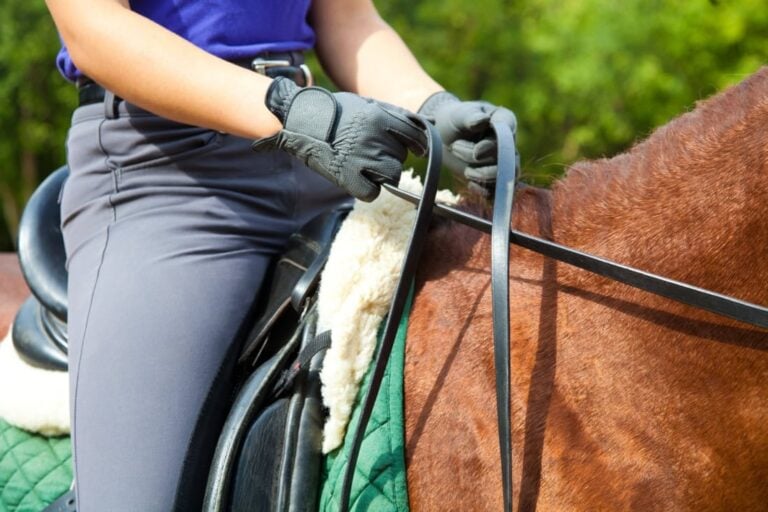
Riding involves more than just passively sitting on a horse — it's a partnership that relies on clear communication and mutual understanding. Rider's aids are the tools we use to convey our intentions to the horse, guiding their movements and...
Recognizing the underlying causes of aggression is crucial to preventing dangerous situations and fostering positive human-horse interactions. Understanding the root causes of aggressive behavior and implementing effective management strategies are essential for ensuring the safety and well-being of both horses...
Gut sounds in horses are more than just background noise — they provide valuable clues about digestive function. These gastrointestinal sounds, known as borborygmi, reflect the activity of the digestive tract and can help caretakers detect early signs of gastrointestinal...
Securing a horse safely while grooming, tacking up, or providing veterinary care is a fundamental skill in horse management. However, improper tying and hitching methods can lead to stress, injury, or dangerous behavioral issues. When selecting a hitching system, it's...
Flaring nostrils in horses are a powerful visual cue that should never be overlooked. Often dismissed as a sign of excitement, exertion, or even just a quirk of a particular horse’s personality, nostril flaring can provide critical insights into a...
Wondering if your horse really needs sunscreen? While most horses have adequate ultraviolet (UV) protection thanks to their coat and skin pigmentation, those with pink skin or extensive white markings may need an extra line of defense. Sunscreen works by...
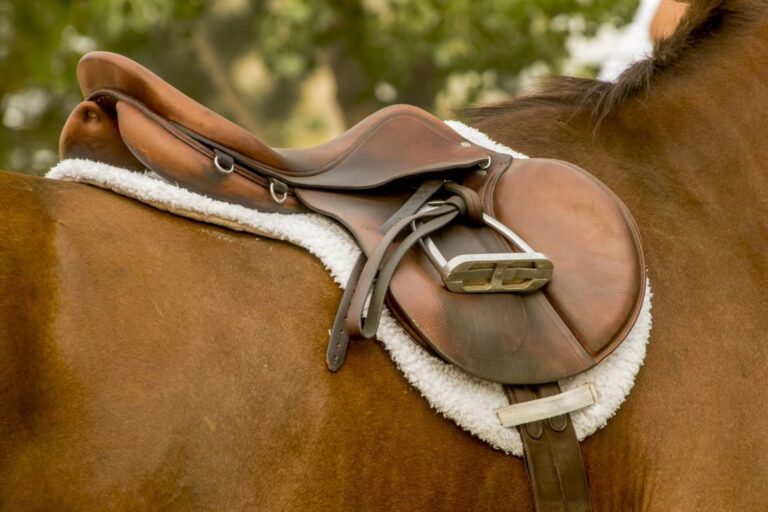
Western saddles are among the most recognizable pieces of equestrian tack, designed for functionality, comfort, and durability. Unlike their English counterparts, Western saddles were developed to support riders who spend long hours in the saddle, particularly during cattle ranching and...
Zoonotic diseases (zoonoses) are illnesses that are contagious between animals and humans. Horses can contract and transmit several different zoonotic diseases to humans, including rabies, anthrax, methicillin-resistant Staphylococcus aureus (MRSA), and ringworm. These pathogens represent three different types of microorganism...
Equestrian sports are physically and emotionally rewarding, but as with all sports, riding horses comes with inherent risk to human participants. Falling off a horse can take a life-changing toll on a rider's physical and mental health. The fear that...
Horseback riding is an athletic pursuit that demands a unique combination of balance, strength, and coordination between horse and rider, regardless of discipline. Equestrian sports require harmony and responsiveness between horse and rider to achieve optimal performance. Riders must develop...
Equine liniments are a popular DIY remedy that have been used in horse care for centuries. Many owners and caretakers find liniments a versatile option to address muscle soreness, stiffness, and minor injuries. While their overall efficacy lacks robust scientific...
Hoof poultices are valuable tools in equine health, particularly when managing conditions such as hoof abscesses, bruises, and other hoof-related ailments. Although scientific research directly supporting their efficacy is limited, decades of equestrian experience and anecdotal evidence underscore their practical...
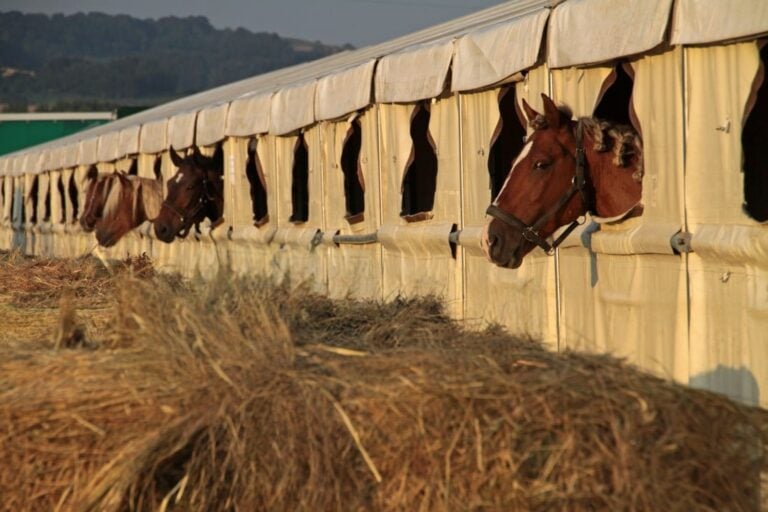
Proper hay storage is essential for maintaining the quality, safety, and nutritional value of your horse's feed. Whether you’re managing a large equine facility or a small hobby farm, knowing how to store hay correctly can prevent mold, spoilage, and...
Hay waste is a persistent issue on many horse farms, leading to significant financial losses and increased labor demands. As a staple in equine nutrition, hay is an essential source of fiber, nutrients, and forage, which supports the horse's digestive...

Over recent years, red light therapy has become an increasingly popular treatment option for managing pain, inflammation, and muscle recovery in horses. Horse owners, veterinarians, and equine therapists have turned to this non-invasive technology to help optimize recovery times, promote...
Lactation is a vital process for broodmares, ensuring the survival and growth of foals by providing essential nutrients and immune protection. However, some mares experience abnormal or inappropriate lactation, producing milk outside the expected timeline—either too early, too late, or...
When it’s time to bring a horse back to work after a period of inactivity, whether due to injury, broodmare duties, or seasonal downtime, the process requires thoughtful planning and patience. A gradual return to work (RTW) program tailored to...
Helping a horse recover from injury requires patience, careful planning, and a basic understanding of equine rehabilitation principles. From controlled exercise and proper nutrition to therapeutic techniques and mental well-being, every step in the recovery process plays a crucial role...
Food allergies in horses are a complex, poorly understood, and often overlooked issue, posing significant challenges for horse owners and veterinarians alike. Unlike food intolerances, which involve non-immune mediated reactions, food allergies trigger an immune response that can result in...
Polocrosse is a variant of traditional polo that combines elements of polo and lacrosse, adding an inventive twist that emphasizes individual skill and teamwork. Known for its family-friendly nature and emphasis on teamwork and inclusion, polocrosse has steadily grown in...
Polo is a high-intensity equestrian team sport that offers spectators and participants a captivating blend of strategy, speed, and horsemanship. Polo has roots stretching back to ancient times, and has evolved into a global sport with a formalized structure. This...