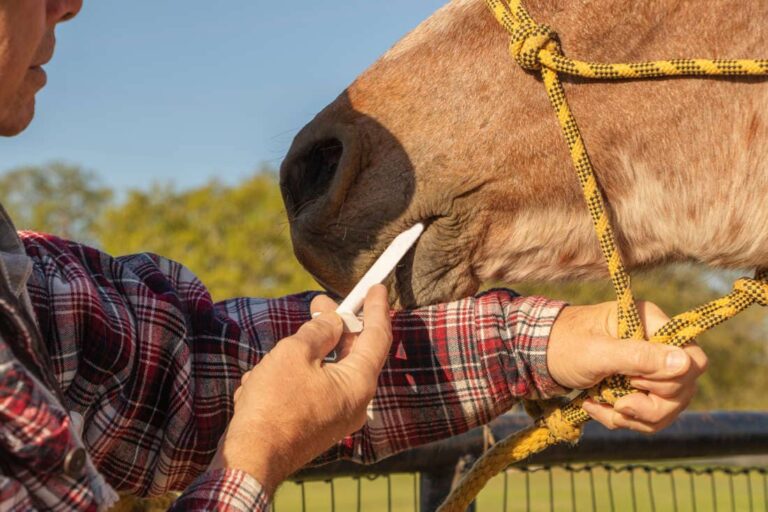
Administering oral medication is a routine part of horse care, but it isn't always straightforward. Many treatments for conditions such as gastric ulcers, infections, respiratory disease, or parasite control are delivered as liquids, tablets, or powders. While the instructions for...
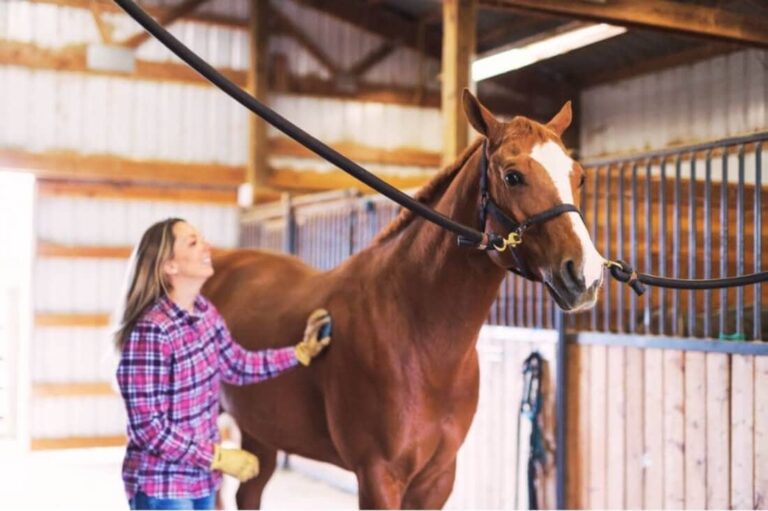
Routine care like veterinary exams, farrier work, dentistry, and grooming are essential parts of keeping a horse healthy, but they can quickly become stressful or even dangerous if a horse won't stand calmly. Fidgeting, pulling away, pawing, or outright resistance...
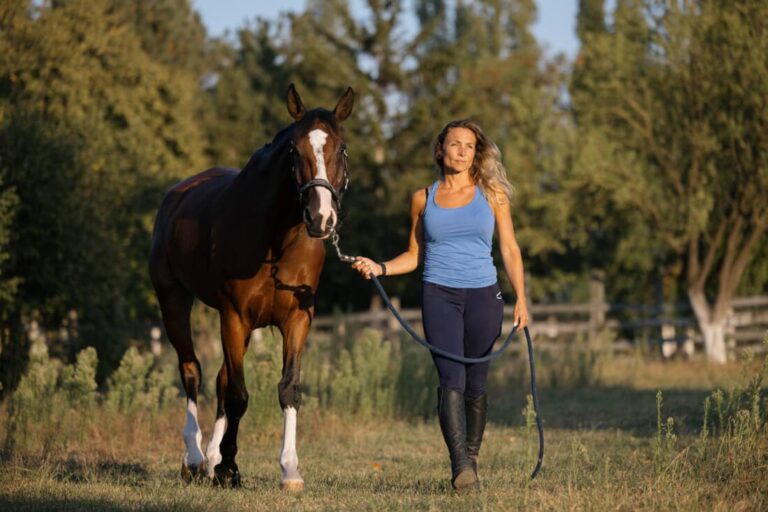
Halter training is one of the most important skills a horse learns, yet it is often rushed or oversimplified. A horse that understands the halter is safer to handle, easier to care for, and far less likely to panic during...
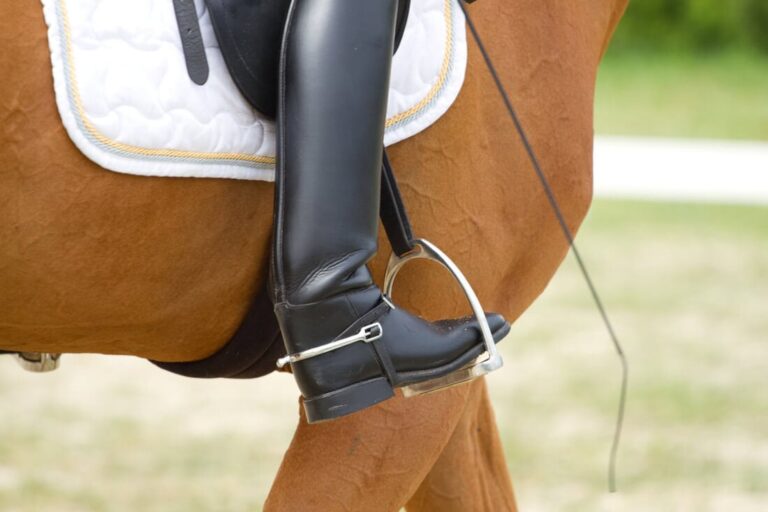
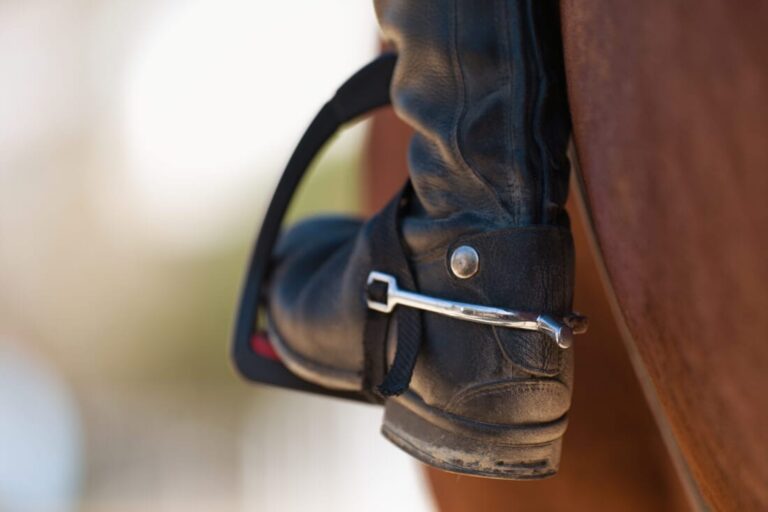
Spurs are one of the oldest and most recognizable tools in horsemanship, designed to help riders communicate precise cues to their horses. While often associated with riding and competition, their proper use requires skill, sensitivity, and a thorough understanding of...
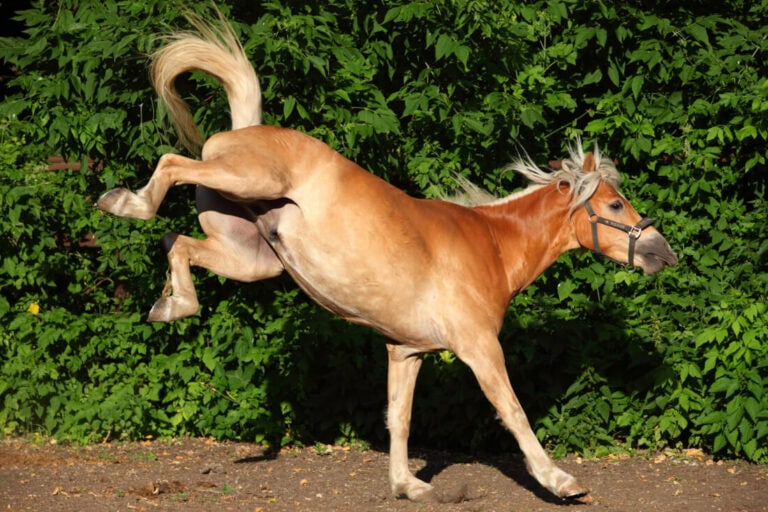
Bucking is an equine behavior that can be both thrilling and frightening for riders. It can be a playful leap in the pasture or a dangerous kick under saddle. Some horses buck to release energy or excitement, while others do...
As riders, we are constantly working to improve our skills for both ourselves and our horses. We know that our actions in the saddle can be the difference between a 12-fault round and a flawless double clear. We want to...
Cold-backed behavior in horses is a common yet often misunderstood issue that can significantly affect a horse’s comfort, performance, and overall well-being. Whether the horse reacts to being saddled, shows stiffness during warm-up, or seems resistant under saddle, identifying and...
Understanding how horses perceive their surroundings allows owners and riders to apply effective training methods, calm and consistent handling, and sound management strategies. This guide covers the main causes of spooking, techniques to build confidence, and practical steps for managing...
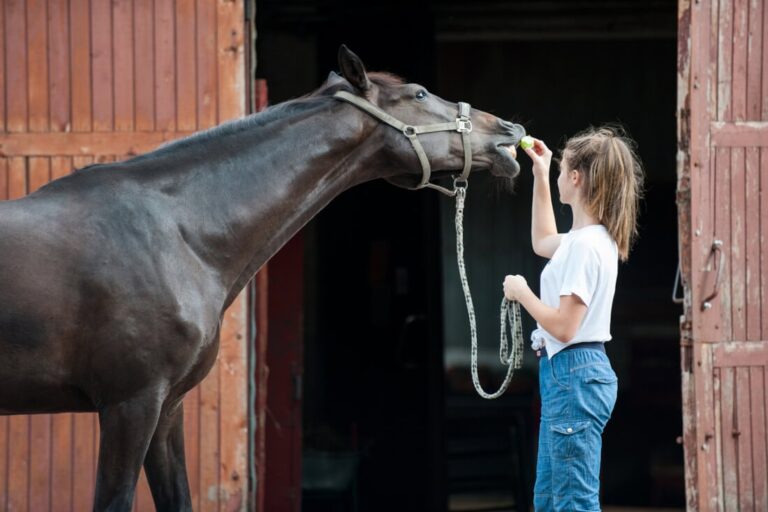
Food is one of the strongest motivators for horses, influencing their daily routines, interactions, and relationships with both humans and other horses. In some herds, mealtimes can lead to unwanted or even dangerous behavior that creates tension or conflict. Food...
Horse handling is one of the most routine and hazardous activities that takes place in any barn environment. Whether you're leading a quiet gelding to turnout or managing a fresh young horse on a cold morning, every interaction carries some...
In equestrianism, the relationship between horse and rider relies on clear communication, trust, and mutual understanding. Natural aids—such as the seat, legs, hands, and voice—serve as the rider's primary tools for guiding the horse, while artificial aids like bits, whips,...