Sepsis-associated laminitis is a serious and potentially life-threatening condition in horses, characterized by the disruption of the connection between the hoof wall and the underlying bone due to systemic inflammation. This form of laminitis arises as a result of a...
Splints are a common condition in horses characterized by bony growths or swellings along the splint bones, which run parallel to the cannon bone in the horse’s lower legs. "Splints" is a broad term used in common language to describe...
Stem cell therapy is gaining attention in equine veterinary care as a potential option for treating injuries and managing degenerative conditions. This treatment approach is being explored for its ability to support tissue repair and aid recovery in horses with...
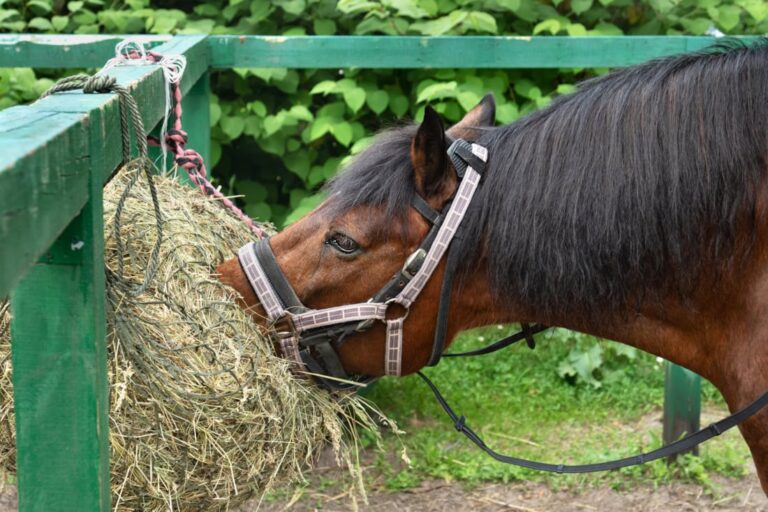
Building your own hay feeders for horses is a practical and cost-effective solution to minimize hay waste, maintain cleanliness, and ensure your herd has consistent access to forage. Whether you’re looking for simple designs or more advanced builds, DIY hay...
Colitis in horses is a serious inflammatory condition affecting the colon, leading to symptoms such as diarrhea, dehydration, and abdominal discomfort. Colitis is a general term that describes inflammation in the colon. In horses, there are a number of conditions...
Contagious colitis in horses, also referred to as infectious colitis, is a serious gastrointestinal condition caused by infectious agents (pathogens) such as bacteria, viruses, or parasites. This highly transmissible disease can spread rapidly, especially in environments where horses are in...
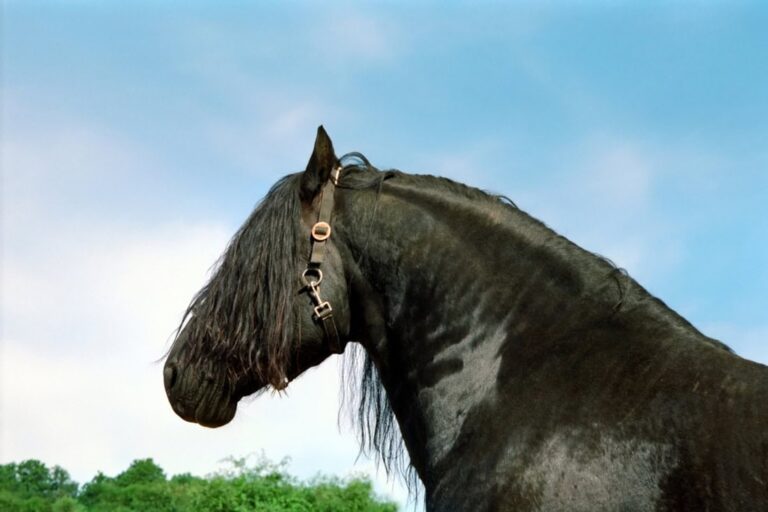
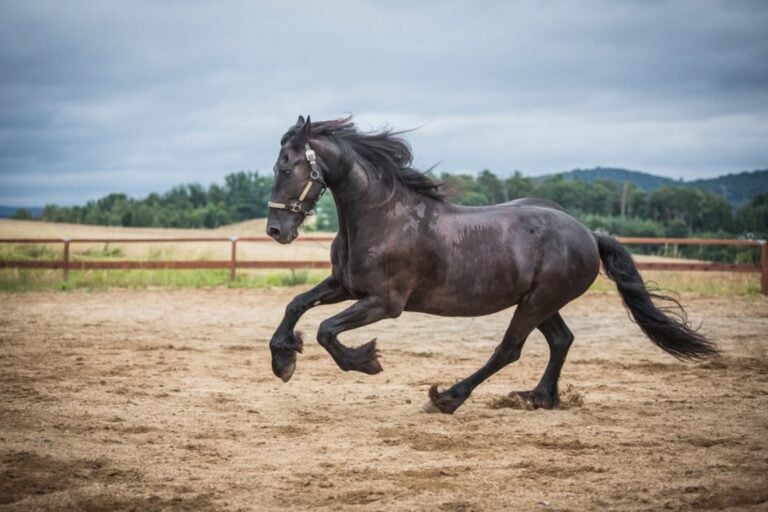
Originating from Friesland in the Netherlands, Friesian horses have a rich lineage that has been tracked for about 150 years through the Royal Friesian Horse Studbook. Known for their striking black coats, feathered fetlocks, and balanced physique, Friesians are valued...
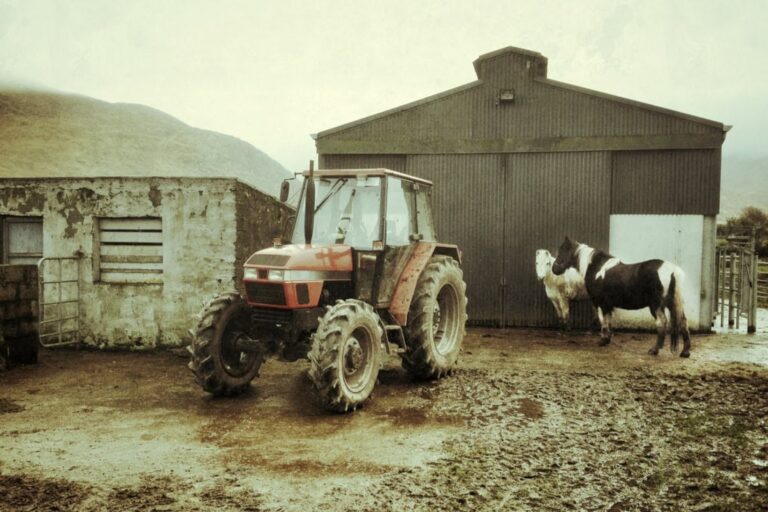
Caring for horses is as rewarding as it is demanding, but not all aspects of horse farm management are glamorous. From managing piles of manure to scrubbing slimy water troughs and untangling troublesome fence repairs, there’s no shortage of messy...
Understanding gastrointestinal catastrophes in horses is essential for every horse owner. From intussusception to strangulating lipomas, these life-threatening conditions can lead to sudden, severe colic symptoms that require immediate veterinary intervention. This guide provides an in-depth look at six critical...
Sheath cleaning, thrush treatment, and coat clipping may not be the most glamorous tasks in an equestrian's day, but they are essential for maintaining a horse’s health and well being. Regular sheath cleaning helps prevent discomfort, infections, and blockages in...
The equine digestive system is a series of long, flexible structures that can become twisted, leading to serious belly problems and colic. Since these structures are loosely suspended within the horse's large abdomen the digestive tract can twist or knot,...
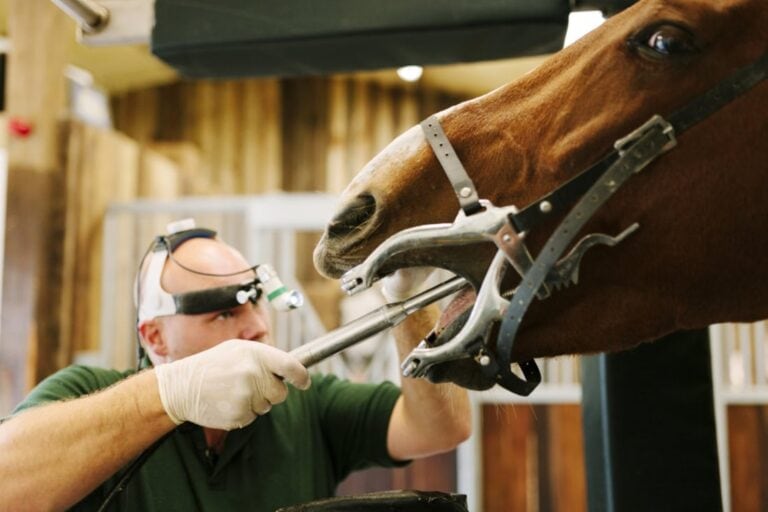
Tooth extraction is a relatively common dental procedure in horses that becomes necessary when a tooth is damaged, diseased, or otherwise problematic. Although a standard treatment, tooth extraction in horses can involve significant complications and challenges, sometimes even leading to...
Fecal Microbiota Transplantation (FMT) is a procedure gaining recognition in equine medicine for its potential to restore gut health in horses suffering from gastrointestinal disorders like diarrhea and colitis. The process involves transferring fecal material from a healthy donor horse...
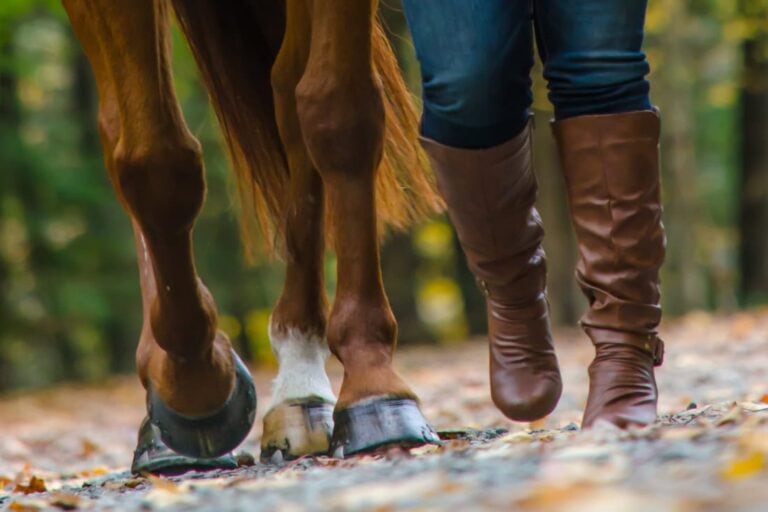
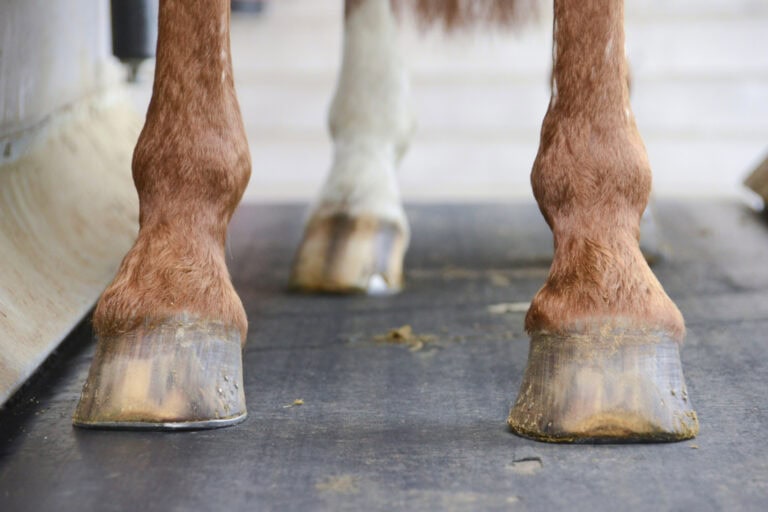
Hoof health is a key consideration for any horse. As the saying goes, "no, hoof, no horse". In the rich and stylized idiom of the horseman, a horse may have good hooves, or it may have shelly feet. In this...
Assessing a horse's nutritional status is critical for maintaining health and performance. Identifying and correcting vitamin and mineral deficiencies can help prevent a range of health issues, from poor coat condition and hoof quality to more serious problems like immune...
Mesenteric and omental rents are rare but potentially serious conditions that can affect horses. These rents are tears or openings in the mesentery or omentum, two structures within the abdomen. While these tears often go unnoticed, they can lead to...
Internal entrapments in horses involve the trapping of a segment of the small intestine within other structures in the abdomen. This can lead to serious complications, including blockage of food, gas, and fluids, and in severe cases, disruption of blood...
Displacement colics are a serious concern for horses, involving the abnormal positioning of the intestines within the hindgut. These conditions, including right dorsal displacement, left dorsal displacement, and large colon volvulus, can lead to blockages that disrupt the normal flow...
Enteritis is a serious condition in horses, characterized by inflammation of the intestinal tract, which can disrupt the digestive system and lead to symptoms such as diarrhea, colic, and weight loss. This condition can affect horses of all ages, though...
Small intestine volvulus is a serious condition in horses, characterized by a twisting of the intestine around itself and the root of the mesentery. This twist can cause a blockage, restricting blood flow and leading to severe damage to the...
The protein lumps and bumps that are found on the neck and back of the horse are often eosinophilic granulomas. These are small, benign nodules that can develop under a horse's skin. They may occur as single bumps or develop...
Inguinal hernias, also known as scrotal hernias, are a condition where a horse's intestine slips through the inguinal canal and settles in the vaginal tunic. Inguinal rupture is where a horse’s intestine slips through a tear in the vaginal ring...
Intussusception in horses describes a condition where a segment of the intestine folds inward on itself, like closing a telescope. This condition primarily affects younger horses, particularly foals, but is occasionally seen in mature horses. Intussusception can lead to severe...
Capped hock refers to inflammation and swelling over the bony point of a horse's hock. The "cap" may be squishy or firm and is usually the result of trauma or repeated rubbing. Alongside the characteristic swelling, the horse may have...
Sidewinder Syndrome, also known as sidewinder gait or crab walking, is one of the more perplexing and challenging equine health conditions for horse owners and veterinarians alike. This syndrome is characterized by a distinct sideways drift of the horse's trunk...
Wry nose is a congenital condition in foals where the nose appears twisted or crooked due to malformations that develop during gestation. This condition involves significant changes in the shape and direction of the upper jaw, nasal bones, incisive bones,...
Parrot mouth is a common equine dental condition typically identified at birth or shortly after. It is characterized by a pronounced overbite where the upper front teeth protrude beyond the lower row of teeth, causing the upper lip to overlap...
Hoof health is one of the pillars of overall horse health and well being. There are numerous conditions that can impact the horse's hooves, including quittor. Quittor is an infection in the collateral cartilage of the hoof often resulting from...
Bucked shins is a condition that affects the cannon bones of young race horses in the first 6 to 8 months of their speed training. Since the horse's bones are still developing, the strain of the training results in a...

Bog spavin is a common term for effusion in the horse's tarsocrural joint. This painful condition describes inflammation and fluid accumulation in the joint capsule between the tibia and the tarsal bones in the hock. Bog spavin is characterized by...