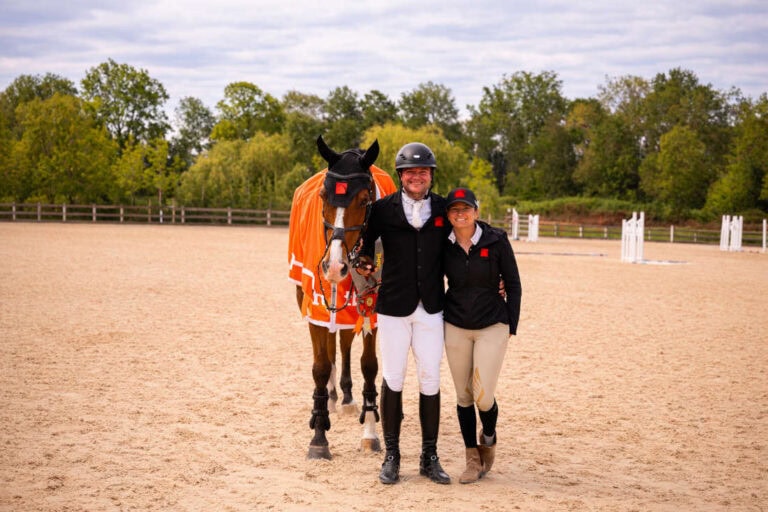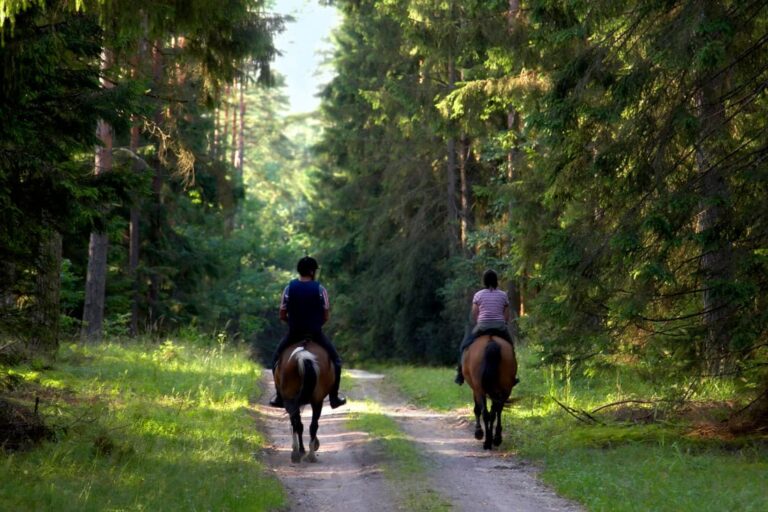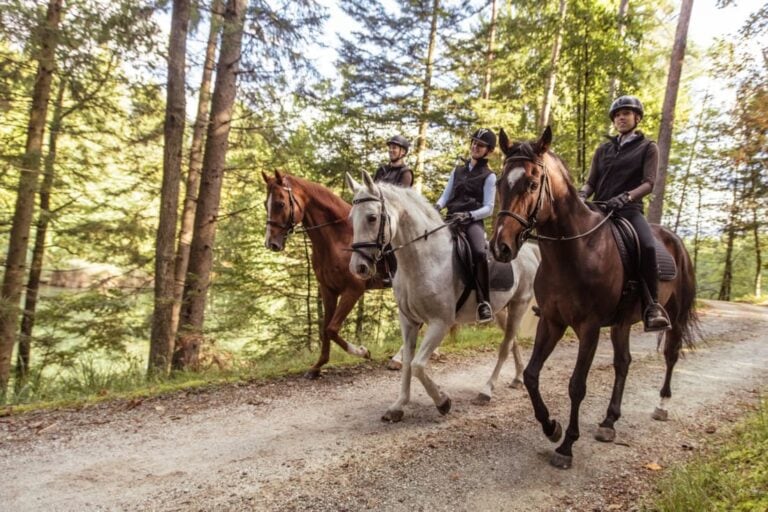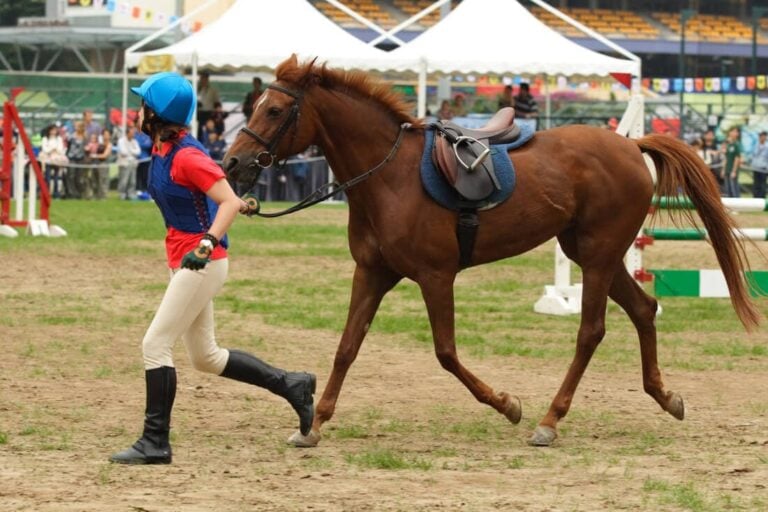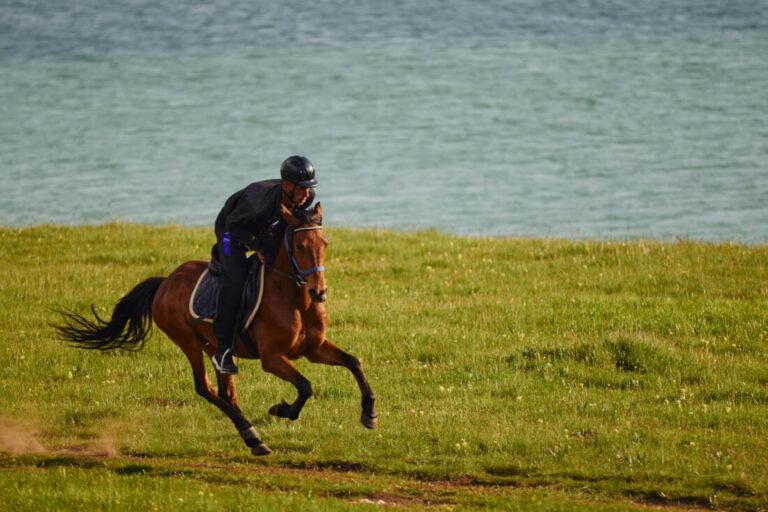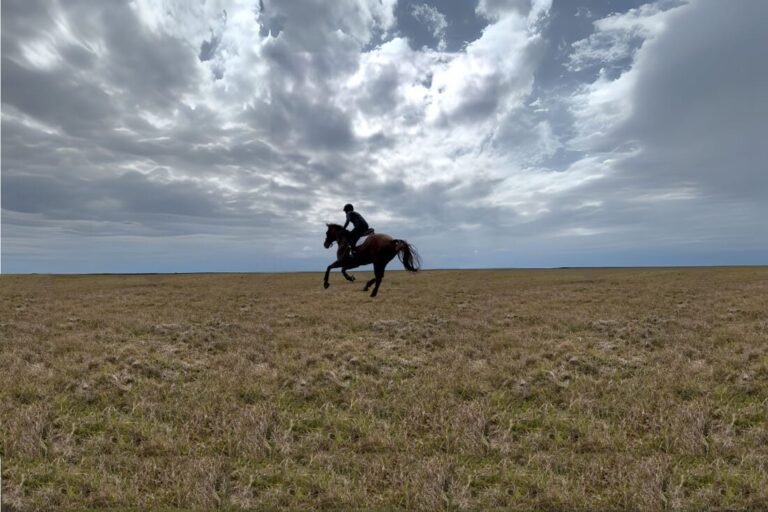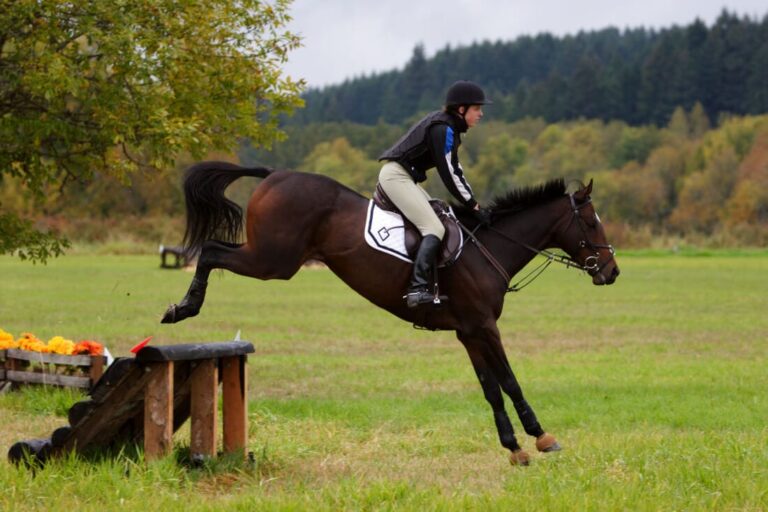

Hunter paces, commonly referred to as “paces,” is an equestrian sport that integrates aspects of endurance riding, eventing, and the strategic skills of traditional fox hunting. This discipline offers a unique way to test your horse’s fitness and partnership outside...

Most riders struggle with nerves before stepping into the ring at some point in their careers. For some, show-day anxiety can become a significant obstacle. Whether you're heading to your first show or competing at a high level, horse show...

While cold temperatures and shortened daylight hours can make a regular riding schedule difficult in the winter, thoughtful planning can help you maintain and even improve your horse’s fitness during colder seasons. The key is understanding how the season affects...

Leaving the arena and navigating varied terrain with your horse engages their bodies and minds in ways that flatwork alone cannot. Time on the trail can strengthen their muscles, improve cardiovascular fitness, and deepen the partnership between horse and rider....
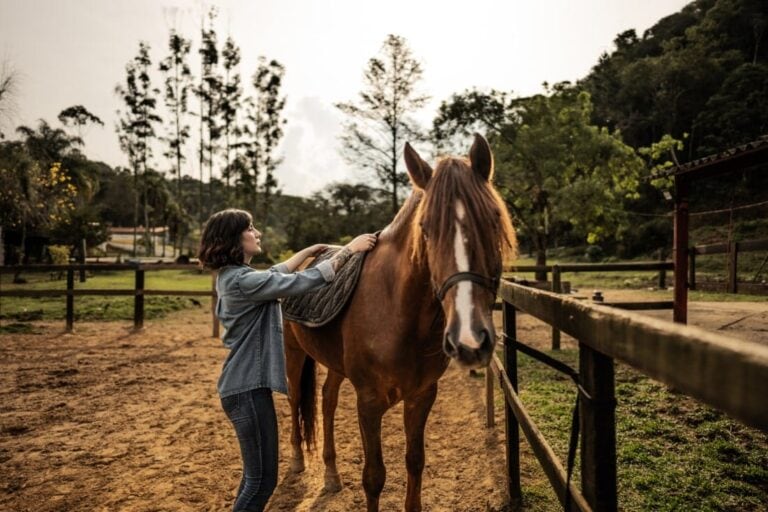
Cold-backed behavior in horses is a common yet often misunderstood issue that can significantly affect a horse’s comfort, performance, and overall well-being. Whether the horse reacts to being saddled, shows stiffness during warm-up, or seems resistant under saddle, identifying and...
Riding a green horse can be both a challenge and a valuable learning experience for skilled equestrians. Green horses are horses that are still learning the fundamentals of communication, balance, and trust, which means every interaction shapes their development. Regardless...
Developing a well-structured horse competition schedule is crucial for maximizing your horse’s performance and ensuring their optimal health. A carefully planned schedule ensures a balanced approach to training, allows sufficient time for recovery, and facilitates the thoughtful selection of competitions....
The gallop is the fastest, most powerful, and dynamic gait of the horse. For equestrians, it's also the most thrilling and often intimidating gait to ride. Knowing the mechanics behind this high-speed gait is essential for equestrians to safely ride...
Hill work is a powerful training and conditioning tool that offers numerous benefits for horses across all disciplines. Whether performed in-hand, under saddle, or with the support of equipment like treadmills, working on inclines engages the horse’s musculoskeletal system in...
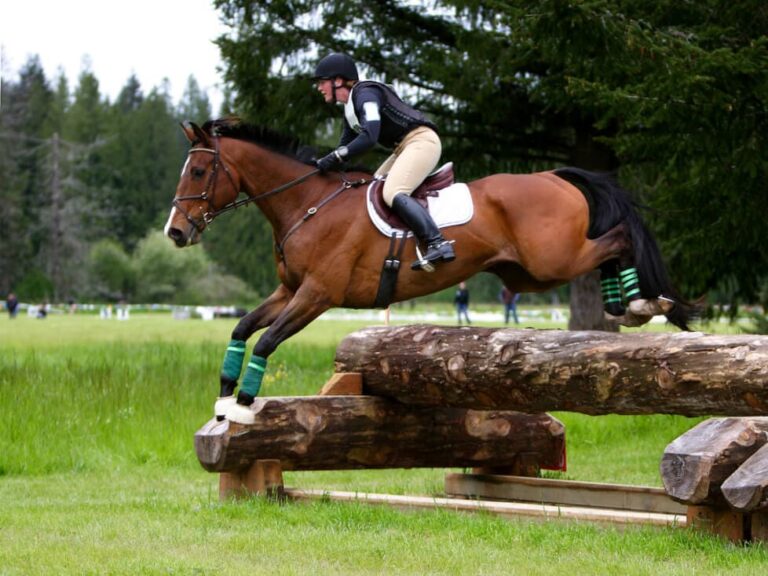
The cross-country phase of eventing is distinguished from other equestrian disciplines by testing horse and rider over challenging terrain and obstacles. Designed to evaluate jumping skills, mutual trust, and strategy, each course provides a unique experience at every competition. Understanding...
Warming up your horse before riding is essential for optimizing their performance and preventing injury. Just like human athletes, horses benefit from light exercise that prepares their bodies and minds for the demands of their specific discipline. A thoughtful warm-up...
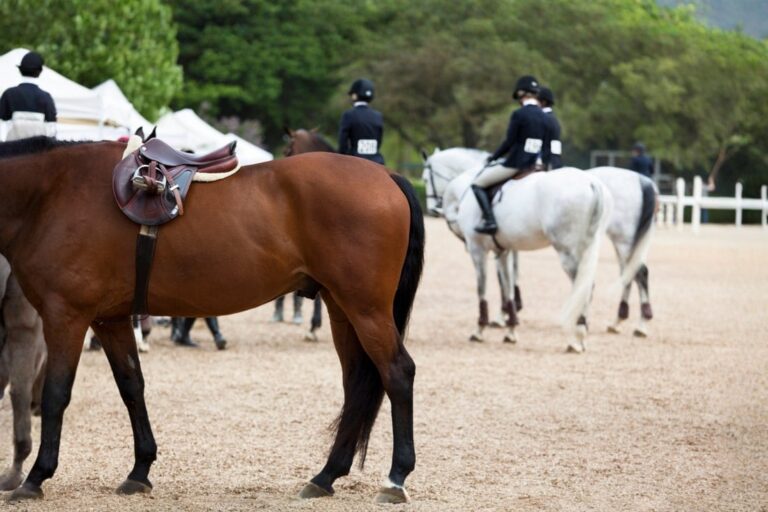
Managing horses at shows requires a deep understanding of how unfamiliar environments can impact their health and performance. Horses undergo both physiological and behavioral changes in these settings, and without proper care, they may experience stress, illness, or injury. By...
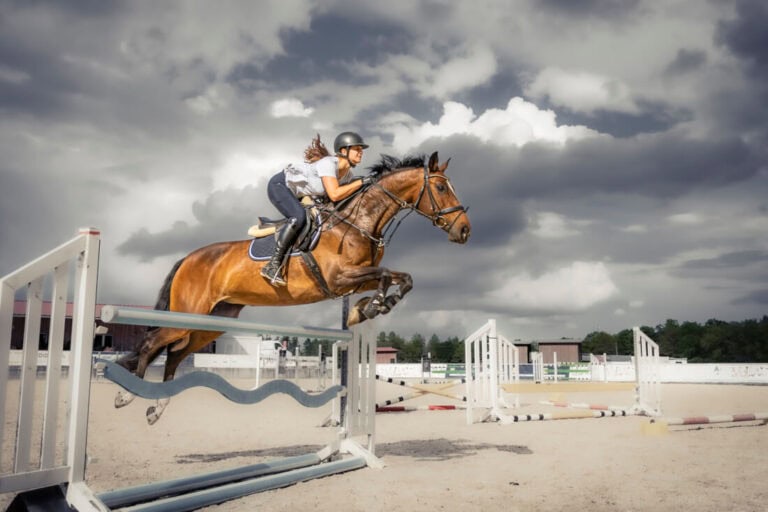
When preparing for a show jumping competition, understanding the course design and planning your ride are key strategies to ensure success. Show jumping courses are thoughtfully designed to challenge both horse and rider, testing skills like athleticism, rhythm, and timing....
Cross-country riding is a thrilling equestrian sport that tests both horse and rider across varying terrain and solid obstacles. It demands precision, speed, endurance, and quick decision-making for success. Rooted in fox hunting and military training traditions, cross-country riding has...
Horses that are well-conditioned or physically fit are better able to perform their work. A fit horse has a reduced risk of injury and soreness and their increased strength allows them to work more effectively. Achieving peak performance in horses...
The Off-Track Thoroughbred (OTTB) may start life on the track, but the versatility of this breed means they can go on to have successful second careers. Through patience and consistency, these smart and athletic horses can learn new skills and...
When searching for a new competition partner, riders have countless horse breeds to consider. While some focus on purebreds for breed-specific incentives, others prioritize finding a horse capable of excelling in the show ring and advancing through the levels in...
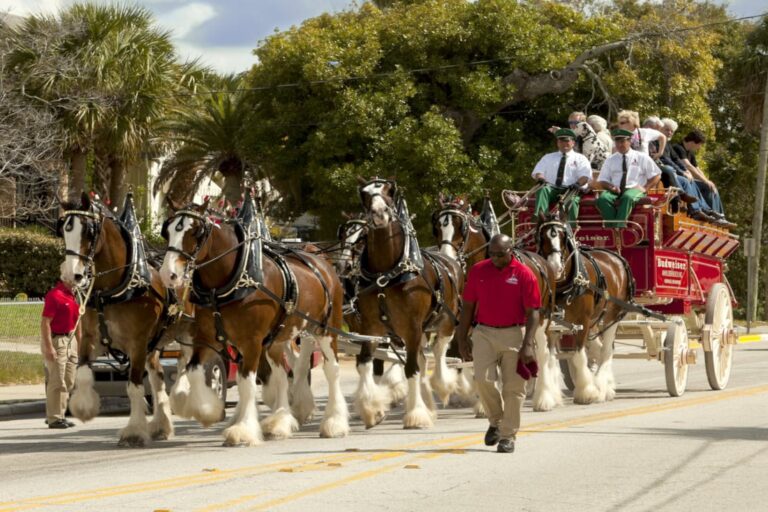
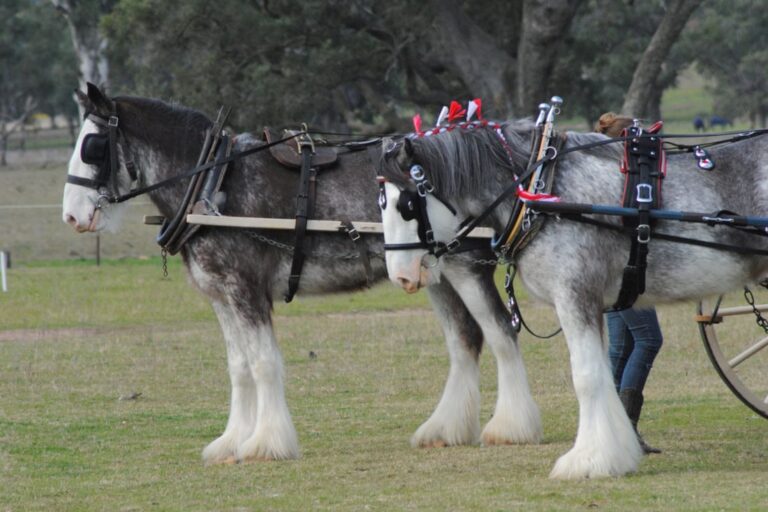
The NFL's annual Super Bowl is the biggest television and marketing event in North America every year. Among the many popular corporate icons associated with America's most famous sporting tradition is the beloved Budweiser Clydesdales hitch team. The familiar draft...
As the dominant breed in reining and barrel racing, talented Quarter Horses are among the most valuable performance equines in the world. While ranching Quarter Horses are famous for their cow sense and rodeo skills, racing Quarter Horses have been...
For horse enthusiasts, a career in the equine industry offers a unique opportunity to combine passion with professional fulfillment. The equine industry is remarkably diverse, providing a wide array of career paths that cater to varying interests and skill sets....
Draft horses are known equally for their incredible strength and work ethic alongside their gentle nature and sweet disposition. The strength and power of draft horses means they can perform certain tasks that no other breed of horse can, which...
The Thoroughbred is a popular horse breed in the United States, known for its speed, heart, and athleticism. Some Thoroughbreds have become so famous that even decades or centuries later, they’ve still left their mark on history. Many famous Thoroughbreds...