English
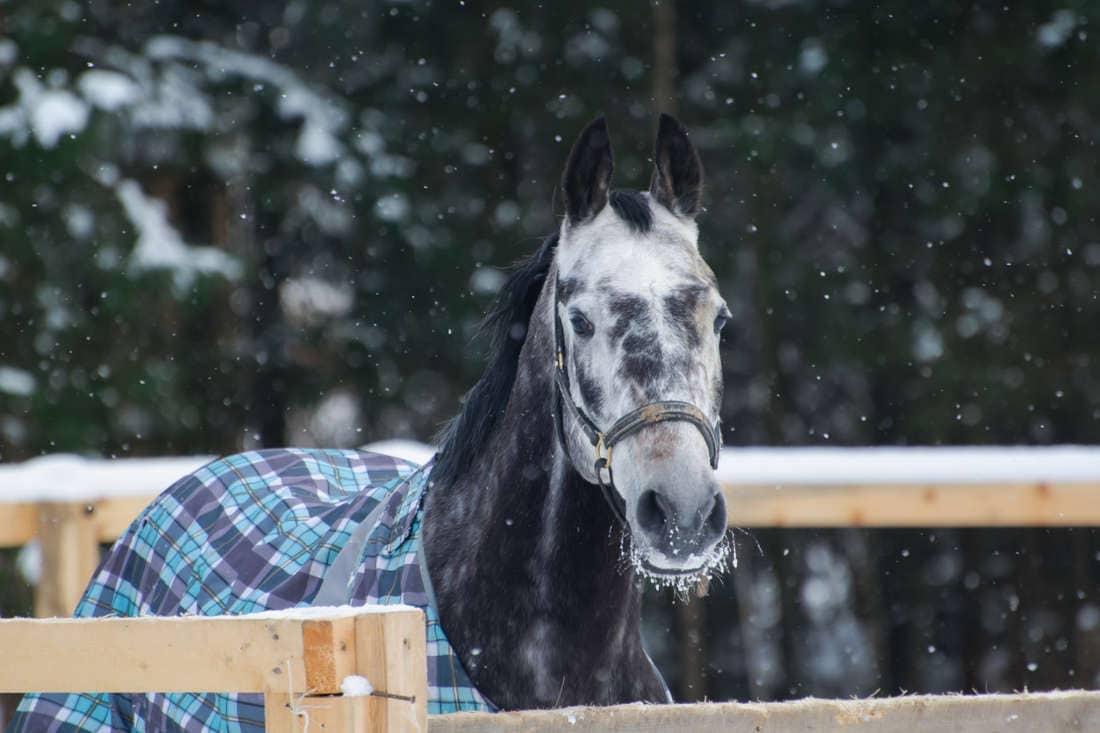
Bathing horses in winter is sometimes unavoidable, especially when mud, sweat, or manure stains build up during daily turnout and training. However, washing a horse in cold weather requires careful attention to water temperature, drying time, and shelter so the horse stays comfortable and does not become chilled.
Horses are well-adapted to cold environments, but a soaked hair coat can interfere with the natural insulation that helps them stay warm. Even mild winter temperatures can become risky when a horse is wet and exposed to wind, drafts, or prolonged drying times.
Fortunately, most winter grooming does not require a full bath. With the right approach, you can manage hygiene, protect the coat’s natural insulation, and keep your horse clean and comfortable throughout the colder months.
Keep reading for practical tips and alternatives to winter horse bathing and grooming so you are equipped to handle whatever the season throws at you and your herd.
Bathing Horses in Cold Weather
Bathing horses in winter weather requires more planning than bathing during warm seasons. When water saturates the coat, the horse temporarily loses part of the insulating air layer that helps retain body heat.
During the winter, many owners face the tough decision of ignoring caked-on grime or risking a cold-weather bath. Cold temperatures change how safely horses can be washed. When water saturates the coat, the horse’s ability to conserve body heat is reduced, which is why bathing practices that are safe in warm weather require more caution during winter.
Fortunately, most horses do not need full baths during winter to stay comfortable and hygienic. Daily grooming, targeted spot cleaning, and good stable management can remove sweat, mud, and manure buildup while preserving the coat’s natural insulation.
When washing is necessary, managing water temperature, drying time, shelter, and wind exposure becomes essential so the horse can dry quickly and maintain normal body temperature.
What's your top priority with your horse's health?

What's your top priority with your horse's health?
Risks of Winter Bathing
Cold-weather bathing affects several factors that influence how well a horse can maintain body heat.
Factors such as lower critical temperature, coat insulation, wind exposure, and management practices like clipping and blanketing all affect how a horse responds to getting wet in winter.
Lower Critical Temperature
One of the key concepts used to evaluate cold-weather risk in horses is lower critical temperature, which describes the point where environmental conditions begin to challenge the horse’s ability to maintain body heat.
Lower critical temperature (LCT) is the point below which a horse must expend extra energy to maintain body temperature. Below LCT, horses need additional dietary energy to support thermoregulation. [1]
LCT varies widely based on coat type, body condition, acclimation, wind, and wetness. Research shows healthy, acclimated horses with a full winter coat have an LCT of roughly 5 to 18°F (-15 to -7°C). [2]
Research also demonstrates the importance and impact of acclimation, as horses adapted to heated, indoor housing have a significantly higher LCT. One study reported an LCT of roughly 60°F (15°C) in horses acclimated to a heated barn. [3]
Wet Winter Coats
Dry cold is often much easier for a healthy horse to tolerate than damp cold, because wind and precipitation can significantly raise the horse’s lower critical temperature (LCT). Freezing rain, sleet, wet snow, and prolonged drizzle all reduce the insulating value of the winter coat.
A horse’s winter coat provides insulation by trapping a layer of air close to the skin. When hair is soaked, the trapped air collapses, and the coat stops insulating effectively.
Wind increases convective heat loss, and moisture increases conductive heat loss. In practice, a wet horse on a breezy, mildly chilly day can lose body heat faster than a dry horse at much colder temperatures. [1]
A healthy horse can typically tolerate a winter bath when the temperature is at least 50 to 60°F (10 to 15°C), as long as they are kept indoors until completely dry. At colder temperatures, even acclimated horses can’t safely maintain their body temperature while wet. [1]
Clipping & Blanketing
Many working horses thrive in winter with thoughtful clipping and blanketing. Clipping improves heat dissipation during exercise and makes grooming easier, but it reduces the horse’s natural insulation.
Research shows that clipping and blanketing significantly influence skin temperature and thermoregulation during exercise and recovery in cool environments. [4] These results underscore the importance of taking extra precautions when caring for clipped and blanketed horses during winter.
However, clipping can be an advantage if you must bathe your horse regularly in cold weather. Clipped horses take less time to fully dry after a bath than horses with full winter coats.
Assessing Winter Bathing Safety for Horses
Because winter bathing safety depends heavily on conditions and preparation, it helps to evaluate the situation before deciding whether a full bath is appropriate.
Before you turn on the hose this winter, run through this cold-weather checklist to determine if you should bathe your horse.
- Is the outside temperature over 50°F (10°C)?
- Do you have a warm, indoor area available for bathing and drying?
- Do you have heated water in your wash stall?
- Do you have the time to thoroughly dry the horse?
- Do you have what you need to dry your horse safely (a cooler, a solarium, etc.)?
- Are you bathing during the warmest part of the day?
- Is your horse healthy and in good condition?
If you can’t confidently answer yes to every question in this checklist, a full bath may not be worth the risk of cold stress in winter.
Post-Exercise Sweat Management
Many winter bath decisions happen after exercise, when sweat collects under tack and dampens winter coats.
Follow these best practices for sweat management during winter:
- Cool down actively: walk until sweat begins to dry
- Remove wet tack promptly: trapped sweat chills quickly
- Spot clean as needed: wipe the girth and saddle areas with a warm, damp cloth
- Use a cooler: to wick moisture during the drying phase
Consider clipping horses in full work during the winter to minimize sweat. If a horse is heavily sweaty, bath alternatives are safer than leaving salty sweat under a blanket.
How to Bathe a Horse in Winter
Sometimes a full bath is justified if your horse needs a medicated wash, comes in caked in mud, or has a show schedule that leaves no alternative. Here’s how to set yourself up for success and help your horse stay warm during and after the process.
1) Set Up Safely
Only give winter baths if you have an appropriate indoor environment and the right tools.
A fully supplied winter bath setup should include:
- Warm water access
- Gentle equine shampoo if needed
- Sweat scraper
- Multiple absorbent towels
- Cooler(s) (wicking fleece or wool-style coolers)
- A dry stall or solarium for the horse to stand in while drying
And remember, if the temperature is below 50°F (10°C), there are safer alternatives to keep your horse clean.
2) Use Warm Water
Use warm water that is comfortable to the touch. Avoid extremes. Very cold water increases the risk of chilling, while overly hot water can irritate the skin.
Only wet the areas you need to clean. Start with the dirtiest areas, often the legs and belly, and consider leaving large sections dry if they don’t truly need washing.
3) Shampoo Carefully & Rinse Thoroughly
In winter, residue is a bigger problem because it can irritate skin and attract dirt. Use shampoo carefully and rinse thoroughly to keep skin healthy. [5]
Use small amounts of shampoo and work it in quickly, then rinse until the water runs clear and the coat feels free of slickness. If using a medicated shampoo, follow your veterinarian’s directions for contact time and rinsing.
4) Dry Immediately
Drying is the most important step when bathing your horse during the winter.
For best results, use a three-part drying sequence:
- Scrape: Use a sweat scraper over the washed areas to remove surface water
- Towel: Towel-dry thoroughly, pressing into the coat to draw water out
- Repeat: Scrape again, then towel again
Remove as much water as possible before putting the cooler on your horse. Regularly check horses while drying in a cooler. If the cooler is damp, swap to a dry one.
Blanketing & Turnout After Bathing
A common winter mistake is placing a blanket over a damp coat. That can trap moisture, delay drying, and elevate the risk of hypothermia. [6]
Do not turnout until the horse’s skin and coat are dry to the touch. If you blanket, replace the cooler with an appropriate blanket after the coat is completely dry.
Cold Weather Bathing Alternatives
In many barns, winter hygiene is less about bathing and more about strategic grooming that keeps the hair coat functioning. The winter coat plays an important role in insulation by trapping warm air close to the skin, so grooming methods that avoid fully soaking the coat help preserve that natural protection.
Instead of reaching for the hose, many owners rely on targeted cleaning methods that remove sweat, dirt, and manure without saturating large areas of the coat. These approaches limit heat loss, reduce drying time, and allow the horse to stay comfortable even when temperatures are low.
Spot Cleaning
Spot cleaning is the best first-line option for winter mud, manure stains, and localized sweat marks.
Here are the basic steps to follow for effective winter spot cleaning:
- Curry and brush first to remove dry debris
- Use a warm, damp cloth to wipe the area
- If needed, add a small amount of equine shampoo to the cloth, then wipe again with a clean, damp cloth to remove residue
- Towel dry thoroughly
Spot cleaning allows you to clean the problem area without saturating the coat, so the horse maintains most of their insulation.
Sponge Baths
A sponge bath uses more water than spot cleaning, but far less than a full bath. This method works well for sweat marks, clipped horses after winter rides, and show touch-ups when you have indoor drying time.
To give your horse a winter sponge bath:
- Fill two buckets with warm water: one for washing, one for rinsing
- Work in small sections (neck, shoulder, hindquarters, etc.)
- Sponge the section lightly, lather minimally, then rinse thoroughly with a clean sponge
- Immediately scrape and towel-dry that section before moving on
It’s important to avoid soaking the horse all at once. In winter, sectioning reduces total wet surface area and shortens drying time.
Hot Toweling
Hot toweling is a classic winter grooming method that lifts dirt and sweat with heat and moisture, without saturating the coat.
To clean your horse using the hot towel method, follow these steps:
- Dip a towel in very warm water, then wring it out so it’s damp, not dripping
- Rub the coat briskly with the warm towel, working in sections
- Follow with a dry towel if needed
- Finish with brushing once the coat is dry
The heat loosens grime with minimal moisture, so insulation rebounds quickly.
Waterless Products
Waterless shampoos and grooming sprays can help with light dirt, dust, and mild sweat, especially on clipped horses. These products are useful, but they’re not ideal for heavy mud, sticky manure, or skin conditions that require thorough rinsing.
Choose equine-specific formulations and avoid overuse on irritated skin. Any product that leaves residue can attract dirt or cause itching in sensitive horses, so less is usually more. [5]

Warning Signs of Cold Stress & Hypothermia in Horses
Horses can shiver briefly and still be fine, especially during sudden weather changes. But persistent shivering, dullness, or a low rectal temperature suggests the horse is struggling to maintain core temperature. [6]
Important signs to watch for after bathing your horse in winter include: [6]
- Persistent or escalating shivering
- Shivering stops despite continued cold exposure
- Lethargy
- Reluctance to move
- Cool extremities or a cold feeling over the body
- A rectal temperature below the normal adult range (approximately 99 to 101°F / 37 to 38°C)
If your horse is showing signs of hypothermia, it’s critical to take action immediately:
- Get the horse out of the wind and precipitation immediately.
- Remove wet coverings, thoroughly dry the horse, and apply insulating layers.
- Provide forage and a warm, sheltered environment.
If you suspect hypothermia, treat it as urgent and involve your veterinarian. [7]
Practical Winter Grooming Decisions
Winter grooming is less about keeping horses perfectly clean and more about protecting their comfort and health. Cold temperatures, wind, and wet coats can all affect a horse’s ability to regulate body heat, which is why bathing decisions require more planning during the colder months.
In many situations, alternatives such as spot cleaning, sponge baths, or hot toweling provide enough hygiene without compromising the insulating function of the winter coat.
When a full bath is necessary, success depends on preparation: warm water, limited soaking, and thorough drying in a sheltered environment.
With thoughtful management, horses can stay both clean and comfortable throughout the winter. Understanding when to bathe, when to use alternatives, and how to recognize early signs of cold stress helps ensure grooming supports your horse’s well being rather than working against it.
Frequently Asked Questions
Here are some frequently asked questions about bathing horses in cold weather:
Bathing horses in cold temperatures becomes risky when air temperatures drop below about 50–60°F (10–15°C), especially if drying conditions are poor. Safe bathing depends less on a strict number and more on whether horses can dry quickly in a sheltered, low-wind space. Without that setup, even mild temperatures can lead to chilling after a bath.
Bathing horses during winter months can be done safely when conditions support quick drying and limit exposure to cold air. Access to a sheltered or heated area, along with proper drying tools, makes a significant difference. When those conditions are not available, partial cleaning methods often provide a safer alternative to a full bath.
Thick winter coats make bathing horses more challenging because dense hair traps water close to the skin. This slows evaporation and increases the risk of chilling if drying takes too long. Careful planning, minimal soaking, and efficient drying methods are important when working with heavier coats during colder weather.
Using warm water when bathing horses in winter improves comfort and reduces immediate cold stress during washing. Water temperature matters less than how quickly moisture is removed afterward. Limiting how wet the coat becomes and focusing on thorough drying has a greater impact on maintaining body heat.
Horses take longer to dry after a winter bath due to cooler air, higher humidity, and thicker coats. Drying time varies widely based on coat length and airflow, with clipped horses drying faster than unclipped ones. Using sweat scrapers, towels, and moisture-wicking coolers helps reduce drying time and limit heat loss.
Blanketing horses immediately after bathing can trap moisture and slow the drying process, increasing the risk of chilling. Removing excess water first and using a cooler allows moisture to wick away more effectively. Heavier blankets are best introduced only after the coat has dried fully.
Heated barns make winter bathing safer for horses by reducing exposure to cold air and supporting faster drying. Enclosed wash areas help maintain body temperature during and after bathing. Even in these environments, attention to drying and limiting drafts remains important for preventing chills.
Alternatives to bathing horses in cold weather include spot cleaning, sponge bathing, and hot toweling to remove dirt without soaking the coat. Grooming sprays designed for waterless cleaning can also help maintain cleanliness. These methods reduce moisture exposure and are often more practical during colder conditions.
Clipped horses handle winter bathing differently because shorter hair allows faster drying but provides less insulation. This makes them more prone to heat loss if not dried and covered properly. While unclipped horses retain more warmth, their coats hold more water, which can prolong drying time.
Horses benefit from equine-specific shampoos during winter bathing since these products are formulated to support skin health. Harsh or frequent washing can contribute to dryness and flaking in colder months. Using shampoo sparingly and rinsing thoroughly helps maintain the coat and skin barrier during winter care.
Summary
Healthy horses can tolerate baths in a sheltered environment when the temperature is above 50 to 60°F (10 to 15°C).
- Winter bath alternatives, such as spot cleaning, sponge baths, and hot toweling, can help keep horses clean when it's too cold to bathe
- If a full bath is necessary, use warm water strategically, rinse thoroughly, and make drying your main focus
- Clipped horses and higher-risk individuals need additional caution and thoughtful blanketing after bathing and exercise
- Know the signs of cold stress and respond promptly if your horse struggles to maintain body temperature
References
- Mejdell. C. M. et al. Caring for the Horse in a Cold Climate—Reviewing Principles for Thermoregulation and Horse Preferences. Applied Animal Behaviour Science. 2020.
- Cymbaluk. N. F. Thermoregulation of Horses in Cold, Winter Weather: A Review. Livestock Production Science. 1994.
- Morgan. E. K. M. Climatic Energy Demand of Horses. Equine Veterinary Journal. 1995.
- Wallsten. H. et al. Temperature Regulation in Horses during Exercise and Recovery in a Cool Environment. Acta Veterinaria Scandinavica. 2012. View Summary
- Cekiera. A. et al. The Examination of Biophysical Parameters of the Skin in Polish Konik Horses. PLOS ONE. 2021. View Summary
- Hines. M. T. Clinical Approach to Commonly Encountered Problems. Equine Internal Medicine. Elsevier. 2018.
- Stephen. J. O. et al. Clinical and pathologic findings in donkeys with hypothermia: 10 cases (1988–1998). JAVMA. 2000.