English









Starting riding lessons is an exciting step for anyone interested in horses, whether you’re a child, teenager, or adult beginner. Riding offers more than just the thrill of being in the saddle. It provides physical exercise, improved balance and coordination, and an opportunity to develop patience, focus, and confidence.
For many beginners, the idea of working with such large animals can feel intimidating at first. It’s normal to experience a mix of curiosity, anticipation, and nervousness before stepping into the barn. Knowing what to expect in your first lesson can make all the difference, helping ease anxieties and replace uncertainty with excitement.
Remember that every accomplished equestrian was once a beginner. Lesson barns are designed to help new riders learn safely and comfortably, with calm, well-trained horses and supportive instructors who guide you through each step.
Read on to learn everything you need to know about your first horseback riding lesson. From the skills you’ll begin to develop and the steps you can take to prepare, this helpful guide will help you start riding with confidence. You’ll also learn how to overcome common challenges faced by new riders, what to look for in a quality riding facility, and how to progress effectively as you continue your equestrian journey.
What to Expect When Starting Horseback Riding Lessons
Signing up for your first horseback riding lesson is a rewarding first step for any beginner eager to connect with horses and learn something new.
Most people start riding because they love horses and want to spend time around them, learn how to communicate, and experience the connection that comes from working with such powerful yet sensitive animals. Riding also offers time outdoors, a break from screens, opportunities to build friendships, and a sense of calm and accomplishment that keeps riders coming back. [1][2]
For beginners, the first lesson can bring a mix of curiosity, anticipation, and nervousness—especially if it’s your first time around large animals or you didn’t grow up in a farm environment. [1][2] Fortunately, lesson barns are well accustomed to working with first-time riders and will make sure your introduction to the sport is safe, comfortable, and enjoyable.
Your first horseback riding lesson usually begins with an orientation and safety briefing. Your instructor will give you a tour of the barn and facilities, pointing out key areas like riding arenas, paddocks, and tack rooms. You’ll learn barn rules and safety procedures, including how to move safely around horses and what to do in case of an emergency. Proper riding gear—such as a helmet, boots with a small heel, and gloves—will be fitted, and you’ll be shown how to approach and handle horses calmly using gentle movements and clear body language.
Depending on the barn and your instructor, you may spend part of your first lesson in the saddle or focus on learning essential horse care and groundwork skills. Both approaches build confidence and lay the foundation for safe, enjoyable riding experiences in the lessons to come.
Groundwork
Many barns prefer to have beginners complete multiple groundwork lessons before riding. These sessions help build confidence, teach safe horse handling skills, and foster trust between horse and rider.
Key groundwork skills usually include: [1][3]
- Haltering and leading the horse safely on a lead line
- Grooming the horse and picking out hooves
- Observing horse body language to understand comfort and stress signals
- Tacking up and learning about saddles, bridles, saddle pads, and how to put them on correctly
Basic Riding Skills
Once you feel comfortable on the ground, lessons progress to basic riding skills.
During this stage, you’ll practice:
- Mounting and dismounting safely, often with a mounting block
- Maintaining correct posture and balance in the saddle
- Holding the reins and giving gentle cues (also known as “aids,” the directions the horse follows from the rider)
- Walking the horse under instructor supervision
Watching other riders is also encouraged, as it helps beginners see how horses respond to different cues and builds confidence before progressing to more advanced riding techniques. [4]
What's your top priority with your horse's health?

Enter your email to receive your store credit
How to Prepare for Your First Lesson
Preparing for your first horseback riding lesson can help you feel confident, comfortable, and ready to focus on learning.
While riding is an enjoyable experience, it also requires attention to safety and basic horse handling skills. Proper preparation ensures both you and the horse have a positive and productive lesson.
Attire & Equipment
New riders often feel unsure how to prepare for lessons, especially when it comes to choosing the right clothing and gear. It can be tempting to delay investing in equipment until you know whether you’ll stick with riding, but starting with a few well-chosen basics can make a big difference in your comfort and enjoyment.
Many equestrian disciplines have specific equipment and dress codes, and it can be hard to know where to start. The best person to ask about attire and gear for your first lesson is your instructor or main contact at the riding school—they can tell you what’s required and what can wait until later.
Most lesson barns suggest or require the following attire and equipment for beginner lessons: [5][6]
- Comfortable, fitted clothing that allows freedom of movement. Jeans or riding breeches are recommended.
- Closed-toe boots with a small heel provide better grip in the stirrups and protect your feet. Many barns have strict rules prohibiting open-toed shoes for safety.
- Gloves can help prevent blisters while holding the reins.
- A properly fitted helmet is essential for safety.
While many facilities will rent or loan you a helmet, the safest option is to purchase one yourself to ensure it fits correctly and does not have any structural damage.
Physical Preparation
If you’ve never ridden before, it might seem like the horse does all the work and the rider is just along for the ride. In reality, horseback riding is a full-body workout that engages your core, legs, and balance.
Proper warm-ups and stretches can support mobility and help you feel more balanced and stable in the saddle. Taking a few minutes to move and loosen up before your lesson will help your body adjust more easily to the horse’s motion and be prepared for physical exertion.
General tips to ensure you’re at your best on the first day include:
- Bring water and stay hydrated before your lesson, especially in warm weather
- Eat a light meal or snack beforehand to maintain energy without feeling overly full
- Stretching or light exercise prior to riding can help loosen muscles and improve balance
Barn-Specific Requirements
Arrive early for your first riding lesson to allow time for orientation and to get familiar with the barn, facilities, and horse.
Review any pre-lesson instructions provided by the barn, such as what to bring or specific safety protocols, and be ready to participate in groundwork exercises like grooming, leading, and tacking up.
Keep in mind that each riding facility has their own rules, recommendations, and policies regarding attire, equipment, and lesson procedures.
Contacting the barn ahead of your first lesson is the best way to ensure you are fully prepared, comply with their requirements, and have the opportunity to ask questions about safety, protocols, or what to expect during your visit.
Tips for a Successful First Lesson
Success in your first horseback riding lesson comes from preparation, patience, and focus. Listening carefully to your instructor is essential.
Horses are sensitive animals, and small details in posture, rein handling, and movement make a difference in how your mount responds. Confidence builds gradually, so it’s important to set realistic expectations and not rush the process.
Some practical tips for beginner equestrians include: [7]
- Stay calm and relaxed: Horses respond to your energy; a calm approach helps them stay calm too.
- Ask questions: Don’t hesitate to clarify instructions or ask for guidance on handling or riding techniques.
- Focus on safety: Prioritize learning correct posture, mounting, and basic rein cues before attempting faster gaits or more advanced skills.
- Be patient: Riding is a skill that improves with practice. Celebrate small milestones, such as walking confidently or steering correctly, as part of your progress.
Common Challenges New Riders Face
Many beginners experience common challenges that can be addressed with patience and practice. Nervousness is normal, especially around large animals. Spending extra time on groundwork under an instructor’s supervision can reduce fear and build confidence, as they provide tips on safe handling and interpret horse signals for you. [1]
Other challenges new riders often face include: [1][8]
- Maintaining balance: Beginners often feel wobbly or tense in the saddle. Instructors can offer real-time feedback on posture, adjust stirrup lengths, and provide exercises on the ground or at a walk to help strengthen core muscles and develop stability.
- Rein handling: New riders may grip too tightly or inconsistently. A trainer will demonstrate proper hand position, show how to give gentle, steady cues, and guide the rider in coordinating reins with seat and leg aids for better control.
- Mounting and dismounting: Using a mounting block and practicing slowly under supervision prevents strain. Instructors can assist physically, coach correct technique, and ensure both horse and rider are safe during each attempt.
- Communication: Beginners may struggle to understand horse responses or convey their intentions clearly. Instructors guide riders in reading body language, giving subtle cues, and building a two-way understanding that fosters trust and cooperation.
- Frustration: Riding takes time to master. An instructor helps set realistic goals, provide encouragement, and highlight small achievements, so the rider maintains confidence and focuses on gradual improvement rather than perfection.
Choosing a Reputable Riding School
Selecting the right barn or riding school is one of the most important steps in beginning your equestrian journey. A reputable facility ensures not only a safe learning environment but also proper horse care and qualified instruction. Taking the time to evaluate a barn before committing can make all the difference in your experience and long-term progress.
Key considerations when choosing a riding school for beginners include: [9][10][11][12]
- Instructor qualifications: Look for certified or experienced instructors who emphasize safety, clear communication, and horse welfare. A good instructor adapts lessons to the rider’s age, ability, and confidence level.
- Horse welfare: Observe the condition of the horses. They should appear healthy, well-fed, and calm. They should react well when approached by a human. Stalls, paddocks, and arenas should be clean and maintained, with fresh water always available.
- Horse behavior knowledge: A good coach should be able to explain exactly why a horse reacts to things the way they do. This ensures they understand how horses think and that their coaching is aligned with learning theory.
- Safety practices: Helmets should be required to protect riders from head injuries in the event of a fall or accidental impact, and barns should have clear rules about footwear (no open-toed shoes) and behavior around horses.
- Lesson structure: Reputable barns often require beginners to start with groundwork and basic handling before progressing to riding. Avoid facilities that place new riders directly on a horse without this foundation, or that run heavily crowded group lessons where individual attention is limited. It may seem appealing to progress faster, but rushing will hinder your skills and confidence in the long run.
- Facility environment: A professional barn fosters a positive, welcoming atmosphere. Riders and staff should treat each other and the horses with respect. Transparent communication and clear policies are also signs of a well-run program.
Visiting a potential facility, observing a lesson, and even speaking with current students or parents can provide valuable insights. Trust your instincts: if the horses seem stressed, the facilities neglected, or safety overlooked, it may not be the right place to learn effective fundamentals.
Progressing Beyond the First Lesson
Once you’ve completed your first horseback riding lesson, subsequent sessions focus on building confidence, improving skills, and developing a stronger connection with the horse. Progression is gradual, allowing you to master foundational skills before moving on to more complex exercises.
In early lessons, you may continue to practice groundwork, grooming, and tacking up while refining basic riding techniques such as mounting, dismounting, posture, balance, and rein control. Your instructor may also introduce steering and stopping cues, as well as simple transitions between walking and trotting, depending on your comfort and skill level.
As your confidence grows, lessons often shift to include: [13]
- More advanced riding exercises, such as trotting patterns, circles, or small obstacles
- Developing an independent seat and balance, allowing you to respond more effectively to the horse’s movements
- Gradually riding more experienced or energetic horses under instructor supervision to develop versatility and adaptability
Your instructor plays a key role in tailoring lessons to your progress, helping you overcome challenges, and setting realistic goals. Feedback is continuous, focusing on correct technique, safety, and reinforcing positive habits. [1]
Ultimately, the goal is to foster both skill and confidence so you can enjoy riding safely, progress at a comfortable pace, and build a strong bond with your horse. With consistency, patience, and practice, you’ll move from beginner groundwork to competent, independent riding while developing an appreciation for horsemanship and equine care.

Understanding Different Riding Disciplines
One of the exciting parts of starting your equestrian journey is discovering the wide variety of riding styles available. While all riding is built on the foundation of communication, balance, and respect for the horse, the goals and techniques can look very different depending on the discipline.
Learning about the main styles can help beginners choose the path that best fits their interests.
English Riding
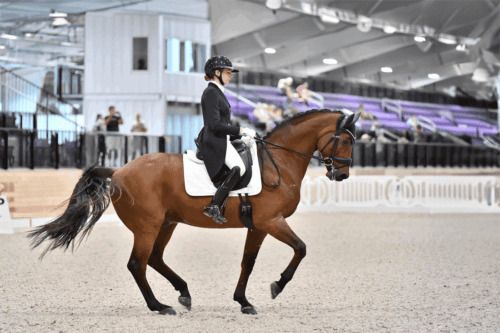
English riding is often associated with traditional European equestrian sports such as dressage, show jumping, eventing, and hunter riding. This riding style emphasizes a more upright position, shorter stirrups, and direct rein contact with the horse’s mouth. Riders typically use an English saddle, which is lighter and allows closer communication with the horse’s movements.
The most famous English disciplines that may be familiar to new riders include:
- Dressage focuses on precision, harmony, and the horse’s responsiveness to subtle cues
- Show and working hunter lays the groundwork for basic gaits and jumping skills
- Show jumping challenges both horse and rider to navigate courses of fences rapidly with balance and control
- Eventing combines dressage, cross-country jumping, and show jumping, often referred to as the “triathlon” of equestrian sports
- Cattle events like roping, sorting, or penning which focus on ranch-based skills
Western Riding
Western riding developed from working ranch traditions and has a distinct style with longer stirrups, a larger saddle with a horn, and looser rein contact. It tends to be more relaxed in posture, focusing on comfort for long hours in the saddle.
Common Western disciplines include:
- Trail riding, a favorite for beginners who want a casual, enjoyable experience outdoors
- Barrel racing and pole bending, which test speed and agility
- Reining, which showcases precise patterns of spins, stops, and circles
Choosing an Equestrian Discipline
When you’re just starting out as a rider, you don’t need to commit to one discipline right away. Many barns introduce students to a blend of styles before narrowing focus.
A good approach is to think about your long-term goals: do you see yourself competing, enjoying relaxed trail rides, or simply learning to ride for fun and exercise? Trying lessons in both English and Western styles can give you a clearer sense of what feels most natural.
At the end of the day, there is no “better” riding style—just what best fits your personality, comfort level, and goals. A reputable barn will help guide you in this choice, offering opportunities to explore different disciplines while keeping safety and horse welfare at the forefront.
Frequently Asked Questions
Here are some frequently asked questions about horse riding for beginners:
To begin horseback riding as a beginner, start by finding a reputable riding facility with certified instructors. Take introductory lessons, focus on groundwork to build confidence, and gradually progress to riding. Proper safety equipment, patience, and a willingness to learn are key.
Learning to ride a horse varies by individual, but most beginners gain basic riding skills within 6 to 10 lessons. Mastery of more advanced techniques can take months or years of consistent practice. [1]
Children can start horseback riding as young as 4 to 5 years of age with ponies and appropriately supervised lessons. There is no upper age limit—adults can begin riding safely at any age, focusing on proper instruction and gradual progression.
First horseback riding lessons usually begin with orientation and safety briefing, followed by groundwork such as grooming, leading, and learning about tack. Beginners then practice basic riding skills, including mounting, posture, balance, rein handling, and walking the horse under instructor supervision.
Summary
Your first horseback riding lessons will focus on orientation, safety, and basic groundwork to build confidence and trust with the horse.
- Proper preparation with appropriate clothing, footwear, helmet, and hydration helps ensure a safe, positive experience for new riders.
- Beginners can expect to learn groundwork and basic riding skills, including grooming, leading, tacking up, mounting, posture, balance, and rein cues.
- Common challenges for new riders include nervousness, maintaining balance, and handling the reins.
- Choose a reputable barn with qualified instructors, well-cared-for horses, and structured lessons to ensure a positive experience for horse and rider.
- When researching barns for your first lessons, avoid facilities that skip groundwork or have overcrowded lessons.
References
- Garbett. D. Horse Riding 101: The Role of Experience in Reframing Teacher Education Practices. Studying Teacher Education. Routledge. 2011.
- Ohtani. N. et al. Horseback Riding Improves the Ability to Cause the Appropriate Action (Go Reaction) and the Appropriate Self-Control (No-Go Reaction) in Children. Frontiers in Public Health. 2017.
- Equine - Codes of Practice for the Care and Handling of Horses. National Farm Animal Care Council. 2013.
- Liehrmann. O. et al. What Drives Horse Success at Following Human-given Cues? An Investigation of Handler Familiarity and Living Conditions. Animal Cognition. 2023.
- Horse Riding Safety Act. Government of Ontario. 2001.
- Footwear. University of Kentucky Ag Equine Programs. 2025.
- Kang. O.-D. and Yun. Y.-M. Influence of Horse and Rider on Stress during Horse-Riding Lesson Program. Asian-Australasian Journal of Animal Sciences. 2016.
- Garbett. D. Self-Study in Physical Education Teacher Education: Exploring the interplay of practice and scholarship. Springer International Publishing, Cham. 2014.
- Byström. A. et al. The Impact of Teaching Approach on Horse and Rider Biomechanics during Riding Lessons. Heliyon. Elsevier. 2025.
- Ingemarson. H. et al. Lethal Horse-Riding Injuries. Journal of Trauma and Acute Care Surgery. 1989.
- Haigh. L. and Thompson. K. Helmet Use Amongst Equestrians: Harnessing Social and Attitudinal Factors Revealed in Online Forums. Animals. 2015.
- Bier. G. et al. Impact of Helmet Use in Equestrian-Related Traumatic Brain Injury: A Matched-Pairs Analysis. British Journal of Neurosurgery. Taylor & Francis. 2018.
- Podhajsky. A. The Complete Training of Horse and Rider. Knopf Doubleday Publishing Group. 2013.