English
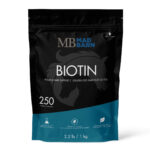
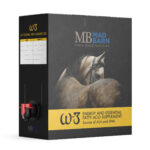
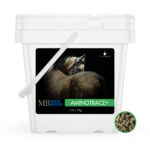


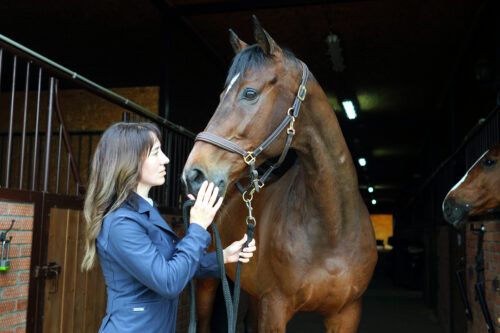
In November of 2023, a diet evaluation was requested for a 6-year-old, slightly overweight Quarter Horse mare. Her name is Izzy, and at the time of submission she was located in New Hampshire, USA. Her initial weight was approximately 930 lb (422 kg). Reported concerns included metabolic health, hoof quality, and weight issues.
The horse owner’s primary goal was to support Izzy’s metabolic health and encourage weight loss to help control insulin levels and prevent future episodes of laminitis.
Presentation Prior to Diet Intervention
In her submission, Izzy was listed as being slightly overweight and in light exercise.
She also presented with the following special care needs:
- Insulin resistance
- Chronic hoof issues related to an episode of laminitis in July 2023
- Weight issues
The following photos were provided of Izzy in November 2023, prior to her diet evaluation:
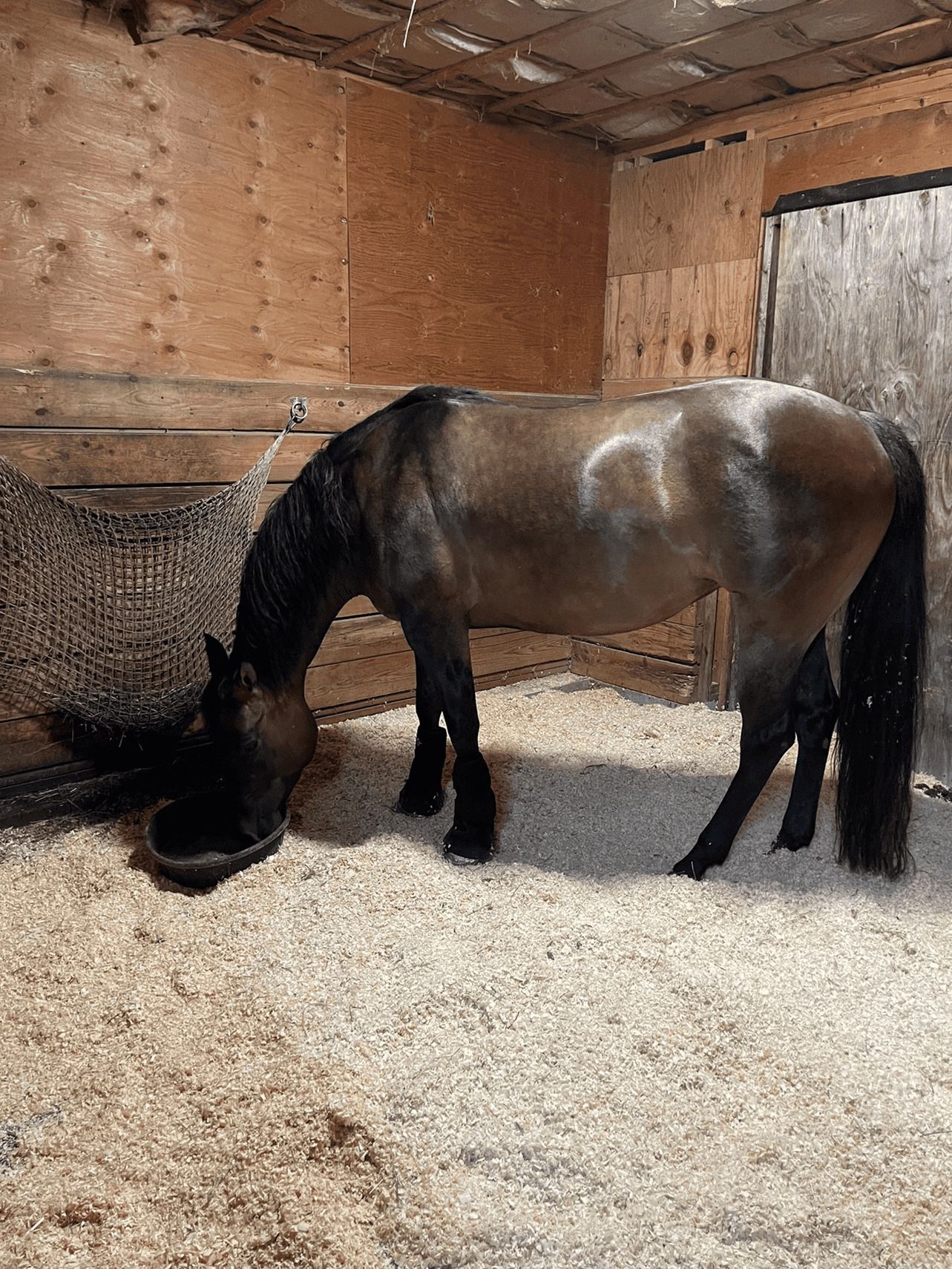 Izzy 2023
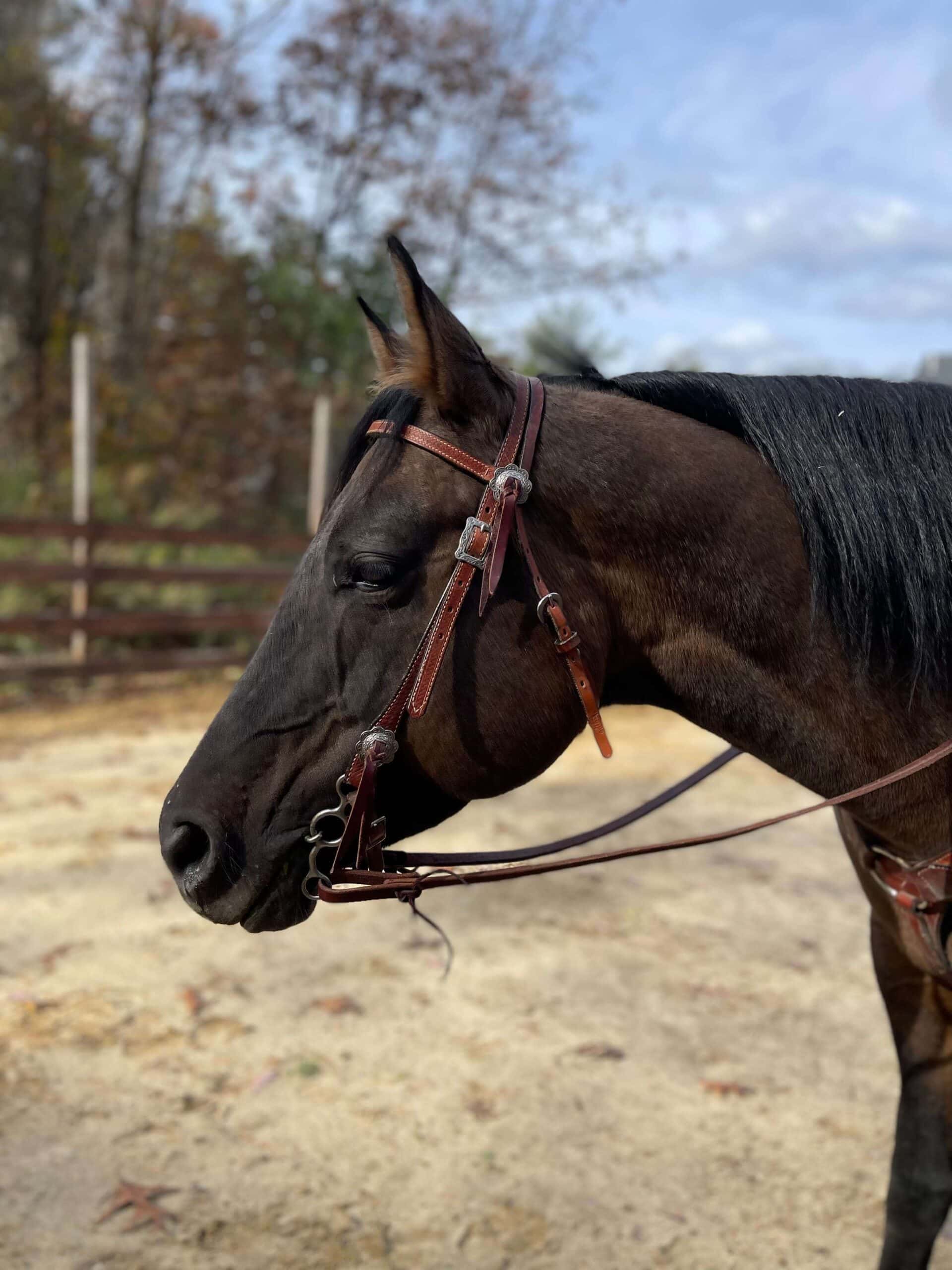 Izzy 2023
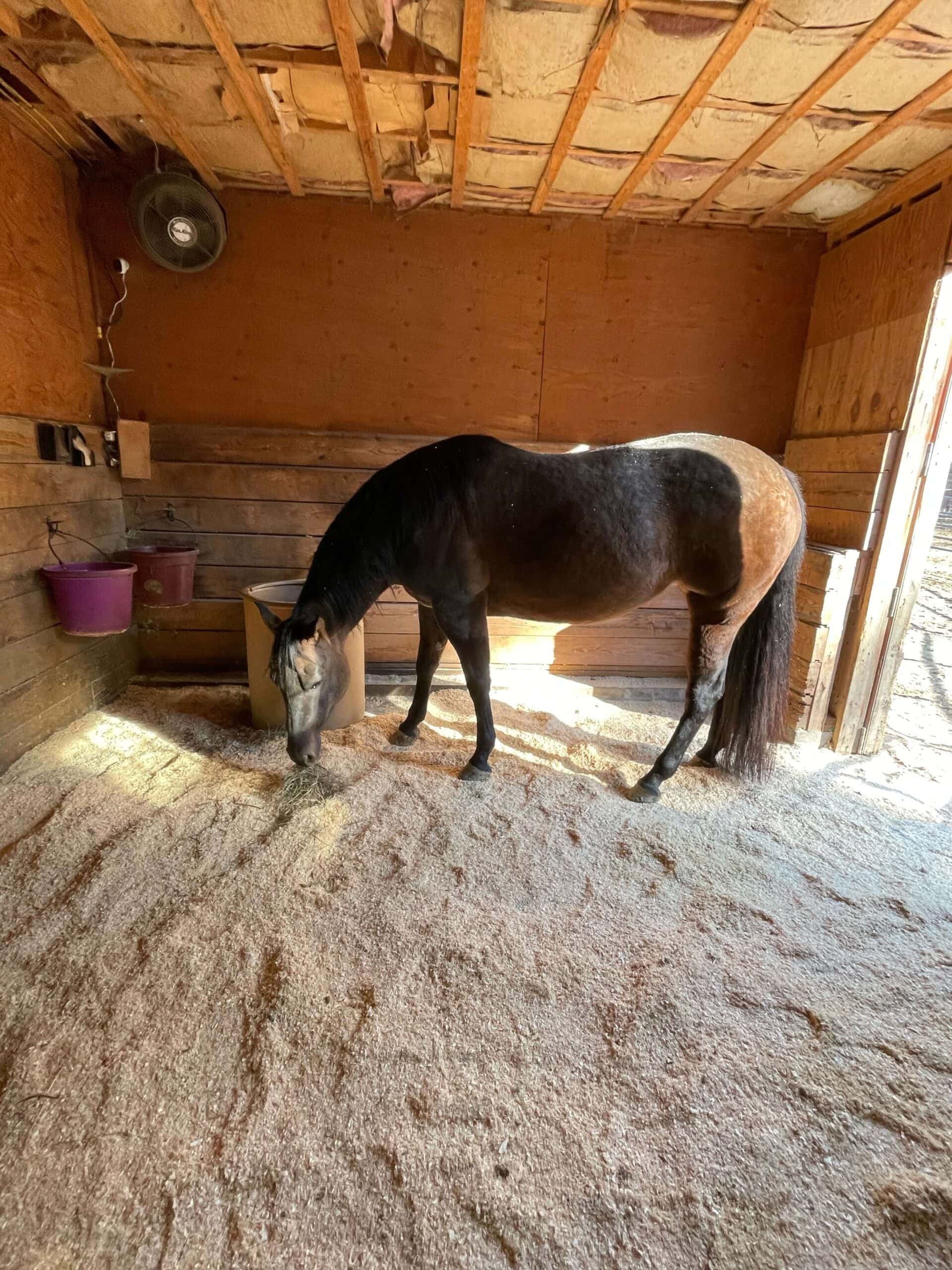 Izzy 2023
Horse History
Izzy’s owner acquired her from a reining facility in December of 2022 as a Quarter Horse filly. Initially, Izzy was fed free-choice Timothy hay through a slow feeder net and supplemented with KER Micro-Max.
Although the hay was tested and found to provide below 10% hydrolyzable carbohydrates (HC – sugar and starch), which is a recommended amount for horses prone to metabolic issues, Izzy quickly gained weight with free-choice access.
Recognizing that Izzy had become overweight, her owner adjusted her feeding regimen by limiting her hay intake to 2% of her body weight. With reduced hay intake, Izzy began to lose weight by the spring of 2023.
During her annual spring veterinary visit, Izzy was diagnosed with a severe vitamin E deficiency and borderline insulin resistance. Treatment for the vitamin E deficiency was initiated with Elevate® W. S. and Nano E. Her treating veterinarian encouraged Izzy’s owner to increase her exercise workload to improve her insulin levels.
By July 2023, Izzy’s vitamin E levels had returned to normal. She was exercising regularly and had successfully competed in two competitions.
However, a small dose of oral steroids combined with a prolonged summer heat wave coincided with the onset of laminitis in Izzy’s front hooves. During this time, her insulin levels were found to have risen significantly.
Izzy’s veterinarian recommended soaking her hay to reduce sugar and starch content while awaiting the results of a hay analysis. She was also prescribed medication for equine hypothyroidism and later began a two-month course of medication aimed at lowering her insulin levels.
In the months that followed, Izzy experienced issues with her heat cycles, including bounding digital pulses and swelling in her udder. In response, her owner continued to make dietary changes to try and find the right management approach for Izzy, including replacing KER Micro-Max with Poulin E-Tec® and later with Hygain Meta Safe®.
Insulin Resistance
Insulin resistance (IR) is a metabolic condition in which a horse’s tissues become less responsive to insulin, a hormone that regulates blood sugar.
In healthy horses, insulin signals cells to absorb glucose (sugar) from the bloodstream, helping to maintain stable blood sugar levels. In insulin-resistant horses, this signaling is less effective, resulting in elevated blood glucose and insulin levels. Over time, this can lead to hyperinsulinemia as the pancreas produces higher levels of insulin to compensate. [2]
IR is closely associated with Equine Metabolic Syndrome (EMS) and is a major risk factor for endocrinopathic laminitis. EMS is also associated with obesity, regional fat deposits like a “cresty neck,” increased appetite, and poor performance. [1]
Insulin resistance is relatively common in horses, with studies estimating a prevalence of 22-27% within the equine population. [3][4] Risk factors for IR in horses include:
- Age: Older horses are more likely to develop insulin resistance
- Breed: Certain breeds, such as easy keepers, Saddlebreds, and Morgans, are at higher risk
Excessive grain and carbohydrate intake can also contribute to the development of insulin resistance. [5]
Horses with insulin resistance often have an increased sensitivity to steroids, such as those used in joint injections or for managing allergies. This sensitivity can heighten the risk of triggering laminitis when these horses are treated with steroids. [6]
Laminitis
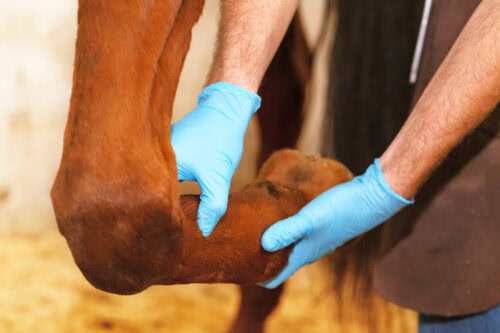
Laminitis is a painful hoof condition that occurs when the tissues (laminae) connecting the coffin bone to the hoof wall become damaged or weakened.
This disruption is associated with inflammation, pain, and in severe cases, instability of the hoof structure. Horses with laminitis may have difficulty walking, standing, or bearing weight on affected hooves.
Laminitis can result from several underlying causes, including hormonal imbalances, systemic infections, or prolonged stress on a single hoof. Early recognition and management are essential to prevent long-term complications and restore mobility. [7][8][9]
 Illustration: Dr. Ana Mesa, PhD
 In Izzy’s case, laminitis likely developed due to elevated insulin levels, an endocrinopathic factor.
Weight Issues
In North America, it is estimated that up to 51% of horses are overweight, with up to 8% classified as obese. [10][11][12]
Horses often become overweight due to insufficient exercise and excess calorie intake. Factors such as age, breed, and activity level influence a horse’s energy needs, and some horses are more predisposed to gaining weight than others. [13]
To determine if a horse is at a healthy weight, Body Condition Scoring (BCS) is used, with scores of 7 or higher indicating excess body fat. [14] Reducing caloric intake and increasing activity can help promote weight loss and improve metabolic health.
What's your top priority with your horse's health?

Enter your email to receive your store credit
Initial Diet
At the time of the initial nutrition consultation, Izzy’s daily ration consisted of:
- 5 lb (2.25 kg) of tested Teff Hay
- 12 lb (5.45 kg) of tested “filler” grass hay
- 1 lb (0.45 kg) of Metasafe (Hygain)
- 2 oz (56 g) of Quiessence® (Foxden Equine)
- 1 dose (5.2 g) of Horse XL (Equinety)
- 1 tsp (6 mL) of Nano E® (KER Targeted Nutrition)
- 1 tbsp (0.5 oz) of salt
Table 1. Hay Analysis*
| Nutrient | Teff Hay | Filler Grass Hay |
|---|---|---|
| Energy (Mcal/kg DM) | 2.13 | 1.90 |
| ESC Sugar (% DM) | 5.93 | 5.76 |
| Starch (% DM) | 0.25 | 0.25 |
| Phosphorus (% DM) | 0.20 | 0.10 |
Overall, the diet provided adequate levels of many vitamins and minerals, but provided suboptimal levels of phosphorus, zinc, and selenium. Additionally, the diet lacked sufficient biotin — an important B-vitamin for hoof health.
The HC (sugar and starch) content of the diet was appropriate for an insulin-resistant horse at 6.5% on a dry matter basis.
Intervention
As part of the consultation, an updated diet plan was proposed to address Izzy’s specific concerns.
Table 2. Summary of Diet Intervention
| Horse Issue | Intervention |
|---|---|
| Slightly Overweight |
|
| Metabolic Syndrome |
|
| Hoof Quality |
|
The modified diet was designed to support Izzy’s ongoing weight loss while ensuring adequate vitamin and mineral intake for metabolic and hoof health.
It also simplified her feeding routine, making it easier to manage and lowering overall feeding costs.

Balancing the Diet
The primary focus of the nutrition consultation was sustaining Izzy’s weight loss and supporting her metabolic issues. Another priority was balancing her diet to provide essential vitamins and minerals for hoof health during her recovery from laminitis.
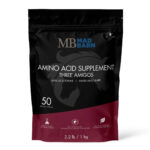
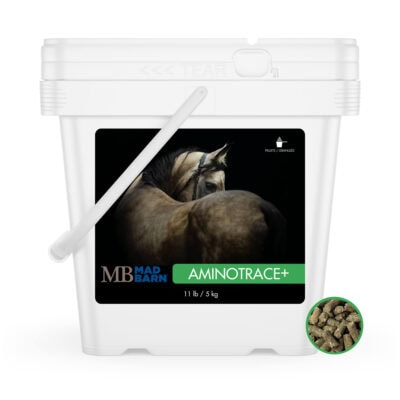
Feeding Mad Barn’s AminoTrace+® vitamin and mineral supplement helped ensure Izzy’s nutrient requirements were met and addressed concerns related to previous deficiencies.
Updated Diet
After the consultation, Izzy’s owner replaced her grain and supplements with AminoTrace+®, w-3 Oil, and Timothy Balance Cubes® by Triple Crown Feed.
Her updated daily diet consisted of:
- 5 lb (2.25 kg) of tested Teff Hay
- 12 lb (5.45 kg) of tested “filler” grass hay
- 7 oz (200 g) of AminoTrace+®
- 1 oz (30 mL) of w-3 Oil
- 1 lb (0.45 kg) of Balance Cubes® (Triple Crown Feed)
- 1 tbsp (15 g) of Salt
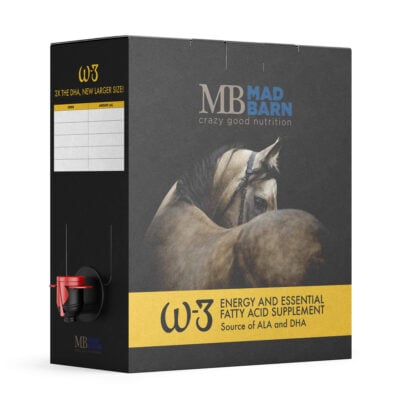
w-3 Oil was added to provide the omega-3 fatty acid DHA and natural vitamin E, which support joint health, skin and coat quality, and the normal homeostatic regulation of inflammation.
Overall, Izzy’s updated diet met her vitamin and mineral requirements while providing additional support for metabolic and hoof health.
Her owner later incorporated additional supplements to provide targeted support, including:
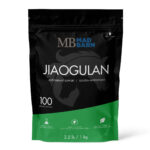
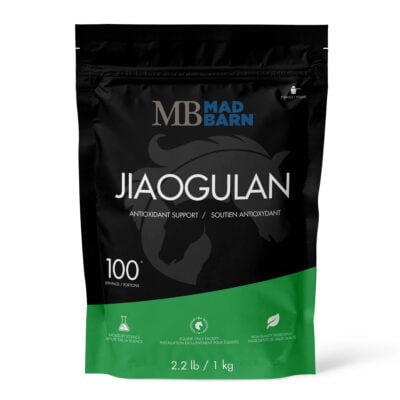
- Jiaogulan to support normal circulation and hoof health
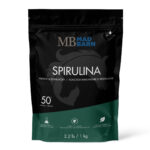
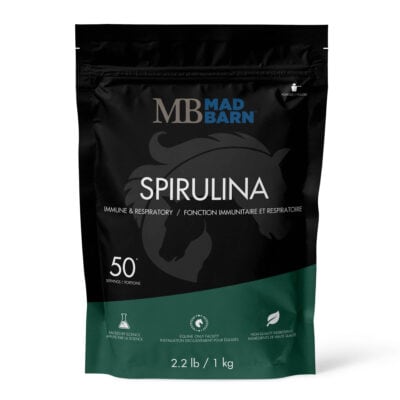
- Spirulina to support immune function and maintain a healthy response to environmental sensitivities
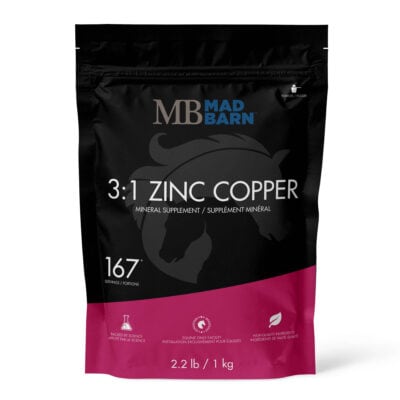
- 3:1 Zinc Copper to counteract the effects of elevated iron levels in Izzy’s water source while the filtration system was being repaired, supporting overall mineral balance and coat health
Outcome
The dietary adjustments led to notable improvements in Izzy’s body condition, hoof health, and coat quality. Her body condition score was estimated to decline from a score of 6.5 to a score of 5 on the 9-point Henneke scale.
By summer 2024, Izzy’s hoof X-rays showed significant improvement, demonstrating ample recovery from her previous laminitic episodes.
Additionally, her owner achieved the goal of reducing Izzy’s insulin levels to 15 uIU/mL, reflecting improved metabolic health.
The following photos show differences in her condition four months and one year after the diet changes:
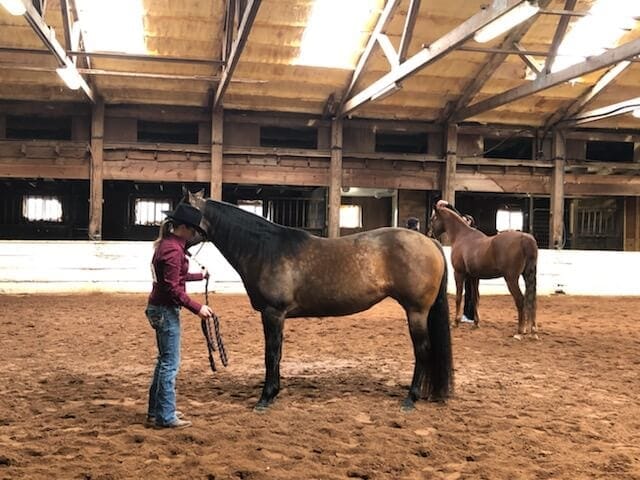 Izzy April 2024
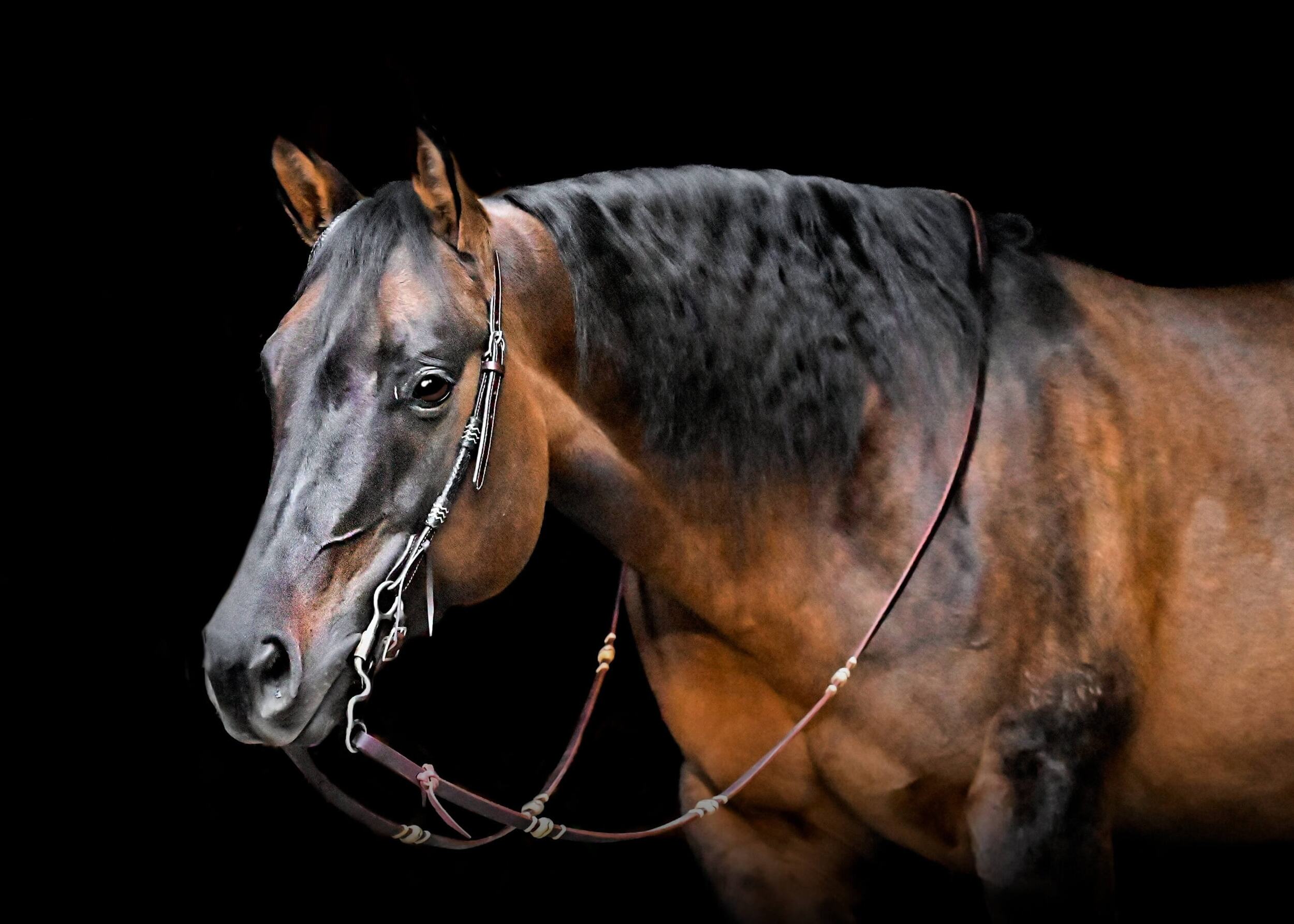 Izzy Nov 2024
Discussion
Maintaining a healthy body condition can be particularly challenging for horses with metabolic issues or those recovering from laminitis. This case study focuses on Izzy, an insulin-resistant mare, who struggled with weight loss and achieving an ideal body condition.
Izzy’s dietary plan prioritized a low-calorie, low-HC diet while ensuring adequate intake of essential vitamins and minerals. This approach not only aided her weight management but also supported hoof health following laminitis.
Her owner’s commitment to feeding low-HC forages significantly reduced Izzy’s calorie intake and supported her metabolic health, as reflected by improved insulin levels. The addition of AminoTrace+® and w-3 Oil further supported improvements in hoof and coat condition.
By April 2024, just five months after making dietary changes, Izzy’s weight, insulin levels, and coat quality had improved significantly. She returned to competition, earning Champion of the Day in the Ranch and Leadline Divisions.
By July 2024, Izzy’s insulin levels had reached the target of 15 uIU/mL, and hoof X-rays showed increased sole depth with no detectable damage from her previous laminitic episode.
“Mad Barn products have gotten her to a place I didn't think I would ever get to. It was a year ago this week that she went down with laminitis. These results couldn’t have come at a better moment.”
— Feedback from Horse OwnerThis case highlights how managing horses with insulin resistance and laminitis can be challenging, but with precise dietary adjustments and targeted nutritional intervention, affected horses can achieve significant health improvements and long-term success.
References
- Katarzyna, K. et al.IR in the horse: a review. J Appl Anim Res. 2014.
- Durham, AE. et al.ECEIM consensus statement on equine metabolic syndrome. J Vet Intern Med. 2019.
- Pleasant RS, Suagee JK, Thatcher CD, Elvinger F, Geor RJ.Adiposity, plasma insulin, leptin, lipids, and oxidative stress in mature light breed horses. J Vet Intern Med. 2013.View Summary
- Morgan RA, McGowan TW, McGowan CM.Prevalence and risk factors for hyperinsulinaemia in ponies in Queensland, Australia. Aust Vet J. 2014.View Summary
- Bamford, NJ. et al.Effect of increased adiposity on insulin sensitivity and adipokine concentrations in different equine breeds adapted to cereal-rich or fat-rich meals. Vet J. 2016.
- Cornelisse CJ, Robinson NE.Glucocorticoid therapy and the risk of equine laminitis. Equine Vet Ed. 2013.
- Patterson-Kane, J. C. et al. Paradigm Shifts in Understanding Equine Laminitis. The Veterinary Journal. 2018. View Summary
- van Eps, A. Sepsis-Related Laminitis: Prevention in the Horse at Risk and Treatment of the Ongoing Case. American Association of Equine Practitioners. 2017.
- Belknap, J. K. and Geor, R. J., Eds. Equine Laminitis. 1st ed. Wiley Blackwell, Ames, Iowa. 2017.
- Kosolofski, H.R. et al. Prevalence of obesity in the equine population of Saskatoon and surrounding area. Can Vet J. 2017. View Summary
- Christie, J.L. et al. Demographics, management, and welfare of nonracing horses in Prince Edward Island. Can Vet J. 2004. View Summary
- Durham, A.E. et al. ECEIM consensus statement on equine metabolic syndrome. J Vet Intern Med. 2019. View Summary
- Geor, R.J. et al. Dietary management of obesity and insulin resistance: countering risk for laminitis. Vet Clin North Am Equine Pract. 2009. View Summary
- Henneke, D.R. et al. Relationship between condition score, physical measurements and body fat percentage in mares. Equine Vet J. 1983. View Summary