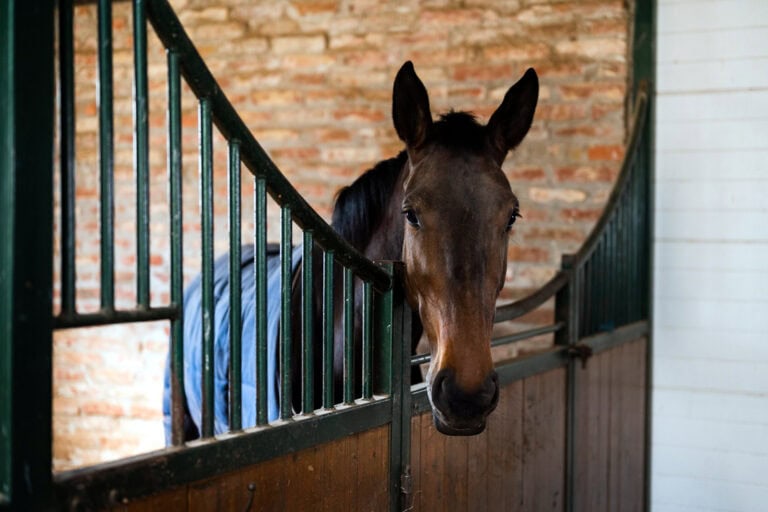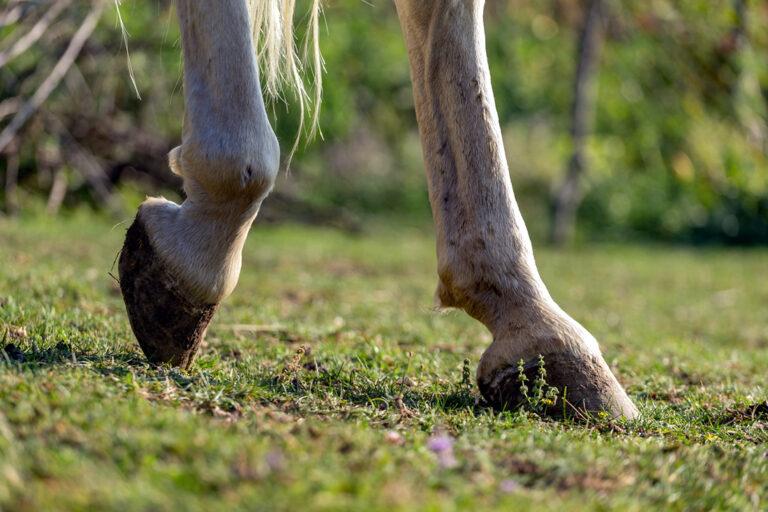
Weaving is a locomotive stereotypic behaviour typically seen in stabled horses. It is estimated that between 3 to 10% of horses kept in stables weave. The expression of this behaviour involves repetitive shifting of body weight from one front leg...
Care & Management
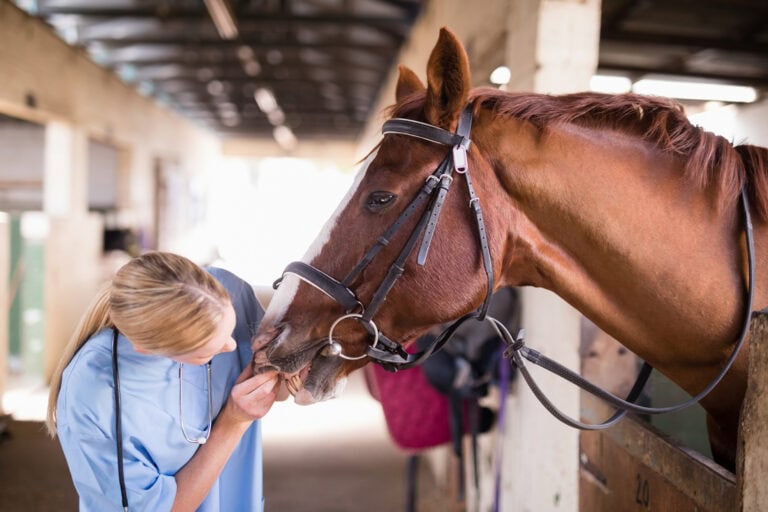
Horses can experience a number of different dental issues over their lifetime, impacting their ability to chew and digest their feed. Unaddressed dental issues can affect your horse's health, condition, behaviour and performance. This is why it’s important to have...
Is your horse showing signs of girthiness? Also known as girth aversion or cinch sensitivity, horses that are girthy express signs of discomfort when they are being saddled. A girthy horse may respond to having a girth tightened by expressing...
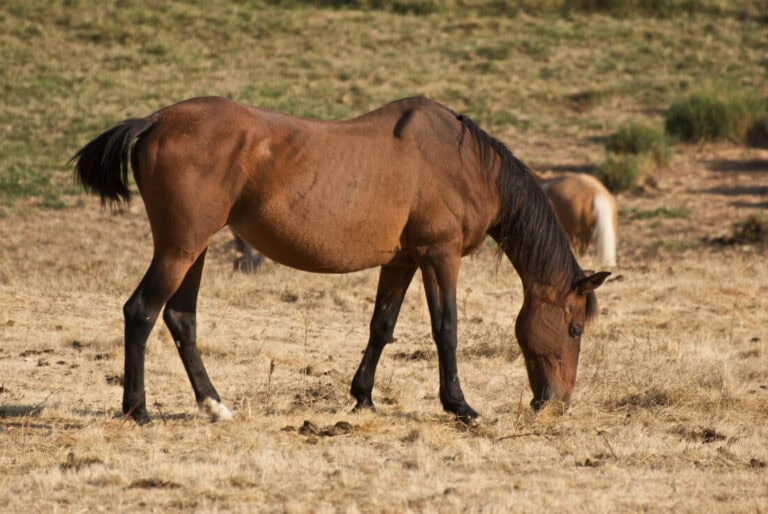
Unexplained weight loss in your horse is a cause for concern for any horse owner but is often straightforward to diagnose and address. If your horse is losing body condition, it could indicate an undiagnosed health problem or it may...
Dehydration is a serious problem in competing and working horses, especially during hot weather. Horses competing in endurance racing or engaging in sustained or strenuous activities are at the highest risk of dehydration. Dehydration occurs when a horse loses excessive...
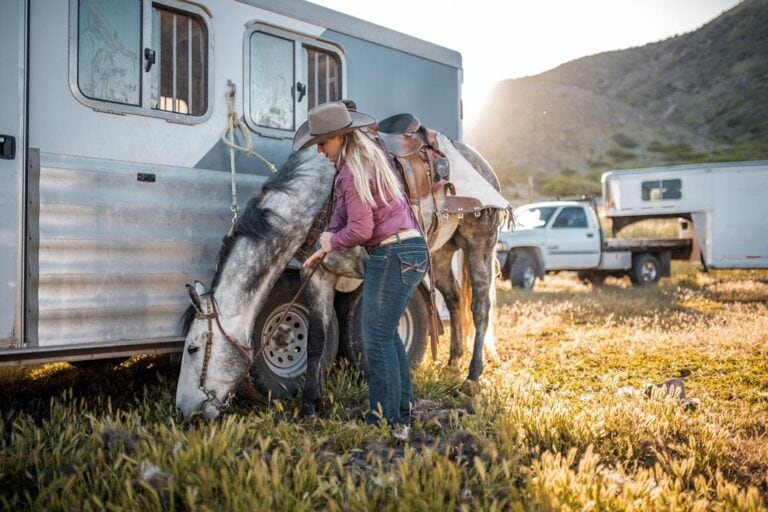
Does your horse resist going in the trailer or show signs of stress after being unloaded at your destination? You may need to trailer your horse for many reasons, such as seeing a veterinarian, competing, breeding, or for recreational purposes....
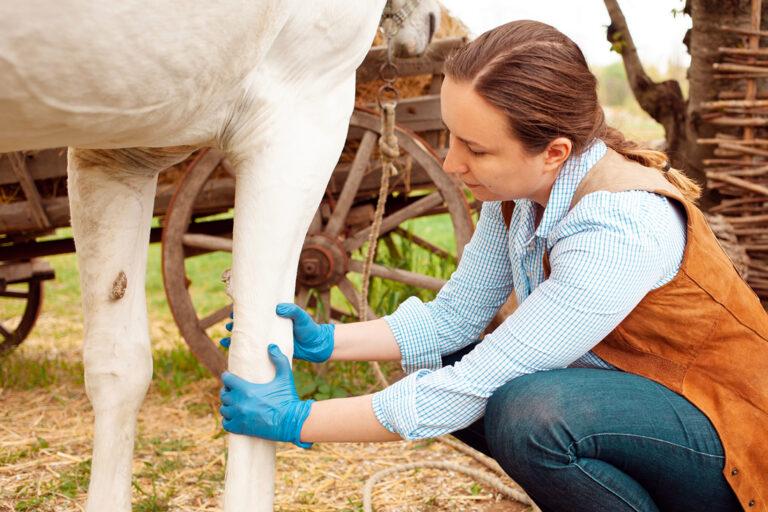
The hind fetlock is a high-motion joint that undergoes significant compression and force absorption when the horse is moving. This joint is highly susceptible to soft-tissue injuries and bone disorders. Horses with hind fetlock lameness often show signs of heat...
The horse's knee is a complex joint, susceptible to trauma and progressive arthritis - especially in performance horses. Knee (or carpal) lameness is characterized by a shuffling gait, shortened foreleg strides, tripping in front due to not being able to...
The internet is full of criticism and judgment about what we do wrong with our horses. We’re often told that we aren’t good enough because we don’t jump high enough, don’t ride well enough, or can’t afford the most expensive...
Your horse’s coat quality and color reflect his or her inner health. Coat color is primarily determined by genetics, although diet and care can also significantly impact coloration.
Osteoarthritis (also known as Degenerative Joint Disease) involves joint inflammation and progressive degeneration of the cartilage lining. It also involves changes in the bone and soft tissues of the joint. Arthritis is thought to affect more than half of all...