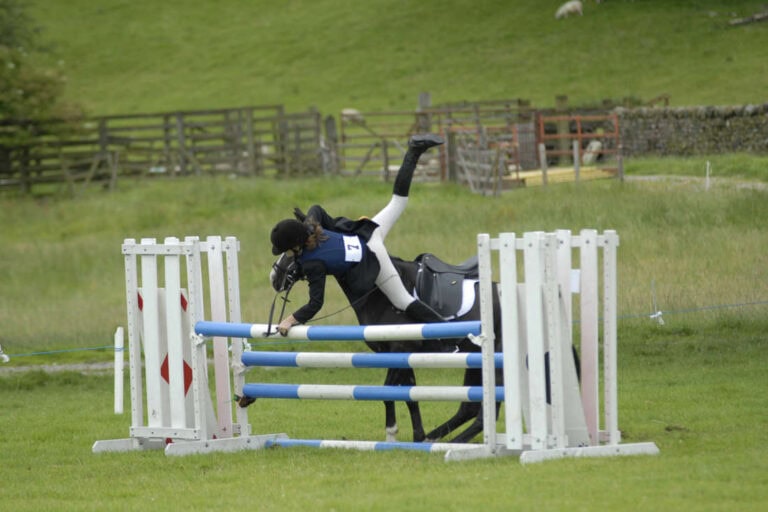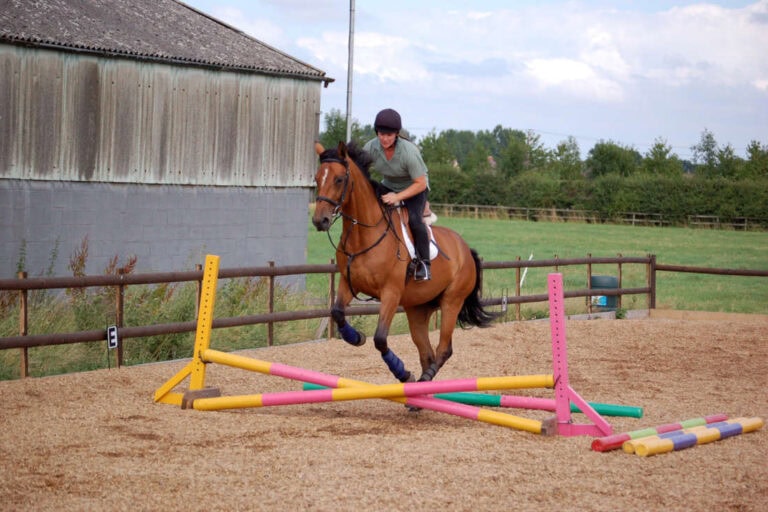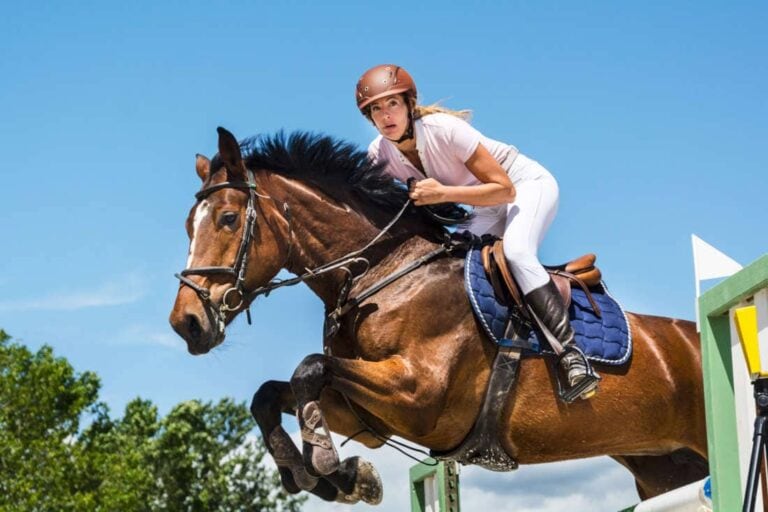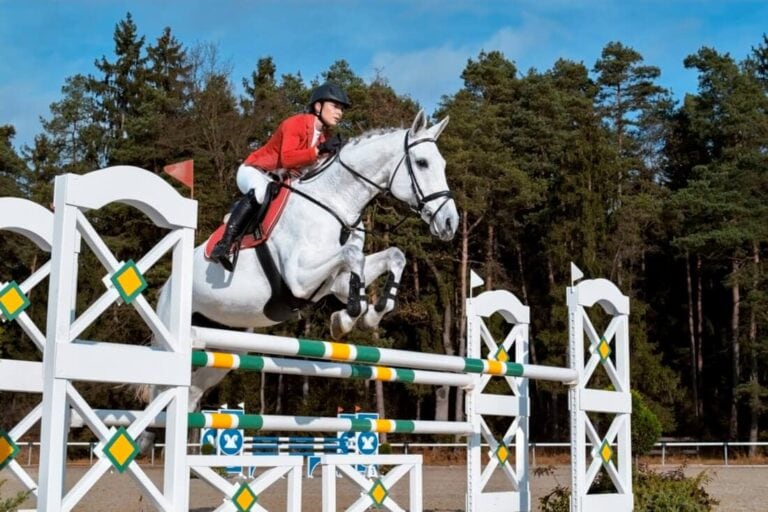

Setting up show jumps at home allows riders to practice jumping skills, build confidence, and improve communication with their horse outside of formal lessons or competitions. However, jump training carries inherent risks, making safety a critical consideration when building and...
Sport & Showing
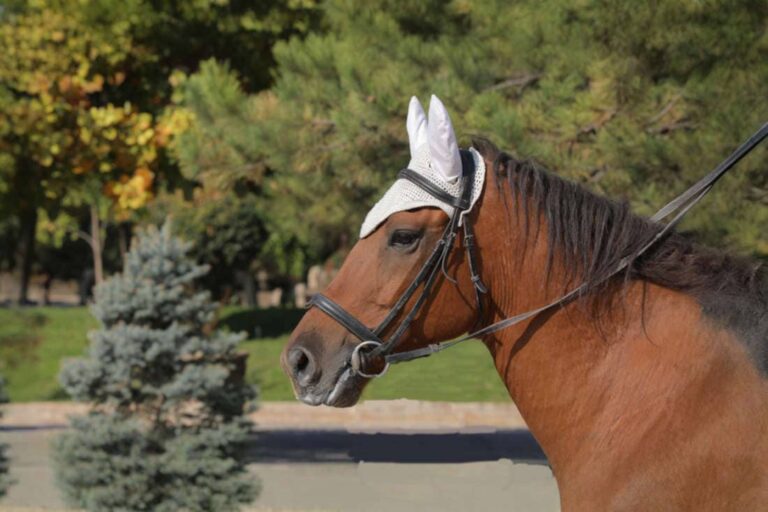
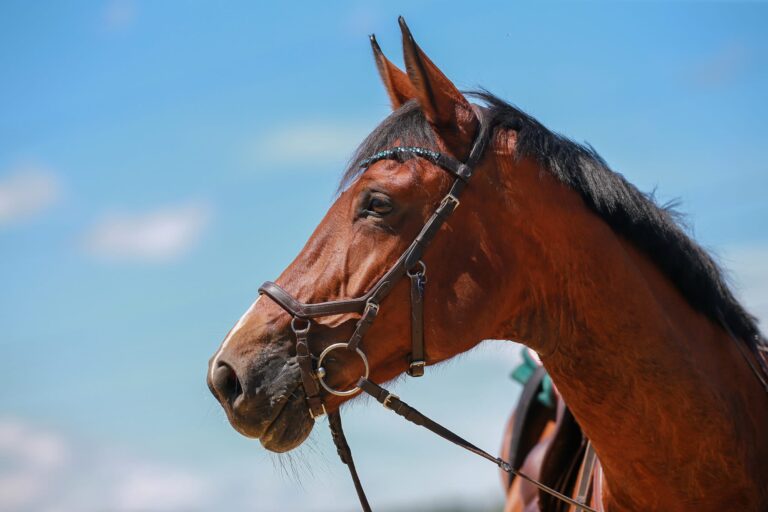
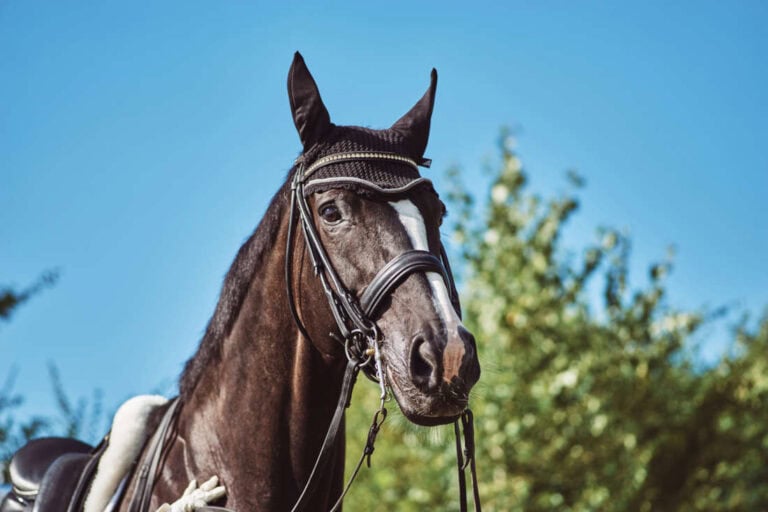
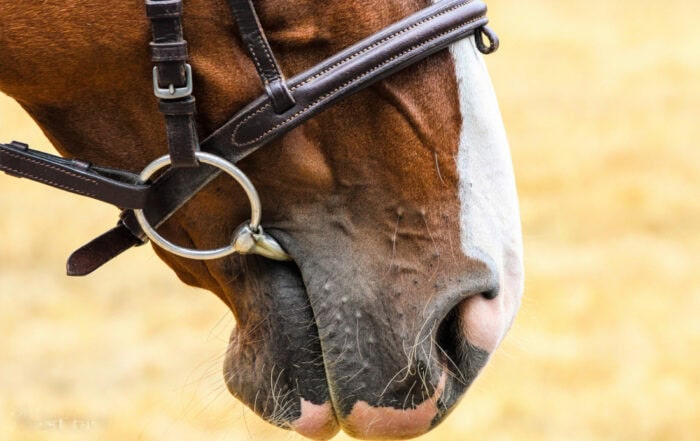
Anatomical bridles for horses have become increasingly common in modern tack rooms. Often described as ergonomic bridles, these designs typically feature contoured crownpieces, cutaway nosebands, additional padding, and other modifications intended to reduce pressure on sensitive areas of the horse’s...
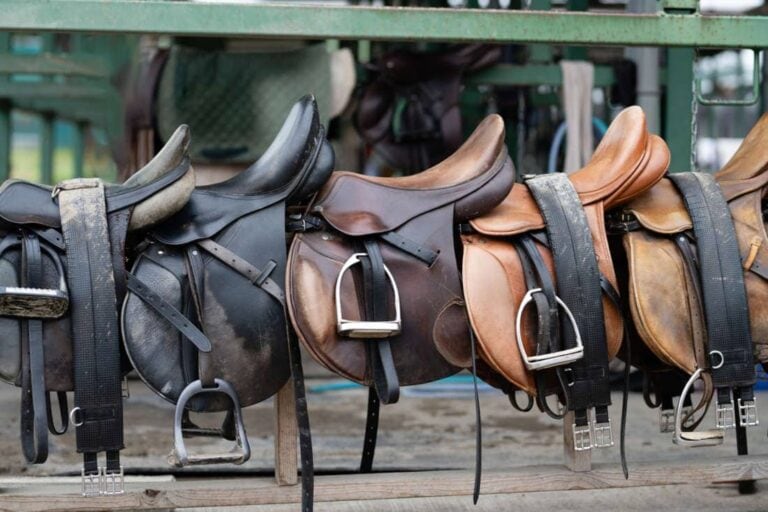
Horse saddles are structured pieces of tack designed to support the rider and distribute weight evenly across a horse’s back during riding. Used in disciplines ranging from dressage and show jumping to ranch work and trail riding, saddles improve stability,...
Choosing the right jumping saddle involves more than selecting a popular brand or matching your discipline's style. The ideal saddle must suit both horse and rider, supporting performance over fences while maintaining comfort and long-term soundness. Jumping saddles are designed...
A double bridle is a piece of English tack that uses a bridoon and a Weymouth bit at the same time. Each individual bit is connected to its own rein, allowing for refined and independent aids. It is most commonly...
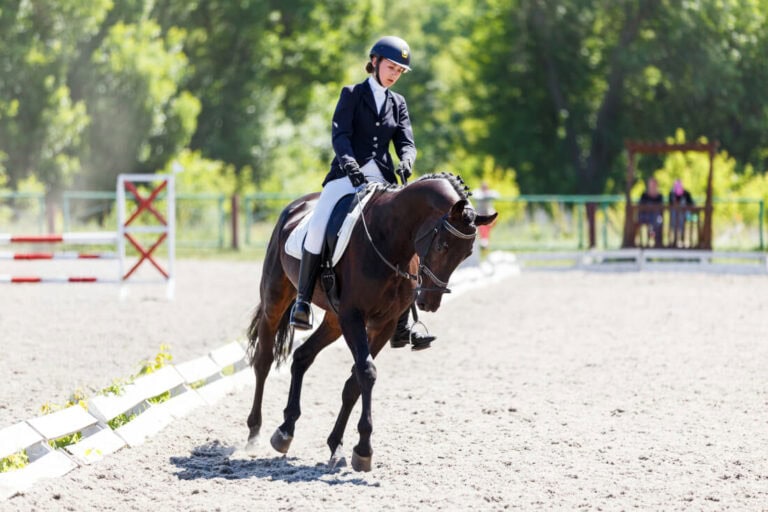
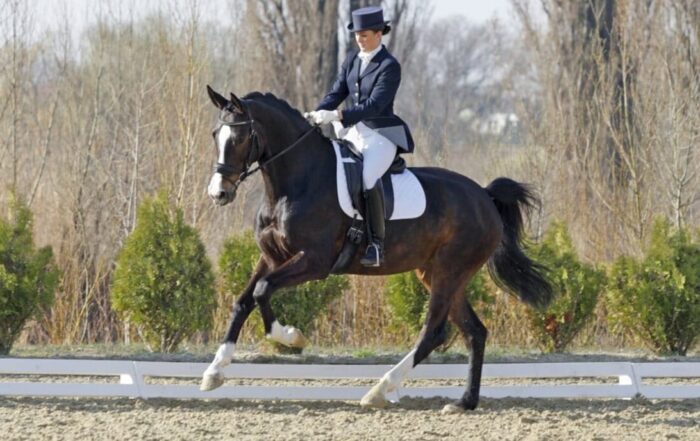
A musical dressage freestyle is a test in which riders choreograph required movements to music instead of following a fixed pattern. Blending technical precision with artistic interpretation, it allows horse and rider to showcase harmony, creativity, and degree of difficulty...
Classical dressage is a traditional method of training horses rooted in the principles of old masters and historical riding schools. At advanced levels, classical dressage resembles equestrian art, but its foundation lies in systematic gymnastic development designed to help the...
English riding is one of the most recognizable and widely practiced forms of horsemanship. Rooted in classical traditions, it has evolved into a diverse family of disciplines that emphasize balance, precision, and effective communication between horse and rider. From the...
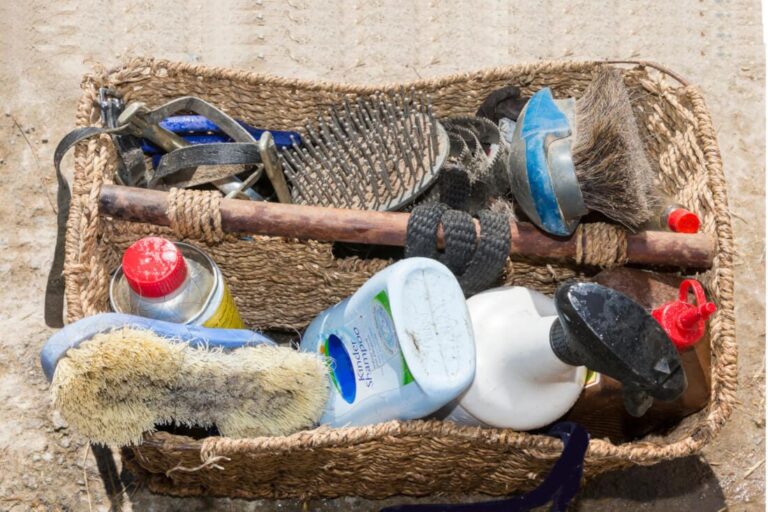
Grooming is a cornerstone to horse care. It helps maintain skin and coat health, prevents infections, assists in early detection of injuries, and supports overall wellbeing. Good grooming begins with the right tools. Whether you are building your first grooming...
Hunter paces, commonly referred to as “paces,” is an equestrian sport that integrates aspects of endurance riding, eventing, and the strategic skills of traditional fox hunting. This discipline offers a unique way to test your horse’s fitness and partnership outside...
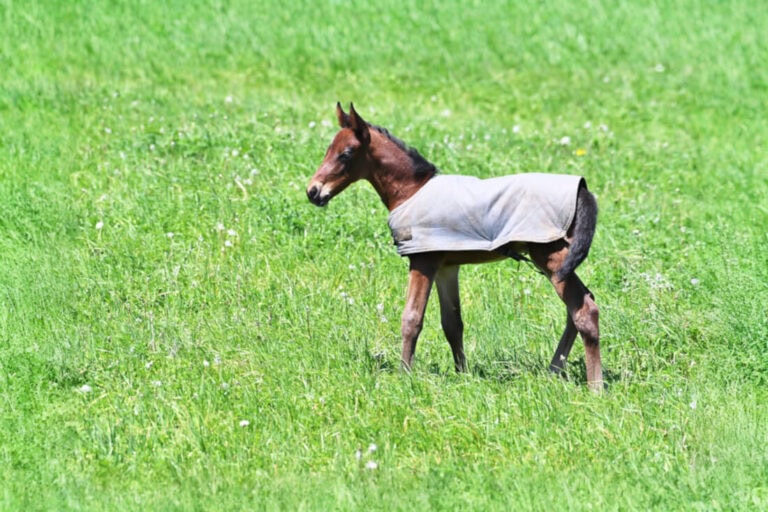
Foals are more vulnerable to cold than adult horses, especially in their first few weeks of life. Their limited fat reserves and higher surface-area-to-body-weight ratio mean they can lose heat quickly, particularly in wet, windy, or sudden cold weather. A...
Spurs are one of the oldest and most recognizable tools in horsemanship, designed to help riders communicate precise cues to their horses. While often associated with riding and competition, their proper use requires skill, sensitivity, and a thorough understanding of...
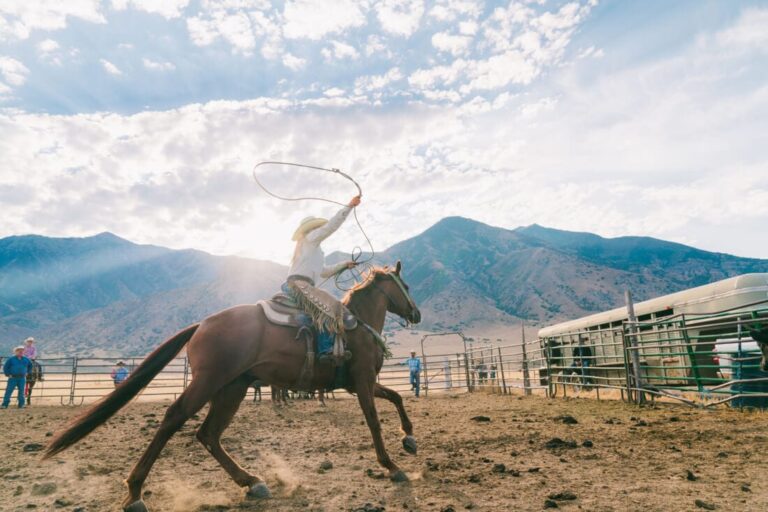
Calf roping is a fast-paced rodeo discipline that tests teamwork, athleticism, and precision between horse and rider. Modern calf roping originated from everyday ranch tasks, where cowboys needed to immobilize young cattle for branding or medical care. Over time, this...
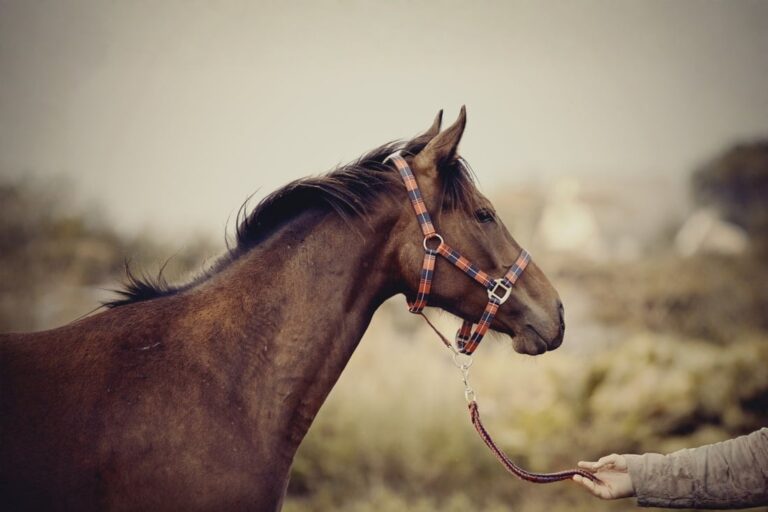
Halters are an essential piece of horse tack used to safely lead, train, and manage horses from the ground. Made of interconnected straps that sit around the horse’s poll, cheeks, and nose, this equipment allows handlers to guide a horse’s...
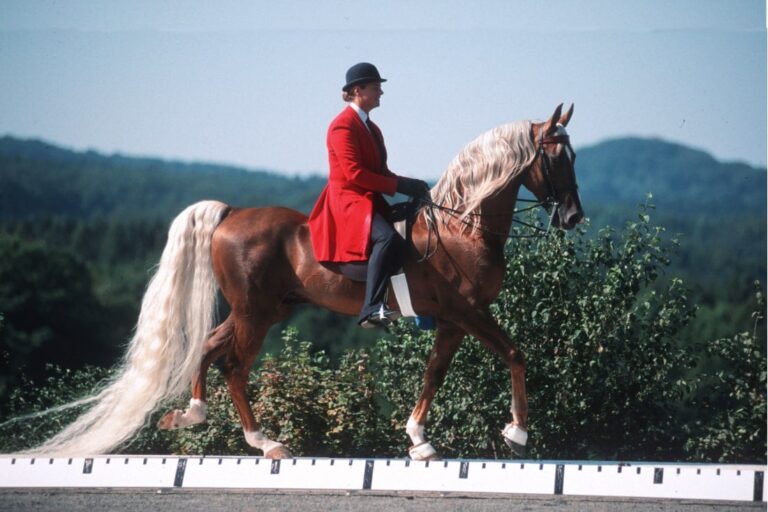
Saddle seat is an elegant English riding discipline designed to showcase the brilliance, animation, and style of high-stepping horse breeds. This discipline originated in the United States and has become closely tied to breeds such as the American Saddlebred, Morgan,...
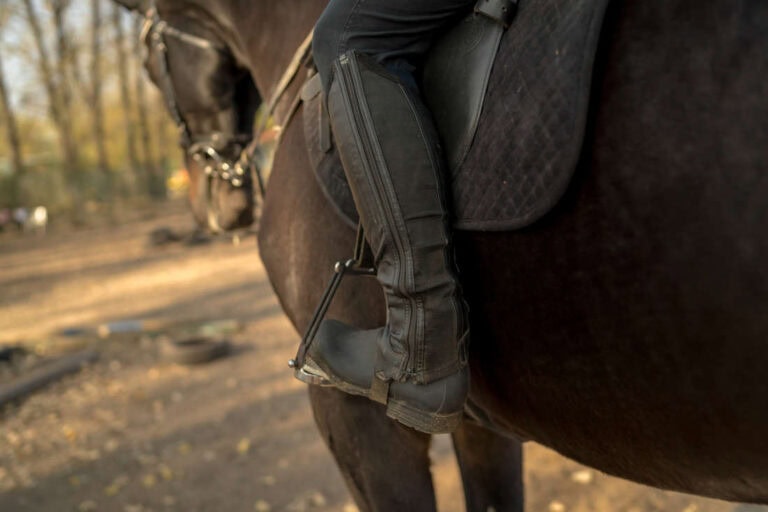
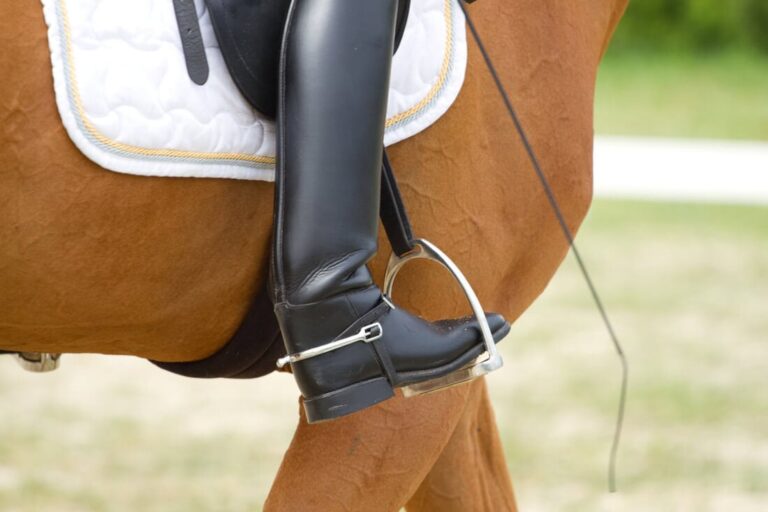
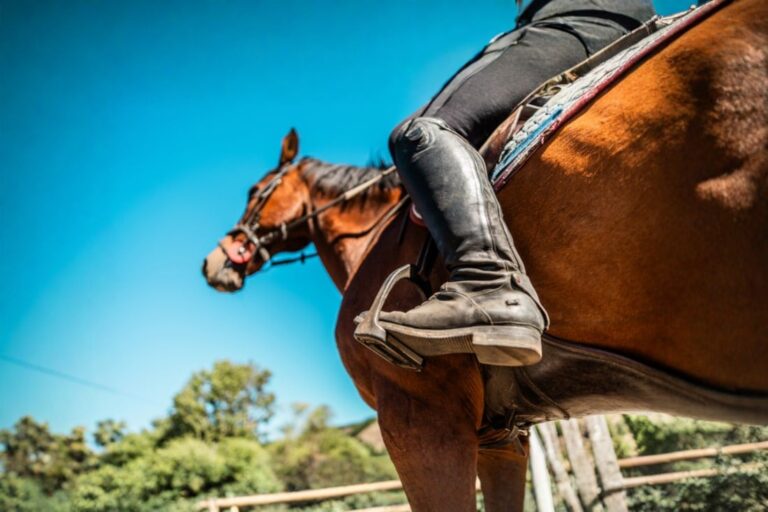
Stirrups are an important yet often underappreciated part of horse tack. These simple loops or frames attached to the saddle provide riders with stability, balance, and control while mounted. By anchoring the rider's legs, stirrups form a functional link between...
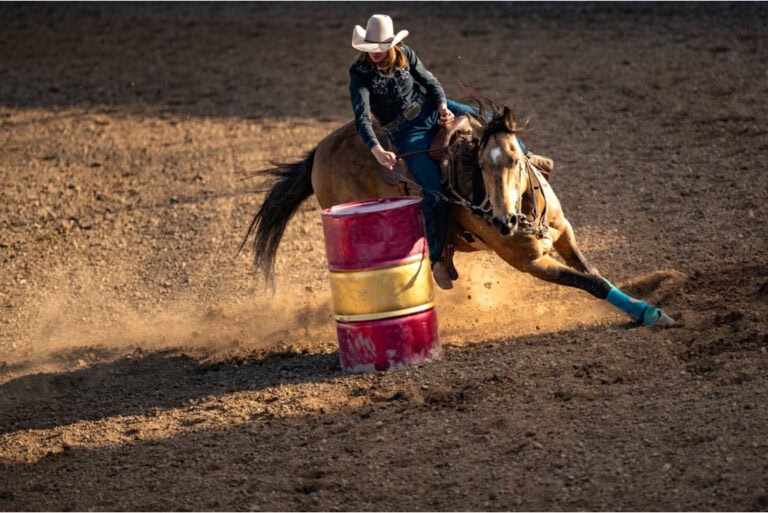
Western riding is a diverse category of equestrian sports with roots in ranch work and cattle handling. Horses were essential partners for working on the range in the American West. Managing livestock required athleticism, stamina, and reliability. These skills eventually...
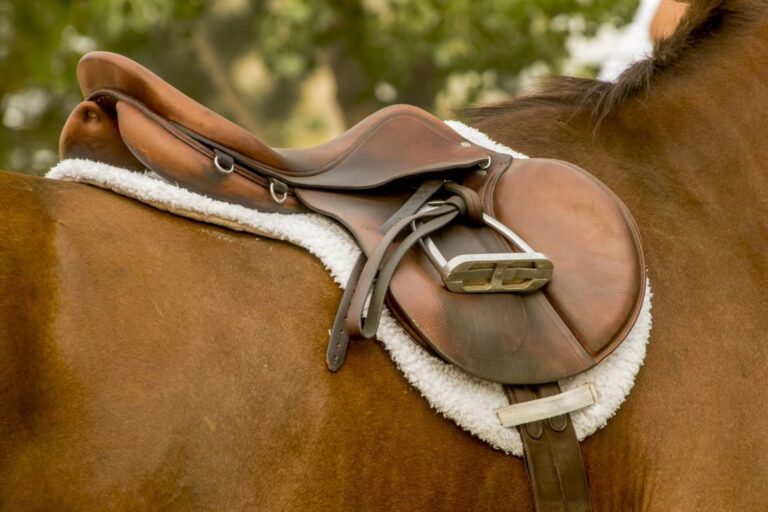
English saddles are used across many equestrian disciplines, including dressage, show jumping, eventing, and hunting, with a lightweight design that allows close contact between rider and horse. Unlike the Western saddle, which is built for comfort over long hours of...

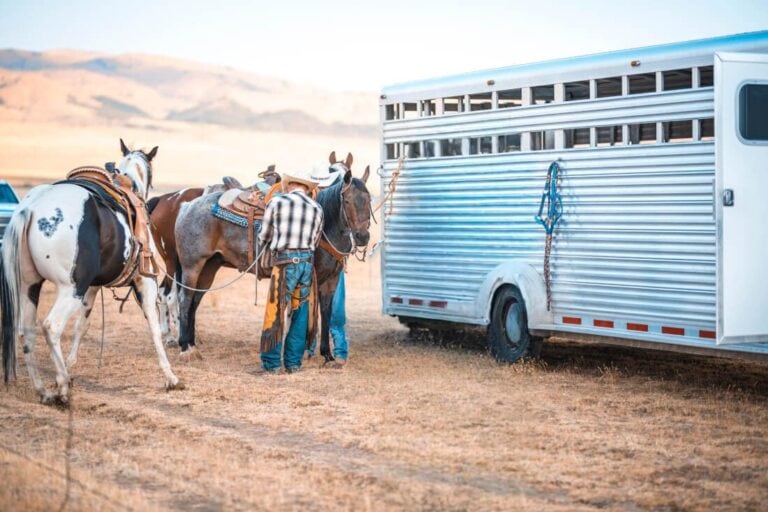
Selecting the best trailer for your needs involves evaluating how different designs impact safety, ventilation, ride comfort, loading ease, and long-term durability. Horses are sensitive travelers, and factors such as airflow, suspension, flooring, and interior space can make the difference...
Sports recovery is an important aspect of equine management, focusing on the horse’s well-being following periods of exercise. During physical exertion, a horse’s muscles, tissues, and cellular structures undergo stress. When well-managed, this leads to adaptations that strengthen and condition...
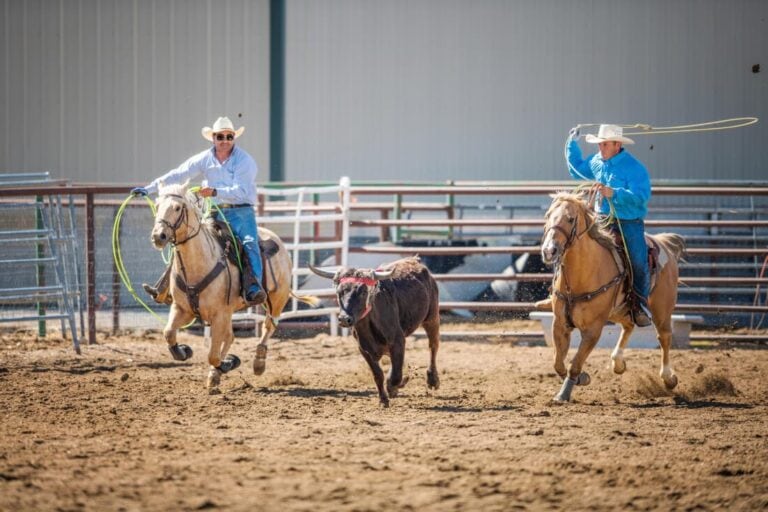
Team roping is a dynamic rodeo event that combines speed, precision, and teamwork. Unlike individual rodeo disciplines, team roping involves two riders – the header and the heeler – working in sync to rope a steer. It is one of...

Developing a well-structured horse competition schedule is crucial for maximizing your horse’s performance and ensuring their optimal health. A carefully planned schedule ensures a balanced approach to training, allows sufficient time for recovery, and facilitates the thoughtful selection of competitions....
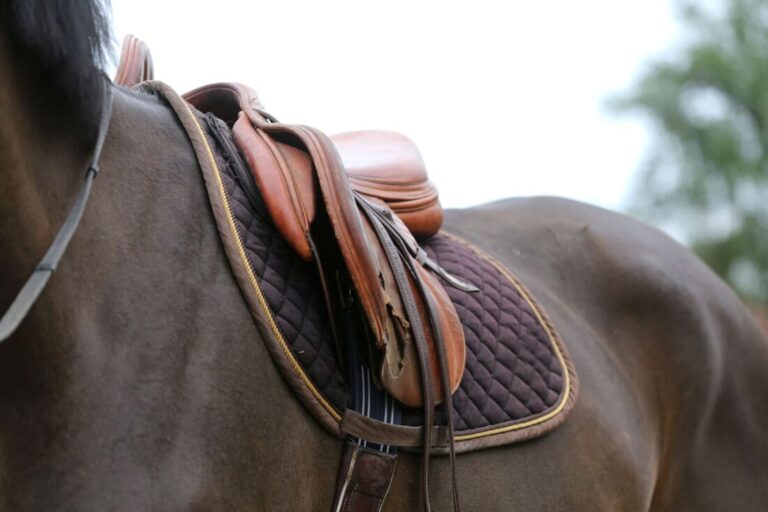
Saddle pads are a fundamental part of English riding equipment, providing a necessary layer of protection and comfort between the horse and the saddle. Designed to cushion the horse's back, absorb sweat, and protect the saddle from dirt and wear,...
The girth, or cinch, is a fundamental component of equine tack, responsible for securing the saddle to the horse and ensuring rider stability and safety. Choosing the right design, material, and placement depends on your discipline and the horse's conformation....
Oxygen is essential for sustaining life and fueling performance, especially in athletic horses. The ability to take in oxygen from the environment, deliver it through the bloodstream, and use it within the muscles is critical for energy production, movement, and...
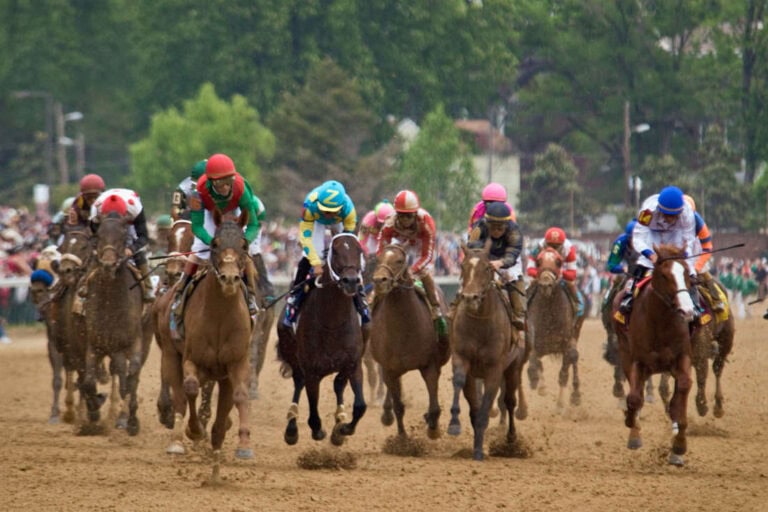
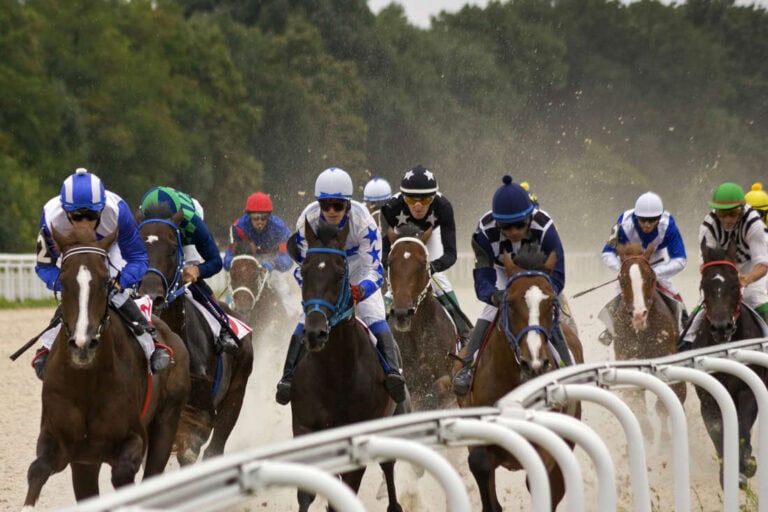
Horse racing demands speed, precision, and safety—for both horses and riders. Inadequate racetrack surfaces are considered a risk factor for musculoskeletal and catastrophic injuries in horses at high speeds, making track design a crucial factor in preventing harm. To meet...
The cross-country phase of eventing is distinguished from other equestrian disciplines by testing horse and rider over challenging terrain and obstacles. Designed to evaluate jumping skills, mutual trust, and strategy, each course provides a unique experience at every competition. Understanding...
Western pleasure stands as one of the most distinctive and enduring disciplines in Western riding, originating from the practical needs of working ranch horses and evolving into a highly refined competitive sport. Riders aim to present their horses as effortless...
Managing horses at shows requires a deep understanding of how unfamiliar environments can impact their health and performance. Horses undergo both physiological and behavioral changes in these settings, and without proper care, they may experience stress, illness, or injury. By...
Western dressage is an equestrian discipline that blends the time-honored principles of classical dressage with the tack, style, and culture of Western riding. In classical dressage, the horse learns to move smoothly, stay balanced, and respond to the rider's cues....