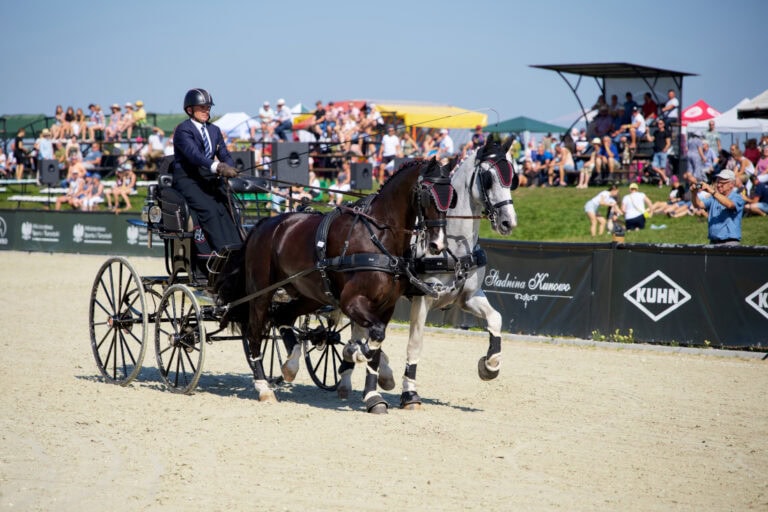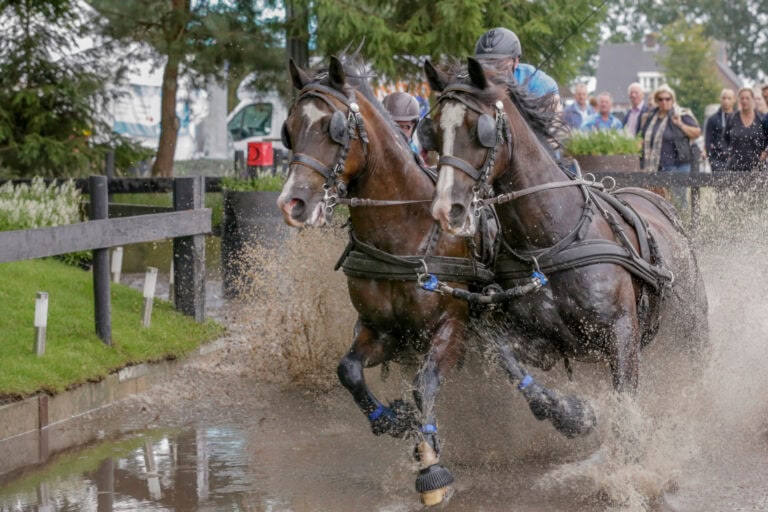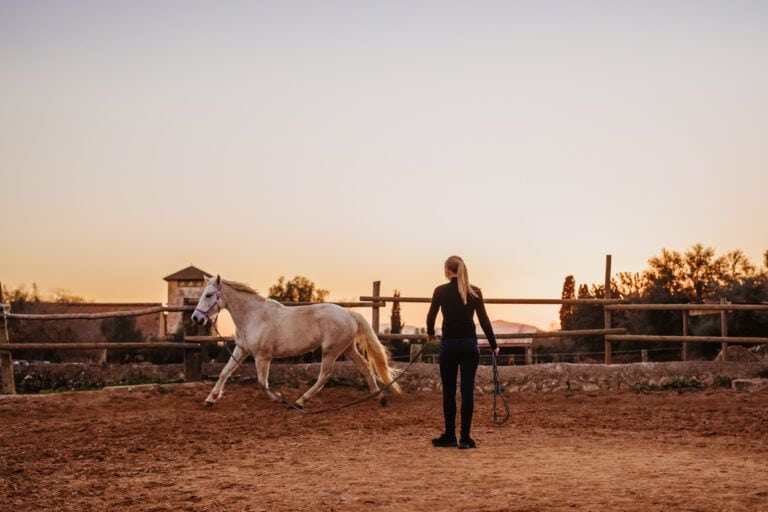
Combined driving is an equestrian sport that transforms driving, the use of horses as a form of transportation, into a competitive and intense event that challenges the limits of equine stamina, fitness, and obedience. Athletes and their horses compete in...

Sport & Showing
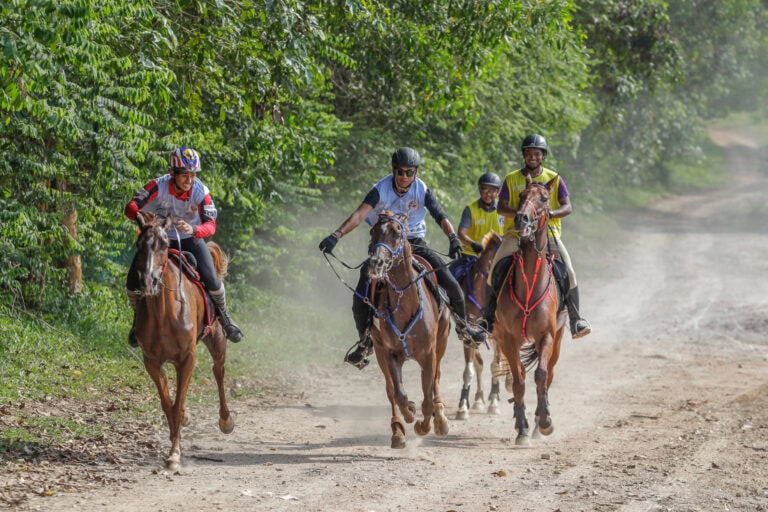
Endurance riding is a marathon for horses, with horses and riders covering distances of up to 100 miles per day. Athletes cover rugged terrain including slopes, hills, water, and different types of footing, during the competition. Endurance riding has its...
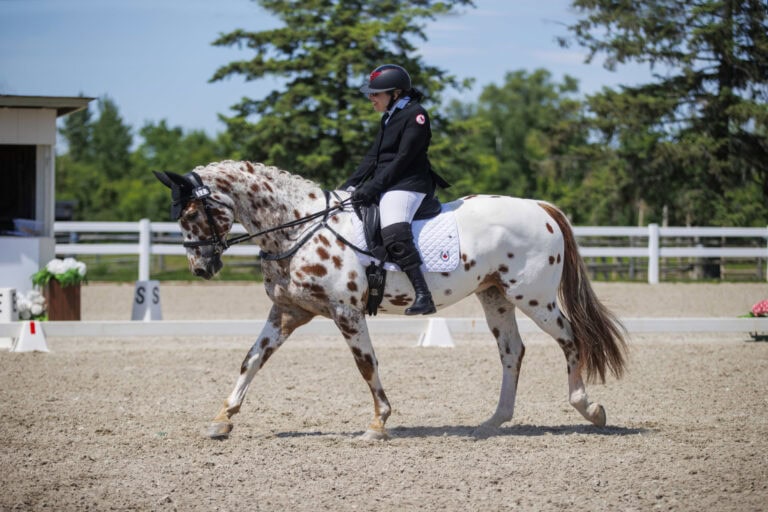
Para equestrian is equestrian sport performed by para-athletes, athletes who have physical impairments that make equestrian sport challenging. Para equestrian is also the only horse event offered at the Paralympics. Para equestrian sports offered at an international level include para...
In elite equestrian sports, performance optimization is critical to success. Whether your horse is racing, eventing, competing in endurance trials or show jumping, every rider wants to unlock their horse's full athletic potential while protecting them from overexertion or injury....
Para equestrian is the only equestrian sport held at the Paralympics, including at the upcoming Paris 2024 Paralympics in September. Para equestrian athletes demonstrate precision and harmony with their equine counterparts as they perform different dressage movements in the Paralympic...
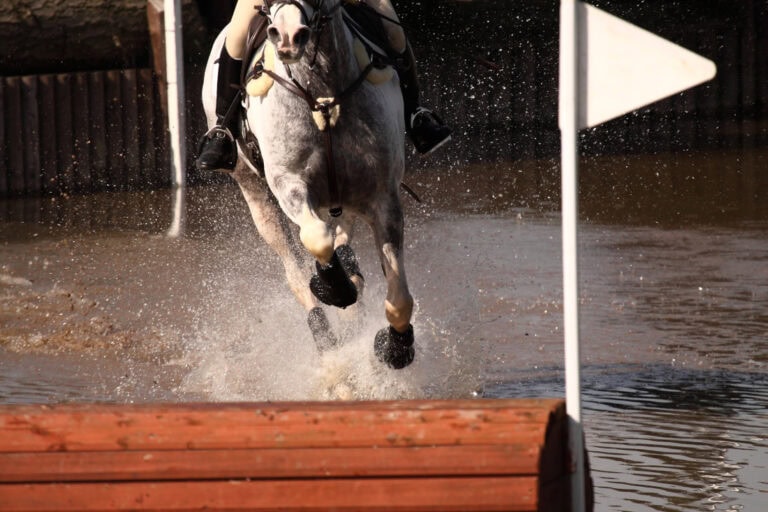
Eventing is the triathlon of equestrian sport. Also known as horse trials or three-day eventing, this discipline requires horses and riders to master three phases of competition: dressage, cross-country, and show jumping. Initially developed to test cavalry horses, the sport...
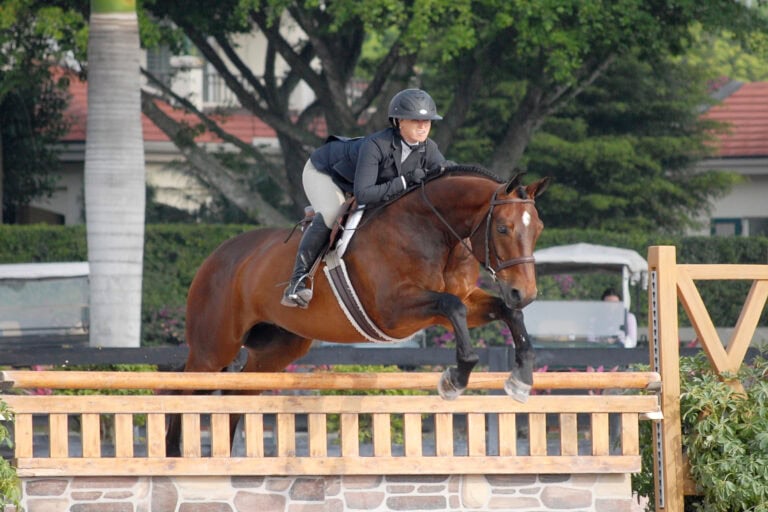
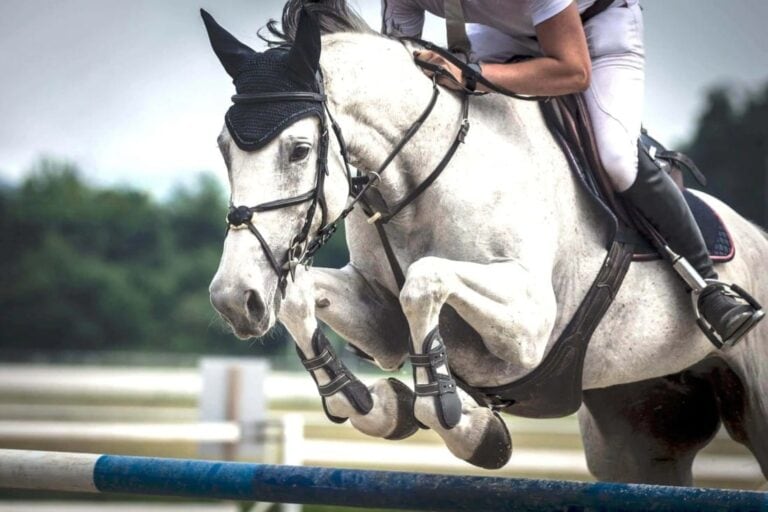
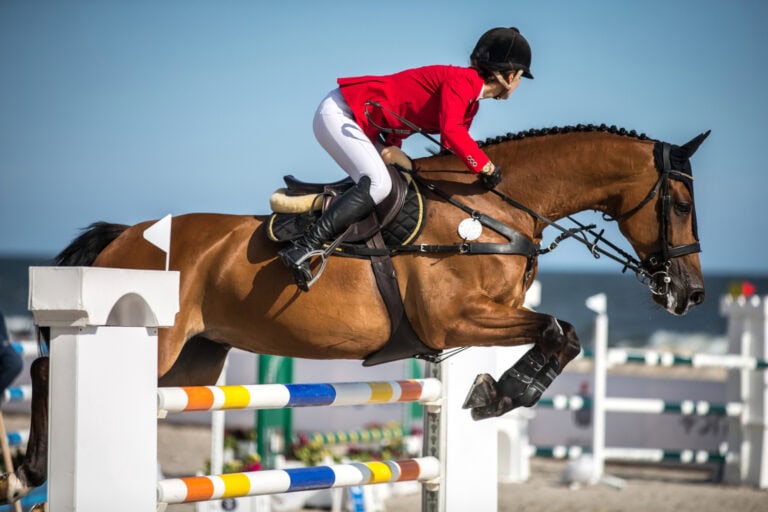
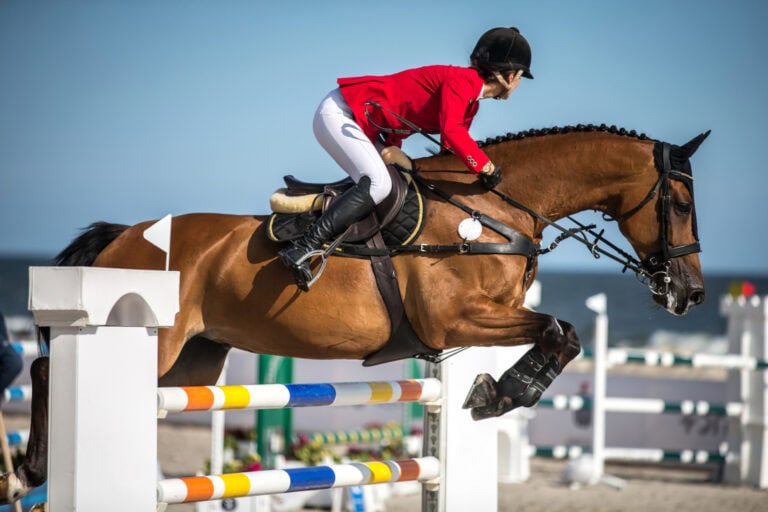
Jumping is one of three equestrian sports featured in the Olympic Games. The speed and precision of show jumping make this sport a spectator favourite. Equestrian jumping events at the Paris 2024 Olympic Games will test the ability of the...
In addition to its well-known cardiovascular and muscle building benefits, regular exercise promotes digestive function and healthy weight management in horses. Fitness training also helps reduce the risk of injury and improves bone mass in working horses. Exercise also influences...
Equine herpesvirus-1 myeloencephalopathy (EHM) is a potentially fatal consequence of equine herpesvirus-1 (EHV-1) infection in horses. EHV-1 spreads through contact with an infected horse or surfaces contaminated with the virus. Affected horses develop incoordination, weakness, and paralysis 6-10 days after...
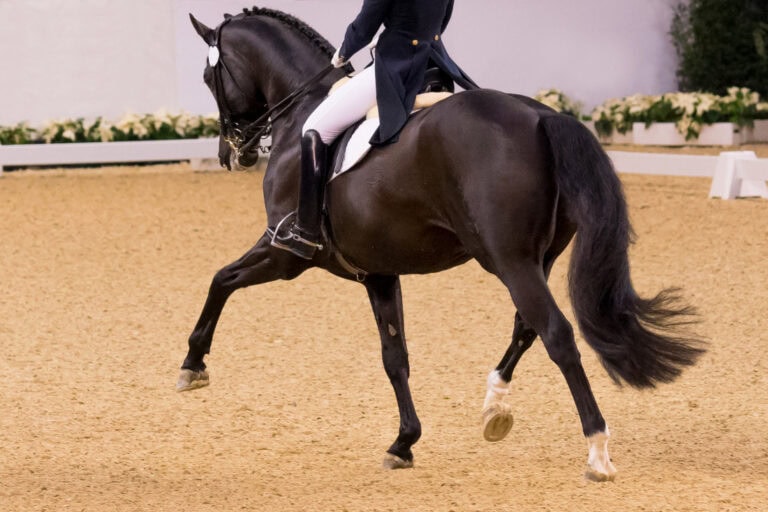
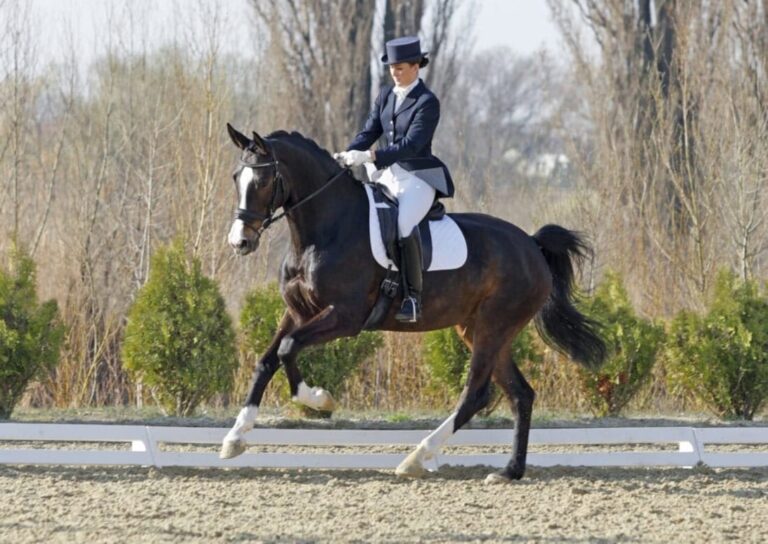
Dressage is an equestrian discipline that combines technical execution and artistic expression. Most riders associate dressage with advanced horse and rider combinations performing intricate movements, but riders of all levels can participate in dressage competitions. Cross-training in dressage can also...
Show jumping is one of the most popular and recognizable equestrian sports in the world. Jumping appears alongside eventing and dressage in the equestrian events at the Olympic Games. While well-known for attracting celebrities at the international level, show jumping...
Dressage is one of three equestrian sports featured at the 2024 Paris Olympics. Known as the highest expression of horse training, dressage is an equestrian discipline that develops the horse's strength, balance, and rideability. In competition, dressage athletes perform movements...
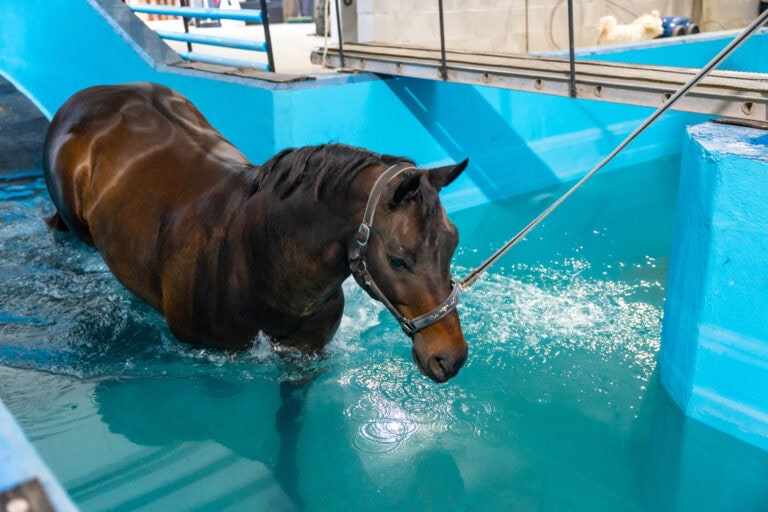
A water treadmill is a piece of exercise equipment used in equine training and rehabilitation. This type of treadmill is submerged in water so the horse is chest-deep while they are moving. Exercising in water is increasing in popularity as...
Pulsed electromagnetic field (PEMF) therapy is a treatment modality for horses where a machine produces pulses of electromagnetic fields directed at a specific part of the body. Research suggests that PEMF can improve bone healing rates, regenerate and protect cartilage...
Wondering about the best stretching exercises for your horse? Stretching is the process of extending a muscle to its maximum extension to release muscle tightness, improve flexibility and reduce pain.
Exertional Rhabdomyolysis (ER), commonly known as tying-up or azoturia, is an exercise-induced condition in horses characterized by the excessive breakdown of muscle tissue. This results in muscle spasms, pain and impaired performance following bouts of exercise. [1] In severe cases,...
Heart rate monitors are an emerging tool in horse sports, helping to optimize training and enhance fitness. Widely used by human athletes, equine-specific devices are now increasingly accessible to riders, horse owners, trainers, and veterinarians.
Gaits are the different patterns of locomotion that horses use to move. As quadrupeds, horses can perform more movement patterns than humans. However, not all horses move in the same way. Your horse’s natural gaits depend on his breed. Some...
Gait abnormalities in horses can lead to compromised performance, increased risk of injury, and in some cases, may necessitate early retirement from work. These disorders often present similarly to lameness, but do not necessarily involve pain. While minor conformational faults...
BCAAs (branched-chain amino acids) are muscle-building supplements that have become popular among equine athletes for performance, recovery and fatigue. BCAA include leucine, isoleucine, and valine, and play a crucial role in protein synthesis, muscle growth, and energy production.
Muscle loss in horses is a worrisome problem and one that needs to be investigated promptly. This condition is also known as muscle atrophy or muscle wasting, and is defined as a decrease in muscle mass below normal levels. Loss...
Competing in horse shows can be stressful for both you and your horse. Trailering, changes in routine and exposure to new environments are all major stressors for horses. But with a little planning, you will feel more confident heading into the...
Exercise-Induced Pulmonary Hemorrhage (EIPH) is a condition that causes bleeding in the airways, commonly seen in high-performance horses such as racing Thoroughbreds. Horses that experience EIPH are known as "bleeders."
Let's save the boring stats that every article discussing equine gastric ulcers quotes. If you keep your horse in a stall and/or do any level of training and you are still reading this article, there is an extremely [...]