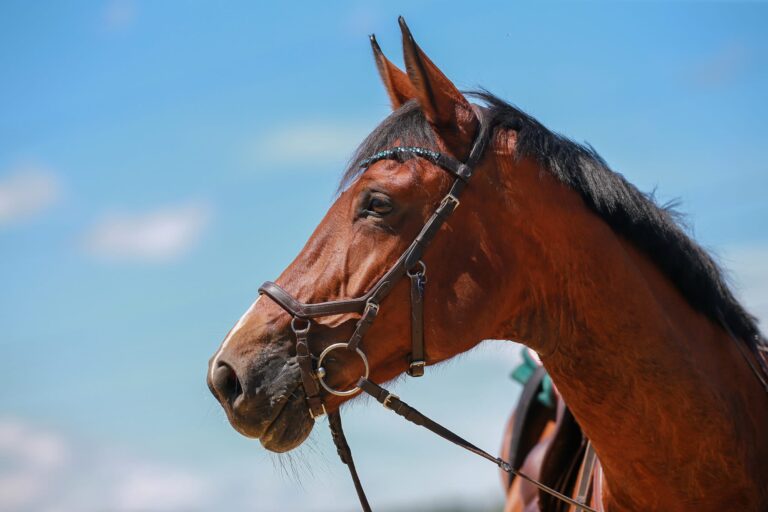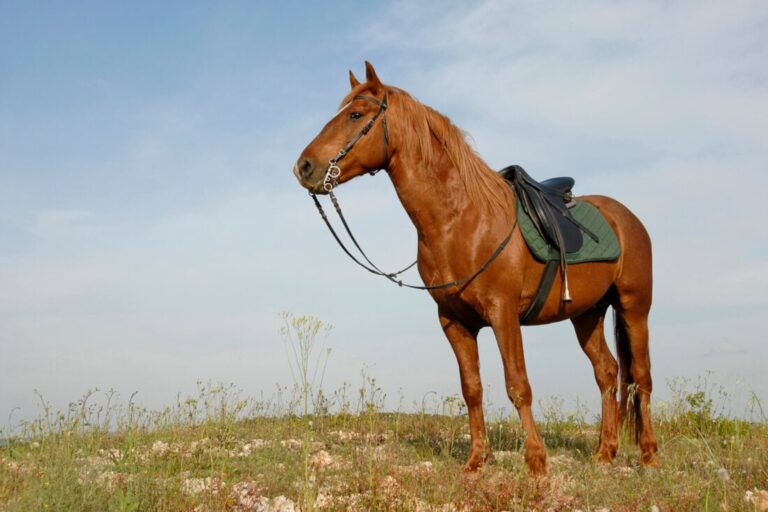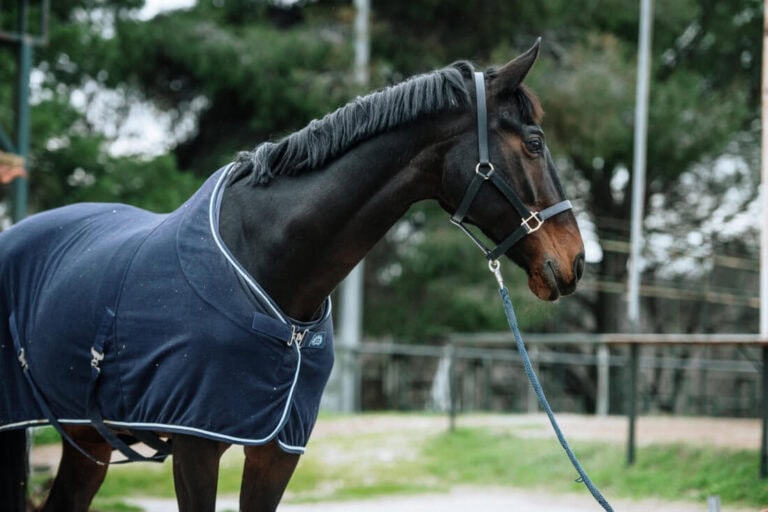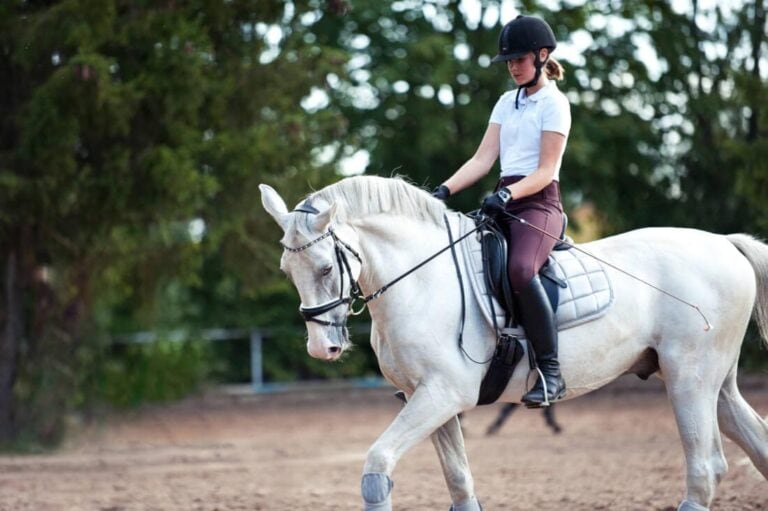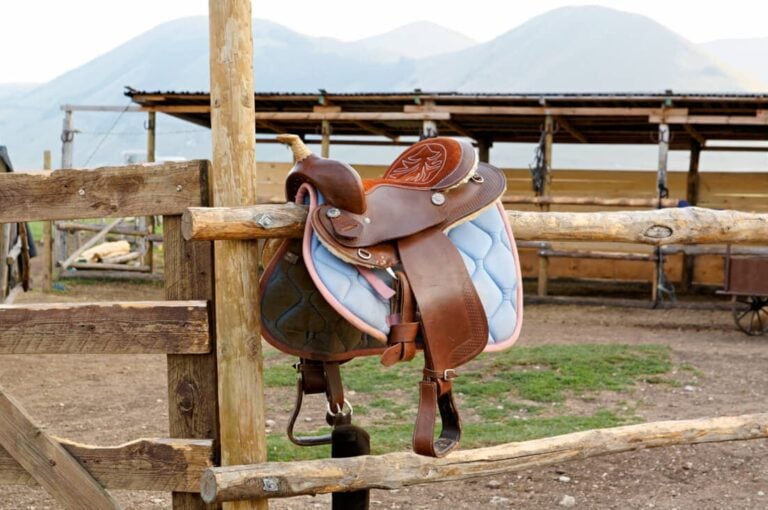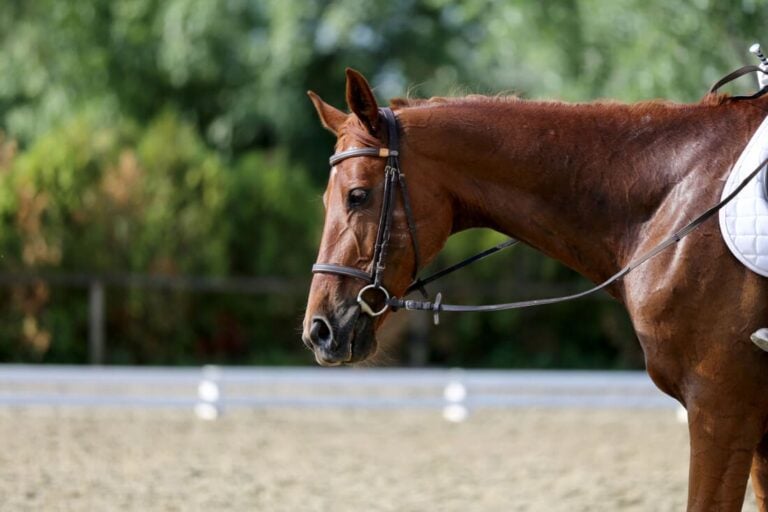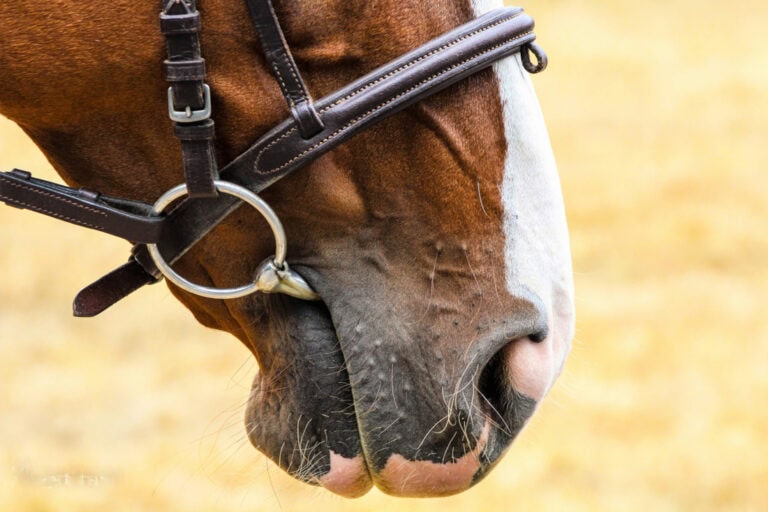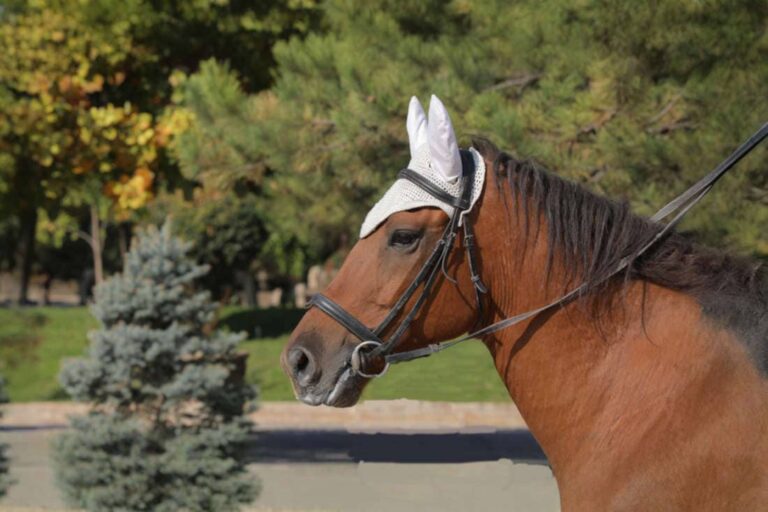
Anatomical bridles for horses have become increasingly common in modern tack rooms. Often described as ergonomic bridles, these designs typically feature contoured crownpieces, cutaway nosebands, additional padding, and other modifications intended to reduce pressure on sensitive areas of the horse’s...
Tack and Equipment
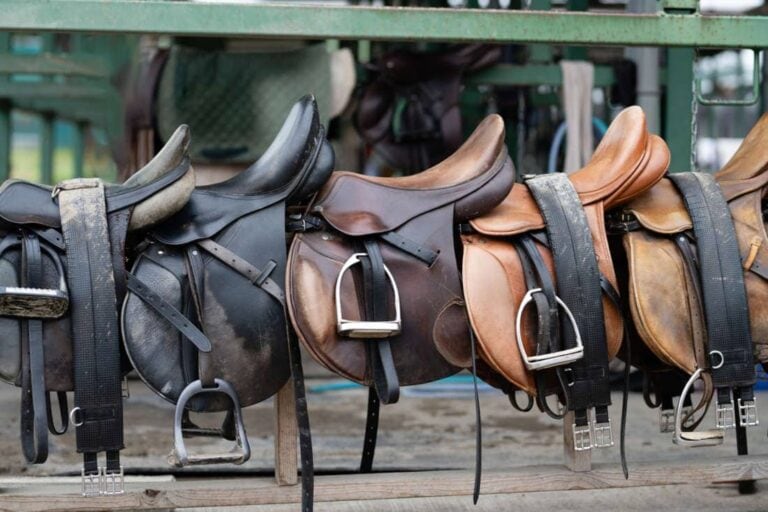
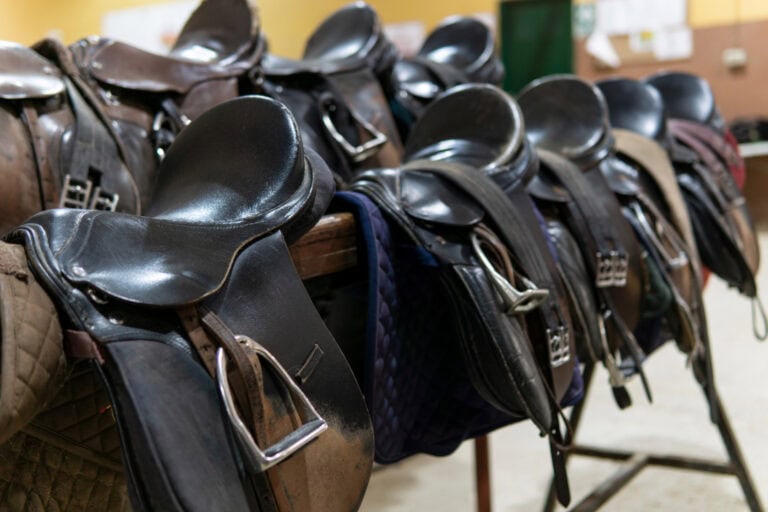
Horse saddles are structured pieces of tack designed to support the rider and distribute weight evenly across a horse’s back during riding. Used in disciplines ranging from dressage and show jumping to ranch work and trail riding, saddles improve stability,...

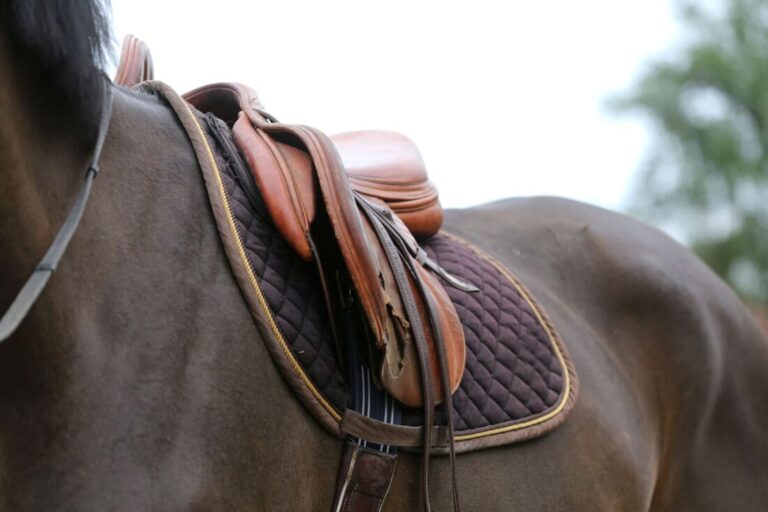
Choosing the right jumping saddle involves more than selecting a popular brand or matching your discipline's style. The ideal saddle must suit both horse and rider, supporting performance over fences while maintaining comfort and long-term soundness. Jumping saddles are designed...

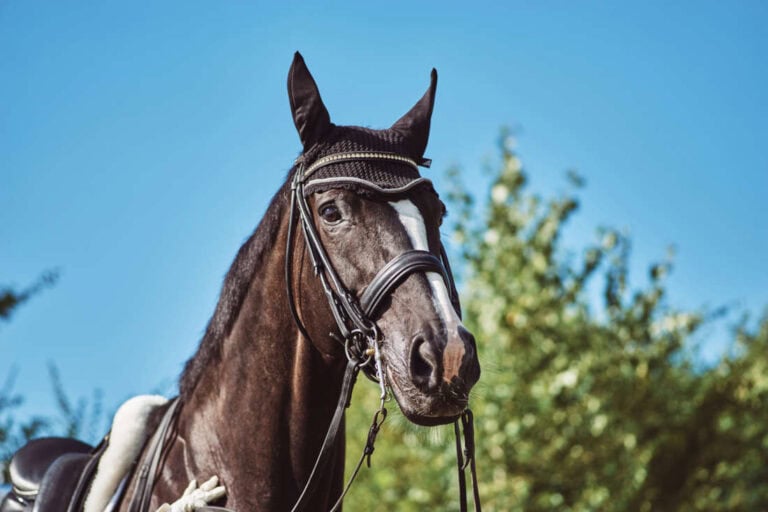
A double bridle is a piece of English tack that uses a bridoon and a Weymouth bit at the same time. Each individual bit is connected to its own rein, allowing for refined and independent aids. It is most commonly...

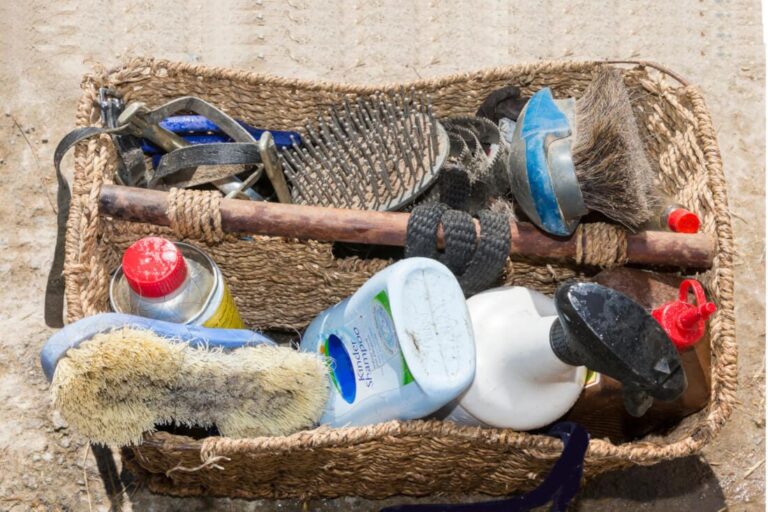
Grooming is a cornerstone to horse care. It helps maintain skin and coat health, prevents infections, assists in early detection of injuries, and supports overall wellbeing. Good grooming begins with the right tools. Whether you are building your first grooming...
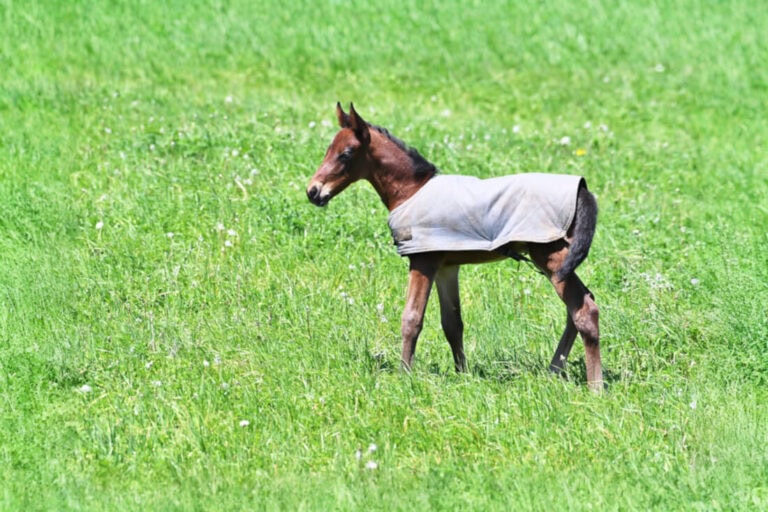
Foals are more vulnerable to cold than adult horses, especially in their first few weeks of life. Their limited fat reserves and higher surface-area-to-body-weight ratio mean they can lose heat quickly, particularly in wet, windy, or sudden cold weather. A...
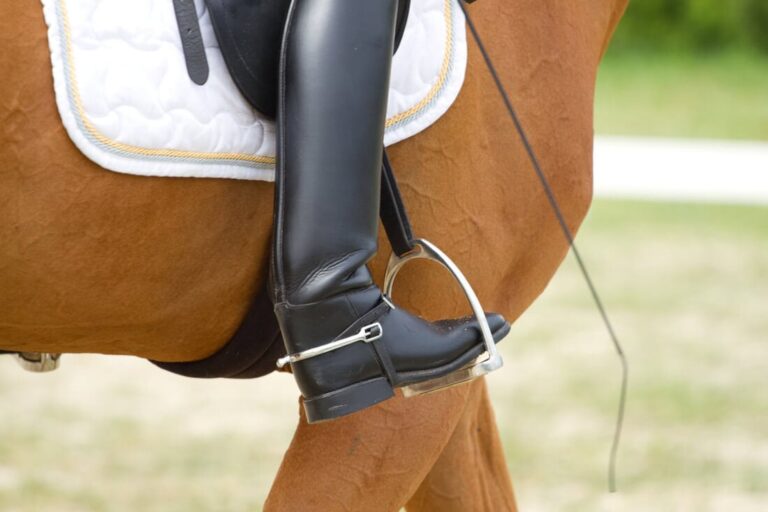
Spurs are one of the oldest and most recognizable tools in horsemanship, designed to help riders communicate precise cues to their horses. While often associated with riding and competition, their proper use requires skill, sensitivity, and a thorough understanding of...
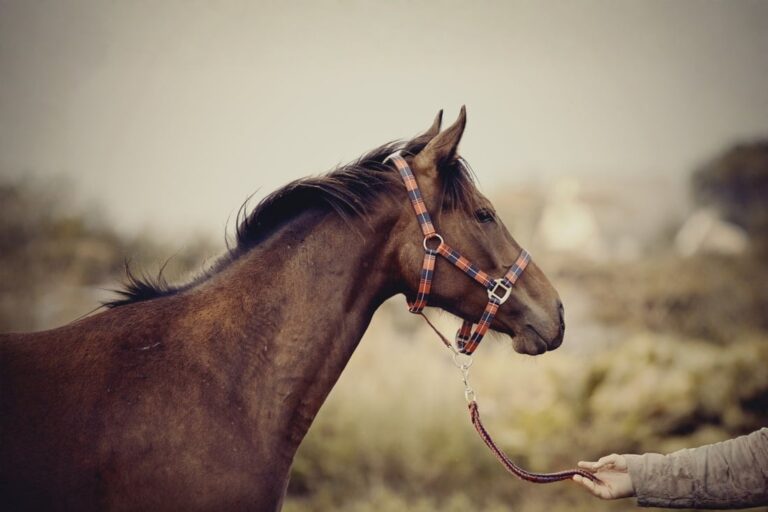
Halters are an essential piece of horse tack used to safely lead, train, and manage horses from the ground. Made of interconnected straps that sit around the horse’s poll, cheeks, and nose, this equipment allows handlers to guide a horse’s...
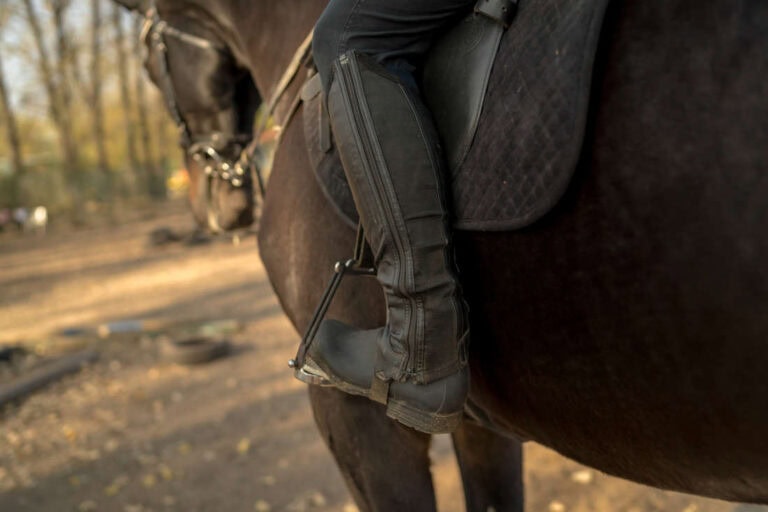
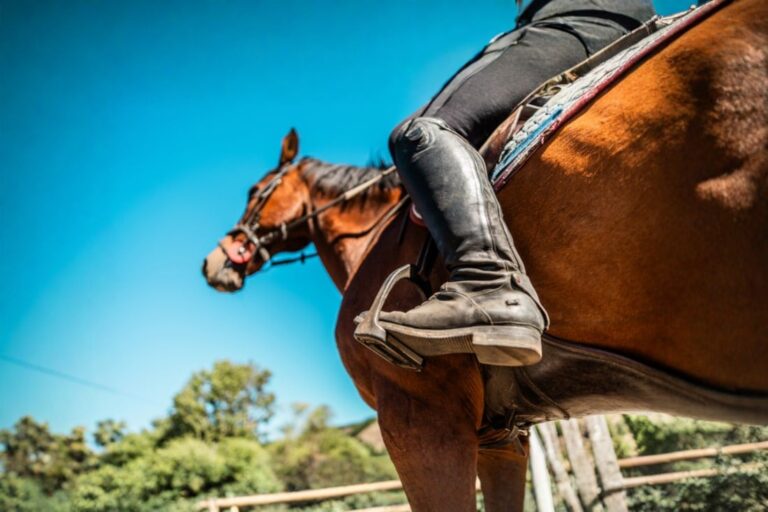
Stirrups are an important yet often underappreciated part of horse tack. These simple loops or frames attached to the saddle provide riders with stability, balance, and control while mounted. By anchoring the rider's legs, stirrups form a functional link between...
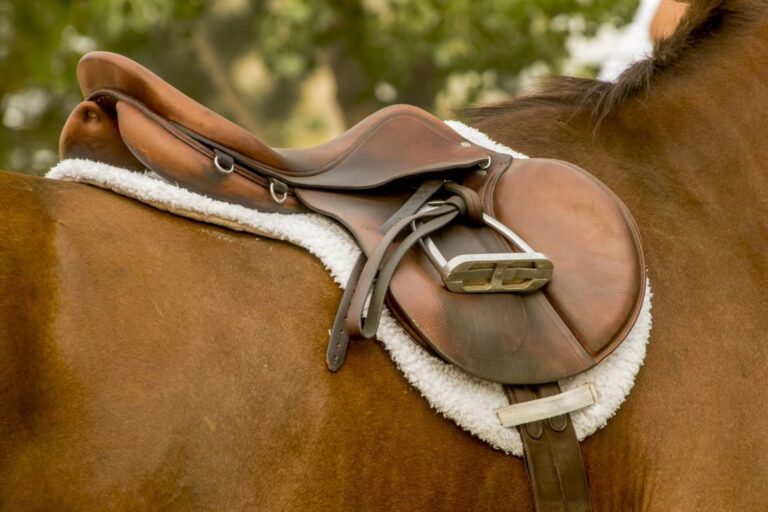
English saddles are used across many equestrian disciplines, including dressage, show jumping, eventing, and hunting, with a lightweight design that allows close contact between rider and horse. Unlike the Western saddle, which is built for comfort over long hours of...
Selecting the best trailer for your needs involves evaluating how different designs impact safety, ventilation, ride comfort, loading ease, and long-term durability. Horses are sensitive travelers, and factors such as airflow, suspension, flooring, and interior space can make the difference...
Saddle pads are a fundamental part of English riding equipment, providing a necessary layer of protection and comfort between the horse and the saddle. Designed to cushion the horse's back, absorb sweat, and protect the saddle from dirt and wear,...
The girth, or cinch, is a fundamental component of equine tack, responsible for securing the saddle to the horse and ensuring rider stability and safety. Choosing the right design, material, and placement depends on your discipline and the horse's conformation....
Horse coolers are useful tools for maintaining a horse's comfort and health, particularly after exercise or exposure to moisture in cold weather. These specialized blankets, typically made of wool or fleece, serve to regulate body temperature and wick away excess...
Riding involves more than just passively sitting on a horse — it's a partnership that relies on clear communication and mutual understanding. Rider's aids are the tools we use to convey our intentions to the horse, guiding their movements and...
Equine nasal strips are non-invasive devices used to support respiratory function in horses during intense physical activity. Made from stiff, spring-loaded plastic with an adhesive backing, these strips are applied externally across the upper part of the horse's nose. Their...
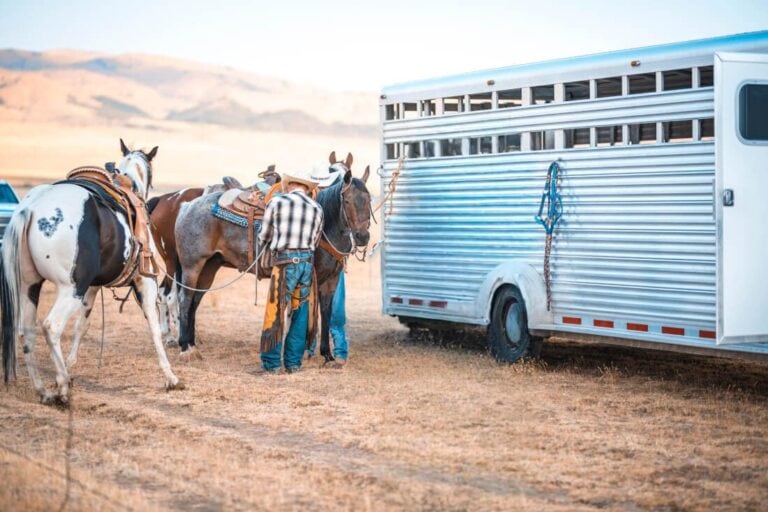
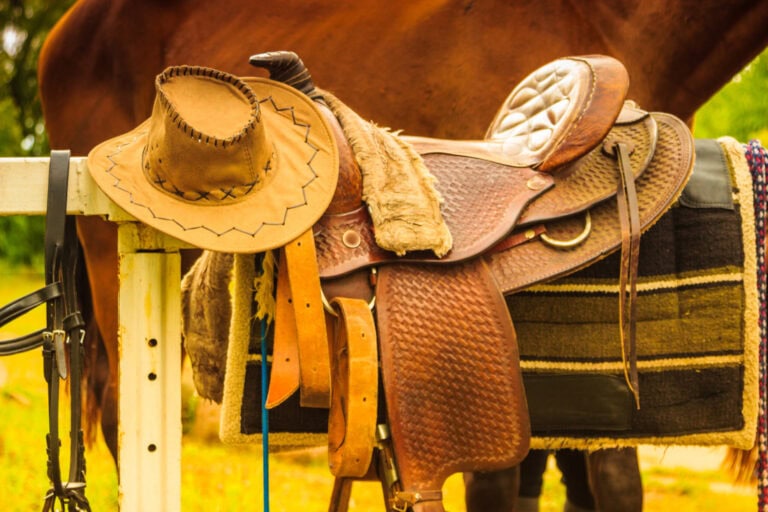
Western saddles are among the most recognizable pieces of equestrian tack, designed for functionality, comfort, and durability. Unlike their English counterparts, Western saddles were developed to support riders who spend long hours in the saddle, particularly during cattle ranching and...
Bareback riding pads for horses offer a comfortable and secure way to ride without a traditional saddle, combining the close contact of bareback riding with added support and grip. Designed to cushion both horse and rider, these pads help distribute...
Reins are a standard and useful part of equestrian equipment, serving as the primary connection between a rider and their horse. Attached to the horse's bridle or bit, reins allow for clear communication through subtle movements of the rider’s hands,...
Ice boots are a useful tool for managing recovery in horses after exercise or injury. These specially-designed equine devices help cool the horse’s legs, providing therapeutic benefits that reduce pain, inflammation, and swelling. Ice boots work on principles of cryotherapy:...
Nosebands have been part of bridles for nearly 4,000 years. [ref n="1"] They can have different functions depending on their design, placement on the face, material and tightness. Many people only use nosebands because they are expected or required in...
Choosing equipment for you and your horse is an important part of improving comfort, safety, and performance. Understanding the types of Western tack available can help you decide what tack is best for your riding. Western tack and equipment has...
Bits are a common component of riding equipment, used by the vast majority of riders. Bits play a pivotal role in communication between the horse and rider, and the choice of bit can influence the horse's responsiveness to cues. Horse...
Having the right equipment for yourself and your horse is critical for comfort, safety, and performance. Although the basics of horse tack are similar between Western and English riding, English riders have specific equipment that they use to meet the...