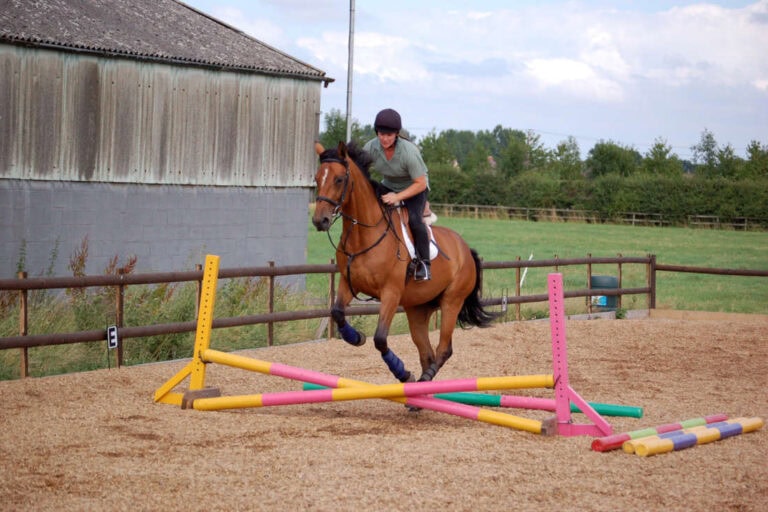
Setting up show jumps at home allows riders to practice jumping skills, build confidence, and improve communication with their horse outside of formal lessons or competitions. However, jump training carries inherent risks, making safety a critical consideration when building and...
Facilities
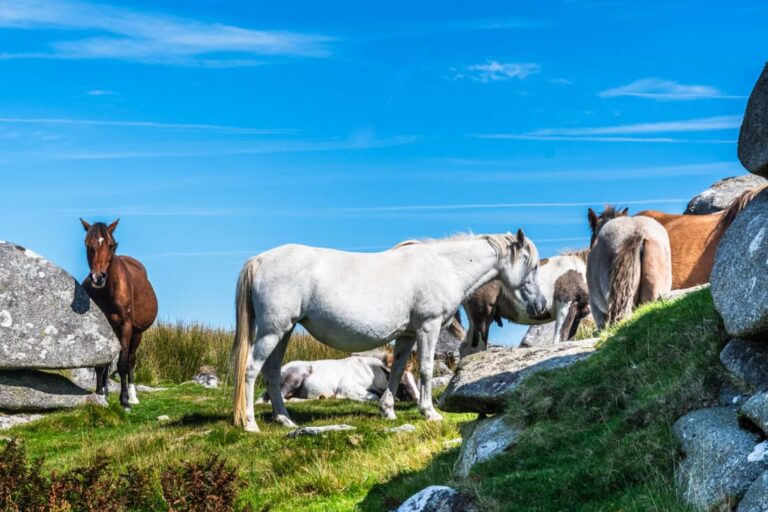
Adopting a wild horse requires forethought, long-term commitment, and respect for horses' nautral instincts. For experienced equestrians looking for a unique partnership, adopting a wild horse offers the chance to participate in the preservation of an iconic species and engage...
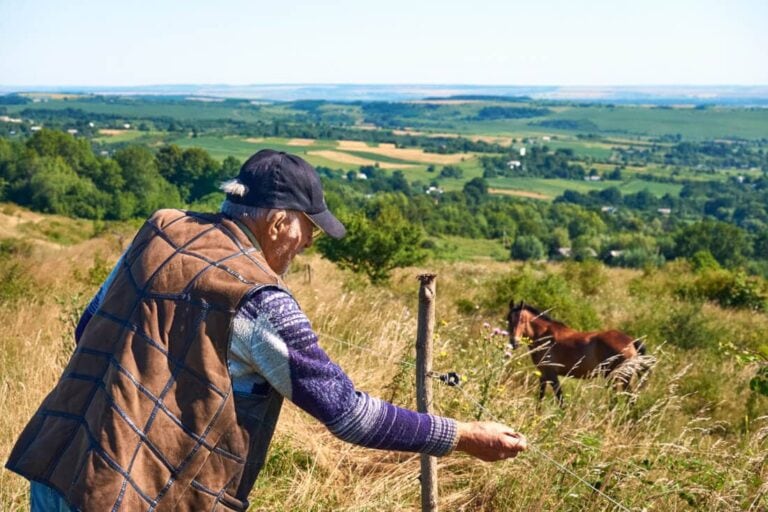
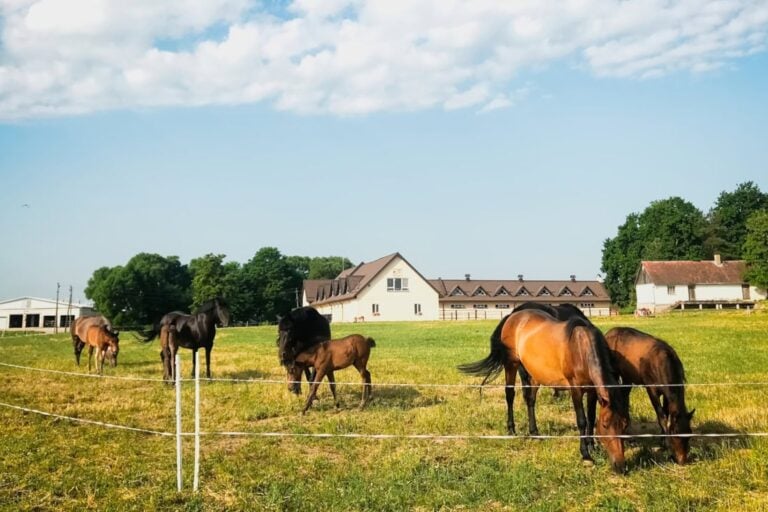
A safe, secure fence is one of the most important parts of keeping your horse safe. Fencing contains your horse, reduces the risk of injury, and helps keep wildlife or unwanted animals out of pastures. Because fences face constant pressure...
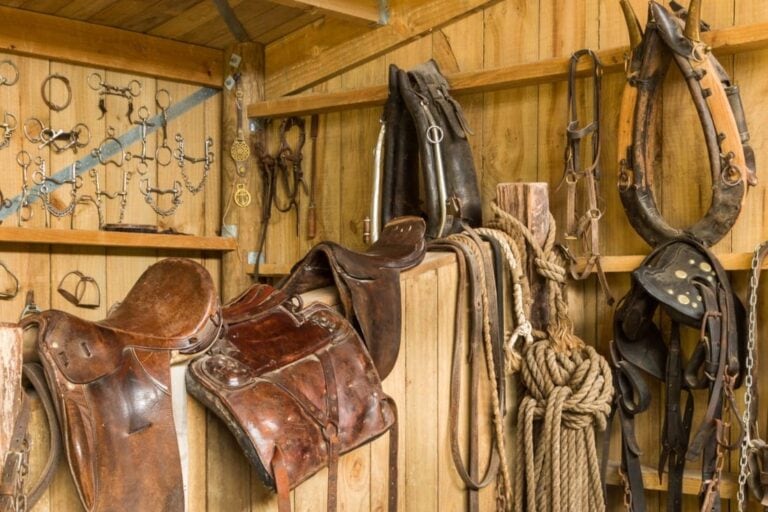
Do you ever get tack room envy scrolling through Instagram and seeing those perfectly staged barn setups? In reality, a well-organized tack room isn’t about maintaining a photoshoot-ready space; it’s […]
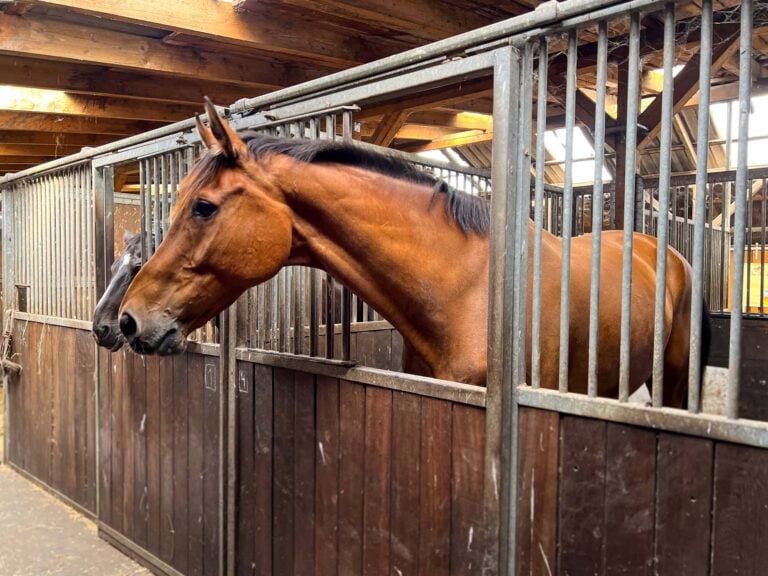
Stall gates are a core feature of modern horse barns that support healthier stall conditions and give horses a more engaging environment. Well-designed gates help maintain cleaner air conditions by keeping stalls open to natural ventilation, and allowing horses to...
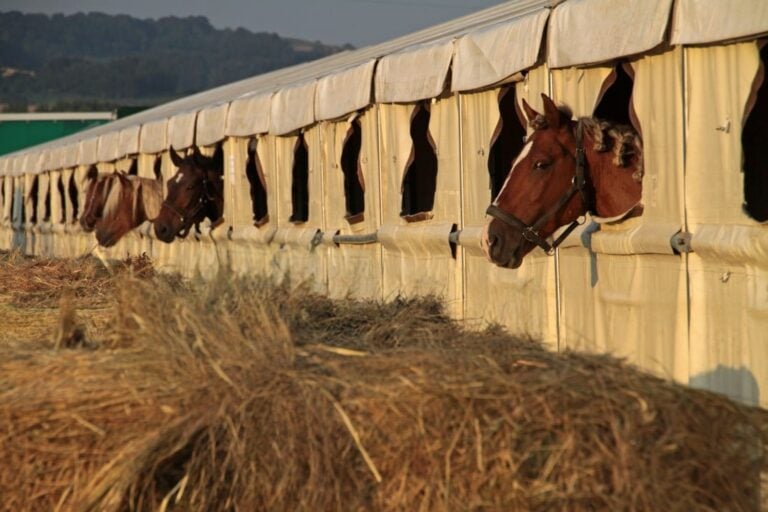
Portable horse stalls, also called modular or temporary stalls, are an increasingly popular option for horse owners, trainers, and event organizers who need flexible, mobile housing. Unlike permanent barns, these stalls can be assembled, disassembled, and relocated with relative ease,...
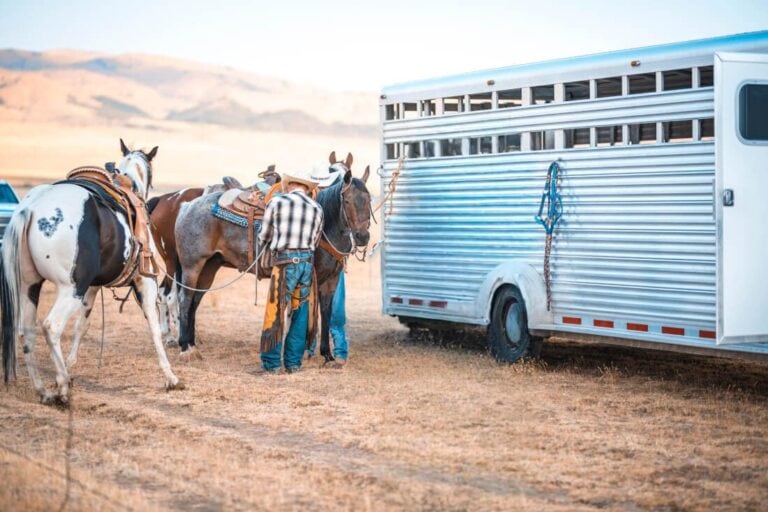
Selecting the best trailer for your needs involves evaluating how different designs impact safety, ventilation, ride comfort, loading ease, and long-term durability. Horses are sensitive travelers, and factors such as airflow, suspension, flooring, and interior space can make the difference...
Keeping a horse barn safe goes beyond caring for the animals—it’s about protecting the people who work there. Every day, barn staff face hazards ranging from poor air quality and heavy lifting to unpredictable animal behavior, slippery surfaces, and machinery...
Running a horse farm—whether it's a small private stable or a large-scale boarding, training, or breeding facility—requires strong organization behind the scenes. One of the most valuable tools in managing horses and daily operations is effective record-keeping. Accurate records help...
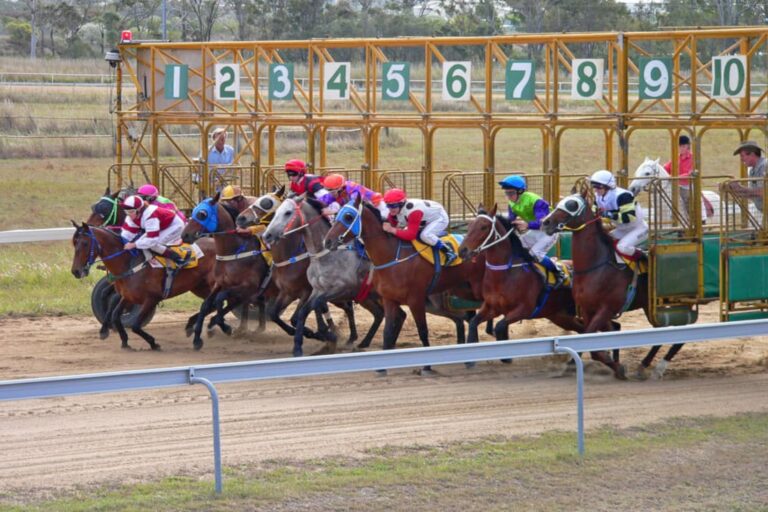
Horse racing demands speed, precision, and safety—for both horses and riders. Inadequate racetrack surfaces are considered a risk factor for musculoskeletal and catastrophic injuries in horses at high speeds, making track design a crucial factor in preventing harm. To meet...
The quality of the air horses breathe plays a critical role in their overall health and performance. Unlike humans, horses have a highly sensitive and efficient respiratory system designed to meet the oxygen demands of intense physical exertion. However, this...
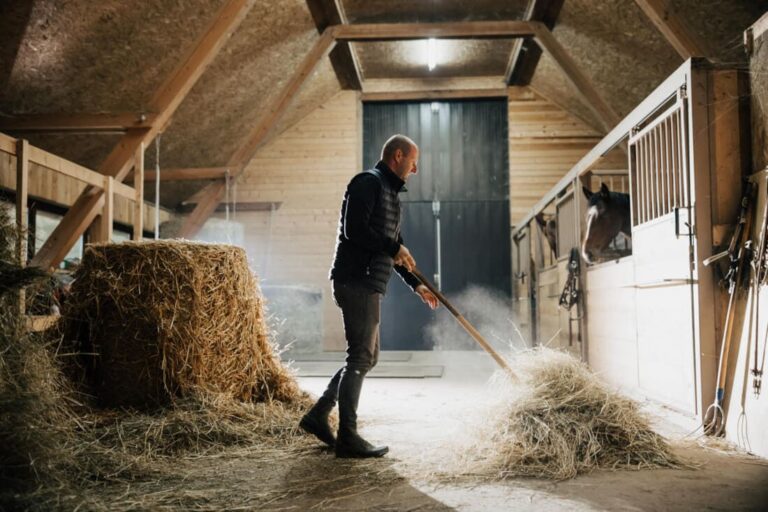
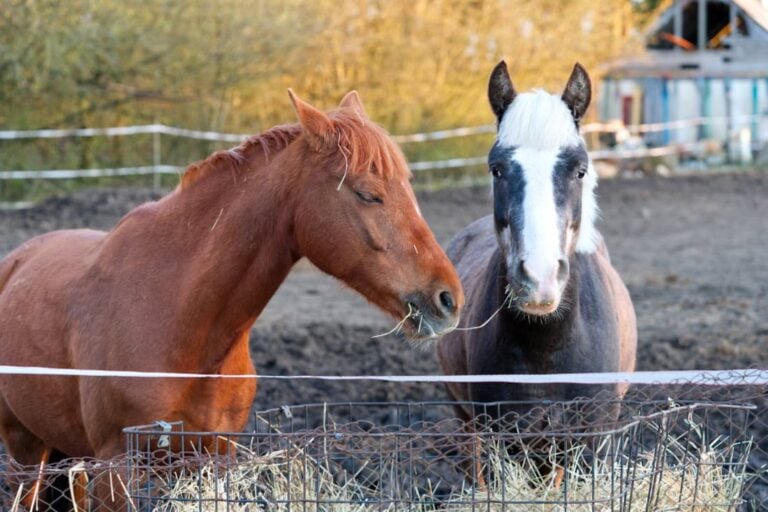
The average horse eats about 2% of its body weight in hay per day, and those in heavy work may need as much as 2.5% of their body weight daily. While it seems straightforward to simply toss bales on the...
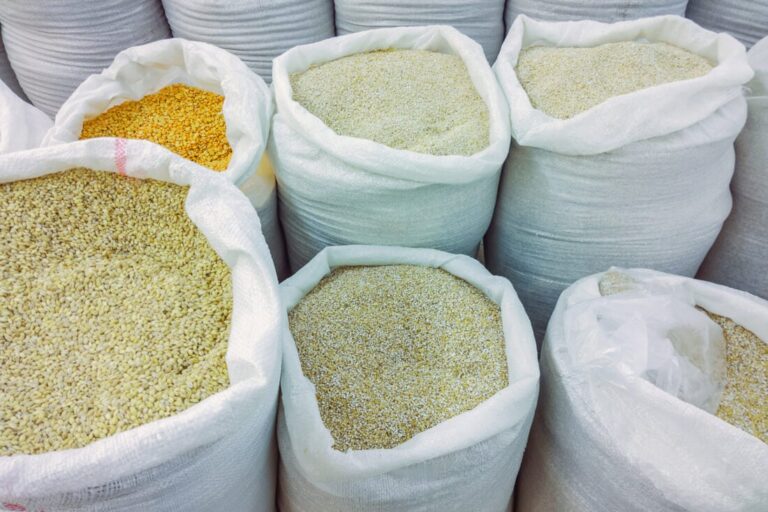
Proper feed storage is essential for effective horse care and efficient farm management. Horses rely on consistent, high-quality nutrition to maintain their health, performance, and overall well-being. Incorrect feed storage can lead to spoilage, contamination, and pest infestations, which waste...
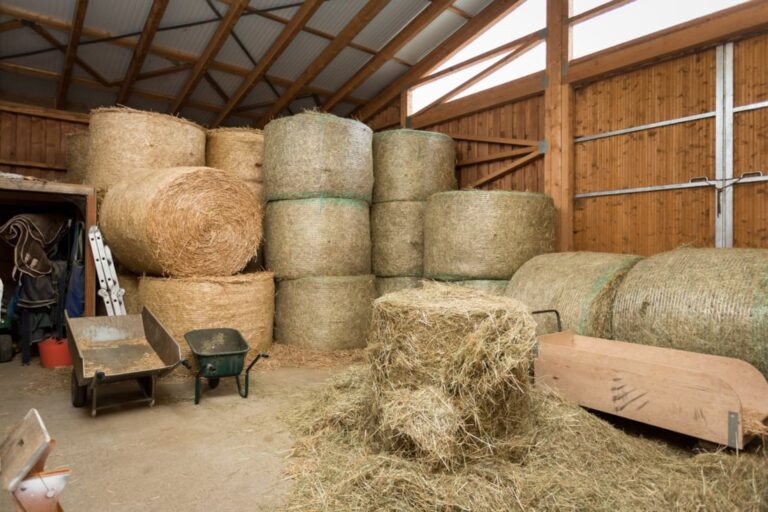
Proper hay storage is essential for maintaining the quality, safety, and nutritional value of your horse's feed. Whether you’re managing a large equine facility or a small hobby farm, knowing how to store hay correctly can prevent mold, spoilage, and...
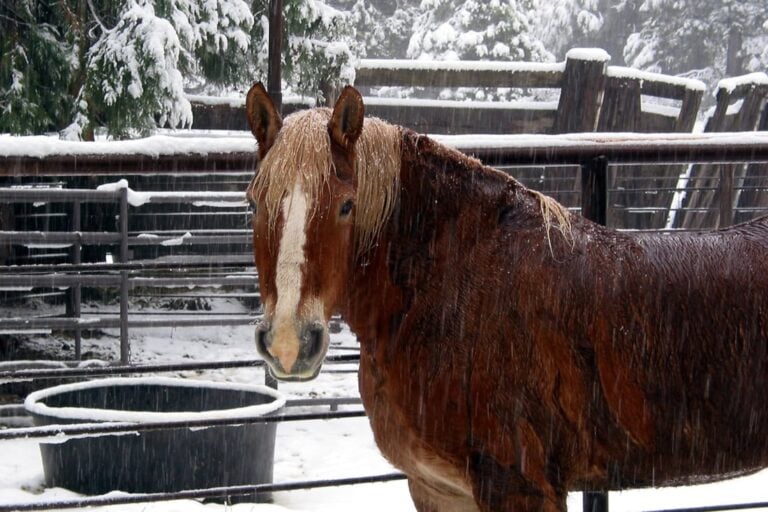
Hydration is essential for equine health year-round, but winter brings unique challenges that can make water supply management more difficult. Frozen troughs, reduced water intake, and the increased risk of colic or dehydration are all concerns that horse owners must...
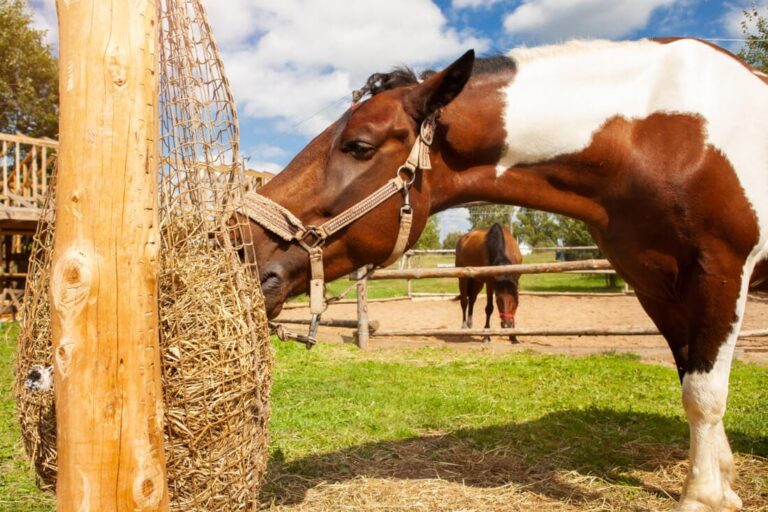
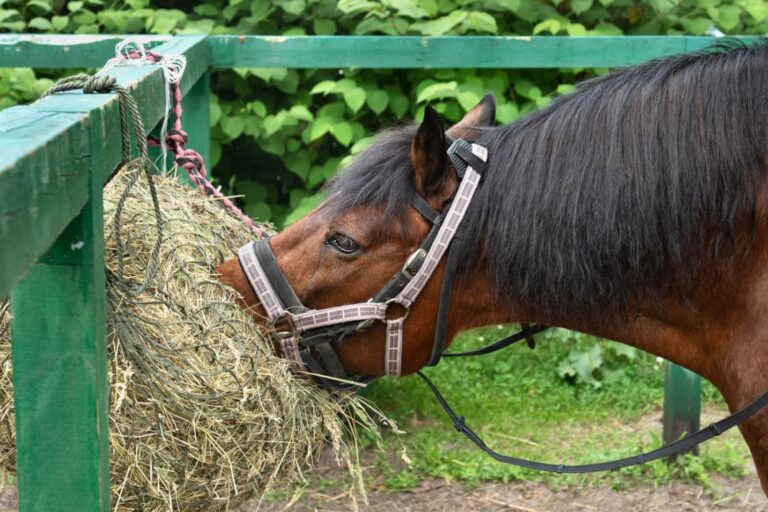
Building your own hay feeders for horses is a practical and cost-effective solution to minimize hay waste, maintain cleanliness, and ensure your herd has consistent access to forage. Whether you’re looking for simple designs or more advanced builds, DIY hay...
Starting your own horse boarding business can be a rewarding venture, merging your passion for equines with entrepreneurship. As horse ownership continues to grow, so does the demand for quality boarding facilities that cater to the diverse needs of both...
Electric fencing for horses has become an essential tool in modern horse management, offering a balance between safety, practicality, and cost-effectiveness. This type of fencing system, which uses a mild electric shock to deter horses from pushing against or crossing...