Analyze Diet

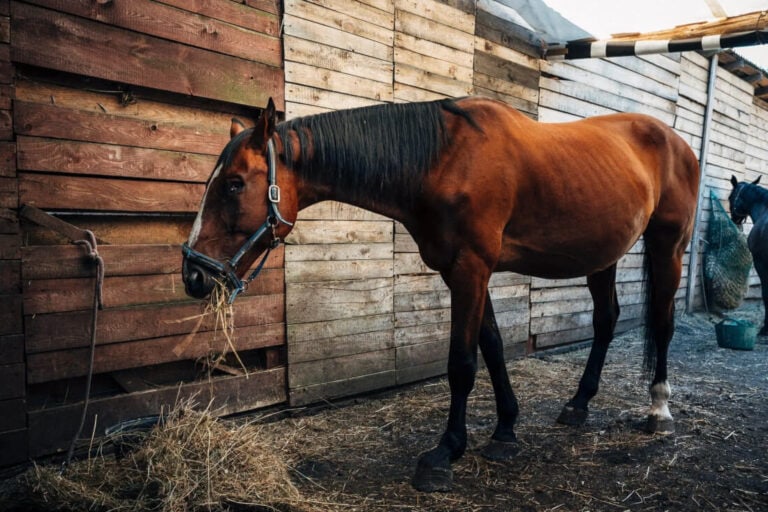
Internal Parasites in Horses
Internal Parasites in Horses – Types, Symptoms, Treatment & Prevention Casie Bazay, BS, NBCAAM | February 24, 2026 | Conditions, Gut Health

Internal parasites, also known colloquially as worms, are a common concern for many horse owners. Parasites are organisms that live on the horse’s skin or infiltrate the intestinal tract to gain nutrients. They can cause inflammation, immune problems, ulcers, and,...

Supplements for Digestive Health in Horses
Top 15 Equine Supplements for Digestive Health [Research Review] Hannah Godfrey, B.Sc., M.Sc. | March 13, 2026 | Gut Health, Horse Health, Supplements

Maintaining your horse's digestive health is integral to maintaining their overall health. Digestive issues such as colic, ulcers, and hindgut acidosis are some of the most commonly diagnosed health conditions in horses. Learn about research-backed digestive health supplements that can...

Squamous vs Glandular Ulcers in Horses
Squamous vs. Glandular Ulcers in Horses: What’s the Difference? Dr. Priska Darani, Ph.D., PAS | March 6, 2026 | Gut Health

What’s the difference between squamous ulcers and glandular ulcers in horses? Different types of stomach ulcers in horses are commonly described as the general diagnosis of Equine Gastric Ulcer Syndrome (EGUS). However, new research suggests it is better to refer...

Feeding Horses with Ulcers
How to Feed an Ulcer-Prone Horse [12-Step Guide] Dr. Priska Darani, Ph.D., PAS | February 25, 2026 | Gut Health

Nutrition and feeding play an integral role in the prevention of equine ulcers. Ulcer-prone horses can benefit greatly from a feeding program that supports gut health and supports the horse's natural defences against ulcers. Equine ulcers are painful sores or...

Right Dorsal Colitis in Horses
Right Dorsal Colitis in Horses – Signs, Causes & Treatment Dr. Priska Darani, Ph.D., PAS | February 17, 2026 | Conditions, Gut Health

Right dorsal colitis (RDC) is a specific type of ulcerative disease in horses localized to the right, upper region of the large intestine. RDC is sometimes referred to as hindgut ulcers. Horses with RDC can show signs of weight loss,...

NSAIDs Side Effects for Horses
Side Effects of NSAID Use in Horses [Long-Term Risks] Casie Bazay, BS, NBCAAM | February 11, 2026 | Gut Health, Horse Health

Non-steroidal anti-inflammatories (NSAIDs) are some of the most commonly used equine medications. They come in several forms, including tablets, powder, paste, or as an injectable. As their name implies, NSAIDs help to control inflammation in the body. Therefore, they are...

Omeprazole for Horses
Omeprazole for Equine Gastric Ulcers: How it Works & Side Effects Dr. Priska Darani, Ph.D., PAS | February 11, 2026 | Gut Health, Medications

Omeprazole is an FDA-approved drug that is sold under the tradenames GastroGard and UlcerGard. Omeprazole is used to prevent or treat equine gastric ulcer syndrome (EGUS). Gastric ulceration is a painful condition with an extremely high prevalence in horses. Up...

Prevent Colic in Horses
14 Best Ways to Naturally Prevent Colic in Horses [Countdown] Dr. Priska Darani, Ph.D., PAS | February 17, 2026 | Gut Health, Horse Health

As many horse owners know, colic is an unpredictable, painful, and sometimes fatal condition. Colic refers to abdominal pain in your horse. It is an amorphous condition that can lead to potentially serious health complications. Colic may present as a...

Antacid Supplements for Horses with Ulcers
Antacid Supplements for Horses: Why they DON’T Work for Ulcers Hannah Godfrey, B.Sc., M.Sc. | March 13, 2026 | Gut Health, Supplements

Antacid supplements are some of the most popular options for equine gastric ulcer treatment and prevention – but could they be causing more harm than good? Antacids, such as magnesium hydroxide, are chemical compounds that neutralize stomach acid to temporarily...

Inflammatory Bowel Disease in Horses
Inflammatory Bowel Disease in Horses – Signs, Causes, Treatment & Diet Dr. Priska Darani, Ph.D., PAS | February 17, 2026 | Gut Health

Inflammatory bowel disease (IBD) is a broad term that describes a group of diseases marked by inflammation in the gastrointestinal tract of the horse. Horses with IBD may show outward signs including recurrent colic, diarrhea, weight loss, and low energy...

How to Prevent Ulcers in Horses
12 Best Ways to Naturally Prevent Ulcers in Horses Dr. Priska Darani, Ph.D., PAS | February 25, 2026 | Conditions, Gut Health

What can you do to prevent ulcers from developing in your horse? Equine ulcers are all too common, with studies showing that up to 90% of horses will be affected by ulcers in their lifetime. Stomach ulcers, also known as...

Hindgut Acidosis in Horses
Hindgut Acidosis in Horses – Signs, Causes & How to Prevent Dr. Priska Darani, Ph.D., PAS | February 11, 2026 | Conditions, Gut Health

Hindgut acidosis is a condition in which the hindgut of the horse becomes excessively acidic. It is usually caused by too much starch in the horse’s diet, resulting in increased production of lactic acid in the lower intestinal tract. When...

Ulcer Supplements for Horses
16 Best Ulcer Supplements for Horses – Safe & Natural [Research Review] Hannah Godfrey, B.Sc., M.Sc. | March 13, 2026 | Gut Health, Supplements

Equine supplements targeted towards ulcer prevention are on the rise, but not all products are created equal. Dietary management for horses with ulcers can include increasing forage and decreasing grain, as well as providing supplements that support a healthy digestive...

Colic Causes in Horses
11 Most Common Causes of Colic in Horses [+ How to Prevent] Casie Bazay, BS, NBCAAM | February 17, 2026 | Gut Health

Colic is a painful, sometimes fatal, condition that strikes fear in the heart of any horse owner. Many cases of colic are mild and can be resolved with veterinary intervention. Others are severe enough to necessitate surgery. The term 'colic'...

Yeast Benefits for Horses
7 Research-Backed Benefits of Yeast for Horses Dr. Priska Darani, Ph.D., PAS | March 13, 2026 | Gut Health, Horse Health, Nutrition, Supplements

Yeast are single-cell organisms that include over 1,500 unique species found naturally in soil, plants, fruit, and on the skin and in the intestinal tract of mammals. Live yeast are used as probiotic supplements for horses, primarily to improve fibre...

Benefits of Prebiotics for Horses
6 Science-Backed Benefits of Prebiotics in Horses Dr. Priska Darani, Ph.D., PAS | March 13, 2026 | Gut Health, Horse Health, Nutrition, Supplements

Prebiotics are types of fibre that are given to horses as a food source for the beneficial microbes in the hindgut. Prebiotics support fibre digestibility, gut health, and nutrient assimilation in the hindgut. Horses with disrupted digestive function, observed as...

Signs of Ulcers in Horses
Top 14 Signs & Symptoms of Ulcers in Horses Casie Bazay, BS, NBCAAM | February 17, 2026 | Gut Health

What are some of the common signs that your horse is affected by ulcers? If your horse is losing weight, not eating well, or has developed a coarse coat they may be affected by ulcers. But these are not the...

benefits-of-probiotics-in-horse-diets
6 Science-Backed Benefits of Probiotics for Horses Dr. Priska Darani, Ph.D., PAS | March 13, 2026 | Gut Health, Horse Health, Supplements

Probiotics are live microbes (bacteria, yeast, fungi and protozoa) that help horses maintain a healthy gut by protecting against "bad" microbes or pathogens. Maintaining a healthy microbiome promotes optimal digestive function and absorption of nutrients and helps support the immune...

Gastric Ulcers in Horses
7 Common Causes of Gastric Ulcers in Horses Dr. Fran Rowe, DVM, PAS | February 11, 2026 | Conditions, Gut Health

Have you noticed changes in your horse such as weight loss, a dull coat, disinterest in feeding or crib chewing that have resulted in poor performance? Your horse might be experiencing stomach pain, most likely due to gastric ulcers. Equine...

Equine Gastric Ulcer Syndrome
EGUS – Equine Gastric Ulcer Syndrome Dr. Priska Darani, Ph.D., PAS | February 11, 2026 | Conditions, Gut Health, Nutrition, Sport & Showing

Let's save the boring stats that every article discussing equine gastric ulcers quotes. If you keep your horse in a stall and/or do any level of training and you are still reading this article, there is an extremely [...]