English
![Side Effects of NSAID Use in Horses [Long-Term Risks]](/wp-content/uploads/2021/06/NSAIDs-Side-Effects-for-Horses.jpg)
Non-Steroidal Anti-Inflammatory Drugs (NSAIDs) are among the most commonly used equine medications. They come in several forms, including tablets, powders, pastes, and injectable formulations.
As their name implies, NSAIDs help to control inflammation in the body. They are used to manage pain and inflammation associated with muscle, ligament, or tendon injuries, osteoarthritis, wounds, and colic.
The most commonly administered NSAIDs for horses include:
- Phenylbutazone (Bute)
- Flunixin meglumine (Banamine)
- Diclofenac sodium (Surpass)
- Ketoprofen (Ketofen)
- Firocoxib (Equioxx, Previcox)
NSAIDs can improve your horse’s comfort level and exercise tolerance when dealing with injuries or other problems. While NSAIDs do have their place in equine veterinary care, it is important that they are used correctly to minimize the risk of adverse effects.
NSAIDs can cause side effects, even when given at the recommended dosage rates. Adverse reactions can affect gut health, nutrient absorption, immune function and your horse’s overall well-being.
Horses are most at risk from negative side effects when NSAIDs are given for too many consecutive days, are overdosed, are given in combination with other NSAIDs (“stacking”), or are administered with certain other medications.
Every horse may tolerate NSAIDs differently. Consult with your veterinarian to learn about the proper use of NSAIDs to minimize the risk of side effects.
NSAIDs for Horses
NSAIDs have anti-inflammatory and analgesic (pain-relieving) effects when administered to horses. NSAIDs work by blocking an enzyme known as cyclooxygenase (COX).
This enzyme is used by the horse’s body to make signaling compounds called prostaglandins, which are produced throughout the body and may increase at sites of tissue damage or infection.
Prostaglandins are hormone-like compounds that are involved in processes such as inflammation, blood flow, tissue protection, and blood clotting.
When cyclooxygenase is blocked, prostaglandin production is reduced. As a result, NSAIDs can relieve discomfort associated with fever and reduce inflammation and the pain associated with it. However, reduced prostaglandin production can also interfere with normal protective functions in the gastrointestinal tract and kidneys.
COX-1 versus COX-2 Selective NSAIDs
There are two main classes of NSAIDs: non-selective NSAIDs and COX-2 selective NSAIDs. [6]
COX-1 and COX-2 enzymes both produce prostaglandins. COX-1 is primarily involved in normal tissue maintenance, while COX-2 activity is more strongly associated with inflammation, although the two enzymes have overlapping roles. For example, COX-1-derived prostaglandins support blood platelet activity and help protect the stomach and intestinal wall.
Traditional NSAIDs such as Bute and Banamine are non-selective. This means they block both COX-1 and COX-2. Because of this, they can increase the risk of damage in the gastrointestinal tract, especially to the lining. This is one reason horses receiving Bute or Banamine may be susceptible to gastric ulcers and other issues with digestive function. [7]
They can also have other side effects. In rare cases they can affect kidney function and cause bleeding disorders.
What's your top priority with your horse's health?

What's your top priority with your horse's health?
Are COX-2 NSAIDs Safer?
Some of the newer NSAIDs were developed to block COX-2 specifically instead of both types of enzymes, in an attempt to lessen the negative effects on the horse’s gastrointestinal system.
This includes the widely used Equioxx and Previcox (Firocoxib), which is often recommended for horses with osteoarthritis.
However, COX-2 selective NSAIDs, including Equioxx, are not risk-free and may still cause adverse effects in some circumstances.
Studies in people indicate that COX-2 selective NSAIDs have led to decreased incidence of damage to the stomach, but they have been less effective in reducing NSAID-related injury in the small and large intestine. [1]
The most common side effects associated with NSAID use in horses involve the lining of the gastrointestinal system (mucosa) and the kidneys. These effects may be worse in ill horses or those with current gastrointestinal injury. [2][8]
NSAID Impact on the Horse’s Foregut
As already noted, the most common adverse effects of NSAIDs in horses involve the gastrointestinal tract. This can include the stomach and the small intestine, collectively known as the foregut.
Since NSAIDs inhibit prostaglandin production, which is important for repairing damaged gastrointestinal mucosa, this can lead to delayed mucosal repair.
When the gastrointestinal barrier is not functioning properly, it can increase the risk of pathogens and toxins entering the horse’s body. It can also interfere with the normal uptake of nutrients from the diet which could lead to secondary nutrient deficiencies.
Excessive NSAID use is a major risk factor for ulcers. Horses that have been diagnosed with gastric ulcers may be at greater risk of gastrointestinal complications. The decision to use an NSAID in these horses should be made by the treating veterinarian based on the horse’s condition and need for pain control.
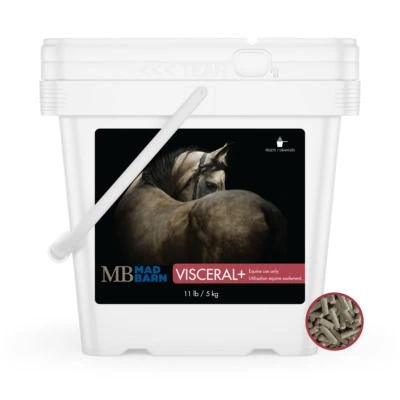
For general digestive health support, Visceral+ is designed to support normal gastric and hindgut health and immune function. Nutritional supplements are not a treatment for gastric ulcers and do not replace veterinary care.
Impact on the Horse’s Hindgut
One of the most serious gastrointestinal complications associated with long-term or excessive NSAID use in horses is right dorsal colitis (RDC).
RDC is a specific form of colitis involving the right dorsal colon and may be discussed alongside other hindgut or colonic ulcers. It is most often associated with the administration of Bute.
The risk of RDC is greater when Bute is administered at excessive doses or for prolonged periods, but some horses may develop the condition even at recommended doses.
Some estimates suggest that hindgut dysfunction may affect as many as 60% of horses, although RDC is a distinct and less common condition. In serious cases, RDC can be life-threatening. [3]
Horses affected by RDC may experience:
- Decreased performance
- A rough hair coat
- Reduced appetite
- Recurring colic or diarrhea
- Weight loss
RDC is characterized by damage to the intestinal mucosa, which is the inner lining of the intestinal tract. When the permeability of the mucosal barrier is increased, fluid can move from the bloodstream into the bowel, contributing to loose stools or diarrhea.
It can also result in protein-losing enterocolopathy, where protein in blood leaks into the bowels. This is why your veterinarian may want to check your horse’s blood protein levels to ensure they are not too low.
Diagnosing RDC, however, can be difficult since a gastroscope (used to diagnose gastric ulcers) will not reach the horse’s colon. Instead, veterinarians will typically make a presumptive diagnosis based on bloodwork, clinical signs, and other findings, which may include abdominal ultrasound.
Treatment for RDC typically includes discontinuing NSAIDs under veterinary direction and feeding a low-residue diet that is easier on the horse’s digestive tract. Treatment may also include Misoprostol, a synthetic prostaglandin analogue used to support tissue healing in the gastrointestinal tract. [2]
Dietary changes should be considered in horses affected by hindgut ulcers. You can submit your horse’s diet for analysis, and our nutritionists can provide complementary advice on what to feed your horse alongside your veterinarian’s treatment plan.
NSAID Effects on the Gut Microbiome
Evidence also suggests that NSAID use can alter the gut microbiome in both people and animals.
One study showed that when administered to adult horses for 10 days, both non-selective and COX-2 selective NSAIDs significantly altered fecal microbial populations. [1]
The gut microbiome plays an important role in immunity and overall health for horses. A disruption or imbalance in these “good bacteria” may affect digestive and immune function. However, the clinical significance of the microbial changes observed after NSAID use is still being studied.
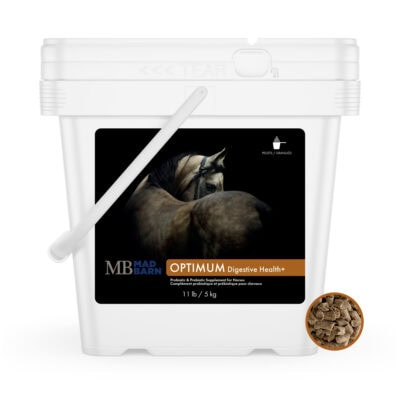
If your horse is receiving NSAIDs and needs additional digestive support, consult your veterinarian or an equine nutritionist about whether a probiotic or digestive health supplement is appropriate to support a balanced microbiome and normal hindgut function. These products do not reverse NSAID-related gastrointestinal injury.
NSAID Effects on the Kidneys
NSAIDs can also inhibit prostaglandins that are produced in the horse’s kidneys. This, in turn, affects blood flow, oxygen delivery, and filtration in these vital organs.
NSAID-induced injury may lead to the death of kidney tissue, referred to scientifically as renal necrosis.
Horses that are volume depleted, meaning they have reduced circulating fluid volume, often due to loss of water and total body sodium, or who are dehydrated, are most at risk for this side effect. [2]
Changes in urination, including urinating more or less frequently than normal, can be a sign of kidney dysfunction. Banamine, Ketofen, and Bute have all been implicated in causing kidney damage in susceptible horses.
Keeping your horse hydrated and providing appropriate salt or an electrolyte formula when indicated can support normal hydration and electrolyte balance. These practices do not prevent NSAID-related kidney injury or replace veterinary monitoring.

NSAID Effects on Blood Clotting
In healthy people and animals, prostaglandins maintain a balance between blood clotting and hemorrhage, but NSAIDs can disrupt this process. Several studies in humans have shown that COX-2 selective NSAIDs can have cardiovascular side effects, including increased risk of heart attack and stroke.
Though this same risk has not been documented in horses, a related side effect is catheter-associated jugular thrombophlebitis (blood clot blocking the jugular vein when a catheter has been inserted).
This issue appears to be more of a factor in critically ill horses, especially those with endotoxemia related to gastrointestinal disease. [2]
The Dangers of Stacking NSAIDs
“Stacking” is the practice of administering more than one NSAID at a time to achieve a greater pain-relieving effect for the horse.
Once somewhat common on racetracks, this practice is now recognized as dangerous. In competition horses, it may also violate applicable medication rules, including those of the U.S. Equestrian Federation.
Whether it’s a combination of non-selective NSAIDs, COX-2 selective NSAIDs, or both, the risks of stacking outweigh any possible benefits for the horse.
In one study in which horses were given Bute and Equioxx paste by mouth for 10 days, significant changes in serum creatinine and total protein were observed. The researchers concluded that giving these two NSAIDs together may increase the risk of kidney injury. [4]
Administering more than one NSAID at the same time may also alter the way both drugs interact within your horse’s system. Stacking may enhance or slow the metabolism of one or both drugs.
NSAIDs with Omeprazole for Ulcers
Another caution to consider: While technically not considered “stacking,” the concurrent use of NSAIDs and Omeprazole should be discussed with your veterinarian.
Researchers have noted that combined Bute and Omeprazole administration led to increased intestinal complications in one study of horses. This finding does not mean owners should independently discontinue or avoid a prescribed medication. [5]
If your horse is currently on any type of medication, always check with your veterinarian before giving them an NSAID.
Dangers of Using NSAIDs with Foals
Little research is available on the effects of using NSAIDs with foals, but it appears that young horses may be more susceptible to harmful side effects from NSAIDs.
In one study, researchers administered 1.1 mg/kg of Banamine either orally or intravenously to foals. This led to the development of gastric ulcers in many instances. It also led to oral ulcers in some foals. [3]
Because of these study findings and the overall lack of information regarding NSAID use with foals, horse owners should not use any type of NSAID unless under the care of a veterinarian.
Instead, seek veterinary advice for any foal that is ill or injured. Nutritional supplements should not be used as a substitute for appropriate pain assessment or treatment.
Incorrect Administration of Injectable NSAIDs
It’s best to leave the administration of intravenous forms of NSAIDs (or any intravenous medication) to a veterinarian, as there are a number of risks associated with incorrect administration.
For instance, many horse owners keep injectable Banamine on hand, but muscle damage and/or serious infection can occur if it is given in the muscle instead of the vein.
Bacterial infection associated with incorrect Banamine administration usually starts as warm swelling under the skin 6-72 hours after the injection has been given.
Bacterial toxins are released into the bloodstream and horses quickly become very ill. They often show the following signs:
- Depression
- Colic
- Purple gums
- Reluctant to move
If this happens to your horse, seek immediate veterinary treatment, as this condition can be deadly.
NSAID Side Effects in Critically Ill Horses
Critically ill horses appear to be the most susceptible to negative side effects from NSAIDs. Banamine use requires careful veterinary consideration in horses that have recently undergone colic surgery because it may slow the recovery of injured mucosa in the small intestine. [2]
Horses with endotoxemia are also at higher risk of gastrointestinal injury from the administration of Banamine and other NSAIDs.
NSAIDs may still be necessary for these horses because effective pain and endotoxemia management is critical. The choice of medication, dose, and treatment duration should be determined by the attending veterinarian after weighing the potential benefits and risks. [3]
Clinical Signs of NSAID Toxicosis
Horses can develop NSAID toxicosis from a one-time overdose of NSAIDs or from receiving doses of (usually non-selective) NSAIDs over an extended period of time. These horses may display the following symptoms:
- Difficulty eating due to oral ulcers
- Hypersalivation
- Pain when swallowing due to esophageal ulceration
- Excessive recumbency
- Anorexia (loss of appetite)
- Lethargy
Horses that have developed gastric ulcers due to overuse of NSAIDs may lay down after eating, show signs of colic, or may refuse to eat.
Horses with hindgut ulcers may have soft manure, diarrhea, or swelling along the midline of the belly.
These symptoms may occur days or even weeks after NSAID administration.
Safe Use of NSAIDs
Though no NSAID comes without the possible risk of adverse side effects, there is still an important place for them in veterinary medicine. Short-term use at appropriate dosages generally lowers the risk of complications, but adverse effects can still occur.
Using these medications as directed by your veterinarian will reduce the risk of negative side effects.
Because horses may show few outward signs during the early stages of an adverse reaction, initial changes can be easy to miss. A horse may not show obvious symptoms until significant injury to the gastrointestinal tract or kidneys is present.
Because of this, veterinarians and researchers recommend using the lowest effective dose for the shortest appropriate period under veterinary direction. [2]
Nutritional strategies and management practices can also be used alongside veterinary care to support joint health, normal mobility, and overall soundness. These approaches do not replace NSAIDs or other prescribed treatments when a horse is experiencing pain, injury, or disease.
Supplements such as MSM, hyaluronic acid, and omega-3 fatty acids can be included in a balanced feeding program to support normal joint function and mobility.
For horses that need concentrated long-chain omega-3 support, OmegaPrime+ provides DHA and EPA to support normal inflammatory balance as part of a balanced feeding program. OmegaPrime+ is intended for nutritional support and is not an alternative to veterinary-prescribed NSAIDs.

If your horse is currently using NSAIDs, work with your veterinarian to monitor digestive health and review feeding and management practices that support normal gastric health. Nutritional support does not replace veterinary monitoring.
Frequently Asked Questions
Here are some frequently asked questions about the side effects of NSAIDs in horses:
Non-Steroidal Anti-Inflammatory Drugs are medications used to reduce pain, fever, and inflammation in horses. They are commonly given for problems such as injuries, osteoarthritis, wounds, and colic because they can improve comfort and exercise tolerance. These drugs work by blocking cyclooxygenase enzymes, which lowers the production of prostaglandins involved in inflammation and pain. Even when they are useful, they still need to be used carefully because they can affect the gut, kidneys, and other normal body functions. [6]
The difference between cyclooxygenase-1 and cyclooxygenase-2 Non-Steroidal Anti-Inflammatory Drugs is how broadly they block prostaglandin production. Traditional products such as phenylbutazone and flunixin meglumine block both cyclooxygenase-1 and cyclooxygenase-2, which can interfere with normal protection of the stomach and intestinal lining. More selective options such as firocoxib were designed to target inflammation more specifically and may be less damaging to the stomach. However, they are not completely risk-free and can still contribute to intestinal and kidney problems in some horses. [6][7]
Non-Steroidal Anti-Inflammatory Drugs can cause ulcers in horses because they reduce prostaglandins that help protect and repair the gastrointestinal lining. This can affect both the stomach and the intestines, especially when these drugs are given too long, at too high a dose, or to horses that already have digestive injury. Excessive use is a major risk factor for gastric ulcers, and long-term use is also linked to hindgut ulceration. Horses already diagnosed with gastric ulcers are especially vulnerable because these drugs can make the damage worse. [1][2][7]
Right dorsal colitis is a serious form of hindgut ulceration that is strongly associated with long-term Non-Steroidal Anti-Inflammatory Drug use, especially phenylbutazone. It involves damage to the lining of the colon, which can lead to diarrhea, recurring colic, weight loss, reduced appetite, and a rough hair coat. Some horses develop this problem after incorrect dosing, but others may develop it even when phenylbutazone is used at recommended levels. In severe cases, it can be life-threatening and often requires immediate discontinuation of all Non-Steroidal Anti-Inflammatory Drugs. [2][3]
Signs of Non-Steroidal Anti-Inflammatory Drug toxicity in horses can include loss of appetite, lethargy, excessive lying down, hypersalivation, and difficulty eating due to oral ulcers. Horses may also show pain when swallowing, colic signs, soft manure, diarrhea, or swelling along the belly if the hindgut is involved. One challenge is that these warning signs may not appear right away and can develop days or even weeks after the medication was given. Because early damage is often not obvious, owners should monitor closely any horse receiving these drugs. [2][3]
Non-Steroidal Anti-Inflammatory Drugs can affect a horse's kidneys because they interfere with prostaglandins that help maintain normal blood flow and filtration in kidney tissue. Horses that are dehydrated or low in body fluid volume are at the greatest risk for this complication. Kidney injury can become severe enough to cause renal tissue damage, and one possible sign is urinating more often than normal. Maintaining hydration is an important part of reducing this risk, especially in horses that are ill, working hard, or not drinking well. [2][8]
Stacking Non-Steroidal Anti-Inflammatory Drugs means giving more than one of these medications at the same time in hopes of getting stronger pain relief. This practice is dangerous for horses because it increases the risk of gastrointestinal injury, kidney damage, and harmful drug interactions without providing a safe advantage. Research combining phenylbutazone and firocoxib found significant changes in blood values that suggested a risk of kidney disease. For that reason, the risks of stacking are considered to outweigh any possible benefit. [4]
Some horses are at higher risk for Non-Steroidal Anti-Inflammatory Drug side effects, including foals, critically ill horses, dehydrated horses, and horses with existing gastrointestinal injury. Foals appear especially sensitive, with research showing gastric ulcers and oral ulcers after flunixin meglumine administration in some cases. Critically ill horses, including those recovering from colic surgery or dealing with endotoxemia, are also more vulnerable to gut injury from these drugs. Horses differ in how well they tolerate these medications, so risk should always be assessed individually. [2][3]
Horse owners can reduce the risk of Non-Steroidal Anti-Inflammatory Drug side effects by using the lowest effective dose for the shortest practical period under veterinary guidance. Avoiding overdosing, avoiding prolonged consecutive use, avoiding stacking, and checking for drug interactions are all important safety steps. Good hydration also matters because dehydrated horses are more prone to kidney injury and colic. Since horses may not show obvious warning signs until damage is already significant, prevention and careful monitoring are essential. [2]
Summary
NSAIDs are common horse medicines that reduce pain and inflammation.
- Bute, Banamine, diclofenac, ketoprofen, and firocoxib work by blocking COX enzymes.
- Drugs that block both COX-1 and COX-2 can harm the gut, and COX-2–only drugs can still cause problems.
- Using too much, mixing drugs, or giving them with other meds can lead to ulcers, gut upset, kidney issues, or clotting troubles.
- Vets diagnose NSAID gut injury with history, exams, blood tests, and ultrasound, then stop the drug and give supportive care and diet changes.
- Use NSAIDs only with a vet’s guidance, at the lowest effective dose, for the shortest time, and support hydration and digestion.
References
- Whitfield-Cargile, CM. et al. Differential effects of selective and non-selective cyclooxygenase inhibitors on fecal microbiota in adult horses. PLos One. 2018. View Summary
- Cook, VL. and Blikslager, A.T. The use of nonsteroidal anti-inflammatory drugs in critically ill horses. J Vet Emerg Crit Care. 2017. View Summary
- Pellegrini, FL.Results of a large-scale necroscopic study of equine colonic ulcers. J Equine Vet Sci. 2005.
- Kivett, L, et al. Evaluation of the safety of a combination of oral administration of phenylbutazone and firocoxib in horses. J Vet Pharmacol Ther. 2014. View Summary
- Ricord, M. et all. Impact of concurrent treatment with omeprazole on phenylbutazone-induced equine gastric ulcer syndrome (EGUS). Equine Vet Journal. 2020. View Summary
- Lees, P. et al. Pharmacodynamics and pharmacokinetics of nonsteroidal anti-inflammatory drugs in species of veterinary interest. J Vet Pharmacol Ther. 2004. View Summary
- Borges, RS. et al. Toward of Safer Phenylbutazone Derivatives by Exploration of Toxicity Mechanism. Molecules. 2019.
- Noble, G. et al. Pharmacokinetics and Safety of Single and Multiple Oral Doses of Meloxicam in Adult Horses . J of Internal Vet Medicine. 2012. View Summary