Antioxidants are important nutrients for horses that help to combat oxidative stress, maintain overall health, and support performance. They work by neutralizing harmful molecules known as free radicals within the body. Free radicals are highly reactive molecules with an electrical...
Supplements
Also referred to as ascorbic acid, vitamin C is an important water-soluble vitamin for horses. It works together with vitamin E and selenium to provide antioxidant protection against cell damage. Vitamin C has additional roles in the equine body including...
BCAAs (branched-chain amino acids) are muscle-building supplements that have become popular among equine athletes for performance, recovery and fatigue. BCAA include leucine, isoleucine, and valine, and play a crucial role in protein synthesis, muscle growth, and energy production.
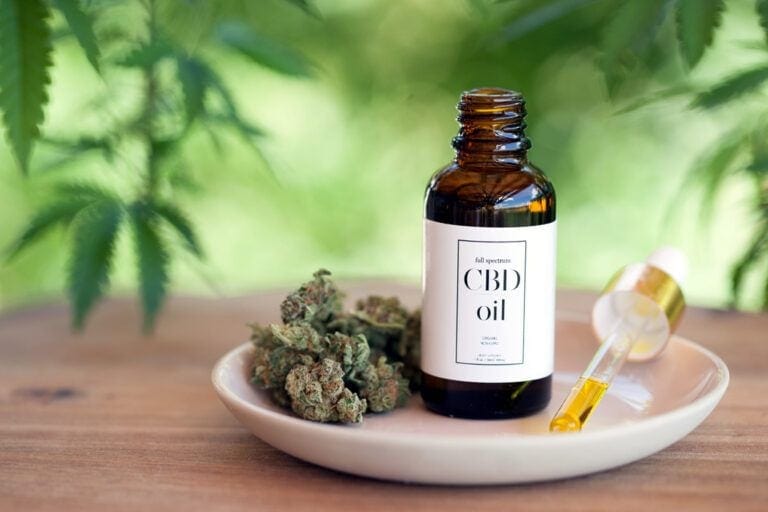
In recent years, cannabidiol (CBD) has gained popularity as a natural remedy for some equine medical conditions. Currently, research into the effects of CBD on horses is very limited, and many reports of its purported benefits are anecdotal. Cannabidiol is...
Proper vitamin and mineral nutrition is critical to maintaining your horse's health and well-being. But how do you ensure that your horse gets everything they need to balance their diet? Horses on a forage-only diet universally have deficiencies in key...
Glucosamine and chondroitin sulfate are two of the most common ingredients found in equine joint products. These natural supplements are purported to promote mobility and joint comfort in hard-working performance horses and aging seniors. But despite their commercial success, there...
Adding fats and oils to your horse’s diet is a great way to increase calorie supply without relying on grains and high-NSC feeds. Fats can be added to the diets of underweight horses as weight gain supplements. Oils also provide...
Electrolytes are minerals that play a key role in cellular function and regulate fluid balance in the body. Electrolytes carry an electric charge when dissolved in fluids such as blood or fluid in and around cells. These are critical for...
Magnesium supplements for horses come in many forms and are used to support muscle function and calming. This important macromineral is required in the equine diet to facilitate muscle contraction, maintain ion balance in the blood, and activate enzymes throughout...
Trace minerals are a small component of your horse's overall dietary intake, but they play essential roles in equine well-being and health. These minerals can be provided in your horse's diet in either an organic or inorganic form. Not to...
Kelp is a species of seaweed that is a nutritionally-dense source of protein and trace minerals. It contains the essential mineral iodine, which is important for thyroid function, growth and metabolism.
Camelina oil is commonly fed to horses as an omega-3 fatty acid supplement. It is used to support weight gain, joint health, coat quality and general well-being. Camelina oil is extracted from the seeds of the camelina sativa plant, also...
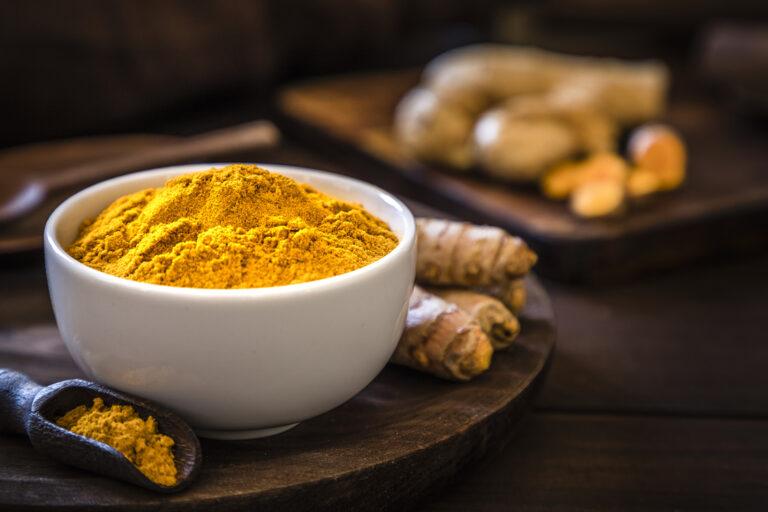
Curcumin, derived from the turmeric plant, is a spice that recently become popular to feed to horses as a dietary supplement. It has purported anti-inflammatory benefits and is used in horses with laminitis, arthritis, metabolic syndrome and other health conditions....
Riding and working with horses poses some inherent risk of danger, but the risk is greater when working with an aggressive or moody horse. For this reason, horse owners often look to calming supplements to help make their horse more...
Adequate mineral intake in your horse’s diet is essential for overall well-being and function. Minerals play important roles in supporting tissue structure, enzyme reactions, energy metabolism, and maintaining electrolyte balance. Mineral deficiencies can contribute to poor hoof and coat quality,...
Maintaining your horse's digestive health is integral to maintaining their overall health. Digestive issues such as colic, ulcers, and hindgut acidosis are some of the most commonly diagnosed health conditions in horses. Learn about research-backed digestive health supplements that can...
Antacid supplements are some of the most popular options for equine gastric ulcer treatment and prevention – but could they be causing more harm than good? Antacids, such as magnesium hydroxide, are chemical compounds that neutralize stomach acid to temporarily...
Equine supplements targeted towards ulcer prevention are on the rise, but not all products are created equal. Dietary management for horses with ulcers can include increasing forage and decreasing grain, as well as providing supplements that support a healthy digestive...
Yeast are single-cell organisms that include over 1,500 unique species found naturally in soil, plants, fruit, and on the skin and in the intestinal tract of mammals. Live yeast are used as probiotic supplements for horses, primarily to improve fibre...
Prebiotics are types of fibre that are given to horses as a food source for the beneficial microbes in the hindgut. Prebiotics support fibre digestibility, gut health, and nutrient assimilation in the hindgut. Horses with disrupted digestive function, observed as...
You've probably heard about the health benefits of omega-3 fatty acids from fish oil, but does this supplement work for horses? Fish oil is often added to diets, both human and animal, as a source of the essential omega-3 fatty...
Supplements targeting joint health are some of the most sought-after dietary supplements for horses, especially due to the high prevalence of joint injuries and deterioration later in life. But which equine joint supplements actually work and which are all hype?...
Lysine, methionine and threonine are known as rate-limiting amino acids that are required in the horse's diet because they cannot be made in the body. Of the 21 amino acids that exist, these three are most commonly deficient in the...
Zinc (Zn) is an essential trace mineral that is required in the horse's diet to support the proper function of many enzymes and proteins. It is involved in antioxidant protection, immune function, protein synthesis, and cellular communication. Zinc is also...
Does your horse need a Vitamin E supplement added to his or her feeding program? Hay is the most important component of a horse's diet, and contributes almost all the necessary macronutrients (protein, fat and carbohydrates) and micronutrients (vitamins and...
Biotin, also known as vitamin B7, is required in the horse's diet for the production of keratin – the main protein that forms a strong, durable hoof structure. Biotin is most commonly known for supporting hoof growth and quality. It...
Jiaogulan (pronounced Je-ow-gu-laan), also known as Gynostemma pentaphyllum or J-herb is a climbing vine used in horses to support circulation, respiratory health, and muscle function. The leaves of the jiaogulan plant contain active ingredients that increase nitric oxide levels in...
Copper (Cu) is an essential trace mineral that is required in the equine diet to support the proper function of many enzymes in the horse's body. Copper is important for iron metabolism, healthy connective tissue, energy production and antioxidant protection....
Milk thistle extract (Silybum marianum), also known as St. Mary's thistle, is an herbal supplement primarily used to support liver function in horses. Milk thistle seeds and leaves contain many bioactive compounds, collectively referred to as silymarin. Silymarin is a...
Spirulina is a nutritionally dense blue-green algae that is used as an equine supplement to support horses with immune or respiratory needs. Spirulina refers to dried algae, or cyanobacteria, that is harvested from lakes in Africa, Mexico and China. Fed...