English

Vitamin C, also known as ascorbic acid, is an important water-soluble vitamin for horses. It works together with vitamin E and selenium to provide antioxidant protection against cell damage. [1][2]
In addition to its antioxidant properties, Vitamin C plays other roles in the horse’s body including involvement in collagen production, hormone synthesis, and bone calcification. It also supports the absorption of iron from the gut. [3]
Horses do not have a nutritional requirement for vitamin C because they can typically synthesize enough of this vitamin in their liver. However, older horses, those with compromised liver function, or other health conditions such as chronic infections and respiratory illness may benefit from supplemental vitamin C. [3][4]
When choosing a Vitamin C product for your horse, keep in mind that ascorbic acid is relatively unstable and degrades quickly when mixed into a feed or supplement. Choose vitamin C supplements that provide this ingredient in a stable form.
Vitamin C for Horses
Vitamin C’s primary role in the horse’s body is as a powerful antioxidant that protects cells from oxidative stress and damage caused by harmful free radicals. By neutralizing these free radicals, vitamin C contributes to the overall health and function of cells, supporting various physiological processes. [1]
This essential nutrient also supports joint health, immune function and hormone synthesis in its role as an enzyme co-factor.
Roles of Vitamin C
Vitamin C is necessary for several physiological functions in horses, including: [6]
- Antioxidant Protection: Free radicals, which are reactive molecules produced during metabolism, can cause oxidative damage to DNA, fats, and proteins. Antioxidants play a crucial role in neutralizing these free radicals, thereby providing protection against such oxidative damage.
- Immune Function: Vitamin C accumulates in cells of the immune system and enhances their ability to kill microbes. [19]
- Collagen Production: Vitamin C is a cofactor for enzymes involved in making collagen, which is an important protein found in connective tissues such as cartilage, ligaments, and tendons.
- Vitamin D Conversion: Vitamin C is needed for the conversion of vitamin D3 to its active form calcitriol.
- Hormone Production: Vitamin C is involved in making norepinephrine (noradrenaline), an important stress hormone and neurotransmitter.
Sources of Vitamin C for Horses
Endogenous Production
Like most mammals, horses can make ascorbic acid from glucose in their liver. A healthy horse can produce an estimated 72 grams of ascorbic acid per day. [4]
Humans and guinea pigs are the only mammals that cannot synthesize vitamin C internally. Unlike humans and guinea pigs, horses have the enzyme L-gulonolactone oxidase in their liver, which enables endogenous Vitamin C production. [4]
The adrenal gland also stores a limited reserve of ascorbic acid. However, prolonged exposure to stressors can deplete vitamin C reserves. In this case, endogenous production may not be sufficient to maintain adequate levels of this vitamin in the body. [4]
Dietary Sources
Horses can also obtain vitamin C through dietary intake by consuming plants that produce vitamin C for their own antioxidant protection. While the vitamin C content has not been measured in forages typically consumed by horses, in other plants the levels range from 25 – 800 mg of ascorbate per 100 grams of fresh weight. [18]
It is hypothesized that vitamin C content is lower in hay compared to fresh pasture. This is because ascorbic acid is oxidized when exposed to heat and light, both of which are required to make hay.
Horses can also obtain vitamin C from certain commercial dietary supplements formulated to provide this nutrient either as part of a premix or on its own.
Veterinarians may also recommend subcutaneous, intramuscular, or intravenous injections of vitamin C for horses that require a higher dose due to a medical condition. [15]
What's your top priority with your horse's health?

What's your top priority with your horse's health?
Vitamin C Requirements for Horses
The National Research Council (NRC) currently does not list a specific vitamin C requirement for horses. [7] Researchers believe that healthy horses can synthesize enough vitamin C in their liver to meet their needs.
Recommended Intake Level
Although there is currently no dietary requirement for vitamin C in horses, there may be cases in which supplemental consumption of this nutrient can benefit equine health. Dietary requirements specifically determine the minimum amount of a nutrient necessary to prevent deficiency, rather than addressing the optimal intake of nutrients.
Some researchers recommend the following vitamin C intake levels to support health: [8]
- Horses in work: 1500 mg per day
- Gestating mares: 600 mg per day
- Growing foals: 400 mg per day
These daily intake recommendations are based on improving antioxidant status to support fertility, promote exercise performance recovery, and maintain optimal muscle health in foals. [8]
Nutritional Deficiency
The classical sign of vitamin C deficiency in mammals is scurvy, a condition involving impaired collagen synthesis and weak connective tissues. No cases of scurvy have ever been documented in horses.
However, several studies have identified lower ascorbic acid levels in the blood of horses suffering from a range of health conditions, such as: [7][12]
- Poor wound healing
- Poor performance
- Poor coat quality
- Depressed immune system
- Recurrent airway obstruction (ROA)
- Epistaxis – bleeding from the nose
- Strangles – an infectious disease that causes abscesses in the upper respiratory tract
- Acute rhinopneumonia – a respiratory infection caused by equine herpesvirus
Although these conditions are associated with lower blood levels of ascorbic acid it remains uncertain whether supplementing affected horses with vitamin C would lead to improved outcomes. The effectiveness of supplemental vitamin C in addressing these conditions has not been extensively studied in horses.
Excess Intake
There is not a significant concern for vitamin C toxicity in horses because this nutrient is water-soluble and not stored well in the body. Excess amounts are easily excreted in urine.
Administering doses of 20 g per day (equivalent to approximately 44 mg of ascorbic acid per kilogram of body weight) to horses over the span of eight months has not demonstrated any adverse effects. [7]
Vitamin C Status
A blood test can be done to measure plasma ascorbate levels in horses. A study of 488 horses reported average values of 5.9 mg/L, with a range of plasma concentrations between 0.8 – 5.9 mg/L. [7]
Healthy foals have higher concentrations of ascorbic acid in their blood plasma shortly after birth. The concentration of this nutrient declines during the initial month of life, indicating its potential significance as an antioxidant during the postnatal period. [9]
There are currently no established reference ranges for Vitamin C in horses, making it difficult to interpret plasma ascorbate levels. However, when combined with measures of vitamin E, selenium, and antioxidant enzymes, plasma ascorbate concentrations could offer valuable insights into the overall antioxidant status of the animal.
Vitamin C Supplements for Horses
As an ingredient in feed products and supplements, ascorbic acid can be obtained from plants or synthesized in a laboratory. Both natural and synthetic sources are chemically identical.

Ascorbic acid is highly sensitive to damage from heat and light and easily oxidized into an inactive form. [17] For this reason, Vitamin C is typically not included in supplements and feed formulations in the form of pure ascorbic acid.
Instead, various protected forms of ascorbic acid are used to improve its stability and bioavailability. [5][17]
Types of Vitamin C Supplements
Stable forms of ascorbic acid should always be used when supplementing this vitamin in your horse’s diet. Available commercial options include:
- Ethyl-cellulose coated ascorbic acid: The ascorbic acid is coated with cellulose – a fibre that is naturally abundant in the horse’s diet. This coating improves the stability of vitamin C, especially when it is mixed with minerals that can promote its breakdown.
- Ascorbyl palmitate: A fat-soluble form of ascorbic acid with greater oral bioavailability in horses than ascorbic acid. [5]
- Ascorbyl phosphates and sulfates: Mineral preparations such as calcium-ascorbyl-2-monophosphate or disodium-L-ascorbat-2-sulfate.
- Ester-C: This trademarked preparation contains ascorbic acid that is chemically attached to calcium (calcium ascorbate). Ester-C also contains vitamin C metabolites such as dehydroascorbic acid and calcium threonate. [5]
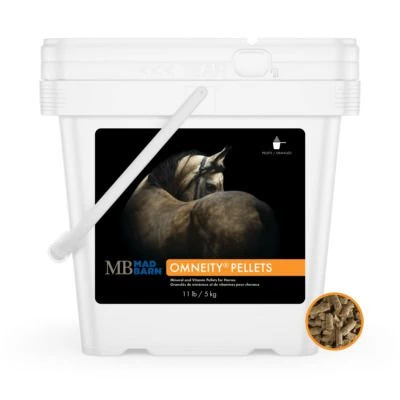
Mad Barn’s Omneity® is a comprehensive equine vitamin and mineral supplement that provides 360 mg of ascorbic acid per serving in the form of stable ethyl-cellulose coated ascorbic acid. This ingredient is stable when exposed to heat and over a long shelf-life.
Feeding Rate
The amount to feed when supplementing vitamin C depends on the form. Because ascorbic acid degrades rapidly and has relatively low bioavailability higher amounts are needed than protected forms of vitamin C.
The following doses can be used for mature horses:
- Ascorbic acid: up to 20 grams per day [7]
- Ascorbyl palmitate: up to 47 grams per day [5]
- Ester-C: up to 10 grams per day, as per manufacturer instructions
Reasons to Use Vitamin C
While healthy horses do not need Vitamin C supplements to avoid nutritional deficiency, some horses may not be able to synthesize an adequate amount of vitamin C to meet their body’s needs.
The demand for this nutrient is especially high when the immune system is challenged or during periods of prolonged stress. Supplemental vitamin C may provide benefits to horses in the following situations:
- Affected by an infectious disease (i.e. Strangles, pneumonia, equine infectious anemia)
- Undergoing intense or prolonged exercise
- Trailering, especially long-distance travel
- Experiencing social stress (i.e. weaning, new herd dynamics, moving to a new barn)
- Recovering from surgery
- Healing from wounds

Liver Dysfunction
Impaired liver function can also affect your horse’s ability to make ascorbic acid. Various factors can contribute to a decline in liver function, including:
- Advanced age (>20 years of age)
- Consumption of toxic plants such as ragworts and groundsels, fiddlenecks, rattlepods, or Hound’s tongue.
- Chronic conditions, including obesity and Equine Metabolic Syndrome (EMS)
- Hyperlipidemia, which can occur in horses experiencing starvation, restricted feeding, or a loss of appetite
- Liver disease, including hepatitis
- Infections, such as Equine Parvovirus-Hepatitis Virus
- Use of certain medications, especially those metabolized by the liver
Performance Horses
Performance horses encounter various stressors that can impact their vitamin C status, immune function, and ability to combat infections.
For performance horses that are frequently trailered or transported long distances, supplementation of vitamin C may be warranted.
Exercise also increases oxidative stress in cells which vitamin C and other antioxidants protect against.
Transport and exercise have been shown to decrease plasma ascorbic acid levels. [10][16] Supplementing vitamin C may help maintain their antioxidant protection and improve exercise performance and recovery.
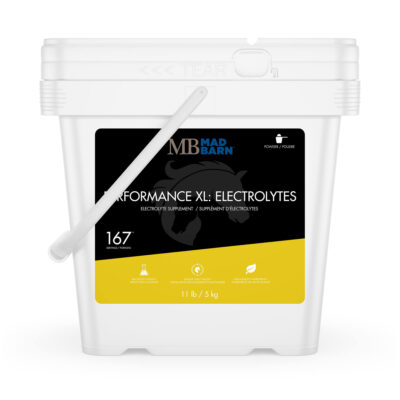
Mad Barn’s Performance XL is an electrolyte supplement that replenishes electrolytes lost in sweat. It also provides vitamin E and 150 mg of stable vitamin C per 60 g serving.
Vitamin C to Support Immune Function
Vitamin C supports immune cells in their ability to kill pathogens and develop immunity against them.
An unpublished research study reported that ascorbic acid supplementation at a dose of 20 g per day increased antibody response to vaccines in aged horses. [11]
However, in weanling horses there was no difference in immune response to vaccination between those supplemented with vitamin C or not. [10]
Consult with your veterinarian and equine nutritionist about adding vitamin C alongside your horse’s vaccination program or to those battling infections.
Recurrent Airway Obstruction
Vitamin C supplementation may benefit horses with respiratory diseases such as recurrent airway obstruction (RAO) and chronic obstructive pulmonary disease (COPD). [8][11]
Low ascorbic acid levels have been found in the blood plasma and in the fluid in the lungs of horses with ROA when the condition was active and in remission. [11]
Levels of ascorbic acid in the blood and lung fluid can be increased by oral supplementation. [8][14]
Studies in horses with heaves or lower airway disease have shown that antioxidant supplementation including selenium, vitamin E and vitamin C can: [12][13]
- Reduce inflammation in the airways
- Improve exercise tolerance
- Improve clinical scores (combined assessment of lung & tracheal sounds, coughing and other health indicators)
If your horse has poor respiratory health, consider adding vitamin C to a balanced diet in addition to therapeutic strategies as recommended by your veterinarian.
Feeding Considerations
Work with an equine nutritionist to determine the best way to supplement your horse’s diet with vitamin C. A nutritionist will consider your horse’s health status, activity level and other factors to help you formulate a balanced diet that incorporates additional vitamin C.
Avoid Abrupt Withdrawal
Horses that are supplemented with vitamin C over a long period can have reduced levels of the enzyme required to convert glucose into ascorbic acid.
If your horse has received high levels of vitamin C supplements for 10 days or more, it is recommended to avoid abrupt withdrawal and to wean the horse gradually when stopping supplementation.
Research shows the abrupt cessation of ascorbic acid in weanling horses results in below-normal blood ascorbate levels persisting for three weeks. [10]
The extended decrease in ascorbic acid levels in the weanlings was attributed to the impact of supplementation on liver enzyme production, causing reduced endogenous vitamin C synthesis after the supplement was discontinued. [10]
Gastrointestinal Disturbance
Administering large doses of unbuffered ascorbic acid may cause gastrointestinal disturbance due to the acidic nature of this ingredient. [2]
Avoid feeding large amounts of unbuffered vitamin C and instead use stable forms, which can be fed at much lower doses.
Frequently Asked Questions
Here are some frequently asked questions about vitamin C in horses:
Vitamin C plays an important role in a horse's overall health by helping protect cells from oxidative damage. It also supports collagen production, immune function, hormone synthesis, vitamin D activation, and iron absorption. These functions make vitamin C important for connective tissues, recovery, and normal body processes. It works alongside other antioxidants such as vitamin E and selenium.
Horses do not usually need vitamin C in their diet because healthy horses can make enough ascorbic acid in the liver. That is why there is no established nutritional requirement for vitamin C in horses. Under normal conditions, internal production is usually enough to meet daily needs. Supplementation is more relevant when a horse is under stress, aging, ill, or dealing with reduced liver function.
Horses can make their own vitamin C from glucose in the liver. A healthy horse is estimated to produce about 72 grams of ascorbic acid per day, which is generally enough to support normal function. Horses are able to do this because they have the enzyme needed for vitamin C synthesis. That internal production is the main reason deficiency is uncommon in healthy adult horses.
Natural sources of vitamin C for horses include internal production in the liver and small amounts from fresh plants. Fresh pasture is thought to provide more vitamin C than hay because ascorbic acid is easily damaged by heat and light during the haymaking process. Commercial feeds or supplements may also provide vitamin C, depending on formulation. In most healthy horses, internal production remains the primary source.
Horses that may benefit from vitamin C supplementation include older horses, horses with compromised liver function, and horses dealing with chronic infections or respiratory disease. Supplementation may also be useful during prolonged stress, intense exercise, long-distance transport, wound healing, or surgical recovery. These situations can increase oxidative stress or reduce the horse's ability to maintain normal vitamin C status. Not every horse in these categories will need supplementation, so the full diet and health picture still matter.
Vitamin C can help performance horses by supporting antioxidant defenses during training, transport, and other stressors. Exercise increases oxidative stress, and transport and exercise have both been shown to lower plasma ascorbic acid levels. Supplemental vitamin C may help maintain antioxidant protection and support recovery in some horses. It is best viewed as one part of a broader nutrition and management program rather than a stand-alone performance aid.
Vitamin C can support the immune system in horses because it accumulates in immune cells and helps them kill microbes. Low ascorbic acid levels have been reported in horses with several illnesses, including respiratory and infectious conditions. Even so, stronger immune support from supplementation is not guaranteed in every case, and research results are mixed. Vitamin C is most appropriately used with veterinary guidance when a horse is sick, stressed, or has other reasons for increased need.
Vitamin C may help horses with respiratory problems such as recurrent airway obstruction or other lower airway disease. Horses with these conditions have been found to have low ascorbic acid levels in blood and lung fluid, and oral supplementation can raise those levels. Antioxidant programs that include vitamin C, selenium, and vitamin E have also been associated with improved airway health measures in some horses. Vitamin C should support, not replace, the treatment plan recommended by a veterinarian.
Horses do not commonly develop a classic vitamin C deficiency, and scurvy has not been documented in horses. However, some horses with illness, poor performance, poor coat quality, poor wound healing, or respiratory disease have been found to have lower blood ascorbic acid levels. Low status does not automatically mean supplementation will fix the problem, because the underlying disease or stress may be the main issue. When deficiency is suspected, vitamin C status needs to be interpreted in the context of the horse's overall health.
Vitamin C supplements for horses are available in both unprotected and protected forms, but stable forms are generally preferred. Common options include ethyl-cellulose coated ascorbic acid, ascorbyl palmitate, ascorbyl phosphates or sulfates, and Ester-C. These forms are used because plain ascorbic acid is easily damaged by heat, light, and oxidation. Choosing a more stable form helps improve shelf life and makes supplementation more reliable.
Plain ascorbic acid is not always the best supplement form because it is relatively unstable and breaks down quickly when exposed to heat, light, or certain feed ingredients. That means some of the vitamin can become inactive before the horse absorbs it. Plain ascorbic acid also has lower bioavailability than some protected forms. In large unbuffered doses, it may also irritate the digestive tract.
How much vitamin C a horse should receive depends on the form being used and the reason for supplementation. Suggested daily intake levels for support include about 1500 mg for horses in work, 600 mg for gestating mares, and 400 mg for growing foals. Higher supplemental amounts may be used depending on product type, with examples including up to 20 grams per day of ascorbic acid, up to 47 grams per day of ascorbyl palmitate, and up to 10 grams per day of Ester-C. Feeding rate decisions should match the specific product and the horse's condition.
Vitamin C is generally considered safe for horses because it is water-soluble and excess amounts are excreted in the urine. There is not a major concern about toxicity under typical feeding conditions. Long-term dosing at 20 grams per day has been used without reported adverse effects in one study. Safety still depends on using an appropriate form and avoiding unnecessarily harsh or poorly tolerated products.
Feeding practices that help maintain stable vitamin C levels include using a stable supplement form, matching the dose to the horse's needs, and avoiding abrupt changes after prolonged supplementation. Horses given high levels of vitamin C for 10 days or more should be weaned off gradually rather than stopped suddenly. Abrupt withdrawal can temporarily suppress normal vitamin C status while the liver readjusts its own production. Consistent feeding and good overall nutritional management also help support normal antioxidant balance.
Precautions when supplementing vitamin C in horses include choosing a stable form, avoiding large doses of unbuffered ascorbic acid, and tapering gradually after longer-term use. Horses with illness, respiratory problems, or suspected liver dysfunction should be evaluated in the context of their broader diet and medical care. Gastrointestinal upset is more likely when large amounts of acidic, unprotected vitamin C are fed. Veterinary or nutrition guidance is especially helpful when supplementation is being used for a health-related reason.
Summary
- Vitamin C is an important antioxidant for horses that protects against cellular damage.
- Vitamin C is required for collagen and hormone synthesis, and supports wound healing and immune function.
- Horses can typically produce enough vitamin C in their liver from glucose.
- Vitamin C deficiency has not been reported in horses and toxicity is unlikely.
- Stressors such as prolonged transportation and illness deplete vitamin C levels in horses.
- Supplemental vitamin C may be beneficial for horses that are older, ill, or have poor liver function.
- When ceasing vitamin C supplementation, dosages should be gradually tapered to allow the liver to resume natural production.
References
- Garcia, EIC et al. Dietary Supplements of Vitamins E, C, and ?-Carotene to Reduce Oxidative Stress in Horses: An Overview. J Equine Vet Sci. 2022 View Summary
- Ralston, SL et al. Nutritional considerations for aged horses. Equine Applied and Clinical Nutrition. 2013.
- Manthe, BN et al. An overview of vitamin requirements of the domestic horse.Natural Sciences Education. 2013.
- Akinmoladun, OF. Stress amelioration potential of vitamin C in ruminants: a review.Tropical Animal Health and Production. 2022.
- Snow, DH and Frigg, M. Bioavailability of ascorbic acid in horses. J Vet Pharmacol Ther. 1990. View Summary
- Getty, JM. Feed your horse like a horse: optimize your horse's nutrition for a lifetime of vibrant health. Dog Ear Publishing, 2009.
- Nutrient Requirements of Horses. National Research Council. 2007.
- Kirschvink, N. et al.The oxidant/antioxidant equilibrium in horses. The Vet J. 2008.
- Migliorisi, A. et al. Plasma ascorbic acid, antioxidant capacity, and reactive oxygen species in healthy foals. Am J Vet Res. 2022. View Summary
- Ralston, S. and Stives, M. Supplementation of Ascorbic Acid in Weanling Horses Following Prolonged Transportation. Animals (Basel). 2012. View Summary
- Harris, Pat. Nutrition and Senior Horses. Vet Times. 2013.
- Youssef, MA. et al. Effect of selenium and vitamin C on clinical outcomes, trace element status, and antioxidant enzyme activity in horses with acute and chronic lower airway disease. A randomized clinical trial. Biol Trace Elem Res. 2013. View Summary
- Kirschvink, N. et al. Effect of nutritional antioxidant supplementation on systemic and pulmonary antioxidant status, airway inflammation and lung function in heaves-affected horses. Equine Vet J. 2002. View Summary
- Snow, DH. et al. Oral administration of ascorbic acid to horses. Equine Vet J. 1987. View Summary
- Löscher, W. et al. Pharmacokinetics of ascorbic acid in horses. Equine Vet J. 1984. View Summary
- Dedar, R.K. et al. Effect of Oral Supplementation of Vitamin C and Exercise on Plasma Vitamin C Status in Marwari Horses. J Veterinar Sci Technol. 2014.
- Yin, X. et al. Chemical Stability of Ascorbic Acid Integrated into Commercial Products: A Review on Bioactivity and Delivery Technology. Antioxidants (Basel). 2022.
- Bulley, S. et al. Enhancing ascorbate in fruits and tubers through over-expression of the l-galactose pathway gene GDP-l-galactose phosphorylase. Plant Biotech J. 2011.
- Carr, A.C. and Maggini, S. Vitamin C and Immune Function. Nutrients. 2017.