English











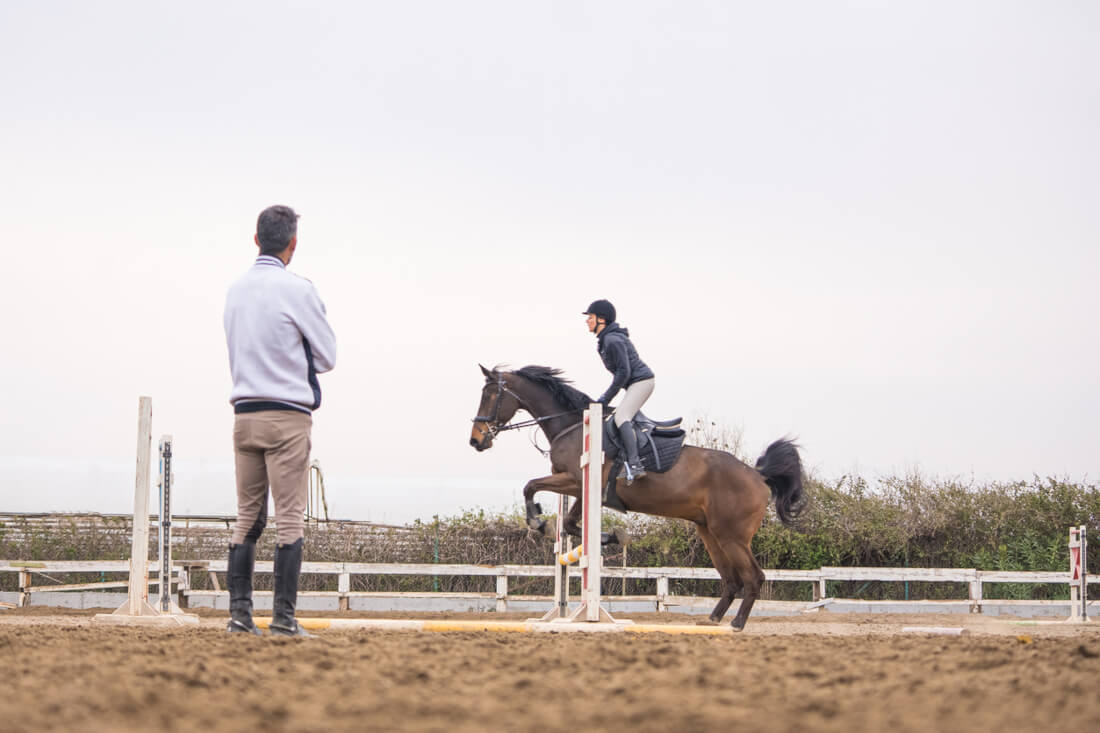
Choosing the right horse trainer is one of the most important decisions a horse owner can make. A skilled trainer not only teaches new skills but also shapes behavior, builds confidence, and helps keep both horse and rider safe.
With so many training philosophies and methods available, finding the right approach for your horse and your goals can feel overwhelming. Some trainers focus on traditional techniques, others on natural horsemanship, and some specialize in competitive disciplines like dressage, jumping, or eventing.
The key to finding the best fit for you and your horse is searching for a trainer whose credentials and philosophy aligns with your horse’s needs, your experience, and your equestrian goals.
Understanding different training methods and how your horse responds to them can help you make an informed decision, set realistic expectations, and build a positive, productive partnership between horse, trainer, and rider.
Assessing Your Horse’s Training Needs
Before searching for a horse trainer, it’s essential to evaluate your own needs, goals, and resources.
Not every trainer is the right fit for every horse or owner, and knowing your training goals can help narrow your options and ensure a successful partnership.
Identify Your Goals
The first step is to decide what you hope to achieve with your horse. Are you aiming for casual pleasure riding, or do you want to compete in a specific discipline?
Some owners seek a trainer for help with behavioral issues, while others want to refine their horse’s performance or advance in competitive arenas.
Understanding your primary goals will help you find a trainer with the appropriate experience and philosophy.
Your Horse’s Age & Experience
A trainer who excels with seasoned competition horses may not be ideal for a young foal or a green horse, and vice versa.
Your horse’s age, experience level, temperament, and previous training all play a role in determining the right approach.
Horses with past behavioral issues or specific quirks may need a trainer skilled in behavior modification or an equine behaviorist, while performance horses may require more technical, skill-focused guidance.
Owner Experience & Involvement
Your experience and comfort level with riding and training plays a key role in choosing a trainer.
Some trainers expect owners to be actively involved in sessions, working alongside them to learn techniques. Other trainers may take full responsibility for the horse’s daily progress, especially if the horse is being prepared for competition or specialized performance work.
It’s also common for trainers to board the horses they train at their own facility during training. This allows for consistent work, closer monitoring, and faster progress on behavioral or performance goals.
While boarding can accelerate results, it requires trust in the trainer and consideration of additional costs and logistics.
What's your top priority with your horse's health?

Enter your email to receive your store credit
Budget & Time Commitment
Training is an investment, both in time and money. Consider how often you can realistically commit to lessons or training sessions. Weekly lessons, full training packages, or intensive programs all come with different costs and schedules.
Make sure your budget and availability align with the trainer’s offerings to avoid frustration or inconsistency in your horse’s development.
Training Methods
When choosing a trainer, it’s helpful to understand both the broad types of training approaches and the basic principles of how horses learn. Trainers often specialize in one style, but many incorporate elements from multiple methods to suit individual horses and rider goals.
Ultimately, observing results and horse emotional responses is more important than following a specific type of horsemanship or school of thought. [1]
Traditional Horsemanship
Traditional approaches, sometimes associated with older “breaking” methods, emphasize structure, clarity, and obedience. These methods focus on consistent handling, mounting, applying leg cues to move forward, and using rein cues to stop or turn.
Many of these systems operate within a framework that assumes clear hierarchies between horse and handler. [2]
These approaches have been used reliably for centuries, but advances in our understanding of horse behavior have brought some their underlying assumptions under review. Research shows horses do not view humans as part of their herd, nor do they apply their natural herd ranking behaviors to interactions with people. [3]
Because of this, many trainers today prefer to rely on clear communication and observable behavior to guide decision making rather than working within the context of social dominance.
Natural Horsemanship
Natural horsemanship is an approach that aims to work with the horse using their natural instincts and ways of communicating. It recognizes that horses learn best through consistent pressure and release, rather than fear, pain, or intimidation. [4][5][6]
However, since horses cannot view humans as part of the herd, humans attempting to mimic horse behavior is not always effective or behaviorally relevant to the horse.
Contrary to common misconceptions, natural horsemanship is not overly indulgent. The practices still rely on the use of negative reinforcement (pressure and release) to achieve results, much like traditional horsemanship.
Unlike traditional training, natural horsemanship trainers aim to achieve collaboration and willingness from their horses without the use of excessive force. While aversive stimuli (pressure) is still used by these trainers, their mentalities towards horse behavior and human-horse relationships may differ.
Liberty Training
Liberty training focuses on working with a horse without physical restraints, relying solely on body language and handler cues. It emphasizes attentiveness, responsiveness, and a strong partnership between horse and handler. [7][8]
While it can greatly enhance groundwork skills and communication, liberty work is usually a complement to other training methods rather than a replacement for structured riding or performance-based methods.
It’s also important to remember that even without tack, liberty methods can still be forceful or aversive, depending on how they are implemented. Observing how a trainer incorporates liberty exercises can provide insight into their emphasis on trust, patience, and horse-centered techniques.
Least Intrusive, Minimally Aversive (LIMA) Trainers
Least Intrusive, Minimally Aversive (LIMA) trainers aim to achieve desired results by prioritizing gentle approaches while incorporating learning theory and science-based training methods.
These trainers may use a combination of positive reinforcement and negative reinforcement (pressure and release) depending on what best suits the horse. [9] Trainers work through a series of all possible least intrusive methods, only advancing to more aversive methods when strictly necessary.
The LIMA model was first developed by dog trainers, but has since been gaining popularity with horse trainers and equine behaviorists. The method prioritizes the animal’s emotional well being by causing minimal stress and promoting relaxation and desired behaviors.
Contrary to common misconceptions, LIMA trainers do not just work on the ground with horses, but can help develop ridden horses as well, with a number of these trainers now representing successful competition horses.
Advanced Discipline-Specific Training
Many trainers specialize in advanced, discipline-specific training designed for competitive success.
Some of these disciplines include:
- Dressage: Training focuses on precision, rhythm, elasticity, and advanced movements
- Hunter/Jumper: Training focuses on adjustability, scope, and carefulness
- Eventing: Training focuses on fitness and adaptability
- Western Performance: Training focuses on reining, cutting, barrel racing, or ranch work
Performance training often emphasizes athleticism, conditioning, and discipline-specific skills. These trainers usually have experience competing at higher levels and understand what it takes to prepare a horse for shows, including ring etiquette, warm-up routines, and mental sharpness.
The Importance of Learning Theory
Effective training depends on understanding how horses learn, and modern learning theory provides horse owners with a science-backed framework for this concept. Many training issues arise not from the method itself, but from outdated or incorrect knowledge about horse behavior, social structure, and learning processes. [10]
The same principles of learning apply to all horses regardless of breeding or level of performance. Problems such as fear, confusion, or resistance often result from inconsistent application or misunderstanding, not the approach itself.
Learning theory explains how horses interpret cues, form associations, and change behavior in response to training. Ethical trainers apply these principles consistently and humanely, which is critical for safety, confidence, and long-term success.
Horses primarily learn through: [1][8][10][11][12][13][14]
- Operant Conditioning: Teaching the horse that actions have consequences, shaping behavior over time.
- Negative Reinforcement: Also referred to as pressure and release, this is the most common tool used in horse training. Pressure is applied (leg, rein, seat, body language) and released the moment the horse responds correctly. Horses should be trained to respond to the lightest pressure cues possible.
- Positive Reinforcement: Adding something rewarding like a treat after the horse performs a desired behavior.
- Classical Conditioning: Forming associations between stimuli, such as linking a verbal cue to a known response (e.g., a horse learning to stop from a seat cue, before the reins are applied).
- Habituation/Desensitization: Gradually decreasing a horse’s fear response to objects, touch, or environmental stimuli while staying below their fear threshold.
Punishment should be avoided, as horses often cannot understand delayed or inconsistent corrections. Punitive methods can provoke fear, defensiveness, and dangerous reactions due to horses’ prey instincts.
Ethical, science-based training focuses on clear cues, timely release of pressure, and rewarding desired behaviors. This approach helps horses become confident, willing, and safe partners. [3][15][16]
Over time, trainers have blended different philosophies to meet the needs of horses and riders. Many programs now balance structure, empathy, and modern learning theory.
Understanding this historical context helps owners appreciate why training approaches vary and how a trainer’s style may have evolved to combine tradition with science-backed, ethical practices. [17]

Considerations
Selecting a trainer requires evaluating their experience, skill, and professional judgment to ensure your horse learns safely and effectively.
A qualified trainer not only helps your horse progress but also fosters confidence in you as an owner and creates a positive, productive partnership. [1][17]
Trainer Qualifications
A strong trainer combines practical horsemanship with a thoughtful, ethical approach to learning. They can explain what they’re doing and why, adjust their methods to suit different horses, and create a plan that prioritizes steady progress over quick fixes.
Key areas to evaluate include:
- Skills in action
- Background and references
- Communication habits
- Teaching ability
- Overall compatibility with both you and your horse
Set clear expectations when choosing a trainer to ensure both you and your horse receive safe, effective training and lay the foundation for long-term success.
Proven Skills
The best way to gauge a trainer’s work is to see their training in action. Effective instructors demonstrate correct techniques, guide riders with clear, actionable feedback, and ensure the horse moves correctly and comfortably.
Look for consistency between the trainer’s guidance and visible results in the horse’s performance.
Credentials, Background & References
While formal certifications or memberships in reputable equestrian organizations are valuable, hands-on experience and a strong reputation often carry more weight.
When evaluating a trainer, verify their background, experience with horses or disciplines similar to yours, and track record with students at your level.
Speaking directly with current or former clients can provide insight into the trainer’s teaching style, effectiveness, and professionalism to help you make an informed decision.
Communication
If you plan to send your horse to a trainer’s facility where you won’t be able to visit regularly, it’s important to clarify communication expectations in advance.
Ask how often you’ll receive updates, whether photos or videos will be provided, and the best times to call for progress reports.
Teaching by Example
A strong trainer leads through demonstration, showing the skills and behaviors they expect from riders.
Ethical trainers never demand more than they can model themselves and maintain consistency between their own riding and their instruction.
Respect for Horses & Students
The best trainers prioritize the horse’s welfare and maintain professional, patient guidance with riders. They avoid punishment, double standards, or forcing unrealistic expectations.
Empathy, understanding, and clear communication are essential hallmarks of a trustworthy instructor. [11]
Compatibility & Communication
Trainers differ in style and approach. Consider whether their teaching methods match your learning style and your horse’s temperament.
Observe how they interact with riders and horses, and ensure they provide guidance respectfully and consistently.
Evaluating Trainer Fit
Every rider’s learning style and priorities are different. If you’re questioning whether a trainer supports your goals, the following points can help you reflect on the fit:
- Inconsistent or Harsh Methods: Trainers who rely on punishment, force, or intimidation can damage horse welfare and rider confidence.
- Exaggerated Claims: Be cautious of promises like quick fixes, secret techniques, or unconventional methods that lack scientific or practical grounding.
- Poor Communication: A trainer who cannot provide clear updates or answer your questions respectfully may create confusion or frustration.
- Overemphasis on Image: Trainers who prioritize social media presence or self-promotion over actual time with horses may not focus on your horse’s needs.
To choose a trainer confidently, consider observing a lesson, asking about the trainer’s process and expectations, and speaking with current or former clients about their experience and results.
A thoughtful choice, grounded in your goals and your horse’s needs, can set you both on the path to a happy, lifelong partnership.
Frequently Asked Questions
Here are some frequently asked questions about how to choose a horse trainer:
Choosing a good horse trainer involves assessing your goals, your horse's needs, and your own experience level. Look for a trainer whose philosophy aligns with your objectives, whether that's pleasure riding, problem-solving, or advanced competition. Observe lessons, check references, and make sure their approach emphasizes ethical, science-based training. Consistent communication and a focus on horse welfare are key indicators of a quality trainer. [1][17]
Learning theory is a modern, science-based way to understand how horses learn. It shows how horses respond to cues, make associations, and change their behavior. Trainers use techniques like pressure and release, rewards, and gradual desensitization to teach horses safely. Using learning theory helps horses become confident, willing, and responsive without relying on fear or pain. [15][16]
Horses do not understand human dominance the way some traditional methods suggest. Attempts to "establish dominance" can create fear, stress, and resistance rather than engagement. Modern, ethical training focuses on clear communication, consistency, and cooperation instead of force or intimidation. [2][3]
Evaluate a trainer by observing lessons, asking for references, and reviewing their background in handling horses similar to yours. Check for competition experience, certifications, and client feedback. A reputable trainer will provide clear communication, demonstrate correct techniques, and prioritize both horse welfare and rider safety. [1][11][17]
Potential warning signs may include limited transparency about training methods, reluctance to explain techniques or progression, inconsistent handling practices, or an emphasis on rapid results without clear consideration of the horse’s physical and behavioral responses. Trainers who discourage observation, dismiss concerns about welfare, or rely heavily on punishment-based techniques without clear justification may warrant closer evaluation. Assessing how a trainer communicates, adapts to individual horses, and aligns with established welfare and evidence-based training principles can help owners make informed decisions. [3][4][5][6][11]
Summary
Choosing the right horse trainer matters for your horse's safety and progress. A good trainer helps develop skills, shape behavior, build confidence, and support a safe partnership for both horse and rider.
- Clarify your goals and needs including your riding level, your horse's experience, the type of training required, and your availability and budget to ensure a good match
- Understand the broad training approaches trainers use such as traditional, natural, liberty, and discipline-specific methods, recognizing that most trainers blend styles to suit horses and riders
- Prioritize methods that are ethical and science-based, avoiding dominance or fear-based approaches since horses do not recognize or understand human dominance
- Look for trainers who apply modern learning theory consistently and humanely, using pressure and release, positive reinforcement, and desensitization to shape confident and willing horses
- Evaluate trainers based on experience, proven results, teaching style, communication, and compatibility with both you and your horse, including references and observing lessons
- Consider trainers with advanced, discipline-specific expertise if your goals include competitive performance, while ensuring they integrate safe, ethical, and effective training practices
References
References- Bartlett. E. et al. Are We on the Same Page? A Review of Horse Training Approaches, Terminology Use, and Method Reporting within the Scientific Literature. International Journal of Equine Science. 2024.
- McGreevy. P. D. et al. The Horse–Human Dyad: Can We Align Horse Training and Handling Activities with the Equid Social Ethogram?. The Veterinary Journal. 2009. View Summary
- Hartmann. E. et al. Dominance and Leadership: Useful Concepts in Human–Horse Interactions?. Journal of Equine Veterinary Science. 2017.
- Henshall. C. and McGreevy. P. D. The Role of Ethology in Round Pen Horse Training—A Review. Applied Animal Behaviour Science. 2014.
- Birke. L. “Learning to Speak Horse”: The Culture of “Natural Horsemanship”. Brill. 2007.
- Parelli. P. Natural Horse-Man-Ship: The Six Keys to a Natural Horse-Human Relationship : Attitude, Knowledge, Tools, Techniques, Time, Imagination. Western Horseman, Colorado Springs, CO. 2016.
- Field. J. Art of Liberty Training for Horses: Attain New Levels of Leadership, Unity, Feel, Engagement, and Purpose in All That You Do with Your Horse. Trafalgar Square Books. 2020.
- Lethbridge. E. A Positive Start: Backing a Horse Using Positive Reinforcement. Animal Behaviour and Welfare Cases. 2024.
- Lindsay. S. R. Handbook of Applied Dog Behavior and Training. Blackwell. 2000.
- McLean. A. N. and McGreevy. P. D. Horse-Training Techniques That May Defy the Principles of Learning Theory and Compromise Welfare. Journal of Veterinary Behavior. 2010.
- McGreevy. P. D. and McLean. A. N. Roles of Learning Theory and Ethology in Equitation. Journal of Veterinary Behavior. 2007.
- McCall. C. A. A Review of Learning Behavior in Horses and Its Application in Horse Training. Journal of Animal Science. 1990.
- Murphy. J. and Arkins. S. Equine Learning Behaviour. Behavioural Processes. 2007. View Summary
- Nicol. C. J. Equine Learning: Progress and Suggestions for Future Research. Applied Animal Behaviour Science. 2002.
- McGreevy. P. D. and McLean. A. N. Punishment in Horse-Training and the Concept of Ethical Equitation. Journal of Veterinary Behavior. 2009.
- Sankey. C. Reinforcement as a Mediator of the Perception of Humans by Horses (Equus Caballus). Animal Cognition. 2010.
- Warren-Smith. A. K. and McGreevy. P. D. Equestrian Coaches' Understanding and Application of Learning Theory in Horse Training. Anthrozoös. 2008.