English










For horse enthusiasts, a career in the equine industry offers a unique opportunity to combine passion with professional fulfillment.
The equine industry is remarkably diverse, providing a wide array of career paths that cater to varying interests and skill sets. While some roles involve hands-on work with horses, others indirectly support the industry through specialized services and expertise.
Educational requirements for these careers vary significantly. Certain professions, such as those in equine medicine, demand years of higher education and training. However, there are also many viable career options for individuals who wish to enter the field without pursuing a traditional college degree.
This article explores some of the most promising career opportunities within the equine industry, outlines the qualifications needed for each role, and explains the associated responsibilities. Read on to discover which career path aligns best with your skills and aspirations.
Equine Health Careers
The equine health sector is one of the most prominent and diverse categories within the equine industry, offering career opportunities across various fields dedicated to equine care and medicine. Similar to human health care, equine health encompasses a wide range of specialties and disciplines.
Each type of equine health career comes with its own training and education requirements, but all related fields work together to bring the most up-to-date medical science to equines around the world.
Equine Veterinarian
One of the most prominent careers in the equine health industry is that of an equine veterinarian. While the demand for equine general practitioners continues to grow, there are also numerous specialties and niche opportunities for veterinarians with advanced training and expertise in horse care.
Education & Experience
All equine veterinarians must complete a Doctor of Veterinary Medicine (DVM) or Veterinary Medical Doctor (VMD) degree. A veterinary degree is an advanced accreditation that requires at least two years of undergraduate courses as an entry requirement. [1][2]
It’s important to note the majority of veterinary schools require more than two years of undergraduate work, and a highly competitive candidate pool means most aspiring veterinarians complete an entire four year undergraduate program before applying to veterinary school. [1][2][3]
Once a candidate completes their DVM or VMD, they must pass the veterinary licensing exam in the state where they intend to practice. Some veterinarians choose to remain in academia and do not practice clinical medicine. These veterinarians hold academic licenses instead of practitioner licenses in their state.
For equine veterinarians who want to work at large equine hospitals, specialization is an option. Some specialty examples are surgery, emergency care, lameness, cardiology, behavioral medicine, and sports medicine. [4]
Some equine veterinarians go on to become in-house reproductive veterinarians for large horse breeding farms. This type of veterinary specialty is called theriogenology. [5]
Besides specialties, equine veterinarians can have other interesting career options. If having a small business is appealing, equine veterinarians can become mobile horse show veterinarians, start a private practice, or act as medical consultants in the private sector. [6]
For those who enjoy teaching others, some equine veterinarians go on to be college professors. [6]
Equine Veterinary Technician or Technologist
Equine veterinary technicians and technologists perform a wide range of tasks, such as restraining horses, administering intravenous or intramuscular injections, drawing blood, performing lab tests such as blood counts and urinalysis, or monitoring vital functions during anesthesia. [7]
Education & Experience
The main distinction between veterinary technicians and veterinary technologists lies in their educational background and potential career progression.
- Veterinary technicians complete a 2-year associate’s degree, qualifying them for entry-level positions with hands-on responsibilities.
- Veterinary technologists pursue a 4-year bachelor’s degree, which provides a stronger foundation for advanced roles or specialization later in their careers.
Both paths prepare individuals for similar tasks, but the additional education for technologists puts them in a strong position to earn more advanced roles later in their careers. [8]
Some U.S. states also require veterinary technicians and technologists to pass a credentialing exam to become registered, licensed, or certified. However, the specific regulations and requirements for this role vary widely across the country. [9]
In Canada, veterinary technicians are more strictly regulated and are referred to as Registered Veterinary Technicians (RVTs). To become an RVT, individuals must complete a 2-year technical college diploma and pass a licensing exam.
In the UK, similar roles are known as Veterinary Nurses, who follow a distinct certification process tailored to their region. [8]
Equine veterinary techs can work for small private clinics, large animal hospitals, medical labs, or even as research assistants for academic laboratories.
Equine Dentist
Equine dentists, also referred to as equine dental technicians, are professionals who specialize solely in dental work on horses.
Tasks that dentists typically perform include oral exams, teeth floating, correcting dental abnormalities, treating oral diseases, and bit seat dental procedures. [10]
Education & Experience
Some regions in the US allow equine dental technicians to operate without holding a veterinary license, while others require anyone performing equine dentistry to be a licensed veterinarian. Knowing the local laws in your state or province is important before pursuing a career as an equine dental technician.
Veterinarians who become dentists can legally perform additional procedures such as tooth extractions and provide sedation to the horse, allowing for a safer, more thorough examination of the mouth.
Those who wish to become equine dentists without becoming a DVM or VMD need to graduate from an accredited equine dental education program. At least 240 hours of education is typically required before taking and passing the certification exam. [11]
In addition, case studies evaluating your work from a licensed veterinarian and the recommendation of someone already licensed may also be required for certification. [11]
The International Association of Equine Dentistry (IAED) for example, also requires that an IAED certified member verify the abilities of the person wanting to become certified after the required education. [11]
In most jurisdictions, equine dental technicians cannot perform surgeries, including tooth extractions, because it is illegal for an equine dental technician without a DVM or VMD to prescribe or administer sedation in North America. [12] In addition, veterinary professional organizations like the CVMA, AVMA, and AAEP hold a position that only licensed veterinarians should perform dental work on horses and other animals. [12][13][14]
For veterinarians who wish to specialize in equine dentistry, 80 hours of their veterinary education needs to include equine dentistry, otherwise additional coursework might be required for certification. [11]
Equine Nutritionist
An Equine Nutritionist is a highly educated professional who specializes in the feeding, management, and dietary needs of the horse.
At the core of an equine nutritionist’s job is designing personalized feeding programs for individual horses. [15] These range from designing completely new diets, such as refeeding protocols for malnourished horses, to structured weight loss plans for over-conditioned animals.
They can also fine-tune existing diets, such as optimizing a performance horse’s nutrition plan to improve endurance, post-exercise recovery and metabolic efficiency.
Using details about a horse’s lifestyle, workload, and current diet, equine nutritionists design customized feeding programs to meet the specific needs of each horse. Their primary goal is to ensure the diet supports the horse’s overall health, performance, and well-being, addressing any unique requirements or challenges.
Equine nutritionists possess a thorough understanding of a horse’s digestive anatomy and how different feeds are utilized by the horse. This expertise allows them to select appropriate feeds for a horse’s specific needs.
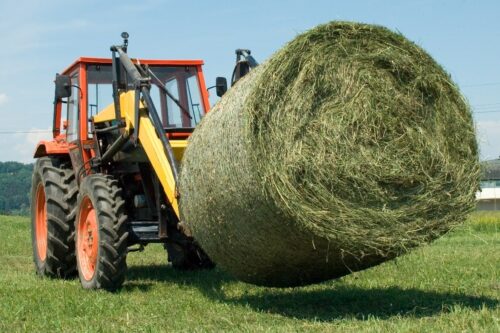
Since forage is the foundation of a horse’s diet, nutritionists also specialize in evaluating hay. Through exposure to hundreds of hay analyses, they develop the ability to interpret reports and assess the suitability of different types of hay for various horses.
If you are unsure if your horse is getting everything they need, working with an equine nutritionist to interpret a forage analysis can help identify any deficiencies.
In addition to creating feeding plans, equine nutritionists often help horse owners with other aspects of care, such as:
- Hay Selection: Guiding owners on selecting the appropriate quality and type of forage, including interpreting forage analyses to balance nutrients.
- Custom Diet Formulation: Balancing rations based on forage analysis, grain, and supplements to create complete diets tailored to the horse’s workload, age, and health status.
- Management Advice: Offering recommendations for turnout schedules, feeding logistics, and strategies to reduce feeding-related stress or competition among horses.
- Feeding Plans for Boarding Barns: Designing practical and individualized feeding routines that accommodate the specific needs of each horse while considering the operational constraints of equine boarding facilities.
- Pasture Management: Advising on pasture rotation schedules, identifying optimal grazing strategies, and balancing nutrient intake from fresh forage.
- Supplement Selection: Providing tailored advice on supplements to support individual needs, while helping owners avoid unnecessary or redundant products.
- Body Condition Assessment: Evaluating a horse’s body condition score (BCS) and recommending dietary adjustments to achieve or maintain an ideal weight.
- Meal Timing for Performance Horses: Strategizing feeding to optimize energy availability and digestion, particularly before and after competition or heavy work, while also supporting post-exercise recovery.
- Feeding Strategies for Health Concerns: Developing diets for horses with specific health concerns, such as insulin resistance, Cushing’s Syndrome, ulcers, or allergies.
- Dietary Monitoring and Adjustments: Regularly reviewing and updating feeding programs based on changes in a horse’s health, activity level, or environmental conditions.
By combining scientific knowledge with practical solutions, equine nutritionists play a vital role in supporting the health and performance of horses.
Education & Experience
Qualified equine nutritionists hold a four-year bachelor’s degree in animal science, nutrition, or a related field focused on equine nutrition. Following this, nutritionists should pursue advanced education, typically completing a one- to two-year master’s degree or a PhD in animal nutrition, to deepen their expertise and qualify for specialized roles. [16][17]
While there is currently a lack of formalized certification requirements for equine nutritionists, holding an advanced degree such as a master’s, PhD, or a veterinary degree is widely regarded as the minimum qualification for this role. These credentials ensure the knowledge and skills needed to design effective diets and address complex nutritional challenges.
In addition to formal education, first-hand experience in the equine industry is strongly recommended, as it provides practical insights into horse care and feeding management that are essential for a successful career in equine nutrition. [16][17]
Veterinary nutrition is a specialized field that equine veterinarians can pursue through board certification. Similar to other medical specialties, board-certified veterinary nutritionists undergo additional coursework and residency training under the supervision of a qualified mentor. This is followed by the successful completion of a board examination, ensuring they possess advanced expertise in equine nutrition and its role in health and disease management.
Farriery & Hoof Care
Hoof Care Professionals are experts in horse hoof anatomy and maintenance. This physically demanding role combines skilled horsemanship, refined manual dexterity, and attention to detail to ensure the horse’s hooves are healthy and properly maintained. [18][19]
Daily tasks include trimming and cleaning hooves, adjusting hoof angles to maintain balance, and applying hoof protection and support when necessary. Additionally, hoof professionals participate in identification, management and prevention of hoof problems and lameness issues. A strong understanding of biomechanics and equine conformation is also essential.
The majority of hoof care professionals are self-employed and work independently. However, some farriers may also be employed by large stables, racetracks, veterinary clinics or hospitals, and major horse shows.
In addition to hoof care expertise, practitioners must possess small business skills, including:
- Customer relations
- Scheduling
- Accounting
- Case documentation
- Collaboration with other professionals
Education & Experience
The field of hoof care is broadly categorized into specialized approaches for managing hoof health and protection, which include:
- Traditional Farriery: Farriers are highly skilled in crafting and shaping metal horseshoes using both hot and cold shoeing techniques. This specialization requires extensive knowledge of blacksmithing, as well as precision and attention to detail.
- Barefoot Hoof Care: This specialization focuses on maintaining horse hooves without permanent protection, using hoof boots or flexible composite shoes when necessary. It emphasizes a holistic approach to hoof care, building strong hooves through good nutrition and management strategies that encourage movement and natural behaviors.
In North America, certification organizations for hoof care professionals primarily focus on foundational education in specific specializations, although continuing education often bridges multiple approaches.
While there is no official legal regulatory body overseeing hoof care professionals in North America, key certification organizations play a vital role in setting industry standards. These organizations, alongside apprenticeship and formal schooling, represent the primary pathways for individuals to enter the profession.
Most of these certification organizations are based in the United States. Canada, with its smaller population of farriers, lacks a national education or certification body. Consequently, many Canadian farriers pursue certification through U.S.-based programs, which are widely recognized and respected within the industry.
Key hoof care certification organizations in North America include: [18][19][20][21][22][23]
- The American Farrier Association (AFA): Offers a certification program with multiple levels. Passing a written and practical test are necessary for becoming certified.
- Farriers Trainers of Canada: A recently established association offering farrier education and accreditation through apprenticeship and examination.
- Progressive Hoof Care Practitioners (PHCP): A non-profit organization focused on barefoot hoof care, providing holistic, evidence-based education and certification. Their program includes mentorship opportunities across North America and through online learning. Requirements for becoming certified include mentorship evaluations, exams, and case study presentations.
- Equine Lameness Prevention Organization (ELPO): Offers a multi-level program that includes barefoot trimming and farriery certifications.
- International Association of Professional Farriers (IAPF): Offers accreditation and continuing education to Farriers and hoof care practitioners. Their continuing education program recognizes a wide variety of specializations, with a goal of inclusivity and support for the greater horse industry.
In Canada, several regional and provincial associations support hoof care professionals and offer continuing education opportunities. In 2018, these associations came together to form Farriers Trainers of Canada (AFTC) with the goal of developing an internationally recognized education and certification program. [20]
What's your top priority with your horse's health?

Enter your email to receive your store credit
Equestrian Sports Careers
The world of equestrian sports offers a diverse range of career opportunities that support horse owners, trainers, and show facilities.
Unlike equine health careers, which often require advanced education, many roles in this side of the equine industry place greater emphasis on hands-on experience than formal academic training.
Professional Show Groom
Professional show grooms are jacks of all trades when it comes to keeping horses happy, healthy, and competition ready.
Professional grooms execute a broad variety of tasks on any given day. Some of the typical duties include: [24]
- Tacking up or untacking horses
- Braiding manes and tails
- Cleaning tack
- Bathing horses
- Caring for horses’ muscles and legs before and after competition
In addition, some grooms are also tasked with riding-related activities before or after the owner or trainer rides. [24]
An important consideration for aspiring grooms is the significant amount of travel required to attend competitions in this profession. [24]
While there are no formal qualifications for becoming a professional show groom, extensive experience with horses, showing, and horse care is essential to start this career. Many grooms acquire these skills through years of personal experience in riding and competing.
Becoming a working student or intern for a trainer is an excellent way to develop the skills needed for this profession. Additionally, training programs like the Groom Elite Horseman’s Education Program are available in some regions to help individuals gain the necessary expertise and experience. [25]
While it is possible to be a professional groom in any discipline within the equestrian sports industry, certain disciplines tend to employ grooms more frequently and at a more professional level. For example, high-level grooms are commonly seen in: [26]
Since these disciplines have competitions at the international and Olympic levels, they carry opportunities to become an international groom, also known as an FEI five-star groom. These grooms have significant experience before grooming for riders at this level, and typically join an association like the International Grooms Association. [26]
The Racehorse Industry
The racehorse industry includes several careers already mentioned, along with a few others specific to the racing world. These range from more obvious careers like jockeys, exercise riders, and trainers to lesser-known careers like bloodstock agents.
Since breeding is a large part of the racing industry, careers such as racehorse breeding managers or yearling managers are potential pathways for those looking to get involved.
The sheer size of the racehorse industry and its particular focus on Thoroughbreds means there are roles across the entire equine sector that cater specifically to these horses, including specialized:
- Veterinarians
- Veterinary technicians
- Grooms
- Farriers
Beyond the fundamental needs of breeding, care, and management, another common career in the Thoroughbred industry is that of a bloodstock agent. These agents buy and sell horses on behalf of Thoroughbred owners.
Bloodstock agents analyze pedigrees to help assess the value of horses for sale, then bid on these horses for their clients. They possess deep knowledge of industry trends, bloodlines, reproductive performance, and historical outcomes in horse racing and trading. [27]
Other possible careers in the racehorse industry include racetrack stewards, outriders, and various racetrack faculty roles including welfare inspectors. [28]
Equine Care & Management
All horses require careful management to ensure they are happy and performing at their best. From elite performance horses to retired leisure companions, the equine industry relies on dedicated care and management professionals who make a home for our equine counterparts.
Many professionals involved in care and management start by managing their own horses on their own property, and gradually expand their skills and the size of their operation over time.
Barn Manager
Barn managers have a number of responsibilities that range depending on the type of barn they manage. For example, the tasks of a high-end show barn look different from a small or moderate-sized boarding barn.
Overall, barn managers are responsible for: [29]
- Overseeing care of horses at the facility
- Supervising employees
- Ordering necessary supplies
- Handling accounts for the operation
- Scheduling and handling veterinary and farrier appointments
- Planning riding lesson or competition schedules
- Interfacing with clients and personnel who come through the facility
Like professional grooms, barn management is typically a skill-based job that requires extensive knowledge of horses and their care.
However, there are college degrees, such as an equine business and facility management degree or a stable manager certification, that can help individuals prepare for this career. Formal education can give candidates a competitive edge when applying to prestigious facilities, such as high-end show barns for elite riders.
That being said, many successful show barn managers do not have a post-secondary education. Instead, they have spent years developing their skills through other jobs, working student positions, internships, or personal experience growing up on horse farms. [30][31]
Equine Breeding & Reproductive Manager
Breeding managers in the equine industry may hold general positions overseeing the breeding operations of a farm, or they may specialize in roles requiring advanced handling skills, such as broodmare or stallion management.
A broodmare manager is responsible for tasks like ensuring the health and well-being of pregnant mares and being available for foaling emergencies. [28]
A stallion manager, on the other hand, focuses on the breeding aspects of stallion management. Their responsibilities include monitoring stallion health, scheduling breeding appointments, and assisting with tasks like semen collection or live-cover mating. [28]
There are no formal qualifications required to enter breeding management. However, most high-end breeding facilities prefer candidates with certifications or equivalent experience.
Various courses and certifications are available in equine breeding management. For example, Colorado State University offers an Equine Reproductive Management flagship course that combines classroom learning with hands-on training. [32]
Equine Ranching
Ranch work involves raising animals on expansive tracts of land. These animals may include traditional livestock, such as cattle, or more unique animals, such as llamas and emus. While less common today, horses are still used on ranches to herd and round up livestock. [33]
Some ranches focus exclusively on raising horses. These ranches may specialize in caring for specific breeds or training horses for specific disciplines. [34]
Horse ranchers are responsible for a range of different tasks such as: [34]
- Livestock management
- Horse feeding and nutrition
- Marketing and sales
- Budgeting and record keeping
- Equipment operation and maintenance
Ranching duties encompass business, agricultural, and husbandry skills. Ranchers oversee the well-being of their animals and may manage breeding programs, maintain ranch facilities, and even manage finances. [34]
Much like barn management and professional grooming, ranch work is skill-based, and experience in caring for horses and animals is integral to the role. Since ranchers handle a variety of different tasks, certificates or degrees in fields such as equine business management or equine studies are beneficial. [35][36]
People aspiring to do ranch work can get started working as ranch hands, helping with the day-to-day duties of the operation. Working as a ranch hand gives invaluable hands-on experience and provides insight to the larger business and operation.
Equine Media Careers
The equine media industry offers a variety of career opportunities. This field encompasses print magazines, online publications, podcasts, social media, marketing and advertising, as well as photography and videography.
Equine Publications
Equine publications, such as magazines and periodicals, often exist in both print and online formats.
Writers and editors are responsible for creating and publishing content for these publications. Many writers and editors have educational backgrounds in subjects such as:
- Journalism
- English (or another first language)
- Communications
- Marketing
- Other humanities subjects with an emphasis on written form and analysis, such as Philosophy
Many writing and editing jobs do not require a specific educational background. In the horse sector, it is often more valuable to have education or hands-on experience related to horses and a demonstrated ability to write according to specific guidelines. For this reason, aspiring equestrian writers and editors often get their start as freelancers or paid interns and build a writing portfolio under the guidance of an experienced industry editor. [37]
There are also “behind the scenes” positions that contribute to digital and print publications, like a sales team, photographers, and website designers. [37]
Many publishing jobs require cross-functional skills, regardless of the employee’s area of expertise. It’s important for anyone interested in creative work to have a high level of computer literacy including basic word processing and image editing across different platforms in addition to specific skills related to their focus.
Equine Sales & Marketing
Every type of business requires marketing — including those in the equine industry.
Equine marketing jobs typically require education or equivalent experience in marketing, advertising, equine business, or a related field. An equestrian background is also advantageous, as it offers valuable insight into the target audience.
Marketing professionals promote products or services of equine business using different strategies and platforms, including: [38]
- Print advertisements
- Digital marketing
- Social media campaigns and branded accounts
- Search Engine Optimization of websites and content
- Long-form content (blogs)
- White papers
- Videos
- Promotions and giveaways
- Trade shows
- Sponsorship deals
- Podcasts
- Webinars
Equine Photography
Equine photographers can focus on a variety of niches, ranging from horse show photography to creating stunning portrait sessions featuring horses and their owners.
Photography is a craft that requires a blend of practice, technical knowledge, and creative talent. Many aspiring equine photographers build their careers through a mix of mentorship, internships, and formal education.
A deep understanding of horse behavior and conformation is essential for success in equine photography, as capturing the horse’s best angles and expressions often depends on timing and knowledge of equine movement.
For sports photographers, it’s equally important to understand what judges look for in various equestrian disciplines. This includes recognizing correct rider form, horse positioning, and movement patterns specific to disciplines like dressage, show jumping, or barrel racing.
In today’s digital age, equine photographers also typically possess strong digital skills. This may include expertise in photo editing software, graphic design and digital marketing.
Most equine photographers work independently, selling their images to magazines, horse shows, private clients, photography agencies, and equestrian businesses. [39] Although some publications retain photographers or hire them full-time, these opportunities are less common today, making entrepreneurial and self-marketing skills even more essential.

Equine Education & Training
As the equine industry evolves, the demand for skilled educators, coaches and trainers remains essential to prepare the next generation of equestrian professionals and enthusiasts.
Most educators and trainers spend years honing their expertise in a specific field, accumulating valuable hands-on experience and knowledge to pass on to others. These roles require a deep understanding of both equine behavior and the skills necessary for success in various equestrian disciplines.
For those aspiring to teach at the post-secondary level, advanced degrees in a relevant area of focus, as well as strong references from supervisors or colleagues, are often prerequisites. Professors typically combine academic credentials with practical experience to educate students in fields such as equine science, business management, or training techniques.
Beyond academia, there are countless opportunities within the equine industry to share knowledge and mentor others. Whether through apprenticeships, clinics, workshops, or private instruction, experienced professionals can train individuals at various levels, from beginners learning basic horsemanship to seasoned competitors seeking to refine their skills.
Coaches & Trainers
Experienced equestrians often transition into careers as trainers, working with horses, riders, or both. There are many different types of trainers with specializations including:
- Basic handling (“ground manners”)
- Early competition skills
- Early rider lessons
- Discipline-specific training
- Rider equitation
- Behavior
- Exercise riding
- Racehorse training
- Performance and Sports Science
Successful trainers develop a client base who seek their services based on their reputation and results. Many trainers are decorated equestrians with numerous competitions on multiple horses backing their skills. In addition, clients seek trainers whose handling and training style are aligned with their own management practices.
Some schools provide coaching and training certifications for people who want to become accredited trainers, but not all trainers have additional qualifications.
Some trainers have their own businesses, others are hired on by schools or sports organizers to train their students. Many boarding barns also have on-site training or lessons available.
Equine behaviorists are a specialized type of trainer who work with horses experiencing behavioral challenges, such as aggression or reactivity. These professionals often have formal education in areas related to horse welfare and equine behavior. Their approach typically focuses on building trust and fostering positive associations between horses and their handlers.
Behaviorists may help determine if a horse’s behavioral issues are linked to undiagnosed pain or discomfort. They can also identify environmental stressors that may be causing frustration or preventing the horse from living a species-appropriate lifestyle.
Other Equine Careers
There are many horse-related careers beyond equine health, sports, and media. Some industries cater exclusively to the equestrian world, while others have equine-focused subcategories within larger business sectors.
Equine Retail
Equine retailers operate in various formats, including brick-and-mortar stores, mobile units that travel to horse shows, and online shops. Many retailers utilize a combination of these approaches to reach a broader audience. Equine retailers typically offer products such as horse feed, tack, supplements, and riding apparel.
Potential jobs in the equine retail sector include:
- Store managers
- Apparel and tack designers,
- Product advisors
- Sales and business development
- Store ownership
- Storefront staff
- Buyers and comptrollers
While a career in equine retail often begins with hands-on experience in an entry-level position, a degree in business or sales can be advantageous for those seeking advanced, long-term roles in the industry. [40]
Equine Insurance Agents
Equine insurance provides financial protection for horse owners, riders, and equestrian businesses by covering a wide range of risks associated with owning, managing, or working with horses.
Policies can include coverage for mortality, medical expenses, liability, property damage, and even loss of use for performance horses. Horse-related businesses, such as stables, riding schools, and equine event organizers, can also secure insurance tailored to their specific needs.
Equine insurance agents are professionals who specialize in helping clients navigate the complexities of insurance within the equestrian world. They assess the unique risks and requirements of each client, whether it’s an individual horse owner, a professional trainer, or a large-scale business. Agents provide guidance on selecting the most appropriate policies, explain coverage options, and assist with claims if needed.
By combining knowledge of both the equine industry and insurance practices, equine insurance agents play a vital role in protecting clients from unforeseen financial losses and ensuring peace of mind in the equestrian community.
Successful equine insurance agents have strong customer service skills and extensive knowledge about the equine industry and horse health. Experienced agents sometimes specialize in a particular horse breed or discipline, which enables them to tailor policies to the specific needs of their clients. [41]
As with other forms of insurance, most states require completion of a pre-licensing course and an insurance licensing exam. After obtaining their credentials, many equine insurance agents begin their careers through internships or entry-level positions specializing in equine insurance. [41]
Other careers related to equine insurance include underwriters, claims adjusters, risk consultants, policy administrators, and customer support specialists.
Frequently Asked Questions
Here are some frequently asked questions about careers in the equine industry:
The equine industry offers a wide variety of careers, ranging from hands-on roles like veterinarians, farriers, trainers, professional riders, and show grooms to indirect support positions such as equine marketing, photography, and media. [1][10][18][24][33][38][39]
The education requirements for a career in the equine industry depend on the role. Some careers, like equine veterinarians or nutritionists, require extensive education, while others, like professional show grooms or farriers, can be pursued with hands-on experience or certifications. [1][18] Many people shift through different careers in the equine industry as they gain experience and knowledge over time.
To become an equine veterinarian, you need the prerequisite undergraduate course work, which can take two to four years, followed by four years of veterinary school, and a passing score on your state’s veterinary licensing exam. Specializations, like surgery or sports medicine, require additional training. [1]
Summary
The equine industry offers a wide range of career paths, from hands-on roles like veterinarians, farriers, and grooms to support roles in marketing, media, and retail, catering to various skill sets and interests.
- Educational requirements vary; some roles like equine veterinarians demand advanced degrees, while others, such as grooms or retail specialists, rely on experience-based learning or shorter certification programs.
- Careers like equine veterinary technicians, equine dentists, and nutritionists focus on horse health and require specific qualifications and training to perform tasks such as medical care, dental procedures, or customized nutrition planning.
- Equestrian sports and barn management careers emphasize hands-on experience, with opportunities ranging from professional grooming to managing show barns or breeding facilities.
- Roles in equine media, photography, sales, and insurance integrate industry knowledge with creativity and business acumen, providing varied career options for equine enthusiasts with diverse talents.
References
- Pre-Vet Student Resources. American Association of Veterinary Medical Colleges.
- VMCAS Summary of Course Prerequisites. American Association of Veterinary Medical Colleges. 2020.
- Veterinary School Admission 101. American Veterinary Medical Association.
- Veterinary Specialties. American Veterinary Medical Association.
- AVMA List of Specialties. WV Board of Veterinary Medicine. 2022.
- Career Options for Veterinarians. American Veterinary Medical Association.
- What’s It Like to Be an Equine Veterinary Medical Technician. Wilson College.
- Wirt, K. and Clark, J.L., What Is the Difference between a Vet Technician, a Vet Technologist, and a Vet Nurse?. Purdue University College of Veterinary Medicine. 2024.
- Veterinary Technologists and Technicians. U.S. Bureau of Labor Statistics. 2024.
- What Does an Equine Dentist Do? Career Overview, Roles, Jobs | MNMED. Minnesota Medical Association (MNMED). 2024.
- Certification. International Association of Equine Dentistry. 2022.
- Position Statements - Veterinary Dentistry. Canadian Veterinary Medical Association. 2022.
- Veterinary Dentistry. American Veterinary Medical Association. 2022.
- Position on Equine Dentistry. AAEP. 2019.
- Equine Nutrition. University of Guelph. 2024.
- Equine Nutritionist: Job Description, Salary and Career Outlook. Best Accredited Colleges. 2024.
- Pratt-Phillips, S.E. and Liburt, N.R. The Role of an Equine Nutritionist in Equine Health, Performance and Wellbeing: Ideas Stemming from an Equine Science Society Symposium Workshop. J Equine Vet Sci. 2024.
- About Certification. American Farrier's Association.
- Farrier. AgCareers.Com. 2024.
- Canadian Farrier Apprenticeship Training. Farrier Trainers of Canada.
- Mission Statement. Progressive Hoof Care Practitioners. 2024.
- E.L.P.O Certification. Equine Lameness Prevention Organization. 2024.
- Credentialing. International Association of Professional Farriers. 2024.
- Gude,L., So You Want To Be A Groom.... The Chronicle of the Horse. 2014.
- Groom Elite - Groom Programs. The Elite Program, Inc. 2009.
- How to Be International. International Grooms Association. 2024.
- What Is a Bloodstock Agent?. Mill Ridge.
- Modern Careers in the Horse Industry. American Quarter Horse Association.
- Bartlett. M., Stable Management 101: Skills Every Horse Stable Manager Needs. Post University. 2021.
- Professional Stable Manager Certification. Equine Studies Institute.
- Equine Business Management. Otterbein University. 2024.
- Diploma in Equine Studies. University of Guelph. 2024.
- Boudreau, D., et. al., Ranching. National Geographic. 2024.
- What does a rancher do?. CareerExplorer. 2023.
- Certificate in Equine Business Management. University of Guelph. 2024.
- Equine Reproductive Management: Stallion, Mare, and Newborn Foal. Colorado State University. 2024.
- Equine Journalism. Wilson College. 2024.
- Careers in the Equine Industry. Asbury University. 2024.
- Tonagel, A. Horse Careers: Equine Photographer. Young Rider Magazine. 2023.
- 15 Equestrian Jobs Horse Lovers Should Consider. Midway University. 2020.
- Horse Specialists. Markel.
- Rosanes, M. How to Become an Insurance Agent: A Step-by-Step Guide. Insurance Business America. 2023.