English


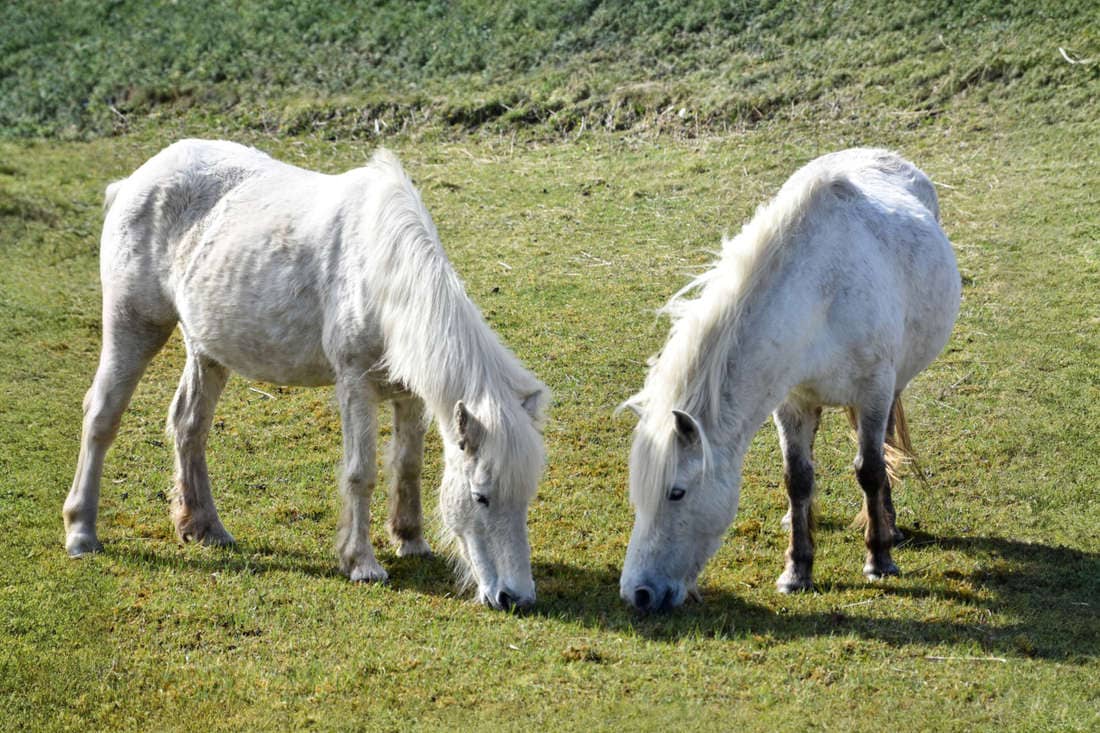
The Eriskay Pony is a rare native pony breed from the Outer Hebrides of Scotland. Shaped by generations of life in a rugged island environment, these ponies are admired for their strength, soundness, and kind disposition.
Historically, they were essential working animals on crofts, carrying peat for fuel, seaweed for fertilizer, and supplies across difficult terrain. Today, they are valued as riding ponies, driving ponies, family ponies, and living links to Scotland’s equine heritage.
Although Eriskay Ponies are hardy and efficient keepers, those same traits can become a challenge under modern management. Rich pasture, excess calories, and too little exercise can increase the risk of obesity and metabolic dysfunction, as seen in other native pony breeds.
Keep reading to learn more about the Eriskay Pony’s history, characteristics, health concerns, care needs, and nutrition requirements.
Eriskay Pony History
The Eriskay Pony is widely regarded as the last surviving native Hebridean pony type. Although sometimes compared to the popular Shetland Pony, this rare Scottish breed has a unique history.
Origin
The Eriskay breed developed in the Western Isles of Scotland, where small, tough ponies evolved to survive sparse grazing, wet weather, and difficult ground.
While research hasn’t determined their exact origin, evidence suggests small ponies have inhabited the Scottish Isles for over two thousand years. Native ponies can trace their ancestry to ponies brought by early settlers and to Norse breeds introduced by Viking invaders. [1]
Several native pony breeds developed in the Scottish Isles, including the well-known Shetland Pony. Genomic analysis shows the Eriskay is genetically unique, underscoring the importance of conserving native pony breeds as distinct genetic resources. [4]
Historic Use
Throughout the 20th century, ponies of the Hebrides were often referred to as Western Isles Ponies.
These docile, hardworking animals were central to crofting life. They carried panniers of peat home for winter fuel, transported seaweed from the shore for fertilizing fields, and were used for light agricultural work. [2]
As mechanization spread and island populations declined, pony numbers fell sharply. By the late 1960s and early 1970s, only a very small remnant population remained on Eriskay and nearby islands. [2]
Breed societies were then established to preserve the remaining animals and formalize the Eriskay as a distinct breed.
What's your top priority with your horse's health?

Enter your email to receive your store credit
Breed Registry
Today, the Eriskay remains a rare, officially recognized native pony breed of the Scottish Western Isles.
The Eriskay Pony Society manages the breed’s studbook. They work closely with the Rare Breed Survival Trust to advance their mission of conserving, preserving, and promoting the Eriskay pony. [2]
| Breed Summary | |
|---|---|
| Breed Name | Eriskay Pony |
| Also Known As | Eriskay Horse |
| Breed Type | Native pony; cold-blooded |
| Origin | Eriskay Island, Outer Hebrides, Scotland |
| Breed Registry | Eriskay Pony Society |
| Population Status | Rare; approximately 400 – 500 ponies worldwide |
| Average Height | 12 – 13.2 hh |
| Average Weight | 600 – 700 lb (270 – 320 kg) |
| Common Coat Colors | Gray (most common); bay and black are rare |
| Conformation | Compact, sturdy build with deep chest, strong hindquarters, short cannons, dense bone, and thick mane and tail |
| Lifespan | 25 – 30 years |
| Price Range | $3,000 – $8,000+ USD (varies by location and training) |
| Common Uses | Riding, driving, trekking, conservation grazing, children’s mounts |
| Temperament | Calm, intelligent, hardy, and willing |
| Best For | Families, beginner riders, and owners seeking a hardy native pony |
| Common Health Concerns | Obesity, insulin dysregulation, laminitis associated with easy-keeper metabolism |
Breed Characteristics
Though rare, the Eriskay pony is easily recognizable thanks to their unique characteristics.
Conformation
Eriskay Ponies are compact, sturdy ponies that generally stand between 12 and 13.2 hands high.
They are compact and stocky, with a deep chest, short legs, and a slightly sloping croup. The head is short and broad with a wide forehead. Their conformation makes these ponies strong and sure-footed, with good substance for their size. [2]
Colors
A thick, weather-resistant coat suited to the harsh climate of the Western Isles is also characteristic of the breed. Low-set tails and manes provide additional protection from the wind and rain. [2]
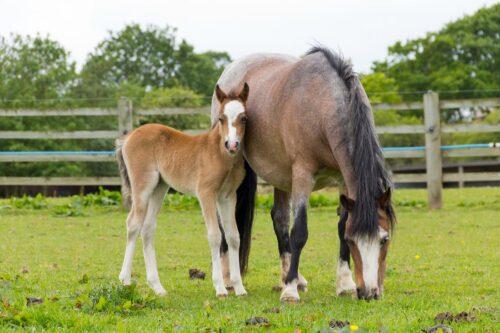
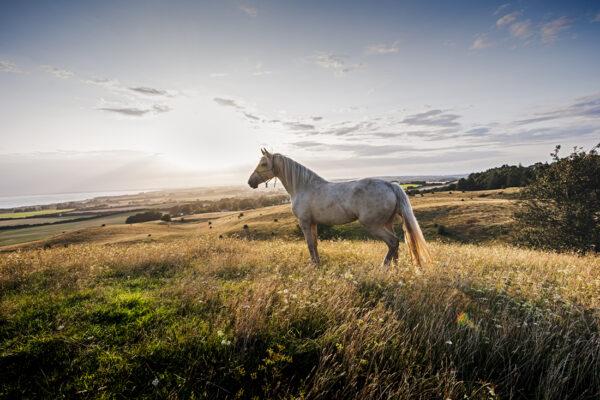
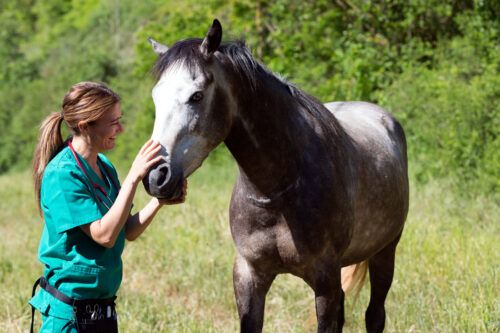
The predominant color is grey, although some ponies may be black or bay. Foals are often born dark and lighten with age. [2]
Temperament
Eriskays are widely described as sensible, calm, and people-oriented. Their steady nature and good temperaments contribute to their popularity as family ponies. They are generally quiet, intelligent, and willing to work.
Disciplines
While they are small, Eriskays are notably strong for their size and can carry light riders or work in harness. Modern Eriskays are used for pleasure riding, driving, pony club activities, and conservation grazing.
Eriskay Pony Health
Research on health disorders specific to Eriskay Ponies is limited. However, their background, metabolism, and small body size suggest that many of the same health concerns seen in other native ponies are relevant to this breed.
Genetic Diversity
The breed’s small population makes genetic stewardship especially important.
A 2012 population genetics study found the Eriskay population had the lowest average effective number of alleles and allelic richness among the pony populations examined. [3] These terms describe the amount of genetic variation present within a population. Lower values indicate fewer genetic variants circulating in the breeding population, which can reduce genetic diversity and increase the risk of inherited health issues over time.
These findings highlight the need for careful breeding and conservation planning.
Health Problems
While Eriskay Ponies are generally hardy, like many native pony breeds they may be predisposed to certain metabolic health issues when managed in modern domestic environments.
Equine Metabolic Syndrome
Native ponies evolved to make efficient use of low-quality forage. In modern domestic settings, that adaptation can become a disadvantage, leading to excess weight gain and obesity, which is linked to metabolic disease.
Equine metabolic syndrome (EMS) is a condition characterized by insulin dysregulation, regional adiposity (fat pads), and an increased risk of endocrinopathic laminitis. [6]
In a cross-sectional study of UK native ponies and cobs, EMS was highly prevalent, with obesity and sedentary activity among the key risk factors in the horses studied. [5]
Laminitis
Laminitis is one of the most important health concerns in native ponies. It is a painful condition affecting the laminae of the hoof, and in easy-keeper ponies, it is often linked to insulin dysregulation. [7]
Dietary management is central to prevention. Research supports restricting excess calories, reducing intake of hydrolyzable carbohydrates (HC; sugar + starch), and limiting access to rich pasture in horses and ponies with obesity or insulin resistance. [7]
Hyperlipidemia & PPID
Like other pony breeds, overweight or stressed Eriskays may be vulnerable to hyperlipemia, a serious metabolic disorder associated with excessive fat mobilization. This risk is especially important in ponies who are obese, pregnant, or ill. [8]
Older Eriskay Ponies can also develop pituitary pars intermedia dysfunction (PPID), also known as Cushing’s disease. A systematic review found the most robust prevalence estimates for PPID were 21.2% in horses and ponies aged 15 years and older. [9]
Since a long, curly coat is a characteristic of PPID, the condition can be difficult to identify in Eriskays and other hardy pony breeds with naturally thick coats. If your older Eriskay doesn’t shed out well during the warmer months, it could be a sign of an underlying health condition.
Care and Management
Eriskay Ponies are hardy, but they still need the same foundations of good horsemanship as any other equine. Basic care for these ponies should include:
- Veterinary Exams: Schedule regular veterinary check-ups to monitor overall health, body condition, and early signs of metabolic issues such as obesity or insulin dysregulation.
- Vaccinations: Follow a vaccination schedule recommended by your veterinarian to protect against infectious diseases based on your pony’s environment and travel exposure.
- Dental Care: Routine dental check-ups and floating help ensure proper chewing and digestion, particularly for ponies maintained on forage-based diets.
- Parasite Management: Implement a targeted parasite control program guided by fecal egg counts and veterinary advice to maintain digestive health.
- Hoof Care: Regular farrier visits help maintain balanced hoof structure and soundness. Many Eriskay Ponies do well barefoot when kept in appropriate environments, but trimming should still be done consistently.
- Weight Management: Because Eriskay Ponies are efficient feeders, careful control of pasture access and feed intake helps prevent excess weight gain and reduces the risk of laminitis.
Their dense coats and weather tolerance often make them well-suited to outdoor living, provided they have access to shelter from extreme conditions and dry footing when needed. However, hardiness should not be mistaken for low maintenance. Native ponies can suffer from obesity, poor hoof balance, dental problems, and metabolic disease if routine care is neglected.
Daily movement is especially important for Eriskays kept in modern environments. Regular exercise helps maintain body condition, supports insulin sensitivity, and provides mental stimulation.
Social contact and access to forage are essential components of equine welfare. Horses require regular access to roughage, opportunities for free movement, and social interaction with other horses to support normal behavior and overall well-being. When these needs are not consistently met, the risk of stress, frustration, and abnormal behaviors may increase. [10]
Nutrition
A well-designed feeding program for an Eriskay Pony should be based on forage, balanced for essential nutrients, and tailored to the pony’s body condition, workload, and pasture access.
Work with a qualified equine nutritionist or your veterinarian before making changes to your feeding program.
Weight Maintenance
Feeding programs for Eriskay Ponies should prioritize the inclusion of fiber-rich forage while minimizing dietary starch and sugar to help control calorie intake. Because Eriskay Ponies are easy keepers, owners should regularly monitor their pony’s body condition to ensure they maintain a healthy weight.
If your Eriskay Pony becomes over-conditioned, consider implementing some or all of the following measures to promote safe weight loss:
- Provide appropriately selected hay in a slow feeder or hay net
- Turn your pony out with a grazing muzzle
- Soak your pony’s forage to reduce sugar content
- Turn your pony out on a dry lot and restrict grass turnout
Some ponies benefit from replacing part of the forage ration with clean straw. In one study, including straw at 50% of the forage ration prolonged feeding time and supported a metabolic profile more suitable for overweight horses. [11]
Straw must be introduced carefully and is not appropriate for every horse, but it can be a useful tool for easy keepers.
Sample Diet
The following sample diet is intended for a mature 180 kg / 400 lb Eriskay Pony with normal body condition at maintenance (not exercising).
| Feed | Maintenance Diet |
|---|---|
| (Amount / Day) | |
| Mature Grass Hay (8% crude protein) | 2.5 kg / 5.5 lb |
| Straw (5% crude protein) | 1.1 kg / 2.5 lb |
| Salt | 30 g (2 tbsp) |
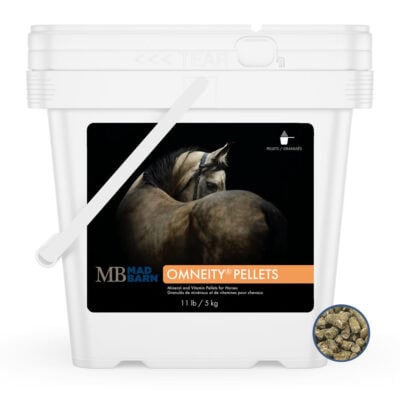
| Omneity® Pellets | 60 g (1/2 scoop) |
| Diet Analysis* | |
| Digestible Energy (% of Req) | 103% |
| Protein (% of Req) | 98% |
| NSC (% Diet) | 8% |
Most Eriskay Ponies can meet their energy and protein needs on a forage-based diet, provided the hay or pasture is of appropriate quality and fed in amounts suited to their body weight and workload. Because Eriskay Ponies are efficient feeders, their diets should prioritize moderate-energy forage while avoiding excess calories that could contribute to obesity or metabolic issues.
However, many types of hay are naturally low in certain essential vitamins and minerals. [12]
To balance the diet, feed a comprehensive vitamin and mineral supplement that corrects common nutrient deficiencies without adding unnecessary sugars or calories.
Mad Barn’s Omneity® is a complete, balanced supplement that provides key nutrients to support hoof strength, muscle development, metabolic health, immune function, and coat quality in an easy-to-feed, palatable pellet form.
All horses require free access to clean, fresh water at all times. Horses in work or warm environments lose more fluids and electrolytes through sweat, which increases their hydration needs.
While a salt block can help increase sodium intake, most horses still benefit from additional salt added directly to the diet to ensure adequate consumption. Adding approximately 2 tablespoons of loose salt to the daily ration helps meet sodium requirements and encourages water intake by stimulating thirst, which supports normal hydration and electrolyte balance.
Forage
The amount of forage an Eriskay Pony needs depends on body weight, workload, and metabolism. Most horses and ponies consume around 2% of their body weight in dry matter each day. For example, a 600 lb (270 kg) Eriskay Pony may eat approximately 12 lb (5.5 kg) of hay daily on a forage-only diet. [13]
The best hay for an Eriskay Pony depends on energy requirements and overall health. Mid-maturity grass hay is often ideal, providing moderate energy and fiber without excessive sugars that can contribute to weight gain or metabolic issues.
Eriskay Ponies in regular work may benefit from slightly higher-energy forage sources such as alfalfa, which provides additional protein and calories to support muscle recovery and sustained activity. If additional calories are needed but protein requirements are already met, beet pulp is a useful low-starch option.
Free-choice hay supports digestive and behavioral health, but easy keepers may gain excess weight if forage is unrestricted. Using slow feeders can help extend feeding time and reduce calorie intake when forage needs to be rationed.
When turned out on pasture, Eriskay Ponies may require restricted grazing during spring and fall when grass sugar levels peak. Grazing muzzles or turnout on dry lots can help prevent overconsumption and reduce the risk of metabolic issues or laminitis.
A forage analysis is the best way to determine if your hay meets your pony’s nutritional requirements and to identify any deficiencies that may require supplementation.
Feeding Recommendations
A well-balanced diet helps support hoof quality, maintain skin and coat condition, promote joint health, and keep the digestive system functioning properly in Eriskay Ponies. Proper nutrition also reduces the risk of common diet-related problems such as poor hoof horn, excess weight gain, and digestive upset.
Most Eriskay Ponies do not require commercial concentrates in their diet. As a native pony breed, they are efficient feeders and prone to excess weight gain when fed high-calorie diets. Feeds high in sugar or starch may increase the risk of digestive upset, excitability, laminitis, and metabolic imbalance. [14][15]
To minimize sugar, starch, and calorie intake, use a concentrated vitamin and mineral supplement in place of grain. If a carrier is needed for supplements, soaked hay pellets or beet pulp provide a safe, fiber-based option without excess starch.
For senior ponies or those with dental issues, beet pulp and forage cubes can be easier to chew and digest. Ponies that quid or struggle to break down long-stem hay may benefit from softer forage options to help maintain body condition.
If additional calories are needed to support regular work or maintain body condition, consider a fat supplement rather than increasing grain intake. Sources rich in omega-3 fatty acids can help support joint comfort, coat quality, and overall metabolic health. [16][17]
All Eriskay Ponies should have access to fresh water and salt at all times. Providing approximately 2 tablespoons of plain loose salt daily helps meet sodium needs and encourages consistent hydration.

Nutritional Supplements
Most Eriskay Ponies do best on a calorie-controlled feeding program built around forage, salt, and a vitamin and mineral supplement. Additional supplements may be beneficial when a pony has specific health concerns, higher nutritional demands, or would benefit from targeted support beyond a basic balanced diet. Any added product should address an identified need without contributing unnecessary sugar, starch, or excess calories.
- For Eriskay Ponies with a history of laminitis, insulin dysregulation, or other metabolic concerns, Jiaogulan may be a relevant option. Jiaogulan is an herbal supplement that supports circulation, respiratory health, joints, and hooves.
- If additional fatty acid support is needed, w-3 Oil can be used to increase omega-3 intake. This oil provides DHA, which can help support metabolic health in horses with PPID, insulin resistance, equine metabolic syndrome, or a history of laminitis.
- For ponies that need extra support for the digestive tract, particularly during management changes, stress, or periods of digestive upset, Optimum Digestive Health may be helpful. This probiotic and prebiotic supplement is designed to support hindgut health and digestive function while helping maintain normal immune function.
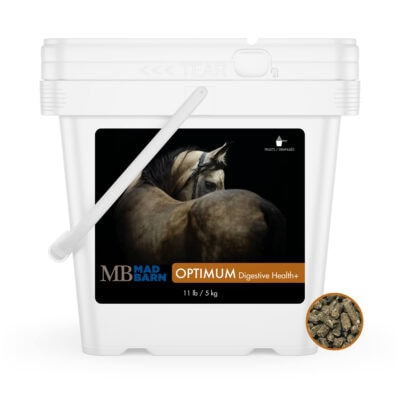
As with any pony breed, supplements work best when used to complement a well-balanced feeding program based on appropriate forage and overall ration balance. To find out whether your Eriskay’s diet is meeting their nutritional needs, submit their feeding program for a free diet analysis by Mad Barn’s equine nutritionists.
Frequently Asked Questions
Here are some frequently asked questions about Eriskay Ponies:
The Eriskay Pony is a rare native pony breed originating from the Outer Hebrides of Scotland. Named after the island of Eriskay, these ponies developed in isolated, harsh coastal environments where only the most resilient animals survived. They are considered one of the last remaining examples of the original Hebridean pony type. Known for their hardiness, strength, and adaptability, Eriskay Ponies are an important part of Scotland’s agricultural history and are now the focus of ongoing conservation efforts.
Eriskay Ponies were traditionally used by crofters for a wide range of daily tasks in the Scottish Isles. They carried peat for fuel, transported seaweed for fertilizer, and hauled goods across rough terrain and narrow coastal paths. Their strength, endurance, and surefootedness made them essential working animals in environments where larger horses were impractical. In some areas, they were also used to transport supplies between islands, demonstrating their versatility and reliability.
Today, Eriskay Ponies are used for riding, driving, trekking, and conservation grazing. Their calm temperament and sturdy build make them suitable for children and smaller adults, while their strength allows them to carry heavier riders than their size might suggest. They are also valued in heritage and conservation programs, where maintaining the breed’s genetic diversity is a priority. In addition, they are increasingly seen in leisure riding and educational settings.
Eriskay Ponies are compact, strong ponies with a practical, workmanlike build. They typically have a broad forehead, kind and expressive eyes, and a short, sturdy neck. Their bodies are well-muscled with deep chests, strong backs, and dense bone. They have short, powerful legs with hard hooves suited to rough terrain. A thick mane, tail, and winter coat help protect them from harsh weather, reflecting their adaptation to exposed island conditions.
Most Eriskay Ponies are gray, often born dark and gradually lightening with age. This color has become strongly associated with the breed. Bay and black ponies do occur but are relatively uncommon. The predominance of gray reflects both historical breeding practices and the limited gene pool of this rare population.
Eriskay Ponies are known for their calm, kind, and cooperative nature. They are intelligent and willing to work, responding well to consistent, patient handling. Their steady temperament makes them particularly well suited for family environments, riding schools, and novice riders. While generally easygoing, they still benefit from regular interaction and mental stimulation to remain engaged and responsive.
Most Eriskay Ponies stand between 12 and 13.2 hands high. Although relatively small, they are strong for their size and capable of carrying adult riders. Their compact frame, dense bone, and efficient movement contribute to their durability and usefulness as working and riding ponies.
Adult Eriskay Ponies typically weigh between 600 and 700 pounds (270 to 320 kg), depending on height, body condition, and management. As a native pony breed, they tend to maintain weight easily. Monitoring body condition and maintaining an appropriate score helps reduce the risk of metabolic issues and supports long-term health.
Eriskay Ponies are generally well suited for beginner riders due to their calm temperament and cooperative nature. They are often used for children, novice riders, and therapeutic riding programs. Their steady disposition makes them reliable partners, though proper training, supervision, and matching pony to rider experience are still important for safety.
Eriskay Ponies are a rare breed, and prices reflect their limited population and conservation value. Purchase prices often range from approximately $3,000 to $8,000 USD, depending on age, training, and bloodlines. Well-trained individuals or those from carefully managed breeding programs may command higher prices. Availability can be limited, and prospective buyers may need to work with breed societies to locate suitable ponies.
Eriskay Ponies are generally hardy and long-lived, but like many native pony breeds they are prone to obesity if overfed. Excess body weight increases the risk of metabolic conditions such as insulin dysregulation and laminitis. Their efficient metabolism, which developed in nutrient-sparse environments, means they require careful diet management. Regular exercise, controlled forage intake, and routine veterinary care help maintain their health.
Yes, the Eriskay Pony is considered a rare and vulnerable breed with a small global population. Conservation organizations and breed societies actively manage breeding programs to preserve genetic diversity and prevent inbreeding. Efforts include maintaining studbooks, promoting responsible breeding, and increasing public awareness of the breed’s cultural and historical significance.
Eriskay Ponies are exceptionally well adapted to wet, windy, and cool climates. Their dense coats, strong hooves, and hardy constitution developed through generations living in the exposed conditions of the Outer Hebrides. They tolerate challenging weather well when provided with basic shelter and adequate nutrition. However, like all horses, they still benefit from protection during extreme conditions.
Summary
The Eriskay Pony is one of the United Kingdom's rarest native pony breeds and an important part of Scotland's equine heritage. Developed in the harsh environment of the Outer Hebrides, these ponies are hardy, strong, and kind-tempered.
- Eriskays are compact native ponies traditionally used for crofting work and transport across rugged island terrain
- They are typically grey, stand up to 13.2 hands, and are known for their strength relative to their small size
- Their easy-keeper metabolism means owners must carefully manage body condition and weight
- A forage-based, balanced, low-NSC diet helps support metabolic health and prevent obesity-related issues
- Responsible ownership and breeding programs are important to support conservation of this rare native breed
References
- Winton. C. L. et al. Genetic Diversity within and between British and Irish Breeds: The Maternal and Paternal History of Native Ponies. Ecology and Evolution. 2020.
- Eriskay Pony. Rare Breeds Survival Trust.
- Prystupa. J. M. et al. Genetic Diversity and Admixture among Canadian, Mountain and Moorland and Nordic Pony Populations. Animal. 2012. View Summary
- Genomic Analysis of the Eriskay Pony. The Eriskay Pony Society. 2025.
- Carslake. H. B. et al. Equine Metabolic Syndrome in UK Native Ponies and Cobs Is Highly Prevalent with Modifiable Risk Factors. Equine Veterinary Journal. 2021. View Summary
- Morgan. R. et al. Equine Metabolic Syndrome. Veterinary Record. 2015. View Summary
- Geor. R. J. and Harris. P. Dietary Management of Obesity and Insulin Resistance: Countering Risk for Laminitis. Veterinary Clinics of North America: Equine Practice. 2009. View Summary
- Jeffcott. L. and Field. J. Current Concepts of Hyperlipaemia in Horses and Ponies. Veterinary Record. 1985. View Summary
- Ireland. J. L. and McGowan. C. M. Epidemiology of Pituitary Pars Intermedia Dysfunction: A Systematic Literature Review of Clinical Presentation, Disease Prevalence and Risk Factors. The Veterinary Journal. 2018. View Summary
- Krueger. K. et al. Basic Needs in Horses?—A Literature Review. Animals. 2021. View Summary
- Jansson. A. et al. Straw as an Alternative to Grass Forage in Horses—Effects on Post-Prandial Metabolic Profile, Energy Intake, Behaviour and Gastric Ulceration. Animals. 2021. View Summary
- Richards. N. et al. Nutritional and Non-Nutritional Aspects of Forage. Veterinary Clinics of North America: Equine Practice. 2021. View Summary
- Nutrient Requirements of Horses: Sixth Revised Edition. National Academies Press, Washington, D.C. 2007. View Summary
- Cipriano-Salazar. M. et al. The Dietary Components and Feeding Management as Options to Offset Digestive Disturbances in Horses. J Equine Vet Sci. 2019.
- Geor. R. J. Metabolic Predispositions to Laminitis in Horses and Ponies: Obesity, Insulin Resistance and Metabolic Syndromes. Journal of Equine Veterinary Science. 2008.
- Manhart. D. R. et al. Markers of Inflammation in Arthritic Horses Fed Omega-3 Fatty Acids. The Professional Animal Scientist. 2009.
- Richards. T. et al. Effects of Dietary Camelina, Flaxseed, and Canola Oil Supplementation on Transepidermal Water Loss, Skin and Coat Health Parameters, and Plasma Prostaglandin E2, Glycosaminoglycan, and Nitric Oxide Concentrations in Healthy Adult Horses. Journal of Animal Science. 2023. View Summary