English
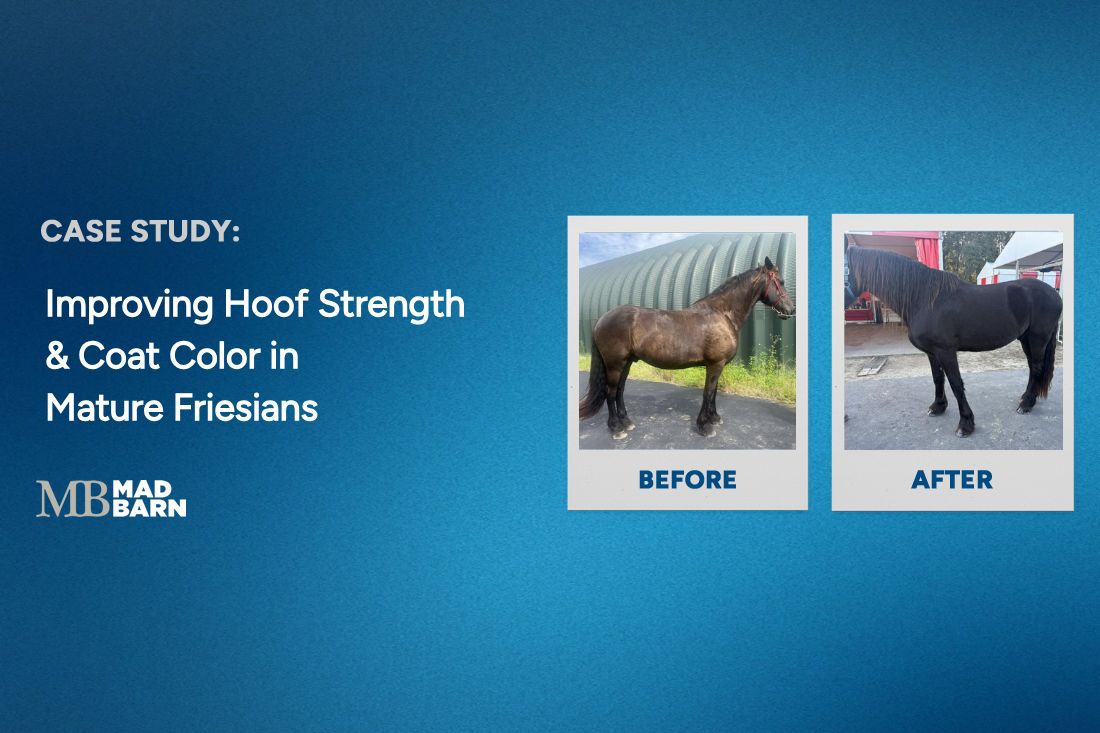
Hoof growth and hoof quality are common concerns in mature horses, particularly in breeds such as Friesians that are prone to thin soles, slow hoof growth, and brittle hoof walls. [1] Nutritional imbalances are a well-recognized contributor to poor hoof strength and reduced horn production.
Deficiencies in key nutrients, including zinc, copper, biotin, and essential amino acids, can impair keratin formation, enzyme function, and keratinocyte activity within the hoof capsule. Because keratin is also the primary structural protein in hair, these same nutrient gaps may contribute to coat dullness, fading black coat color, and reduced hair quality.
Coat pigmentation in Friesian horses is influenced by genetics, ultraviolet exposure, and dietary mineral intake. Adequate zinc and copper are required for normal melanin synthesis, which supports rich black coat color and overall skin and hair health.
In this 16-week field study conducted in Florida, 16 mature Friesian geldings were fed a balanced ration supplemented with Omneity® and 3:1 Zinc Copper. The objective was to evaluate the effects of targeted mineral and amino acid supplementation on hoof growth rate, hoof quality, and coat color. Horses receiving the balanced diet demonstrated faster hoof growth and visible improvements in coat pigmentation over the study period.
Nutrition for Hoof Health & Coat Color
Hoof growth and coat pigmentation in horses reflect overall nutritional status. Horses require a diet that meets established vitamin and mineral requirements to support normal keratin production and pigment synthesis.
The tissues that form the hoof wall and hair require adequate intake of amino acids, trace minerals, and vitamins to support normal cellular turnover and protein synthesis. When key nutrients are undersupplied, or when mineral ratios are imbalanced, hoof horn quality and coat color may be compromised.
Forage-based diets commonly fall short in zinc, copper, and certain other nutrients. In addition, elevated iron levels in forage can reduce zinc and copper utilization, increasing the risk of functional deficiency even when total intake appears sufficient.
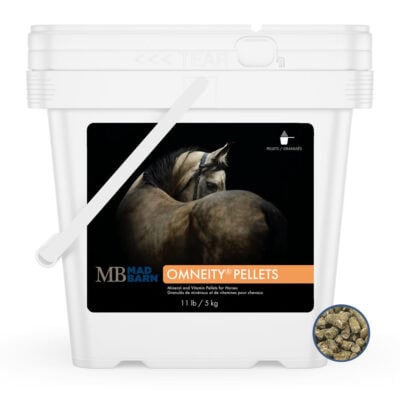
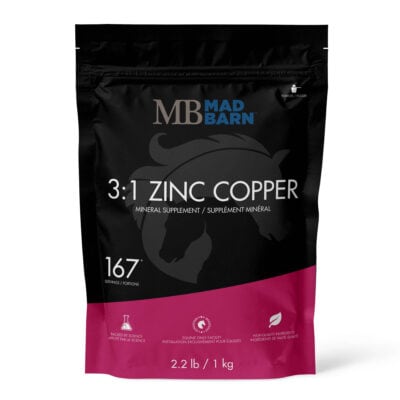
In this field study, diets were balanced using Mad Barn’s Omneity®, a comprehensive vitamin and mineral supplement formulated for forage-based rations, including biotin and bioavailable trace minerals. Because the forages analyzed contained high iron concentrations, 3:1 Zinc Copper was added to further support zinc and copper status and improve mineral ratios.
The sections below review the nutrients most closely associated with hoof horn growth and coat pigmentation.
Hoof Health
The hoof wall is made up of keratin, a protein produced within specialized cells called keratinocytes. This protein is rich in the sulfur-containing amino acids methionine and cysteine. Supporting keratinocyte function and keratin production relies on adequate amino acids in the diet along with other key nutrients.
The trace minerals zinc and copper support optimal hoof growth by contributing to keratinocyte function, enzymatic activity, and structural integrity of keratinized tissues. It is critical that diets provide at least the NRC recommended intake of these minerals to support strong hoof horn growth. [2]
In addition, these minerals must be supplied at an appropriate ratio relative to iron. High iron intake can interfere with the absorption of zinc and copper, leading to insufficient levels in the body. [3] This secondary deficiency can occur despite seemingly adequate dietary intake.
Research indicates that supplementing 15–60 mg of biotin per day can increase hoof wall growth. [4][5][6] Low biotin status is often associated with hoof health issues such as weakened white line integrity and hoof-wall cracks. [7]
Coat Quality & Color
Coat color and quality reflect both genetics and overall health. While a horse’s base shade is determined by genetics, environmental factors such as diet and sun exposure can noticeably alter depth, shine, and resistance to fading.
Nutrition strongly influences pigment production and hair structure. Hair is composed primarily of keratin, and its strength and integrity depend on adequate nutrient supply. A faded or red-tinged coat on black horses can be a sign of zinc and/or copper deficiency.
Copper is a cofactor for tyrosinase, a key enzyme involved in making melanin — the dark pigment in hair. Inadequate copper is associated with yellowing in chestnuts and a rusted cast in black coats.
Zinc supports both tyrosinase activity and keratin formation, with deficiencies linked to dull, faded, or frizzy hair. Supplementation with organic sources of zinc and copper supports strong hair growth in horses. [8][9][10][11]
Dietary supplements targeting hoof and coat quality often contain select ingredients, namely methionine, zinc, copper and biotin. However, forage-based diets with a hoof supplement will still be imbalanced and contain other nutrient deficiencies that can contribute to suboptimal health.
Research Field Study
In September 2024, a diet evaluation was conducted for a herd of Friesians housed together at a large facility in central Florida. At the time of assessment, many of the mature horses presented with:
These issues are commonly associated with trace mineral deficiencies affecting skin, coat, and hoof integrity, particularly inadequate copper, zinc, and biotin intake.
To assess the contribution of nutritional imbalance, a herd-wide diet evaluation was conducted. Representative photographs from fall 2024 are shown below.
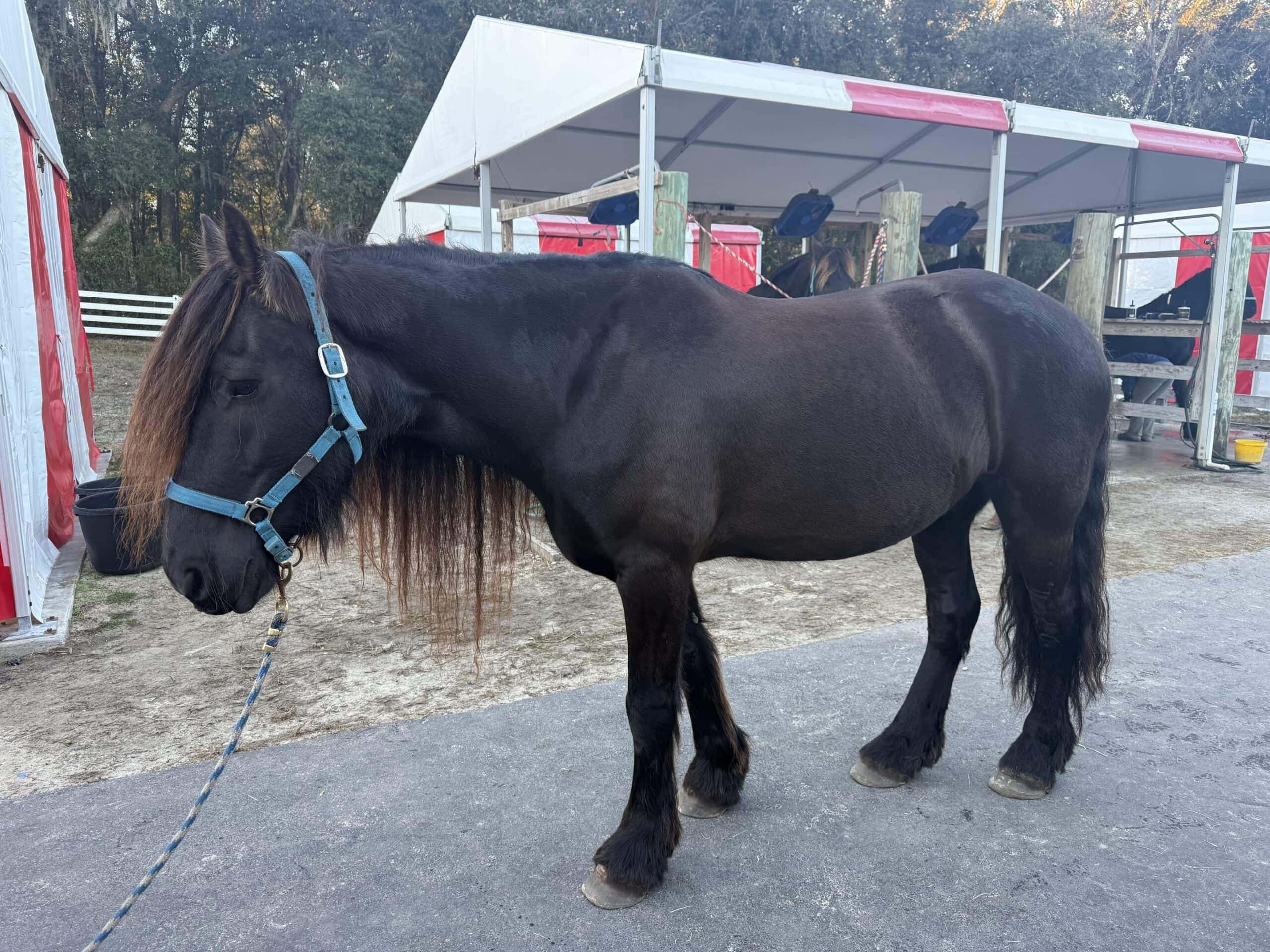 Frieso, Nov 2024
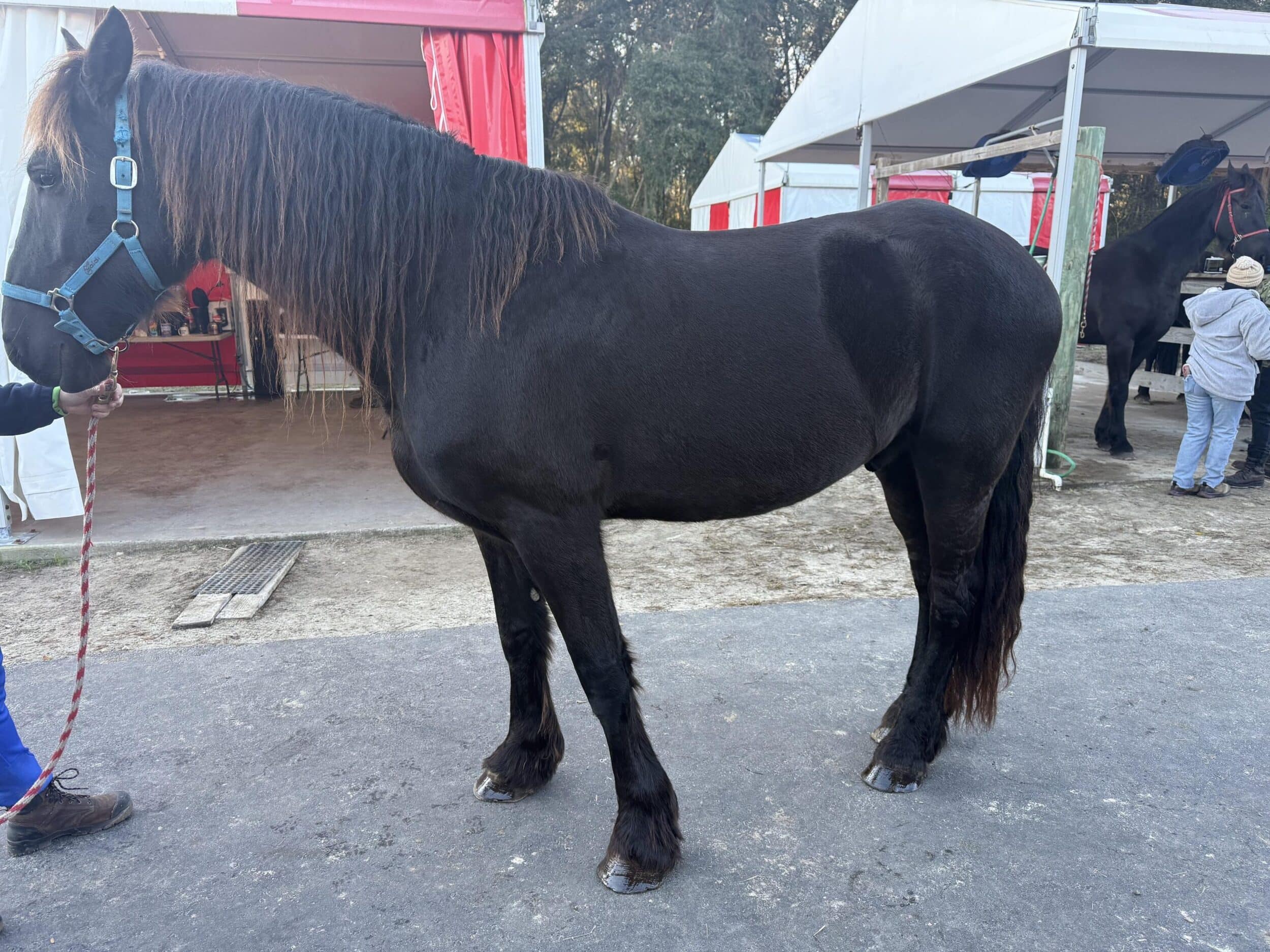 Dowe, Nov 2024
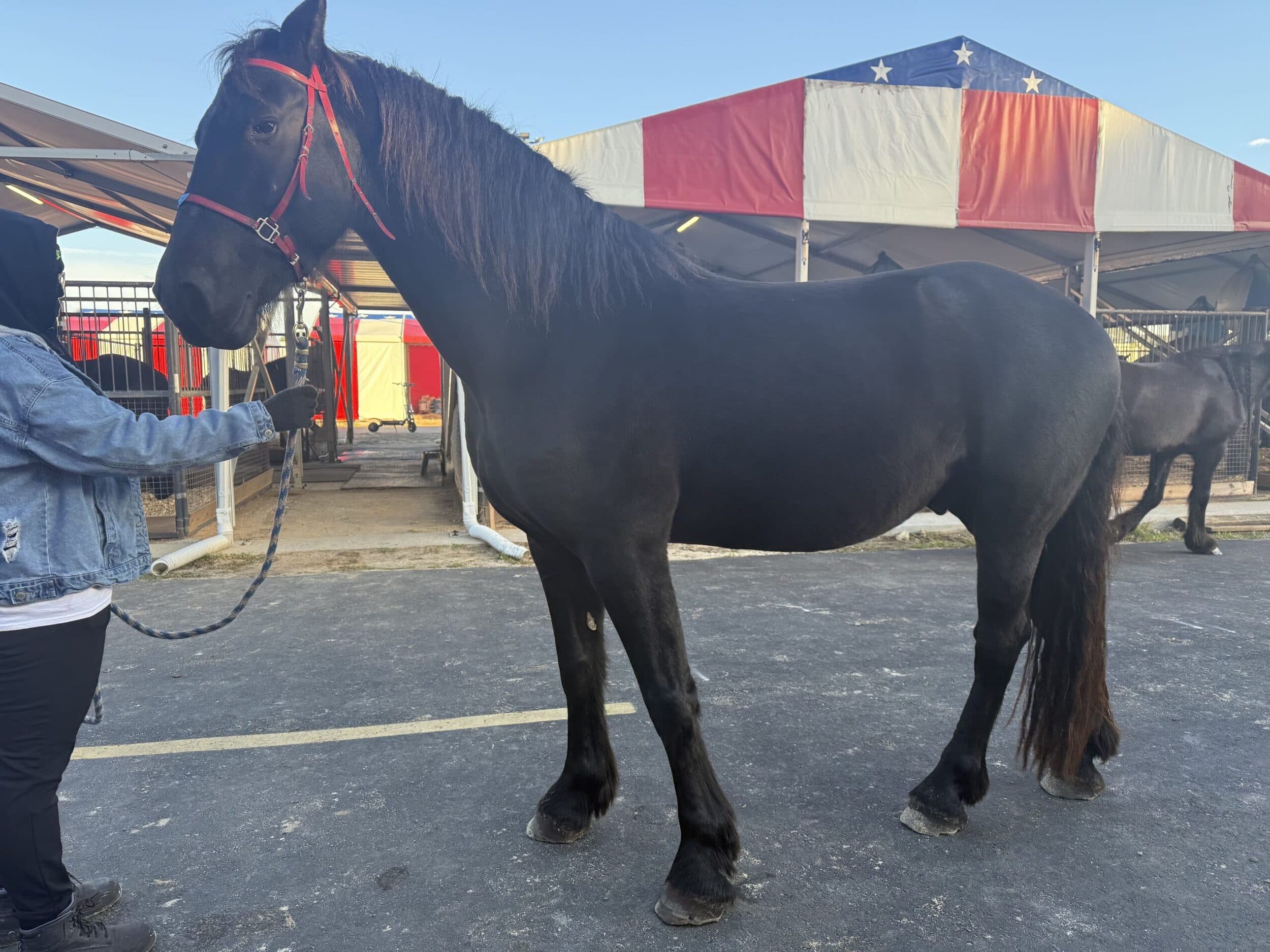 Cornelio, Nov 2024
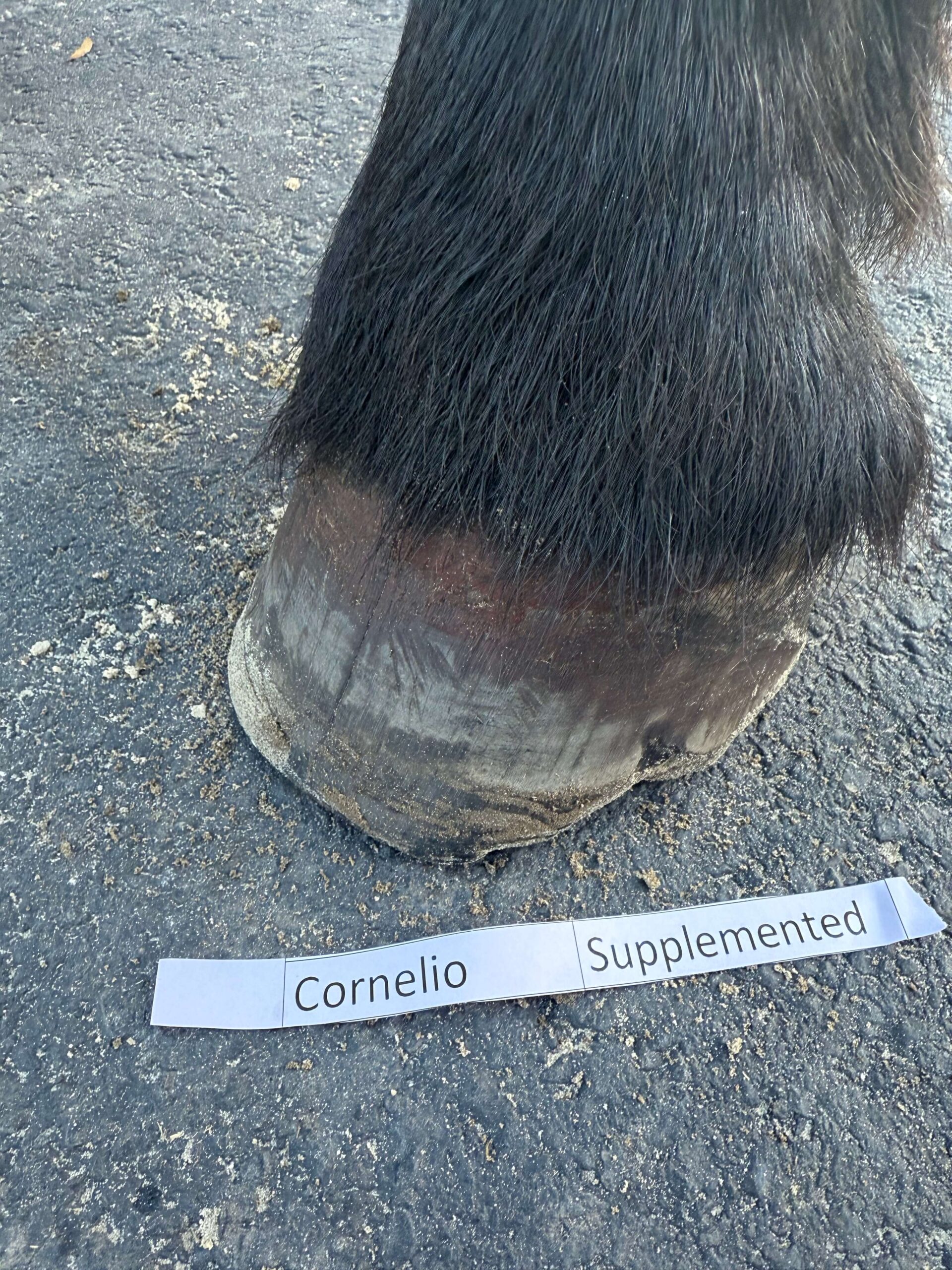 Cornelio, Nov 2024
Herd History
Sixteen mature Friesians had been housed together at a 52-acre facility in Florida since early 2024. Through the ranch’s first summer, the owner observed hoof cracks and progressive sun-bleaching across multiple horses, prompting a request for a herd-wide nutrition review.
Until that point, the herd was managed on a forage-based program of free-choice grass hay and pasture.
They received approximately 3.3 lb (1.5 kg) per horse per day of a pelleted complete feed and free-choice Himalayan salt, without a targeted trace mineral supplement.
Research Question
The primary objective was to determine whether balancing the diet would improve hoof growth and coat color, and to evaluate the impact of targeted mineral supplementation in a controlled feeding trial.
A 16-week intervention was conducted to measure the effects of diet balancing on hoof growth rate and coat pigmentation in the herd.
Field Study Methods
Diet Evaluation
At the time of the diet evaluation, the herd of mature Friesians was maintained on a forage-based diet consisting of:
- ~3.3 lb (1.5 kg) of complete feed per horse daily
- Free-choice grass hay and pasture
- Access to Himalayan salt (loose and block form)
Hay samples were collected using a forage probe and pasture samples were collected via random clippings in a representative pasture. Samples were analyzed by wet chemistry and AOAC methods. [12]
The grass hay analysis is consistent with a typical mid-maturity forage. However, the iron concentrations in both hay and pasture exceed the Equi-Analytical Database average of 220 ppm, based on over 86,000 samples. [13]
Table 1. Hay and Pasture Composition on a Dry Matter Basis
| Nutrient | Hay | Pasture |
|---|---|---|
| Dry Matter | 83.8% | 33.3% |
| Digestible Energy | 1.68 Mcal/kg | 1.83 Mcal/kg |
| Crude Protein | 8.0% | 10.1% |
| ADF | 42.4% | 40.8% |
| NDF | 72.6% | 73.1% |
| Iron | 353 ppm | 376 ppm |
| Copper | 11 ppm | 13 ppm |
| Zinc | 28 ppm | 22 ppm |
| Manganese | 45 ppm | 84 ppm |
| Selenium | 0.16 ppm | 0.21 ppm |
Pelleted complete feeds can supply energy and protein in forage-based diets, but they may not fully meet vitamin and trace mineral requirements unless fed at the recommended intake.
In many equine diets, feeds are provided below label rates, which can leave micronutrient gaps. Increasing the feeding rate may improve micronutrient supply, but it can also increase total caloric intake and contribute to unwanted weight gain or gut issues.
In this herd, the complete feed was provided at approximately 1.5 kg (3.3 lb) per horse per day. For a 500 kg horse, manufacturer-recommended feeding rates for the feed is from 2.5 to 7.5 kg (5.5 to 16.5 lb) per day, depending on workload and formulation.
This complete feed also did not contain added biotin, an important nutrient to support hoof horn quality and growth.
The guaranteed analysis is included below to show the nutrient levels of the concentrate portion of the ration.
Table 2. Guaranteed Analysis of the Complete Feed Provided
| Nutrient | Content |
|---|---|
| Crude Protein | 14% (min) |
| Crude Fat | 6% (min) |
| Crude Fiber | 10% (max) |
| Calcium | 0.9% (min) |
| Calcium | 1.1% (max) |
| Phosphorus | 0.5% (min) |
| Copper | 60 ppm (min) |
| Zinc | 180 ppm (min) |
| Selenium | 0.6 ppm (min) |
| Vitamin A | 5,000 IU/lb (min) |
| Vitamin D | 500 IU/lb (min) |
| Vitamin E | 45 IU/lb (min) |
Horses and Diets
A 16-week controlled field feeding trial was conducted in 16 mature Friesian geldings. Hoof growth was measured over a 71-day measurement period, and coat color was assessed at baseline and at 16 weeks.
These horses were divided between control and balanced diet groups for equal distribution based on coat color and hoof quality.
Table 3. Baseline Characteristics (mean +/- standard deviation) of Friesian Geldings Enrolled in the Study
| Control | Balanced | |
|---|---|---|
| Age | 8.3 +/- 1.9 years | 8.9 +/- 2.0 years |
| Body Condition Score | 5.9 +/- 0.5 | 6.0 +/- 0.65 |
| Body Weight | 522 +/- 31 kg | 535 +/- 46 kg |
The horses in the control group were maintained on their regular diet with no changes.
The balanced group received the control diet plus 120 grams (4 scoops) of Omneity® premix. Six grams (1 scoop) of 3:1 zinc and copper was added to the diet of the balanced group due to high iron content of the forages. All diets were fed once daily.
Table 4. Diet Composition of Control and Balanced Diets
| Control | Balanced | |
|---|---|---|
| Omneity® Premix | – | 120 grams |
| 3:1 Zinc Copper | – | 6 grams |
| Complete Feed | 1.5 kg | 1.5 kg |
| Hay | Free-choice | Free-choice |
| Pasture | Free-choice | Free-choice |
| Nutrient Analysis | ||
| Digestible Energy | 1.88 Mcal/kg | 1.86 Mcal/kg |
| Protein | 9.11% | 9.12% |
| Iron | 3578 mg | 3633 mg |
| Copper | 193 mg | 412 mg |
| Zinc | 514 mg | 1307 mg |
| Zinc : Copper Ratio | 2.66 | 3.18 |
| Iron : Copper Ratio | 18.51 | 8.83 |
| Biotin | 0 mg | 20 mg |
Although the control diet appears to meet NRC zinc and copper intake values on paper, the iron-to-copper ratio substantially exceeds commonly recommended thresholds, increasing the risk of functional zinc and copper deficiency.
High iron intake from forage may interfere with zinc and copper utilization through competitive interactions during absorption and post-absorptive regulation, thereby contributing to secondary deficiency. [3]
Several other nutrients were undersupplied in the control diet relative to NRC requirements, including: [2]
The control diet also did not provide supplemental biotin to support hoof growth. Evidence indicates that supplementation in the range of 15–25 mg per day supports improved hoof horn quality and growth, particularly in horses with compromised hooves. [5][6][7]
Table 5. Summary of Diet Intervention
| Horse Issue | Nutrition Goal | Intervention | Notes |
|---|---|---|---|
| Hoof Cracking | Meet vitamin and mineral requirements | Add Omneity® Premix and 3:1 Zinc Copper |
Supports hoof wall integrity and repair of cracked, brittle hooves |
| Poor Coat Quality | Meet vitamin and mineral requirements | Add Omneity® Premix and 3:1 Zinc Copper |
Improves overall coat shine and pigment by correcting key mineral deficiencies |
| Mineral Imbalance | Correct trace mineral competition | Add 3:1 Zinc Copper | Helps offset high dietary iron and supports copper and zinc absorption |
Hoof Growth Measurement
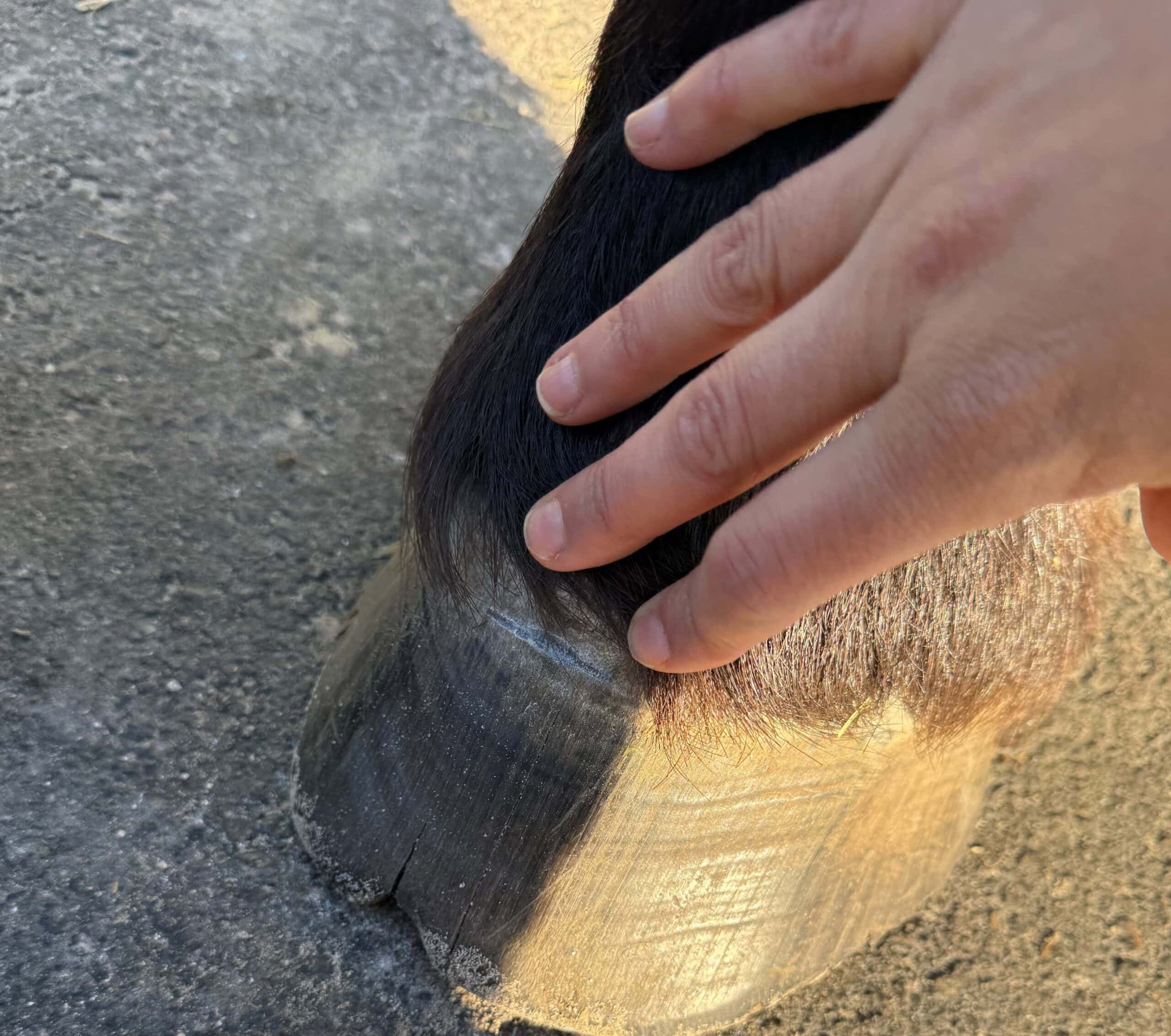
A rasp line on the hoof wall of all four hooves was used to measure hoof growth as has been done in other studies. [14] Hoof growth was quantified as the difference between the rasp line and coronary band using a caliper over a 71-day shoeing and trim interval during the trial.
Coat Color Assessment
Side profile images of each horse were taken prior to the study and after 16 weeks of feeding. Two assessors assigned a color score of 1 to 5 to the neck, shoulder, flank, croup, and tail base with 1 being the lightest color and 5 being black according to the following scale:

Results & Discussion
Faster Hoof Growth with a Balanced Diet Containing Omneity® and 3:1 Zinc Copper
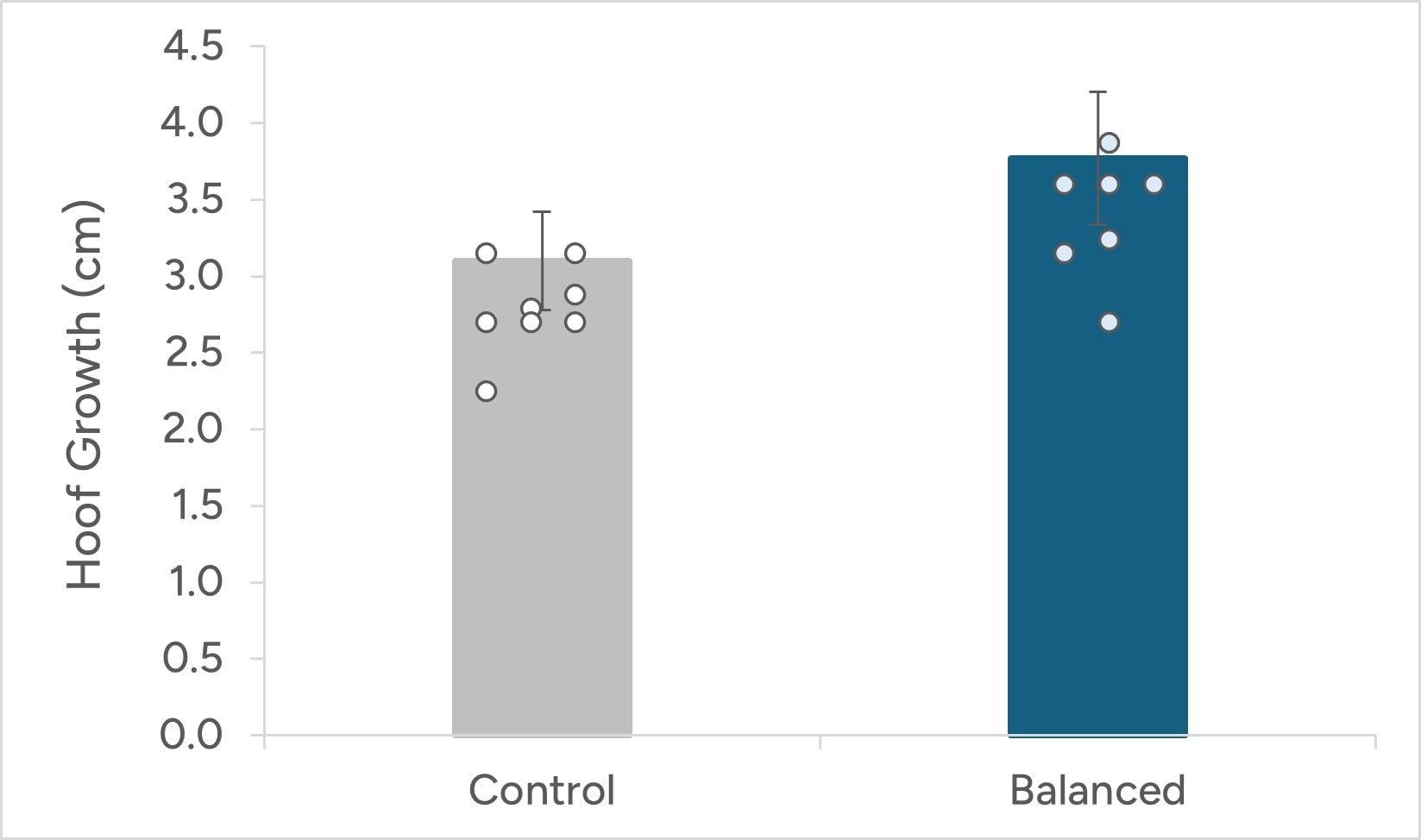
Horses that were fed fully balanced diet of Omneity® with 3:1 Zinc Copper had hoof growth that was 22% faster than unsupplemented horses. During this study, average hoof growth on a balanced diet was 3.77 cm (+/- 0.43 cm) compared to 3.10 cm (+/- 0.32 cm) in the control group.
Assuming the average hoof is 9 cm (3.54 inches) from coronary band to the ground, the horses that have a fully balanced diet would be expected to have complete hoof wall replacement in 169 days (5.6 months), compared to 206 days (6.8 months) in the control group. This suggests that defects associated with compromised hoof horn, such as cracks, may resolve more quickly as new, healthier wall replaces damaged tissue.
Other studies in mature horses have shown that nutrient deficiencies or supplementation strategies that do not adequately address mineral bioavailability are associated with slower hoof growth compared to supplementation with organic minerals. [14][32] However, those studies evaluated the addition of a few key nutrients rather than balancing the diet as a whole.
The inclusion of an untreated control group was critical to distinguish the effects of diet balancing from normal seasonal changes in hoof growth, routine trimming, or nutritional fluctuations in forage.
Because both groups of horses live in the same environment, consume the same high-iron forage and are managed under identical conditions, the faster hoof growth can be confidently attributed to the fully balanced diet.
Improvement in Hoof Quality
In addition to increased growth rate, it was anecdotally observed that horses on the balanced diet developed hooves with more uniform wall growth and showed fewer instances of cracking in the new growth, indicating stronger structural development.
To resolve vertical hoof cracks completely, the dietary support needs to be sustained for the duration of a complete hoof wall replacement period of at least 6 months.
Environmental conditions can also influence hoof quality during this time. If possible, avoiding extreme wet-dry cycles and adding moisture to overly dry feet, supports hoof quality. [15][16][17][18][19]
Change in Coat Color
Between September 2024 and January 2025, all horses showed improvement in subjective coat color. The coat color score in the balanced diet group increased from an average of 2.75 to 4.63, while the control group increased from 2.97 to 4.65. However, this difference was not statistically significant.
Besides nutrient supply, many factors influence coat color in horses, including exposure to ultraviolet (UV) light. The horses in this study were outside 24/7 without UV sheets or other blankets.
During the September to January period when this study took place, there is an annual decrease in UV intensity in central Florida. Historical records from 2006 – 2023 indicate that the average UV index in Northern and Central Florida is: [20][21]
- September: 8-9 (very high)
- October: 6-7 (high)
- November: 4-5 (moderate)
- December: 3-4 (moderate)
- January: 4-5 (moderate)
The seasonal decrease in UV exposure likely contributed to reduced sun damage and coat fading across both groups. UV light is known to lighten coat color and damage hair fibre. [22]
Other coat quality indicators such as hair strength and coat shine were not measured in this study but may have shown improvement with the balanced diet: [23][24][25][26][27][28][29][30][31]
- Hair strength: Organic zinc and copper supplementation has been shown to strengthen horse hair when provided to adequate levels. Biotin and the sulfur-containing amino acids methionine and cysteine are also essential for keratin production.
- Coat shine: A glossy, shiny coat comes from the production of oils (sebum) by the skin. This is influenced by several nutrients including zinc, vitamin A, and fatty acids.
Conclusions from this Field Study
This field study demonstrates that balancing a forage-based diet with Omneity® and targeted zinc and copper supplementation was associated with faster hoof growth in mature Friesian horses. Omneity® contains sufficient zinc and copper to balance the majority of forages in North America.
However, the forages fed in this study contained high levels of iron (353 ppm and 376 ppm) compared to an average of 220 ppm in the equi-analytical database of 86,000 grass hay samples. [13] Therefore, 6 grams of 3:1 zinc copper were added to balance this high iron intake.
Coat color also improved during this diet intervention. All horses in this study are Friesian geldings, which means there is minimal genetic variability in coat color, hoof structure, and mineral metabolism within the study group. This strengthens the validity of the trial by making balanced and control groups more comparable.
Summary
This report describes a 16-week controlled field feeding trial in mature Friesian geldings evaluating whether balancing a high-iron, forage-based diet with Mad Barn Omneity® and targeted 3:1 Zinc Copper would improve hoof growth, hoof integrity, and coat pigmentation.
- The herd was maintained on free-choice grass hay and pasture plus 1.5 kg/day (3.3 lb/day) of a pelleted complete feed; forage testing showed high iron with marginal copper and zinc, increasing risk of trace mineral imbalance.
- Because the complete feed was fed below typical label rates and did not include added biotin, it did not fully meet vitamin and trace mineral requirements on its own and was unlikely to support optimal hoof health.
- Horses were assigned to control or balanced diet groups under identical management; the balanced diet group received Omneity® (120 g/day) plus 3:1 Zinc Copper (6 g/day).
- Hoof growth measured over a 71-day interval averaged 3.77 cm in the balanced group versus 3.10 cm in controls, representing 22% faster growth.
- Hoof quality improved in the balanced group based on fewer cracks and more uniform new wall growth; coat color scores improved in both groups over the study period, with no statistically significant difference between diets.
References
- Latham. C.M. et al. A survey of North American horse diets: What are we missing?. J Equine Vet Sci. 2023.
- Nutrient Requirements of Horses: Sixth Revised Edition. National Academies Press, Washington, D.C. 2007.
- Doguer. C. et al. Intersection of Iron and Copper Metabolism in the Mammalian Intestine and Liver. Compr Physiol. 2019.
- Kunkle. W. E. et al. Effects of biotin on hoof growth and quality in horses. Journal of Equine Veterinary Science. 1997.
- Reilly. J.D. et al. Effect of supplementary dietary biotin on hoof growth and hoof growth rate in ponies: a controlled trial. Equine Vet J. 2010.
- Buffa. E.A. et al. Effect of dietary biotin supplement on equine hoof horn growth rate and hardness. Equine Vet J. 1992.
- Josseck. H. et al. Hoof horn abnormalities in Lipizzaner horses and the effect of dietary biotin on macroscopic aspects of hoof horn quality. Equine Vet J. 1995.
- Rzepka. Z et al. From tyrosine to melanin: Signaling pathways and factors regulating melanogenesis. Postepy Hig Med Dosw. 2016.
- Marycz. K. et al. The Correlation Of Elemental Composition And Morphological Properties Of The Horses Hair After 110 Days Of Feeding With High Quality Commercial Food Enriched With Zn And Cu Organic Forms. E Journal Polish Agri Universities. 2009.
- Malgorzata. Kania et al. Effect of diet on mechanical properties of horse's hair. Acta Bioeng Biomech. 2009. View Summary
- McLean. L. M. and Jones. W. E. Depigmentation — copper supplement therapy a case report. J Equine Vet Sci. 1983.
- Latimer Jr. G.W. Official Methods of Analysis of AOAC INTERNATIONAL. 22nd Edition. Oxford University Press. 2023.
- Equi-Analytical.Feed Composition Library -Grass Hay. Accessed Jan 16, 2026.
- Suagee-Bedore. J.K. et al. Thirty-Two Weeks of Oral Supplementation with LinPro™ Increases Hoof Growth in Healthy Mares. J Equine Vet Sci. 2022.
- Booth. T. Clinical aspects of the equine foot Part 3: Hoof cracks and wall injury. UK Vet. 2009.
- Carter. G.K. and Maki. J. Hoof Cracks and Wall Defects. AAEP Proceedings. 2010.
- Kane. E. Hoof cracks: Finding cause is key to treatment, repair. DVM 360. 2008.
- Pleasant. R. S. et al. Farriery for Hoof Wall Defects: Quarter Cracks and Toe Cracks. Vet Clin Equine. 2012. View Summary
- Fürst. A. et al. [Do hoof cracks represent a superficial hoof-problem?] Schweiz Arch Tierheilkd. 2006. View Summary
- United States Environmental Protection AgencySun Safety Monthly Average UV Index 2006-2023. 2025.
- Climate Prediction Center UV Index: Annual Time Series. Jacksonville, Florida. 2024.
- Dario. M.F. et al. Effects of solar radiation on hair and photoprotection. J Photochem Photobiol. 2015.
- Whitehead. C. C. Assessment of biotin deficiency in animals. Ann N Y Acad Sci. 1985.
- Fritsche. A. et al. Pharmakologische Wirkungen von Biotin auf Epidermiszellen [Pharmacologic effects of biotin on epidermal cells]. Schweiz Arch Tierheilkd. 1991. View Summary
- Finner. A. M. Nutrition and Hair: Deficiencies and Supplements. Dermatologic Clinic. 2013.
- Combarros. D. et al. A Prospective, Randomized, Double blind, Placebo-Controlled Evaluation of the Effects of an N-3 Essential Fatty Acids Supplement (Agepi® ?3) on Clinical Signs, and Fatty Acid Concentrations in the Erythrocyte Membrane, Hair Shafts and Skin Surface of Dogs with Poor Quality Coats. Prostaglandins, Leukotrienes & Essential Fatty Acids. 2020.
- Goh. Y. M. et al. Plasma n-3 and n-6 fatty acid profiles and their correlations to hair coat scores in horses kept under Malaysian conditions. J Vet Malaysia. 2004.
- Jancíková. P. et al. The Effect of Feed Additive Containing Vitamins and Trace Elements on the Elements Profile and Growth of Skin Derivatives in Horses. Annals of Animal Science. 2012.
- Nosewicz. J.B.S. et al. The epidemiology, impact, and diagnosis of micronutrient nutritional dermatoses part 1: Zinc, selenium, copper, vitamin A, and vitamin C. J Am Acad Dermatol. 2022.
- Ogawa. Y. et al.Zinc and Skin Disorders. Nutrients. 2018.
- Boelsma. E. et al.Human skin condition and its associations with nutrient concentrations in serum and diet. Am J Clin Nutr. 2003.
- Warren. L.K. Effect of Dietary Trace Mineral Amino Acid Complexes on Hoof Wall and Sole Growth and Humoral Immune Function in Lactating Mares. J Equine Vet Sci. 2009.