English






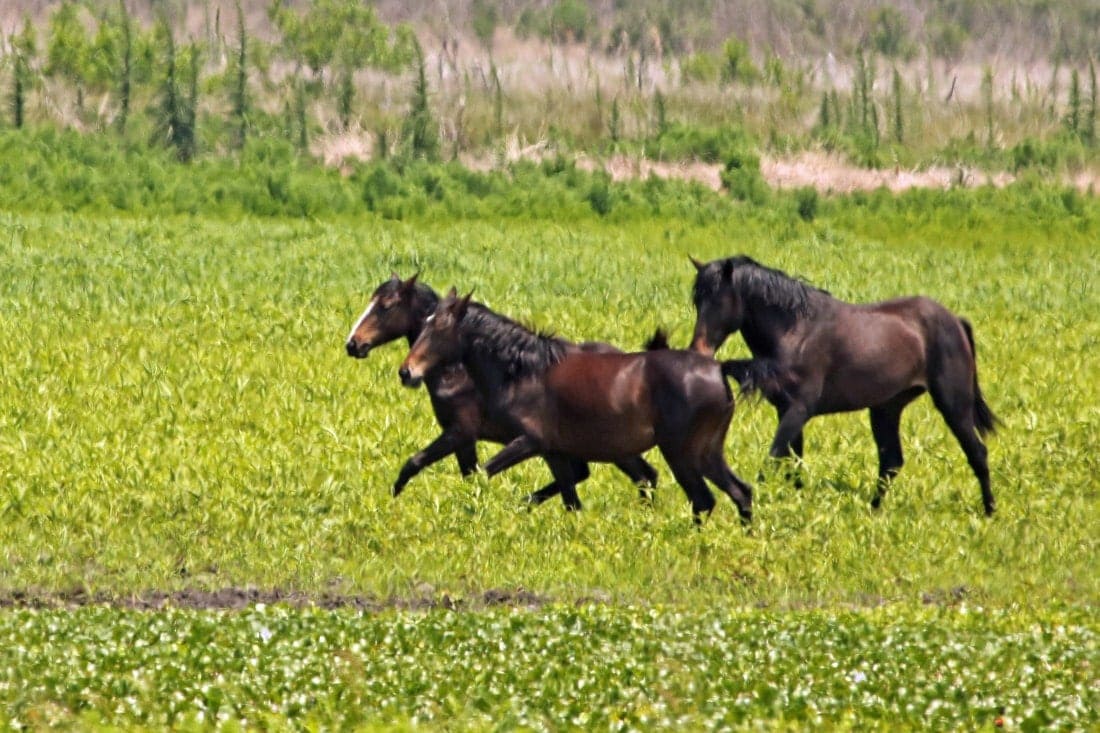
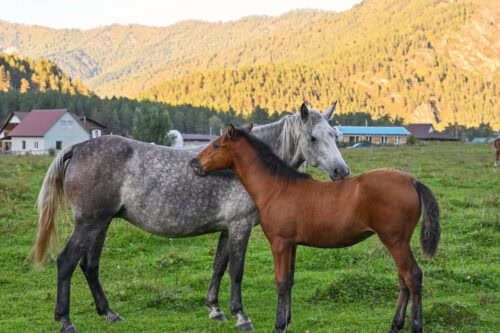
The Florida Cracker Horse is a rare and historically significant horse breed known for its deep roots in American heritage.
Developed from Spanish horses brought to Florida in the 16th century, this breed played a vital role in the cattle industry and helped shape the identity of the Southeastern United States.
Small in stature but big in endurance, Florida Crackers are naturally athletic, heat-tolerant, and well-suited for life in rugged environments. Today, the Florida Cracker is recognized as an endangered breed, with conservation efforts focused on preserving its unique traits.
Keep reading to learn more about the history, characteristics, health problems, and nutritional needs of Florida Cracker horses.
Florida Cracker Horse History
The Florida Cracker Horse is one of the oldest horse breeds in the United States. Closely tied to Florida’s ranching heritage, this breed played a critical role in shaping the cattle industry and preserving Colonial Spanish bloodlines.
Origin
The Florida Cracker descends from Iberian horses brought to the Americas by Spanish explorers, including those on expeditions led by Ponce de León and Hernando de Soto in the 16th century.
Many horses of Barb, Andalusian, and Jennet lineage were left behind or escaped and established feral populations throughout the Southeast. [1]
Natural selection in Florida’s subtropical climate, combined with selective breeding by settlers, helped shape the Florida Cracker. The breed rapidly evolved in the challenging conditions of the southeastern U.S. to become a tough, heat-adapted, and dependable working horse.
However, these horses still retained many distinctive characteristics of Colonial Spanish breeds, including a strong topline, expressive eyes, and smooth, ground-covering gaits.
The Florida Cracker shares genetic and historical ties with other regional Colonial Spanish horse breeds, such as the Marsh Tacky of South Carolina and the Banker Horse of North Carolina’s Outer Banks. [1]
Historic Use
From the colonial times through the early 1900s, the breed was the preferred mount for ranchers and cowhands across Florida. Florida Crackers earned their name from the “Cracker cowboys” who used them for herding cattle across Florida’s palmetto flats and pine woods. [2]
Their sure-footed gaits and strong work ethic made them indispensable to Florida cowboys working on the vast, untamed landscapes. [2]
The breed’s agility, speed, and endurance also helped them maneuver through thick brush and rugged terrain, and their willing disposition allowed them to work long hours without tiring.
However, as popularity of the American Quarter Horse grew in the mid-20th century, the Florida Cracker saw a steep decline in population as modern cattle operations favored larger, more muscular horses for short bursts of speed.
Despite this, small populations of Florida Crackers are still maintained on isolated family ranches, preserving the breed’s genetic heritage through traditional ranching practices.
Breed Registry
Efforts to preserve and promote the Florida Cracker picked up in the 1980s. In 1989, the Florida Cracker Horse Association (FCHA) was established to conserve the breed and maintain a formal registry. [3]
The FCHA works closely with the state of Florida and private breeders to register horses, educate the public, and promote the historical significance of the breed. [3]
Additionally, the Livestock Conservancy recognizes the Florida Cracker as a critically important heritage breed and includes it on its Conservation Priority List. [4]
Through continued conservation efforts, the Florida Cracker is gaining recognition as both a modern riding horse and a living symbol of America’s colonial and agricultural past.
| Breed Summary | |
|---|---|
| Breed Name | Florida Cracker Horse |
| Also Known As | Cracker Horse |
| Breed Type | Light horse |
| Origin | Florida, United States |
| Breed Registry | Florida Cracker Horse Association (FCHA) |
| Population Status | Endangered; fewer than 1,000 registered horses |
| Average Height | 13.2 – 15.2 hh |
| Common Coat Colors | Bay, black, gray, dun, grullo, roan; occasional pinto; primitive markings |
| Conformation | Compact, lean, athletic, narrow chest, sloped shoulder, short strong back, level topline, slightly sloping croup, fine strong limbs, hard hooves, refined head |
| Common Uses | Ranch work, trail riding, pleasure riding, endurance riding, rodeo |
| Temperament | Intelligent, alert, willing, bold, responsive |
| Best For | Experienced riders, ranchers, trail and endurance riders |
| Common Health Concerns | Equine metabolic syndrome, laminitis, obesity, insect-related skin irritation, vector-borne disease, heat stress during acclimation |
What's your top priority with your horse's health?

Enter your email to receive your store credit
Florida Cracker Horse Characteristics
Florida Cracker Horses are small but sturdy equines known for their exceptional endurance, agility, and adaptability.
They retain many traits of their Spanish ancestors, including refined facial features, smooth gaits, and high energy levels without being hot-headed or reactive.
Conformation
Florida Crackers are compact light riding horses, typically standing between 13.2 and 15.2 hands. They have a lean, athletic build with a narrow chest and fine but strong limbs. [3]
Key conformation traits in Florida Crackers include: [3]
- A sloped shoulder and short, strong back
- Well-defined withers and a level topline
- Medium-length neck and slightly sloping croup
- Hard, durable hooves well-suited to sandy or rough terrain
- A refined head with expressive eyes and alert ears
These physical attributes contribute to their agility, stamina, and ability to perform long days of work in hot and humid environments.
Colors
Florida Crackers come in a wide variety of coat colors.
Common colors include:
- Bay
- Black
- Gray
- Dun
- Grullo
- Roan
Less frequently, they may also exhibit pinto patterns or primitive markings such as dorsal stripes, leg barring, and shoulder crosses, particularly in dun colors. This wide range of coloring reflects the genetic diversity preserved in the breed’s Colonial Spanish roots.
Temperament
In addition to their physical hardiness, Florida Crackers are intelligent, alert, and willing partners with a steady temperament. [3]
Florida Crackers are known for being bold and responsive. Bred for practical ranch use, they are typically sensible under saddle, quick to learn, and adaptable to different handling environments.
While sometimes strong-willed, they are highly trainable with consistent handling. These traits make them excellent partners for experienced riders, ranchers, and those seeking a hardy companion for trail or endurance riding.
Disciplines
Developed over centuries in the subtropical climate of the southeastern United States, these horses are built for long hours of work under challenging conditions.
Their light frame, efficient movement, and sure-footedness make them highly functional for a variety of uses. Originally bred for cattle work, the Florida Cracker remains a versatile riding horse that excels in many disciplines.
Thanks to their smooth gaits and endurance, the breed is especially valued in activities that require agility, stamina, and responsiveness.
Common disciplines for Florida Crackers include:
- Ranch work
- Trail and pleasure riding
- Endurance riding
- Rodeo events
While not typically used for modern competitive sports like jumping or dressage, Florida Crackers shine in functional and recreational settings where their natural traits and historical background are appreciated.
Florida Cracker Horse Health
Naturally acclimated to Florida’s subtropical climate, Florida Crackers are well adapted to tough conditions. However, some modern management practices can increase the risk of certain health problems in this breed.

“The Florida Cracker Horse is a hardy, low-maintenance breed that thrives in hot, humid climates. With routine preventive care, appropriate nutrition, and regular turnout, they tend to stay sound and resilient well into their senior years.”
— Dr. Fran Rowe DVM, PASMad Barn Veterinary Nutritionist
Genetic Diseases
To date, no breed-specific inherited diseases have been identified in Florida Cracker Horses.
However, their small breeding population, which is estimated at fewer than 1,000 registered horses, raises concerns about inbreeding and loss of genetic variability, as documented in related colonial Spanish breeds. [5]
Efforts are ongoing to monitor inbreeding coefficients within the breed, maintain foundation bloodlines, and encourage better breeding practices.
Genetic testing for common equine disorders is not generally necessary in Florida Crackers, but may be used to identify rare bloodlines essential for preserving diversity.
Health Problems
Florida Crackers are notably resilient to environmental stressors. However, several health concerns may arise when horses are removed from their traditional management conditions or overfed in modern environments.
Like many breeds descended from Colonial Spanish horses, Florida Crackers may be more susceptible to developing metabolic issues, such as equine metabolic syndrome (EMS). This condition is associated with insulin resistance and an increased risk of laminitis. [6]
Research suggests descendants of Iberian stock, such as the Criollo, are more prone to insulin resistance than other breeds. These horses require careful nutritional management to maintain their health. [7]
Florida Crackers are highly heat-tolerant, but performance horses or those relocated from cooler regions may need time to acclimate and should be monitored during extreme temperature shifts. [8]
Horses that live in Florida are also at risk of contracting vector-borne diseases due to the high density of biting insects. Unlike in cooler regions, flies and insect-linked skin irritations are a year-round concern in Florida.
Some fly avoidance behaviors, such as stomping and running, can compromise hoof integrity and increase the risk of injury in horses without shelter and fly protection. [9]
Care and Management
Florida Cracker Horses thrive with lifelong, quality basic care that meets their physical, mental, and behavioral needs. These hardy, intelligent horses benefit from attentive management suited to their active nature and strong working heritage.
- Hoof Care: Trim every 6–8 weeks to maintain proper balance and prevent strain, especially for horses working on varied terrain common in the breed’s native environments.
- Veterinary Exams: Schedule annual wellness exams and vaccinations, with periodic checks for joint health and metabolic stability. Regular lameness evaluations help identify early signs of strain from active ranch or trail use.
- Dental Care: Annual dental floatation supports efficient chewing and digestion. Older horses may need more frequent exams to maintain weight and comfort.
- Exercise and Turnout: Provide daily exercise and ample turnout to satisfy their energetic disposition, promote muscle tone, and support joint health.
Florida Cracker Horses do best in environments that mimic the lifestyle under which they evolved. Provide shade, clean water, and shelter, ensuring adequate hydration especially during peak temperatures.
Despite their adaptability, horses should not be left without shelter in excessive wet or hot conditions, as this can increase stress. [8]
Daily turnout on dry lots or sparse pastures is ideal. Regular movement helps prevent obesity and supports joint and hoof health. Avoid unrestricted turnout on rich pasture to reduce the risk of EMS and laminitis. [6]

Nutrition
Meeting the nutritional needs of the Florida Cracker requires a careful balance between avoiding excess energy and ensuring that essential nutrients are adequately supplied. A forage-first diet balanced with targeted supplementation supports optimal health.
Weight Maintenance
Florida Cracker Horses are considered easy keepers. They evolved to thrive on sparse forage and limited resources.
Their efficient metabolism allows them to maintain condition easily, but this also means they are prone to weight gain.
Weight gain from overfeeding diets rich in starch and sugar can predispose the Florida Cracker Horse to metabolic conditions. To maintain a healthy body weight, monitor body condition regularly and adjust feed accordingly to account for activity level, seasonal changes, and age.
Sample Diet
The following sample diet is intended for a mature 900 lb (410 kg) Florida Cracker horse with normal body condition at maintenance (not exercising).
| Feed | Amount per day |
|---|---|
| Mid-Quality Hay (10% crude protein) | 20 lb (9 kg) |
| Salt | 15 g (1 tbsp) |
| Omneity® Pellets | 150 g (1.5 scoops) |
| Diet Analysis | |
| Digestible Energy (% of Req) | 117% |
| Protein (% of Req) | 156% |
| HC (ESC + starch; % Diet) | 8.8% |
While adequate quality forage supplies most of the calories and protein a Florida Cracker Horse needs, a hay-only diet is often short on key vitamins and minerals. Providing a balanced supplement helps prevent deficiencies and supports long-term health.
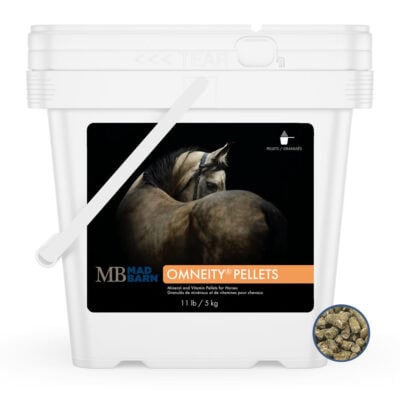
Mad Barn’s Omneity® is a comprehensive vitamin and mineral supplement that also includes amino acids, digestive enzymes, and yeast cultures to promote optimal nutrient absorption and overall well-being in Cracker horses.
Feeding Omneity® helps maintain strong hooves, a resilient immune system, and steady metabolic function. Because it contains no added sugars, it’s an excellent choice for easy keepers and horses adapted to light work or forage-based diets.
Forage
A forage-based diet mimics the natural grazing habits of wild horses and supports optimal digestive health in Florida Cracker Horses. Most horses will consume approximately 2% of their body weight in dry matter daily, which is about 20 lb (9 kg) of hay for a 900 lb (410 kg) Cracker horse on a forage only diet. [10]
Medium-quality, low-starch, low-sugar grass hay is ideal for this easy-keeper breed. Higher-calorie forages, such as alfalfa, can be added in moderation for horses in heavier work or those requiring additional condition.
Offering free-choice forage helps maintain digestive health and reduces unwanted behaviors like cribbing or pacing. However, Cracker horses may overconsume when hay is unrestricted. Using a slow feeder or grazing muzzle can help moderate intake while allowing for natural foraging behavior.
Full-time turnout on lush grass pasture may not suit this breed, particularly during the spring when sugars are high. For horses prone to weight gain or metabolic issues, consider turnout in a dry lot with controlled hay feeding to maintain healthy body condition. [11]
Feeding Recommendations
Florida Cracker Horses in regular or demanding work may be offered commercial grain-based feeds to increase energy intake. However, these feeds often contain excess sugar and starch, which can be unnecessary for this hardy breed and may raise the risk of metabolic and digestive issues.
When concentrates are used, divide the daily portion into several small meals to minimize the risk of gastric upset. Many Cracker horses perform well on fiber-based alternatives such as soaked hay pellets or beet pulp, which provide steady energy without spiking blood sugar.
For horses in heavier work, consider adding fat supplements as a source of cool energy to support endurance without the risk of excess starch and sugar. [12]
All Florida Cracker horses should have constant access to fresh, clean water to prevent dehydration. Offering free-choice loose salt encourages healthy drinking habits.
Because most diets lack adequate sodium, adding 1–2 tablespoons of plain salt daily to the feed is recommended and typically more effective than relying on a salt block.
Nutritional Supplements
While Florida Crackers typically do not require high-energy feeds, they often benefit from targeted supplementation to address common nutritional imbalances and support long-term wellness.
- Magnesium Oxide is beneficial for easy keepers and horses prone to insulin resistance. Magnesium plays a role in muscle relaxation, glucose metabolism, and neurological function.
- Performance XL Electrolytes supports hydration, especially for horses living or working in Florida’s hot, humid climate.
- W-3 Oil is an omega-3 oil supplement that provides skin, coat, and anti-inflammatory support which is useful for horses with dry skin or inflammation, or to add cool calories without starch.
For personalized recommendations, submit your Florida Cracker’s diet online to receive a free evaluation from our qualified equine nutritionists.
Frequently Asked Questions
Here are some frequently asked questions about Florida Cracker Horses:
The Florida Cracker Horse is a rare American horse breed descended from Spanish horses brought to Florida in the 16th century. Florida Cracker Horses are known for their endurance, agility, heat tolerance, and long history as working cattle horses. The breed is closely tied to Florida’s ranching heritage and remains an important part of the state’s agricultural history.
Florida Cracker Horses are intelligent, alert, willing, and responsive. They are typically sensible under saddle, quick to learn, and adaptable in different environments. While some Florida Cracker Horses can be strong-willed, they usually respond well to calm, consistent handling and regular work.
Florida Cracker Horses are usually better suited to intermediate or experienced riders than complete beginners. They are intelligent, responsive, and willing, but they can also be energetic and somewhat independent. With consistent training and knowledgeable handling, they can be excellent partners, but novice riders may do better with a quieter, more forgiving breed.
Florida Cracker Horses typically stand between 13.2 and 15.2 hands high. They are smaller than many modern stock horse breeds, but their compact, athletic build makes them well suited for ranch work, trail riding, and endurance activities. Their moderate height also reflects their Colonial Spanish heritage.
Common health issues in Florida Cracker Horses include obesity, equine metabolic syndrome, and laminitis, especially when they are overfed or kept on rich pasture. Florida Cracker Horses are generally hardy and healthy, but as easy keepers, they do best on carefully managed diets. Though this breed is accustomed to hot, humid regions, they may also need protection from insect-related skin irritation and vector-borne disease common in warmer areas.
Some Florida Cracker Horses show naturally smooth, ambling gaits, but the breed is not uniformly gaited. Their movement reflects their Spanish ancestry, and some individuals may be especially comfortable to ride over long distances. Even when they are not formally gaited, Florida Cracker Horses are valued for efficient, ground-covering movement.
Florida Cracker Horses are used for ranch work, trail riding, pleasure riding, endurance riding, and some rodeo events. Historically, Florida Cracker Horses were the preferred mounts of Florida “Cracker cowboys” because they were agile, tough, and able to work long hours in rough country. Today, they are still valued for practical riding jobs and recreational use.
Florida Cracker Horses are compact, lean, and athletic horses with a refined overall appearance. Florida Cracker Horses typically have a narrow chest, sloping shoulder, short strong back, defined withers, level topline, and slightly sloping croup. They also tend to have strong limbs, hard durable hooves, expressive eyes, and an alert, refined head that reflects their Colonial Spanish roots. Together, these characteristics give Florida Cracker Horses a trim, balanced, and agile look that suits their history as hardy working horses bred for endurance and quick movement.
Common colors in Florida Cracker Horses include bay, black, gray, dun, grullo, and roan. Some Florida Cracker Horses also have pinto patterns or primitive markings such as dorsal stripes, leg barring, and shoulder crosses. This range of colors is consistent with the breed’s Spanish heritage and preserved genetic diversity.
Summary
The Florida Cracker Horse is one of America's oldest and rarest breeds, descended from Spanish stock introduced to Florida in the 16th century. Compact, agile, and heat-tolerant, it was central to the region's cattle work and is now the focus of conservation efforts.
- The breed originated from Iberian and Colonial Spanish horses brought to Florida by early explorers.
- It played a historic role as the preferred mount for Florida "Cracker" cowboys working cattle across the state.
- The Florida Cracker Horse typically stands between 13.2 and 15.2 hands tall, with an athletic build and smooth, efficient movement.
- This critically endangered heritage breed is now supported by dedicated registries and preservation programs.
- Florida Cracker Horses are easy keepers and can be prone to obesity when overfed or grazed on lush pasture.
References
- Conant. E. K. et al. A Microsatellite Analysis of Five Colonial Spanish Horse Populations of the Southeastern United States. Animal Genetics. 2012.
- Denham. J. M. The Florida Cracker before the Civil War as Seen through Travelers' Accounts. The Florida Historical Quarterly. 1994.
- About Us. Florida Cracker Horse Association.
- Conservation Priority List. The Livestock Conservancy. 2025.
- Poyato-Bonilla. J. et al. Genetic Inbreeding Depression Load for Morphological Traits and Defects in the Pura Raza Española Horse. Genetics Selection Evolution. 2020. View Summary
- Johnson. P. J. et al. Laminitis and the Equine Metabolic Syndrome. Veterinary Clinics of North America: Equine Practice. 2010. View Summary
- Cantarelli. C. et al. Evaluation of Oral Sugar Test Response for Detection of Equine Metabolic Syndrome in Obese Crioulo Horses. Domestic Animal Endocrinology. 2018. View Summary
- Holcomb. K. E. et al. Physiological, Behavioral, and Serological Responses of Horses to Shaded or Unshaded Pens in a Hot, Sunny Environment1. Journal of Animal Science. 2013. View Summary
- Christensen. J. W. et al. Insect-Repelling Behaviour in Horses in Relation to Insect Prevalence and Access to Shelters. Applied Animal Behaviour Science. 2022.
- Nutrient Requirements of Horses: Sixth Revised Edition. National Academies Press, Washington, D.C. 2007. View Summary
- Watts. K. Forage and pasture management for laminitic horses. Clin Techniq Equine Pract. 2004
- Zeyner. A. et al. Effect of feeding exercised horses on high-starch or high-fat diets for 390 days. Equine Vet J. 2010. View Summary