English



The gallop is the fastest, most powerful, and dynamic gait of the horse. For equestrians, it’s also the most thrilling and often intimidating gait to ride.
Knowing the mechanics behind this high-speed gait is essential for equestrians to safely ride the gallop. The speed and exertion of a gallop is physically demanding for both horse and rider and carries a higher risk of injury if not approached thoughtfully.
Understanding the biomechanics of the gallop, knowing the proper riding position, and employing safety measures can aid riders in maintaining a controlled, comfortable gallop while still prioritizing the horse’s health and comfort.
Keep reading to learn everything you need to know about riding the gallop. Whether you’re new to galloping or looking to refine your technique, mastering this gait opens the door to a whole new level of confidence and connection with your horse.
Understanding the Horse’s Gallop
The gallop is a horse’s fastest gait. It is similar to the canter, but has a four-beat rhythm as opposed to the three-beat rhythm of the canter, and each leg moves independently.
The gallop gait also includes a moment of suspension and has distinct leads, determined by the last front leg to hit the ground. [1]
Gait Pattern
The gallop is an asymmetric gait that allows horses to reach their highest speed. The leading forelimb has slightly greater protraction than the trailing one. [2]
In a right lead gallop, the footfall pattern follows this sequence: [2]
- Left hind
- Right hind
- Left fore
- Right fore
Each cycle is followed by a suspension phase before returning to the left hind foot. [2]
In a left lead gallop, the footfall pattern is mirrored: [2]
- Right hind
- Left hind
- Right fore
- Left fore
Locomotory-Respiratory Coupling
Another key aspect of the gallop is locomotory-respiratory coupling, where the horse’s stride matches its respiration rate. As the forelimbs lift, the head rises, and the gut moves back, allowing for inhalation. [3]
When the forelimbs touch the ground, the head drops, and the gut moves forward, facilitating exhalation. This synchronization is vital for efficient performance and endurance during high-speed galloping. [3]
Uses for the Gallop
Horses typically cannot sustain a full-speed gallop for long distances. In the wild, horses use this gait to escape predators or travel short distances quickly, but don’t gallop for extended periods of time. Preparing a horse to gallop longer distances usually requires significant conditioning. [1]
The gallop is most commonly associated with Thoroughbred horses involved in racing, where horses are conditioned to reach speeds of over 40 mph and cover more than 24 feet in a single stride. American Quarter Horses also gallop at high speeds over short distances in events like Quarter horse racing and barrel racing. [1]
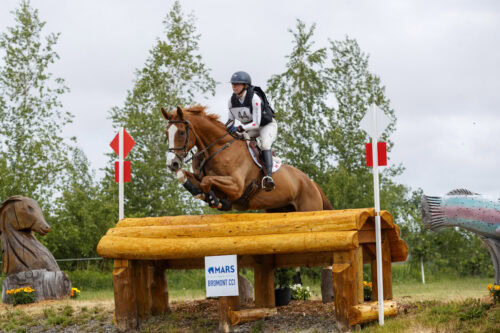
Galloping is essential for achieving the high speeds needed to compete in the upper levels of other riding disciplines, such as eventing cross-country courses. A more controlled gallop, referred to as the hand gallop, is commonly used in show jumping competitions and lower-level eventing.
While galloping isn’t required in all equestrian disciplines, it can be more challenging for some horses, such as upper-level dressage horses, due to their more elevated gaits and extended suspension phases.
However, experienced riders may find hand gallops beneficial as a training exercise to enhance control and balance at higher speeds or as part of a conditioning program. [1][4]
What's your top priority with your horse's health?

Enter your email to receive your store credit
Conditioning for the Gallop
Conditioning improves a horse’s fitness and endurance while reducing strain on their legs and feet. Gallop sets are a common method for training in disciplines that require significant endurance. The goal is to work the heart and lungs in short bursts, allowing for brief recovery, then repeat the process. [4]
Monitoring your horse’s respiration is key during gallop sets. Since it’s impractical to measure pulse while the horse is moving, focus on how quickly the horse’s breathing rate returns to normal after the gallop set.
If the horse recovers quickly, it’s a sign of improving fitness, and if it takes longer, it may indicate overexertion. [4] You can also use an equine heart monitor for a more accurate assessment of cardiovascular fitness during training.
Galloping on hills is essential for improving balance and fitness. A controlled pace of 300 – 350 meters per minute downhill and 400 meters per minute uphill helps the horse develop stability.
Slower downhill gallops can also reduce strain on the legs. With improved balance, the horse can be ridden more forward in competitions. [4]
Safety at the Gallop
Horses are among the fastest land animals, capable of reaching speeds over 40 miles (64 kilometers) per hour while galloping, which makes horse and rider safety essential. [5]
The gallop creates a risk of more severe equine injuries than other gaits. When a horse gallops, its forelimbs endure significant stress, especially in the radius and metacarpus. The radius bends, while the metacarpus absorbs force along its length.
At a steady gallop, the radius takes on more stress, and during speed changes, stress on the metacarpus increases. This level of stress can intensify any injury sustained by the horse while galloping. [6]
The high speed of the gallop also poses a higher risk of serious injury to riders. Horseback riding is already considered one of the most dangerous sports, with over 100,000 non-fatal horse-related injuries brought to US emergency departments annually.
Most injuries occur while riding, mainly from falls or being thrown, and primarily affect the head, neck, and limbs. [7]
Horse Safety
Before attempting to gallop, make sure your horse is in good overall health. Regular veterinary check-ups help monitor and address injuries early and ensure peak performance. There are a number of factors that influence horse health and safety at the gallop.
By taking these factors into account, you can ensure your horse builds endurance at the gallop safely.
Hoof Health
Hoof health is especially important when galloping your horse. Uneven hoof growth or wear can alter the way the hoof lands, impacting shock absorption and weight bearing.
Poor hoof balance influences stride mechanics, creating abnormal landing patterns that place uneven stress on tendons, ligaments, and joints. Over time, this can contribute to issues such as tendon strain, joint inflammation, and reduced performance.
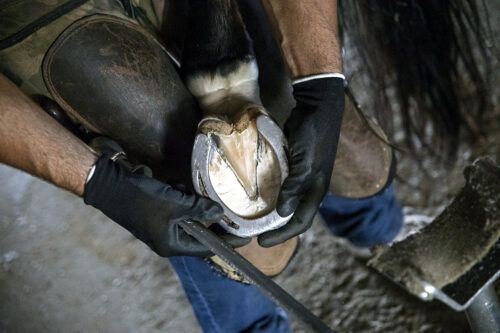
Regular, skilled farrier work helps maintain correct hoof balance, promotes efficient movement, and reduces injury risk during high-speed work. [8]
A balanced diet is another important factor in maintaining hoof health. Biotin, a B-vitamin, is necessary for the production of keratin, the fibrous protein that makes up the hoof wall.
Other nutrients such as biotin, copper, selenium, and zinc are important for keratin production, structural integrity, and healthy hoof growth. Adequate high-quality protein, especially amino acids like methionine and lysine, is also necessary to support hoof growth.
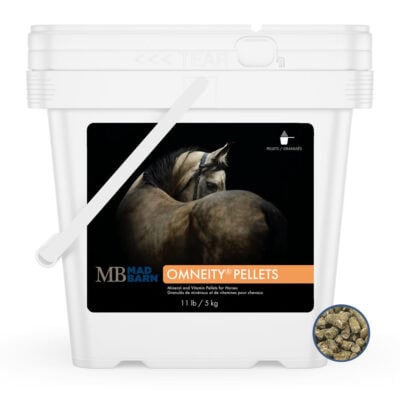
Mad Barn’s Omneity® is a complete vitamin and mineral supplement that provides all of the nutrients required to support strong, resilient hooves. Feeding Omneity® also helps meet daily requirements for overall health, supporting athletic performance, immune defenses, metabolic function, and coat and skin condition.
Terrain
Surface conditions are another important consideration for protecting your horse’s health at high speeds. Galloping on uneven terrain or ground that is too hard, soft, or slippery can alter stride mechanics, reduce traction, and increase the risk of limb injuries.
Ideally, horses should exercise on smooth, level, and well-maintained footing with consistent depth and firmness to minimize stress on the musculoskeletal system and support safe, efficient movement. [8]
Warming Up
Before you transition to faster gaits like the gallop, it’s important to warm up your horse first. A proper warm-up helps the horse gradually adjust from rest to exercise, improving performance and reducing the risk of injury by increasing exercise intensity at a steady pace.
Even a low-intensity warm-up, such as 5 minutes of walking and trotting, can enhance aerobic energy metabolism, which benefits subsequent galloping. [9]
Rider Posture
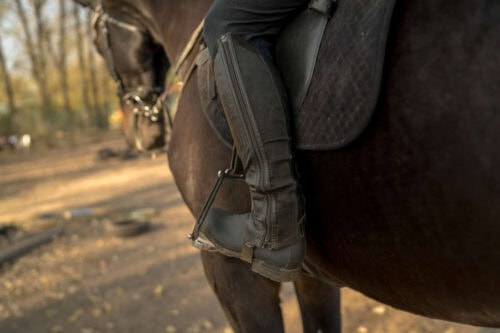
A rider’s position is also crucial to galloping safely, as uneven posture or movement can affect the horse’s stride. An asymmetrical rider can create uneven pressure points on the horse’s back, causing the horse to adjust its gait accordingly.
This disrupts the horse’s natural stride and rhythm, particularly at faster gaits like galloping. A balanced rider ensures better weight distribution, helping the horse maintain balanced movement and consistent speed. [10]
Favoring a Lead
Horses often favor one lead when galloping, with many preferring the left lead, especially racehorses. Galloping on the left lead tends to produce longer strides and higher speeds than galloping on the right lead.
The right forelimb, when trailing on the left lead, remains in contact with the ground longer, possibly due to its ability to handle greater stress. [11]
This laterality, or lead preference, influences the horse’s galloping mechanics and can impact performance. [11]
Tack
A properly fitted saddle reduces pressure on the thoracic region, preventing back pain and tissue damage during any gait, but especially at the gallop.
Proper saddle fit supports better limb movement by allowing greater hip flexion and a steeper femur angle, improving spinal flexion and reducing stress. [12]
A well-fitting saddle also enhances kinematics, supports efficient galloping, and minimizes injury risk, ensuring comfort and freedom of movement for the horse. [12]
Rider Safety
Galloping also requires safety measures for the sake of the rider. There are a number of steps riders can take to avoid injury while riding their horse at a gallop.
Personal Protective Equipment
In disciplines where galloping is common, such as eventing, wearing a proper helmet that meets American Society for Testing and Materials (ASTM) and Safety Equipment Institute (SEI) standards is essential for rider safety. A body-protecting vest is also an important piece of safety gear while galloping. [13]
There have also been recent developments in personal protective equipment for equestrians, such as the Q-collar. This device is worn around the back of the neck, placing subtle but consistent pressure on the major blood vessels to prevent brain injuries related to head impact. [14]
These protective measures help reduce the risk of injury when riding at a gallop.
Fitness
Research shows that riding faster speeds on horseback leads to higher energy expenditure in riders. Using metabolic output as a measure, one study found riding at the gallop is comparable to non-riding exercises like jogging and soccer. [15]
This means riders need to ensure they are fit enough to properly sustain the correct riding posture and energy expenditure required for galloping a horse. [15]
Rider Posture
Improving your galloping position requires consistent practice, balance, and strength. To maintain proper form, avoid posting while galloping and focus on keeping your hips out of the saddle. Strengthening your legs is essential for staying balanced and avoiding joint strain in your knees, hips, and lower back. [16]
Watch experienced riders for tips, and seek feedback from a trainer to refine your position. Adjusting your stirrup length and avoiding reliance on the reins for balance can also help. Incorporating exercises like lunges and side planks can help improve your stamina and strength for galloping or cross-country riding. [16]

Galloping Tips
There are certain rein and body positions that can help riders maintain control during a gallop. While there are many ways riders can support their horse’s gallop, addressing any underlying behavior issues is key for long-term control while galloping.
Here are our top 5 tips to help you gallop effectively, consistently, and safely.
1) Train Frame & Stride
While galloping, horses should move in a slightly longer, balanced frame compared to other gaits. Their head should not be on the vertical and their neck should not be shortened.
With proper flatwork exercises, the rider should be able to lengthen the rein, allowing the horse to lower the neck while stretching the nose forward. The horse should maintain steady bit contact in preparation for the gallop frame. [4]
A green horse should first learn to stabilize at a gallop of 350-400 meters per minute before learning to adjust stride length. If the horse is progressing well, the rider can raise their stirrups a few holes from what they typically ride.
If not, keeping the stirrup length longer makes it easier to sit and reorganize the horse if needed. [4]
2) Bridge the Reins
Bridging the reins, a technique recommended by jockeys, is an effective way to gain control during a gallop.
To bridge the reins, hold the reins as usual, then grab the extra part of the opposite rein with your fist. Adjust the reins as needed, making the bridge smaller or larger for better control.
It’s best to have someone demonstrate this technique, such as a trainer, in person. Bridging the reins can help steady your hands and keep the reins secure. [17]
3) Don’t Lean Forward
Many horses, especially ex-racehorses, tend to speed up when you lighten your seat. Nervous riders tend to lean forward instinctively, which can encourage the horse into a faster gait. [17]
To avoid this, keep your shoulders back, open up your chest, and ensure your lower leg is underneath you. Use your upper body to steady the horse.
If needed, slightly shift your body behind the vertical and anchor your feet in the stirrups for a half-halt, which helps keep the horse under control. [17]
4) Avoid Pulling
Avoid engaging in a pulling battle with your horse, as holding tightly to the reins won’t stop them and may cause them to brace and pull harder. [17]
Instead, focus on performing a half-halt, then releasing before repeating. You may need to repeat this process multiple times, especially if the horse is excited. Resist the urge to tighten the reins without offering a release. [16]
5) Use Curved Training Tracks
To help steady your horse, guide them off a straight line, as this will naturally slow their pace. However, avoid making sharp, tight turns, as this can cause the horse to lose balance and increase the risk of falling or slipping.
Instead, opt for wider, more gradual turns to give your horse time to adjust and regain stability. [17]
6) Slowing Down
In some instances, such as when approaching a jump or obstacle at a gallop, a horse needs to maintain the same stride while balancing and slowing their speed. To adjust a horse’s speed without changing its stride, shift the balance upward by bringing your seat closer to the saddle and lifting your shoulders. [18]
Practice in a large arena at a slow gallop, supporting with your leg aids and giving a soft upward and forward feel on the reins. Avoid pulling or slowing the horse’s feet; keep them active.
If the horse resists, try shifting from one leg to the opposite hand while supporting with your outside leg and hand, nudging with the inside leg, and gently squeezing the inside rein.
Recovering from a Gallop Session
A proper cool down, such as walking or trotting for 15 to 30 minutes, helps horses recover from strenuous activity like galloping by reducing muscle fatigue and removing excess lactate. [19]
Riders can incorporate other methods into their cool down sessions to speed and improve their horse’s recovery, such as cold water application. Applying cold water after intense exercise is an effective method for lowering body temperature and preventing heat illness, especially after exercise on hotter days. [19]
Clay poultices are also commonly used after strenuous workouts. Clay poultices, made from bentonite clay or a ready-made formulation, are used to reduce swelling. Clay can be applied as a paste to the horse’s legs. [20]
Ice therapy and leg wraps also support recovery after intense exercise. Ice reduces swelling, while wraps help with fluid movement and inflammation. Ensure the leg wraps are not too tight and are used for appropriate durations. [21][22]
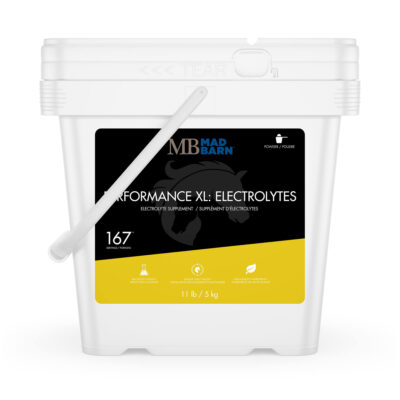
Electrolyte supplementation is also important to ensure your horse replaces key minerals lost in sweat. Mad Barn’s Performance XL Electrolytes is a palatable formula that is easy to feed in water or top-dressed on feed.
Stretching exercises for horses before and after workouts can also help prepare muscles, aid in recovery, improve flexibility, reduce fatigue, and prevent stiffness. This is especially important for performance horses or those with limited movement. [23]
Frequently Asked Questions
Here are some frequently asked questions about how to safely gallop your horse:
Galloping is essential in disciplines requiring high-speed performance, such as racing, eventing, and cross-country. Racehorses can reach speeds over 40 mph, with stride lengths exceeding 24 feet. [1][4]
Horse safety begins with regular veterinary care, hoof maintenance, and choosing safe, even terrain. The gallop places significant stress on the forelimbs, particularly the radius and metacarpus, increasing the risk of injury if the horse is unfit or the ground is poor. [6][8]
Proper rider posture is essential to avoid interfering with the horse's balance. Avoid leaning forward, especially with excitable horses, and maintain an open chest with shoulders back. Keep your lower leg underneath you for stability and stay off the reins for balance. [10][16]
A 15–30 minute cooldown of walking or trotting helps clear lactic acid and reduces fatigue. Supplement the cooldown with cold water application to lower body temperature, clay poultices on the legs to reduce swelling and inflammation. Electrolytes, ice therapy, and standing wraps also promote recovery, circulation, and hydration. Stretching exercises before and after galloping to improve flexibility, support soft tissues, and prevent stiffness or strain [19][20][21][22]
Summary
Galloping your horse is an exhilarating gait that demands careful attention to safety, proper technique, and equine recovery.
- Properly warming up helps the horse improve performance and reduces the risk of injury
- Maintaining proper riding posture is vital for preventing injuries and improving performance
- Proper cooldown after galloping can help your horse recover from strenuous activity
- By following these best practices, riding horses at the gallop can have minimized risks and be more enjoyable for both horse and rider
References
- Barrey. E. et al. Locomotion Evaluation for Racing in Thoroughbreds. Equine Veterinary Journal. 2001.
- Gallop. Fédération Équestre Internationale. 2025.
- Harris. S. E. Horse Gaits, Balance and Movement. New York : Howell Book House. 2005.
- Coffin, T. Conditioning the Event Horse at the Novice and Training Levels. USEA : United States Eventing Association Inc. 2020.
- Bred For Speed. American Museum of Natural History.
- Biewener. A. A. et al. Bone Stress in the Horse Forelimb during Locomotion at Different Gaits: A Comparison of Two Experimental Methods. Journal of Biomechanics. 1983.
- Thomas. K. E. et al. Non‐fatal Horse Related Injuries Treated in Emergency Departments in the United States, 2001–2003. British Journal of Sports Medicine. 2006. View Summary
- Parsons. K. J. et al. High Speed Field Kinematics of Foot Contact in Elite Galloping Horses in Training. Equine Veterinary Journal. 2011. View Summary
- Glynn. A. et al. The Physiotherapist's Pocket Guide to Exercise. Elsevier Ltd. 2009.
- Clayton. H. M. and Hobbs. S.J. The Role of Biomechanical Analysis of Horse and Rider in Equitation Science. Applied Animal Behaviour Science. 2017.
- Deuel. N. R. and Lawrence. L. M. Laterality in the Gallop Gait of Horses. Journal of Biomechanics. 1987. View Summary
- Murray. R. et al. Could Pressure Distribution Under Race-Exercise Saddles Affect Limb Kinematics and Lumbosacral Flexion in the Galloping Racehorse? Journal of Equine Veterinary Science. 2019.
- Shaughney. M. Rule Refresher - Attire and Equipment at the Championship Level. United States Eventing Association Inc. 2021.
- FDA-Authorized & Science Backed Technology. Q30 Innovations. 2025.
- O'Reilly. C. et al. Rider Energy Expenditure During High Intensity Horse Activity. Journal of Equine Veterinary Science. 2021.
- Crump Anderson, L. Get a Good Gallop: Perfecting Your Fitness and Form. United States Eventing Association Inc. 2024.
- Baker. S. Control a Galloping Horse in 4 Steps. Fédération Équestre Internationale. 2021.
- Henne. M. Galloping and Setting Up for Cross-Country Fences: A Conversation with Captain Mark Phillips. United States Eventing Association Inc. 2021.
- Kang. O.-D. et al. Effects of Cooldown Methods and Durations on Equine Physiological Traits Following High-Intensity Exercise. Livestock Science. 2012.
- Bastos. C. M. et al. Assessment of Clayey Peloid Formulations Prior to Clinical Use in Equine Rehabilitation. International Journal of Environmental Research and Public Health. 2020. View Summary
- Jacobs. C. C. et al. Efficacy of a Commercial Dry Sleeve Cryotherapy System for Cooling the Equine Metacarpus. Veterinary surgery: VS. 2022. View Summary
- Lindinger. M. I. Oral Electrolyte and Water Supplementation in Horses. Veterinary Sciences. 2022. View Summary
- Frick. A. Stretching Exercises for Horses: Are They Effective? Journal of Equine Veterinary Science. 2010.