English


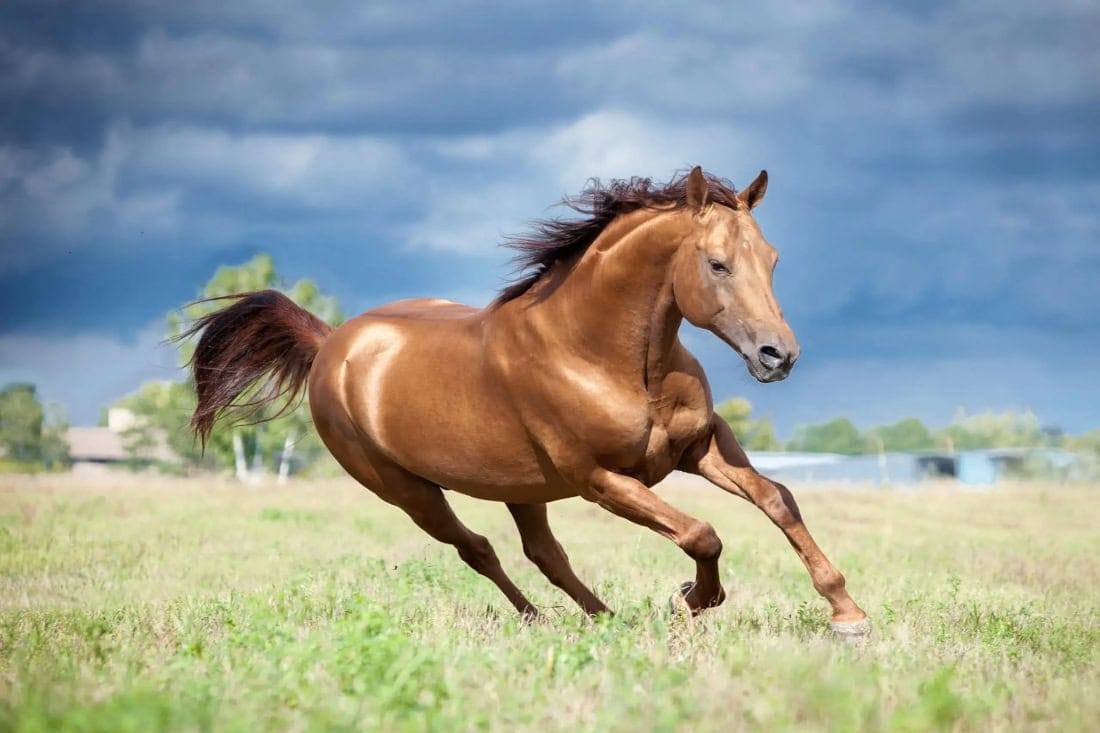
Horses are muscular animals, with a high proportion of muscle mass relative to their body weight. This impressive musculature has been shaped through centuries of selective breeding for athletic traits, including speed and strength, that enable horses to excel in racing, sport and work.
For the typical horse, muscles make up approximately 40% of their total body weight. In horses bred for athletic performance, such as Thoroughbreds, muscle may comprise as much as 55% of their body weight. [1]
Breeding practices to select horses for specific equestrian disciplines have not only led to differences in muscle composition between horse breeds, but also in muscle arrangement within the body.
Horses bred for speed typically have longer muscle fibers, allowing for a greater speed of contraction. Conversely, horses bred for power, such as draft horses, have shorter but thicker muscles, providing improved pulling capacity. [1]
Whether your horse is an elite athlete or a pleasure mount, supporting muscle health is an important part of optimizing their overall performance and well-being. Continue reading to learn more about how diet, management and training impact muscle function in horses.
Muscle Anatomy in Horses
Horses have a complex muscular system that supports a wide range of movements and activities, from high-speed gallops to intricate dressage movements. Their musculature, especially in the hindquarters, is highly developed, enabling powerful propulsion for running and jumping.
The horse’s body comprises over 700 different muscles, with a large percentage of their body weight consisting of muscle mass. This provides impressive strength, speed, and endurance while also enabling horses to support the weight of a rider and pull heavy loads.
Wondering how to boost your horse’s muscle strength and improve their athletic performance? First, it’s important to understand how muscles work throughout the body and how training and nutrition impact overall fitness and muscle function.
Types of Muscles
Horses have three different types of muscles in their body:
- Skeletal Muscles: These are the most abundant, can be controlled voluntarily, and are responsible for movement. Skeletal muscles span the distance between two bones and are attached to bones by tendons.
- Smooth Muscles: These muscles are found in the internal organs and are not under voluntary control. They help in functions like digestion and blood flow.
- Cardiac Muscle: This muscle type is only found in the heart. It works continuously and involuntarily, pumping blood throughout the body.
While all three types of muscles play an important role in the horse’s body, skeletal muscles are the main focus for equestrians because they are directly involved in movement and are actively trained during exercise. The contraction of these muscles enables horses to perform movements required for different athletic disciplines.
Major Muscle Groups
Horses have several major skeletal muscle groups that are important for strength and mobility:
- Neck Muscles: These include muscles such as the brachiocephalicus and sternocephalicus, which help with moving the neck and head. Strong neck muscles are critical for balance and posture.
- Back Muscles: There are many muscles that support the horse’s back and make up the “topline”. For example, longissimus dorsi, which runs along the spine, is key for the lateral flexibility of the spine. Strong back muscles are not only important for carrying the weight of a rider, but also for posture, core strength, and stability.
- Shoulder Muscles: Includes the trapezius and deltoid muscles, which aid in movement of the front limbs and are integral for actions like jumping and galloping.
- Forelimb Muscles: Essential for locomotion and agility, muscles like the brachialis, biceps brachii, and the various extensor and flexor muscles manage the intricate movements of the legs and hooves.
- Hindquarters & Lower Hindlimb Muscles: Includes the gluteal muscles, which are critical for propulsion, as well as the biceps femoris, semitendinosus, and semimembranosus, which contribute to the horse’s ability to sprint and jump.
- Abdominal Muscles: These muscles support the internal organs, help with breathing, and play a role in the flexibility and stability of the horse’s body.
- Tail Muscles: The tail muscles assist in communication and balance, allowing the horse to use its tail expressively and maintain stability during quick movements.
Each of these muscle groups has a specific function, ensuring horses can move effectively and respond to the demands of their environment and training. Depending on the type of work your horse performs, your training program should emphasize building specific muscle groups to improve performance and reduce injury risk.
Muscle Contractions
Muscle contractions in horses are complex processes that involve multiple steps to facilitate movement. Here’s a more detailed breakdown of how skeletal muscle contractions occur:
- Neural Activation: The process begins with an electrical signal from the nervous system telling the muscle to contract. Neurotransmitters are released at the neuromuscular junction, where nerves from the brain or spinal cord connect with the muscle fiber.
- Calcium Release: The electrical signal triggers the sarcoplasmic reticulum (a specialized organelle within the muscle cell) to release calcium ions into the cytoplasm of the muscle fiber. Calcium binds to the protein troponin, causing a conformational change that allows actin and myosin to interact.
- Intracellular Signaling: When activated by neurotransmitters, signals within the cell trigger a series of events that produce energy to fuel a muscle contraction.
- ATP Production: For muscle contraction to occur, cellular energy in the form of ATP (adenosine triphosphate) must be available. ATP is generated through various metabolic pathways within the muscle cell.
- Muscle Contraction: ATP powers muscle contraction by enabling the actin and myosin filaments within the muscle fibers to slide past each other, effectively shortening the muscle and generating force.
- Force Generation: The amount of force produced depends on how many motor units (groups of muscle fibers and their controlling nerve) are activated, the frequency of their activation (rate of neural signals), the muscle fiber’s length (optimal actin–myosin overlap), and the muscle’s cross-sectional area. The combination of these factors determines how much tension a muscle can develop at any given time.
- Relaxation Phase: Muscles return to their resting state after contraction. This is essential for preparing the muscle for the next contraction.
Understanding this process helps horse owners, trainers, and veterinarians appreciate the complexity of movement and lays the foundation for better care, training, post-exercise and rehabilitation strategies.
Energy Metabolism
For your horse’s muscles to work effectively, they need energy to fuel muscle contractions. Energy metabolism for muscles involves converting biochemical energy from nutrients into ATP (adenosine triphosphate), the primary energy currency of the cell.
Energy in muscle cells is produced through two main pathways: anaerobic and aerobic metabolism. Both pathways generate ATP, but they operate at different rates and require different conditions. [2]
- Anaerobic Metabolism: Generates energy quickly without the need for oxygen, making it ideal for short, high-intensity activities. This pathway relies on glucose (either from stored glycogen or blood sugar) to produce ATP. However, it produces less ATP per molecule of glucose than aerobic metabolism and produces lactate and hydrogen ions, which can lead to muscle fatigue.
- Aerobic Metabolism: Aerobic metabolism requires oxygen and produces ATP much more efficiently, though at a slower rate, making it suitable for long-duration and moderate-intensity activities. This pathway can generate energy from glucose and fat (from adipose tissue or intramuscular fat). Along with ATP, aerobic metabolism also produces carbon dioxide and water as by-products, which are easily expelled from the body.
Under aerobic conditions (when oxygen is sufficient), metabolism of glucose is completed in the mitochondria, yielding 36 ATP compared to only 2 in the anaerobic pathway.
Figure 1: Production of energy (ATP) and lactate from aerobic versus anaerobic metabolism
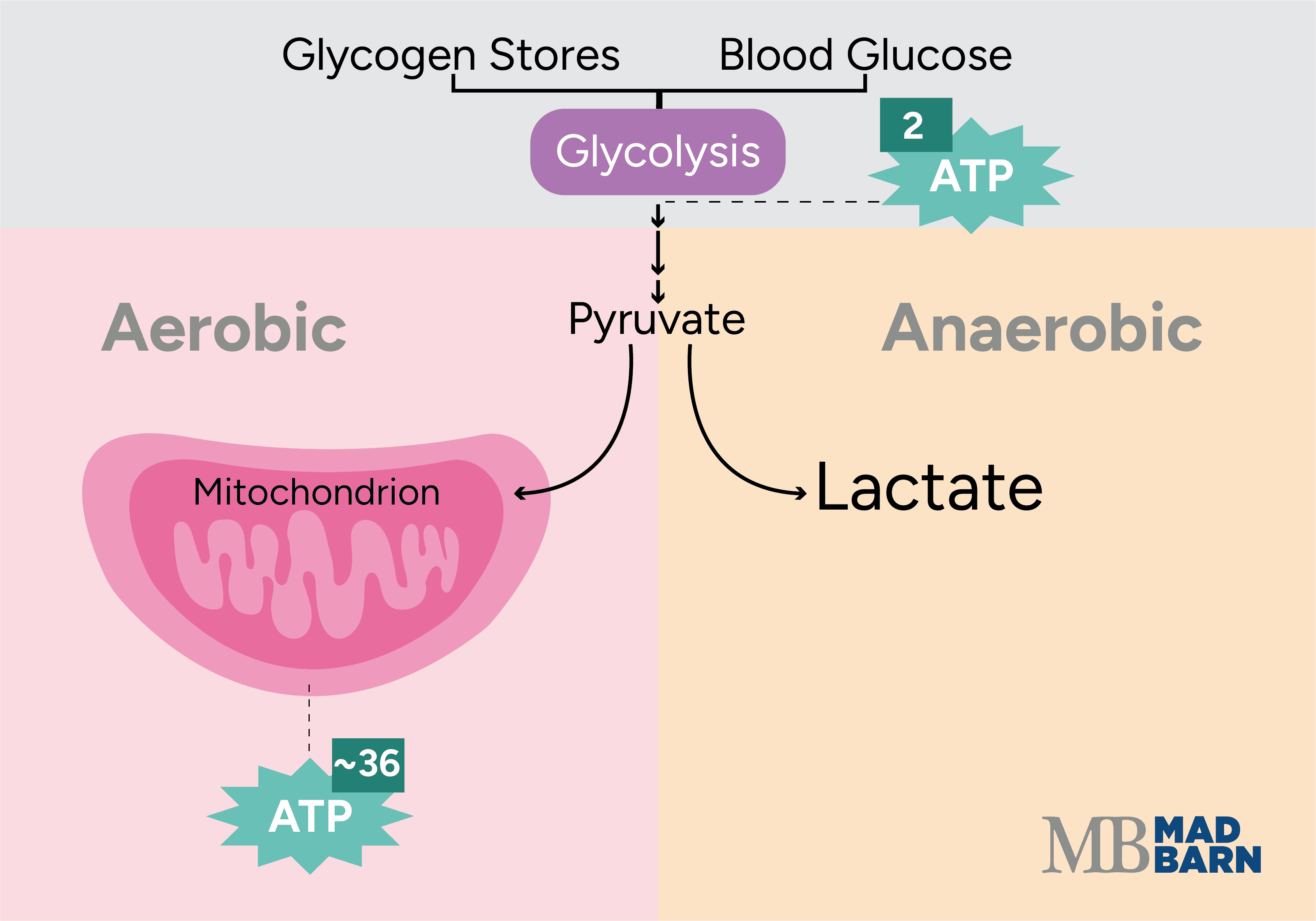 Illustration: Dr. Ana Mesa, PhD
 Proper conditioning improves the efficiency of these two metabolic pathways in horses, increasing power output for quick, intense efforts and enhancing stamina for sustained activities.
Different equestrian disciplines may emphasize anaerobic or aerobic fitness due to the specific demands of each sport. However, a well-rounded training program should include exercises to enhance both anaerobic and aerobic capabilities.
Muscle Fiber Type
Muscles are made up of individual muscle cells known as muscle fibers, which are coordinated to produce the force necessary for movement.
There are three main types of muscle fibers that are differentiated by the way they produce energy and how quickly they contract: [3]
- Type I: These fibers are known for their high aerobic capacity and slow contraction speed. They are highly efficient at using oxygen to generate fuel for sustained activities and are typically engaged during endurance tasks.
- Type IIa: These fibers possess a balance of aerobic and anaerobic capacity, allowing them to contract quickly. They are adaptable and used for activities that require both endurance and power.
- Type IIx: These fibers have a high contraction speed but low aerobic capacity, relying more on anaerobic processes for short bursts of high-intensity activity, such as sprinting.
Muscles in a horse’s body consist of all three types of fibers, as well as hybrid fibers that show characteristics of both slow-twitch (Type I) and fast-twitch (Type II) fibers.
The composition of muscle fibers in a horse is dynamic, not static, meaning it can change based on various factors such as exercise routines, diet, and health status.
Training for a specific discipline can significantly influence the distribution and efficiency of specific fiber types. For example, horses involved in long-distance events often undergo training programs that emphasize aerobic capacity. This type of conditioning promotes a shift toward greater numbers of Type I and Type IIa fibers, which excel at sustained energy production and moderate power output. [4]
On the other hand, disciplines requiring short, intense bursts of speed — such as barrel racing or show jumping — tend to favor the development of Type IIx fibers, known for their rapid contraction speed and higher reliance on anaerobic energy pathways. [5]
Satellite Cells
Satellite cells are another key component of a horse’s muscles, playing a role in growth and repair. Located on the periphery of muscle fibers, these specialized stem cells remain dormant until they are activated by muscle strain or injury.
When muscle damage occurs, satellite cells multiply and differentiate into mature muscle cells, which then fuse into existing muscle fibers to repair the muscle.
Breed Differences
A horse’s muscle mass and strength depend partly on genetics. Over time, selective breeding for specific purposes has led to notable differences in muscle characteristics among various breeds.
For example, American Quarter Horses have been bred for sprinting speed and power, often exhibiting more pronounced hindlimb musculature. In contrast, draft horses — who are bred for pulling heavy loads — tend to have a larger total muscle mass distributed throughout their bodies. [1]
Similarly, Arabians, who are bred for endurance in hot climates, display a more moderate muscle profile better suited for sustained activity. [6]
However, training also plays a major role in shaping muscle mass and distribution. In a study comparing elite racing Thoroughbreds and Standardbreds, the Thoroughbreds showed greater thickness in key forelimb muscles, demonstrating that targeted exercise can significantly affect muscle development. [1]
In other words, while genetics set the stage, how you train your horse can alter its muscle mass, distribution, and performance capabilities.
Muscle Fiber Type
In addition to variations in muscle distribution, different breeds also exhibit differences in the types of muscle fibers they possess. For example, Thoroughbreds, who require significant aerobic capacity for running, have a higher proportion of Type IIa muscle fibers. [7]
Conversely, breeds like the Belgian and Andalusian, known for their explosive power, have a higher proportion of Type IIx fast twitch, glycolytic fibers. [8][9]
These differences in muscle fiber type are reflected by differences in oxidative capacity present even before exercise training begins, highlighting a genetic component. [10]
Effects of Exercise on Muscle
As in humans, regular exercise in horses generally increases muscle mass, causing muscle fibers to grow larger and stronger. Training also produces changes in the relative amounts of different muscle fiber types. [4]
Adaptations to exercise also involve changes in the immune and antioxidant systems, which help mitigate stress on muscles and support recovery after physical activity. These physiological responses contribute to maintaining overall muscle health and function over time.
Exercise for Young Horses
While some owners are hesitant to start training horses at a young age, several studies show that light exercise has benefits for muscle health in young horses.
Horses that begin training for show jumping by performing free jumping and work on a mechanical walker adapted well to training and developed larger muscle fibers by 3 years of age. [11] This finding suggests that early, structured, appropriate exercise may contribute to stronger muscles in young horses.
Research also shows that swim training in combination with running increases the percentage of fast-twitch highly oxidative fibers, indicating increased aerobic capacity of the muscle. [12] This training approach could help horses maintain high-intensity exercise for a longer period of time.
Beyond changes in fiber type, exercise training in young horses also appears to decrease inflammation, which may support muscle health and performance. [13] Exercise training also increases the antioxidant capacity of muscle tissue, protecting muscles from the natural increase in oxidants that can damage the tissue following exercise. [14]
Exercise for Senior Horses
Age-related loss of muscle mass is a common concern for senior horses. It often manifests as a loss of topline that can be difficult to recover.
Aged horses have fewer satellite stem cells surrounding type II fast-twitch fibers, as well as lower mitochondrial function and capacity to produce energy. [15] This means they have a reduced capacity to regenerate and maintain muscle, along with less efficient energy production for muscle contractions. Over time, these factors can lead to further muscle atrophy and decreased performance.
Research shows that exercise increases the number of satellite cells surrounding type II fast-twitch fibers, suggesting a beneficial effect on muscle health for older horses. Although exercise training in senior horses may improve muscle health and overall muscle mass, it is unlikely to fully restore them to the levels seen in their younger years. [16]
Management to Support Muscle Health
In addition to a consistent exercise routine, there are management considerations that can optimize your horse’s muscle health. Making sure your horse gets plenty of voluntary activity and ensuring they are properly warmed up and cooled down have an impact on fitness and conditioning.
Turnout
Turnout is an often underappreciated form of physical activity for horses. Time spent grazing on forage and interacting with other horses offers the opportunity for voluntary exercise and the expression of free movement.
Compared to stalled horses, those with access to large pastures can maintain their fitness similarly to those doing light exercise. [16]
Warm Up & Cool Down
Typical warm up routines consist of exercises that are a lower intensity than the planned workout, such as walking and jogging. Static stretching can also be helpful for loosening muscles before physical activity.
Warm up routines and stretching have been shown to reduce fatigue during intense exercise. [17]
Cooling down is also an important component of healthy exercise routines. Horses that are cooled for 15 to 30 minutes following intense exercise recover more quickly compared to those that are not actively cooled down. [18] Similar to warm ups, cool down activities should consist of low intensity exercises such as walking or jogging.
What's your top priority with your horse's health?

Enter your email to receive your store credit
Nutrition for Muscle Health
Providing your horse with a well-balanced diet that meets all nutrient requirements is critical for maintaining strong, healthy muscles.
Adequate protein supplies the amino acids needed for muscle repair and growth, while vitamins, minerals, and antioxidants support nerve signaling and help protect muscle tissue from exercise-induced stress.
Energy from fiber, carbohydrates and fat also ensure that muscle has the fuel it needs to sustain exercise and support recovery.
Dietary Energy
A horse’s energy requirement is determined based on their body weight and activity level. Meeting energy demands is essential for maintaining muscle mass and function.
For sedentary horses or those in light exercise, forage alone can often meet their energy needs. However, for horses with greater energy demands such as growing, lactating, or heavily exercising horses, supplemental energy may be needed to maintain a good body condition.
Energy requirements for an average 500 kg (1,100 lb) horse
| Exercise Level | Energy Requirement (Mcal / day) |
|---|---|
| Maintenance (No Exercise) |
16.7 Mcal |
| Light Exercise |
20 Mcal |
| Moderate Exercise |
23.3 Mcal |
| Heavy Exercise |
26.6 Mcal |
| Very Heavy Exercise |
34.5 Mcal |
Energy Sources
When horses require additional energy in their diet, supplying calories from fat and fiber rather than sugar and starch is best for supporting muscle health.
The following feeds are good options for exercising horses who are not meeting their energy needs from forage alone:
- Beet pulp: A high-fiber feed that offers readily digestible energy.
- Alfalfa: A legume hay known for its higher protein, energy and calcium levels than grass hay.
- Oils: Vegetable and seed oils (e.g. canola, soybean, flax, camelina) are calorie-dense and low in starch. Marine-derived oils such as fish oil or microalgal oil provide DHA and EPA which are anti-inflammatory omega-3 fatty acids that can support muscle health. Microalgal oil is found in Mad Barn’s W-3 Oil.
- High-Fat Feeds: These typically contain added vegetable oils or other fat sources, such as stabilized rice bran.
Avoid excessive amounts of grain-based feeds, which provide high levels of energy in the form of starch and sugar. Diets high in cereal grains, such as wheat and corn, may impair insulin sensitivity, which can affect overall muscle mass.
Insulin is a hormone that promotes protein synthesis and stimulates amino acid transport into muscle. In other species, lower insulin sensitivity is associated with decreased muscle mass and increased protein breakdown in the muscle. [19][20]
Research also shows that horses on a high-starch diet have lower insulin sensitivity, as well as delayed adaptations in insulin sensitivity following exercise training. [21][22]
Despite this, some dietary starch and sugar remains necessary to replenish the body’s glycogen stores — the storage form of glucose in muscles. This is particularly important for horses like Thoroughbreds that rely on glycogen in competition. [23]
Therefore, while avoiding excessive grain-based feeds is recommended to protect muscle health, supplying an appropriate amount of starch and sugar is key for optimal performance and recovery.
Protein & Amino Acids
Protein is a critical dietary component for supporting muscle health. Horses break down protein in their diet to absorb amino acids, which are the building blocks of muscle.
Most horses in moderate or lower exercise intensities can meet their protein requirements with average quality grass hay alone. However, horses with higher protein demands, such as growing, lactating or heavily exercising horses, may require additional protein to meet their demands.
High-protein feeds that can be added to the equine diet include:
- Soybean meal
- Alfalfa
- Canola meal
- Flaxseed meal
Protein requirements of an average 500 kg (1,100 lb) horse
| Exercise Level | Protein Requirement (grams / day) |
|---|---|
| Maintenance (No Exercise) |
630 g |
| Light Exercise |
699 g |
| Moderate Exercise |
768 g |
| Heavy Exercise |
862 g |
| Very Heavy Exercise |
1004 g |
Providing sufficient — but not excessive — protein is important for maintaining an optimal acid-base balance in both sedentary and exercising horses. [24][25]
During normal metabolism and exercise, the body produces hydrogen ions, which contribute to acidity. Multiple buffering systems work to regulate these ions and keep the body’s pH within a healthy range, ensuring proper muscle function at the cellular level. [26]
Providing too much protein, however, can be metabolically demanding because excess amino acids must be broken down and excreted. Striking the right balance of protein intake therefore supports metabolic function and muscle health.
Amino Acids
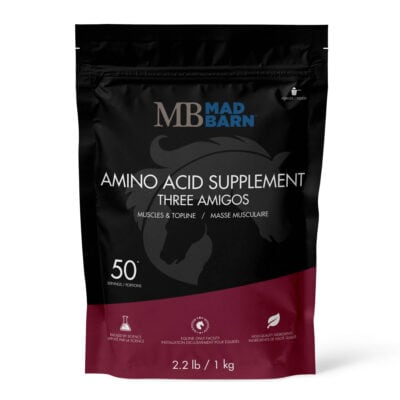
In addition to consuming adequate protein, horses need adequate essential amino acids in their diet to build and maintain muscle. Essential amino acids must be provided through the diet because horses cannot produce enough of them on their own.
Of the ten essential amino acids, lysine, threonine, and methionine are considered limiting amino acids, meaning they are the most likely to limit protein synthesis in horses.
Supplemental lysine and threonine have been shown to improve muscle mass in horses engaged in light exercise programs. [27]
However, for sedentary horses whose diets already provide sufficient protein, additional amino acid supplementation may not be necessary. [28] You can consult an equine nutritionist to determine if amino acid supplements could benefit your horse’s feeding program.
Electrolytes
Electrolytes are minerals that conduct an electrical charge in a horse’s body. In addition to being an important component of sweat, electrolytes are important for nerve signaling and muscle contraction.
Key electrolytes involved in muscle function include:
- Sodium and Potassium: Movement of these ions in and out of muscle cells via the sodium/potassium pump changes the cell’s electrical charge in response to a neural signal, initiating muscle contraction
- Magnesium: Plays a major role in transmitting nerve signals to muscle and is critical for muscle relaxation
- Calcium: Regulates both the contraction and relaxation phases of the muscle
Most electrolyte minerals are abundant in forage and other common equine feeds. However, sodium is typically deficient in most equine diets.
For horses at maintenance or in light exercise, feeding salt is a simple way to ensure adequate electrolytes. Add two ounces (4 tablespoons) of plain salt to daily rations and provide free-choice access to loose salt.
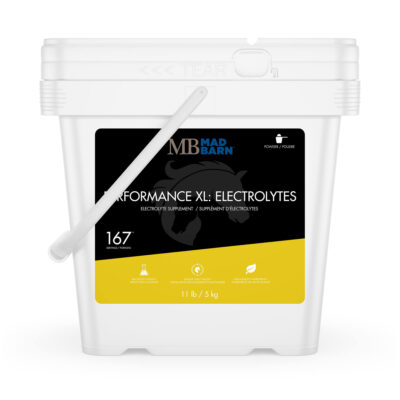
Horses in heavier training can benefit from an electrolyte supplement containing sodium, potassium, magnesium, and calcium to replace the electrolytes lost in sweat.
Vitamins and Minerals
Several vitamins and minerals are important for optimal muscle function in horses. These nutrients are involved with energy metabolism, tissue repair, and protection against oxidative stress:
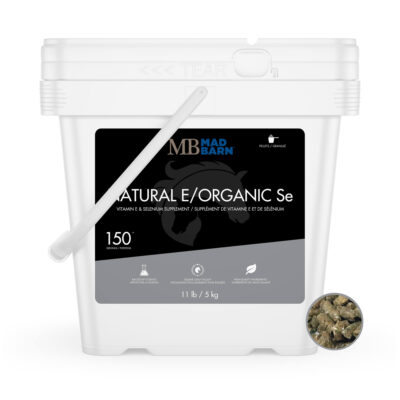
- Vitamin E: A potent antioxidant that shields muscle cells from damage caused by free radicals, especially in horses undergoing intense exercise.
- Selenium: Works with vitamin E to support antioxidant defenses and protect muscle tissue from oxidative damage. Adequate selenium levels are crucial in preventing muscle disorders such as tying-up.
- B-Complex Vitamins: Critical for converting dietary nutrients into usable energy for muscle contraction. Biotin, thiamine, riboflavin, and other B vitamins play key roles in metabolic pathways that fuel exercise.
- Copper and Zinc: Essential for a variety of enzyme functions, including those involved in muscle metabolism and tissue repair. Adequate copper and zinc also help maintain healthy connective tissues and joints to support exercise performance.
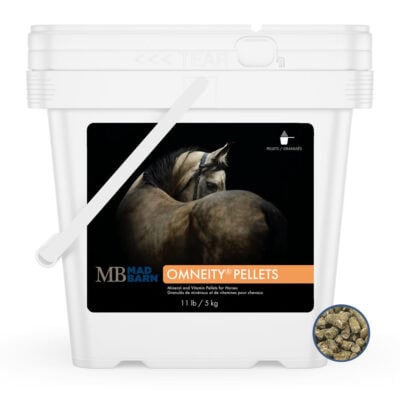
Mad Barn’s Omneity® Pellets are an all-in-one vitamins and mineral supplement that provides key nutrients along with amino acids, a complete profile of B-vitamins, and yeast to promote overall well-being. Feeding Omneity® ensures horses receive the optimal balance of vitamins and minerals to support muscle function and overall health.
When in doubt, consult a qualified equine nutritionist to confirm your horse’s diet meets their specific nutritional needs.
Vitamin E
Vitamin E is an antioxidant that helps protect muscle cells from oxidative damage by neutralizing free radicals within the cell membrane. Adequate vitamin E intake is especially critical for exercising horses to minimize oxidative stress and support muscle health. [29]
According to the Nutrient Requirements of Horses, horses in work should receive at least 1,000 IU per day of vitamin E. [30]
While some studies report no additional benefits when feeding beyond recommended levels, another study observed reduced oxidative stress with higher supplementation, suggesting potential benefits for heavily exercised horses. [31][32][33]
Selenium
Selenium is a trace mineral with important roles in maintaining muscle health. It is a component of antioxidant enzymes that neutralize free radicals, as well as selenoproteins that are involved in mitochondrial function and energy metabolism. [34]
In foals, selenium deficiency causes white muscle disease, with symptoms such as: [35]
- Weakness
- Impaired locomotion
- Respiratory distress
- Impaired cardiac function
In adult horses, white muscle disease is uncommon. [36] However, adequate selenium supply is still important for supporting healthy skeletal muscles.
Selenium supplementation has been shown to increase antioxidant capacity and reduce oxidative stress following exercise. [37] In addition, selenium supplementation may improve the number and function of mitochondria in muscle. [38]
Supplements for Muscle Health
A balanced, forage-based diet is the first step to supporting muscle health in your horse. Feeding a forage-based diet means providing sufficient forage to allow free-choice access, or at least 1.5% of the horse’s body weight per day in hay dry matter.
Once the horse’s diet is balanced, you can consider other nutritional supplements to provide additional support for muscle health.
Understanding each product’s ingredients and scientific research can help owners make informed decisions about whether to include them in their horse’s feeding program.

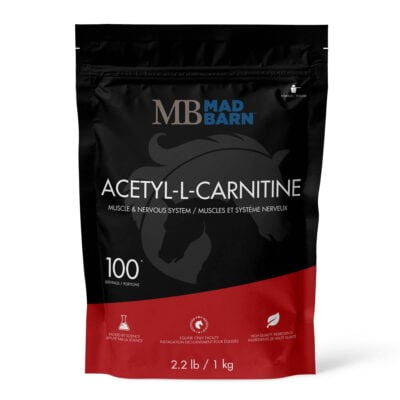
Acetyl-L-Carnitine
Acetyl-L-Carnitine is a specialized form of carnitine that helps transport fatty acids into mitochondria, where they are broken down to produce energy.
Because 95% of carnitine is stored in heart and skeletal muscle, this nutrient is particularly important for supporting muscle energy metabolism. [39]
Studies have found that carnitine supplementation can: [40][41][42][43]
- Support healthy muscle adaptation to exercise programs
- Aid recovery after strenuous exercise
- Reduce exercise-induced muscle damage in part by reducing oxidative stress
By improving how muscles use and regenerate energy, acetyl-L-carnitine may positively impact muscle health and performance.
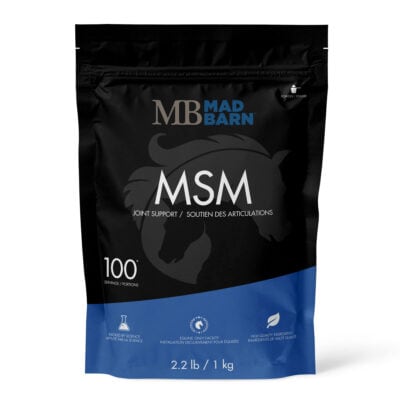
MSM (Methylsulfonylmethane)
MSM is a sulfur-based compound often included in diets to support joint health and post-exercise care. Sulfur is a trace mineral that is important for the formation of collagen, a structural component in joint cartilage and connective tissues.
Research indicates that MSM supplementation may assist muscle recovery after heavy work by helping neutralize free radicals produced during intense exercise. It may also support normal regulation of the inflammatory response following strenuous activity. [44]
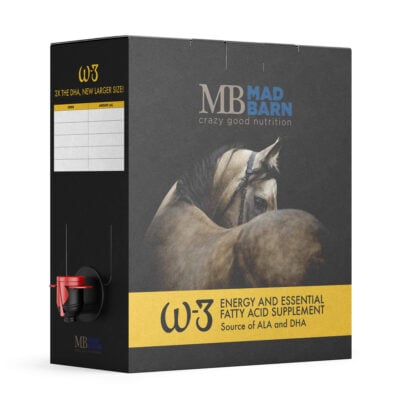
Omega-3 Fatty Acids
Omega-3 fatty acids, such as those derived from fish oil or algae, can support muscle health and post-exercise care by maintaining normal regulation of inflammatory responses and insulin sensitivity. Supplementing with DHA-rich microalgal oil also supports joint health and improved lameness scores. [45]
In polo horses, supplementing with the omega-3 fatty acid DHA blunted some post-exercise markers of inflammation, which may support improved exercise recovery. [46]
Feeding fat sources also contributes to a glycogen-sparing effect by shifting muscle metabolism toward using more fat for energy, thereby preserving limited glycogen stores for high-intensity efforts. Research also shows that horses receiving dietary fat galloped faster and maintained steadier heart rates, suggesting improved fitness and tolerance for strenuous exercise. [47]
Branched Chain Amino Acids
The branched-chain amino acids — isoleucine, leucine, and valine — help activate muscle-building proteins and can serve as an additional energy source for working muscle. [48][49]
Research findings on BCAA supplementation in horses are mixed. Some studies indicate little to no benefit, while others report positive effects on immune function and insulin response after exercise. [50][51][52][53]
These inconsistencies suggest that BCAAs may offer advantages under certain conditions, but more investigation is needed to clarify their role in equine performance and recovery.
Frequently Asked Questions
Here are some frequently asked questions about muscle health in horses:
Horses have three types of muscle: skeletal muscle, smooth muscle, and cardiac muscle. Skeletal muscle makes up the majority of a horse’s muscle mass and is responsible for movement, posture, and athletic performance. Smooth muscle controls involuntary functions such as digestion and blood flow, while cardiac muscle is found only in the heart and pumps blood throughout the body.
The best exercise for building muscle depends on the discipline the horse performs. Consistent, progressive training that encourages correct posture and engagement is essential across all disciplines. Long, steady conditioning supports topline and stamina for endurance and pleasure horses, while short, higher-intensity work helps develop strength and power for disciplines such as jumping, racing, or barrel racing. Exercise programs should be tailored to the horse’s job, with appropriate warm-ups, cool-downs, and recovery to support muscle development and reduce fatigue or injury risk.
Turnout provides valuable low-level activity that supports circulation, joint health, and baseline muscle maintenance. Horses with access to large pastures can maintain fitness similar to those in light exercise, but turnout alone is usually not enough to build or restore lost muscle. Exercise paired with a balanced diet is the most effective stimulus of muscle development.
Loss of topline muscle in horses can result from nutritional imbalances, inadequate or incorrect exercise, and problems related to pain, saddle fit, or overall comfort that prevent normal muscle engagement. Common causes include insufficient calories to support muscle maintenance, inadequate protein or limiting amino acids such as lysine, or pain that alters normal movement. Dental disease, digestive inefficiency, metabolic dysfunction, vitamin and mineral deficiencies, and chronic inflammation can further impair the horse’s ability to use nutrients and maintain healthy muscle along the topline.
Senior horses lose muscle as part of the normal aging process due to reduced satellite cell activity, declining mitochondrial efficiency, and a decreased ability to synthesize and repair muscle protein. As a result, older horses are less efficient at rebuilding muscle even when calorie and protein intake appear adequate. Regular, low-impact exercise combined with targeted nutrition can help preserve muscle mass and slow age-related loss, but it may not fully restore muscle mass to previous levels.
Adequate protein is essential for muscle repair and growth, but the quality and amino acid balance matter more than simply increasing crude protein. Horses in work, senior horses, and those rebuilding muscle may require additional high-quality protein and sufficient amounts of limiting amino acids such as lysine, threonine, and methionine. Protein must also be supported by adequate energy intake so amino acids are used for muscle development rather than burned as fuel.
Yes, nutritional supplements can help support muscle development and maintenance in horses by filling common gaps in forage-based diets. Horses need adequate essential amino acids to build and repair muscle, and limiting amino acids such as lysine, threonine, and methionine can restrict protein synthesis even when total dietary protein looks adequate. Key vitamins and minerals also support normal muscle function and recovery: vitamin E and selenium protect muscle tissue from oxidative stress, B vitamins help convert nutrients into usable energy for muscle contraction, and minerals like copper and zinc support enzyme activity involved in muscle metabolism and tissue repair. Depending on the horse’s workload, diet, and health status, other functional ingredients may provide additional support. For example, electrolytes help maintain normal nerve signaling and muscle contraction in sweating horses, omega-3 fatty acids help support normal inflammatory regulation and insulin sensitivity, and ingredients such as acetyl-L-carnitine, MSM, or branched-chain amino acids may be useful in specific situations related to training demands and recovery.
Summary
Equine muscle is an intricate combination of muscle fiber cells and supporting cells that work together to support movement, adapt to new stimuli such as exercise, and build and repair itself.
- A horse's muscle physiology is dependent on internal factors like genetics, as well as external factors like exercise
- In addition to these basic factors, management practices such as allowing adequate voluntary activity, and warming up/cooling down horses appropriately can help to support muscle health
- These considerations combined with a well balanced diet that meets your horse's requirements will support muscle health and performance
References
- Kearns, C.F., et.al. Overview of Horse Body Composition and Muscle Architecture: Implications for Performance. The Veterinary Journal. 2002.
- Hargreaves, M and L.L. Spriet Skeletal muscle energy metabolism during exercise. Nature Metabolism. 2020.
- Valberg, S.J., et.al. Skeletal Muscle Fiber Type Composition and Citrate Synthase Activity in Fit and Unfit Warmbloods and Quarter Horses. Journal of Equine Veterinary Science. 2022.
- Leisson, K., et.al. Adaptation of Equine Locomotor Muscle Fiber Types to Endurance and Intensive High Speed Training. Journal of Equine Veterinary Science. 2008.
- Valberg, S.J., Muscle anatomy, physiology, and adaptations to exercise and training. Vetarian Key. 2016.
- Crook, T.C., et.al. Comparative anatomy and muscle architecture of selected hind limb muscles in the Quarter Horse and Arab. Journal of Anatomy. 2008.
- Kawai. M. et al., Muscle Fiber Population and Biochemical Properties of Whole Body Muscles in Thoroughbred Horses. The Anatomical Record. 2009. View Summary
- Stul, C.L., and W.W. Albert. Comparison of Muscle Fiber Types from 2-Year-Old Fillies of the Belgian, Standardbred, Thoroughbred, Quarter Horse and Welsh Breed. Journal of Animal Science. 1980.
- López-Rivero, J.L., et.al. Comparative study of muscle fiber type composition in the middle gluteal muscle of andalusian, thoroughbred and arabian horses. Journal of Equine Veterinary Science. 1989.
- Latham, C.M., et.al. Differential skeletal muscle mitochondrial characteristics of weanling racing-bred horses. Journal of Animal Science. 2019.
- Rietbroek, N., et.al. Effect of show jumping training on the development of locomotory muscle in young horses. American Journal of Veterinary Research. 2007.
- Misumi, K., et.al. Changes in Skeletal Muscle Composition in Response to Swimming Training for Young Horses. Journal of Veterinary Medical Science. 1995.
- Horhov, D.W., et.al. The Effect of Exercise and Nutritional Supplementation on Proinflammatory Cytokine Expression in Young Racehorses During Training. Journal of Equine Veterinary Science. 2012.
- White, S.H. and L.K. Warren. Submaximal exercise training, more than dietary selenium supplementation, improves antioxidant status and ameliorates exercise-induced oxidative damage to skeletal muscle in young equine athletes. Journal of Animal Science. 2017.
- Latham, C.M., et.al. Skeletal Muscle Adaptations to Exercise Training in Young and Aged Horses. Frontiers in Aging. 2021.
- Graham-Thiers, P.M. and L.K. Bowen. Improved Ability to Maintain Fitness in Horses During Large Pasture Turnout. Journal of Equine Veterinary Science. 2013.
- Farinelli, F., et.al. Influence of Stretching Exercises, Warm-Up, or Cool-Down on the Physical Performance of Mangalarga Marchador Horses. Journal of Equine Veterinary Science. 2021.
- Kang, O.D., et.al. Effects of cooldown methods and durations on equine physiological traits following high-intensity exercise. Livestock Science. 2012.
- Wang, X., et.al. Insulin Resistance Accelerates Muscle Protein Degradation: Activation of the Ubiquitin-Proteasome Pathway by Defects in Muscle Cell Signaling. Endocrinology. 2006.
- Haines, M.S., et.al. Association between muscle mass and insulin sensitivity independent of detrimental adipose depots in young adults with overweight/obesity. International Journal of Obesity. 2020.
- Stewart-Hunt, L., et.al. Dietary energy source and physical conditioning affect insulin sensitivity and skeletal muscle glucose metabolism in horses. Equine Veterinary Journal. 2010.
- Pratt, S.E., et.al. Effects of dietary energy source and physical conditioning on insulin sensitivity and glucose tolerance in Standardbred horses. Equine Veterinary Journal. 2010.
- Mesquita, V.S., et al. Effect of Non-Structural Carbohydrate, Fat and Fiber Intake on Glycogen Repletion Following Intense Exercise. Equine Vet J. 2014.
- Graham-Thiers, P.M., and D.S. Kronfeld. Dietary protein influences acid-base balance in sedentary horses. Journal of Equine Veterinary Science. 2005.
- Graham-Thiers, P.M., et.al. Dietary protein influences acid-base responses to repeated sprints. Equine Veterinary Journal. 2010.
- Mainwood, G.W., and J.M. Renaud. The effect of acid–base balance on fatigue of skeletal muscle. Canadian Journal of Physiology and Pharmacology. 1985.
- Graham-Thiers, P.M., and D.S. Kronfeld. Amino acid supplementation improves muscle mass in aged and young horses. Journal of Animal Science. 2005.
- Latham C.M., et.al. Effects of dietary amino acid supplementation on measures of whole-body and muscle protein metabolism in aged horses. Journal of Animal Physiology and Animal Nutrition. 2018.
- Svete, A.N., et.al. Effects of Vitamin E and Coenzyme Q10 Supplementation on Oxidative Stress Parameters in Untrained Leisure Horses Subjected to Acute Moderate Exercise. Antioxidants. 2021.
- National Research Council Nutrient Requirements of Horses. National Academies Press. 2007.
- Williams, C.A., and S.A. Carlucci. Oral vitamin E supplementation on oxidative stress, vitamin and antioxidant status in intensely exercised horses. Equine Veterinary Journal. 2010.
- Williams, C.A., et.al. Vitamin E intake and systemic antioxidant status in competitive endurance horses. Equine and Comparative Exercise Physiology. 2005.
- Duberstein, K.J., et.al. Effects of vitamin E supplementation and training on oxidative stress parameters measured in exercising horses. Comparative Exercise Physiology. 2009.
- Wesolowski, L.T., et.al. Beyond antioxidants: Selenium and skeletal muscle mitochondria. Frontiers in Veterinary Science. 2022.
- Löfstedt, J.White muscle disease of foals. Vet Clin North American Equine Practice. 1997.
- Streeter, R.M., et.al. Selenium deficiency associations with gender, breed, serum vitamin E and creatine kinase, clinical signs and diagnoses in horses of different age groups: A retrospective examination 1996–2011. Equine Veterinary Journal. 2012.
- White, S.H., et.al. Dietary selenium and prolonged exercise alter gene expression and activity of antioxidant enzymes in equine skeletal muscle. Journal of Animal Science. 2016.
- White, S.H., et.al. Dietary selenium improves skeletal muscle mitochondrial biogenesis in young equine athletes. Journal of Animal Science. 2017.
- NIH. Carnitine. National Institutes of Health. Accessed Jan, 2024.
- Rivero, J.L.L., et.al. Oral L-carnitine combined with training promotes changes in skeletal muscle. Equine Exercise Physiology. 2002.
- Sato, F., et.al. Effects of Daily Astaxanthin and L-Carnitine Supplementation for Exercise-Induced Muscle Damage in Training Thoroughbred Horses. Journal of Equine Veterinary Science. 2015.
- Johnson, S.E., et.al. A Carnitine-Containing Product Improves Aspects of Post-Exercise Recovery in Adult Horses. Animals. 2023.
- Falaschini, A., and M.F. Trombetta. Influence of L-Carnitine on fitness and oxidative stress parameters in Trotter Horses subjected to Laval’s test. Italian Journal of Animal Science. 2003.
- Riegel R.J. The correlation of training times, thermographic and serum chemistry levels to provide evidence as to the effective of the use of oral Alavis msm (methylsulfonylmethane) upon the musculature of the racing Standardbred. Nutraceutical Alliance Conf. Proc., Carolwood Corp., Greenville, PA, 2001.
- Brennan, KM. et al. The effect of dietary microalgae on American Association of Equine Practitioners lameness scores and whole blood cytokine gene expression following a lipopolysaccharide challenge in mature horses. J Anim Sci. 2017.
- Hess. T. et al., The Effects of Various Levels of Docosahexaenoic Acid on Inflammatory Markers in Conditioned Horses During Lactate Threshold Tests. Journal of Equine Veterinary Science. 2019. View Summary
- Oldham, SL. et al. Storage and mobilization of muscle glycogen in exercising horses fed a fat-supplemented diet. J Equine Vet Sci. 1990.
- Martinho, D.V., et.al. Oral Branched-Chain Amino Acids Supplementation in Athletes: A Systematic Review. Nutrients. 2022.
- Mann, G., et.al. Branched-chain Amino Acids: Catabolism in Skeletal Muscle and Implications for Muscle and Whole-body Metabolism. Frontiers in Physiology. 2021.
- Stefano, B., et.al. Administration of Branched-Chain Amino Acids to Standardbred Horses in Training. Journal of Equine Veterinary Science. 2000.
- Casini, L., et.al. Effect of prolonged branched-chain amino acid supplementation on metabolic response to anaerobic exercise in standardbreds. Journal of Equine Veterinary Science. 2000.
- Baakhtari, M., et al. Effects of branched-chain amino acids on immune status of young racing horses. The Journal of Veterinary Medical Science. 2022.
- Nostell, K.E.A., et al. Repeated post-exercise administration with a mixture of leucine and glucose alters the plasma amino acid profile in Standardbred trotters. Acta Veterinaria Scandinavica. 2012.