English





The Icelandic horse is a popular breed of small equine from Iceland that are famous for their unique tölt, a four-beat lateral gait. With over a thousand years of integration into Icelandic culture, these gaited horses are a beloved icon of their native country.
Descended from ponies brought to Iceland by Norse settlers in the Viking Age, Icelandic horses are hardy equines that evolved to thrive in a unique landscape. Tens of thousands of these horses still live on the island, but the breed is also popular abroad.
Icelandic horses are often featured in tourism advertisements, but these horses’ talents aren’t limited to marketing campaigns. Riders worldwide enjoy Icelandics as competition and pleasure mounts. With quality care, they can live long, healthy lives.
This breed profile will discuss the history, characteristics, health problems, and nutritional needs of the Icelandic horse breed. Keep reading to learn more about feeding and caring for Icelandic horses.
Icelandic Horse History
Icelandic horses are the only breed of horse native to Iceland. Having evolved in isolation over centuries, they’ve become one of the world’s most distinct and recognizable equine breeds.
Laws prohibiting horse imports to Iceland preserve the breed’s purity today.
Origin
Norse settlers first brought domestic ponies to Iceland between 860 and 935 AD. The Viking horses that accompanied these settlers were the foundation stock of the Icelandic breed. Norwegian Fjord horses are the most direct descendants of ancient Norse horses alive today.
Settlers from Norse colonies in Ireland, Scotland, and the Isle of Man followed in later years. Horses accompanying these settlers shared ancestry with Shetland, Connemara, and Highland pony breeds that developed later in those regions.
The Icelandic government prohibited importing foreign horses to Iceland in the late 10th century. Since then, Icelandic horses have developed in isolation from the rest of the world’s equine population.
Research into the evolution of ambling gaits tracked the origin of gaitedness in horses to England between 850 and 900 AD. The presence of the corresponding gene in Icelandic horses suggests that Norse settlers brought ambling horses from the British Isles to Iceland. [1]
Historic Use
Horses play a significant role in Norse mythology. Early Norse settlers exported these spiritual beliefs to the lands they conquered, and many references to horses appear in medieval Icelandic religious texts. During the Viking Age, it was common to bury horses alongside warriors and for horses to participate in battles. [2]
While horses were prized possessions for medieval Icelanders, they also served practical purposes. The Icelandic horse’s modern gaits are likely the result of selective breeding that favoured ambling horses as comfortable riding mounts for long days in the saddle. [1]
As the lone horse breed in Iceland, these horses were the only means of transportation for centuries. The population grew rapidly until a massive volcanic eruption led to their collapse in the late 18th century, with 70% of Iceland’s horses dying from starvation and ash poisoning. [3]
Despite several population crashes over their history, the Icelandic breed has persevered. The breed grew in popularity as recreational horses, and exports to the rest of the world began in the 1940s. While the breed is popular internationally, exported horses cannot return to Iceland. [4]
Breed Registry
Breeders established the first breed societies for Icelandic horses in the early 20th century. The International Federation of Icelandic Horse Associations, or FEIF, represents 22 Icelandic Horse Associations in several countries and organizes international breed competitions.
The United States Icelandic Horse Congress and Canadian Icelandic Horse Federation maintain breed registries in North America.
| Breed Summary | |
|---|---|
| Breed Name | Icelandic horse |
| Breed Type | Gaited |
| Origin | Iceland |
| Breed Registry | FEIF; United States Icelandic Horse Congress; Canadian Icelandic Horse Federation |
| Population Status | Tens of thousands in Iceland; popular abroad |
| Average Height | 12.2 – 14.2 hh |
| Average Weight | 800 lb (360 kg) |
| Common Coat Colors | Chestnut, black, bay, grey; all colours and markings |
| Conformation | Compact, rectangular body, sloping croup, thick hair, proud head, muscular neck, well-muscled back, short legs |
| Common Uses | Competition, leisure riding, tours, sheep roundups |
| Temperament | Willing, bright, social, outgoing, confident |
| Best For | Riders seeking a hardy gaited pleasure or competition horse |
| Common Health Concerns | Bone spavin, summer eczema, equine metabolic syndrome, insulin resistance, laminitis, respiratory disease susceptibility |
What's your top priority with your horse's health?

What's your top priority with your horse's health?
Breed Characteristics
One thousand years of geographic isolation and selective breeding solidified the breed standard seen in Icelandic horses today. Their unique gait is a defining feature of the breed, but these horses share several other desirable characteristics.
Conformation
Icelandic horses typically range in height from 12.2 to 14.2 hands at the withers. While their size technically makes them a pony breed, most breed organizations refer to Icelandics as horses.
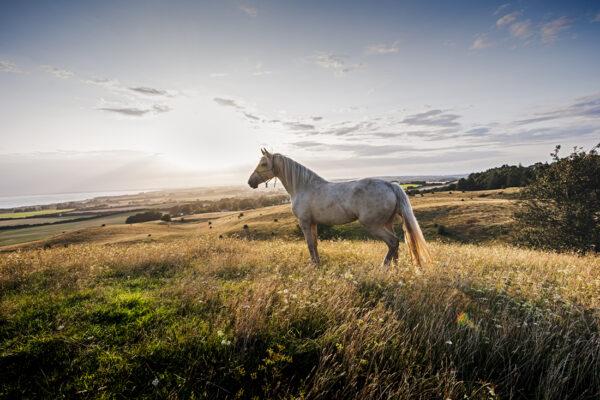
Icelandic horses have compact conformations and rectangular bodies. Distinct features include a sloping croup and thick hair. Modern breeding programs aim to produce athletic, light horses with supple and strong bodies.
The ideal Icelandic horse has a well-defined, proud head and a muscular neck. The back should be well-muscled and of average length. Legs are short, and hind legs may turn out slightly.
Colours
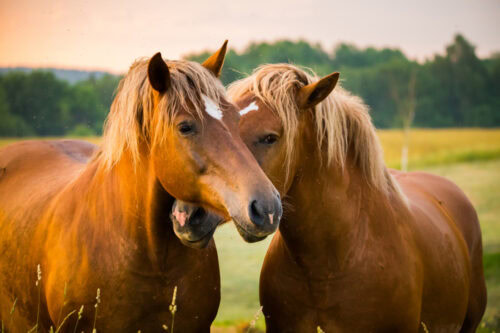
All colours and markings are found in Icelandic horses, and the preservation of all coat varieties is an official breeding goal.
The most common colours in the Icelandic breed are:
- Chestnut
- Black
- Bay
- Grey
Gaits
Some Icelandic horses can perform a tölt and pace in addition to a standard walk, trot, and canter. The pace is a fast two-beat lateral gait seen in other breeds.
The tölt is an even 4-beat lateral gait with long strides and high action. Horses can tölt at all speeds.
Temperament
Icelandic horses should have willing temperaments. Many owners find these horses give all their effort during riding and training without needing encouragement.
They are generally bright and social horses with outgoing, confident personalities. While these horses are generally sensible and easy to handle, all horses need appropriate training to reinforce good behaviour.
Disciplines
While modern transportation has taken over many of the roles once held by horses in Icelandic society, the Icelandic breed remains a popular choice for exploring the country’s breathtaking landscapes on horseback. Additionally, some highland farmers continue to depend on these horses for sheep roundups.
Icelandic horses are a significant attraction for visitors. The breed is commonly featured in advertising campaigns promoting the country, and horseback riding tours are a popular recreational activity.
However, most modern Icelandic horses are competition and leisure riding horses. Riders can also participate in breed shows with their Icelandic horses, including the World Championship for Icelandic Horses, which is held every other year.

Health Profile
There is ample published research that features Icelandic horses as study subjects. While genetic studies offer promising insights for the breed’s future, some research indicates these horses are susceptible to unique health problems.
Genetic Diseases
Icelandic horses have a relatively small gene pool, owing to their isolation and history of population crashes due to natural disasters in Iceland. Despite their large numbers today, breed enthusiasts previously worried that reduced genetic diversity could increase the risk of genetic diseases in these horses.
However, research suggests that the Icelandic breed’s effective population size and genetic profile have remained stable for the last 150 years. [5]
One study also found an unusually high level of heterozygosity and haplotype diversity in genes associated with adaptive immunity in Icelandic horses. [6] This may provide these horses a broader range of defenses against diseases and infections, but more research is needed.
Health Problems
The main infectious diseases that affect horses in North America and Europe are not found in Iceland, thanks to a long-standing import ban.
However, this also means that Iceland’s horse population is more vulnerable to these diseases due to a lack of acquired immunity. Strict biosecurity is essential to protecting these horses.
In 2010, an epidemic of respiratory disease occurred due to an opportunistic pathogen similar to the bacteria responsible for strangles. The disease affected almost the entire population of 80,000 Icelandic horses and led to a temporary export ban. [7]
Icelandic horses also have a high incidence of degenerative joint disease in their distal tarsal joint, also known as bone spavin. Research is ongoing to determine the heritability of the disease in Icelandic horses and the factors that contribute to its development. [8]
Many exported Icelandic horses show signs of summer eczema, which is associated with an allergic reaction to insect bites. This is also commonly known as “sweet itch” and can result in large areas of inflamed skin and lost hair, commonly on the hindquarters. These horses aren’t exposed to biting midges in Iceland, so they may be more sensitive to these insects after being relocated to a new environment. [9]
Care and Management
Icelandic farmers often raise horses in large herds turned out in natural conditions. While riding horses are kept in stables over the winter, many graze and live on summer pastures the rest of the year.
Even though some of these horses have limited human interaction during parts of the year, they still need quality basic care to fulfill their physical and behavioural needs. Icelandic horses used for riding in other parts of the world have more rigorous management, consistent with typical practices.
Work with your veterinarian and other equine practitioners to implement a preventative care program that includes:
- Veterinary Exams: Regular veterinary check-ups are important for monitoring your horse’s health so you can address potential issues promptly.
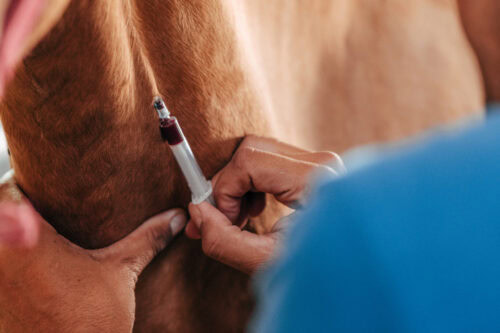
- Vaccinations: Consult with your veterinarian about which vaccines are most important for your horse. Vaccinations are essential for Icelandic horses living abroad, as they don’t have immunity to infectious diseases found elsewhere in the world.
- Dental Care: Regular dental exams and teeth floating are essential for horses to ensure proper chewing, prevent dental issues, and support digestion. Dental care is particularly important for senior horses.
- Parasite Management: Keep your horse safe from internal parasites with a comprehensive deworming program.
- Hoof Care: Regular hoof trimming from a qualified farrier is important for maintaining hoof balance and soundness. Studies show poor hoof balance can increase the breed’s risk of lameness and hoof pathologies. [10]
These horses also need daily grooming to prevent debris from building up in their thick coats and causing skin irritations. Using insect control strategies and fly protection gear can also help manage skin hypersensitivity in exported Icelandic horses.
While many horses are kept in individual boxes, research indicates that group housing systems are better for the welfare of Icelandic horses. One study found group living increased periods of activity and time spent lying down, suggesting improved well-being and comfort. [11]
Housing your horse outdoors or ensuring ample turnout promotes natural behaviors and supports overall health in Icelandic horses. Regular activity and exercise also support bone strength and healthy body condition. [12]
Nutrition Program
A balanced diet is vital for maintaining overall health in Icelandic horses. These horses share a predisposition for metabolic issues with their British pony ancestors, making it essential for owners to monitor their feeding program closely.
Weight Maintenance
Icelandic horses are easy keepers, which indicates that they are efficient at extracting nutrients from their feed and can maintain their weight on minimal feed.
Research comparing Icelandic horses to Standardbreds on identical diets revealed that the Icelandic horses gained weight while the Standardbreds lost weight. The same study also found higher plasma insulin levels in Icelandics, which could explain the metabolic differences. [13]
Icelandic horses also have an increased risk of equine metabolic syndrome and insulin resistance, which can predispose these horses to laminitis. Feeding a low-HC diet with limited sugar and starch can help mitigate these risks.
One study found that Icelandic horses able to maintain their body condition over the winter when pasture is scarce. Temperatures as low as -31°C (-24°F) were well tolerated. [18]
Sample Diet
The following sample feeding program is based on a 800 pound (360 kg) mature Icelandic horse at maintenance (not exercising).
| Feed | Amount per day |
|---|---|
| Mid-Quality Hay (8% crude protein) | Free-choice |
| Salt | 15 g (1 tbsp) |
| Omneity® Pellets | 100 g (1 scoop) |
| Diet Analysis | |
| Digestible Energy (% of Req) | 104% |
| Protein (% of Req) | 125% |
| HC (ESC + starch; % Diet) | 8.5% |
Several studies confirm that Icelandic horses can easily maintain weight on a forage-only diet. [13][18] These horses don’t need grain or commercial concentrates to meet their energy needs.
However, forage-only diets are typically deficient in essential vitamins and minerals that are missing in hay. A concentrated vitamin and mineral supplement can help balance forage-based diets without increasing dietary starch or calories. [14]
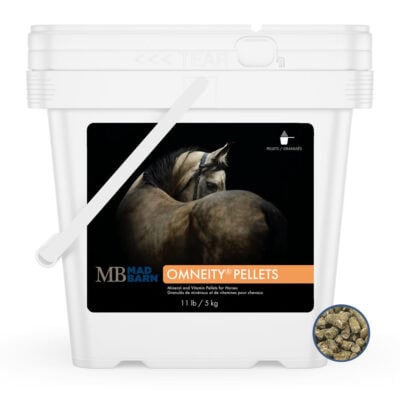
Mad Barn’s Omneity® is a comprehensive vitamin and mineral supplement that provides essential amino acids, vitamins, and minerals to fortify forage-based diets. This formula also contains biotin to support hoof health and yeast for gut health in Icelandic horses.
Forage
Forage is the foundation of the equine diet and essential for supporting your horse’s digestive health. One study found that providing hay throughout the day reduced gastric ulcer incidence in Icelandic horses brought into training off pasture. [12]
An average 800 pound (360 kg) Icelandic horse should consume 16 pounds (7.2 kg) of average quality, low-starch, low-sugar grass hay dry matter daily. Low-calorie forages are ideal for easy keepers because they add bulk and fiber to the diet without contributing to excessive weight gain. Choose hay with less than 10% hydrolyzable carbohydrates (HC) to maintain lower insulin levels. In comparison, NSC contains fractions that have no impact on insulin levels.
Horses should have free-choice access to forage to minimize time spent with an empty stomach. However, some Icelandic horses may become over-conditioned with unrestricted hay. A slow feeder can slow down hay intake and prolong access to forage.
Some lush pasture grasses are too high in starch and sugar for this breed. Consider using a grazing muzzle to regulate your horse’s grass intake or turning your horse out on a dry lot with appropriate hay provided. [15]
Feeding Recommendations
High-starch grains can contribute to digestive upset in Icelandic horses. Instead of complete feeds and ration balancers, opt for concentrated vitamin and mineral supplements to eliminate concentrates from the diet.
If you need a carrier for your Icelandic horse’s supplements, use high-fibre options such as soaked beet pulp or hay pellets. Fat is a safer source of concentrated calories for Icelandic horses in training that need extra energy. omega-3 fatty acid supplements also support skin health in Icelandic horses with insect hypersensitivity. [17]
All Icelandic horses need access to fresh, clean water to maintain adequate hydration. Providing your horse with free-choice salt also encourages thirst and helps to meet sodium requirements. Our nutritionists also recommend adding 1 – 2 tablespoons of plain salt to your horse’s daily feed.
Nutritional Supplements
Providing a balanced diet with adequate vitamins and minerals is the first priority when designing a feeding plan for your Icelandic horse. Once your horse’s diet is balanced, you can consider adding other nutritional supplements to address individual needs.
- W-3 Oil is an energy and essential fatty acid supplement that supports skin health, joint function and the immune system in Icelandic horses. This oil contains the omega-3 fatty acid DHA, as well as high levels of natural vitamin E.
- MSM is a natural supplement used to maintain comfort and mobility in horses who need joint support. MSM is a naturally occurring sulfur compound which supports normal homeostatic regulation of inflammatory responses.
- Spirulina may benefit Icelandic horses that struggle with frequent allergies or illnesses. This blue-green algae promotes the normal homeostatic response to histamine release, oxidative stress and inflammation that support healthy skin, lung function, metabolic health, and the immune system.
Submit your Icelandic Horse’s diet online for a free evaluation, and consult with our experienced equine nutritionists to get help with formulating a balanced diet.
Frequently Asked Questions
Here are some frequently asked questions about the Icelandic horse:
The Icelandic horse is a small, hardy horse breed native to Iceland. Descended from ponies brought by Norse settlers during the Viking Age, the Icelandic horse is known for its unique tölt, sure-footedness, and ability to thrive in harsh conditions. Although many Icelandic horses are pony-sized, breed organizations classify them as horses. Today, they are valued as pleasure mounts, competition horses, and cultural symbols of Iceland.
The Icelandic horse originated in Iceland from ponies brought by Norse settlers between 860 and 935 AD. After imports of foreign horses were banned in the late 10th century, the Icelandic horse developed in isolation for more than 1,000 years. That isolation helped preserve the breed’s distinctive traits, hardiness, and genetic identity. As the only horse breed native to Iceland, the Icelandic horse has deep historical ties to the country.
Icelandic horses are used for leisure riding, competition, horseback tours, breed shows, and sheep roundups. Historically, they served as essential transportation horses in Iceland, and riders today especially value Icelandic horses for their comfortable gaits, stamina, and versatility. They are popular both as pleasure horses and as competitive mounts in gaited horse events.
Icelandic horses are compact, strong, and hardy horses known for their sure-footedness and distinctive gaited way of going. Most stand between 12.2 and 14.2 hands tall, which gives them a sturdy, balanced appearance despite their smaller size. They typically have muscular bodies, short legs, strong bone, and broad chests. Thick manes and tails, along with a dense winter coat, give the breed a full, rugged appearance, especially in colder weather. A slightly sloping croup contributes to a smooth topline, while durable hooves help them navigate rough terrain with ease. Overall, Icelandic horses have a practical, resilient build that matches their endurance, balance, and ability to carry riders comfortably over long distances.
Icelandic horses come in all coat colors and markings, but the most common colors are chestnut, black, bay, and gray. The breed also includes many dilute colors, patterns, and other color variations. Preserving color diversity is an official breeding goal in Icelandic horses. This wide range of colors is one of the breed’s most recognizable features.
Icelandic horses are generally friendly and willing. They are known for their steady work ethic, bright minds, and reliable nature under saddle. Many Icelandic horses are sensible and easy to handle, though they still need appropriate training and consistent handling. Their outgoing personality makes them popular with riders looking for a hardy but cooperative partner.
The tölt is a smooth four-beat lateral gait that is a hallmark of the Icelandic horse. It allows the rider to sit comfortably while the horse maintains continuous footfall contact and moves at speeds ranging from slow to quite fast. The tölt is prized because it combines comfort, rhythm, and ground-covering efficiency. Along with the pace in some horses, it helps make the Icelandic horse one of the world’s best-known gaited breeds.
Icelandic horses do best on a forage-based diet centered on hay or pasture. Most Icelandic horses are easy keepers and typically thrive on average-quality, low-sugar, low-starch grass hay without needing grain or high-calorie concentrates. Because forage-only diets may lack key nutrients, many Icelandic horses benefit from a concentrated vitamin and mineral supplement. Rich pasture and high-starch feeds should be limited to help reduce the risk of metabolic problems.
Icelandic horses are generally hardy, but they are prone to several breed-associated health concerns. Common issues include equine metabolic syndrome, insulin resistance, as well as bone spavin and other degenerative joint changes. As easy keepers, they are also at risk of laminitis. Because the breed evolved in relative isolation, exported Icelandic horses may be more vulnerable to some infectious respiratory diseases outside their native environment. Their isolation can also cause the breed to be more sensitive to foreign environments and increase the level of reaction to conditions such as sweet itch.
Icelandic horses are a long-lived breed and often live into their late 20s or 30s with good care. Their longevity is supported by their hardy nature and efficient metabolism. Proper nutrition, routine veterinary care, dental care, hoof care, and sound management all help Icelandic horses stay healthy as they age. Many remain active and useful well into later life.
Icelandic horses can be good for beginners when they are well trained and matched with the right rider. Many Icelandic horses are sensible, willing, and comfortable to ride, which makes them appealing for less experienced riders. However, temperament and training vary by individual, and some horses are better suited to confident or more experienced handlers. A beginner-friendly Icelandic horse should have solid training, a calm temperament, and appropriate supervision.
Icelandic horses typically stand between 12.2 and 14.2 hands high. Their height places many of them in the pony range by measurement, but they are still classified as horses by breed organizations. Despite their relatively small size, Icelandic horses are strong, sturdy, and capable of carrying adult riders comfortably. Their compact build contributes to both their durability and athletic ability.
Summary
The Icelandic horse is a small, hardy breed developed in long geographic isolation after being brought to Iceland by Norse settlers. Known for the tölt and other gait abilities, Icelandics are used worldwide for pleasure riding and competition, but require management that accounts for their efficient metabolism and unique health risks.
- The breed descends from horses introduced during the Viking Age and has remained genetically isolated due to long-standing restrictions on horse imports
- Icelandic horses are compact (about 12.2–14.2 hands) and can perform additional gaits such as the tölt and, in some horses, pace
- They are valued for willing temperaments, endurance, and versatility as trail, leisure, and show mounts
- Isolation from many common equine pathogens means Icelandic horses may be more vulnerable to infectious diseases when exposed abroad, making biosecurity and vaccination important
- Reported health concerns include insect bite hypersensitivity (“summer eczema”) in exported horses and a higher incidence of degenerative joint disease in the distal hock
References
- Wutke, S. et al. The origin of ambling horses. Current Biol. 2016. View Summary
- Sikora, N. Diversity in Viking Age Horse Burial: A Comparative Study of Norway, Iceland, Scotland and Ireland. J Irish Archeol. 2003.
- Vasey, D. Population, agriculture, and famine: Iceland, 1784–1785. Human Ecol. 1991.
- Hreioarsdottir, G. et al. Analysis of the history and population structure of the Icelandic horse using pedigree data and DNA analyses. Iceland Ag Sci. 2014.
- Campana, M. et al. Genetic stability in the Icelandic horse breed. Anim Genet. 2011. View Summary
- Holmes, C. et al. MHC haplotype diversity in Icelandic horses determined by polymorphic microsatellites. Genes Immun. 2019. View Summary
- Bjornsdottir, S. et al. Genomic Dissection of an Icelandic Epidemic of Respiratory Disease in Horses and Associated Zoonotic Cases. mBio. 2017. View Summary
- Bjornsdottir, S. et al. The heritability of degenerative joint disease in the distal tarsal joints in Icelandic horses. Livest Product Sci. 2000.
- Bjornsdottir, S. et al. Summer eczema in exported Icelandic horses: influence of environmental and genetic factors. Acta Vet Scand. 2006.View Summary
- Hebrecht, V. et al. Hoof conformation in Icelandic competition horses and its interrelationship with hoof pathologies and tölt performance. Vet J. 2020.View Summary
- Hoffmann, G. et al. Influence of an active stable system on the behavior and body condition of Icelandic horses. Animal. 2012. View Summary
- Luthersson, N. et al. Effect of moving from being extensively managed out in pasture into training on the incidence of equine gastric ulcer syndrome in Icelandic horses. J Am Vet Med Assoc. 2022. View Summary
- Ragnarsson, S. et al. Comparison of grass haylage digestibility and metabolic plasma profile in Icelandic and Standardbred horses. J Anim Physiol. 2010. View Summary
- National Research Council. Nutrient Requirements of Horses. National Academies. 2007.
- Watts, K. Forage and pasture management for laminitic horses. Clin Techniq Equine Pract. 2004.
- Cipriano-Salazar, M. et al. The Dietary Components and Feeding Management as Options to Offset Digestive Disturbances in Horses. J Equine Vet Sci. 2019.
- O'Neill, W. et al. Flaxseed (Linum usitatissimum) supplementation associated with reduced skin test lesional area in horses with Culicoides hypersensitivity. Can J Vet Res. 2002. View Summary
- Mejdell, C. and Boe, K.E. Responses to climatic variables of horses housed outdoors under Nordic winter conditions. Can J Anim Sci. 2005.