English












Transporting horses internationally requires careful planning, but is often necessary for competitive riders, breeders, and equestrian enthusiasts around the world.
Whether you’re relocating a beloved companion, participating in international competitions, or exporting horses for breeding purposes, ensuring their safety and comfort during long-distance travel is a top priority.
Moving horses across borders is no simple task. It involves navigating a maze of health regulations, transport logistics, and welfare policies that work together to ensure horses arrive at their destination in top condition.
In this guide, we explore key considerations to help you navigate the process of moving horses across borders, ensuring a smooth and stress-free journey for both you and your equine partner.
International Horse Transport
Imagine finding the perfect horse for your breeding program, only to discover they’re located halfway across the world. Or perhaps your top eventer is about to enter an elite competition in Europe. How can you safely and legally transport your equine partner to their destination?
Welcome to the complex world of international horse transport. Moving horses across borders is often required for:
- Competitions
- Sales
- Breeding programs
- Relocation
Transporting horses internationally is a specialized process requiring strict compliance with regulations and meticulous attention to detail. Careful planning is key to protect the horse’s health, safety, and comfort throughout the journey.
Important considerations involved in the process include:
- Preparation and logistics: Before any transport takes place, extensive preparation is required. This includes selecting the appropriate transport method and arranging the necessary logistics for the trip. The horse’s owner or handler should also organize required documentation and identity verification, ensuring that everything is in order before their horse is transported.
- Health and safety regulations: Each country has its own set of health and safety regulations, which must be strictly followed to minimize the spread of diseases or pests. This often involves specific vaccinations, blood tests, and health certifications to meet the destination country’s requirements. In most cases, horses are required to undergo a quarantine period before entering the country.
- Mode of transportation: Choosing the correct mode of transport is another critical aspect of international horse travel. Depending on the distance and urgency, horses may travel by air, sea, or land.
- Post-arrival care: Once the horse has arrived at its destination, monitoring is important to ensure overall health and welfare. This includes providing rest, hydration, and adequate nutrition.
International Equine Transportation Methods
The best method to transport your horse internationally depends on several key factors:
- Distance of trip
- Costs
- Protocols at the destination
- Specific requirements of the horse
Air Transport
Air transport is the most widely used method for transporting horses over long distances. Equines are among the most frequently transported species by air.
One survey reported that five airlines facilitated a median of 10,656 horse transports annually, covering regions such as Europe, North America, Australasia, and the Middle East. [1]
The primary advantage of air transport is its speed, which minimizes the amount of time horses spend in transit. The logistics of transporting horses by air require specialized equipment and handling procedures to ensure the horses’ safety and comfort.
Horses traveling by air are placed in specially designed stalls within the cargo hold of an aircraft. These areas are designed to be large enough to accommodate a horse safely and are ventilated to ensure that they remain comfortable throughout the flight. [1][2]
Airplanes designed for horse transport are equipped with key features such as: [2]
- Specialized containers or stalls: Horses are transported in individual stalls or custom-made containers designed to keep them secure and minimize movement during flight. These structures are typically padded to prevent injury and provide comfort.
- Temperature control: Cargo holds are equipped with temperature control systems to ensure the horse remains at a safe temperature during the journey.
- Monitoring: Experienced handlers and grooms typically accompany horses on flights, ensuring they remain calm and are well cared for. Horses are monitored regularly during the flight for signs of distress or discomfort.
While airplane flights are often the fastest option for transporting horses, the process can still be stressful for equine passengers. Handling and unloading can be challenging, so care must be taken to minimize stress and prevent any potential issues.
Sea Transport
For some journeys, sea transport is an effective alternative. This method is generally slower than air travel, but can be more economical for large shipments of horses or for those traveling between continents. [3]
Similar to air transport, horses traveling by sea on large ships require:
- Specialized temporary housing
- Experienced handlers and grooms to accompany them
- Measures to minimize stress during the journey
These requirements contribute to the overall expense of sea travel.
Land Transport
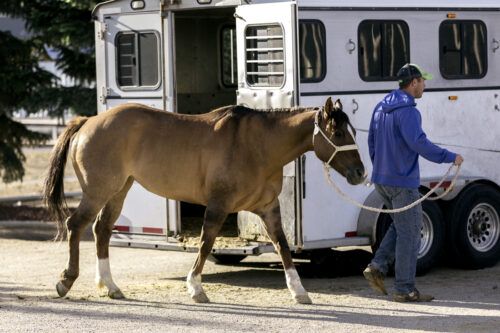
Land transport is commonly used for international horse travel within a continent or for shorter trips. Transporting horses over land is more affordable than both air and sea transport, and offers a great deal of flexibility.
Land transport typically involves specialized horse trailers or trucks that are designed to accommodate horses safely. These vehicles are equipped with stalls, ventilation systems, and secure flooring to support the horse’s safety and comfort during the journey. [2]
Key features of land transport include:
- Regular stops: Traveling over land provides the opportunity for regular stops where horses can unload off the trailer and stretch their legs, drink water, and eat
- Monitoring: Drivers and grooms are usually present during long road trips to monitor traveling horses, ensuring they are hydrated, calm, and not showing any severe signs of stress or colic
- Flexibility: Land transport offers more flexibility in terms of scheduling and routes, making it a convenient option for horse owners, particularly when other methods of transport are not feasible
While land transport is the most cost-effective option, it is best suited for shorter international trips. Careful planning is required to ensure traveling horses avoid health risks, especially on long journeys.
What's your top priority with your horse's health?

Enter your email to receive your store credit
Regulations for International Horse Transport
Complying with health and safety regulations is a fundamental aspect of international horse transport. Each country enforces specific requirements for incoming horses to minimize the risk of spreading infectious diseases and to ensure the welfare of the horse during travel.
These regulations can be extensive and vary significantly by country and region. Import regulations also take into consideration the epidemiological health status of the horse’s country of origin. [4][5]
The core health and veterinary requirements for international horse transport usually include:
- Vaccinations
- Health certificates
- Quarantine
- Import permits
- Identification
Compliance with regulations is essential to protect both the traveling horse and the destination country’s equine population. Meeting health standards before departure reduces the risk of disease transmission and ensures the welfare of all horses involved.
Regulatory compliance also helps to avoid travel delays, penalties, or the risk of horses being denied entry at the destination. For owners, transport agencies, and veterinarians, thorough preparation and careful attention to legal requirements can ensure a smoother journey.
Vaccinations
Most horses receive routine core vaccinations whether they are traveling or not. There are often additional vaccinations required for international transport depending on the regulations of the destination country.
Vaccination requirements also vary based on the horse’s country of origin and recent travel history. Additionally, different competition organizations often have their own vaccination protocols and schedules, which must be met to ensure eligibility for events. [4][5][6]
Vaccination requirements reduce the risk of disease transmission during and after travel, protecting both the transported horse and the resident equine populations of the destination country.
Health Certificates
A requirement for international transport is a health certificate issued by a licensed veterinarian. This certificate confirms the horse is free from any contagious diseases and is fit for travel. In most cases, the health certificate must be issued within a specific timeframe to ensure that the horse’s health status is up-to-date. [7]
Part of the health certification process includes blood testing shortly before transport. Many countries require blood tests to screen for diseases that may not show visible symptoms. [7]
Testing requirements vary between countries, but common tests include screening for equine infectious anemia (EIA) and equine herpesvirus (EHV).
Quarantine
Most countries have biosecurity protocols to protect resident humans, horses, and other animals from potential disease transmission due to incoming horses. While there is some regional variance in procedures, a mandatory quarantine period is standard for horses upon arrival. [4][5][6]
During quarantine, horses are kept isolated in a controlled environment, where they are closely monitored for signs of illness or disease. Quarantine periods vary in length depending on the destination country and the horse’s country of origin.
Import Permits
An import permit is often necessary to confirm compliance with the destination country’s health and safety standards. This permit may be required alongside other regulatory documents, and failing to obtain it can result in delays or denial of entry for the horse. [5]
Always check the specific requirements of the destination relative to your horse’s country of origin and route of travel to ensure all documentation is secured in advance.
Identification
Most countries require horses have permanent identification before they are transported. Identification methods typically include microchipping, passports, or both. Identification is important for tracking horses throughout the transport process and ensuring each individual meets all necessary health standards and requirements. [8]

Professional Horse Transport Companies
Travelling with horses internationally involves careful coordination and knowledge of regulations. Given its complexity, many owners use professional horse transport services that specialize in handling horses during international travel.
These companies are experts in navigating logistics and regulatory requirements while protecting the health of horses throughout the journey.
Benefits of hiring a professional company for international horse transport include:
- Expertise: Professional transport companies understand the regulations for importing and exporting horses. They ensure all necessary paperwork is complete and can coordinate detailed travel itineraries, including routes through multiple countries with varying rules.
- Systems and training: Staff are trained to meet horses’ needs during transit, including hydration, feeding, and rest. They also know how to manage horses that may become anxious or unsettled during travel.
- Specialized equipment: These companies use equipment like custom trailers, climate-controlled cargo holds, and equine-specific crates to ensure a safe and comfortable trip.
- Emergency preparedness: Professional transporters are equipped to handle emergencies, such as health issues or delays, with trained staff or veterinarians available to provide immediate care if needed.
Using a professional horse transport company can offer peace of mind to horse owners and minimizes risks for the horses themselves.
Cost Considerations
Transporting horses across borders or overseas can be a costly endeavor. The cost of transporting a horse internationally depends on several factors, including:
- Distance and route: Longer distances, especially intercontinental flights, increase costs due to higher fuel expenses and more complex logistics.
- Mode of transport: Air transport is the fastest but most expensive option. Sea and land transport are more affordable but are typically used for shorter or less time-sensitive trips.
- Health and quarantine requirements: Costs include health checks, vaccinations, and quarantine stays, with additional fees for quarantine facilities and monitoring charged by importing countries.
- Insurance: Transit insurance adds cost but covers risks such as illness, injury, or delays.
- Documentation and veterinary fees: Export/import permits, health certificates, passports, and required veterinary services involve separate fees and administrative costs.
Risks of International Horse Transportation
Transporting horses over long distances can pose certain health risks. Taking proactive steps is important to prevent potential issues, such as: [2][3][9][10]
- Colic and gut issues: Long-distance travel can disrupt a horse’s digestive system, increasing the risk of colic and gastric ulcers. Factors such as dehydration, feed changes, unpredictable schedules, limited access to forage, and stress during travel can contribute to digestive issues. Ensure horses remain hydrated, have access to forage, and receive frequent breaks throughout their journey to minimize digestive upset.
- Stiffness and ambulatory issues: Prolonged confinement can lead to stiffness and discomfort, particularly in senior horses or those with joint conditions such as arthritis. Work with your veterinarian to assess whether your horse might benefit from prophylactic use of pain medications as part of your transportation plan.
- Respiratory issues: Long-distance transport can impact a horse’s respiratory health, with risks such as shipping fever (pleuropneumonia) caused by prolonged confinement, poor ventilation, and the inability to lower their head to clear their airways. To minimize these risks, ensure proper ventilation in the transport vehicle and allow the horse to lower its head during breaks to clear mucus naturally from the respiratory tract.
Other risks horses face during long-distance travel include dehydration, fatigue, injuries, extreme temperature fluctuations, and social isolation. Working with a reputable horse transport provider can help to mitigate these risks by implementing appropriate care measures and providing a safe and comfortable travel environment.
Frequently Asked Questions
Here are some frequently asked questions about international horse transportation:
International flights for equines range widely from a few thousand to tens of thousands of dollars, depending on various factors. Key factors affecting price include the distance traveled, transport route, and choice between shared or private cargo space.
Travel can be stressful for horses, but with proper preparation, professional care, and the right transport conditions, stress can be minimized. Horses may experience stress due to unfamiliar environments, handling, and extended confinement, but professional horse transporters are trained to mitigate these factors. Offering hydration, monitoring health, and providing adequate space and ventilation help ensure the horse’s well-being during the journey. Positive reinforcement training can also help to desensitize horses to common stressors.
To travel internationally with your horse, you’ll need a health certificate from a licensed veterinarian confirming the horse is free of contagious diseases and fit for travel, issued within a specific timeframe. Vaccination records are required, with specific vaccines depending on the destination country's regulations. Some countries require an import permit, and permanent identification, such as microchipping or passports, are also required. [4][5][6][7][8]
Summary
International horse transport is a critical aspect of the equine industry, enabling movement of horses across borders for competitions, breeding, and sales. Whether by air, sea, or land, the transport of horses requires careful planning, adherence to regulations, and a focus on the welfare of the horses involved.
- International horse transportation is a complex logistical undertaking that requires extensive documentation, health screening, and preparation
- Costs of travel vary significantly depending on the mode of transportation, distance of the trip, and the route taken
- Professional transport services can help ensure compliance and horse safety for international travel
- Staying up-to-date with routine health care like vaccinations and deworming can help ensure your horse is prepared for long-distance and international travel
References
- Felici, M., et al., Pilot Study on Annual Horse Movements by Air and the Possible Effect of the Covid-19 Pandemic. Journal of Equine Veterinary Science. 2023. View Summary
- Femke. H., Monitoring of Horses during International Air- and Road Transport. Dissertation for Faculty of Veterinary Medicine, Ghent University. 2020.
- Riley. C. B. et al., Eds., Fraser’s The Behaviour and Welfare of the Horse. 3rd ed. CABI, GB. 2022. doi: 10.1079/9781789242133.0000.
- International Horse Movements. FEI. 2017.
- Live Animals. IATA. 2024.
- Timoney. P. J., Infectious Diseases and International Movement of Horses. Equine Infectious Diseases. 2013.
- Kirkland. B., Understanding Certificates of Veterinarian Inspection. Pennsylvania State University. 2024.
- Getting and Using a Horse Passport: When You Need a Horse Passport. GOV.UK.
- Mars. L. A. et al., Water Acceptance and Intake in Horses under Shipping Stress. Journal of Equine Veterinary Science. 1992.
- Lascola. K. M., Pleuropneumonia (Shipping Fever) in Horses. Merck Veterinary Manual. 2023.