English
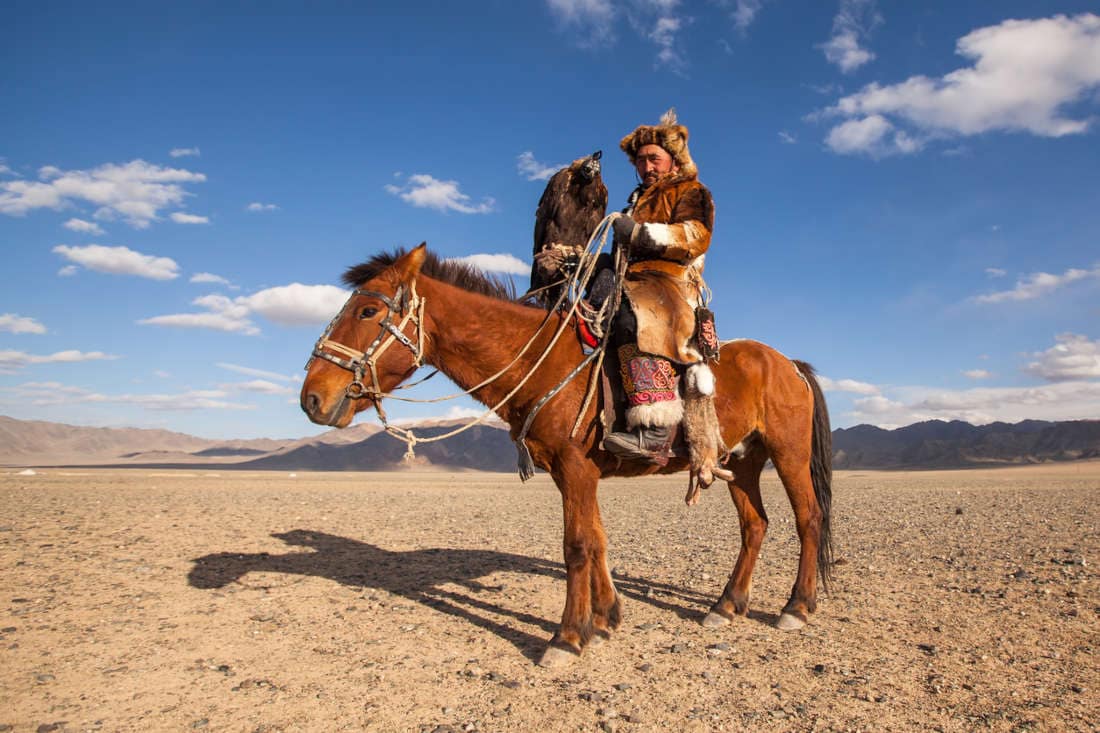
The Kazakh horse is the traditional native horse of Kazakhstan and closely related regional types used in pastoral systems across Central Asia. [1][2] For generations, these horses supported travel, herding, and daily work in nomadic and semi-nomadic communities where stamina, thrift, and soundness mattered more than specialized athletic skills.
The breed’s modern landscape includes both traditional native types and separate productive breeds that were developed from Kazakh foundation stock. This helps explain why “Kazakh horse” can describe a broad native population as well as specific commercial breeding directions within the country. [1][2]
Outside Central Asia, horses marketed as Kazakh types may be less common, and breeding information is less standardized compared to international studbooks for sport horses. Even so, the Kazakh native horse remains culturally and economically important within Kazakhstan, and is increasingly discussed in conservation and molecular genetics literature. [3][4]
Read on to learn more about Kazakh horse history, characteristics, health risks, care, and nutrition.
Kazakh Horse History
The Kazakh horse developed in a region where horses were central to daily life and survival. Like many native breeds, these horses were shaped by climate, terrain, and the practical needs of the people who depended on them. [1]
Origin
Kazakh horses originated in Kazakhstan, where they have long been part of life on the Central Asian steppe. In English-language genetics literature, Kazakh horses are typically treated as native populations with measurable diversity and internal structure across types and regions, rather than as one narrowly uniform closed book. [2][3][5]
Two major traditional types discussed most often in breed descriptions are the Zhabe (also spelled Dzhabe or Jabe) type and the Adai (also spelled Adaev) type.
The Zhabe type is associated with a stronger constitution used primarily for food production, while the Adai is a lighter riding type developed under desert and steppe herd management. [1]
A 2024 whole-genome assembly report also highlights the Kazakh native Zhabe horse as a reference for genomic work in the region. [4]
Research on Kazakhstani horse populations supports a complex history shaped by local adaptation, breeding objectives, and gene flow among regional groups. [2][5] That variation helps explain why individual Kazakh horses can differ in size and type more than horses from highly standardized modern sport breeds.
What's your top priority with your horse's health?

What's your top priority with your horse's health?
Historic Use
The Kazakh horse developed as a practical utility horse for riding, herding, travel, and general work in pastoral systems. In these societies, endurance and thriftiness mattered more than refinement.
In Kazakhstan, horse breeding also sits within productive sectors where horse products such as mare’s milk (koumiss) remain economically relevant for some enterprises. [1]
Different regional uses supported distinct types that remain recognizable today, including Zhabe, Adai, and derivative productive breeds such as Kushum and Mugalzhar developed from Kazakh foundation stock. [1][2][5]
Breed Registry
The Kazakh horse is best understood as a nationally recognized native population within Kazakhstan, with herd statistics and breed-type accounting summarized in review literature. [1][2][5]
Horses described as Kazakh can reflect different regional types; commercial breeding for productivity has diversified herd types compared with older local summaries alone. Outside Central Asia, studbook-style documentation may be less standardized than what is seen across modern sport registries.
| Breed Summary | |
|---|---|
| Breed Name | Kazakh Horse |
| Also Known As | Kazakh native horse; Zhabe/Jabe type; Adai type |
| Breed Type | Native steppe/pastoral horse; regional types range from riding-oriented to food production |
| Origin | Kazakhstan (Central Asia) |
| Breed Registry | National breeding and herd accounting within Kazakhstan (not a single global registry) |
| Population Status | Over 3 million in Kazakhstan as of 2022 [1]; uncommon in most other countries |
| Average Height | 13.2 – 15 hh |
| Average Weight | 850 – 1,110 lb (385 – 505 kg)[1] |
| Common Coat Colors | Bay, chestnut, black, grey |
| Conformation | Practical, sturdy build; deeper chest and strong bone in Zhabe-type descriptions; riding-type Adai descriptions emphasize harmony and hardiness under herd management |
| Lifespan | 20 – 25 years |
| Price Range | Native breed; varies widely by country, type, training, and export availability |
| Common Uses | Riding, herding, ranch work, trail and pleasure riding, regional racing, and mare’s milk |
| Temperament | Hardy, sensible, adaptable; herd-raised individuals may be more independent |
| Best For | Owners seeking a hardy, versatile mount and those interested in conservation of Central Asian native breeds |
| Common Health Concerns | Not consistently reported; Zhabe (Jabe) types may store fat quickly |
Breed Characteristics
The Kazakh horse is built for utility, particularly in agriculture. They are known for their durability, not their speed. As such, they are not a show or sport horse breed.
Conformation
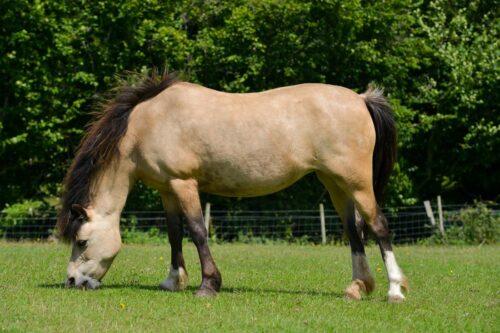
Most Kazakh horses are small to medium in size with a compact, sturdy frame. Traditional descriptions emphasize a broad body, good bone, a deep chest, and strong limbs suited to travel and work over long distances. [1]
Published research shows Zhabe types have an average height of 13.6 – 14.2 hands and Adai types have an average height of 13.4 – 14 hands at the withers in stallions and mares. [5]
Kazakh horses have substantial chest girth and body weight can exceed 970 lbs (440 kg) in mature animals depending on sex, type, and season. Individual horses marketed internationally may not match local averages. [5]
The heavier Zhabe type tends to carry more substance, while the Adai type is often described as lighter and more riding-oriented. [1] Overall, the Adai type is valued for soundness and function, with a workmanlike appearance compared with many modern sport breeds.
Colors
Kazakh horses exhibit several common solid colors. Published breed literature mentions the following colors seen in traditional populations: [1]
- Bay
- Chestnut
- Black
- Gray
Kazakh horses have been bred for utility rather than appearance. Type, durability, and usefulness typically matter more than coat color for practical pastoral breeding goals.
Temperament
The Kazakh horse is generally described as hardy, adaptable, and sensible. Horses raised in nomadic herds may behave more independently than horses raised in intensive stabling, but management and early handling strongly shape behavior. [1]
Well-handled individuals are often steady and willing. They tend to suit riders who want a practical horse with stamina and common sense rather than a highly reactive or specialized mount.
Disciplines
Kazakh horses are best suited to jobs that reward endurance, resilience, and versatility.
Owners often use them for trail riding, pleasure riding, herding, ranch-type work, endurance riding, and general riding. In their home region, they have also been used in traditional activities and local racing contexts described in national breeding summaries. [1]
They are not usually bred for high-level modern sport as a primary population goal, but many individuals can do well in recreational programs where toughness and reliability matter most.
Kazakh Horse Health
There is limited published information on inherited health conditions unique to the Kazakh horse.
The most practical approach is to combine what genetics literature shows about population structure with sound general equine management, especially for hardy native types that can be efficient feeders. [2][3]
Genetic Diseases
At this time, there do not appear to be any widely recognized inherited diseases strongly associated with the Kazakh Horse in published English literature. Much of the recent research emphasis is on microsatellite and genome-wide diversity, maternal lineage structure, and conservation relevance. [2][3][4]
Limited reporting does not prove an absence of inherited risk. Any horse population can carry undesirable traits, especially where genetic testing is not routine or breeding records are inconsistent.
Responsible breeding decisions and attention to family history still matter, and genetic testing methods are increasingly discussed for herd management in Kazakh native populations. [1]
Health Problems
Most health risks in Kazakh horses are related to management, environment, and diet rather than breed-specific inherited disorders. Many hardy native breeds are efficient users of feed, which can make them more likely to gain excess weight when on rich pasture or high-calorie domestic feeding programs.
In horses, body condition scoring is a useful tool for tracking fat cover and monitoring risk over time. [6]
Digestive management also matters. Horses are adapted to eat forage throughout the day, and low fiber intake can negatively affect digestive health and behavior. [8]
A Kazakh Horse kept on limited hay, fed large concentrate meals, or subject to long fasting periods may face avoidable digestive stress. [9]
Care and Management
Like other horses, Kazakh Horses may also develop problems related to poor hoof care, dental issues, exposure to parasites, skin disease, and sudden management changes. These are not unique to the breed but should be considered in any routine preventive care plan. [10]
Work with your veterinarian and other equine health practitioners to develop a holistic wellness program that supports your Kazakh horse’s long-term health and soundness, including:
- Veterinary Exams: Schedule routine veterinary check-ups to monitor overall health and detect changes early. While Kazakh horses are known for their resilience and adaptability, regular evaluations are especially important when they are kept outside their traditional management systems.
- Vaccinations: Follow a vaccination schedule recommended by your veterinarian to protect against region-specific infectious diseases.
- Dental Care: Routine dental examinations and floating help maintain effective chewing and nutrient absorption. Horses maintained on softer diets may require closer dental monitoring compared to those grazing on coarse forage.
- Parasite Management: Implement a targeted parasite control program based on fecal egg counts and veterinary guidance to minimize parasite burden.
- Hoof Care: Schedule regular farrier visits to maintain hoof balance and soundness. Kazakh horses typically have strong, durable hooves and often do well barefoot, though those in consistent work or on abrasive or variable terrain may benefit from additional hoof protection.
- Regular Turnout: Consistent exercise supports hoof health, digestive function, and musculoskeletal soundness in this breed. Even horses used mainly for light utility work benefit from consistent turnout and gradual conditioning when workload changes.
Stoic horses like the Kazakh can hide pain, so hands-on monitoring of weight, gait, and comfort helps catch problems early. [11] When needed, gradual changes in housing, diet, and routine reduce stress and support digestion and overall well being. [7]
While Kazakh Horses are often kept for utility and agriculture, daily grooming still plays an important role in maintaining skin health, coat quality, and early detection of minor injuries.
Kazakh Horses are generally hardy and adapted to continental climates, but shelter from wind, precipitation, and extreme heat or cold remains important. In severe weather, practical management includes access to clean water, appropriate forage intake, and adjustments to turnout time based on comfort and body condition.
Kazakh Horse Nutrition
The Kazakh horse evolved to survive on sparse roughage. A simple, forage-based ration that is carefully balanced for micronutrients is often a better fit than heavy grain feeding for easy keepers, though workload and reproductive status may change requirements.
Weight Maintenance
Many Kazakh horses maintain body condition easily, which helps in tough environments but can lead to excess weight on lush pasture, dense hay, or high-starch concentrates.
Body condition scoring is one of the most useful tools for managing these horses. The Henneke system remains a standard method for assessing fat cover and identifying horses that are underweight, overweight, or in appropriate condition. [6]
If a Kazakh horse is overweight, the most effective strategy is typically a controlled reduction in calorie intake, restricted access to energy-rich pasture, and increased exercise where appropriate. Using a slow feeder or grazing muzzle can help extend feeding time and support effective weight management.
Sample Diet
The following sample diet is intended for a mature 1,000 lb (450 kg) Kazakh horse with appropriate body condition at maintenance (not exercising).
| Feed | Amount per day |
|---|---|
| Mature grass hay (8% crude protein) | 20 lb (9 kg) |
| Salt | 30 g (2 tbsp) |
| Omneity® Pellets | 150 g (1.5 scoops) |
| Diet Analysis | |
| Digestible energy (% of requirement) | 105 % |
| Protein (% of requirement) | 113 % |
| HC (ESC + starch; % diet) | 8.8 % |
A low-starch, forage-based diet is ideal for maintaining the health of Kazakh horses. These hardy animals are well adapted to fibrous, lower-quality forage and typically do not require energy-dense concentrate feeds.
Care should be taken to limit access to rich pasture and high-calorie rations, which can increase the risk of over-conditioning and metabolic issues under managed conditions.
While hay alone can often meet the energy needs of most Kazakh horses at maintenance, forage-only diets are commonly deficient in key nutrients. Adding a vitamin and mineral supplement helps balance the diet and support overall health. [12]
Mad Barn’s Omneity® is well-suited for easy-keeping breeds like the Kazakh horse because it contains no fillers or added sugars. It provides essential vitamins, minerals, and amino acids without contributing excess calories.
Feeding Omneity® supports hoof strength, coat quality, and metabolic function with targeted levels of biotin, zinc, copper, and amino acids. It also includes yeast and digestive enzymes to promote gut health and support immune function.

Kazakh horses also require constant access to fresh, clean water and free-choice salt. Providing 1–2 tablespoons of loose salt daily can help support hydration and meet sodium requirements, particularly for horses in work or those kept in managed environments. [12]
Forage
Horses perform best on a forage-first diet, requiring 1.5 – 2% of their body weight daily in forage on a dry matter basis. For the average 1,000 lb (450 kg) Kazakh horse, this is equivalent to 20 lb (9 kg) of hay dry matter per day. [12]
Providing adequate forage supports optimal digestive function and overall health in Kazakh horses. Feeding average-quality grass hay with moderate energy content can help meet their nutritional needs without promoting excessive weight gain.
Kazakh horses are well-adapted to sparse grazing conditions and tend to utilize nutrients efficiently. When managed in more intensive feeding systems, careful control of forage quality and quantity is important to prevent over-conditioning.
For horses prone to weight gain or metabolic concerns, incorporating straw can help extend feeding time while reducing overall caloric intake.
A forage analysis is strongly recommended to ensure your hay meets your horse’s nutritional requirements, particularly when feeding stored forages or managing horses with metabolic sensitivity.
Feeding Recommendations
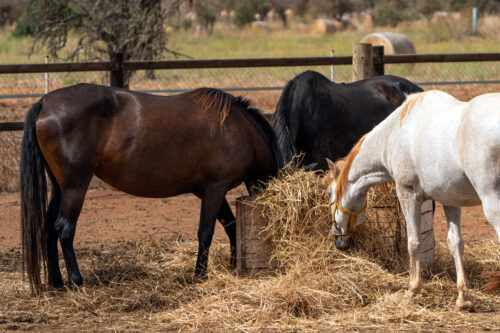
While providing free-choice forage helps encourage natural grazing behaviors, Kazakh horses may consume their ration quickly when feed is readily available in managed settings. Using a small hole hay net can help slow intake and promote more consistent feeding patterns.
Kazakh horses are adapted to low-quality, fibrous forage and may gain weight if fed large amounts of energy-dense feeds. Diets high in starch and sugar can increase the risk of over-conditioning and metabolic issues when these horses are kept under intensive management. [12] When additional calories are required, opt for high-fiber feeds such as soaked beet pulp or hay pellets.
Fat supplements are a suitable alternative to high-starch concentrates for Kazakh horses in moderate to heavy work that require additional energy. Sources rich in omega-3 fatty acids can also support coat quality, inflammation balance, and overall health. [13]
Consider working with an equine nutritionist to develop a tailored feeding program, particularly for horses with specific workload demands or metabolic sensitivity.
Nutritional Supplements
Supplement needs depend on the forage, the horse’s workload, and whether the current diet is already fortified. Often, the most useful supplements for a Kazakh Horse support a forage-based ration without adding excess sugar or starch.
Mad Barn supplements that may benefit Kazakh horses include:
- Omneity® A concentrated vitamin and mineral supplement that helps balance forage-based diets for horses.
- Visceral+ Can be helpful for horses under stress, during management changes, or when digestive comfort is a concern.
- Optimum Digestive Health Supports hindgut health and may benefit horses adjusting to a new diet or inconsistent forage.
- OmegaPrime+ Provides a concentrated source of DHA and EPA for horses that need targeted omega-3 support without substantially increasing calorie intake.
- w-3 Oil Supplies extra calories from fat and omega-3 fatty acids for horses that need more energy without supplying excess starch and sugar.
- Performance XL Electrolytes Useful for working horses that sweat regularly or need support to replace electrolyte losses.
A qualified equine nutritionist or veterinarian can help you build an individualized plan. You can also submit your horse’s diet for a free diet evaluation to identify nutrient gaps and get personalized supplement recommendations.
Here are some frequently asked questions about Kazakh horses:
A Kazakh horse is the traditional native horse of Kazakhstan, shaped by pastoral life on the Central Asian steppe. Descriptions often distinguish major types—such as the heavier Zhabe (meat-oriented) type and the lighter Aday riding type—and refer to productive breeds developed from native foundation stock. Nationally, herds are large and diverse; recent English-language reviews emphasize genetic diversity and multiple breeding categories rather than one narrow, global studbook definition [1].
Kazakh horses originate in Kazakhstan and adjacent pastoral regions of Central Asia, where they have long supported nomadic and semi-nomadic communities. National herd summaries describe substantial populations and several types derived from native foundation stock. Outside the region, horses may be marketed or labeled as Kazakh types less often, and documentation can vary, but the breed’s geographic and cultural home is Kazakhstan [1].
Characteristics depend on type. Breed literature generally emphasizes sturdy bone, stamina, practicality, and a workmanlike build suited to travel and herding. The Zhabe type tends toward a stronger, more meat-oriented constitution, while the Aday type is often described as a hardy riding horse under desert and steppe herd management. Common solid colors reported include bay, chestnut, black, and grey [1].
Kazakh horses are used for riding, herding, travel, and general utility work, including regional racing where that remains part of local practice. In Kazakhstan, breeding also sits within productive sectors: some enterprises emphasize meat and mare’s milk (koumiss). Individual horses kept abroad may excel at trail, pleasure, or ranch work. Overall, uses reflect versatility and hardiness rather than a single high-level sport specialty. [1]
Most Kazakh Horses are small to medium in height. Published Zhabe-type measurements often cluster near about 14 to 14.2 hands at the withers in stallions and mares, with mature live weights that can approach or exceed 970 lb depending on sex, type, season, and condition. Other types such as Aday may differ; treat published averages as general guides, not strict limits for every horse [1].
Kazakh Horses are generally described as hardy, sensible, and adaptable—traits that suit demanding environments and long days of work. Individuals raised in large herds may behave more independently than horses kept in intensive stabling. Consistent, fair handling and training strongly shape how that temperament appears under saddle or in hand. They often appeal to owners who value stamina and practicality over extreme refinement.
English-language sources rarely list inherited disorders unique to the label “Kazakh Horse”; genetics papers more often emphasize diversity and population structure than single-gene disease mapping [2][5]. Day-to-day risks are usually management-related: easy keepers can gain excess weight on rich pasture or dense concentrates [6]; neglected dental or hoof care, inadequate parasite control, and abrupt diet changes can contribute to lameness, parasitism, and digestive upset [10][8].
Kazakh Horses thrive on a forage-first ration—quality hay or appropriate pasture as the foundation—with constant access to clean water and salt. Hay-only programs can still leave micronutrient gaps depending on source, so a vitamin-mineral balancer is a practical way to cover common deficiencies [7]. Add extra calories only when workload or condition requires it, and introduce changes gradually; a nutritionist or veterinarian can tailor the plan [11].
Kazakh Horses can be suitable for some beginners, but this depends on the individual horse’s training and handling history. Horses raised in large herd environments may be more independent and less accustomed to structured riding or close human interaction. With consistent training and proper management, many individuals can become reliable mounts. Matching the horse to the rider’s experience level remains important.
Kazakh Horses are often considered easy keepers due to their adaptation to harsh environments with limited forage. This efficient metabolism allows them to maintain condition on relatively modest diets. However, when managed on rich pasture or high-calorie feeds, they may be prone to weight gain. Careful monitoring of body condition is important in domestic settings.
Kazakh Horses have a typical lifespan similar to other horse breeds, often living into their mid-20s or longer with proper care. Longevity depends on factors such as nutrition, workload, veterinary care, and overall management. Horses kept in balanced conditions with routine care tend to have better long-term outcomes. Individual variation is expected.
Kazakh Horses are best suited for endurance-based activities, utility work, and practical riding disciplines. Their stamina and hardiness make them well adapted for long-distance travel, trail riding, and ranch-style work. In their region of origin, they are also used in traditional racing and cultural events. They are less commonly bred for highly specialized competitive disciplines.
Kazakh Horses are highly adaptable and can tolerate a wide range of climates. Their development in the extreme conditions of the Central Asian steppe has contributed to their resilience in both hot and cold environments. With appropriate shelter, nutrition, and management, they can adjust well to different regions. Adaptation may take time depending on the individual horse and conditions.
Summary
Kazakh horses are hardy, versatile native breeds shaped by pastoral life on the Central Asian steppe, valued for endurance, adaptability, and efficiency.
- Developed in Kazakhstan for riding, herding, and utility work in nomadic and semi-nomadic systems
- Includes distinct types such as Zhabe (heavier, production-oriented) and Aday (lighter, riding-focused)
- Highly adaptable with strong feed efficiency and resilience in harsh climates and variable forage conditions
- Limited evidence of breed-specific genetic diseases, with most research focused on population diversity
- Best managed with forage-first diets, balanced micronutrients, and regular body condition monitoring
References
- Kabylbekova. D. et al. Genetic Studies and Breed Diversity of Kazakh Native Horses: A Comprehensive Review. Adv Life Sci. 2024.
- Orazymbetova. Z. et al. Genetic Diversity of Kazakhstani Equus caballus (Linnaeus, 1758) Horse Breeds Inferred from Microsatellite Markers. Genes. 2023. View Summary
- Gemingguli. M. et al. Genetic diversity and population structure of Kazakh horses (Equus caballus) inferred from mtDNA sequences. Genet Mol Res. 2016. View Summary
- Assanbayev. T. et al. Whole genome sequencing and de novo genome assembly of the Kazakh native horse Zhabe. Front Genet. 2024. View Summary
- Pozharskiy. A. et al. Genetic structure and genome-wide association study of six horse breeds in Kazakhstan. Animal. 2023.
- Henneke. D. R. et al. Relationship between condition score, physical measurements and body fat percentage in mares. Equine Vet J. 1983. View Summary
- Harris. P. A. et al. Review: Feeding conserved forage to horses: recent advances and recommendations. Animal. 2017. View Summary
- Ermers. C. et al. The Fibre Requirements of Horses and the Consequences and Causes of Failure to Meet Them. Animals. 2023. View Summary
- Vokes. J. et al. Equine Gastric Ulcer Syndrome: An Update on Current Knowledge. Animals. 2023. View Summary
- Scott. I. et al. Anthelmintic resistance in equine helminth parasites. Parasites Vectors. 2015. View Summary
- Becvarova. I. et al. Clinical assessment of nutritional status and feeding programs in horses. Vet Clin North Am Equine Pract. 2009. View Summary
- Nutrient Requirements of HorsesNutrient Requirements of Horses. National Academies. 2007
- Manhart. D. R. et al. Markers of Inflammation in Arthritic Horses Fed Omega-3 Fatty Acids. The Professional Animal Scientist. 2009.