English
![Top 7 Nutrient Deficiencies in Horses – [Signs & Symptoms]](/wp-content/uploads/2023/10/equine-nutrient-deficiencies.jpg)
Horses need a balanced diet to maintain optimal health. Ensuring adequate intake of vitamins and minerals is important for many physiological and metabolic functions.
However, a diet consisting solely of forage will not provide your horses with all of their daily vitamin and mineral requirements. [1] Even horses on complete feeds and ration balancers can still experience nutrient deficiencies that negatively impact their health.
Deficiencies in essential nutrients can lead to a range of issues, including poor hoof growth, a dull coat, impaired energy metabolism and slow recovery from illness or exercise.
While short-term nutrient deficiencies may only produce subtle symptoms, prolonged deficiencies or imbalances can have more harmful effects. Deficiencies in antioxidant nutrients, such as vitamin E are particularly detrimental, potentially leading to muscle disorders and neurological problems.
Your horse’s daily requirements for vitamins and minerals are determined based on their bodyweight, physiological status, activity level and overall health.
Continue reading to learn more about the top 7 nutritional deficiencies in the equine diet and how to prevent them.
Nutritional Deficiencies in Equine Diets
Vitamins and minerals are micronutrients that horses only require in small amounts, but that are essential for many functions in their bodies. These nutrients play vital roles in maintaining health, growth, reproduction, and performance.
Vitamins are organic compounds that are involved in energy production, immune function, and antioxidant defenses. Some vitamins can be synthesized in the body, but others must be supplied by the horse’s diet. For example, vitamin D is produced in the skin after exposure to UV light, but this endogenous production may not be sufficient to fully meet the horse’s needs. [2]
Minerals are inorganic elements that must be obtained from the diet because they can not be made in the body. Minerals are important for building strong bones and teeth, maintaining electrolyte balance, and as components of various enzymes and hormones.
What's your top priority with your horse's health?

What's your top priority with your horse's health?
Why are Horses At Risk of Nutrient Deficiencies?
Horses are susceptible to vitamin and mineral deficiencies because the amounts of these nutrients in forages and grains are not always sufficient to meet their needs.
Horses in certain geographic regions are prone to deficiencies in trace minerals because the soils in these regions have low mineral levels. Forages that grow in these soils are deficient in trace minerals and do not supply enough of these nutrients to horses. [2]
Horses on hay-only diets are also prone to nutrient deficiencies because several vitamins degrade in grass after it is cut and stored as hay. [2]
Depending on where they live, horses on a hay-only diet may experience deficiencies in: [1][2]
Unless irrigated with incompletely desalinated water, hays and grains are always deficient in sodium and have variable levels of chloride.
Deficiencies of manganese, calcium, phosphorus or magnesium are also possible. Only potassium and iron are always adequate on forage-based diets. [1][33]
Forage Analysis
The best way to determine whether your horse is at risk of certain nutrient deficiencies is to submit a hay sample for analysis. A forage analysis will help you understand the nutritional content of your forage.
A typical forage report will provide values for the energy, protein, fibre, sugar, starch, and mineral concentrations in your horse’s hay. Vitamin analysis may be available for an additional fee at some labs.
By knowing the exact nutritional content of your forage, owners and managers can provide supplements to balance any deficiencies. This ensures that your horse receives a well-rounded diet without over or under-supplementing.
Preventing Nutrient Deficiencies
A common strategy to correct for nutrient deficiencies is to feed your horse a complete feed or ration balancer that contains vitamins and minerals.
However, even with commercial feeds, your horse’s diet may still be lacking important nutrients. This can occur for several reasons, including:
- The feed is fed below the recommended feeding rate
- The feed does not contain a nutrient
- The feed has low inclusion of a nutrient
- The feed contains low-quality ingredients with poor bioavailability
- The forage or total diet has excessive levels of a mineral that prevents adequate absorption of one or more other minerals by competing for transporters
After reviewing over 6,000 equine diets, our nutritionists observed that most equine diets have vitamin and mineral deficiencies, even when they include complete feeds and ration balancers.
Below are the seven most common nutrient deficiencies observed in horses, as well as the associated signs of deficiency, and recommended intake levels.
1) Salt
Salt is composed of two mineral elements: sodium (Na) and chloride (Cl). When combined, they form the ionic compound sodium chloride.
Horses are often deficient in the mineral sodium, because most hays and grasses contain low levels of this mineral. Unless your horse is fed loose salt, they may not get enough of this mineral in their diet. [4]
However, when given free-choice access to loose salt, horses will consume roughly 50 grams of salt (sodium chloride) per day. This is typically enough to meet their sodium and chloride requirements. [3]
Physiological Roles
Sodium and chloride are important electrolytes that impact fluid levels in the body, acid-base balance, and nerve and muscle function. [1]
Chloride is also important for supporting digestion. It is a component of bile, which helps break down fats, and it is required to make the main stomach acid, hydrochloric acid. [1]
Requirements
Sodium and chloride requirements for horses take into account the horse’s activity level and reproductive status. For example, requirements are influenced by estimates of sweat loss in exercising horses, loss into milk in lactating mares and increased needs in late pregnancy.
The following requirements are presented in the National Research Council’s Nutrient Requirements of Horses (2007), based on a 500 kg / 1,100 lb horse: [1]
- Maintenance: 10 grams per day of sodium, 40 grams per day of chlorine
- Moderate exercise: 18 grams per day of sodium, 53 grams per day of chlorine
- Very heavy exercise: 41 grams per day of sodium, 93 grams per day of chlorine
- Late gestation: 11 grams per day of sodium, 41 grams per day of chlorine
- Early lactation: 13 grams per day of sodium, 45.5 grams per day of chlorine
Signs of Deficiency
Horses lose large amounts of sodium and chloride when they sweat. As a result, horses are most likely to develop a sodium and/or chloride deficiency when exercised intensely in hot weather or if additional salt is not provided in the diet.
In cases of sudden and severe (acute) sodium deficiency, horses might exhibit: [1][5]
- Early fatigue during exercise
- Uncoordinated muscle contractions or muscle spasms
- Unsteady gait
- Tying-up
- Reduced water intake
- Reduced or lack of sweat production (anhidrosis)
If your horse is chronically deprived of salt, they may stop eating or eat dirt and other objects (pica) to try to get these minerals.
Sodium-deficient lactating mares may show a decline in milk production. If kidney function is affected, horses may also experience excessive drinking (polydipsia) and excessive urination (polyuria). [5]

Supplementation
Most feeds contain added salt at a concentration of 0.5 – 1% of the feed. However, this is typically not sufficient to meet the horse’s sodium requirements. [1]
Loose salt should be provided to all horses to meet their sodium requirement. This has the added benefit of supporting hydration as salt intake will also encourage water intake. [6]
Our nutritionists recommend feeding 1 – 2 ounces of plain loose salt per day. Loose, free-choice salt should also be available at all times. Loose salt is preferable to a salt block because sodium intake from blocks is highly variable, potentially leading to insufficient consumption by horses. [4]
Salt is approximately 60% chlorine and 40% sodium. Because of this, nutritionists generally assume that if salt is provided to meet the sodium requirement, the chlorine requirement will also be met. [1]
However, because equine sweat contains twice as much chlorine as sodium, horses that are heavily sweating may become deficient in both sodium and chlorine.
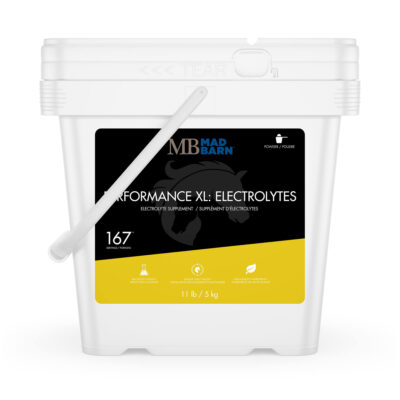
Keep in mind that horses in heavy work or those in hot weather may need a more comprehensive electrolyte supplement that also provides the minerals potassium, magnesium, and calcium. These electrolyte minerals may be depleted with excessive sweating.
2) Zinc and Copper
Trace minerals such as zinc and copper are only needed in small amounts in the diet, with their requirements measured in milligrams (mg) rather than grams (g). But they are critically important for the health and soundness of your horse.
Although forages provide some zinc and copper, forage alone is typically not sufficient to meet requirements. Forages grown near industrial mining can also accumulate excess levels of zinc which has been linked to joint disease in foals. [7]
Excessive levels of iron and manganese are commonly encountered and have the potential to compete for metal transporters on intestinal cells. [34]
Physiological Roles
Zinc and copper are important antioxidants that neutralize free radicals, which can otherwise damage cells via oxidative stress. Ensuring your horse gets adequate antioxidants also supports recovery from exercise, healthy aging, and metabolic health.
Zinc and copper are also required by enzymes that make keratin, which is the main protein responsible for building strong hooves and maintaining a healthy coat. [7]
Zinc is also required to make eumelanin, the type of melanin found in brown, bay and black coats. [32]
Requirements
Zinc and copper requirements for horses reflect the amounts of these nutrients required to prevent severe deficiency, and not necessarily the amounts required to support optimal health. Because of limited research in horses, these NRC requirements are also based on studies in other animals.
Based on a 500 kg / 1,100 lb horse, the NRC requirements for zinc and copper are: [1]
- Maintenance: 400 mg per day of zinc; 100 mg per day of copper
- Moderate exercise: 450 mg per day of zinc; 112.5 mg per day of copper
- Very heavy exercise: 500 mg per day of zinc; 125 mg per day of copper
- Late gestation: 400 mg per day of zinc; 125 mg per day of copper
- Early lactation: 500 mg per day of zinc; 125 mg per day of copper
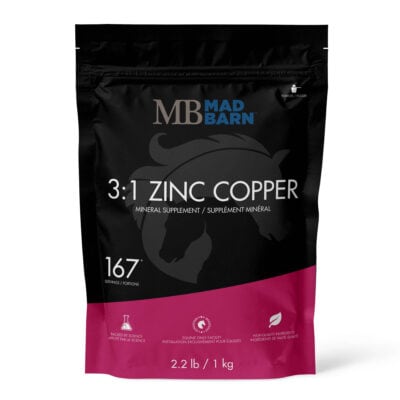
In addition to providing enough of these nutrients to meet NRC requirements, it’s also important to provide these in an appropriate ratio. Nutritionists generally recommend that the total diet achieve a zinc to copper ratio of 4:1.
High levels of zinc interfere with copper absorption in the gut, potentially leading to a copper deficiency even if the nutritional requirement is met. [1] If your horse’s forage has high zinc levels, your nutritionist may recommend supplementing with copper to reduce the risk of deficiency.
Zinc Deficiency
Severe zinc deficiency is rare in horses but can be induced experimentally by feeding special diets. In an experimental scenario, zinc deficiency in foals resulted in: [1]
- Slow growth
- Altered bone growth
- Decreased appetite
- Skin lesions on the lower legs
- Hair loss
Although severe deficiency is rare, subclinical deficiency is common in mature horses. A subclinical deficiency refers to a state where an individual has insufficient levels of a particular nutrient or substance in their body, but the deficiency is not severe enough to cause overt or recognizable symptoms. [8]
In one survey of horses in Germany, nearly half of the horses (46%) were receiving less than 75% of the recommended zinc intake. Zinc deficiency is linked to conditions of poor hoof quality, such as cracked hooves and white line disease. [9][10]
Since zinc is essential for the optimal functioning of the immune system, horses with chronic infection or inflammation need more zinc in their diet and are at risk of developing more severe mineral deficiency. [11]
Copper Deficiency
In growing horses, a lack of copper can impact joint health. Copper deficiency is associated with a condition called osteochondrosis, which is a developmental orthopedic disease that can affect your horse’s future performance. Foals can also develop osteochondrosis if their dam has insufficient copper in her diet. [7]
Because copper is required to make melanin – the pigment that gives hair and skin its colour – deficiency can also negatively affect coat colour and contribute to sunbleaching. [7]
Supplementation
Zinc and copper are commonly added to equine feeds, ration balancers and vitamin/mineral supplements. When choosing a feed or supplement, opt for those containing organic (carbon-bound) trace minerals rather than inorganic ingredients.
Organic sources like zinc or copper proteinates offer greater bioavailability compared to inorganic sources like zinc or copper sulfates or oxides. [12]
Ensuring adequate levels of zinc and copper is especially important for pregnant mares and growing foals to promote healthy bone development.
Horses with metabolic syndrome, recurrent laminitis, or frequent illness may benefit from higher levels of these antioxidants.
If your horse consumes a forage with elevated iron levels, they may need additional copper and zinc in the diet to balance high iron intake. Iron also interferes with zinc and copper absorption and utilization in the horse’s body.
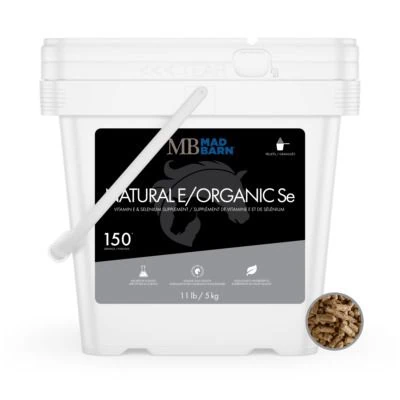
3) Selenium
Selenium is another trace mineral that is only required by the horse in very small quantities, but that is critical for immune function and overall health.
Unfortunately, many areas in the U.S. and Canada produce selenium-deficient forage due to low levels of this mineral in the soil. [13]
Physiological Roles
Selenium is an essential component of several proteins in the body. It is required by the antioxidant enzyme glutathione peroxidase, which protects cells from oxidative damage.
Selenium also supports normal thyroid function to produce thyroid hormones involved in regulating metabolic processes.
Requirements
The NRC selenium requirement for horses specifies the amount needed to prevent deficiency, not necessarily to promote optimal health.
Based on a 500 kg / 1,100 lb horse, the selenium requirement is: [1]
- Maintenance: 1 mg per day
- Moderate exercise: 1.125 mg per day
- Very heavy exercise: 1.25 mg per day
- Late gestation: 1 mg per day
- Early lactation: 1.25 mg per day
To support optimal immune function, the NRC recommends a higher intake level of 3 mg of selenium per day in the total diet. [1]
Signs of Deficiency
Selenium and vitamin E work together in the horse’s body as antioxidants. Vitamin E gets incorporated into the membranes surrounding cells and intracellular structures while selenium is essential for the function of the glutathione system which protects the watery interior of the cells.
Horses deficient in selenium or vitamin E can experience several conditions affecting muscle and nerve function.
Foals nursing from mares who are selenium deficient can develop from a condition called white muscle disease, which affects skeletal and cardiac muscle. The main signs of white muscle disease include: [13]
- Recumbency (lying down)
- Elevated heart rate
- Failure to nurse
- Difficulty swallowing
- Red to brown-tinged urine
Other concerns linked to selenium deficiency include nutritional myopathies, such as rhabdomyolysis (tying-up) in adult horses. These conditions occur, in part, due to chronic oxidative damage to tissues. [5][14]
Supplementation
Similar to other trace minerals, selenium can be supplemented as an organic or inorganic compound, of which organic forms are more bioavailable. [15]
Inorganic forms include sodium selenate, selenite or selenide. Organic forms include the amino acid selenomethionine and selenium-enriched yeast, which are safer and better utilized in the body than inorganic sources.
The upper tolerable level of selenium intake for horses is estimated to be 20 mg per day for chronic toxicity. Although rare, excess selenium supplementation or chronic consumption of high-selenium forages can result in toxicity. Selenium toxicity can cause loss of mane and tail hairs, cracked or sloughing hooves, and profuse sweating. [1][5]
If you suspect your horse is not getting enough or getting too much of this mineral, submit a forage sample to measure the selenium content and adjust their diet accordingly. Blood tests may also help diagnose a selenium deficiency or toxicity. [13][14]
4) Vitamin E
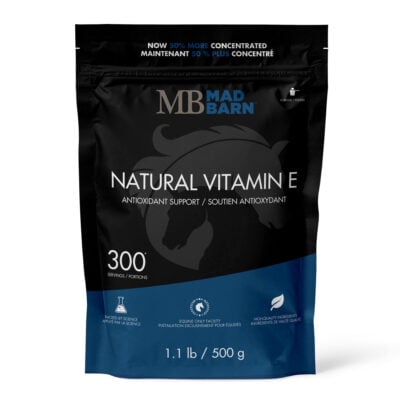
Vitamin E is a fat-soluble vitamin that has powerful antioxidant properties. Horses need vitamin E to protect their cells from oxidative damage and support muscle and nerve function.
While vitamin E (d-alpha-tocopherol) is abundant in fresh, green pasture, its levels are much lower in grass that is cut for hay. Stored hay can have 85% less vitamin E than fresh grass. [2]
Horses with limited pasture access or those on hay-only diets may not be getting enough of this vitamin and are at risk of developing a deficiency.
Physiological Roles
Vitamin E works together with selenium and vitamin C as antioxidants to support cellular health.
Selenium and vitamin E also have synergistic effects on the immune system, playing a role in regulating inflammation and antibody production. [16]
Requirements
Vitamin E requirements for horses are typically listed in IU (international units), which measures both the amount of the nutrient in the diet as well as the bioactivity of the compound.
For a 500 kg / 1,100 lb horse, the NRC vitamin E requirement is: [1]
- Maintenance: 500 IU per day
- Moderate exercise: 900 IU per day
- Very heavy exercise: 1,000 IU per day
- Late gestation: 800 IU per day
- Early lactation: 1,000 IU per day
Deficiency
Vitamin E deficiency is associated with impaired muscle function, suppression of immune function and reproductive failure. [5]
Deficiencies in this nutrient can also contribute to the following nervous system diseases: [17][18]
- Equine Motor Neuron Disease (EMND)
- Equine degenerative myeloencephalopathy
- Neuroaxonal dystrophy
In general, signs of neuromuscular disease due to vitamin E deficiency include:
- Muscle tremors
- Progressive weakness
- Poor coordination
- Abnormal sweating
Contact your veterinarian immediately if you suspect your horse may have a neuromuscular impairment. Obtaining a precise diagnosis is key to determining the right treatment, which could include either dietary vitamin E supplements or injections, based on the individual case.
Supplementation
Horses on fresh grass pasture may not need any supplemental vitamin E in the diet. However, once grasses mature and are cut and dried to make hay, their vitamin E content decreases significantly. [2]
Vitamin E supplements are available in natural (d-alpha-tocopherol) or synthetic forms (dl-alpha-tocopherol), of which natural vitamin E is more bioactive. This means that the horse can absorb, utilize, and retain natural vitamin E more efficiently than its synthetic counterpart. [19]
If your horse needs more vitamin E in their diet, choose feeds and supplements that provide higher-quality natural vitamin E.
5) Vitamin A
Vitamin A refers to a group of fat-soluble compounds known as retinoids, primarily retinol and retinyl esters.
Equine feedstuffs such as forages or grains do not typically contain vitamin A. However, fresh, green grass is a source of the vitamin A precursor, beta-carotene, which gets converted into retinyl esters in the intestine and liver.
Retinyl esters are the active forms of vitamin A that are stored in the liver or delivered to other tissues. [1]
While horses on fresh pasture likely obtain adequate amounts of Vitamin A, horses primarily consuming hay are at risk of deficiency because beta-carotene is largely degraded in stored hay. [2]
Roles
Vitamin A is widely recognized for its involvement in vision and eye health. In horses, vitamin A plays a crucial role in transmitting light signals to the brain for visual processing.
Vitamin A and beta-carotene are also involved in: [1]
- Immune responses to infection
- Reproduction and embryo development
- Regulating cell division
Requirements
Vitamin A requirements for horses have not been studied as extensively as other nutrient requirements. However, the NRC has established a suggested intake level based on the amount of this nutrient required for preventing night blindness. [1]
Exercising horses have increased requirements to support soft tissues and reduce the risk of tendon injury.
Broodmares also have higher requirements to support fertility and foal development. They need more vitamin A during late gestation and lactation to provide this vitamin to their foal through colostrum and milk. [1]
Based on a 500 kg / 1,100 lb horse, the NRC vitamin A requirement is: [1]
- Maintenance: 15,000 IU per day
- Moderate exercise: 22,500 IU per day
- Very heavy exercise: 22,500 IU per day
- Late gestation: 30,000 IU per day
- Early lactation: 30,000 IU per day
Deficiency
The classic sign of a vitamin A or beta-carotene deficiency is night blindness, meaning the horse struggles to see in low-light conditions due to impaired adaptation of the eyes to darkness.
Several additional signs of vitamin A deficiency have been reported in horses including: [5]
- Impaired growth
- Impaired hematopoiesis (formation of blood cells)
- Watery discharge from the eyes
- Hardening of the cornea
- Susceptibility to pneumonia
- Sublingual gland abscesses
- Discoordination
- Impaired reproduction
- Changes in appetite
- Progressive weakness
- Deformed and brittle hooves
Supplementation
Retinol compounds, such as retinyl palmitate and retinyl acetate, are commonly used to supplement vitamin A in the equine diet. These compounds are stable and don’t break down in feeds and supplements during storage.
Synthetic beta-carotene is another option, but it’s uncertain how effective it is at improving vitamin A levels in horses. [1]
It is important not to feed too much of this nutrient, because vitamin A toxicity can occur with over-supplementation. Excess vitamin A can result in bone fragility, skin lesions, bone spurs, birth defects, and developmental orthopedic disease in growing horses. [2]
According to the NRC, the safe upper limit for Vitamin A is 16,000 IU per kg of dry matter in the diet. This is roughly equivalent to 160,000 IU of vitamin A per day for a 500 kg / 1,100 lb horse. [1]
Survey studies show that many racehorses are overfed vitamin A, receiving up to 6 times the NRC requirement, which puts them close to this toxicity level. [2]
6) Calcium and Phosphorus
Calcium and phosphorus are essential macrominerals for horses, indicating they are required in substantial amounts in their diet. In addition to providing enough calcium and phosphorus in the diet, horse owners also need to ensure these minerals are provided in an appropriate ratio.
Forages in most areas tend to contain more calcium than phosphorus, and this is especially true of legume hays such as alfalfa. In comparison, cereal grains have much higher levels of phosphorus than calcium. [1]
Roles of Calcium and Phosphorus
Both calcium and phosphorus are major components of bone, with 99% of the body’s calcium and 85% of its phosphorus stored there. Horses need adequate amounts of these nutrients to build and maintain strong bones.
Calcium and phosphorus are also important for: [1]
- Muscle contraction
- Neurological function
- Electrolyte balance
- Enzyme activity
- Energy metabolism
Requirements
Based on a 500 kg / 1,100 lb horse, the NRC requirements for calcium and phosphorus are: [1]
- Maintenance: 20 grams per day of calcium; 14 grams per day of phosphorus
- Moderate exercise: 35 grams per day of calcium; 21 grams per day of phosphorus
- Very heavy exercise: 40 grams per day of calcium; 29 grams per day of phosphorus
- Late gestation: 36 grams per day of calcium; 26 grams per day of phosphorus
- Early lactation: 59 grams per day of calcium; 38 grams per day of phosphorus
The ideal ratio of calcium to phosphorus in a mature horse’s diet should be 1.5 – 2 grams of calcium for every 1 gram of phosphorus. However, so long as your horse’s phosphorus requirement is met, ratios up to 6:1 can be tolerated. [1]
Calcium Deficiency
In foals, chronic calcium deficiency can lead to abnormal bone and cartilage development, lameness, and developmental orthopedic diseases. [1] In mature horses, chronic deficiency in either of these nutrients can lead to brittle, weak bones.
Calcium deficiency in the presence of adequate phosphorus can lead to a condition known as Big Head Disease, characterized by soft, swollen facial bones. This condition is also known as Nutritional Secondary Hyperparathyroidism and results from elevated parathyroid hormone levels. [20]
In horses, chronic calcium deficiency can arise from low calcium intake or high phosphorus intake, which interferes with the absorption of calcium. Horses can also develop a calcium deficiency if they consume plants containing high amounts of oxalates. [21]
Oxalates are anions that can bind calcium, preventing its absorption in the gut leading to a secondary deficiency. These compounds are most abundant in tropical forages such as buffelgrass, pangola grass, and setaria. [22]
Horses can also experience acute or sudden drops in blood calcium levels, known as hypocalcemia. This condition impacts nerve and muscle function, potentially manifesting as tetany or thumps.
Tetany
Tetany is characterized by sustained skeletal muscle contractions due to hypocalcemia. This condition commonly affected lactating mares and horses transported over long distances.
Mares producing large amounts of milk who are also eating low-calcium diets or performing physical work have the highest risk for tetany. [23]
Signs of tetany in horses include: [23]
- Ataxia (poor coordination)
- Depression
- Anxiety
- Muscle twitches and tremors
- Muscle stiffness
- Rapid breathing
- Difficulty swallowing
- Excessive salivation
- Excessive sweating
- Colic
Thumps
Severe hypocalcemia can also lead to synchronous diaphragmatic flutter, known colloquially as “thumps”. This condition is characterized by a rhythmic flank movement, resulting from the diaphragm — a breathing muscle — contracting in sync with the heartbeat.
Thumps can occur in endurance horses as well as horses with gastrointestinal disease, sepsis, lactation tetany, blister beetle toxicosis, hypoparathyroidism, and metabolic alkalosis. [23]
Phosphorus Deficiency
Phosphorus deficiency most commonly affects growing, lactating, and performing horses on poor-quality grass. Horses that are deficient in phosphorus might exhibit signs of geophagia (eating dirt or manure) before other signs appear. Shifting lameness and bone changes can also occur. [5]
A chronic phosphorus deficiency can lead to: [23]
- Weight loss
- Low appetite
- Weakness
- Lameness
- Developmental orthopedic diseases
Supplementation
Before introducing calcium or phosphorus supplements to the diet, it’s important to determine the amounts of these minerals present in your horse’s forage by sending samples for analysis.
If additional calcium is required, consider supplementing with a legume hay, such as alfalfa or clover. Legumes can contribute up to 20% of your horse’s forage.
Alfalfa pellets or cubes are another great way to add calcium to the diet. Alternatively, limestone (calcium carbonate) can be fed as a cost-effective supplement.
To increase the phosphorus levels in your horse’s diet consider feeding a supplement such as monosodium phosphate.
Grains and brans are also high in phosphorus, but these feeds tend to be high in starch and sugar, which may not be appropriate for horses with equine metabolic syndrome or laminitis.
7) Magnesium
Magnesium is an essential mineral for horses, playing several important physiological roles. Most forages supply sufficient magnesium to fulfill the recommended intake for horses. However, there are situations where additional supplementation may be necessary for your horse.
Legume hays typically have higher magnesium content than grass hays, such as timothy hay. Some grain by-products are also considered good sources of magnesium. [7]
Roles
Magnesium is an electrolyte that is required for normal muscle and nerve function. It is also involved in energy metabolism and insulin sensitivity.
It is also found in high levels in bone, where it is associated with the crystalline structures that give bone its strength.
Requirements
The NRC’s magnesium requirement indicates the amount of this nutrient that horses need to avoid deficiency, not necessarily the optimal intake level.
Exercising horses have higher magnesium requirements to account for sweat losses and to support muscle function.
Based on a 500 kg / 1,100 lb horse, the NRC’s magnesium requirement is: [1]
- Maintenance: 7.5 grams per day
- Moderate exercise: 11.5 grams per day
- Very heavy exercise: 15 grams per day
- Late gestation: 8 grams per day
- Early lactation: 11 grams per day
Deficiency
Severe magnesium deficiency is rare in horses, since forages typically provide enough of this nutrient to meet NRC requirements for horses at maintenance.
However, lactating mares and horses in heavy work have higher requirements and are more prone to hypomagnesemia, a condition characterized by low levels of circulating magnesium.
In horses, severe magnesium deficiency can result in: [1]
- Irregular heartbeat (ventricular arrhythmias)
- Muscle tremors
- Poor coordination
- Seizures
- Abnormal calcium deposits in soft tissues
Low magnesium levels are also seen in horses with gastrointestinal illness, such as colic and small intestinal volvulus. Horses affected by thumps and blister beetle toxicosis may also be deficient in this mineral. [24][25]
Horses with insufficient magnesium in the diet are also susceptible to anxious or excitable behaviour. Low magnesium may result in hypersensitivity to sound or touch or general irritability and nervousness. [24]
Supplementation
Horses that consume 2% of their bodyweight in forage daily usually receive adequate amounts of this mineral to satisfy their nutritional needs. At this feeding rate, forage will typically provide 8 – 12 grams of elemental magnesium per day. [1]
For horses that require magnesium supplementation, several different forms are available, including:
- Organic sources: magnesium aspartate, magnesium carbonate, and magnesium citrate
- Inorganic sources: magnesium oxide, magnesium sulfate, and magnesium chloride
Unlike other minerals, organic magnesium supplements are not necessarily superior to inorganic ones. Organic sources of magnesium also tend to be more expensive and have a lower concentration of elemental magnesium.
When selecting the best magnesium supplement, take into account the concentration of magnesium in the product. For example, 200 grams of magnesium aspartate would be required to supply 20 grams of elemental magnesium. But if you were feeding magnesium oxide, this would require only 36 grams.
Supplementing horses with magnesium has several purported benefits, including:
- Calming: Mixed research results with one study showing decreased reaction time and another study showing no effect [26][27]
- Insulin sensitivity: Improved glucose metabolism in some horses with equine metabolic syndrome, reduced cresty neck and frequency of laminitic episodes [24]
- Headshaking syndrome: Magnesium with or without boron has been shown to reduce symptoms of trigeminal-mediated headshaking [28]
- Antacid: In combination with aluminum hydroxide, magnesium increased stomach pH making the environment less acidic and potentially protecting against gastric ulcers [29]
To support normal insulin regulation and mood balance, supplementing your horse with 5 – 10 grams of magnesium per day may be helpful. [30]
Magnesium is safe for horses, but long-term feeding of excessive amounts may increase risk of enterolith formation. [31]
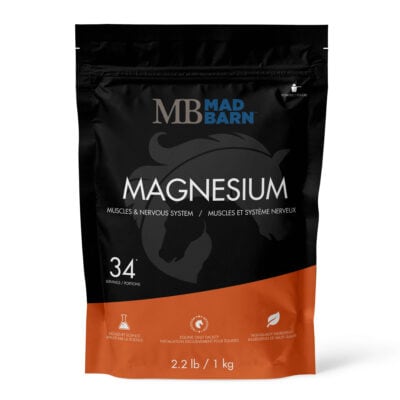
Mad Barn’s magnesium oxide is a concentrated, cost-effective supplement that provides 10 grams of elemental magnesium per serving.
Frequently Asked Questions
Here are some frequently asked questions about vitamin and mineral deficiencies in horses:
Salt, copper, zinc, selenium, vitamin E, and vitamin A deficiencies are among the most common nutritional gaps in equine diets. Horses eating mostly hay or pasture are especially prone to low intake of these nutrients because forage does not always provide adequate levels year-round. Some horses may also have low magnesium, calcium, or phosphorus depending on forage quality, soil conditions, workload, and overall feeding practices.
Vitamin and mineral deficiencies in horses are best identified by reviewing the full diet and testing the forage being fed. A forage analysis shows the nutrient content of hay or pasture and helps determine whether important vitamins or minerals are missing or imbalanced. Horses with deficiencies may show subtle signs such as dull coat quality, weak hooves, poor recovery after exercise, or reduced topline before more serious issues develop.
Nutritional deficiencies in horses can cause changes in hoof quality, coat condition, muscle function, energy levels, and overall health. Common signs include brittle hooves, dull or faded hair coats, slow shedding, weight loss, poor growth, reduced exercise tolerance, muscle tremors, or weaker immune function. Deficiencies often develop gradually, so many horses show mild or vague symptoms long before severe health problems become obvious.
Hay-based diets increase the risk of nutrient deficiencies because several vitamins decline after forage is cut, dried, and stored. Vitamin E and vitamin A are especially affected, while trace minerals such as copper, zinc, selenium, and sodium may already be low depending on soil conditions. Horses eating only hay often need additional vitamin and mineral support to maintain balanced nutrition and support long-term health.
Complete feeds and grain products do not always prevent nutrient deficiencies in horses because many animals are fed less than the recommended feeding amount. Easy keepers, ponies, and horses on calorie-restricted diets may not consume enough fortified feed to meet daily vitamin and mineral requirements. High iron forage, poor mineral bioavailability, or imbalanced diets can also interfere with nutrient absorption even when fortified feeds are included.
Preventing vitamin and mineral deficiencies in horses starts with evaluating the forage and balancing the total diet around the horse’s individual needs. A forage analysis helps identify nutrient gaps so supplements can be added more accurately without creating excesses or imbalances. Most horses benefit from access to loose salt and a well-formulated vitamin and mineral supplement that supports nutrients commonly lacking in forage-based feeding programs.
Early mineral deficiency symptoms in horses are usually mild and may affect hoof growth, coat quality, stamina, or behavior before severe illness appears. Horses may develop cracked hooves, faded hair color, slower recovery after exercise, reduced topline, irritability, or lower performance over time. Young horses with prolonged deficiencies can also experience developmental problems involving bones, joints, or normal growth.
Vitamin and mineral deficiencies can negatively affect coat condition and hoof quality in horses because these tissues rely heavily on proper nutrient intake. Copper and zinc support keratin formation for healthy hooves, while copper also helps maintain normal coat pigmentation. Horses lacking important nutrients may develop brittle hooves, poor hoof growth, faded hair color, rough coats, or slow seasonal shedding.
Salt is important in the equine diet because horses naturally consume forage that is very low in sodium and chloride. These electrolytes support hydration, nerve function, muscle contraction, and acid-base balance throughout the body. Horses exercising heavily or sweating in hot weather lose even more sodium through sweat and may develop fatigue, muscle problems, reduced drinking, or decreased sweat production without additional salt intake.
Most horses need approximately 1 - 2 oz (28 - 57 g) of loose salt daily in addition to free-choice access to salt. Horses in heavy work, hot climates, or intense exercise often require more because sweating increases sodium and chloride losses. Loose salt is generally preferred over salt blocks because horses tend to consume more consistent amounts when salt is offered in loose form.
Selenium deficiencies are common in horses because many regions in the United States and Canada have soils naturally low in selenium. Hay and pasture grown in these areas often fail to supply enough selenium to support normal antioxidant function, muscle health, and immune function. Horses with low selenium intake may develop muscle disorders, weakness, tying-up episodes, or white muscle disease in nursing foals.
Vitamin E deficiency is more common in horses on hay-only diets because fresh pasture contains much higher levels of natural vitamin E than stored forage. Hay can lose up to 85% of its vitamin E content during storage, leaving some horses with inadequate intake over time. Horses with low vitamin E levels may experience muscle weakness, tremors, poor coordination, or neurological disorders affecting muscle and nerve function.
Excess iron in equine diets can interfere with copper and zinc absorption because these minerals compete for transport pathways in the digestive tract. A forage analysis may show adequate copper and zinc levels, but high iron concentrations can still reduce how effectively those minerals are utilized. Horses eating high-iron forage may require additional copper and zinc support to maintain proper mineral balance.
A forage analysis is the best first step when investigating possible nutrient deficiencies in horses because forage forms the foundation of most equine diets. Testing hay or pasture helps identify missing nutrients, mineral imbalances, or excessive levels that may interfere with absorption. Once the forage is evaluated, the rest of the feeding program can be adjusted more accurately to support balanced nutrition and overall health.
Summary
Vitamins and minerals are critical components of the equine diet that support optimal metabolic function, hoof health, reproduction, growth, muscle function and much more. However, many horses are deficient in one or more of these essential nutrients.
- Chronic deficiencies can become apparent as weak hooves, dull coat, poor exercise performance, reproductive issues and suppressed immune function.
- You can protect your horse against nutrient deficiencies by obtaining a forage analysis and working with an equine nutritionist to balance your horse's diet.
- Your nutritionist will help you identify which vitamins and minerals need to be supplemented to prevent deficiencies.
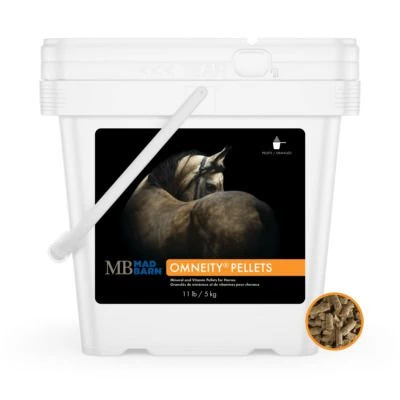
- You can also safeguard your horse's health by feeding a comprehensive vitamin and mineral supplement, such as Mad Barn's Omneity®. Omneity® is formulated to balanced the majority of forage-based diets and grain-based feeding programs with high-quality organic trace minerals and complete vitamin fortification.
Consult with an equine nutritionists by submitting your horse's diet online for evaluation to prevent nutrient deficiencies and support optimal health.
References
- National Research Council Nutrient Requirements of Horses. 2007.
- Zeyner, A. and Harris, P.A. Chapter 9: Vitamins. IN: Equine Applied and Clinical Nutrition. Elsevier. 2013.
- Schryver, H.F. et al. Salt consumption and the effect of salt on mineral metabolism in horses. Cornell Vet. 1987.View Summary
- Back, M. and Houpt, K. Short Communication: The effect of exercise on salt intake by horses. J Vet Behav. 2023.
- Ralston, S.L. Nutritional Diseases of Horses and Other Equids. Merck Veterinary Manual. Accessed Oct 11, 2023.
- Jansson, A. and Dahlborn, K Effects of feeding frequency and voluntary salt intake on fluid and electrolyte regulation in athletic horses. J Appl Physiol. 1999. View Summary
- Coenen, M. Chapter 10: Macro and trace elements in equine nutrition. IN: Equine Applied and Clinical Nutrition. Elsevier. 2013.
- Wichert, B. et al. Zinc, copper and selenium intake and status of horses in Bavaria. J Nutr. 2002. View Summary
- Higami, A. Occurrence of White Line Disease in Performance Horses Fed on Low-Zinc and Low-Copper Diets. J Equine Sci. 1999.
- Rueda-Carrillo, G. et al. Comparison of the Mineral Profile of Two Types of Horse Diet, Silage and Commercial Concentrate, and Their Impacts on Hoof Tensile Strength. Animals. 2022.
- Youssef, M.A. et al. Antioxidant Trace Elements in Serum of Draft Horses with Acute and Chronic Lower Airway Disease. Biol Trace Elem Res. 2012.View Summary
- Naile, T. L. et al. Effects of Mineral Source on Growth and Balance in Yearling Horses. Prof Anim Sci. 2005.
- House, A. Selenium in the Equine Diet. AAEP. Accessed Oct 11, 2023.
- Deride, C. et al. Relationship Between Selenium, Copper, Zinc and Their Biomarkers in Blood and Skeletal Muscle Tissue in Adult Horses From Southern Chile. J Equine Vet Sci. 2023. View Summary
- Calamari, L. et al. Effect of selenium source and dose on selenium status of mature horses. J Anim Sci. 2009. View Summary
- Owen, R.N. et al. Elevated dietary selenium rescues mitochondrial capacity impairment induced by decreased vitamin E intake in young exercising horses. J Animal Sci. 2022. View Summary
- Young, A. Equine Motor Neuron Disease (EMND). UC Davis. Accessed Oct 11, 2023.
- Finno, C.J. and Burns, E.N. Equine Neuroaxonal Dystrophy and Degenerative Myeloencephalopathy. Vet Clin North Am Equine Pract. 2022. View Summary
- Divers, T.J. et al. Evaluation of the risk of motor neuron disease in horses fed a diet low in vitamin E and high in copper and iron. Am J Vet Res. 2006. View Summary
- Etemadi, F. et al. Assessment of calcium, phosphorus, magnesium, vitamin D and PTH levels in sera of lame horses. Vet Med Sci. 2023. View Summary
- Goyal. M., Oxalate Accumulating in Fodder Crops and Impact on Grazing Animals - A Review. Forage Res. 2018.
- Rahman. M. M. and Kawamura. O., Oxalate Accumulation in Forage Plants: Some Agronomic, Climatic and Genetic Aspects. Asian Australas J Anim Sci. 2011.
- Toribio, R.E. Disorders of Calcium and Phosphate Metabolism in Horses. Vet Clin Equine. 2011. View Summary
- Stewart, A.J. Magnesium disorders in horses. Vet Clin North Am Equine Pract. 2011. View Summary
- Borer, K.E. and Corley, K.T.T. Electrolyte disorders in horses with colic. Part 1: potassium and magnesium. Equine Vet Educ. 2006.
- Dodd, J.A. et al. Magnesium aspartate supplementation and reaction speed response in horses. J Equine Vet Sci. 2015.
- Dodd, J.A.. et al. Does oral magnesium aspartate supplementation affect reaction speed in horses of different breeds?. Conference Proceedings ICEEP. 2018.
- Sheldon, S.A. et al. Effects of magnesium with or without boron on headshaking behavior in horses with trigeminal-mediated headshaking. J Vet Intern Med. 2019.View Summary
- Clark, C.K. et al. Effect of aluminum hydroxide/magnesium hydroxide antacid and bismuth subsalicylate on gastric pH in horses. J Am Vet Med Assoc. 1996.
- Kellon, E. The Power of Magnesium. Dr. K's Horse Sense. Accessed Oct 11, 2023.
- Stewart, A.J. Magnesium as an Equine Dietary Supplement. Merck Veterinary Manual. Accessed Oct 11, 2023.
- Borovansky, J.Zinc in pigmented cells and structures, interactions and possible roles.Sb Lek. 1994.
- Equi-Analytical. Feed Composition Library. Accessed April 8, 2024.
- Nishito, Y. and Kambe, T. Absorption Mechanisms of Iron, Copper, and Zinc: An Overview. J Nutr Sci Vitaminol. 2017.