Analyze Diet

Top 14 Signs & Symptoms of Ulcers in Horses

What are some of the common signs that your horse is affected by ulcers? If your horse is losing weight, not eating well, or has developed a coarse coat they may be affected by ulcers. But these are not the only symptoms that you should be on the lookout for. Every horse owner should be aware of these signs because Equine Gastric Ulcer Syndrome (EGUS) is one of the most common medical conditions in horses.


Top 14 Signs & Symptoms of Ulcers in Horses2026-07-31T16:58:33-04:00

10 Research-Backed Benefits of Zinc for Horses

Zinc (Zn) is an essential trace mineral that is required in the horse's diet to support the proper function of many enzymes and proteins. It is involved in antioxidant protection, immune function, protein synthesis, and cellular communication. Zinc is also important for proper bone development in foals and supports healthy hooves and skin. It is critical for reproductive health and supports normal growth and tissue health.

10 Research-Backed Benefits of Zinc for Horses2026-07-31T16:55:56-04:00

Top 5 Reasons to Use a Vitamin E Supplement for your Horse

Does your horse need a Vitamin E supplement added to his or her feeding program? Hay is the most important component of a horse's diet, and contributes almost all the necessary macronutrients (protein, fat and carbohydrates) and micronutrients (vitamins and minerals) that our horses need. Notice how I said almost? Hay does not cover all our horses’ nutrient requirements and there is one micronutrient in particular that is often deficient in horses on a hay-based diet. That essential nutrient is vitamin E.

Top 5 Reasons to Use a Vitamin E Supplement for your Horse2026-07-31T16:54:33-04:00

7 Science-Backed Benefits of Biotin for Horses

Biotin, also known as vitamin B7, is required in the horse's diet for the production of keratin – the main protein that forms a strong, durable hoof structure. Biotin is most commonly known for supporting hoof growth and quality. It also supports many other elements of the horse's physiology, including fat and sugar metabolism, hair and coat quality and healthy skin.

7 Science-Backed Benefits of Biotin for Horses2026-07-31T16:53:16-04:00

10 Science-Backed Benefits of Jiaogulan for Horses

Jiaogulan (pronounced Je-ow-gu-laan), also known as Gynostemma pentaphyllum or J-herb is a climbing vine used in horses to support circulation, respiratory health, and muscle function. The leaves of the jiaogulan plant contain active ingredients that increase nitric oxide levels in the blood which stimulates blood flow. This helps enhance energy levels, deliver nutrients, oxygen, and immune cells to tissues, and clear away waste products.

10 Science-Backed Benefits of Jiaogulan for Horses2026-08-06T17:14:28-04:00

10 Science-Backed Benefits of Copper for Horses

Copper (Cu) is an essential trace mineral that is required in the equine diet to support the proper function of many enzymes in the horse's body. Copper is important for iron metabolism, healthy connective tissue, energy production and antioxidant protection. Horses might be low in copper due to low levels in their diet or because their diets have high levels of zinc (Zn) or iron (Fe). Excess intake of zinc or iron can interfere with copper absorption from the gut.

10 Science-Backed Benefits of Copper for Horses2026-07-31T16:51:41-04:00

7 Research-Backed Benefits of Milk Thistle Extract for Horses

Milk thistle extract (Silybum marianum), also known as St. Mary's thistle, is an herbal supplement primarily used to support liver function in horses. Milk thistle seeds and leaves contain many bioactive compounds, collectively referred to as silymarin. Silymarin is a flavonolignans with antioxidant, antiinflammatory and immunomodulating properties.

7 Research-Backed Benefits of Milk Thistle Extract for Horses2026-08-06T17:31:12-04:00

8 Science-Backed Benefits of Spirulina for Horses

Spirulina is a nutritionally dense blue-green algae that is used as an equine supplement to support horses with immune or respiratory needs. Spirulina refers to dried algae, or cyanobacteria, that is harvested from lakes in Africa, Mexico and China. Fed in the form of a concentrated green powder, it is a rich source of bioactive proteins, fatty acids, vitamins, and minerals.

8 Science-Backed Benefits of Spirulina for Horses2026-08-06T16:06:29-04:00

17 Science-Backed Benefits of Omega-3 Fatty Acids in Horses

Omega-3 fatty acids are polyunsaturated fats (PUFAs) that are essential in the horse's diet. Supplementing your horse's feeding program with omega-3 oil can support anti-inflammatory mechanisms in the body and contribute to overall health and well-being. Giving your horse a source of omega-3 fats can support a calm demeanor, immune function, and joint health. Omega-3 fats also help prevent dry skin and dull coats and support weight maintenance.

17 Science-Backed Benefits of Omega-3 Fatty Acids in Horses2026-09-23T13:11:36-04:00

5 Research-Backed Benefits of Chasteberry in Horses

Chasteberry is an herbal supplement that is used to support mood balance and hormone health in female and male horses. The Chastetree berry (Vitex agnus-castus) plant is a shrub that grows in the Mediterranean and parts of Asia. The fruits and leaves contain active ingredients that influence hormonal balance in horses.

5 Research-Backed Benefits of Chasteberry in Horses2026-07-31T13:59:41-04:00

6 Science-Backed Benefits of Probiotics for Horses

Probiotics are live microbes (bacteria, yeast, fungi and protozoa) that help horses maintain a healthy gut by protecting against "bad" microbes or pathogens. Maintaining a healthy microbiome promotes optimal digestive function and absorption of nutrients and helps support the immune system. Horses that have digestive problems such as bloating, mild discomfort, loose stools (diarrhea), chronically dry stools (constipation) or horses that are intolerant to grain in the diet are good candidates for probiotic supplementation.

6 Science-Backed Benefits of Probiotics for Horses2026-07-31T13:59:05-04:00

7 Common Causes of Gastric Ulcers in Horses

Have you noticed changes in your horse such as weight loss, a dull coat, disinterest in feeding or crib chewing that have resulted in poor performance? Your horse might be experiencing stomach pain, most likely due to gastric ulcers. Equine Gastric Ulcer Syndrome (EGUS) occurs when sores develop on the lining of the horse’s stomach. The physiochemical barrier that usually protects stomach tissue is worn down and digestive acids cause painful lesions in the stomach’s lining.

7 Common Causes of Gastric Ulcers in Horses2026-07-31T13:58:13-04:00

5 Dangers of High Iron Levels for Horses

Do you know the dangers of high iron levels in your horse's hay or water? Iron overload is a growing concern among horse owners as more is learned about the harmful effects of having too much of this mineral in the diet. Iron is an essential mineral that horses require to transport oxygen throughout the body. However, this highly reactive element can also contribute to oxidative damage by forming free radical molecules in the body.

5 Dangers of High Iron Levels for Horses2026-07-31T13:57:19-04:00

8 Science-Backed Benefits of Vitamin E in Horses

Vitamin E is a fat-soluble vitamin that acts as an antioxidant for horses. It helps maintain a healthy immune system and supports normal nerve and muscle function. Vitamin E supplementation is especially important for horses that are mainly eating dry hay, exercise heavily, are aging, or recovering from illness.

8 Science-Backed Benefits of Vitamin E in Horses2026-09-23T14:04:15-04:00

9 Science-Backed Benefits of MSM for Horses

MSM (methylsulfonylmethane) is a naturally occurring form of sulfur that is found in plants and animals. MSM is used to support joint comfort in aging horses and performance horses. Horses and other mammals cannot utilize pure sulfur in its elemental form. MSM is an organic sulfur compound found in fresh alfalfa and grains. It has high bioavailability and is safe to consume.

9 Science-Backed Benefits of MSM for Horses2026-07-31T13:15:40-04:00

10 Science-Backed Benefits of Magnesium for Horses

Magnesium (Mg) is an essential mineral that horses require for proper nerve and muscle function. Magnesium functions as an electrolyte, plays a role in protein synthesis and is involved in over 300 metabolic processes in the horse's body. It is especially important for growing and heavily exercised horses. Horses that are not getting enough magnesium in their diet may be excessively irritable, nervous, or they may chronically tie-up. If your horse experiences thumps (synchronous diaphragmatic flutter) they likely are low in magnesium.

10 Science-Backed Benefits of Magnesium for Horses2026-07-31T13:07:39-04:00

How to Feed a Horse on a Budget

Horses are expensive. Now that we have the obvious out of the way, let’s get down to business. What are some of the ways you can save money on equine feed while still giving your horse the nutrition he or she needs? Horses can consume over 3% of their bodyweight per day in feed and forage. For a 500 kg horse, which we will be our reference throughout, that’s 15 kg (33 lbs)/day. At 35 cents a kilogram for hay, forage alone would cost over $150 per month. As they say, 'there is no such thing as a free horse'.

How to Feed a Horse on a Budget2026-07-31T12:53:28-04:00

7 Research-Backed Health Benefits of Selenium for Horses

Selenium (Se) is an antioxidant mineral that is necessary in the horse’s diet. Horses derive selenium by consuming hay or grasses that grow in soils that contain this trace mineral. However, if you live in a region with low selenium levels in the soil, your horse’s forage may be deficient in this essential mineral. Not getting enough selenium in the diet can contribute to a wide range of health problems for your equine companion. It can impair muscle function, heart health, immune function, growth and energy levels in your horse.

7 Research-Backed Health Benefits of Selenium for Horses2026-07-31T12:45:32-04:00

Hoof Growth: How to Feed Your Horse for Best Results

Given the importance of the hoof, it's important to know that what you feed your horse will have a profound impact on its hoof growth and quality. In this article, we will go over what nutrients your horse needs to grow strong, robust, beautiful hooves and how you as a horse owner can deliver those nutrients in the most effective way possible.

Hoof Growth: How to Feed Your Horse for Best Results2026-07-31T12:33:15-04:00

How to Give a New Supplement to Your Horse: Preventing Feed Refusal

If you have taken the first steps towards feeding your horse a balanced diet that includes a concentrated mineral and vitamin supplement, there's a chance that your horse may turn its head up when first introduced to it. But don't be alarmed - horses don't like change! With some encouragement and patience, however, your horse will come to realize that you only mean the best for their health.

How to Give a New Supplement to Your Horse: Preventing Feed Refusal2026-07-31T12:34:47-04:00

Taking a Hay Sample for Your Horse and Understanding the Analysis

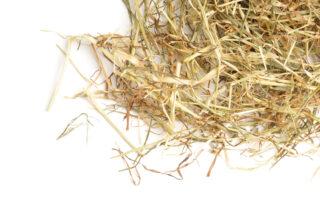
Feeding a quality forage should be the basis of every feeding program. Given the forage portion will account for the large majority of nutrient intake for your horse, isn't it important to understand what is in that forage? By knowing what is needed to fill in the gaps, you can take the guesswork out of feeding grains, commercial feeds, and supplements to your horse. Obtaining and knowing how to read a hay analysis is a skill that can help you create the optimal starting point for your horse's nutrition program.

Taking a Hay Sample for Your Horse and Understanding the Analysis2026-08-20T15:14:35-04:00

Feeding Salt to Your Horse

Many horse owners do not fully appreciate the significance of providing adequate salt to their equine companion.  In terms of cost-to-benefit ratio, it would be hard to think of another nutrient with such a low cost that provides the benefits of salt.  This cannot be emphasized enough, your horse will not consume too much salt.  To my knowledge, no horse has ever been diagnosed with hypertension (high blood pressure) from excessive salt intake.  The larger problem is the lack of salt intake.

Feeding Salt to Your Horse2026-08-25T21:24:44-04:00

How Much Vitamin E Should I Give My Horse?

Vitamin E, or alpha-tocopherol, is an essential vitamin that must be obtained through your horse's diet. There are many products sold in the equine supplement industry that contain varying forms of vitamin E that are available, but it is sometimes difficult to decide which type and how much is best for your horse and its individual needs. Ultimately, the most bio-available forms of vitamin E should only be used in order to properly formulate balanced equine diets to treat vitamin E deficiency and its associated conditions and to aid in exercise recovery.

How Much Vitamin E Should I Give My Horse?2026-09-23T14:00:42-04:00

How to Supplement Trace Minerals in Your Horse’s Diet

Trace minerals are only needed in very small amounts in a horse’s diet. Think milligrams! Despite this, however, the majority of horses still receive too much energy and protein and not enough trace minerals from their diet. Deficiencies in key trace minerals, over a long period of time, can result in a plethora of problems with hoof quality, coat condition, digestion and can also affect the athletic performance of your horse.

How to Supplement Trace Minerals in Your Horse’s Diet2026-07-31T12:21:33-04:00

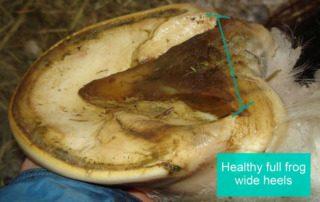
Why Should You Care About The Frog?

Having a healthy frog is a key component of proper biomechanics and one of the secrets to being able to perform well barefoot. Is poor frog health responsible for lameness? According to the American Farriers Association [...]

Why Should You Care About The Frog?2026-07-31T12:06:47-04:00

EGUS – Equine Gastric Ulcer Syndrome

Let's save the boring stats that every article discussing equine gastric ulcers quotes. If you keep your horse in a stall and/or do any level of training and you are still reading this article, there is an extremely [...]

EGUS – Equine Gastric Ulcer Syndrome2026-07-31T12:04:34-04:00

What is a Healthy Hoof?

I’d like to share with you recent scientific data that seems to confirm the anecdotal evidence many trimmers, including me, have observed on what comprises a healthy hoof. When evaluating a hoof, we tend to focus on [...]

What is a Healthy Hoof?2026-08-25T21:23:30-04:00

Equine Cushing’s Disease

Cushing’s Disease occurs when there is a tumor on the pituitary gland, an organ at the base of the brain. This tumor causes the pituitary gland to over-produce ACTH, a hormone that affects cortisol levels in the body. [...]

Equine Cushing’s Disease2026-07-15T16:20:43-04:00

Equine Insulin Resistance

Insulin is a hormone produced by special cells within the pancreas in order to do many important jobs, one of which is the transportation of glucose from the bloodstream into each individual cell. When foods high in [...]

Equine Insulin Resistance2026-09-23T13:55:33-04:00