English


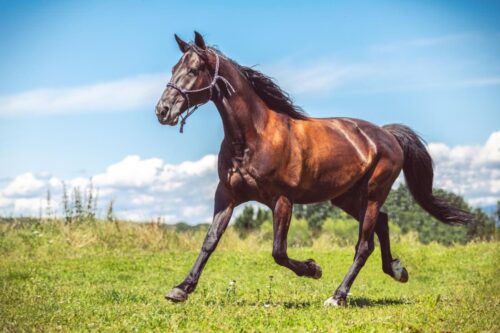
The Peruvian Paso is an elegant breed celebrated for its exceptionally smooth gait, refined appearance, and rich cultural heritage.
With their distinctive paso llano gait, the Peruvian Paso offers a riding experience that is both effortless and visually striking. Known for their brío, or controlled spirit, these horses combine power, willingness, and grace in a compact, athletic frame.
Owing to their famed endurance and natural presence, they are equally suited for leisurely trail rides or formal exhibitions. Their calm demeanor and strong bond with handlers also make them a favorite among dedicated amateur riders.
While the Peruvian Paso is an upstanding mount, like many gaited breeds, they may be predisposed to certain genetic and musculoskeletal conditions, making preventive management an essential part of their care.
Keep reading to learn more about the history, characteristics, health problems, and nutritional needs of Peruvian Paso horses.
Peruvian Paso Horse History
The Peruvian Paso has a long history that spans centuries and continents. With origins dating back to the Spanish conquest of the Americas, this breed was shaped by necessity and tradition.
Origin
The roots of the Peruvian Paso can be traced back to the 16th century, when Spanish conquistadors introduced Iberian horses to South America. [1]
These included Andalusians, Spanish Barbs, and the now-extinct Jennet, a naturally gaited breed known for its comfortable, ambling movement. [1]
Isolated in the unique environment of coastal and mountainous Peru, ambling horses quickly gained popularity thanks to their smooth gait over varied terrain. Generations of breeding in isolation without outside influences allowed a distinct Peruvian breed to emerge. [2]
The result was the Caballo de Paso Peruano, or Peruvian Paso Horse, a national treasure recognized for their naturally inherited four-beat lateral gait, called the paso llano.
Historic Use
Historically, the Peruvian Paso was used as a plantation and ranch horse by landowners who required a smooth, efficient mount for traveling across large estates. These horses were expected to cover long distances over rugged terrain without tiring the rider. [3]
Unlike many other breeds shaped by utilitarian work, the Peruvian Paso was developed from the outset for riding comfort and pleasure. This purpose led to the preservation of its distinctive gait and the elegant termino, a rolling motion of the front legs that adds flair to their movement. [4]
The breed is still used for pleasure riding, especially trail riding, and is showcased in traditional competitions that highlight gait quality, brío, and classical tack rooted in Peruvian heritage.
In 1992, the Peruvian government declared the Peruvian Paso a Cultural Heritage of the Nation, protecting the breed as an essential part of Peru’s history and culture. [3]
Breed Registry
The preservation of the Peruvian Paso’s unique traits has long been supported by dedicated breed organizations, both in its homeland and abroad.
Based in Lima, Peru, the Asociación Nacional de Criadores y Propietarios de Caballos Peruanos de Paso (ANCPCPP) is the original registry for the breed worldwide. It maintains strict standards for conformation, gait, and breeding practices.
Founded in 1996, North American Peruvian Horse Association (NAPHA) is the leading breed registry in the United States and Canada. It upholds the breed standards set by the ANCPCPP while promoting the Peruvian Paso’s presence in North America.
| Breed Summary | |
|---|---|
| Breed Name | Peruvian Paso |
| Also Known As | Caballo de Paso Peruano; Peruvian Paso Horse |
| Breed Type | Gaited |
| Origin | Peru |
| Breed Registry | Asociación Nacional de Criadores y Propietarios de Caballos Peruanos de Paso (ANCPCPP); North American Peruvian Horse Association (NAPHA) |
| Average Height | 14.1 – 15.2 hh |
| Common Coat Colors | Bay, chestnut, black, grey, buckskin, palomino |
| Conformation | Compact, athletic, refined head, arched neck, short strong back, sloping shoulders, strong legs, durable hooves, rounded hindquarters |
| Common Uses | Trail riding, exhibitions, parades |
| Temperament | Spirited, willing, calm, loyal, intelligent |
| Best For | Riders seeking a smooth, comfortable gaited trail or show horse |
| Common Health Concerns | DSLD, PPID, equine metabolic syndrome, laminitis, joint and tendon strain |
What's your top priority with your horse's health?

Enter your email to receive your store credit
Breed Characteristics
Built for comfort and endurance, the Peruvian Paso reflects centuries of selective breeding focused on performance, elegance, and rideability.
Conformation
The Peruvian Paso is a compact horse with an athletic build designed for efficient movement and rider comfort. Breed standards emphasize strength, balance, and fluidity rather than sheer size. [4]
Desirable conformation traits in Peruvian Pasos include: [4]
- Height: 14.1 – 15.2 hands
- Head: Refined with a straight or slightly convex profile
- Neck: Arched and well set, allowing for natural collection
- Back: Short and strong, contributing to a smooth gait
- Shoulders: Long and sloping, aiding in stride length and reach
- Legs: Clean and well-muscled with strong, durable hooves
- Hindquarters: Well-developed and rounded, providing drive for their signature gait
Gait
Peruvian Pasos are a gaited breed, meaning they naturally perform ambling gaits not seen in other breeds of non-gaited horses. Rather than using the typical two-beat trot, they move in a natural four-beat lateral rhythm faster than a walk but slower than a canter. [2]
The breed is best known for the paso llano, an even four-beat gait that resembles the rhythm of a 4/4 metronome and has no moment of suspension, making it exceptionally smooth to ride. They may also perform the sobreandando, a quicker, slightly uneven four-beat gait with a 1–2, 3–4 rhythm, likened to a 2/4 musical count. [4]
One of the most defining features of the Peruvian Paso is termino, a deliberate outward rolling motion of the forelegs that adds elegance to their movement. This is distinct from paddling, which is uncontrolled and considered a fault in other breeds. [4]
Colors
Peruvian Pasos come in a wide variety of coat colors. Acceptable colors include:
- Bay
- Chestnut
- Black
- Grey
- Buckskin
- Palomino
White markings are permitted but are typically moderate. [4]
Grullo, perlino, cremello, and silver dapple may occur, but are less common. Pinto patterns are not typical and generally not desirable in formal breed shows, though they may appear occasionally.
Temperament
Peruvian Pasos are known for their unique temperament, described in the breed’s cultural lexicon as brío. This term refers to a spirited, controlled energy that characterizes a willingness to perform paired with a calm and willing nature. [4]
These intelligent horses are quick to learn and responsive to subtle cues. They are also loyal and people-oriented. Many bond closely with their rider or handler.
While Peruvian Pasos often have a spirited presence, they should be easily manageable without being overly reactive. This combination of energy and trainability makes the breed suitable for a range of riders.
Disciplines
Although not typically seen in traditional English or Western competition circuits, the Peruvian Paso excels in areas that highlight its natural talents and cultural heritage.
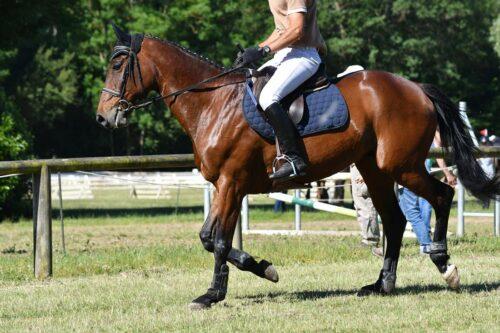
Their smooth gait and stamina make them ideal mounts for long-distance trail riding. Riders often choose Peruvian Pasos for their comfort and low-impact movement, particularly people with back or joint issues.
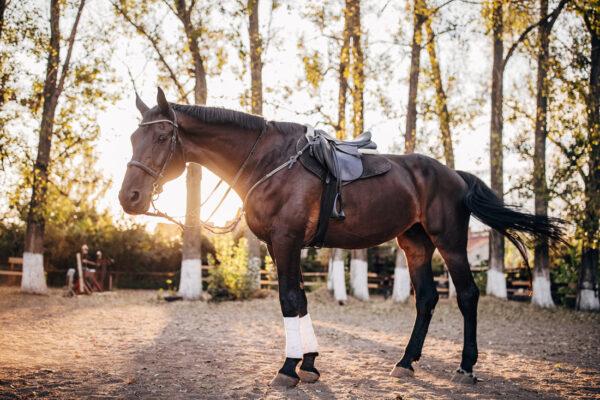
Breed shows assess gait quality, conformation, and presentation. Horses are exhibited in traditional Peruvian tack and attire, maintaining a strong link to cultural roots. Their regal movement and flashy appearance also make them favorites for ceremonial use and parades.

Peruvian Paso Health
Peruvian Pasos are generally healthy, hardy horses. However, like other gaited breeds, they may be predisposed to specific musculoskeletal and metabolic conditions.
Genetic Diseases
One of the most significant heritable concerns in the Peruvian Paso breed is Degenerative Suspensory Ligament Desmitis (DSLD), a progressive, systemic disorder of the connective tissue that affects the suspensory ligaments.
DSLD causes systemic degeneration of connective tissues, particularly the suspensory ligaments. This leads to chronic pain, dropped fetlocks, and lameness. There is no cure for DSLD, and treatment is mainly palliative, focusing on pain management and supportive hoof care. [5]
The condition has been observed in several gaited breeds, including the Peruvian Paso and Paso Fino. While no single gene has been identified, familial clustering in Peruvian Pasos strongly suggests a heritable component in DSLD. [6]
Health Problems
Due to their unique gait and the lateral movement of their forelegs, Peruvian Pasos may experience increased stress on joints, tendons, and pasterns if not properly conditioned or if hoof balance is compromised. [7]
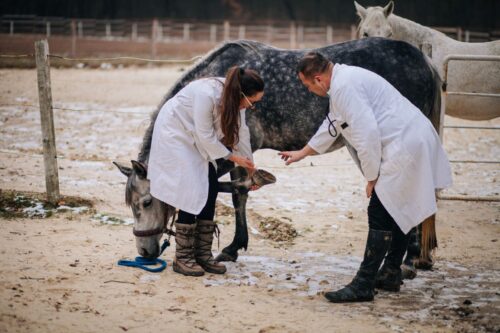
Routine farrier care and balanced trimming are critical to reducing strain and maintaining healthy movement.
As they age, some Peruvian Pasos may be prone to developing Pituitary Pars Intermedia Dysfunction (PPID), also known as Equine Cushing’s disease. This is a progressive endocrine disorder that can affect coat shedding, energy levels, and immune function. [8]
Early detection through ACTH testing and veterinary management can greatly improve quality of life for horses affected by PPID. Some research suggests an association between DSLD and PPID in horses. [8]
PPID sometimes overlaps with equine metabolic syndrome, which is also commonly observed in Peruvian Pasos and related breeds. [9]
Care and Management
Peruvian Pasos thrive with lifelong, quality basic care that meets their physical, mental, and behavioral needs. These horses benefit from attentive management practices tailored to their unique gaited movement and predisposition.
- Hoof Care: Trimming every 6–8 weeks by an experienced farrier familiar with gaited horses to maintain a balanced hoof and prevent excess strain.
- Veterinary Exams: Schedule annual wellness exams including metabolic screenings to monitor for insulin dysregulation or PPID, especially in aging horses. Regular lameness evaluations focused on early detection of DSLD symptoms such as dropped fetlocks or stiffness ensure timely intervention.
- Dental care: Annual dental floatation helps ensure overall digestive and nutritional health. Aging horses may require additional dental support and management changes.
- Exercise and Turnout: Provide regular, low-impact exercise and turnout to support a healthy weight and maintain musculoskeletal health.
With attentive care and early screening for common health conditions, most Peruvian Pasos enjoy long, comfortable lives as reliable riding partners.
Peruvian Paso Nutrition
Proper nutrition plays a critical role in long-term well being. Feeding your Peruvian Paso requires a careful balance between meeting their nutritional needs while avoiding excess calories that can lead to obesity.
Weight Maintenance
Peruvian Pasos tend to be easy keepers with efficient metabolisms, making them susceptible to weight gain when fed high-sugar diets or given unrestricted access to rich pasture. [9]
Horses with equine metabolic syndrome (EMS) are at risk of laminitis and may exhibit cresty necks, abnormal fat deposits, and elevated blood insulin levels.
Maintaining a healthy body condition through a balanced diet and regular exercise is important for keeping Peruvian Pasos in optimal health.
To support metabolic health, maintain a body condition score (BCS) between 4 and 6. Avoid overfeeding and closely monitor weight, especially in spring when pasture quality improves.
Sample Diet
The following is a sample diet for a 450 kg (1,100 lb) mature Peruvian Paso with normal body condition in moderate work.
| Feed | Maintenance Diet |
|---|---|
| (Amount / Day) | |
| Mid-Quality hay (10% crude protein) | free-choice |
| Salt | 30 g (2 tbsp) |
| Omneity® Pellets | 200 g (2 scoops) |
| w-3 Oil | 120 mL (4 oz) |
| Diet Analysis | |
| Digestible Energy (% of Req) | 100% |
| Protein (% of Req) | 144% |
| NSC (ESC + starch) (% Diet) | 8.7% |
Most Peruvian Pasos can meet their energy and calorie needs on a forage-only diet. While forage supports digestive health and natural feeding behaviors, additional vitamin and mineral fortification is necessary to ensure adequate intake of essential nutrients.
Hay is often deficient in specific vitamins, minerals, and amino acids. [10] Feeding a vitamin and mineral supplement can help balance the diet and fill these nutritional gaps.
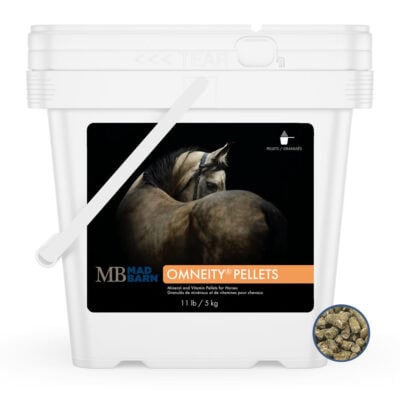
Mad Barn’s Omneity® is an all-in-one supplement formulated to balance a forage-based diet. This formula provides vitamins, minerals, and amino acids that support hoof health, coat quality, metabolic function, the immune system and overall health and wellness in Peruvian Pasos.
Forage
Forage should be the foundation of your Peruvian Paso’s diet. Average-quality, mature grass hay is a good option for this breed. Choose low- to moderate-NSC (< 10%) hay to reduce the risk of insulin dysregulation. [9]
Unrestricted pasture access may not be appropriate for Peruvian Pasos with metabolic health concerns. [9] Consider using a grazing muzzle and limiting access during the spring and fall, when pasture grasses contain high levels of sugars.
A forage analysis that tests hay for sugar, starch, protein, and mineral content is strongly recommended to determine if your forage is appropriate for your Peruvian Paso.
Feeding Recommendations
When developing a feeding program for your Peruvian Paso, start by minimizing or eliminating grain-based feeds, since these horses are prone to metabolic sensitivity. Watch closely for a cresty neck or regional fat deposits, which are early signs of insulin resistance, and adjust your horse’s ration accordingly.
You might find it helpful to weigh your horse’s ration to ensure they receive the appropriate amount. Rather than offering large grain meals that can spike blood sugar, break the daily allowance into several smaller feedings to promote steady energy levels and digestive health.
In addition to ample forage, all horses need access to clean, fresh water at all times. A salt block helps encourage hydration, but most horses don’t consume enough to meet their sodium requirements without loose salt added to the daily ration. [11]
With a well-balanced diet and good management, Peruvian Pasos can maintain health, performance, and longevity well into their senior years.
Nutritional Supplements
The top priority for any horse is a balanced, forage-first diet tailored to their individual needs. However, targeted supplementation can support specific health concerns in the Peruvian Paso.
- W-3 Oil: Provides DHA with anti-inflammatory properties to support metabolic health, comfortable joints, and coat shine
- Optimum Probiotic: A broad-spectrum formula that promotes digestive health and efficient nutrient absorption, especially during periods of stress or dietary change
- MSM: Supports joints, tendons, and ligaments. Often included in the management of DSLD and other soft tissue concerns
Always consult with an equine nutritionist before introducing new supplements to ensure a balanced feeding program.
Submit your Peruvian Paso’s diet online for a free evaluation from our qualified equine nutritionists.
Frequently Asked Questions
Here are some frequently asked questions about Peruvian Paso horses:
The Peruvian Paso is a gaited horse breed from Peru known for its exceptionally smooth ride, refined appearance, and rich cultural heritage. Developed from Iberian horses brought to South America by the Spanish, the breed evolved in relative isolation and became known for its natural four-beat lateral gait, called the paso llano. Peruvian Paso horses are prized for their endurance and elegant way of going.
Peruvian Paso horses stand out from other gaited breeds because they perform the naturally smooth paso llano and display a distinctive foreleg motion called termino. The paso llano is an even four-beat lateral gait with no moment of suspension, which gives riders an exceptionally comfortable ride. Termino adds an elegant outward rolling motion of the forelegs that is considered a hallmark of the breed.
Peruvian Paso horses are used primarily for trail riding, pleasure riding, exhibitions, parades, and breed shows. Their smooth gait and stamina make them especially popular for long rides, while their presence and traditional presentation also make them well suited for ceremonial use. Historically, Peruvian Paso horses were also used as plantation and ranch horses for traveling across large estates.
Peruvian Paso horses are excellent trail horses because their smooth gait, stamina, and steady nature make long rides more comfortable for both horse and rider. They are especially appealing to riders who want a low-impact ride over varied terrain. Their endurance and willing attitude also help them perform well on extended pleasure and recreational rides.
Peruvian Paso horses are known for having a spirited yet controlled temperament often described as brío. They are intelligent, responsive, loyal, and people-oriented horses that usually bond closely with their handlers. Although they have energy and presence, well-bred Peruvian Paso horses should remain calm and willing under saddle.
Peruvian Paso horses are compact, athletic horses with conformation that supports rider comfort and their signature smooth gait. They typically have a refined head with a straight or slightly convex profile, which gives them an elegant expression. A well-set, arched neck, sloping shoulders, and a short, strong back contribute to their balanced, graceful appearance. Peruvian Paso horses also have strong legs and rounded hindquarters that support stamina and efficient movement. Overall, their conformation gives them a polished, harmonious look while helping them move with the breed’s characteristic smoothness.
Peruvian Paso horses most commonly come in bay, chestnut, black, grey, buckskin, and palomino. White markings are allowed in the North American Peruvian Horse Association registry but are usually moderate. Less common colors can occur, but the breed is generally recognized in a wide range of solid coat colors.
Most Peruvian Paso horses stand between 14.1 and 15.2 hands high. Their moderate height, combined with a compact and balanced frame, contributes to the breed’s comfortable way of going. Although they are not especially tall, they are sturdy, athletic horses with enough substance for long hours under saddle.
Peruvian Paso horses benefit from careful, regular hoof care because proper hoof balance is important for supporting their natural gait. Although they often have strong, durable hooves, poor trimming or imbalance can increase strain on the lower limbs and affect movement. Routine farrier work every 6 to 8 weeks, ideally by someone familiar with gaited horses, helps maintain soundness and performance.
Peruvian Paso horses are associated with an increased risk of degenerative suspensory ligament desmitis (DSLD), a disorder that appears to have a hereditary component in the breed. DSLD affects connective tissues, especially the suspensory ligaments, and can lead to pain, dropped fetlocks, and chronic lameness. Careful breeding practices and early veterinary evaluation are important for reducing risk and managing affected horses.
Peruvian Paso horses are generally healthy horses, but they can be predisposed to certain musculoskeletal and metabolic conditions. One of the most important genetic concerns in the breed is degenerative suspensory ligament desmitis (DSLD), a progressive connective tissue disorder that can lead to pain, dropped fetlocks, and lameness. Because of their unique gait and the lateral movement of the forelegs, Peruvian Paso horses may also experience increased strain on the joints, tendons, and pasterns, especially if conditioning is inadequate or hoof balance is compromised. As they age, some Peruvian Pasos may develop pituitary pars intermedia dysfunction (PPID), a progressive endocrine disorder that can affect energy levels and immune function. PPID may overlap with equine metabolic syndrome (EMS), which can increase the risk of laminitis in metabolically affected horses. Routine farrier care, regular exercise, metabolic monitoring, and proactive veterinary care are important for keeping Peruvian Paso horses healthy.
The best diet for a Peruvian Paso horse is usually a forage-based diet with limited concentrates and a balanced vitamin and mineral supplement. Many Peruvian Paso horses are efficient keepers, so they do best on mature grass hay or other moderate-calorie forage rather than high-sugar or grain-heavy feeds. Careful weight management is important because the breed may be prone to metabolic problems such as EMS and laminitis.
Summary
The Peruvian Paso is a refined, gaited horse known for its comfortable ride, elegant movement, and strong cultural heritage. With proper care and nutrition, this breed excels as a sound, willing partner for both pleasure riding and traditional exhibitions.
- Peruvian Pasos perform a smooth, four-beat paso llano gait and display a distinctive foreleg motion known as termino
- Developed in Peru from Iberian ancestors, the breed was shaped for rider comfort and endurance over rugged terrain
- Brío, a spirited yet controlled temperament, defines their trainable, loyal nature and makes them suitable for many riders
- DSLD is a heritable concern in the breed, along with potential risks for PPID and metabolic disorders in older or easy-keeping horses
- A forage-based diet with balanced mineral support helps maintain metabolic health, joint comfort, and connective tissue integrity
- Routine farrier care, veterinary exams, and low-impact exercise are essential for preserving movement quality and long-term soundness
References
- Luís. C. et al. Iberian Origins of New World Horse Breeds. Journal of Heredity. Oxford University Press (OUP). 2006.
- Vincelette. A. The Characteristics, Distribution, Function, and Origin of Alternative Lateral Horse Gaits. Animals. MDPI AG. 2023.
- Peruvian Paso (Peruvian Horse). Horse Canada. 2020.
- North American Peruvian Horse Association Official Rules & Regulations of Horse Showing and Breed Standards. NAPHA. 2025.
- Halper. J. et al. Degenerative suspensory ligament desmitis as a systemic disorder characterized by proteoglycan accumulation. BMC Veterinary Research. Springer Science and Business Media LLC. 2006. View Summary
- Luo. W. et al. Degenerative Suspensory Ligament Desmitis (DSLD) in Peruvian Paso Horses Is Characterized by Altered Expression of TGFβ Signaling Components in Adipose-Derived Stromal Fibroblasts. PLOS ONE. Public Library of Science (PLoS). 2016. View Summary
- Parkes. R. S. V. and Witte. T. H. The Foot–Surface Interaction and Its Impact on Musculoskeletal Adaptation and Injury Risk in the Horse. Equine Veterinary Journal. Wiley. 2015. View Summary
- Hofberger. S. et al. Suspensory Ligament Degeneration Associated with Pituitary Pars Intermedia Dysfunction in Horses. The Veterinary Journal. Elsevier BV. 2015. View Summary
- Frank. N. et al. Equine Metabolic Syndrome. Journal of Veterinary Internal Medicine. Wiley. 2010. View Summary
- Richards. N. et al. Nutritional and Non-Nutritional Aspects of Forage. Veterinary Clinics of North America: Equine Practice. Elsevier BV. 2021.
- Murphy. B. A. and Catalano. D. Effect of Form on Equine Salt Intake. Journal of Equine Veterinary Science. Elsevier BV. 2025.