English




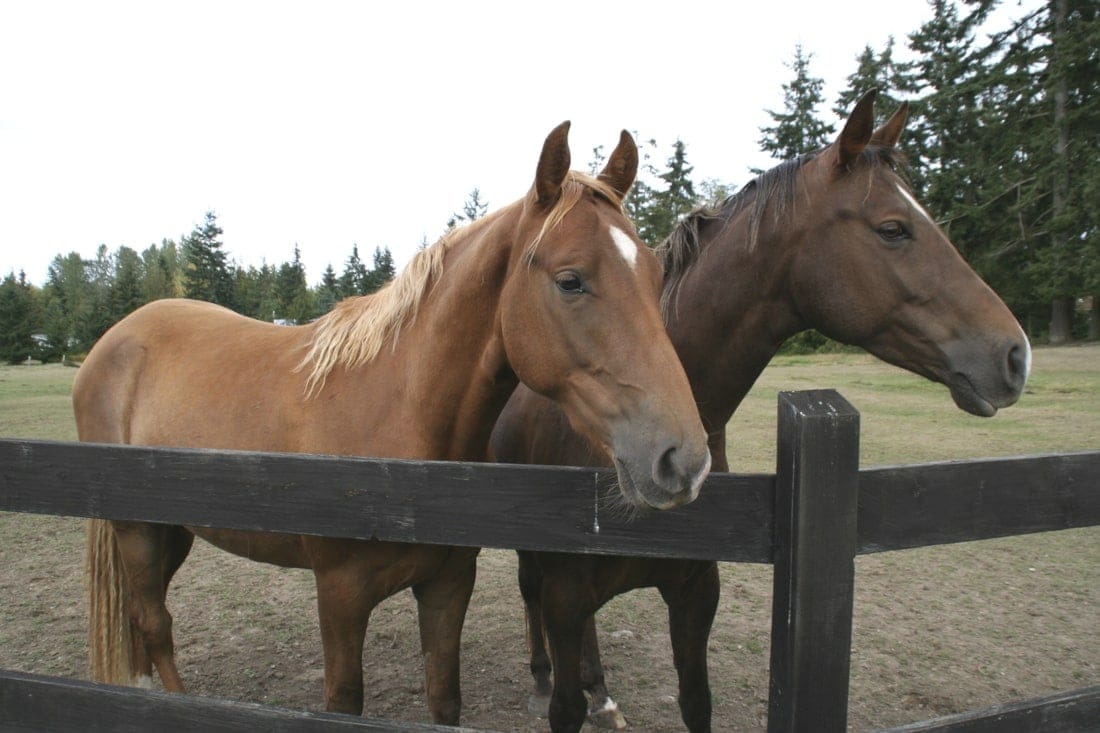
The Racking Horse is an American gaited horse breed known for its smooth four-beat rack, a lateral gait in which each hoof strikes the ground independently. This produces a smooth, gliding motion with minimal bounce for the rider.
Developed in the southern United States, this breed combines a calm temperament with elegance and endurance, making them a popular choice for trail riding, showing, and pleasure riding.
With roots tracing back to the Tennessee Walking Horse, the Racking Horse has earned recognition for its versatility, surefootedness, and easy ride. With good care and management, these horses can enjoy long, healthy lives.
Keep reading to learn more about the history, characteristics, health problems, and nutritional needs of Racking Horses.
Racking Horse History
The Racking Horse has a relatively recent but well-documented history that highlights the breed’s development from utility riding horses to modern show and pleasure mounts.
Origin
Racking Horses originated in the American South. Although their roots are intertwined with other local gaited breeds, the Racking Horse was officially recognized as a separate breed in the 20th century.
The breed developed through the selective breeding of smooth-gaited horses, including Tennessee Walking Horses. Farmers and plantation owners valued horses with ambling gaits that could cover long distances comfortably without tiring the rider. [1]
Known for their distinctive rack gait, local breeders produced Racking Horses for comfort, endurance, and a calm disposition.
These qualities made them indispensable to riders in the South. Today, the Racking Horse is the official state horse of Alabama.
Historic Use
Originally used as utility and pleasure horses, Racking Horses were prized for their ability to travel long distances over uneven terrain without causing fatigue to the rider.
Farmers rode Racking Horses on the large agricultural estates of the South, where long hours in the saddle were the norm. The breed later gained popularity in trail and endurance riding for the same reason. [2]
As the breed earned recognition for its naturally smooth gait, it began to draw interest in the show ring. Today, the Racking Horse remains a popular choice for both performance and recreational riders due to its comfortable ride and powerful presence.
Breed Registry
The Racking Horse Breeders’ Association of America (RHBAA) was formed in 1971. Headquartered in Decatur, Alabama, the RHBAA serves as the primary breed registry, governing breed standards, competitions, and record-keeping. [2]
| Breed Summary | |
|---|---|
| Breed Name | Racking Horse |
| Breed Type | Gaited |
| Origin | Southern United States |
| Breed Registry | Racking Horse Breeders’ Association of America (RHBAA) |
| Average Height | 14.3 – 16 hh |
| Common Coat Colors | Bay, black, chestnut, palomino, paint, pinto |
| Conformation | Balanced, refined head, arched neck, sloping shoulders, strong back, muscular hindquarters | Common Uses | Trail riding, showing, pleasure riding, endurance |
| Temperament | Gentle, calm, cooperative |
| Best For | Riders seeking a smooth, comfortable trail or pleasure mount |
| Common Health Concerns | PSSM, congenital stationary night blindness, CVCM, navicular syndrome, suspensory strain, lumbar and stifle strain |
What's your top priority with your horse's health?

Enter your email to receive your store credit
Breed Characteristics
The Racking Horse is best known for their smooth and comfortable ride, a hallmark of their distinctive racking gait. This natural four-beat gait is characterized by a lateral footfall pattern.
Each hoof strikes the ground independently in even, rhythmic succession:
- Left hind
- Left front
- Right hind
- Right front
Because at least one foot is always on the ground, there is no moment of suspension, resulting in a remarkably smooth, gliding motion with little to no bounce for the rider.
Biomechanically, the rack is similar to the running walk of the Tennessee Walking Horse but is performed at a slightly faster pace with more animation and less overstride.
The motion is effortless for the horse and comfortable for the rider, making it ideal for both long trail rides and the show ring. Horses may perform the rack in a collected form for precision and style or at higher speeds with greater reach and flair.
In addition to their unique movement, Racking Horses possess an elegant and athletic build with a refined head, long sloping shoulders, and powerful hindquarters.
Conformation
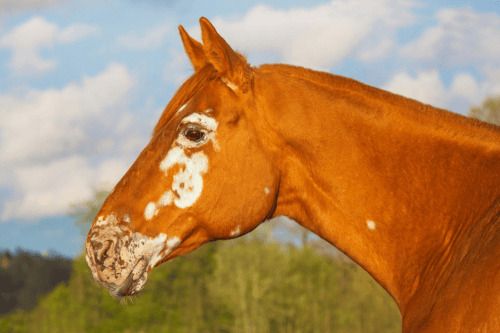
The Racking Horse has a balanced, medium-sized build, typically standing between 14.3 and 16 hands high. The breed type is characterized by its strong, athletic body that supports smooth, rhythmic movement. [3]
This breed has a refined head with an intelligent expression, accompanied by a moderately arched neck and clean throatlatch. Sloping shoulders contribute to their long, ground-covering stride. Their back is strong and slightly elevated, helping them maintain their signature gait. [3]
The hindquarters are muscular, with a powerful croup and strong gaskins, which aid in propelling them forward during the rack. [3]
Colors
Racking Horses come in a wide range of colors with no specific limitations, but certain shades are more common. [3]
Common coat colors include:
- Bay
- Black
- Chestnut
- Palomino
Paint and pinto patterns are also seen, but solid colors are more prevalent.
Temperament
Racking Horses are known for their gentle, calm, and cooperative nature. These horses are highly trainable and adaptable, making them an excellent choice for riders of different levels.
Most Racking Horses are eager to please and tend to bond well with their riders. Due to their mellow temperament and affectionate nature, Racking Horses are often favored as family horses.
Disciplines
The Racking Horse is a versatile breed, excelling in a wide variety of riding disciplines. While best known for their smooth gait, the breed’s natural athleticism and trainability also allow them to shine in many disciplines.
Racking Horses and other gaited breeds are popular with trail riders due to their comfortable gait, which allows riders to cover long distances with minimal fatigue. Their surefootedness on uneven terrain makes them reliable partners on adventurous rides.
Some riders with physical limitations or chronic pain find Racking Horses more accessible than non-gaited horses, thanks to the stable feel they provide the rider.
Many Racking Horse owners participate in gaited classes at breed shows, where horses showcase their rack. Breed shows also often include saddle seat, show pleasure, and versatility classes.
These competitions emphasize the quality and consistency of the horse’s gait, as well as the elegance, conformation, and overall performance of the Racking Horse breed.
Racking Horse Health
Racking Horses are generally considered a healthy breed with good longevity. However, like other gaited breeds, they have an increased risk of specific musculoskeletal issues and metabolic health concerns.
Genetic Diseases
Racking Horses are susceptible to the same genetic conditions often found in related gaited breeds, particularly the Tennessee Walking Horse.
Though not widely documented in Racking Horses, some gaited breeds have tested positive for variants of Polysaccharide Storage Myopathy (PSSM). This muscle disorder can lead to stiffness, exercise intolerance, and tying-up episodes. [4]
Racking Horses can also inherit genes associated with a type of congenital stationary night blindness (CSNB) frequently observed in Tennessee Walking Horses, which are closely related to Racking Horses.
A genetic study linked the form of CSNB found in Tennessee Walking Horses to two specific genes, GRM6 and TRPM1, which are involved in neurotransmitter signaling in the eye. Genetic testing can help guide breeding decisions to prevent the condition from being passed on. [5]
Although specific prevalence data for Racking Horses is limited, related gaited breeds such as the related gaited breeds such as the Tennessee Walking Horse are more likely to develop cervical vertebral compressive myelopathy (CVCM). This neurological disease is characterized by spinal cord malformations that cause muscle weakness and ataxia (incoordination). [6] However, prevalence data for this condition is limited for the Racking Horse.
Health Problems
Like many gaited horses, Racking Horses may be prone to particular orthopedic and muscular issues associated with their unique gait mechanics.
Improper hoof trimming or shoeing, especially when used to artificially enhance the rack for showing, can lead to long toes and low heels. This hoof imbalance can predispose horses to navicular syndrome, lameness, or strained suspensory ligaments. [7]
Due to the additional lateral and vertical movement involved in ambling gaits, some horses may experience strain in the lumbar spine, sacroiliac joint, or stifles. Regular conditioning and a properly fitted tack can help support soundness and comfort. [1]
Horses that are pushed to perform exaggerated gaits, especially with the use of artificial training aids, may experience joint and soft tissue stress. Prioritizing soundness over exaggerated movement and correct biomechanics can reduce the risk of long-term soundness problems.
Care and Management
To keep Racking Horses healthy, owners should implement a preventive care routine that supports their athletic build and gaited movement, including:
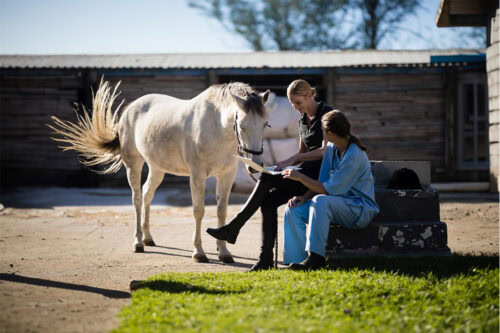
- Veterinary Exams: Schedule regular veterinary check-ups to monitor soundness, joint health, and overall condition, especially in horses used for show or performance.
- Vaccinations: Follow a vaccination schedule recommended by your veterinarian to protect against infectious diseases common in traveling or stabled horses.
- Dental Care: Routine dental check-ups and floating help maintain comfort under saddle and proper chewing.
- Parasite Management: Implement a targeted parasite control program based on fecal egg counts and veterinary guidance to maintain gut health and body condition.
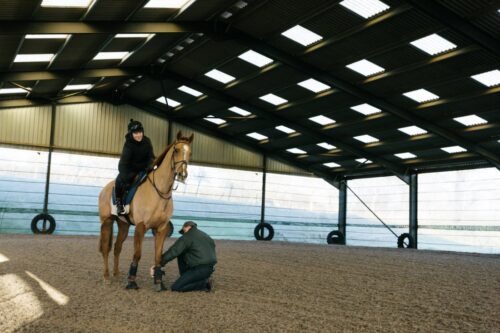
- Hoof Care: Consistent farrier visits help sustain proper hoof angles and support balanced movement. Horses performing on hard or arena surfaces may benefit from specialized shoeing to enhance comfort and gait performance.
Nutrition
A well-balanced feeding program for Racking Horses should be tailored to the horse’s workload, body condition, and forage needs to support long-term health and performance.
Weight Maintenance
Racking Horses are typically easy keepers, meaning they can easily gain excess weight when overfed. Obesity is linked to equine metabolic syndrome (EMS), so maintaining a healthy body condition is an important priority for this breed.
Monitor your Racking Horse’s weight and aim for an optimal body condition score (BCS) between 4 and 6 out of 9 on the Henneke scale to support metabolic health. [8]
Sample Diet
Below is a balanced diet for a 1,000 lb (450 kg) Racking Horse at maintenance in an optimal body condition.
| Feed | Maintenance Diet |
|---|---|
| (Amount / Day) | |
| Average Grass Hay (10% crude protein) | 22 lb (10 kg) |
| Salt | 30 g (2 tbsp) |
| Omneity® Pellets | 200 g (2 scoops) |
| Diet Analysis* | |
| Digestible Energy (% of Req) | 116% |
| Protein (% of Req) | 155% |
| NSC (% Diet) | 8.8% |
Most Racking Horses can meet their energy and protein needs on a forage-based diet, provided the hay is of adequate quality and enough is provided based on body weight and lifestyle. However, many types of hay are naturally low in certain essential vitamins and minerals. [9]
To balance the diet, feed a comprehensive vitamin and mineral supplement that corrects common deficiencies without adding unnecessary sugars or calories.
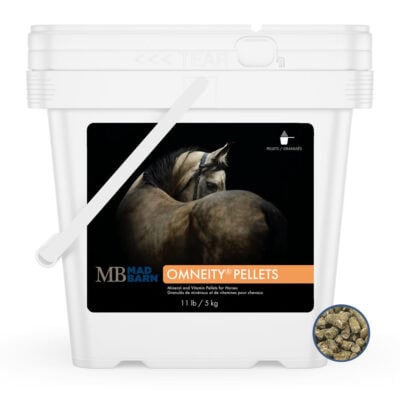
Mad Barn’s Omneity® is a complete, balanced supplement that provides key nutrients to support hoof strength, muscle development, metabolic health, immune function, and coat shine in an easy-to-feed, palatable pellet form.
All horses require free access to clean, fresh water at all times. Performance horses lose more fluids and electrolytes through sweat, especially in hot weather or during extended riding sessions.
While a salt block can help promote hydration, most horses do not consume enough sodium from a free choice source alone. Adding approximately 2 tablespoons of loose salt to the daily ration helps ensure electrolyte balance and proper hydration.
Forage
The amount of forage a Racking Horse needs depends on body weight, workload, and metabolism. Most horses consume around 2% of their body weight in dry matter each day. For example, a 1,000 lb (450 kg) Racking Horse will eat approximately 22 lb (10 kg) of hay daily on a forage-only diet. [10]
The best hay for a Racking Horse depends on energy requirements and overall health. Mid-maturity grass hay is often ideal, providing moderate energy and fiber without excessive sugars that can affect temperament or weight.
Racking Horses in active training or competition may benefit from higher-calorie forage sources such as alfalfa, which supplies additional protein and energy for muscle recovery and sustained performance. If protein needs are already met, beet pulp is an excellent low-starch option for adding calories.
Free-choice hay supports digestive and behavioral health, but easy keepers may gain excess weight if forage is unrestricted. Using slow feeders can help extend feeding time for those with rationed hay provisions.
When turned out on pasture, Racking Horses may require restricted grazing during spring and fall when grass sugar levels peak. Grazing muzzles or turnout on dry lots can help prevent overconsumption and reduce the risk of metabolic issues or laminitis.
A forage analysis is the best way to determine if your hay meets your horse’s nutritional requirements and to identify any deficiencies that may require supplementation.
Feeding Recommendations
A well-balanced diet supports healthy hooves, skin, joints, and digestion in Racking Horses, helping prevent nutrition-related health issues that can affect comfort and performance.
Most Racking Horses do not require commercial concentrates in their diet. This breed is prone to excess weight gain, and high-starch or high-sugar feeds can increase the risk of digestive upset, excitability, laminitis, and metabolic imbalance. [11][12]
To minimize sugar, starch, and calorie intake, use a concentrated vitamin and mineral supplement in place of grain. If a carrier is needed for supplements, soaked hay pellets or beet pulp provide a safe, fiber-based option without excess starch.
For senior horses or those with dental issues, beet pulp and forage cubes can be easier to chew and digest. Horses that quid or have difficulty breaking down long-stem hay may benefit from soft, easy-to-chew forage options to maintain body condition.
If additional calories are needed to maintain condition or support training, consider a fat supplement instead of adding more grain. Sources high in omega-3 fatty acids promote joint comfort, coat quality, and overall metabolic health. [13][14]
All Racking Horses should have access to fresh water and salt at all times. Providing approximately 2 tablespoons of plain loose salt daily helps meet sodium needs and encourages consistent hydration.

Nutritional Supplements
Targeted nutritional support from supplements can help promote overall health and performance in Racking Horses. Ensure your horse’s diet is balanced before considering supplements.
Depending on your horse’s individual needs, supplements to consider include:
- Natural Vitamin E supports muscle recovery, neurological function, and antioxidant defense, especially in horses without access to fresh pasture.
- w-3 Oil provides essential omega-3 fatty acids to support joint health, coat quality, and normal levels of inflammation. This oil is also a valuable source of calories for performance horses.
- Magnesium Oxide helps support calm behavior, metabolic health, and muscular function.
Submit your Racking Horse’s diet online for a free evaluation from our qualified equine nutritionists.
Frequently Asked Questions
Here are some frequently asked questions about the Racking Horse breed:
The Racking Horse is an American gaited horse breed developed in the southern United States and best known for its smooth four-beat rack. Racking Horses were bred for comfort and a calm disposition, with roots closely tied to the Tennessee Walking Horse. Today, they are popular for trail riding, pleasure riding, and showing because of their smooth gait and easy ride.
Racking Horses are used for trail riding, pleasure riding, showing, and some endurance riding. Their smooth gait allows riders to cover long distances more comfortably, which makes them especially popular for recreational riding. Racking Horses are also shown in gaited, show pleasure, and versatility classes.
The Racking Horse's gait is different because Racking Horses perform a natural four-beat lateral gait called the rack. In this gait, each hoof strikes the ground independently in an even rhythm, creating a smooth, gliding ride with very little bounce. Because at least one foot stays on the ground, the rack feels more stable and comfortable than a trot or pace.
Racking Horses are medium-sized horses with a balanced, athletic build designed to support smooth, rhythmic movement. They typically have a refined head, an arched neck, sloping shoulders, a strong back, and muscular hindquarters. Their overall conformation helps them perform their signature gait with comfort, efficiency, and style.
Racking Horses are medium-sized horses with a balanced, athletic build. They typically have a refined head with an intelligent expression, a moderately arched neck, and a clean throatlatch, which contribute to an elegant, alert look. Sloping shoulders support a long, ground-covering stride, while the strong, slightly elevated back helps them maintain their signature smooth gait. Racking Horses also have muscular hindquarters, a powerful croup, and strong gaskins that provide the strength needed for forward impulsion.
Racking Horses commonly come in bay, black, chestnut, and palomino. Paint and pinto patterns are also seen in the breed, although solid colors are more common. The breed appears in a wide range of colors, but these shades are seen most often.
Racking Horses are known for a gentle, calm, and cooperative temperament. Most Racking Horses are trainable, adaptable, and eager to please. They often bond well with their riders, and their mellow nature is one of the reasons they are so popular as family horses and pleasure mounts.
Most Racking Horses stand between 14.3 and 16 hands high. This gives the Racking Horse a medium-sized frame that suits both recreational and performance riding. Individual height can vary somewhat based on bloodlines, sex, and factors such as nutrition and care during growth.
Racking Horses are often good for beginner riders because they tend to be calm, comfortable, and easy to ride. Their smooth gait can make riding less jarring, which appeals to new riders and riders who want a more comfortable seat. As with any breed, the best beginner horse is an individual Racking Horse with the right training, temperament, and handling.
Racking Horses do not necessarily need special hoof care, but they do need correct hoof balance to support their gait and long-term soundness. Regular farrier care helps maintain proper hoof angles and reduces strain on joints, tendons, and soft tissues. Improper trimming or shoeing, especially if used to exaggerate the gait, can increase the risk of lameness and other soundness problems.
Racking Horses can be used for more than trail riding or show riding, as they are versatile gaited horses. In addition to trail and breed-show classes, Racking Horses are used for pleasure riding, some endurance riding, and other versatility-focused activities. Their smooth gait, surefootedness, and cooperative temperament make them useful in a range of riding settings.
Racking Horses are generally healthy, but they may be prone to certain musculoskeletal, metabolic, and inherited health issues. Concerns associated with the breed or related gaited lines include PSSM, congenital stationary night blindness, cervical vertebral compressive myelopathy, navicular problems, suspensory strain, and back or stifle strain. Good hoof care, conditioning, weight management, and responsible breeding help support long-term health and soundness.
Summary
The Racking Horse is a gaited American breed with a distinct four-beat rack valued for comfort, versatility, and a calm, willing temperament.
- The breed was developed in the American South with close ties to the Tennessee Walking Horse and is recognized as Alabama’s state horse.
- Racking Horses are highly valued for their smooth, comfortable gait, which allows riders to travel long distances with ease.
- They exhibit a balanced, medium-sized conformation with sloping shoulders and strong hindquarters that contribute to their fluid movement.
- The breed’s versatility extends across trail riding, endurance competitions, obstacle work, driving, and gaited show classes.
References
- Vincelette. A. The Characteristics, Distribution, Function, and Origin of Alternative Lateral Horse Gaits. Animals. 2023.
- Racking Horse Breeders Association of America. Racking Horse Breeders Association of America. 2025.
- Rules. Racking Horse Breeders' Association of America. 2020.
- McCue. M. E. et al. Glycogen Synthase 1 ( GYS1 ) Mutation in Diverse Breeds with Polysaccharide Storage Myopathy. Journal of Veterinary Internal Medicine. 2008. View Summary
- Hack. Y. L. et al. Whole‐genome Sequencing Identifies Missense Mutation in GRM6 as the Likely Cause of Congenital Stationary Night Blindness in a Tennessee Walking Horse. Equine Veterinary Journal. 2021. View Summary
- Levine. J. M. et al. Associations of Sex, Breed, and Age with Cervical Vertebral Compressive Myelopathy in Horses: 811 Cases (1974–2007). Journal of the American Veterinary Medical Association. 2008. View Summary
- Parkes. R. S. V. and Witte. T. H. The Foot–Surface Interaction and Its Impact on Musculoskeletal Adaptation and Injury Risk in the Horse. Equine Veterinary Journal. Wiley. 2015. View Summary
- Frank. N. et al. Equine Metabolic Syndrome. Journal of Veterinary Internal Medicine. Wiley. 2010. View Summary
- Richards. N. et al. Nutritional and Non-Nutritional Aspects of Forage. Veterinary Clinics of North America: Equine Practice. 2021. View Summary
- Nutrient Requirements of Horses: Sixth Revised Edition. National Academies Press, Washington, D.C. 2007.
- Cipriano-Salazar. M. et al. The Dietary Components and Feeding Management as Options to Offset Digestive Disturbances in Horses. J Equine Vet Sci. 2019.
- Geor. R. J. Metabolic Predispositions to Laminitis in Horses and Ponies: Obesity, Insulin Resistance and Metabolic Syndromes. Journal of Equine Veterinary Science. 2008.
- Manhart. D. R. et al. Markers of Inflammation in Arthritic Horses Fed Omega-3 Fatty Acids. The Professional Animal Scientist. 2009.
- Richards. T. et al. Effects of Dietary Camelina, Flaxseed, and Canola Oil Supplementation on Transepidermal Water Loss, Skin and Coat Health Parameters, and Plasma Prostaglandin E2, Glycosaminoglycan, and Nitric Oxide Concentrations in Healthy Adult Horses. Journal of Animal Science. 2023.