English


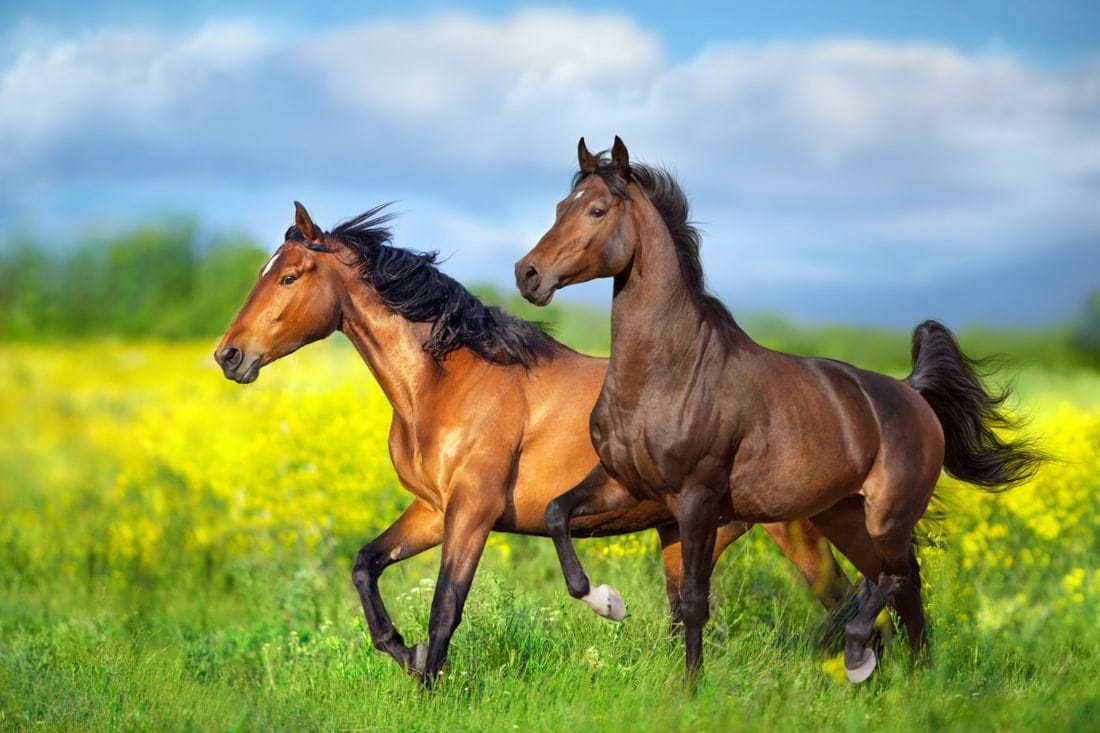
The equine digestive system is a remarkably complex and sensitive network of organs, adapted to process a steady supply of forage around the clock. When its delicate balance is disrupted, the horse’s ability to process and absorb nutrients is affected. For this reason, gut issues are one of the most common and potentially dangerous problems horses experience.
However, early warning signs of gastrointestinal disease are often subtle enough to slip by unnoticed. Careful attention to changes in appetite, manure, behavior, performance, and even coat condition can offer valuable insight into what’s happening internally.
From appetite changes and bloating to behavioral shifts like cribbing or irritability during grooming, this guide provides a detailed overview of the key signs that a horse’s gut may be struggling.
Understanding these indicators empowers owners to act early, seek veterinary support when needed, and ultimately keep their horses healthier, more comfortable, and better able to thrive.
Signs of Gut Issues in Horses
Horses often communicate internal discomfort through small, progressive changes rather than dramatic clinical signs. Paying close attention to patterns in eating, movement, posture, and daily habits can help you recognize when something is off.
Careful observation of your horse is key for early identification of gastrointestinal disease. Early recognition ensures rapid treatment and helps improve the horse’s prognosis.
By building familiarity with your horse’s normal routine and behavior, you can detect subtle shifts that may indicate early digestive dysfunction before more serious issues develop.
Physical Signs
Physical indicators of gastrointestinal trouble often appear before other clinical signs and can offer important clues about what’s happening inside the digestive tract.
Many of these signs reflect how well the gut is functioning and whether the horse is digesting and absorbing nutrients properly. Monitoring these outward changes can help guide timely veterinary evaluation and intervention.
1) Manure-Related Changes
Horses produce well-formed, slightly moist fecal balls as part of their digestive processes. Variations in the manure can indicate gastrointestinal disease.
Common changes to watch for include: [1]
- Diarrhea or loose, watery stool: Typically caused by infection or inflammation affecting the digestive tract. Horses with diarrhea can rapidly become dehydrated, so veterinary intervention is critical.
- Very dry, compacted manure: Dry manure typically results from dehydration or increased transit time, reducing the fluid content of the feces. Dehydrated horses or horses with subnormal transit times are at risk for developing impaction colic. Ensure horses have adequate access to water, and seek veterinary attention if colic signs develop.
- Undigested grain or long strands of fiber: Undigested materials in the feces can indicate poor chewing due to dental disease, temporomandibular joint disease, and other conditions that impair chewing.
- No manure production: Horses who are not producing manure likely have a colic condition. Some of the colic conditions preventing fecal output are serious, potentially life-threatening conditions. If you notice your horse is not producing manure, seek veterinary attention immediately.
- Separate liquid and solid phases: This condition is referred to as free fecal water syndrome. This condition primarily affects older horses and may be related to changes in digestive capacity.
Monitor your horse’s manure composition and frequency regularly to detect any changes. If you notice diarrhea or a complete absence of manure production, seek veterinary attention immediately.
What's your top priority with your horse's health?

What's your top priority with your horse's health?
2) Bloating
A bloated or distended abdomen can be an important indicator of colic. In these instances, the bloated appearance results from accumulation of gas within the gastrointestinal tract. [1]
This occurs due to altered motility, rapid fermentation, or obstruction that prevents gas from passing normally. As pressure builds within the digestive system, the abdomen becomes visibly round or tight, most noticeably along the flank region.
A “hay belly” can produce a similar appearance to bloating from gas distention. In this condition, partially digested fibrous material accumulates within the intestinal tract, usually due to incomplete digestion of mature forage. [2]
Horses with hay belly show no other clinical signs of distress or digestive disturbances. Work with your veterinarian or equine nutritionist to select a high-quality, more easily digestible forage for your horse if you observe this change.
3) Weight Loss or Difficulty Maintaining Condition
The horse’s digestive tract plays a central role in extracting forage energy, protein, and essential vitamins, so when the gut is compromised, weight loss can occur.
When a horse begins to lose body condition without changes in diet, workload, or environment, it often indicates that something is interfering with their ability to digest, absorb, or utilize nutrients correctly.
Potential causes of unintentional weight loss in horses include: [1][3]
- Poor dental health
- Parasitism
- Gastric ulcers
- Inflammatory bowel disease
- Liver disease
- Tumors affecting the digestive tract
In some horses, weight loss is accompanied by other subtle signs such as dull coat quality, decreased muscle mass along the topline, loose manure, or declining performance.
Consult with your veterinarian if your horse is losing weight without any change in their diet. If weight loss is rapidly progressing, urgent veterinary care is warranted.
4) Poor Coat or Hoof Quality
Amino acids and trace minerals are critical for production of keratin, the major component of hair and hooves. Dietary fats also support oil production by the skin which gives the coat a shiny appearance. Imbalances in the diet can be reflected by slow-growing or brittle hair and hooves, or a dull coat. [4]
These changes can also be linked to gastrointestinal dysfunctions that reduce nutrient absorption and availability. [4]
Potential signs of a nutrient imbalance affecting keratin production include: [2]
- Cracking or brittle hooves
- Slow hoof growth
- Rough, coarse, or dull coat
- Weak mane and tail hairs
- Faded coat color
Work with your veterinarian or equine nutritionist to evaluate your horse’s diet and ensure it provides adequate nutrition. Adjustments such as balancing essential minerals, ensuring adequate high-quality protein and fat, and supporting hindgut function through forage management may be recommended.
If poor coat or hoof quality persists, a thorough veterinary workup to identify any subtle gastrointestinal dysfunctions may be useful.
5) Changes in Gut Sounds
The horse’s hindgut normally produces rhythmical, ongoing noises called borborygmi. These noises arise from the motility of the intestines moving gas and fluid around within the horse’s abdomen. Changes in these sounds can indicate gastrointestinal disease.
If noises are occurring too frequently, the horse’s intestines are hypermotile. This can occur due to irritation, diet changes, or stress. Faint or absent borborygmi can indicate ileus (lack of intestinal movement), dehydration, or impaction. [3]
You can check your horse’s gut sounds by using a stethoscope or placing your ear against the horse’s flank.
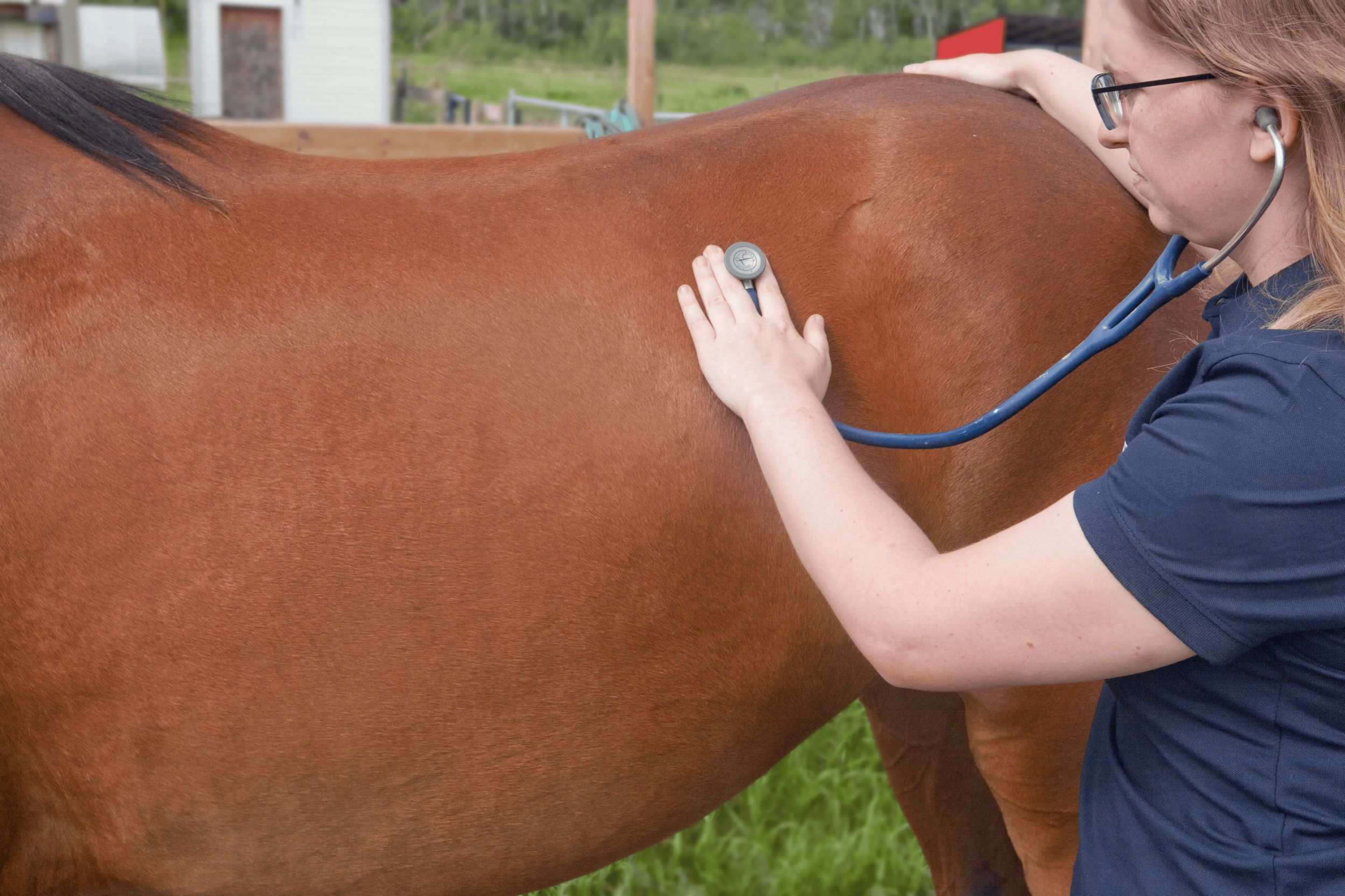
When listening for borborygmi, there are four main locations to assess: the right paralumbar region, left paralumbar region, right ventral flank, and left ventral flank.
Paralumbar regions:
The left and right paralumbar regions are located high on the abdomen between the horse’s hip and the start of the ribs.
Flank regions:
The left and right flank regions are the main portion of the horse’s abdomen, located just in front of the stifles.
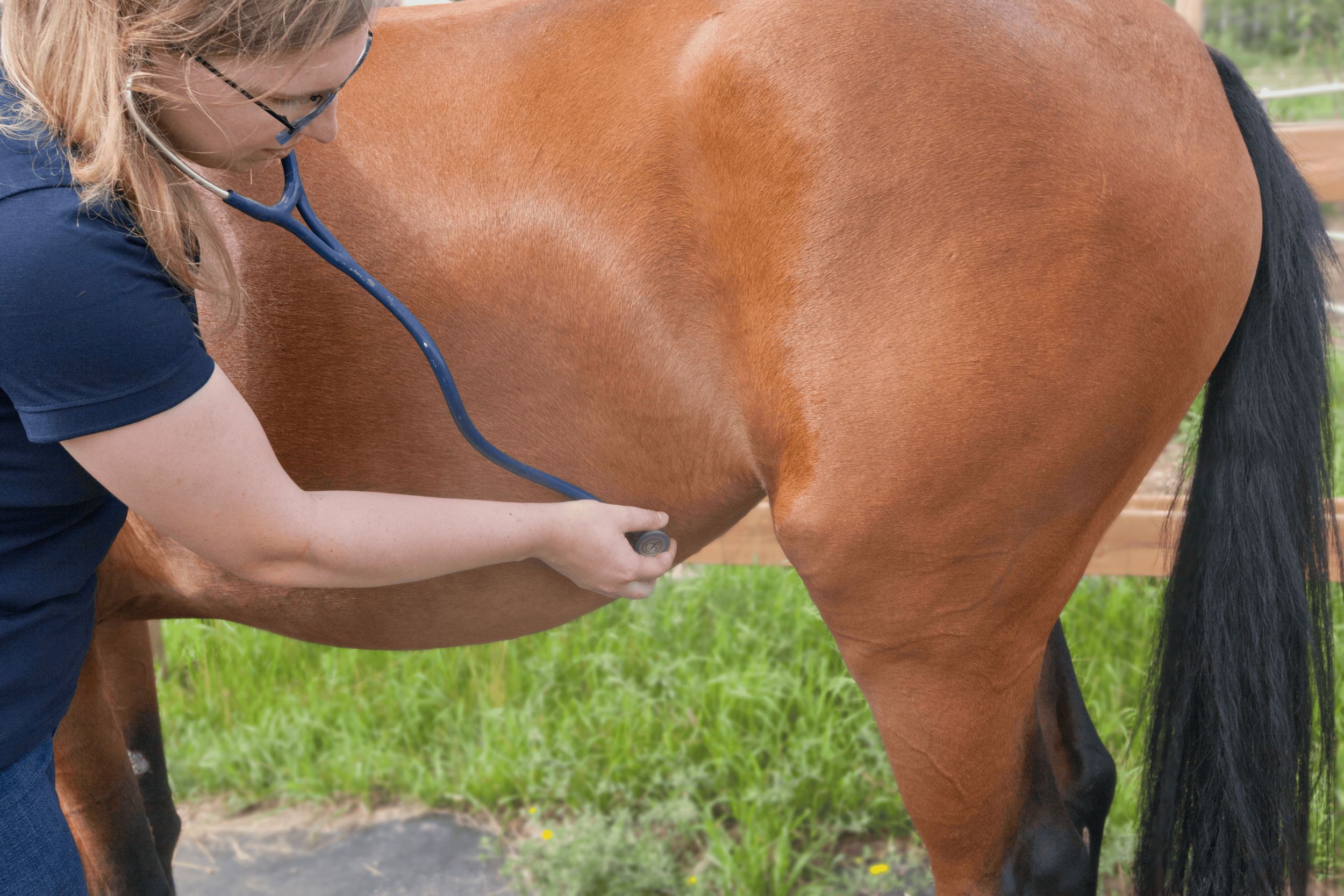
Listen to each location for 1–2 minutes. Normal gut sounds (borborygmi) often sound like gentle rumbling or bubbling as the intestines move contents along.
Pay attention to how often you hear gut sounds and how loud they are. Listening to your horse regularly helps you learn what is normal for them, making changes easier to notice.
In the right paralumbar region, there is an additional sound to listen for. This noise comes from where the intestines connect to the cecum and colon and may sound like a higher-pitched rushing or flushing sound, similar to water moving through a pipe.
Veterinarians refer to this sound as an ileocecocolic flush. [5]
Table 1. Healthy equine gut sounds reference guide
| Urgency | Observation |
|---|---|
| Safe Healthy Horse |
|
| Caution Seek Veterinary Care ASAP |
|
| Urgent Seek Emergency Veterinary Care |
|
Understanding your horse’s normal gastrointestinal sounds can help you identify changes that may indicate disease. If you notice changes, seek urgent veterinary care to diagnose the cause and begin treatment.
Behavioral Signs
Behavioral changes are often among the earliest indicators of gastrointestinal discomfort, even before physical symptoms become obvious.
Horses may express internal pain or stress through altered attitudes, new stereotypic behaviors, or resistance during handling and riding.
6) Reduced Appetite
Healthy horses graze or forage consistently throughout the day and typically show a keen interest in feed regardless of when it is offered. Horses that leave feed behind, who are “picky eaters”, or who are completely disinterested in feed may be experiencing gut discomfort.
Your horse’s appetite can be an important clue about their gastrointestinal health and may help you identify problems before they escalate.
Potential causes of reduced appetite include: [1][3]
- Gastric ulcers
- Dental pain
- Right dorsal colitis
- Equine proliferative enteropathy
- Liver disease
- Peritonitis
- Tumors affecting the digestive tract
7) Oral Stereotypies
Oral stereotypies (repetitive behaviors) like cribbing and wood-chewing have been linked to gastric ulcers. [6]
The exact reason for this connection is unknown, but theories include: [6][7]
- Oral stereotypies increase saliva production, which buffers stomach acid and reduces pain associated with gastric ulcers
- Stress triggers stereotypic behavior and ulcer development simultaneously
Current evidence suggests that stress contributes to the development of both conditions at the same time. [6]
High-stress environments, inconsistent turnout, limited access to forage, and irregular feeding schedules all increase the risk of gastric ulcers and stereotypic behaviors. This suggests the two may occur concurrently, rather than one directly causing the other.
As a result, cribbing is not always associated with underlying gastrointestinal disease. However, if a horse begins cribbing or wood-chewing suddenly, or if an existing behavior increases in frequency or intensity, evaluating for gastrointestinal discomfort may be appropriate.
A veterinary assessment may include gastroscopy to assess for ulcers, along with a review of diet, management practices, and potential stress-related triggers.
8) Girthiness
Horses sometimes show resistance to tacking up or grooming, known as “girthiness,” which can be a sign of gastric ulcers.
Many horses start with subtle signs that can be easily overlooked, such as shifting weight, tightening the muscles around the belly, or flicking an ear back. As pain increases, these behaviors may become more obvious and defensive.
Signs of irritation in horses may include: [1]
- Pinning ears
- Moving to bite the handler
- Tail swishing
- Kicking with the hindlimbs
- Tensing abdominal muscles
These signs often indicate underlying gastric ulcers or hindgut inflammation. However, it may also be associated with poor saddle fit or muscle soreness.
A thorough veterinary exam is the best next step. If your horse is “girthy“, talk to your veterinarian about performing a diagnostic work-up to identify potential causes of this irritation.
9) Colic-Related Signs
Colic is a broad term referring to “abdominal pain”. There are numerous potential causes of colic, ranging from mild irritations to potentially life-threatening disease.
Signs of abdominal pain (colic) in horses include: [3]
- Pawing
- Reduced appetite
- Laying down repeatedly
- Rolling
- Looking at or biting at the flanks
- Reduced manure production
- Sweating at rest
- Rapid breathing
- Unwillingness to rise after laying down
Horses with more subtle clinical signs, such as reduced appetite or mild discomfort, typically have conditions like inflammation or dysbiosis. These types of colic are often recurrent, with short periods of recovery between episodes.
Seek urgent veterinary advice if your horse shows signs of recurrent colic to determine the underlying cause and pursue appropriate treatment.

10) Poor Performance
Digestive discomfort may prevent a horse from performing at their best.
Horses experiencing gastrointestinal issues may display ring sour behaviors such as: [1]
- Unwillingness to move forward
- Hollow-backed movement
- Short or stiff striding
- Difficulty engaging the hind end
- Discomfort during bending or collected work
In most cases, these changes are due to gastric ulceration causing pain during exercise. However, other digestive disturbances may contribute to poor performance, particularly if they impact the horse’s nutrient absorption.
If nutrient absorption is impaired, horses may struggle to maintain muscle mass, develop topline, or sustain energy throughout a ride, further impacting performance.
It is important for owners, trainers, and riders to recognize that a decline in performance does not necessarily reflect a lack of willingness or ability. In many cases, the horse is trying to communicate discomfort.
If you notice ongoing stiffness, resistance, or a change in your horse’s way of going, a veterinary evaluation can help determine whether gastrointestinal health may be a contributing factor.
Supporting Long-Term Gut Wellness
Maintaining a healthy digestive system is essential to your horse’s overall well being, comfort, and performance. By staying attentive to early physical and behavioral changes, you can spot potential gut issues before they progress into more serious conditions.
If you notice persistent abnormalities in appetite, manure, behavior, or performance, partnering with your veterinarian is the best next step to identify the underlying cause and support your horse’s recovery.
A strong foundation in management also plays a key role in supporting gut health. Prioritizing a forage-first feeding program, maximizing turnout, and reducing environmental and social stressors can help stabilize the hindgut and promote healthier digestive function.
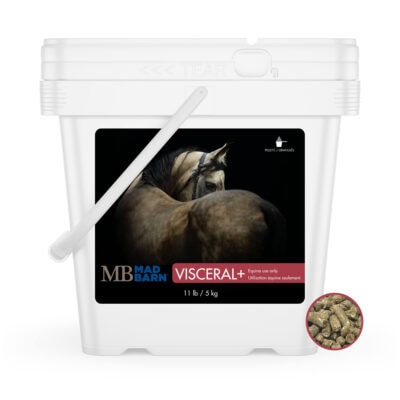
In some cases, targeted nutritional support may also be appropriate. Gut health supplements, such as Visceral+, are formulated to provide nutrients that help maintain a healthy stomach lining and support hindgut function, particularly in horses exposed to stress, training demands, or management changes.
Consistent routines, adequate hydration, and thoughtful feed transitions further protect the GI tract. If you’re unsure whether your horse’s diet is meeting their needs, consulting with an equine nutritionist can provide valuable guidance tailored to your horse’s condition, workload, and management environment.
With proactive care, informed observation, and appropriate nutritional support, you can help safeguard your horse’s digestive health for a long, happy life.
Frequently Asked Questions
Here are some frequently asked questions about gut issues in horses:
Common signs of digestive issues in horses can be subtle at first and may vary depending on the part of the gastrointestinal tract affected. These signs often include reduced or inconsistent appetite, changes in manure consistency or frequency, unexplained weight loss, bloating, and recurrent mild colic. Some horses may also develop a dull hair coat, poor hoof quality, or show behavioral changes such as cribbing, wood-chewing, irritability, or decreased willingness to work. Early recognition of these changes can help prevent more serious gastrointestinal problems from developing.
Weight loss in horses with gut issues typically occurs when digestion or nutrient absorption is impaired. Conditions such as gastric ulcers, hindgut inflammation, chronic low-grade pain, or parasitic burden can interfere with normal feed utilization. In some cases, discomfort may also lead to reduced feed intake or selective eating, further contributing to loss of body condition over time.
Yes. Behavioral changes are a common but often overlooked sign of gastrointestinal discomfort in horses. Horses experiencing gut pain may become girthy, resistant to grooming or saddling, irritable when handled, or reluctant to move forward under saddle. Stress-related behaviors such as wood-chewing, cribbing, stall walking, or changes in attitude may also be associated with underlying digestive discomfort.
Early signs of colic may be mild and easy to miss, particularly in the initial stages. These can include pawing, flank watching, restlessness, repeated lying down and getting up, stretching out as if to urinate, decreased appetite, or reduced manure output. Prompt recognition of these early signs allows for faster intervention and can reduce the risk of more severe complications.
A veterinarian should be contacted if your horse shows persistent digestive symptoms, worsening discomfort, refusal to eat, reduced or absent manure production, repeated colic episodes, or any sudden change in behavior, attitude, or performance. Early veterinary evaluation is especially important if signs are progressing or do not resolve with basic management adjustments.
While not all gastrointestinal issues are preventable, many can be reduced through consistent management and nutritional practices. Providing continuous access to forage, making gradual feed changes, maintaining appropriate parasite control, minimizing environmental and social stress, and ensuring adequate hydration all support digestive health. Regular veterinary assessments and proactive monitoring help identify potential issues early and support long-term gut function.
Summary
Recognizing early gastrointestinal warning signs is one of the most effective ways to protect your horse's gut health and overall well-being. Because many GI issues develop gradually, the earliest indicators of gut problems are often subtle and easy to overlook without consistent observation.
- Gut issues in horses often develop gradually, and subtle signs are easy to miss
- Small changes in behavior, appetite, or manure output can be early clues that something is affecting the digestive tract
- Appetite changes, manure alterations, and abdominal bloating can indicate gut imbalances
- Weight loss, dull coat, and poor hoof growth can reflect chronic digestive dysfunction
- Behavioral changes like cribbing or irritability may stem from gut discomfort or ulcers
- Colic signs should always be taken seriously and evaluated promptly
References
- Reed. S. M. et al. Equine Internal Medicine. 4th ed. Saunders Elsevier, St. Louis, Mo. 2010.
- Geor. R. J. Equine Applied and Clinical Nutrition: Health, Welfare and Performance. Saunders Elsevier, Oxford. 2013.
- Blikslager. A. T. et al. The Equine Acute Abdomen. 3rd ed. Wiley, Blackwell, Hoboken, NJ. 2017.
- Nutrient Requirements of Horses: Sixth Revised Edition. National Academies Press, Washington, D.C. 2007.
- Costa. L. R. R. and Paradis. M. R. Manual of Clinical Procedures in the Horse. Wiley Blackwell, Hoboken. 2018.
- Daniels. S. P. et al. Crib Biting and Equine Gastric Ulceration Syndrome: Do Horses That Display Oral Stereotypies Have Altered Gastric Anatomy and Physiology?. Journal of Veterinary Behavior. 2019.
- Houpt. K. A. A Preliminary Answer to the Question of Whether Cribbing Causes Salivary Secretion. Journal of Veterinary Behavior. 2012.