English






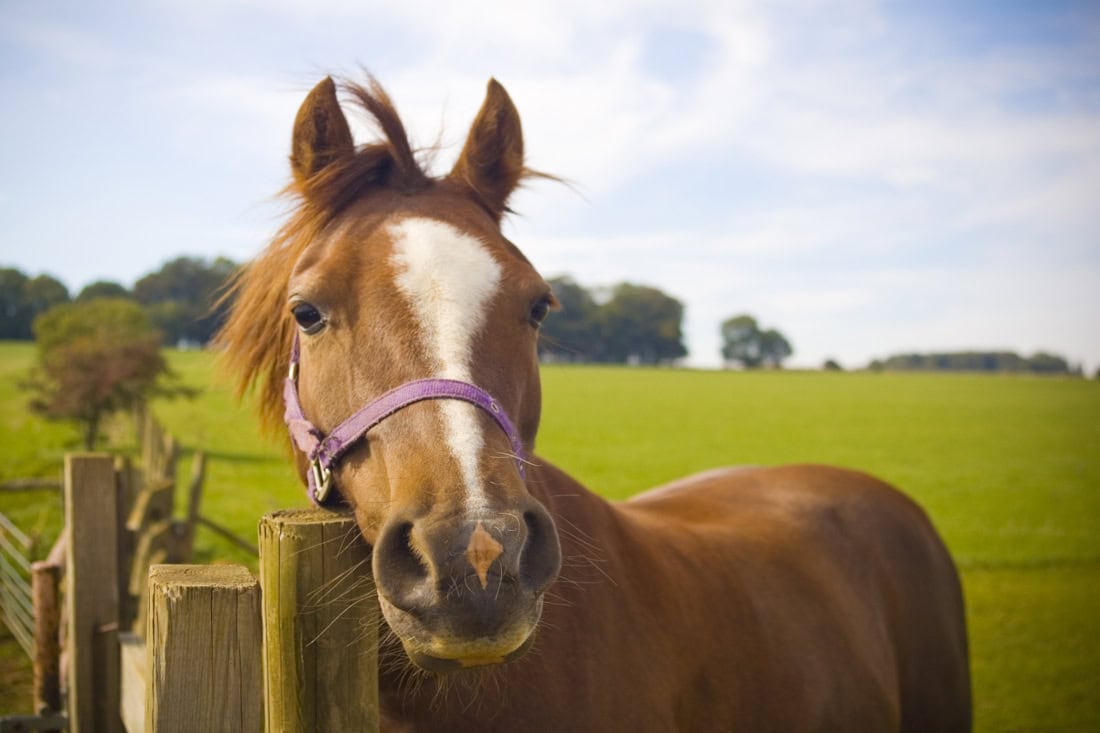
Cyanide toxicosis is a life-threatening condition in horses associated with consumption of Sorghum or Sudan grasses and their hybrids.
Sorghum and Sudan grass are drought-resistant forages used as livestock feed, especially in dry climates such as the southwestern US. These plants produce compounds that can be converted to cyanide when ingested by animals.
Cyanide is highly toxic and interferes with the body’s ability to utilize oxygen, leading to symptoms such as rapid breathing, tremors and convulsions. If not treated promptly, the condition can rapidly progress to collapse and death.
Read on to learn everything you need to know about Sorghum and Sudan grass toxicity in horses. Understanding the causes, symptoms, and treatment options for cyanide poisoning can help horse owners prevent and manage this condition effectively.
Cyanide Toxicosis in Horses
Cyanide is a highly toxic chemical compound that interferes with the body’s ability to properly utilize oxygen. Cyanide exists naturally in a number of forms, including: [1]
- Hydrogen cyanide (HCN)
- Cyanogen chloride (CNCl)
- Sodium cyanide (NaCN)
- Potassium cyanide (KCN)
In plants, cyanide binds to sugars to form Cyanogenic Glycosides (CGs). Over 3,000 species of plants are known to produce CGs as a defense mechanism against herbivores. In addition to defending the plants against herbivores, this secondary metabolite can also protect the plants against a variety of fungi. [2][3][4][5]
While CGs are not inherently toxic, if plants containing CGs are damaged through external actions such as cutting, chopping, crushing, freezing, or mastication, they release enzymes. These enzymes convert CGs into the toxic compound hydrogen cyanide (HCN), which leads to acute toxicity in horses. [4][5]
HCN is highly toxic. The ingestion of as little as 4.4 mg of HCN per kilogram of body weight can cause acute toxicosis and lead to rapid death in horses. [4][5]
In addition to naturally-occurring cyanide, barn fires pose a risk of cyanide exposure due to smoke inhalation injury. Burning plastics and other nitrogen-containing materials (e.g., wool, nylon, and silk) commonly found in horse apparel, tack, and other equipment release hydrogen cyanide. [6]
Horses and other animals in close proximity to a barn fire are at risk of cyanide poisoning and other injuries related to smoke and fire exposure.
Cyanogenic Plants
Over 3,000 plant species are known to produce Cyanogenic Glycosides. Common plant species that produce these compounds include: [3][7]
- Prunus genus, including almond, apricot peaches cherry, black cherry, chokecherry
- Sorghum spp., including Johnson grass, sorghum and sudan grass, milo (Sambucus nigra)
- Poison suckleya (Suckleya suckleyana)
- Cassava (Manihot esculenta)
The concentration of CGs varies between plant species and within individual plants themselves. The highest concentration of CGs in any plant is found in the seeds, while concentration decreases in leaves and bark, with the fruit having the lowest levels. [7][8]
Additionally, young plants (generally less than 20 in (50 cm) in height) contain higher concentrations of CG overall compared to mature plants of the same species. Plants growing in highly fertilized soil produce a higher concentration of CGs.
Further, several environmental conditions can increase CG production levels as a stress response in plants. These include: [7][8]
- Drought
- Extreme and nonoptimal temperatures
- Insufficient sunlight
Sorghum and Sudan Grass
Sorghum and Sudan Grass are two plants that produce cyanogenic glycosides and pose a risk of cyanide toxicosis in horses.
Sorghum grass is a forage used for pasture, hay, and silage in various agricultural operations. [9] Sorghum forage is divided into four categories: [10]
- Grain Sorghum
- Sweet Sorghum
- Commercial hybrid fodder sorghums
- Sudan grass
Sudan grass is a subspecies of Sorghums often used as a cereal and grass forage for ruminants, while the wider range of Sorghum grass is also used as a grain.
Both Sorghum and Sudan grass are native to East Africa. Sorghum grass was introduced to the United States in the early 17th century, and Sudan grass specifically was brought to the USA in the early 1990s. [11]
They are both drought resistant plants that grow well in a large range of soils, though Sorghum grass tolerates waterlogging better than Sudan grass. [11] Both plants are vulnerable to frost and continuous flooding. [12]
 Sorghum Field
Forage and Grazing
Sorghum grass can be grazed, cut fresh, or turned into hay. [11] As a pasture grass, Sorghum and Sudan grasses can withstand heavy grazing, making it a valuable choice for diverse livestock operations.
Sorghum grass should not be grazed before it is 45 cm (18 in) tall to minimize the concentration of CGs in the plants.
However, even at an ideal height, there is an increased risk of poisoning if frost kills the plant’s top-growth, leaving only the base stalk and new shoots for grazing. These stalks and new shoots can be salvaged by harvesting the crop for silage. [9]
Toxins in Sorghum Grasses
Sorghum and Sudan grasses contain a CG called dhurrin, and high concentrations can be found in the plants’ young stems and leaves. Growing conditions such as soil fertility and sufficient water affect the amount of dhurrin in each plant. [13]
Dhurrin can break down into hydrogen cyanide during the digestion process when consumed by any animal, including horses. This makes sorghum grass lethal when consumed in quantities sufficient to provide 2 mg of HCN per kg of body weight. [11]
The HCN levels in Sorghum grass usually decline with age, reaching non-toxic levels 45 to 50 days after planting. The toxicity of Sudan grass can be mitigated by wilting the plant and avoiding too much fertilizer. [13][14]
Sorghum grass is also a nitrate accumulator. The nitrates within this plant transform to toxic nitrites, which can cause brown blood disease in horses.
Brown blood disease occurs due to nitrites converting hemoglobin, the protein that transports oxygen through the blood, into methemoglobin, which cannot transport oxygen. As the proportion of methemoglobin outweighs hemoglobin in the blood, the tissues get deprived of oxygen. This leads to increased pulse and respiration rates, and potentially death. [15][16]
The toxic nitrate levels in Sorghum grass range from 0.5% to 1% dry matter (DM), and levels higher than 1% DM are considered dangerous for horses. [17] Nitrate poisoning can be prevented by limiting full access to forage sorghum and rotational grazing. [11]
If you are unsure whether your pasture poses a risk of toxicity to your herd, submit it for a forage analysis and get an expert review from a qualified equine nutritionist.
Toxicology
When a horse consumes plants containing cyanogenic glycosides, the process of ripping and chewing these plants converts the glycosides into toxic cyanide.
Following the conversion, cyanide is rapidly absorbed by the gastrointestinal tract and enters the bloodstream. [4][5] Similarly, if a horse inhales hydrogen cyanide due to smoke exposure, cyanide enters the bloodstream directly through the lungs. [6]
Once cyanide is in the bloodstream, it inhibits oxidative phosphorylation, a fundamental step in generating ATP, the molecule that provides energy for all cells to function. [1] This interruption means oxygen starts accumulating in the blood since it is not being consumed by the cells.
The blood of affected horses becomes oversaturated with oxygen, causing it to appear bright red. Cells throughout the horse’s body are deprived of oxygen and begin to suffocate, leading to cell death. [3][4][5][7]
The toxic effects of cyanide on horses are severe and can lead to rapid deterioration of the animal’s health. [3][4][5][7]
Acute Cyanide Poisoning
Acute cyanide poisoning occurs when horses are exposed to a high dose of cyanide within a short period of time. In cases of Sorghum and Sudan grass poisoning, acute toxicity occurs if horses eat a large quantity of plants with high CGs in a short period of time. [7][18]
Horses are also at risk of cyanide exposure through barn fires. Synthetic equipment often found in barns produces toxic hydrogen cyanide gas when burning. In the event of a barn fire, animals housed in or around the barn may be exposed to cyanide and suffer smoke inhalation injuries and toxicity.
Fires that burn nitrogen-containing materials, like horse apparel and equipment made of wool and nylon, also release highly toxic hydrogen cyanide. These materials are often found in barns. Once inhaled, the cyanide in the smoke rapidly inhibits mitochondrial function, which in turn halts aerobic metabolism. [6]
Chronic Cyanide Poisoning
Chronic cyanide poisoning in horses is caused by prolonged consumption of plants high in CGs at sublethal doses. Chronic toxicity is linked to several equine disorders, including: [2][5]
- Hypothyroidism
- Neurologic issues
- Birth Defects
- Abortion
- Sorghum Cystitis Ataxia Syndrome
Sorghum Cystitis Ataxia Syndrome is a neurological and urinary disorder in horses caused by chronic ingestion of sorghum plants. Toxic compounds in this grass can damage the nervous system and urinary tract of horses, resulting in bladder inflammation, nerve disorders, and ataxia (loss of coordination). [5]
What's your top priority with your horse's health?

Enter your email to receive your store credit
Symptoms
Symptoms of Sorghum and Sudan grass poisoning in horses vary depending on whether the exposure is acute or chronic.
Acute Symptoms
Horses that consume a lethal amount of Cyanogenic Glycoside-containing plants generally die within hours of ingestion. Clinical symptoms of acute cyanide poisoning develop within 15 to 20 minutes from ingestion and can include: [2][6]
- Difficulty breathing
- Rapid breathing
- Red gums
- Weakness
- Incoordination
- Collapse
- Urinary incontinence
- Tremors
- Convulsions
- Almond-smelling breath
- Excessive salivation
- Sudden death
Chronic Symptoms
Horses that ingest a sublethal dose of cyanide-containing forage over a long period of time may develop symptoms of hypothyroidism (low thyroid hormones).
Symptoms of hypothyroidism include: [19][20]
- Lethargy
- Swollen back limbs
- Hypothermia (low body temperature)
- Rough coat
Foals that develop hypothyroidism can also suffer from growth issues such as: [19]
- Stunted growth
- Delayed teeth eruption
Horses that develop Sorghum Cystitis Ataxia Syndrome commonly present with the following symptoms: [5]
- Incoordination in the back legs
- Bladder paralysis
- Bladder inflammation
- Urinary tract inflammation
- Tail and hind leg paralysis
Pregnant mares chronically exposed to CG-containing plants are at a higher risk of abortion and of giving birth to malformed foals.
Risk Factors
Several factors can increase the risk of horses developing cyanide toxicosis, including: [3][4][5][7]
- Plant age: young, rapidly growing CG-containing plants pose a greater risk than feeding on older plants
- Plant health: damaged plants (e.g., by insect, frost, or drought) have been linked to higher risk of fatal toxicosis
- Barn safety: improper maintenance of heating equipment can markedly increase the risk of barn fires and the subsequent inhalation of hydrogen cyanide (NCH)
- Soil composition: soil with a high nitrogen-to-phosphorus ratio can lead to increased formation of cyanogenic glycosides, which can elevate the risk of cyanide poisoning in horses
- Farm management: facilities that produce sorghum and/or those that use sorghum-Sudan grasses as pasture for ruminants are a higher risk for equines housed on the same property
- Body size: as with all forms of poisoning, toxicity depends on dosage relative to body weight. Therefore ponies, foals, and miniature horses are at higher risk
Diagnosis
The diagnosis of cyanide toxicosis in horses is challenging as symptoms are rapidly progressive, with many horses dying prior to diagnosis and/or hospitalization. An initial diagnosis is based on clinical presentation, a history of known or potential exposure, and a physical examination. [7]
Veterinarians may run several tests to accurately and definitely diagnose cyanide toxicosis, including: [7]
- Blood tests; cyanide analysis of whole blood
- Analysis of stomach contents
- Feed analysis
- Urine analysis
Differential Diagnosis
In cases of suspected cyanide toxicosis, a number of other conditions and forms of poisoning that can cause similar symptoms need to be ruled out to make a diagnosis, including: [7]
- Yew poisoning
- Cyanobacteria (blue-green algae) poisoning
- Carbon monoxide (CO) poisoning
- Ionophore toxicosis
- Nitrate or nitrite toxicosis
- Urea poisoning
- Hydrogen sulfide poisoning
Post-mortem Examination
Unfortunately, most horses that ingest large quantities of cyanide-containing forage die within hours of exposure. These horses generally require a post-mortem examination (necropsy) to confirm the cause of death.
Unlike other causes of death, most horses that die rapidly from cyanide poisoning rarely present gross lesions on any internal structures. The presence of bright red blood coupled with a bitter almond smell of the ingesta is suggestive of cyanide toxicosis. Blood analysis may confirm the diagnosis. [7]
Treatment
Currently, there is no specific treatment or antidote for cyanide poisoning. Treatment instead focuses on providing supportive care to minimize further damage and promote recovery. [7]
Intervention at an early stage is critical to improve the horse’s chances of survival. All affected horses require immediate oxygen supplementation and must be removed from the source of exposure. Subsequent supportive care may include: [5][7]
- IV fluid therapy to prevent dehydration and support detoxification
- Stall rest
- Nasogastric feeding
- Pain management
- Dietary support
Additional treatment options may include: [7]
- Antioxidant supplementation to reduce cell damage
- Non-steroidal anti-inflammatory drugs (NSAIDs) to manage pain and inflammation
- Butorphanol to assist with severe pain management
- Electrolyte monitoring and targeted supplementation
Treatment for fire related hydrogen cyanide inhalation may include: [7]
- Immediate removal from smoke exposure
- Administration of 100% oxygen
- IV fluids
- Antibiotics
- Pain medication

Prognosis
The prognosis for horses with cyanide toxicosis varies depending on the severity of the exposure and the timeliness of intervention. Horses that receive prompt treatment and supportive care have a better chance of recovery than those that do not.
With that being said, acute poisoning is more common than chronic and the rapid progression of symptoms often makes early intervention challenging. As such, severely affected horses have a poor prognosis in most cases. Horses that develop chronic toxicosis have a guarded prognosis. [2][3][4][5][7]
Prevention
Due to the severity of cyanide toxicosis and the rapid progression of symptoms, prevention is the best way to ensure the well-being of horses at risk of exposure. Preventive strategies include: [3][21]
- Pasture Management: removing plants known to contain cyanogenic glycosides from pastures is the best way to eliminate the risk of exposure for horses. Regularly trimming low-hanging branches and removing fallen leaves and seeds are also crucial practices, as seeds in particular contain the highest concentrations of toxic compounds.
- Environmental Control: if complete removal is not feasible, or if CG-producing plants like sorghum and Sudan grasses are being cultivated intentionally, restricting equine access to these areas is necessary to prevent exposure
- Feed a Balanced Diet: maintaining healthy pastures and providing horses with abundant high-quality forage is paramount. Many poisonous plants are unpalatable and horses are unlikely to eat them in significant quantities if they are otherwise satiated on nutritious feed
In addition, preventing barn fires is important for overall safety, including and not limited to the risk of cyanide poisoning. Strategies include: [21]
- Proper maintenance of electrical equipment
- Safe storage of flammable materials
- Regular fire safety inspections
- Installing smoke detectors, fire extinguishers, and sprinkler systems
Frequently Asked Questions
Here are some frequently asked questions about cyanide toxicosis in horses:
Plants that put horses at risk of cyanide poisoning include Sorghum and Sudan grass, as well as their hybrids and related species like Johnson grass. Other cyanogenic plants such as chokecherry, black cherry, apricot, peach, and almond trees also contain compounds that can release cyanide when chewed or damaged. Young, stressed, or frost-damaged plants are especially dangerous because they contain higher concentrations of toxic compounds.
You may suspect your horse has ingested cyanide if they show sudden symptoms like rapid breathing, red or bright gums, tremors, incoordination, or collapse. In acute cases, signs often appear within 15 to 20 minutes of eating toxic plants. A bitter almond smell on the horse’s breath can also indicate cyanide exposure. Because cyanide toxicosis progresses quickly, any suspicion of ingestion is an emergency that requires immediate veterinary attention.
You can prevent your horse from ingesting cyanide by carefully managing or selecting pastures. Before turning horses out, check the pasture for toxic plants like Sorghum, Sudan grass, Johnson grass, or wild cherry trees. If you’re building or reseeding a pasture, choose safe forage species that don’t produce cyanogenic compounds. Regular pasture inspections and forage testing can help identify risks early. Providing horses with plenty of safe, high-quality forage also reduces the chance they will graze on harmful plants.
The prognosis for horses affected by cyanide poisoning depends on how much was ingested and how quickly treatment begins. Acute cyanide poisoning often has a poor prognosis because symptoms progress rapidly and may cause death within hours. Horses with chronic, lower-level exposure may develop long-term health problems such as thyroid issues, urinary tract damage, or foal deformities, leading to a guarded outlook. Prompt veterinary care offers the best chance for recovery.
Summary
Cyanide toxicosis in horses is a life-threatening condition that requires immediate medical intervention. Most cases of equine cyanide poisoning are related to ingestion of cyanogenic glycosides from specific plants, particularly sorghum and Sudan grasses.
- Sorghum and Sudan grasses are common forages for ruminants, but are unsafe for equines and should be avoided
- Cyanide disrupts oxygen use in the body, leading to rapid cell death
- Acute exposure from large amounts of CGs can cause rapid death within hours. Symptoms include difficulty breathing, red gums, weakness, seizures, and coma
- Chronic exposure from lower amounts of CGs can cause health problems such as hypothyroidism, abortions, and birth defects
- There's no specific antidote, but treatment focuses on supportive care including oxygen therapy, administration of fluids, and pain management
References
- Luo, Cyanide Poisoning: Symptoms, Treatment, Complications, and More. Healthline. 2018.
- Cope, R. B., Cyanide Poisoning in Animals. MSD Veterinary Manual. 2021.
- Waldridge, B. M., Ed., Nutritional Management of Equine Diseases and Special Cases. First Edition. Wiley Blackwell. 2017.
- Plumlee, K. H., Ed., Clinical Veterinary Toxicology. Mosby, St. Louis, Mo. 2004.
- Gupta, R. C., Ed., Veterinary Toxicology: Basic and Clinical Principles. 2nd ed. Elsevier: Academic Press, Amsterdam; Boston. 2012.
- Cope, R. B. Smoke Inhalation Injury in Animals. MSD Veterinary Manual. 2021.
- Hovda, L. R., Blackwell’s Five-Minute Veterinary Consult Clinical Companion Equine Toxicology. Wiley Blackwell. 2022.
- Vetter, J., Plant Cyanogenic Glycosides. Toxicon: Official Journal of the International Society on Toxinology. 2000.
- Undersander, D. J. et al., Sorghum forage. Alternative Field Crop Manual, University of Wisconsin-Exension, Cooperative Extension. 2003.
- Suttie, J. M., Hay and straw conservation for small-scale farming and pastoral conditions. FAO Plant Production and Protection Series No. 29, FAO, Rome. 2000.
- Pedersen, J. F. ; Fritz, J. O., Forages and Fodder. Sorghum: origin, history, technology, and production. Smith, C. W.; Frederiksen, R. A. 2000.
- FAO, Grassland Index. A searchable catalogue of grass and forage legumes. FAO, Rome, Italy. 2011.
- FAO, Grassland Index. A searchable catalogue of grass and forage legumes. FAO, Rome, Italy. 2009.
- Hanna, W. W. ; Torres-Cardona, S., Pennisetums and sorghums in an integrated feeding system in the tropics. Sotomayor-Rios, A.; Pitman, W. D. (Eds). Tropical forage plants: development and use. CRC Press LLC. 2001.
- Marais, J. P., Factors affecting the nutritive values of kikuyu grass (Pennisetum clandestinum) - a review. Trop. Grassl., 35: 65-84. 2001.
- Fahmy, A. A. ; Youssef, K. M. ; El Shaer, H. M., Intake and nutritive value of some salt-tolerant fodder grasses forsheep under saline conditions of South Sinai, Egypt. Small Rumin. Res., 91: 110-115. 2010.
- Yaremcio, B., Nitrate poisoning and feeding nitrate feeds to livestock. Agdex 400/60-1, Government of Alberta, Agricultural and Rural Development. 1991.
- Ananda. G. K. S. et al., Wild Sorghum as a Promising Resource for Crop Improvement. Frontiers in Plant Science. 2020.
- Messer, N. T. and Johnson, P. J., Evidence-Based Literature Pertaining to Thyroid Dysfunction and Cushing’s Syndrome in the Horse. The Veterinary Clinics of North America. Equine Practice. 2007. View Summary
- Heseltine, J., Hypothyroidism in Animals. MSD Veterinary Manual. 2024.
- Gimenez, R. M. et al., A Review of Strategies to Prevent and Respond to Barn Fires Affecting the Horse Industry. AAEP. 2008.