English











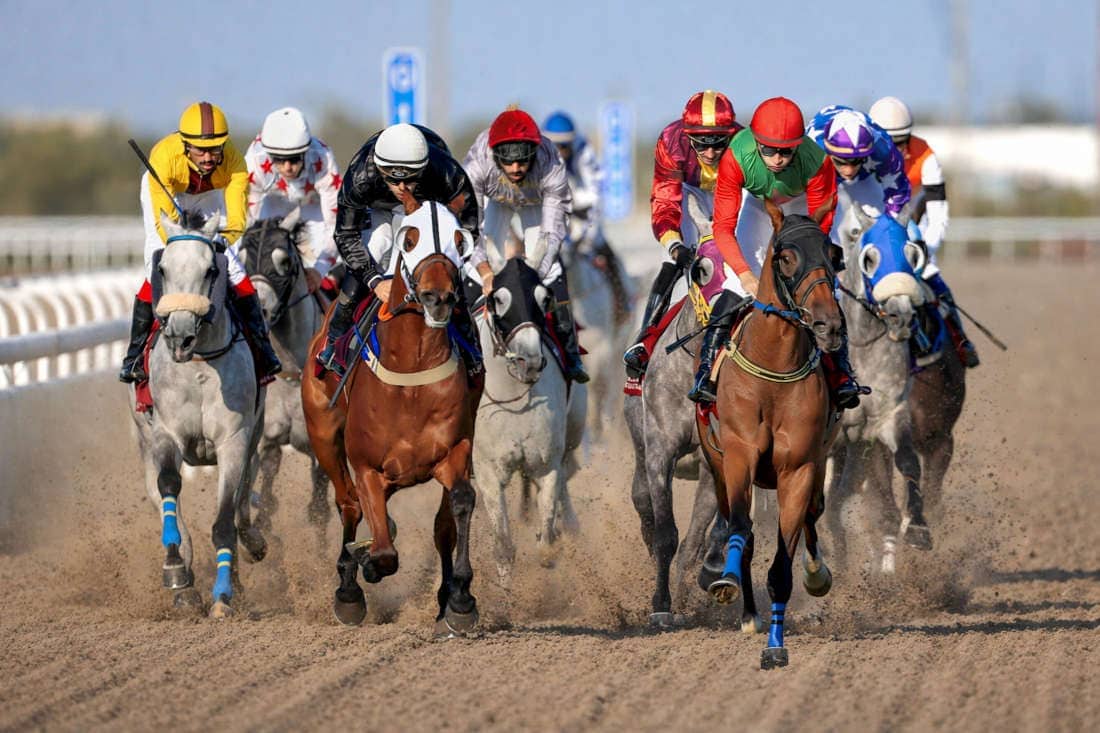
The Triple Crown is one of the most prestigious and demanding achievements in Thoroughbred racing. Comprised of the Kentucky Derby, Preakness Stakes, and Belmont Stakes, it challenges three-year-old horses to compete at the highest level across three races in just five weeks.
Widely regarded as the ultimate test of equine athleticism, the Triple Crown requires exceptional speed, stamina, soundness, and recovery under intense competitive pressure. Only 13 horses in history have completed the sweep, underscoring how rare it is to see an ultimate Thoroughbred champion.
For more than a century, Triple Crown winners have defined excellence in racing, shaping breeding, training, and performance standards for future generations of racehorses.
This guide explores the history of the Triple Crown, its structure and traditions, legendary winners, and the modern training and management strategies required to compete at the highest level.
The Triple Crown in Horse Racing
The U.S. Triple Crown represents the highest achievement in Thoroughbred racing, awarded to a three-year-old horse that wins the Kentucky Derby, Preakness Stakes, and Belmont Stakes in the same season.
The series begins with the Kentucky Derby at Churchill Downs, followed two weeks later by the Preakness Stakes at Pimlico Race Course. Three weeks after that, the Belmont Stakes concludes the sequence in New York.
Run over five demanding weeks each spring, this series of races tests a Thoroughbred’s speed, stamina, soundness, and ability to recover under one of the most challenging schedules in the sport.
Because it requires elite performance across varying distances with minimal recovery time, it remains one of horse racing’s most difficult accomplishments. [1]
Triple Crown at a Glance
- First run: 1919
- Location: United States (Kentucky, Maryland, and New York)
- Distance: 1 1/4 miles, 1 3/16 miles, and 1 1/2 miles; 3 15/16 miles total
- Race order: Kentucky Derby – Preakness Stakes – Belmont Stakes
- Nickname: “Triple Crown Jewels”
- Eligible horses: Three-year-old Thoroughbreds
The Triple Crown Purse
The Triple Crown title does not come with its own purse. Each of the three races offers a separate purse, but there is no additional cash bonus awarded for winning all three.
The purse for each individual race changes every year. As of 2026 the estimated purses for the races included in the Triple Crown are: [2][3][4]
- Kentucky Derby: $5 million
- Preakness Stakes: $2 million
- Belmont Stakes: $2 million
While there is no separate financial prize for sweeping all three races, winning the Triple Crown can greatly increase a horse’s long-term value. A Triple Crown winner often becomes far more valuable as a breeding prospect, with greater demand, higher stud fees, and a lasting influence on the breed.
Beyond financial reward, the ultimate prize is enduring prestige, symbolized by the Triple Crown trophy and permanent recognition among racing’s most elite champions. [5]
What's your top priority with your horse's health?

Enter your email to receive your store credit
How Horses Qualify for the Triple Crown
There is no separate qualification process for the Triple Crown itself. Instead, a horse must first be eligible to compete as a three-year-old Thoroughbred, since the series is restricted to horses in that age group. [1][5]
A horse becomes a Triple Crown contender by competing in the Kentucky Derby, Preakness Stakes, and Belmont Stakes during the same season, and they must win all three races to claim the title. [1][5]
Road to the Kentucky Derby
For the Kentucky Derby, horses must earn enough points on the Road to the Kentucky Derby, a designated prep-race series.
Points are awarded to the top five finishers in those races, and the Derby field is made up of the leading point earners, with separate invitation paths for riders from Japan and the European-Middle East. The Derby is the only Triple Crown race with a formal, public points-based qualification system. [6]
Nominations
Neither the Preakness Stakes nor the Belmont Stakes uses the Derby-style public points system. Instead, horses are entered through their respective nomination and entry processes, although certain prep races can strengthen or secure a horse’s place.
In the Preakness, the Federico Tesio Stakes offers a “Win and In” berth for Triple Crown-nominated horses, while in New York the Peter Pan Stakes is the traditional Belmont prep and provides fee waivers to its top three finishers. [7]
History of the Triple Crown
Although individual races date back to the late 1800s, the concept of the Triple Crown only emerged in the early 20th century. Sir Barton became the first horse to sweep all three races in 1919, but the term “Triple Crown” wasn’t popularized until 1930, after Gallant Fox won all three races. [7][8]
The title was formally recognized in 1950, when the Thoroughbred Racing Associations established an official trophy, also honoring earlier winners. [7][8]
Evolution of the Races
The Triple Crown has always consisted of the Kentucky Derby, Preakness Stakes, and Belmont Stakes. However, the order, spacing, race distances, and even locations of the races have changed throughout history.
In earlier years, the Preakness was sometimes run before the Kentucky Derby. In 1930, Gallant Fox won all three races in just 29 days, a shorter time frame than the race’s current 35-day schedule. The race distances also varied before the modern format of 1 1/4 miles for the Derby, 1 3/16 miles for the Preakness, and 1 1/2 miles for the Belmont. [5]
Since 1969, the current order, spacing, and distances have remained consistent with one notable exception. In 2020, the COVID-19 pandemic forced the Kentucky Derby and Preakness to be postponed until later in the year, temporarily disrupting the traditional sequence. The races returned to their standard calendar schedule in 2021. [5]
Why is the Triple Crown the Ultimate Racing Challenge?
Winning the Triple Crown is one of the most difficult achievements in horse racing. The series tests a three-year-old Thoroughbred’s speed, stamina, soundness, and ability to recover under intense physical and competitive pressure.
Only 13 horses have ever received this distinction, winning the Kentucky Derby, Preakness Stakes, and Belmont Stakes. [1][9]
Here are some of the factors that contribute to the intense demands required to earn the Triple Crown:
Compressed Schedule
Most racehorses typically compete once every four to six weeks, making the Triple Crown’s brief 5-week schedule unusually demanding. Horses must recover quickly from peak effort while maintaining elite performance across multiple Grade 1 races against top competition. [5]
Increasing Distance & Stamina Demands
By the time horses reach the final challenge of the Belmont Stakes, they face even greater physiological demands. At 1 1/2 miles, it is significantly longer than most races contested by three-year-olds, placing greater emphasis on endurance rather than speed alone.
By the time horses reach the Belmont, Triple Crown contenders have already competed in two high-intensity races within a short period. Success at this stage requires exceptional cardiovascular capacity, muscular endurance, and efficient energy metabolism to sustain performance over a distance rarely attempted in modern racing. [10]
Facing Fresh Competitors
While horses vying for the crown must race in all three events, many rivals skip one or more races to allow for additional recovery time.
Horses that bypass the Derby or Preakness often enter the Belmont with less accumulated fatigue, creating a significant competitive advantage over horses that have already endured two demanding races. [5]
Once in a Lifetime Opportunity
The Triple Crown is restricted to three-year-old horses, meaning each horse has only one opportunity to achieve it.
Even minor setbacks, injuries, poor race positioning, or unfavorable track conditions can prevent success. Because fitness, timing, health, and race dynamics must align perfectly, the margin for error is extremely small. [1]
Modern Breeding & Training Trends
Modern breeding often emphasizes speed and early maturity, sometimes at the expense of stamina and durability. Combined with contemporary training practices that favor longer recovery periods between races, this makes completing the Triple Crown’s demanding schedule even more challenging. [9]

Legendary Triple Crown Winners
More than a century after Sir Barton’s first historic sweep, only 13 horses have captured the Triple Crown, underscoring just how rare and demanding the achievement remains.
Each winner left a distinct mark on Thoroughbred racing, helping shape the sport’s history through performances that defined excellence, stamina, and competitive greatness.
Early Triple Crown Winners
Early Triple Crown winners established the foundation of the series, helping define its significance and prestige in American horse racing during the early 20th century.
The first generation of winners were: [1][11][12]
- Sir Barton (1919): Sir Barton became the first Triple Crown winner in 1919, although the term did not yet exist. He entered the Kentucky Derby as a pacemaker for a favored stablemate but won instead, then captured the Preakness and Belmont. His sweep established the foundation for what would later become racing’s most prestigious achievement, and he was later inducted into the Hall of Fame.
- Gallant Fox (1930): Gallant Fox became the second Triple Crown winner in 1930, winning all three races with tactical speed and consistency. Known as “The Fox of Belair,” he was named Horse of the Year and later became an influential sire. He produced Omaha, creating the only father-son pair to both win the Triple Crown.
- Omaha (1935): Omaha continued his sire Gallant Fox’s legacy by sweeping the 1935 Triple Crown. Nicknamed “Galloping Ghost,” he later won the Ascot Gold Cup in England, demonstrating exceptional stamina and international class. His success reinforced the growing prestige of the Triple Crown.
- War Admiral (1937): War Admiral, the son of Man o’ War, captured the Triple Crown in 1937 with front-running dominance. He won 21 of 26 career starts and was named Horse of the Year. His success cemented the influence of his legendary sire’s bloodline.
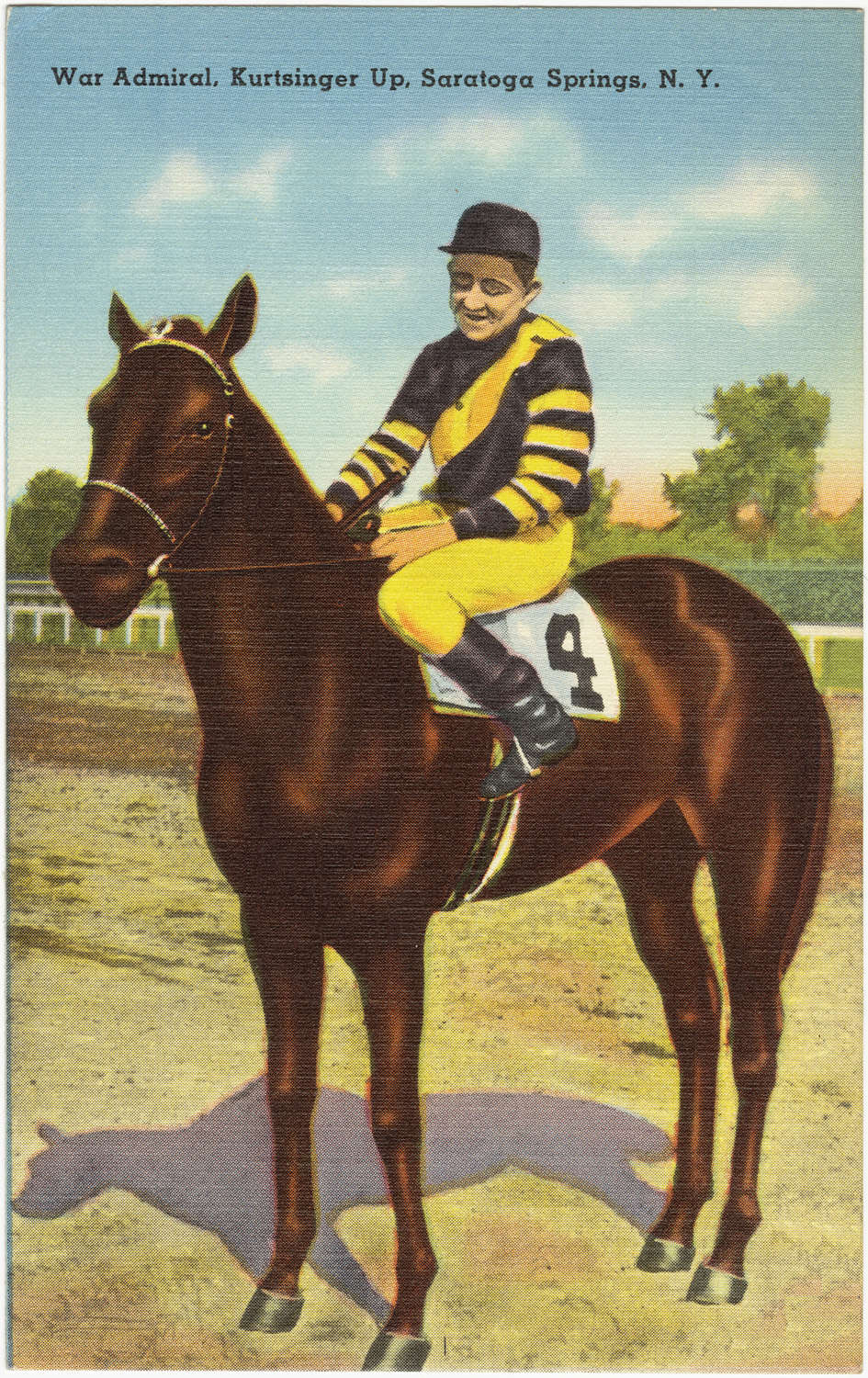 Image Courtesy of Boston Public Library [13]
Mid-20th Century Champions
Mid-20th century champions reinforced the dominance and consistency required to complete the Triple Crown, producing some of the most commanding performances in racing history: [1][11][12]
- Whirlaway (1941): Whirlaway swept the Triple Crown in 1941, known for his powerful closing speed and endurance. He later became the first horse to surpass $500,000 USD in career earnings. His success helped define the modern standard for elite racehorse performance.
- Count Fleet (1943): Count Fleet delivered one of the most dominant Triple Crown performances in history, winning the Belmont Stakes by 25 lengths. He won 16 of his 21 career starts and was named Horse of the Year. His commanding victories established him as one of the most dominant horses of his era.
- Assault (1946): Assault overcame a malformed right front foot to impressively complete the Triple Crown in 1946. Known as the “Club-Footed Comet,” he demonstrated resilience and toughness, making his achievement all the more remarkable. He later earned Hall of Fame honors.
- Citation (1948): Citation became the first racehorse in history to earn $1 million USD in career winnings. He won 32 of 45 career starts and was named Horse of the Year. His longevity and consistency made him one of the greatest racehorses of the 20th century.
- Secretariat (1973): Secretariat’s 1973 Triple Crown remains the most iconic in racing history. He set records in all three races, including his 31-length Belmont Stakes victory in a world-record time of 2:24 that still stands. His dominance reshaped expectations for Thoroughbred performance, and his bloodline continues to influence modern racing.
- Seattle Slew (1977): Seattle Slew became the first and only horse to win the Triple Crown while undefeated. He won all nine races leading up to the sweep and finished his career with 14 wins in 17 starts. He later became a highly influential sire.
- Affirmed (1978): Affirmed completed the Triple Crown in 1978 after defeating rival Alydar in all three races. Their Belmont Stakes duel remains one of the most famous finishes in racing history. Affirmed was named Horse of the Year twice during his career.
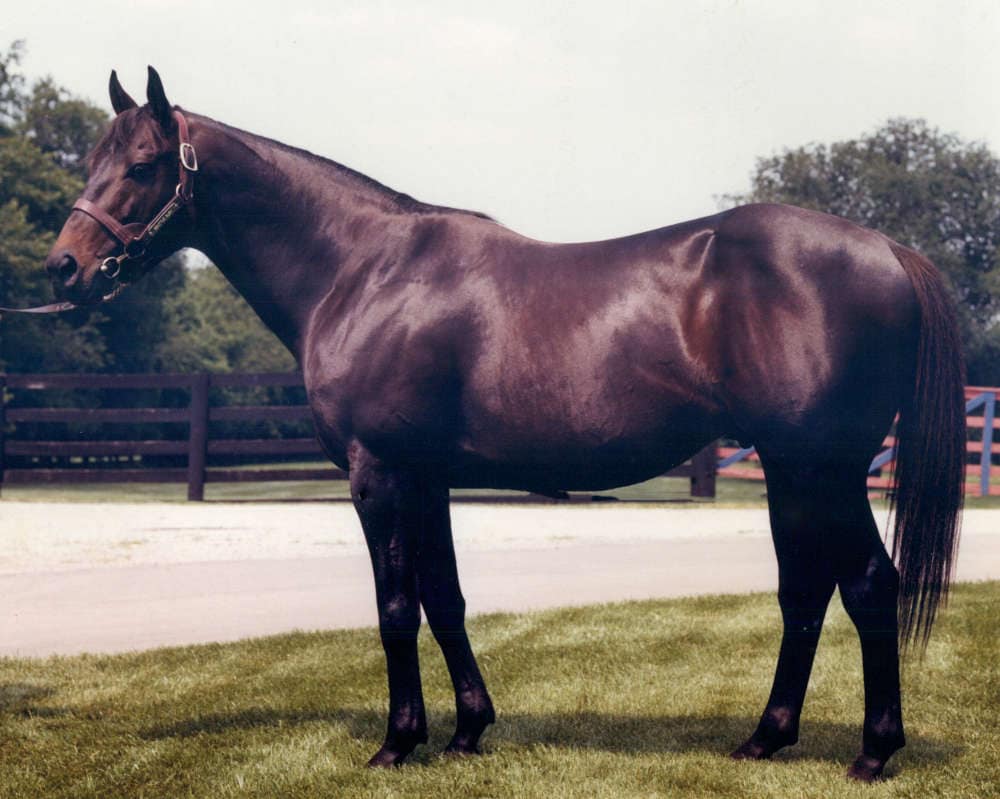 Seattle Slew at Spendthrift Farm in 1981 [14]
Modern Era Triple Crown Winners
Modern Triple Crown winners have emerged less frequently, highlighting the increasing difficulty of the series in an era shaped by evolving training practices, breeding priorities, and race management strategies.
The most recent winners were: [1][11][12]
- American Pharoah (2015): American Pharoah ended a 37-year Triple Crown drought with his 2015 sweep. He later became the first horse to win the Triple Crown and Breeders’ Cup Classic. His achievements renewed global attention on American Thoroughbred racing.
- Justify (2018): Justify became the most recent Triple Crown winner in 2018 and accomplished the feat without racing at age two. He won all six of his career starts, demonstrating rare natural talent and rapid development. His undefeated career ranks among the most remarkable in racing history.
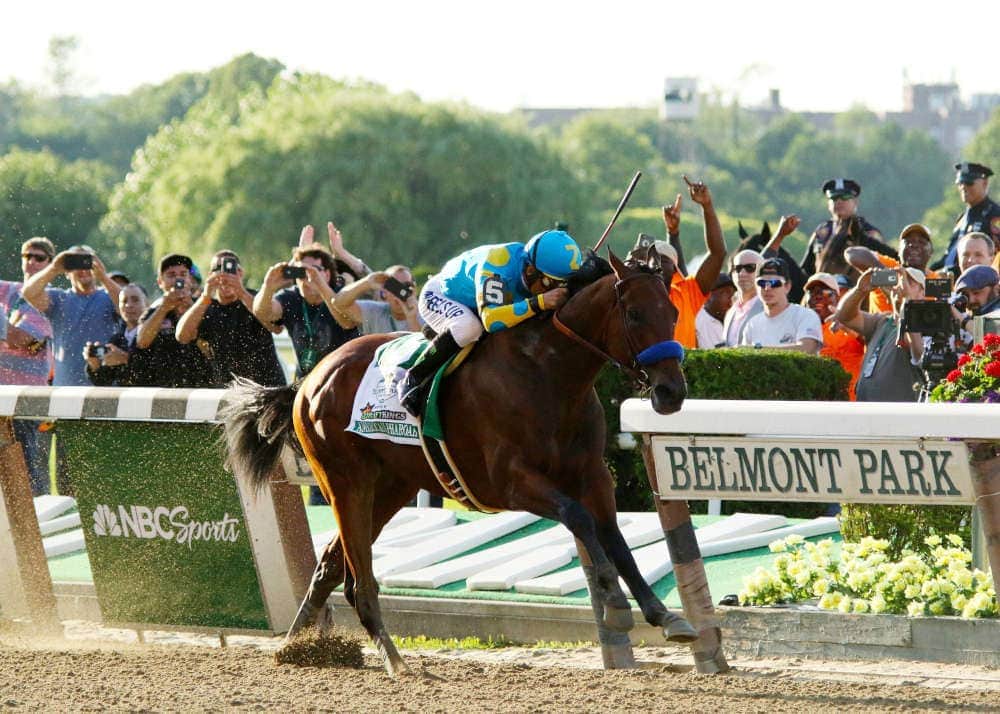 American Pharoah wins the Triple Crown, 2015 [15]
How Horses Prepare for the Triple Crown
Winning the Triple Crown demands an extraordinary balance of stamina, recovery, and soundness. Because the Kentucky Derby, Preakness Stakes, and Belmont Stakes are run over five weeks at increasing distances, trainers must carefully prepare horses to withstand intense physical stress while maintaining peak performance.
Although the goal remains the same today, training, nutrition, and management strategies have evolved significantly over time.
Training Strategies
Historically, Triple Crown contenders followed training programs built around aerobic fitness and stamina. Horses routinely performed long, slow gallops to strengthen their cardiovascular system and build endurance, paired with frequent timed workouts to sharpen speed and maintain race readiness. [16]
Trainers often worked horses together to encourage competitiveness, and they also extended gallop-outs beyond the finish line to develop further endurance, an integral part of preparing for the Belmont Stakes. [16]
The 1946 Triple Crown winner Assault was conditioned with frequent long gallops and repeated speed workouts across consecutive mornings, reflecting the stamina-oriented training practices common during that period. [16]
In contrast, modern training programs take a more individualized and data-driven approach. Wearable technology now allows trainers to monitor physiological metrics such as heart rate and speed during training. This data helps: [16][17]
- Evaluate fitness
- Detect fatigue early
- Guide more precise conditioning
- Guide management decisions
Trainers today use tools like heart-rate tracking, motion analysis, and advanced imaging to detect early signs of fatigue or strain. This allows trainers to adjust conditioning plans before injuries develop. As a result, many modern racehorses train with fewer intense workouts, prioritizing long-term soundness while still developing the fitness required for elite performance. [16][17]
Nutrition & Feeding
In earlier eras, racehorse diets relied heavily on high-starch grains such as oats to provide energy. These diets supported intense workloads but could increase the risk of digestive issues, including gastric ulcers or hindgut acidosis, especially during periods of heavy training and frequent racing. [18][19]
Today’s feeding programs emphasize safer, more efficient energy sources. Modern racehorse diets incorporate high-fat diets along with high-fiber sources. These modern diets provide slow-release energy that supports endurance while reducing the negative health impacts of high-sugar and starch. [18]
In addition to broad changes to feeding strategies, many owners and trainers work directly with equine nutritionists to create feeding programs for the individual racehorse, helping optimize each horse’s unique performance, recovery, and digestive health needs. [19]
Recovery & Veterinary Management
Trainers traditionally relied on observation and experience to evaluate a horse’s readiness between races. Race recovery management focused on properly cooling out, rest, and careful monitoring, because diagnostic tools were limited. This meant preventing injuries early was often challenging until the horse presented with clinical signs. [20]
Modern racehorses benefit from advanced veterinary care and preventive management. Technologies such as ultrasound, digital radiography, and thermal imaging allow veterinarians to identify musculoskeletal strain or early injury before clinical signs appear. [20]
Modern practices that help maintain soundness during the demanding Triple Crown series also include: [21]
- Rehabilitation strategies: Trainers and veterinary teams can use individualized rehabilitation plans to address minor strains, soreness, or inflammation before these issues progress into more serious injuries. These strategies may include rest periods, hand-walking, hydrotherapy, icing, bandaging, or other supportive care designed to promote healing while keeping the horse comfortable and mobile.
- Controlled exercises: Conditioning work is carefully managed to maintain fitness without overloading the horse’s musculoskeletal system. This can include light gallops, jogging, walking, or other low-impact movement tailored to the horse’s condition, helping preserve strength and flexibility while reducing the risk of fatigue-related injury.
- Targeted therapies: Horses may receive focused treatments aimed at specific areas of stress or discomfort. These can include massage, chiropractic care, acupuncture, laser therapy, shockwave therapy, or veterinary-guided joint and soft tissue treatments, all intended to support recovery, reduce inflammation, and improve overall comfort.
- Structured recovery schedules: Recovery is planned as deliberately as training, with attention to the timing of exercise, rest, travel, feeding, and treatment between races. A structured schedule helps ensure the horse has adequate time to recover physically and mentally.
Equine Welfare & Safety
Approaches to equine welfare and safety have evolved significantly, particularly in recent decades. Today, racehorse management emphasizes preventive care, advanced veterinary management, structured rehabilitation programs, and continuous health monitoring to identify early signs of injury before problems occurs. [21][22]
Industry-wide reforms such as rigorous pre-race veterinary examinations and improved oversight of training and racing practices have strengthened horse racing safety protocols. Advances in track surface design, maintenance, and monitoring conditions have also helped lower injury risk. [22]
In addition, more individualized conditioning programs and longer recovery periods between races reflect a growing emphasis on preserving long-term soundness rather than maximizing short-term performance. [23]
As a result, fewer horses compete in all three Triple Crown races in the modern era, reflecting more preventive, welfare-focused management compared to previous decades.
This shift has prompted ongoing discussions within the racing industry about how race spacing, distance, and scheduling affects horses attempting a Triple Crown campaign. [23][24][25]
Enduring Legacy of the Triple Crown
Despite advances in technology and nutrition, the fundamental requirements for Triple Crown success remain unchanged. Participating in all three Triple Crown races requires a horse with exceptional physiological capacity and mental resilience.
Horses must demonstrate high levels of physical fitness and the ability to recover effectively between races while tolerating the cumulative stress of travel, environmental changes, and repeated high-intensity efforts.
The Triple Crown continues to represent the ultimate benchmark for Thoroughbred performance, combining speed, stamina, and durability in a way few other competitions demand. Even as training methods evolve and race participation strategies shift, the series remains a defining test of a horse’s overall athletic ability and adaptability.
While modern science has refined how trainers support these equine athletes, the foundation of careful conditioning, proper management, and nutrition continues to define what it takes to win one of the most difficult championships in the sport. [25]
Frequently Asked Questions
Here are some frequently asked questions about the Triple Crown:
The Triple Crown in horse racing is a title awarded to a three-year-old Thoroughbred that wins the Kentucky Derby, Preakness Stakes, and Belmont Stakes in the same season. The Triple Crown is contested over five weeks each spring and is widely considered one of the most difficult achievements in horse racing. [1]
Winning the Triple Crown is so difficult because the Triple Crown requires a horse to win three elite races in just five weeks while handling increasing distances and limited recovery time. The Triple Crown also demands peak performance, soundness, and the ability to compete against fresh rivals, and each horse only has one opportunity at age three. [1][4][6][7]
Horses qualify for the Triple Crown by being eligible three-year-old Thoroughbreds and competing in all three races in the same season. There is no separate Triple Crown qualification system, but entry into the Kentucky Derby requires points earned through prep races, while the Preakness Stakes and Belmont Stakes have their own nomination processes. [1][4][5]
The Triple Crown is made up of three races: the Kentucky Derby, the Preakness Stakes, and the Belmont Stakes. These races form the Triple Crown series and are run in that order each spring in the United States.
The Triple Crown series lasts five weeks, with two weeks between the Kentucky Derby and Preakness Stakes and three weeks between the Preakness Stakes and Belmont Stakes. This short timeline is a key factor that makes the Triple Crown difficult to win.
Yes, in total 13 horses have won the Triple Crown, with the most famous winners including Secretariat, Seattle Slew, and American Pharoah. Triple Crown winners are rare, which contributes to the prestige of the Triple Crown in horse racing. Many Triple Crown contenders go on to be influential sires, contributing their legacy to the broader sport of Thoroughbred racing for generations.
The Triple Crown has changed over time in terms of race order, spacing, distances, and locations, although the modern Triple Crown format has been consistent since 1969. Temporary changes, such as the altered schedule in 2020, have occurred, but the three-race structure has remained the same. [2][3][4]
Horses train for the Triple Crown using carefully managed conditioning programs that balance fitness, recovery, and performance. Modern Triple Crown training includes data-driven monitoring, structured exercise programs, nutritional support, and veterinary oversight to help horses maintain peak condition across all three races. [10][11][12][13][14][15][16]
The Triple Crown distances are 1 1/4 miles for the Kentucky Derby, 1 3/16 miles for the Preakness Stakes, and 1 1/2 miles for the Belmont Stakes. These increasing distances are a key reason why the Triple Crown tests both speed and stamina.
The Belmont Stakes is called the Test of the Champion because it is the longest race in the Triple Crown and the final leg of the series. The Belmont Stakes requires exceptional stamina and often determines whether a horse can complete the Triple Crown.
Summary
The Triple Crown is the most prestigious and challenging achievement in Thoroughbred racing, requiring a three-year-old horse to win three elite races over five demanding weeks. Its rarity reflects the exceptional speed, stamina, and resilience needed to succeed.
- The Triple Crown includes the Kentucky Derby, Preakness Stakes, and Belmont Stakes, run over increasing distances
- Only 13 horses have won all three races, highlighting the difficulty of achieving this milestone
- The five-week schedule requires rapid recovery and sustained peak performance under intense competition
- Modern training, nutrition, and veterinary care have evolved to support performance and long-term soundness
- Breeding trends and race strategies have made Triple Crown victories less frequent in the modern era
References
- Triple Crown. Kentucky Derby. 2023.
- Rogers. D. Kentucky Derby Purse Raised to Record $5 Million. Churchill Downs. 2024.
- $2 Million Preakness (G1) 150 Tops Lucrative Stakes Weekend. Pimlico. 2026.
- Moore. C. 2026 Stakes Schedule. Belmont Stakes. 2026.
- Moore. C. Beginner’s Guide to the Triple Crown. The Sport. 2021.
- How It Works. Kentucky Derby. 2023.
- Hoppert. M. What to Know About the Triple Crown. The New York Times. 2022.
- The Triple Crown: Race Winners, History & Locations. TwinSpires Horse Racing. 2025.
- Duckworth. A. Why Is the Triple Crown so Tough to Win?. ESPN.com. 2015.
- History of the Belmont Stakes. Belmont Stakes.
- Moore. C. Get to Know All 13 U.S. Triple Crown Winners. The Sport. 2024.
- Triple Crown Winners. BloodHorse.
- War Admiral, Charles Kurtsinger Up, Saratoga Springs, N.Y. Courtesy of the Boston Public Library via Wikimedia Commons. 1938.
- Pawneese. Seattle Slew at Spendthrift Farm in 1981. Pawneese via Wikimedia Commons. 2015.
- Lizzi. M. American Pharoah & jockey Victor Espinoza win the Belmont Stakes and the first Triple Crown since 1978 at Belmont Park (New York) for Trainer Bob Baffert and Owner Zayat Stables. Mike Lizzo via Wikimedia Commons. 2015.
- A Different Era: Training Pattern for Triple Crown Winner Assault. Paulick Report. 2025.
- Schrurs. C. et al. Cardiovascular Fitness and Stride Acceleration in Race-Pace Workouts for the Prediction of Performance in Thoroughbreds. Animals. 2024.
- Bulmer. L. S. et al. High-Starch Diets Alter Equine Faecal Microbiota and Increase Behavioural Reactivity. Scientific Reports. 2019.
- Hackbarth. C. High-Fiber Diets: Can They Reduce Lactic Acid Buildup In Racehorses?. Paulick Report. 2025.
- Williams. J. et al. The Role of Heart Rate Monitoring to Assess Workload during Maintenance Interval Training in National Hunt Racehorses. Journal of Veterinary Behavior. 2019.
- Sweeney. D. M. et al. Using Accelerometers to Identify a High Risk of Catastrophic Musculoskeletal Injury in Three Racing Thoroughbreds. Journal of the American Veterinary Medical Association. 2024. View Summary
- Horse Racing Injury Prevention. JD Wheat Veterinary Orthopedic Laboratory. 2015.
- Sanchez. C. Many Industry Benefits to Keeping Horses Healthy, Sound. BloodHorse. 2025.
- Finley. B. Enough Already. It’s Time to Fix the Triple Crown. Thoroughbred Daily News. 2025.
- Ehalt. B. and Perez. J. Looking Ahead to 2026: What’s Next for Triple Crown?. BloodHorse. 2026.