English
Hydration is essential for equine health year-round, but winter brings unique challenges that can make water supply management more difficult for owners and caretakers. Frozen troughs, reduced water intake, and the increased risk of colic or dehydration are all concerns that horse owners must address proactively during the colder months.
Winter watering systems are designed to simplify this task, offering reliable solutions to provide clean, fresh water to your horses in freezing temperatures.
From heated buckets to automatic waterers and insulated troughs, these systems prevent the formation of ice and encourage consistent drinking habits. Selecting the right system depends on factors such as the size of your herd, your budget, and the specific weather conditions in your area.
Read on to learn everything you need to know about various winter watering options and how to make an informed purchasing decision for your equine facility. Whether you’re a seasoned equestrian or new to horse care, this guide will help you make informed decisions to keep your horses healthy and hydrated all winter long.
Water Heaters for Horses in Winter
Clean, fresh water that is constantly available is critical for equine health. Dehydration in horses is very common in winter due to water freezing and preventing access. [1]
Additionally, horses are often unwilling to drink water at or near freezing temperatures. [1] One study showed that increasing water temperature to 4°C (39°F) increases water consumption by up to 40%. [2]
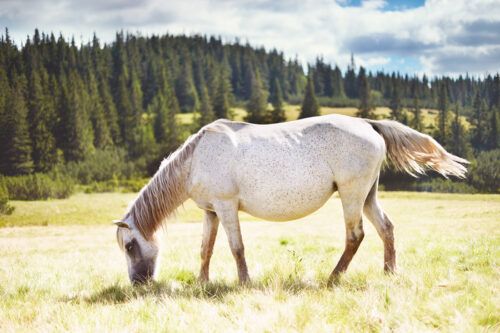
Although horses do eat snow, it is not an adequate source of water for ongoing hydration. For each unit of liquid water, it can take 6 – 10 times that volume of snow to support a similar level of hydration. [3]
The horse must also use additional calories to melt the snow, increasing their forage needs. [3] The accessibility of snow can also change dramatically throughout the year, as horses generally only consume soft, clean snow. [3]
The biggest risk of low water intake and dehydration for horses is impaction colic. Horses have a higher risk of impaction colic in the winter due to their reliance on dried forages, such as hay, which are low in moisture. [1]
Moisture is essential for moving fibrous feed through the digestive tract successfully. Combined with reduced access to water or low intake, fibrous material is prone to compacting in the digestive system, forming a dense mat or ball that the horse cannot excrete. These horses develop painful colic that may require medical or surgical intervention to treat.
For this reason, providing ice-free water is important during the winter months. Fundamental features of an effective winter watering system for horses include: [1]
- Constant access to water
- Does not freeze, even during the coldest winter temperatures
- Maintains water at a comfortable drinking temperature
Types of Winter Watering Systems
The main types of winter watering systems available for horses include:
- Automatic waterers
- Water deicers
- Water heaters
There are also some creative solutions for reducing ice buildup in water tubs that may be suitable for more temperate climates.
What's your top priority with your horse's health?

Enter your email to receive your store credit
Automatic Watering Systems
Automatic watering systems involve a small water tub that fills automatically when the horse interacts with it. These systems require a pressurized water line to refill. These lines must be kept ice-free for the waterer to function properly.
To achieve this, most farm owners bury their water lines below the frost line to prevent icing, however electrical options such as heating cables can also work in some cases.
The most common automatic watering system used for horses is livestock waterers. [1] These systems have a built-in water heater that keeps ice from forming on a small bowl that is always filled with water. When the horse drinks the water, it activates a float system that opens the water line, refilling the bowl. [1] This system requires electricity to run both the water heater and a water pump.
Non-electric automatic waterers are newer innovations that rely on geothermal energy to keep the water warm. In these systems, the water bowl has a small paddle in it that the horse pushes with its nose. This opens a valve below the frost line, allowing the pressurized water to fill the bowl. When the horse leaves, the water drains back below the frost line, preventing icing. [1][4]
Both systems are costly to install, as a trench must be dug for the water line to keep it from freezing. However, these systems have low ongoing maintenance costs and do not require owners to manually refill the water tub. In the case of the electric automatic waterer, monthly electrical costs are also significantly lower than other electric systems since the system only heats a small amount of water.
Water Heaters & De-icers
Water heaters and de-icers work off the same basic mechanism: a heating coil powered by electricity. Water heaters actively heat the water regardless of the outdoor temperature, while water deicers only activate when temperatures fall below freezing. Most owners prefer using a water de-icer, as they typically require less electricity since they only heat the water enough to prevent freezing.
There are several types of heaters and deicers available: [1]
- Heated buckets: Specialized hanging buckets that have a heating element in the bottom and along the sides of the bucket wall, keeping the water ice-free. These systems are ideal for single horses or situations where the bucket can be filled frequently throughout the day.
- Submersible: These heating elements sink to the bottom of the water trough, keeping them away from curious horses. The power cord typically sticks out of the water, which puts it at risk of being chewed on.
- Floating: These heating elements float on top of the water, making them more effective at preventing ice formation. Curious horses are prone to grabbing these heaters and using them as toys.
- Drain plug: These heating elements replace the tub’s normal drain plug, with the power cord exiting from the bottom of the tub. This keeps the power cord out of reach of the horses.
The main downside of water heaters and deicers are the ongoing costs associated with electricity use. These heaters are also highly susceptible to damage from horses, which can lead to unit malfunction, stray electric charge in the water, or potentially fire.
De-icing in Warmer Climates
In more temperate climates, keeping water ice-free is easier due to the relatively higher temperatures. Solutions that may be effective in these climates include: [1][4][5]
- Floating object: A floating milk jug or ball moving around the water surface can disrupt ice formation. If ice does form, horses can push the object down to gain access to the water.
- Insulation: Constructing a water tub with an insulated box around it helps keep heat in, allowing water to remain ice-free during freezing overnight temperatures. Insulation options include Styrofoam, house insulation, or straw. Ensure horses cannot access the insulation and ingest it.
- Water flow: Flowing water is less prone to freezing due to the kinetic energy of the moving water molecules. Placing a slightly leaking hose in the tub creates movement and may help prevent icing. Aquarium or waterfall pumps can also help create a current in the tub.
- Sun: Simply placing the waterer in an area where it receives a lot of sun can help keep ice from forming. For added benefit, painting the waterer black or another dark color helps it absorb heat, further raising the water temperature.
- Reducing wind: “Wind chill” can affect how quickly the water’s temperature drops to the environmental temperature. If your water source is warmer than the environment, reducing wind hitting the water surface can slow the rate of ice formation. Position your water tub out of the prevailing winds to reduce the wind chill factor. Installing a simple windbreak may also be effective.
- Breaking ice: If you live in an area where freezing temperatures are uncommon, breaking ice a few times a day is a simple solution. Removing the ice fragments using a shovel helps slow the rate ice reforms, requiring less frequent intervention.

Winter Watering System Selection
The best type of winter watering system for your property depends on several different factors. Items for consideration include: [1][4][5]
- The number of horses you are providing water for
- Water availability
- Whether electricity is available at the watering site
- Budget
- Winter temperatures at your property
Table 1. Comparison of winter watering systems for horse farms
| Type of Heating System | Installation Cost | Electricity Cost | Requires Electricity |
Requires Water Supply |
|---|---|---|---|---|
| Automated Electric | High | Medium | Yes | Yes |
| Automated Non-Electric | High | Low | No | Yes |
| Heated Bucket | Low | Variable | Yes | No |
| Submersible Heater | Low | High | Yes | No |
| Floating Heater | Low | High | Yes | No |
| Drain Plug Heater | Low | High | Yes | No |
Providing sufficient water for multiple horses in the winter can be challenging, as it requires a large amount of water available with access for multiple horses.
Larger water tubs are more difficult to keep warm because there is more water surface area available for icing and a larger volume of water to heat. Depending on your farm layout, it may be preferable to separate horses into smaller groups and provide several smaller water tubs rather than one large tub.
Water availability can also impact your waterer selection. If you have frost-free piping available in the waterer area, you can install automated waterer systems that provide water to the animals on demand.
Otherwise, a frost-free water tap is necessary for connecting a hose or filling a bucket. Depending on accessibility, you may prefer to use a larger water tub to prevent frequent bucket filling.
Having accessible electricity is key for many winter watering systems. Electricity allows you to power water de-icers or heaters, keeping water free of ice at all times. If electricity is not available, consider whether solar panel installation is a possibility.
Other electricity-free options include:
- Geothermal systems
- Nose pump waterers
- Putting a milk jug or ball in the waterer to break up forming ice
Your budget also has a significant impact on what watering systems are available. Running underground water lines below the frost line can incur significant expense, making installation of automatic watering systems costly at the time of installation.
Electric heaters, on the other hand, incur monthly expenses due to a higher electricity bill. Cheaper solutions, such as a milk jug, may not be sufficient to prevent ice in all areas.
Finally, consider your location’s average winter temperatures. Some winter watering solutions are effective in certain areas that infrequently experience cold weather, but cannot combat ice buildup in climates experiencing deep freezes.
For northern climates, automatic watering systems with properly buried water lines or electricity-powered water deicers or heaters are necessary to prevent ice formation and ensure horses remain hydrated.
Safety
Electrical safety is critical when installing a winter watering system. Water is a highly effective conductor of electricity, allowing any stray electrical current to flow into your horse if they touch it, producing an unpleasant shock.
This can deter the horse from drinking, leading to dehydration and colic. In some scenarios, the shock is powerful enough to cause electrocution and death. [6]
Consider the following factors when installing your watering system to reduce the risk of electric shock: [6]
- Surrounding footing: Wet ground can also conduct electricity. Ensure that your watering system has dry, mud-free ground surrounding it. If necessary, install a drainage system to prevent any water overflow from accumulating in the ground immediately surrounding the waterer.
- Electrical cabling: Ideally, any electrical cables running to your watering system should be buried, to prevent horses, small rodents, or the weather from damaging the cable. If burying the cable is not possible, orient the cables where they are not accessible to horses. Consider installing protective conduit over the cables to protect against damage.
- Grounding: Any electrical system must be properly grounded to prevent electric shocks. Most water heater manufacturers recommend inserting a copper wire into the water tub and running it to a metal rod staked in the ground. The copper wire attracts any stray electrical charge and grounds it, preventing it from shocking a drinking horse.
- GFCI: For watering systems, install a Ground Fault Circuit Interrupter (GFCI) in the electrical circuit. These interrupters are usually installed as part of the electrical plug. The system senses stray voltage and cuts the power to the electrical device, preventing shocks.
Additional safety tips include: [6]
- Check your watering system frequently to identify any frayed wires, cracks in the heating coil, or other damage that may produce a shock.
- Use a voltmeter or electric fence tester to test your water for stray electricity at least once a month.
- Observe your horses using the waterer regularly. If you notice that they are hesitant to drink, or pull back quickly after drinking, they may be getting shocked by the watering system.
Finally, whenever possible, do not use extension cords to plug in electrical heating devices. If an extension cord is necessary, ensure it has adequate capacity for your water heater. Consult a licensed electrician if you are uncertain whether your extension cord is suitable for your watering system.
Frequently Asked Questions
Here are some frequently asked questions about water heating systems for horse farms:
Horses need consistent access to clean, fresh water year-round. In winter, dehydration risks increase because cold water can reduce a horse's desire to drink. Proper hydration supports digestion, prevents colic, and maintains overall health, making a reliable winter watering system essential.
There are several options for preventing ice buildup in horse waterers, including electric water deicers, insulating the water tub, or leaving a slightly leaking hose in the tub to create a water current. The best type of watering system depends on your budget, water availability, and local winter temperatures.
Although horses eat snow in the winter, they cannot get enough water to maintain their digestive health adequately. Horses require clean, fresh water at all times to prevent dehydration. [3]
Summary
Horses require clean, fresh water year-round, even during freezing temperatures. A properly-maintained winter watering system will ensure your horse can drink enough water during cold weather.
- Horses without constant water access in winter are at risk of developing dehydration and impaction colic
- Common methods to keep water ice-free include using automatic waterers, water heaters, or water deicers
- Other methods for reducing ice formation including maximizing heat absorption from the sun, insulating the tub, reducing wind, and producing a constant water flow
- For any installations involving electricity, consider electrical safety measures such as grounding, GFCI installation, and protecting electrical wires
References
- Winter Waterers for Horses, Cattle, and Livestock. The Horse Portal.
- Kristula. M. A. and McDonnell. S. M., Drinking Water Temperature Affects Consumption of Water during Cold Weather in Ponies. Applied Animal Behaviour Science. 1994.
- Snow as a Water Source | Livestock and Water Quality. Government of Saskatchewan.
- Remote Pasture Water Systems for Livestock. Agri-Facts. 2007.
- Brown. L., Winter Outdoor Livestock Watering. British Columbia Ministry of Agriculture and Lands. 2006.
- Dopko. T., Heated Troughs and Electric Shocks. Horse Sport. 2022.