English


The Westphalian is a warmblood horse breed from North Rhine-Westphalia, modern Germany’s most populous state. This breed is also known as the Westfalen.
Westphalians are popular sport horses and belong to the second largest warmblood studbook in Germany. Several Westphalian horses have competed at the Olympics in show jumping and dressage.
The breed’s success results from centuries of selective breeding and rigorous inspections. High breeding standards and an open studbook helped contribute to the Westphalian’s athleticism and overall health.
Like all sport horses, Westphalians need quality care to feel and perform at their best. Keep reading to learn more about the history, characteristics, health problems, and nutritional needs of the Westphalian horse breed.
History
The history of the Westphalian breed is closely intertwined with their famous state stud in Warendorf, which still oversees Westphalian breeding today.
Origin
Westphalia and Rheinland were Prussian provinces in the 18th century when King Frederick William I established the Prussian Stud Administration to improve horse breeding in the region. [1]
A government-owned state stud was established in Warendorf in 1826 to serve both provinces. Local breeders brought their mares to the stud to breed with the state-owned stallions in the hope of producing higher quality horses. [1]
Early stallions at the Warendorf stud were from East Prussia, where the Trakehner originated. These stallions had significant amounts of Thoroughbred blood. Later, the stud imported heavier warmbloods from East Frisia and Oldenburg. [2]
Historic Use
The Trakehner stallions from East Prussia had primarily been bred as courtiers and cavalry mounts. Crossing the East Prussian stallions with early Westphalian mares produced more refined riding horses with increased endurance.
As the local human population grew, the increase in agriculture led to demand for all-purpose farm horses to work the land. Sturdy Oldenburg stallions added bone strength and durability to the Westphalian horse population.
The stud began standing Rhenish Cold Blood stallions to add the power needed for Westphalians to pull heavy plows and artilleries in the early 20th century.
When agricultural technology made these heavy horses obsolete, the Warendorf stud shifted its focus to producing riding horses and acquired riding stallions from nearby Hanover. [3]
Breed Registry
Founded in 1904, the Westfälisches Pferdestammbuch e.V. is the official breed registry for Westphalian horses. The organization recognizes the Westfalen Verband NA as their official representative in North America.
Westphalians have an open studbook, which allows horses from other registries and their offspring to be approved for breeding. Unlike some registries, Westphalians don’t split their breeding stock into dressage and jumping types.
Only approved Westphalian stallions are allowed to breed. The stallion licensing for Westphalians is held at the Warendorf State Stud. Judges evaluate stallions against the breed standard.
After licensing, breeding stallions must pass a performance test. Professional riders and trainers evaluate the stallions over an extended period to provide insight into their temperament, rideability, and aptitude.
| Breed Summary | |
|---|---|
| Breed Name | Westphalian |
| Also Known As | Westfalen |
| Breed Type | Warmblood |
| Origin | North Rhine-Westphalia, Germany |
| Breed Registry | Westfälisches Pferdestammbuch e.V.; Westfalen Verband NA |
| Average Height | 15.2 – 17.2 hh |
| Common Coat Colors | Bay, chestnut, black, grey |
| Conformation | Long-lined, sturdy, muscled hindquarters, well-set neck, free shoulders, correct legs, elastic movement |
| Common Uses | Dressage, show jumping, eventing, hunters |
| Temperament | Energetic, willing, athletic, sensitive |
| Best For | Amateurs and competitive riders seeking a versatile sport horse |
| Common Health Concerns | WFFS, OCD, lameness, musculoskeletal injuries, gastric ulcers, obesity, laminitis |
What's your top priority with your horse's health?

Enter your email to receive your store credit
Breed Characteristics
Strict inspections and stallion licensing have established a strong breed standard for Westphalian horses. This breed standard aims to produce versatile riding horses that can excel at the top level of several disciplines.
Conformation
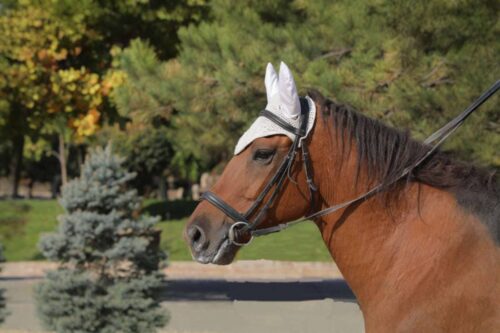
Westphalians share similar breed standards with other German warmbloods. Correct conformation is vital for breed inspections and approvals. [4]
The ideal Westphalian horse stands between 15.2 and 17.2 hands. Stallions are measured at licensing to ensure they meet minimum height requirements. [5]
These horses have a typical warmblood type, more sturdy than Thoroughbreds but more refined than draft horses. They should have long lines, muscled hindquarters, a well-set neck, and free shoulders. [5]
Correct legs with well-defined joints promote soundness over long competition careers. Their movement should be bold, rhythmic, and elastic. [5]
Some Westphalians have a brand consisting of a crowned shield with a “W” on their left hip.
Colors & Temperament
There are no color or marking requirements for Westphalian horses. The breed registry evaluates horses based only on conformation, movement, and temperament. [5] Bay, chestnut, black, and grey are the most common colors. Other coat patterns are rare.
Performance testing stallions allows the Westphalian registry to consider temperament and rideability when approving breeding stock. The ideal Westphalian has a good character and a strong work ethic, which makes these horses a joy to ride and train.
However, personalities can vary between individual horses. Westphalians who compete at the top level of sport often have more spirited and sensitive personalities, while others may have calm temperaments that are well-suited for amateurs.
Disciplines
Most Westphalians are bred for the Olympic disciplines of dressage and show jumping.
Westphalians are also commonly used for eventing. Many Westphalians who are successful at the top level of eventing have significant amounts of Thoroughbred blood. [6]
Since their introduction to North America, Westphalians have become highly desirable hunter mounts. Their temperament and versatility are ideal for the hunter ring, where many Westphalians excel with their amateur and youth riders.
Famous Westphalian horses include Ahlerich, who won individual dressage gold at the 1984 Los Angeles Olympics. Four years later, the Westphalian Rembrandt captured the same medal at the 1988 Seoul Games.
The influential Westphalian stallions Polydor and Pilot are found in the pedigree of many of today’s top jumping horses. The Westphalian dressage stallion Rubinstein I also significantly influenced several German warmblood studbooks. [3]
Health Profile
While an open studbook and inspections help reduce health problems in the Westphalian breed, these horses are still susceptible to many conditions commonly found in other warmbloods.
Genetic Diseases
Warmblood fragile foal syndrome, or fragile foal syndrome type 1, is an autosomal recessive disorder found in many warmblood breeds, including Westphalians. The disorder causes connective tissue defects that lead to hyperextensible, thin, and fragile skin.
Affected foals develop severe skin lesions and are euthanized if they survive birth to avoid prolonged suffering. Westphalian horses with one copy of the WFFS allele do not show clinical signs of the disease. [7]
Research suggests the allele is more common in certain German breeding lines. Genetic testing can determine if horses are carriers and prevent a cross that could produce affected foals. [8]
Osteochondrosis dissecans (OCD) is a common developmental orthopedic disorder found in warmblood horse breeds that can affect bone health in growing horses. Research suggests this disorder may have a genetic component. [9]
One study found hock OCD had a high rate of heritability in Hanoverians, a breed closely related to Westphalians. However, management and nutrition can also influence the development of the disease. [9]
Health Problems
OCD and other developmental orthopedic diseases can contribute to ongoing lameness issues throughout a Westphalian’s life. Performance horses have an increased risk of musculoskeletal injuries caused by excess wear and tear.
Most Westphalian performance horses participate in dressage, jumping, or eventing. Research suggests these disciplines have an elevated risk of different injuries. For example, one study found jumpers have higher incidences of foot injuries than horses in other disciplines. [10]
The best management to prevent injury depends on your horse’s discipline and training program. Horse owner surveys report that overtraining, poor footing, and excessive lunging are the most significant risk factors for injury in dressage horses. [11]
One study found joint problems and gastric ulcers were the most common health issues reported in eventing horses. All Westphalian sport horses have an increased risk of gastric ulcers due to stress from competition. [12]
Care & Management
Management is a significant factor in many health problems commonly found in Westphalian horses. While sport horses may need targeted management to reduce their risk of joint and gut issues, all Westphalians need quality basic care.
Work with your veterinarian, farrier, and other qualified professionals to develop a preventive wellness plan that ensures your horse stays up-to-date on the following:
- Veterinary Exams: Schedule annual veterinary check-ups to monitor your warmblood’s health and catch potential issues early.
- Vaccinations: Follow a vaccination schedule recommended by your veterinarian to protect your horse against infectious diseases, particularly for equestrian competition travel where they may encounter increased exposure to disease risks.
- Dental Care: Regular dental exams and teeth floating by a qualified practitioner are essential for maintaining proper chewing and bit comfort, especially for performance-focused warmbloods.
- Parasite Management: Implement a strategic deworming plan to protect your warmblood from internal parasites, as they are often housed in high-density stables where exposure risk is higher.
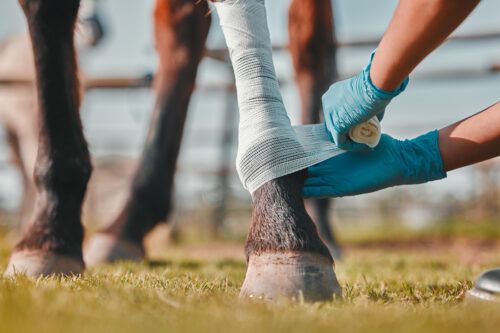
- Hoof Care: Regular farrier visits are critical for warmbloods due to their size and workload. Poor hoof balance can overload specific structures in the equine foot, increasing injury risk.
Not all injuries in sport horses are acute or immediately apparent. Overuse injuries develop over time due to repetitive stress. Scheduling regular lameness exams can help catch these injuries early.
Talk to your veterinarian about joint maintenance options, such as joint injections, to help your Westphalian maintain soundness as they age and their careers progress.
Daily turnout also supports joint health. While many performance horses live in stalls, prolonged confinement can negatively impact their physical and mental health.
Most Westphalians are energetic and athletic. They thrive in consistent programs with regular exercise and social interaction. Work with your trainer to develop a suitable training schedule, and remember to spend time grooming and bonding with your horse.

Nutrition Program
Proper nutrition and feeding programs can help maintain digestive health and reduce gastric ulcer risks in Westphalians. The ideal diet for Westphalians fulfills their nutritional requirements while promoting their overall health and welfare.
Weight Maintenance
Most warmbloods, including Westphalians, are easy keepers. These horses can easily maintain their weight on a balanced diet but are prone to obesity when overfed.
Maintaining a healthy weight is vital for supporting overall health and athletic performance. Obesity is also associated with metabolic disorders, which can increase the risk of laminitis, a painful inflammatory hoof condition. [13]
Research suggests dressage horses are more likely to be overweight than other performance horses due to aesthetic preferences within the sport. However, excess weight can impair performance by increasing heat stress risk and accelerating the onset of arthritis. [14]
Use body condition scoring to determine if your Westphalian is a healthy weight. Ideally, aim for a score of 5 on the 9-point Henneke scale.
Forage
Horses need to consume large volumes of forage to support healthy digestion and enable natural grazing behaviors. The average 1,400 lb (636 kg) Westphalian should eat approximately 28 lb (13 kg) of forage daily, or about 2% of their body weight.
Low-starch, low-sugar grass hay is ideal for maximizing forage intake without adding unnecessary calories to an easy keeper’s diet. High performance Westphalians may need more nutrient-dense forage to meet their protein and energy needs.
Feeding supplemental alfalfa hay can add protein and calcium to the diet. The calcium in alfalfa is beneficial for stomach health, but must be balanced with adequate phosphorus to prevent mineral imbalances. [15]
A forage analysis is the best way to accurately evaluate your hay’s nutritional value. Submit a forage sample for laboratory analysis, and our equine nutritionists will help you formulate a balanced feed plan for your Westphalian.
Vitamins and Minerals
A forage-based diet is the best option for supporting your horse’s digestive function and overall health. However, hay lacks essential nutrients that horses need to obtain from their diet. A vitamin and mineral supplement can help fill these nutritional gaps.
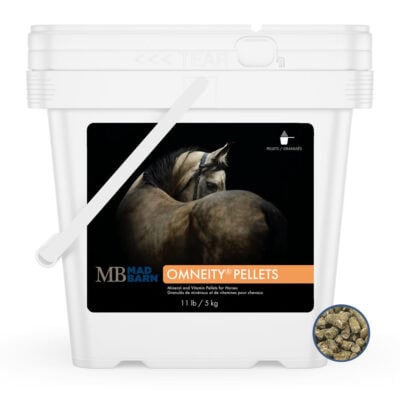
Mad Barn’s Omneity® is a comprehensive vitamin and mineral supplement that helps balance most forage-based diets. Omneity® provides essential nutrients that support gut health, hoof health, joint health, immune function, and overall wellness.
Omneity® is also an ideal choice for easy keepers as it does not contain any added energy or protein that may contribute to your horse’s caloric intake.
Feeding Recommendations
Commercial concentrates are commonly fed to performance horses as a high-energy feed. However, large volumes of high-starch grains are associated with an increased risk of gastrointestinal, behavioral, and metabolic problems. [16]
To minimize these risks, split your horse’s daily ration into multiple small meals and consider feeding alternative energy sources. High-fiber alternatives, such as beet pulp and soy hulls, can provide safe calories and act as a base for feeding supplements.
Westphalians in heavy work may benefit from fats and oils as energy-dense sources of calories. Fat sources high in omega-3 fatty acids also support joint, respiratory, skin, and immune health. [17]
In addition, all horses need free access to salt and fresh water. Feeding 2-3 tablespoons of loose salt per day will help to meet your horse’s sodium requirements and encourage hydration.
Sample Diet
The following sample diet is intended for a mature 600 kg (1,300 lb) Westphalian with normal body condition at maintenance (not exercising).
| Feed | Amount per day |
|---|---|
| Mid-Quality Hay (8% crude protein) | Free-choice |
| Salt | 30 g (2 tbsp) |
| Omneity® Pellets | 250 g (2.5 scoops) |
| Diet Analysis | |
| Digestible Energy (% of Req) | 118% |
| Protein (% of Req) | 127% |
| HC (ESC + starch; % Diet) | 8.8% |
Nutritional Supplements
The priority when formulating a feeding plan for your Westphalian horse is to provide a balanced diet that meets their core nutrient requirements. After you’ve balanced the diet to correct nutrient deficiencies, you can consider adding other supplements for targeted support.
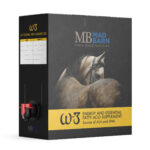
- W-3 Oil is a fat supplement that provides omega-3 fatty acids from DHA and high levels of natural vitamin E. These nutrients are especially beneficial for supporting muscle health and antioxidant balance in exercising horses.
- MSM is a natural joint supplement that supports connective tissue, joint function and exercise performance. It is commonly fed to Westphalians in heavy work and aging horses with joint concerns.
- Visceral+ is a digestive health supplement that supports the entire gastrointestinal tract. This comprehensive formula includes probiotics, yeast, amino acids, and herbs that help Westphalians maintain stomach and hindgut health.
- Performance XL: Electrolytes is scientifically balanced to replenish electrolytes lost in sweat by exercising horses and during hot weather. Adding this supplement to your Westphalian’s feeding regimen helps maintain electrolyte balance.
Need help deciding on the best diet for your Westphalian horse? Submit your horse’s information for a free consultation from our equine nutritionists.
Frequently Asked Questions
Here are some frequently asked questions about Westphalian horses:
The Westphalian is a warmblood horse breed from North Rhine-Westphalia in modern Germany. Westphalian horses, also known as Westfalen, are popular sport horses known for their athleticism, rideability, and versatility. The breed developed through selective breeding and rigorous inspection standards centered around the state stud in Warendorf. Today, Westphalians are especially valued in dressage, show jumping, eventing, and the hunter ring.
Westphalian horses are primarily used for dressage, show jumping, and eventing. They are bred as versatile sport horses with the movement, athleticism, and work ethic needed for high-level competition. Westphalian horses are also popular hunter mounts in North America, and their combination of talent and rideability makes them appealing to both competitive riders and many amateurs.
Westphalian horses are best known for dressage, show jumping, and eventing. These are the main sport disciplines associated with the breed, and many Westphalians have competed successfully at elite levels. They are also well regarded in the hunter ring, particularly in North America. Their powerful movement, balanced conformation, and trainable temperament support success across multiple disciplines.
Westphalian horses are generally known for being willing and intelligent, with a good work ethic. Many Westphalians are sensitive and energetic enough for sport, but temperament can vary between individual horses. Some horses of this breed are more spirited and responsive, especially those competing at higher levels, while others are calm and steady enough to suit amateur riders.
Some Westphalian horses can be suitable for beginners, but suitability depends more on the individual horse’s training, temperament, and management than on breed alone. Westphalians are athletic and intelligent, and some are sensitive enough to need a confident, experienced rider. Guidance from a knowledgeable trainer can help beginners make the best decision when choosing their first horse.
Westphalian horses typically stand between 15.2 and 17.2 hands high. This height range is typical for a modern warmblood sport horse and supports the breed’s powerful yet athletic build. Their size, combined with strong conformation and elastic movement, makes Westphalian horses well suited for English sport disciplines.
Westphalian horses are most commonly bay, chestnut, black, or gray. The Westphalian registry does not require specific coat colors or markings, because breeding decisions focus on conformation, movement, and temperament instead. While other colors or patterns may occasionally appear, they are less common. In most cases, the classic solid sport horse colors are the ones seen most often in Westphalians.
Westphalian horses are athletic warmbloods with a strong, refined build, typically standing between 15.2 and 17.2 hands high. They usually have long lines, a well-set neck, and free shoulders. Their bodies are sturdier than those of Thoroughbreds but more refined than those of draft horses, giving them a substantial yet polished look. Westphalians also have muscled hindquarters and correct legs with well-defined joints that support soundness and long sport careers. Overall, their conformation reflects the balance of strength, elasticity, and refinement expected in a modern German warmblood.
Summary
The Westphalian is a German warmblood from North Rhine-Westphalia, developed through state-supported breeding and rigorous selection to produce versatile sport horses that succeed in dressage, show jumping, and eventing competitions.
- The breed’s modern development is closely tied to the Warendorf State Stud, where breeding programs shifted over time from cavalry and farm horses to refined riding horses using Thoroughbred-influenced East Prussian lines and later Oldenburg, cold blood, and Hanoverian stallions.
- Westphalians typically stand 15.2 to 17.2 hands and are bred for a sturdy but refined warmblood type with long lines, strong hindquarters, free shoulders, and elastic, rhythmic movement suited to high-level sport.
- An open studbook and strict stallion licensing and performance testing support consistent rideability and work ethic, while allowing outside bloodlines to contribute to athleticism and long-term soundness.
- Health considerations include Warmblood Fragile Foal Syndrome carrier status, developmental orthopedic disease such as OCD, and common sport-horse risks like lameness, joint wear, and gastric ulcers associated with training and competition stress.
- Westphalians should be fed a balanced forage-first diet, with careful control of calories and starch for easy keepers, plus management that supports joint health, hoof balance, and digestive function.
References
- The State Stud: History. Landgestüt Warendorf NRW.
- Nolte, W., et al. Selection signatures in four German warmblood horse breeds: Tracing breeding history in the modern sport horse. PLoS ONE. 2019.
- Hamann, H., et al. Genetic variability in Hanoverian warmblood horses using pedigree analysis. J Anim Sci. 2008. View Summary
- Koenen, E.P.C., et al. An overview of breeding objectives for warmblood sport horses. Livest Prod Sci. 2004.
- Bylaws. Westfalen Verband North America, a daughter organization of the Westfälische Pferdestammbuches e.V.
- Christmann, L.Thoroughbred Blood – The individual counts. Horse Magazine. 2022.
- Reiter, S., et al. Distribution of the Warmblood Fragile Foal Syndrome Type 1 Mutation (PLOD1 c.2032G>A) in Different Horse Breeds from Europe and the United States. Genes. 2020.
- Metzger, J., et al. Hanoverian F/W-line contributes to segregation of Warmblood fragile foal syndrome type 1 variant PLOD1:c.2032G>A in Warmblood horses. Equine Vet J. 2020.
- Naccache, F., et al. Genetic risk factors for osteochondrosis in various horse breeds. Equine Vet J. 2018. View Summary
- Parkes, R., et al. An investigation of risk factors for foot-related lameness in a United Kingdom referral population of horses. The Vet J. 2013.
- Murray, R., et al. Identification of risk factors for lameness in dressage horses. The Vet J. 2010. View Summary
- Leahy, E.R., et al. Nutrition-associated problems facing elite level three-day eventing horses. Equine Vet J. 2010.
- Durham, A., et al. ECEIM consensus statement on equine metabolic syndrome. J Vet Int Med. 2019. View Summary
- Leahy, E., et al. Impacts of Adiposity on Exercise Performance in Horses. Animals. 2023. View Summary
- Nadea, J., et al. Evaluation of diet as a cause of gastric ulcers in horses. Am J Vet Res. 2000. View Summary
- Clarke, L., et al. Feeding and Digestive Problems in Horses: Physiologic Responses to a Concentrated Meal. Vet Clin North Am Equine Pract. 1990. View Summary
- Zeyner, A., et al. Effect of feeding exercised horses on high-starch or high-fat diets for 390 days. Equine Vet J. 2010.