English



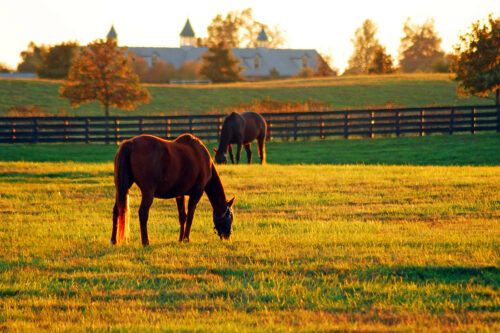
The Akhal-Teke is an ancient horse breed with a legendary history and elegant looks. Sometimes referred to as “golden horses” for their distinctive metallic coats, Akhal-Tekes are best known for their intelligence, endurance, and beauty.
This breed originated in the deserts of modern Turkmenistan, where Akhal-Tekes remain a cherished national symbol. In addition to their striking appearance, Akhal-Tekes are well-regarded for their athletic ability, particularly in endurance racing.
With appropriate nutrition and care, these horses can have successful athletic careers and thrive into their senior years. However, as one of the world’s rarest breeds, Akhal-Tekes are also susceptible to several genetic diseases due to limited breeding stock.
This breed profile will discuss the history, characteristics, common health problems, and nutritional requirements of the Akhal-Teke breed. Keep reading to learn more about feeding and caring for Akhal-Teke horses.

Akhal-Teke History
Being among the most ancient horse breeds still in existence, the Akhal-Teke boasts a rich history that spans several millennia. From their humble roots in Central Asia, Akhal-Tekes have served as mounts for famous historical figures and influence the development of several breeds.
The Akhal-Teke is also one of the rarest horse breeds in the world. Current estimates suggest there are only approximately 3,500–5,000 purebred Akhal-Tekes worldwide, with roughly 350–500 registered horses in North America. [1]
With a history that extends back nearly 4,000 years to the early period of horse domestication, the breed is widely regarded as a foundational influence on later hot-blooded breeds, including the Thoroughbred. [2][3]
Origin
The Akhal-Teke is a native breed of modern-day Turkmenistan, a republic in Central Asia. Genetic studies reveal a close relationship between Akhal-Tekes, Arabians, and Caspian breeds. These results suggest that ancestors of the Akhal-Teke originated in the Middle East. [2]
Historians believe Akhal-Tekes descend from Nisean horses, an extinct breed described in sources from the Persian Empire dating back 3,000 years. Modern Akhal-Tekes can trace their ancestry to related horses bred by nomadic Turkmen tribes. [4]
The Teke tribe inhabited the Akhal region on the north side of the Kopet Dag mountains, where breeding programs continued to refine the hot-blooded Turkmen horses. The Akhal-Teke name for the breed originated from Russians who annexed Turkmenistan in the late 19th century. [5]
Historic Use
The Karakum Desert comprises the majority of the territory in Turkmenistan. Notorious for extreme heat and drought, the desert favoured the survival of horses that could withstand the scarce vegetation and harsh conditions.
The nomadic tribes who first bred horses in the region used the hardy desert horses for raiding neighbouring territories. They selectively bred prized horses for speed and endurance, passing on pedigree records through oral traditions. [5]
Turk horses soon gained the admiration of foreign powers. Historians believe Alexander the Great’s famous horse Bucephalus belonged to the Akhal-Teke breed. And Chinese interest in the “heavenly horses” contributed to the development of the silk road during the Han Dynasty. [6]
The breed continued to spread through conquest and diplomacy. Akhal-Tekes imported to Europe influenced the development of modern warmbloods. Some historians believe the Byerly Turk, one of the foundation stallions of the Thoroughbred breed, had Akhal-Teke blood. [3]
Crossbreeding with Thoroughbreds was common under early Soviet rule until a 1935 endurance race covering 4,200 miles between Ashgabat and Moscow. Purebred Akhal-Tekes outperformed all Anglo Akhal-Tekes, and Russians closed the studbook in 1936.
Akhal-Teke numbers declined significantly during the final decades of the Soviet Union due to horse slaughter. But after Turkmenistan declared independence in 1991, the Akhal-Teke became a symbol of national pride and featured prominently on the country’s national emblem. [7]
Breed Registry
The newly independent government of Turkmenistan established the Turkmen Atlary, a government agency responsible for developing the Akhal-Teke breed. Independent breed organizations manage Akhal-Teke registrations in other countries.
The Akhal-Teke Association of America maintains the breed registry of these horses in North America. The ATAA partners with the Russian Akhal-Teke stud book and supports breeders working to preserve the endangered breed.
| Breed Summary | |
|---|---|
| Breed Name | Akhal-Teke |
| Also Known As | Turkmen Horse; Turkoman Horse; Akhaltekinsky |
| Breed Type | Hot-blooded |
| Origin | Turkmenistan (Central Asia) |
| Breed Registry | Akhal-Teke Association of America (ATAA); national registries in multiple countries |
| Population Status | Rare; 3,500 – 5,000 estimated horses worldwide |
| Average Height | 14.3 – 16 hh |
| Average Weight | 900 – 1,100 lb (410 – 500 kg) |
| Common Coat Colors | Bay, black, chestnut, gray, palomino, buckskin, cremello, perlino; metallic sheen |
| Conformation | Refined, long-lined, narrow chest, deep heart girth, prominent withers, sloping shoulder, long back, small hard hooves |
| Lifespan | 20 – 25 years |
| Price Range | $10,000 – $30,000+ USD |
| Common Uses | Endurance, dressage, eventing, jumping, racing |
| Temperament | Intelligent, sensitive, energetic; bonds strongly |
| Best For | Experienced riders seeking an athletic endurance or sport partner |
| Common Health Concerns | Naked Foal Syndrome (breed-specific), DSLD, cryptorchidism, Wobbler syndrome; stress-related ulcers |
What's your top priority with your horse's health?

Enter your email to receive your store credit
Breed Characteristics
Akhal-Teke horses have several unique characteristics distinguishing the breed from other hot-blooded horses. While their special appearance contributes to the growing public interest in the breed, Akhal-Tekes also have impressive athletic abilities.
Conformation
Akhal-Tekes are medium-sized horses with an average height of 14.3 to 16 hands. Some owners compare the overall type of Akhal-Tekes to a cheetah or greyhound. These horses have refined conformation and long lines that reflect elegance and strength.
Their heads are long and narrow with slim, forward-set ears, large nostrils, and thin lips. Akhal-Tekes often have unique hooded, almond-shaped eyes not found in other breeds. The neck is long and slim.
The breed has a relatively long back and level topline. However, excessively long backs and weak loins are undesirable. Prominent withers attach to sloping shoulders that allow free movement. Hindquarters should have lean muscling, wide hip angles, and a low-set tail.
Akhal-Tekes generally have narrow chests but deep heart girths. While refined, their legs should have enough bone to support soundness with small, hard hooves.
Additionally, their long, slender legs and light frames enhance their ability to traverse sandy terrain efficiently.
Colours
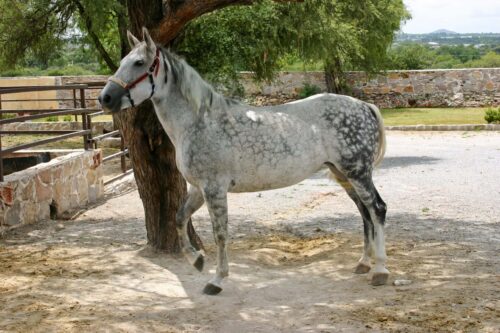
Akhal-Tekes are well known for the striking metallic sheen of their coats. Research suggests this extra shine arises from a unique hair structure. Akhal-Teke coat hairs have narrower opaque cores, allowing the light to shine through and produce the shimmering gleam. [8]
The breed has sparse manes and tails with little forelock or leg feathering. The sparse and fine hair on their bodies aids in thermoregulation, allowing them to withstand high desert temperatures.
Any coat colours or white markings are acceptable. Traditional colours include:
- Black
- Bay
- Cream
- Chestnut
- Buckskin
- Perlino
- Palomino
- Cremello
- Gray
Blue eyes are also common.
Temperament
Akhal-Tekes are intelligent, energetic horses with similar temperaments to other hot-blooded breeds. Their sensitivity and exuberance allow them to learn quickly, but Akhal-Tekes are generally unsuitable for beginner or timid riders.
This athletic breed is legendary for its stamina. Without regular exercise, they may develop behavioural problems due to excess energy. Akhal-Tekes bond strongly with their riders and often make loyal and hard-working equine partners for experienced owners.
Gait
Akhal-Tekes have a smooth, intermediate gait known as the “Akhal-Teke Glide“. It is described as a four-beat, diagonal stepping gait.
At a trot, Akhal-Tekes are capable of using either a four-beat or two-beat gait allowing selection based on rider comfort and functionality of the horse. [9]
Disciplines
Endurance racing is the most popular discipline for Akhal-Tekes. The breed’s athleticism is best suited for long rides, and many Akhal-Tekes excel at the sport’s top level. While slower than Thoroughbreds on the track, Akhal-Tekes are popular racehorses in some countries.
Akhal-Tekes are also capable sport horses. In 1960, an Akhal-Teke named Absent won the Olympic Gold Medal in dressage. Many Akhal-Teke owners today enjoy success in amateur dressage, eventing, and jumping arenas.
Akhal-Teke Health
The Akhal-Teke’s small breeding population contributes to a higher incidence of unique genetic diseases. While the breed thrives in consistent training programs, they require quality care to manage the health risks associated with athletic demands.
Genetic Diseases
Naked Foal Syndrome (NFS) is a fatal recessive disorder only found in the Akhal-Teke breed. Affected foals are born hairless and often struggle with abnormal dental development, digestive problems, and laminitis-like symptoms. Most foals with NFS die within weeks.
Genetic studies linked a nonsense variant in the ST14 gene to NFS in Akhal-Tekes. Horses who are homozygous for this variant (have two copies of the variant) inherit the disease. Those who are heterozygous carriers (have just one copy of the variant) do not display clinical signs. [8]
Akhal-Teke horses have a limited gene pool and have a high degree of inbreeding. [10] This increases the incidence of recessive genetic disorders. Some conditions such as NFS can be identified through genetic testing to inform breeding decisions that reduce the risks of producing affected foals.
Health Problems
Akhal-Teke stallions can also inherit hereditary cryptorchidism. Horses with one or both testicles retained in the abdomen are considered cryptorchids. The condition increases castration risks and is associated with poor fertility and undesirable stallion behaviour. [11]
This breed is one of several horse breeds susceptible to degenerative suspensory ligament desmitis (DSLD). DSLD is a debilitating condition characterized by dropped fetlocks and progressive weakening of the suspensory ligament. [12]
Research is ongoing into the causes of DSLD. While there is no cure for the disease, supportive shoeing and pain medication can help manage symptoms.
Other causes of lameness in Akhal-Tekes are often associated with joint disease and soft tissue injuries.
Wobbler syndrome is another chronic disorder sometimes seen in Akhal-Tekes. This neurodegenerative condition involves spinal cord compression caused by vertebral malformation or injuries. Affected horses show signs of ataxia and uncoordinated gaits. [13]
Sensitive Akhal-Tekes subject to increased stress from training and competition are also susceptible to gastric ulcers and other digestive health problems. Gut discomfort associated with ulcers can exacerbate undesirable and reactive behaviours in the breed. [14]
Care and Management
Routine Care
Akhal-Tekes need quality basic care and a preventative veterinary wellness program that includes vaccinations, deworming, and routine dental exams to stay healthy.
Regular farrier care is essential for maintaining optimal hoof balance and minimizing excess stress on distal limb structures during exercise. Akhal-Tekes with DSLD may need corrective shoeing to manage the condition.
Grooming
Although Akhal-Tekes have naturally shiny, short coats, daily grooming is essential to maintain skin health and coat quality.
Cold Weather
Akhal-Teke horses evolved in the warm desert climates of the ancient Turkmenistan region. Several unique adaptations make them particularly well-suited to thrive in environments characterized by extreme heat and arid conditions.
However, their thin skin and fine coats are not well-suited for extremely cold conditions. These horses often require blanketing during winter if they live in colder climates. If your Akhal-Teke lives outside, ensure they have constant access to adequate shelter.
Exercise
This smart, athletic breed does best in training programs that provide consistent mental stimulation and exercise. Akhal-Tekes confined to stalls for long periods may develop behavioural problems due to unused energy and boredom. [15]
Free movement during turnout promotes healthy bones and joints, and supports muscle development. Turnout within a social grouping also reduces stress and enables grazing behaviors that promote healthy digestive function. [15]
Nutrition Requirements
Turkmen horses sometimes relied on dates, eggs, and mutton fat to survive in the desert. However, these food items don’t provide the best nutrition for horses. Instead, Akhal-Tekes should be fed a high-protein, forage-based diet with adequate vitamins and minerals.
Weight Maintenance
Most Akhal-Tekes are average keepers. While the breed evolved to survive in a region with sparse vegetation, these horses maintain a lean physique on a well-balanced diet. Unlike their Arabian relatives, equine metabolic syndrome is not common in the breed.
However, poor body condition could indicate an underlying digestive problem. Monitor and record your horse’s body condition score to ensure your Akhal-Teke maintains a healthy weight. A body condition score of 5 out of 9 is considered ideal.
Contact your veterinarian if you notice unexpected weight loss in your horse. This could be an indication of an underlying health problem.

Sample Diet
The following sample diet is intended for a mature 1,000 lb (450 kg) Akhal-Teke with normal body condition at maintenance (not exercising).
| Feed | Amount per day |
|---|---|
| Mature Grass Hay (8% crude protein) | Free choice |
| Salt | 30 g (2 tbsps) |
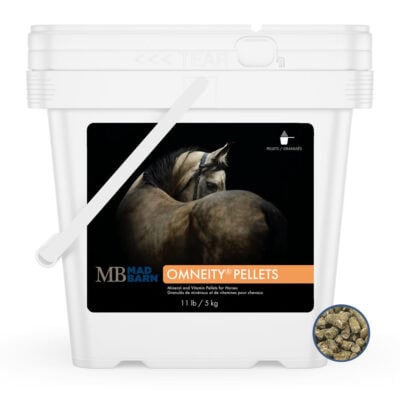
| Omneity® Pellets | 200 g (2 scoops) |
| Diet Analysis | |
| Digestible Energy (% of Req) | 106% |
| Protein (% of Req) | 126% |
| HC (ESC + starch; % Diet) | 6.9% |
For a horse at maintenance or in light work, hay alone should be sufficient to meet their energy and protein needs, as established by the Nutrient Requirements of Horses (2007). [16] Providing free-choice access to hay also supports gut health and helps decrease the risk of behavioural issues.
However, hay-only diets will be missing some key nutrients, including vitamins and minerals. In this sample feeding program, Mad Barn’s Omneity® is added as a comprehensive vitamin and mineral supplement to prevent common nutrient deficiencies in the equine diet.
Forage
Horses do best on a forage-based diet, requiring about 2% of their body weight daily in forage. For the average 1,000 lb Akhal-Teke horse, this is equivalent to 20 pounds of hay dry matter per day. [16]
The Akhal-Teke breed evolved to survive on drought-resistant forage such as alfalfa. Even today, these horses thrive on high-quality forage, and a diet based on palatable grass hay serves as the ideal foundation for their nutrition.
High-quality forages typically provide enough energy for Akhal-Teke horses in light work. Horses that need more calories benefit from fat supplements, which are a safer source of concentrated calories than high-starch grains. [17]
For accurate assessment of your horse’s energy and protein needs, we suggest analyzing a sample of your hay. This analysis will provide valuable information about the carbohydrate and mineral levels in the forage, aiding in the optimization of their diet.
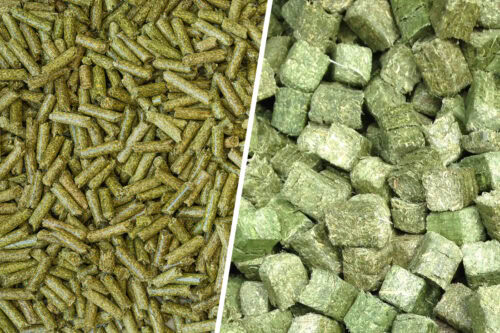
Some Akhal-Tekes may require additional protein in the diet, such as those in heavy work, senior horses or growing foals. Consider adding alfalfa hay, pellets, or cubes as a high-protein forage. Other protein sources include soybean meal, canola meal or ground flax. Care should be taken to balance the mineral profile of these supplemental feeds.
Commercial grains add excess starch and sugars to your Akhal-Teke’s diet, which can increase the risk of gastric ulcers. Instead of using a complete feed to fortify your horse’s diet, feed a concentrated vitamin and mineral supplement that provides nutrients without adding calories or sugars. [17]
Although Akhal-Tekes evolved in the desert, they can still suffer from dehydration if they don’t have constant access to fresh water. Adding salt to your horse’s daily ration can stimulate thirst and ensure they get enough sodium in their diet.
Feeding Recommendations
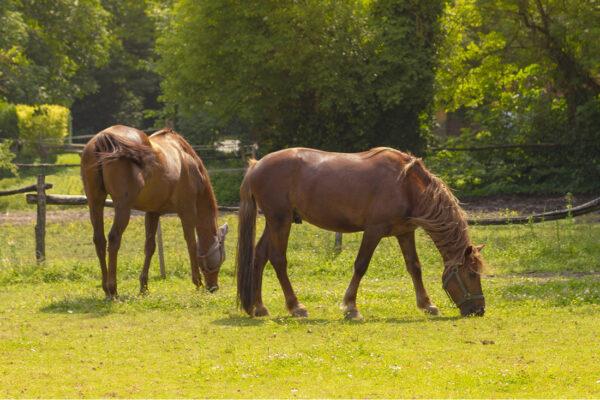
Pasture turnout is safe for most Akhal-Teke horses. Grazing supports optimal digestive function by enabling constant access to forage. If your Akhal-Teke eats hay, consider using a slow feeder to provide free choice forage. [17]
However, excess starch from spring pastures can contribute to hindgut problems in the breed. Consider using a grazing muzzle or other grazing management strategies to slow grass intake during the spring. [18]
Alfalfa is an excellent forage-based source of protein for Akhal-Tekes. This legume is also high in calcium, which helps buffer stomach acid in horses prone to ulcers. However, too much alfalfa in the diet can disrupt the balance of mineral ratios. [17]
Akhal-Teke owners can use soaked alfalfa pellets or other forage-based carriers instead of grain as the base for their horse’s meals. If you choose to feed concentrates, splitting the ration into multiple small meals throughout the day can reduce the risks of digestive upset. [18]
If your Akhal-Teke needs fat for extra dietary energy, choose a fat source high in omega-3 fatty acids. These fats have anti-inflammatory properties that provide multiple benefits for performance horses. [19]
Nutritional Supplements
The first priority in formulating a feeding plan for your Akhal-Teke horse is to balance the overall diet and ensure there are no deficiencies in essential nutrients. Once the diet is balanced, consider additional supplements to address specific performance goals or unique health requirements.
- w-3 oil by Mad Barn is an omega-3 fatty acid supplement that contains DHA, an anti-inflammatory fatty acid not found in plants. DHA supports joint health, cardiovascular function, coat health and weight maintenance.
- MSM is a popular natural joint supplement that provides sulphur, a vital component of glucosamine and collagen. However, owners should be aware that some endurance organizations ban MSM for use during competition.
- Visceral+ is a gut health supplement that supports stomach and hindgut function. Performance horses or Akhal-Tekes with a history of poor digestive health may benefit from the probiotics, prebiotics, yeast and herbs in this pelleted formula.
- Vitamin E and Selenium are important antioxidants for maintaining healthy muscle and neurological function in Akhal-Tekes. While vitamin E is low in hay, selenium levels can vary significantly based on regional soil content.
Consult an equine nutritionist to formulate a balanced diet customized for the needs of your Akhal-Teke. Submit your horse’s diet online for a free evaluation by our qualified nutritionist.
Frequently Asked Questions
Here are some frequently asked questions about Akhal-Teke horses:
The Akhal-Teke is one of the world’s oldest and rarest horse breeds, originating in modern-day Turkmenistan. Known for their metallic coat sheen, refined build, and exceptional endurance, these horses were developed by nomadic tribes in harsh desert conditions. Akhal-Tekes are considered a hot-blooded breed, combining athleticism, intelligence, and sensitivity. Today, they are valued for both their performance ability and their historical significance as a foundation influence in several modern breeds.
Akhal-Teke horses are best known for excelling in endurance riding, where their stamina and efficient movement give them a competitive advantage. They are also seen in dressage, eventing, show jumping, and flat racing in certain regions. Their athletic build and strong work ethic make them versatile sport horses for experienced riders. While not as common as other performance breeds, dedicated owners have successfully campaigned Akhal-Tekes at national and international levels.
Akhal-Tekes are medium-sized horses with a lean, refined appearance and long, elegant lines. They typically have a narrow head with almond-shaped eyes, long ears, and a slim, upright neck. Their bodies feature a deep heart girth, long back, prominent withers, and sloping shoulders that support fluid movement. The breed is lightly built but athletic, with long legs, small hard hooves, and sparse manes and tails. Their overall type reflects speed, endurance, and efficiency in hot climates.
Akhal-Tekes come in a wide range of coat colors, but they are especially famous for their metallic sheen. Common colors include bay, black, chestnut, gray, palomino, buckskin, cremello, and perlino. Dilute colors such as palomino and cremello often display the most dramatic golden shimmer. Blue eyes are relatively common in lighter-colored horses. Regardless of color, the unique structure of the hair shaft contributes to the breed’s signature glow.
Akhal-Teke horses earn the nickname “golden horses” because their coats have a natural metallic shine. The structure of their hair lets light pass through and reflect back, creating that glowing effect that looks like polished gold. The shimmer shows up most on palomino, buckskin, and cremello horses, but even darker colors can have a subtle gleam. Their fine coats and slim, elegant build make the effect even more eye-catching.
Akhal-Tekes tend to be intelligent, sensitive, and athletic horses with lively temperaments. They often form strong bonds with their handlers and respond best to patient, consistent training. Because they’re naturally energetic, they do best with regular exercise and mental engagement. When given structure and attention, they’re loyal partners, but they can become restless if underworked or confined for too long.
Most Akhal-Teke horses stand between 14.3 and 16 hands high, though some individuals may fall slightly outside that range. Their height is considered moderate compared to many modern sport horses. Despite not being exceptionally tall, their long legs and refined build give them an elegant, elevated appearance. Proper nutrition and management during growth help support sound skeletal development in young horses.
Adult Akhal-Tekes typically weigh between 900 and 1,100 pounds (410 to 500 kg), depending on height, frame, and body condition. They are naturally lean horses with lighter bone than many warmblood breeds. Maintaining an appropriate body condition score of around 5 out of 9 helps support performance and long-term health. Sudden weight loss or difficulty maintaining condition should prompt evaluation of diet, dental health, and digestive function.
Akhal-Tekes are generally not recommended for beginner riders. They are intelligent, sensitive, and energetic horses that respond best to confident, consistent handling. Inexperienced riders may find their responsiveness and athleticism challenging. However, in the hands of knowledgeable horse owners, they form strong bonds and can be exceptionally loyal and rewarding partners.
Akhal-Tekes are considered a rare breed, and prices reflect their limited population and unique appeal. In North America and Europe, purchase prices often start around $10,000 USD and can exceed $30,000 USD for well-bred, trained, or competition-proven horses. Young prospects or imported horses with strong bloodlines may command higher prices. Ongoing costs for training, veterinary care, and specialized management should also be considered when budgeting.
Because of their small gene pool, Akhal-Tekes are predisposed to certain inherited conditions. Naked Foal Syndrome is a fatal recessive disorder unique to the breed. They may also be affected by degenerative suspensory ligament desmitis (DSLD), cryptorchidism in stallions, and Wobbler syndrome. Like many sensitive performance horses, they can be prone to gastric ulcers under stress. Responsible breeding, genetic testing, balanced nutrition, and proactive veterinary care are essential for minimizing health risks.
Akhal-Teke horses have a few known genetic concerns linked to their limited breeding population. Naked Foal Syndrome is the most serious—it causes foals to be born hairless and is always fatal. Other conditions seen in the breed include cryptorchidism, degenerative suspensory ligament desmitis (DSLD), and Wobbler syndrome. Careful breeding management and genetic testing help responsible breeders reduce these risks.
Akhal-Tekes handle heat very well thanks to their fine coats and thin skin, traits developed for life in the desert. Those same features, however, make them sensitive to cold weather. In winter, they do best with blanketing, shelter, and good nutrition to maintain body warmth. With the right care, they can stay comfortable in a range of climates.
Summary
The Akhal Teke is an ancient horse breed from Turkmenistan renowned for its metallic coat, stamina, and loyalty. These elegant horses are prized for their athleticism and intelligence, thriving with proper care despite being a rare breed with some genetic vulnerabilities.
- Akhal Tekes originated in the deserts of Turkmenistan and are among the world’s oldest horse breeds
- Distinctive metallic coats, refined conformation, and strong endurance define their appearance and performance
- Genetic issues such as Naked Foal Syndrome and DSLD can occur due to limited breeding diversity
- Balanced nutrition, consistent exercise, and careful management help maintain their health and longevity
References
- About the Akhal-Teke Foundation. Akhal-Teke Foundation.
- Kang, Z. et al. Genome-wide SNP data and mitochondrial HVR-1 nucleotide sequence reveal the origin of the Akhal-Teke horse. Anim Biosci. 2023.
- Cunningham, P. The Genetics of Thoroughbred Horses. Scientific Am. 1991.
- McMiken, D. et al. Ancient origins of horsemanship. Equine Vet J. 1990. View Summary
- Kim, A. et al. The Role of the Horse Among the Turkmen. Anthropol Archaeol Euras. 2017.
- Liu, Y. The Han Empire and the Hellenistic World: Prestige Gold and the Exotic Horse. Med Archaeol Archaeom. 2020.
- Ustyantseva, A. et al. Genetic characterization of Akhal-Teke horse subpopulations using 17 microsatellite loci. IOP Conf Ser Earth Environ Sci. 2019.
- Bauer, A. et al. A Nonsense Variant in the ST14 Gene in Akhal-Teke Horses with Naked Foal Syndrome. G3 Genes Genom Genet. 2017.View Summary
- Nicodemus. M. et al. PSXV-13 Relationship between Velocity and Temporal Variables in the Akhal-Teke Glide. J Anim Sci. 2022.
- Alev, K. Age-Related Changes in Myosin Light and Heavy Chain Isoforms’ Composition in Gluteus Medius Muscle of Sedentary Akhal-Teke Horses. J Equine Vet Sci. 2011.
- Coryn, M. et al. Clinical, morphological and endocrinological aspects of cryptorchidism in the horse. Theriogenology. 1981. View Summary
- Halper, J. et al. Degenerative Suspensory Ligament Desmitis - A New Reality. Pakistan Vet J. 2010.
- Falco, M. et al. An Investigation into the Genetics of ‘Wobbler Disease’ in Thoroughbred Horses in Britain. Equine Vet J. 1976. View Summary
- Perron, B. et al. The influence of severity of gastric ulceration on horse behavior and heart rate variability. J Vet Behav. 2023.
- Werhahn, H. et al. Competition Horses Housed in Single Stalls (II): Effects of Free Exercise on the Behavior in the Stable, the Behavior during Training, and the Degree of Stress. J Equine Vet Sci. 2012.
- National Research Council. Nutrient Requirements of Horses. National Academies. 2007.
- Nadeau, J. et al. Evaluation of diet as a cause of gastric ulcers in horses. Am J Vet Res. 2000. View Summary
- Metayer, N. et al. Meal size and starch content affect gastric emptying in horses. Equine Vet J. 2010. View Summary
- Manhart, D. et al. Markers of Inflammation in Arthritic Horses Fed Omega-3 Fatty Acids. Prof Anim Sci. 2009.