English






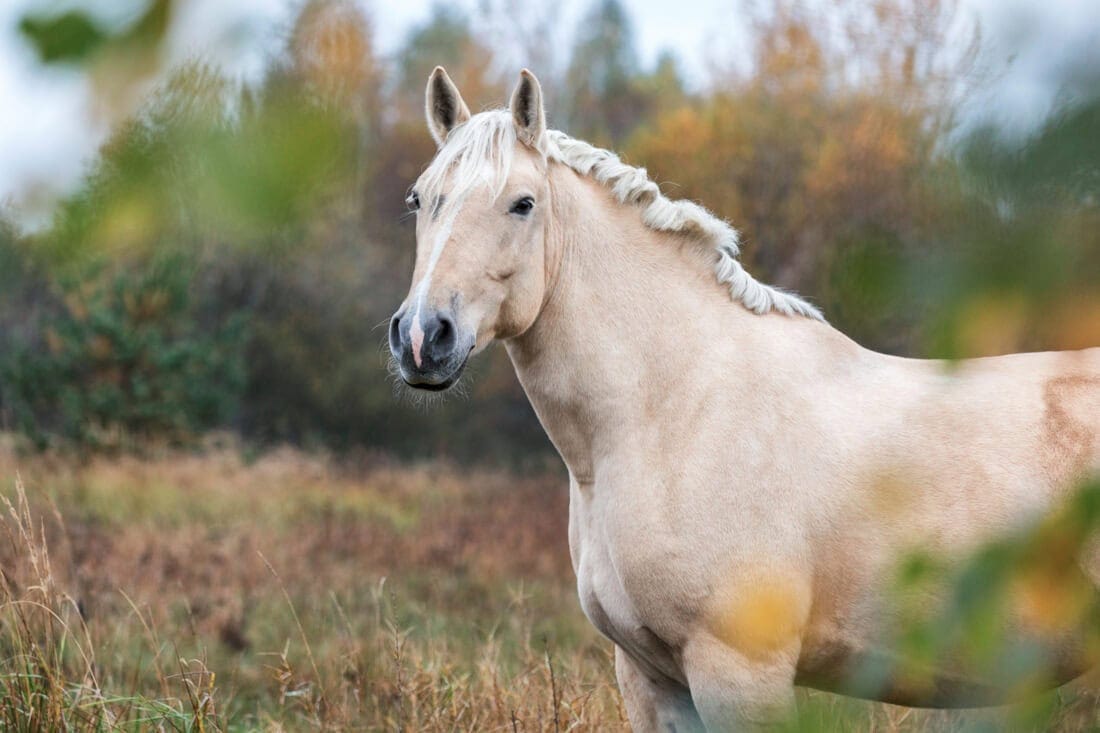
The American Cream Draft Horse is a distinct draft breed known for their striking champagne coat, gentle temperament, and deep roots in American agricultural history.
As one of only a few draft horse breeds developed in the United States, the American Cream Draft holds a unique place among heavy horses. This breed combines an eye-catching appearance with a steady, reliable work ethic.
Despite its dwindling numbers and classification as a critically endangered breed, this draft horse continues to find a place in modern farming, driving, and recreational riding settings thanks to its manageable size and cooperative nature.
Keep reading to learn more about the history, characteristics, health problems, and nutritional needs of American Cream Draft Horses.
American Cream Draft Horse History
The American Cream Draft Horse has a relatively short but uniquely American history. Known for their distinct champagne coloring, these horses trace their roots to a single foundation mare and were selectively bred for strength, temperament, and visual appeal. [1]
Although their numbers declined significantly with the rise of mechanized farming, dedicated preservation efforts have helped keep the breed alive today.
Origin
The American Cream Draft breed originated in Iowa in the early 1900s. The foundation mare, known as “Old Granny,” was a cream-colored draft-type horse of unknown ancestry. Her unique appearance led breeders to develop a line of cream-colored draft horses. [1]
Old Granny’s descendants, especially those crossed with Percheron and Belgian draft stallions, passed on her diluted coat color, pink skin, and amber eyes. [1]
The stallion Silver Lace, foaled in 1931, played a significant role in establishing the breed’s characteristics and is widely considered a pivotal foundation sire. The breed’s signature champagne dilution gene was preserved through careful breeding and selection. [1]
What's your top priority with your horse's health?

Enter your email to receive your store credit
Historic Use
Like other draft horses, American Creams were initially bred for heavy farm work. Their strength, calm demeanor, and manageable size made them ideal for plowing fields, pulling wagons, and working in forestry or rural transportation. [2]
In the early-to-mid 20th century, they became a familiar sight on Midwest farms. In 1949, the Iowa Department of Agriculture recognized the American Cream Draft Horse as an established breed, solidifying their place in rural America. [3]
However, the breed faced a steep decline after tractors and motorized vehicles became widespread. With fewer than 400 registered horses today, the American Cream Draft is now considered critically endangered by The Livestock Conservancy. [3][4]
Breed Registry
The American Cream Draft Horse Association (ACDHA) was formed in 1944 and remains the official breed registry for the breed. [3]
The ACDHA continues to maintain studbooks, promote conservation breeding, and support breed education. Horses registered with the ACDHA must meet strict criteria for conformation and color, and many undergo DNA testing to verify parentage. [5]
| Breed Summary | |
|---|---|
| Breed Name | American Cream Draft Horse |
| Also Known As | American Cream Draft; American Cream |
| Breed Type | Draft |
| Origin | Iowa, United States |
| Breed Registry | American Cream Draft Horse Association (ACDHA) |
| Population Status | Critically endangered; fewer than 400 registered horses |
| Average Height | 15.0 – 16.3 hh |
| Average Weight | 1,600 – 2,000 lb |
| Common Coat Colors | Champagne; light to medium cream coat, white mane and tail |
| Conformation | Broad chest, short-coupled back, strong hindquarters, well-muscled frame, straight profile, strong neck, sloping shoulders, short sturdy legs, solid hooves, minimal feathering |
| Common Uses | Farm work, driving, logging, parades, therapy programs, pleasure riding |
| Temperament | Calm, patient, friendly, gentle, cooperative |
| Best For | Larger riders; novice and experienced handlers |
| Common Health Concerns | JEB carrier risk, degenerative joint disease, sunburn, pastern dermatitis, obesity, laminitis |
Breed Characteristics
The American Cream Draft Horse is best known for its striking appearance and quiet disposition. With a medium-heavy draft build and a signature champagne-colored coat, this breed combines functionality with visual appeal.
Conformation
Most American Creams stand between 15.0 and 16.3 hands and weigh between 1,600 and 2,000 pounds. [5]
American Cream Drafts have a classic draft horse build with a broad chest, short-coupled back, strong hindquarters, and a well-muscled frame. They exhibit refined bone compared to heavier draft breeds, making them slightly lighter and more agile while still capable of pulling work. [5]
Their heads are generally broad and expressive, with a straight profile and medium-length ears. The neck is strong and slightly arched while sloping shoulders support a well-balanced body.
Legs are short, sturdy, and clean with solid hooves, although feathering is minimal or absent compared to breeds like the Clydesdale or Shire. [5]
Colors
This breed’s defining feature is its champagne coat color. Purebred American Cream Drafts have a light to medium cream coat, white mane and tail, pink skin, and amber or hazel eyes.
The champagne dilution gene causes these unique traits. [6]
Horses that do not exhibit the correct combination of coat, skin, and eye color may not be eligible for full registration with the American Cream Draft Horse Association. [5]
Temperament
American Cream Drafts are known for their calm, patient, and friendly nature, which makes them easy to train and handle. They are highly responsive and eager to please, with a gentle disposition that suits both novice and experienced handlers.
Due to their larger size, American Cream Drafts may not be suitable for petite riders and handlers.
Disciplines
American Cream Drafts can excel in any activity that values calmness, strength, and reliability.
Bred primarily for agricultural work, American Cream Drafts possess the strength and stamina of traditional draft horses, along with a manageable size and gentle temperament that make them suitable for a range of disciplines today.
Their even temperament is a key reason why American Creams are popular for use in parades, therapy programs, and family-friendly environments. Their size also makes them ideal for larger riders.
Some are still used for farm and logging work. Though not bred for high-performance sports, these horses are also capable of participating in recreational driving and pleasure riding disciplines.
American Cream Draft Health
American Cream Draft horses are generally hardy. But like many draft breeds, they are prone to particular health concerns related to their size, genetics, and unique coat color.
Due to their small population size and limited genetic diversity, breeders and owners must be especially proactive in managing population health and supporting overall wellness through sound management practices.
Genetic Diseases
The American Cream Draft breed descends from a small number of stock animals, making genetic diversity a primary concern. Inbreeding can increase the risk of inherited conditions, and maintaining a broad gene pool is a focus of the ACDHA.
One notable concern is Junctional Epidermolysis Bullosa (JEB), a fatal genetic skin disorder found in several draft breeds, including Belgians and Percherons. These breeds played a role in the development of the American Cream Draft. [7]
Although JEB has not been widely reported in American Cream Drafts, but carrier status remains possible due to ancestral Belgian and Percheron influence. Responsible breeders may choose to test for JEB to ensure the gene is not unknowingly passed on in the breed.
Health Problems
While generally healthy, American Cream Drafts can be predisposed to several common draft horse health issues.
The breed’s large size places additional strain on joints, contributing to the risk of degenerative joint disease and musculoskeletal issues if not managed appropriately.
Cream-coloured horses with pink skin are more susceptible to sunburn, especially on the muzzle and around the eyes. [8]
While American Creams typically lack the heavy feathering of some draft breeds, they may still be prone to skin conditions such as pastern dermatitis in humid or unsanitary environments. [9]
Care and Management
With proper care and consideration for their draft-specific needs, American Cream Draft horses can thrive in both work and leisure environments.
Like all horses, American Cream Draft horses require consistent, high-quality basic care to maintain their health and well-being throughout their lives. A well-rounded care plan should meet their physical, mental, and behavioral needs.
Work with your veterinarian and equine wellness team to establish a proactive care routine that includes:
- Veterinary Exams: Schedule routine veterinary check-ups to monitor health and catch potential issues early.
- Vaccinations: Work with your veterinarian to follow an appropriate vaccine schedule to protect your horse against infectious diseases.
- Dental Care: Consistent dental evaluations and floating performed by a qualified professional are essential for healthy chewing and digestion. Older American Creams may need more frequent exams due to increased risk of dental complications.
- Parasite Management: Implement a strategic, veterinarian-supervised deworming program to guard against internal parasites.
- Hoof Care: Schedule regular farrier visits and trims to maintain balanced hooves and soundness.
Shelter or shaded turnout areas are strongly recommended to minimize sunburn risk. Zinc-based sunblock or protective fly masks with UV protection can help safeguard sensitive areas. [8]
Even though draft breeds may struggle with overheating in strenuous work, American Creams benefit from regular movement and enrichment to maintain joint function and overall health.

American Cream Draft Nutrition
Nutrition plays a vital role in maintaining the health, performance, and longevity of American Cream Draft horses. Their heavier frame, risk of metabolic issues, and limited workload in many modern settings mean their diets must be carefully managed to prevent obesity.
Weight Maintenance
Most American Cream Drafts are easy keepers. Their calm demeanor and lower activity levels, especially as recreational horses, can lead to excessive weight gain if their calorie intake is not carefully controlled.
These horses can easily become obese on high-calorie diets, especially when not in heavy work.
Equine obesity is linked to: [10]
Since draft horse breeds are naturally heavier, it can be challenging for owners to identify when their American Cream Draft Horse is overweight. Regular body condition scoring (BCS) can help identify early signs of unwanted weight gain.
Sample Diet
The following sample diet is intended for a mature 820 kg (1,800 lb) American Cream Draft with normal body condition at maintenance (not exercising).
| Feed | Amount per day |
|---|---|
| Mid-Quality Hay (8% crude protein) | Free-choice |
| Salt | 45 g (3 tbsp) |
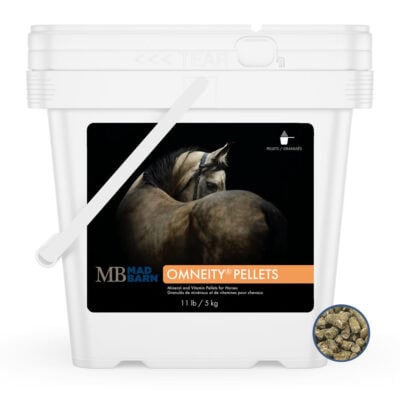
| Omneity® Pellets | 300 g (3 scoops) |
| Diet Analysis | |
| Digestible Energy (% of Req) | 114% |
| Protein (% of Req) | 127% |
| HC (starch + ESC; % Diet) | 8.8% |
Feeding a forage-based diet is an effective way to manage weight, especially for easy keepers. Most draft horses don’t need grain in their diet and easily meet their energy needs with forage alone.
However, forage-based diets need fortification to provide adequate amounts of other essential nutrients. A balanced vitamin and mineral supplement can address nutrient deficiencies in forage without adding unnecessary calories to the diet. [11]
Mad Barn’s Omneity® is a comprehensive vitamin and mineral formula that helps balance forage-based diets and supports hoof health, skin and coat quality, immune function, and overall health in American Cream Drafts.
All horses also need access to clean water and free-choice salt to support hydration. Our nutritionists also recommend adding 3 tablespoons of loose salt to the daily ration to meet sodium requirements.
Forage
Forage should be the cornerstone of the American Cream’s diet. Horses evolved to digest a constant intake of roughage throughout the day, so providing an adequate volume of forage is essential for supporting digestive health.
The amount of forage your horse needs depends on their body weight. Since draft breeds weigh significantly more than the average horse, they generally need more total hay per day than smaller horses. A typical 1,800 lb (818 kg) American Cream Draft will eat approximately 40 lb (18 kg) of hay daily.
Feeding average-quality, low-starch grass hay allows you to feed enough forage without adding excess calories to your American Cream Draft Horse’s diet. Choose a hay with hydrolyzable carbohydrate (also known as NSC) levels below 12% to minimize the risk of metabolic issues. [12]
Pasture grass can have high levels of sugar that may not be appropriate for all American Cream Drafts. If your American Cream Draft Horse has metabolic health concerns, limit access to lush pasture and consider using a grazing muzzle during turnout.
A forage analysis is the best way to assess nutrient content and determine if a forage is suitable for your horse.
Feeding Recommendations
Most American Cream Draft horses do not require commercial grain mixes or concentrates in their daily diet. High-starch and high-sugar feeds can contribute to digestive disturbances. [13]
To minimize starch and calorie intake, feed a concentrated vitamin and mineral supplement in place of grains. If you need a palatable carrier for powdered supplements, soaked hay pellets or beet pulp provide excellent fiber-based alternatives to grain.
For senior American Creams with dental limitations, beet pulp and soaked forage cubes can serve as effective substitutes for long-stem hay. Horses that quid or have difficulty chewing hay may need part of their forage provided in a softer form.
An equine nutritionist can help you design a balanced ration tailored to your horse’s age, condition, and chewing ability.
If your American Cream Draft requires additional calories to maintain body weight or support light work, a fat-based supplement might be a safer energy source than sugars and starches. Choose fat products rich in omega-3 fatty acids to support joint function, coat shine, and respiratory health. [14][15][16]
All American Cream Drafts need access to clean water and salt at all times. To ensure adequate sodium intake and encourage proper hydration, our nutritionists recommend offering 3 tablespoons of plain loose salt daily.
If you are unsure if your American Cream Draft is getting everything they need, schedule a free consultation with one of our expert equine nutritionists.
Nutritional Supplements
Many American Cream Drafts benefit from targeted nutritional supplementation to support individual needs. After balancing your horse’s diet, consider adding the following:
- Optimum Digestive Health is a gut health supplement containing prebiotics, probiotics, yeast, and digestive enzymes that help improve nutrient absorption and support a healthy hindgut in American Cream Draft Horses.
- Performance XL Electrolytes helps support hydration and electrolyte balance in American Cream Draft Horses, especially during summer or heavy training.
- Natural Vitamin E supplementation is often necessary for American Cream Draft Horses with limited pasture access. This powerful antioxidant also supports neuromuscular health and immune function.
Submit your American Cream Draft’s information for a free evaluation and consult our qualified equine nutritionists for help formulating a balanced diet.
Frequently Asked Questions
Here are some frequently asked questions about American Cream Draft horses:
The American Cream Draft horse is a rare draft breed developed in Iowa in the early 1900s. These draft horses are known for their cream-colored coat, gentle disposition, and strong ties to American farming history. They are considered a coldblooded breed, and their steady temperament make them gentle giants in the equine world. Although the breed is uncommon today, it remains valued for its distinctive appearance and practical working ability.
The American Cream Draft horse is unique because it is the only draft horse breed developed in the United States. American Cream Draft horses are also known for their cream champagne coat, pink skin, and amber or hazel eyes, which are caused by the champagne dilution gene. In addition to their distinctive coloring, they are valued for their calm temperament, moderate size, and important place in American agricultural history.
Yes, American Cream Draft horses are very rare. The breed is considered critically endangered by The Livestock Conservancy, with fewer than 400 registered horses remaining. Their small population makes conservation breeding especially important for preserving both breed type and genetic diversity.
American Cream Draft horses were originally bred for heavy farm work such as plowing fields, pulling wagons, and supporting rural transportation and forestry work. Today, American Cream Draft horses are also used for driving, light riding, therapy programs, parades, and other family-friendly activities. Their strength, calm nature, and manageable size make them useful in both traditional work and modern leisure roles.
Yes, American Cream Draft horses can be good for both riding and driving. American Cream Draft horses were originally bred for farm work and hauling, but their steady temperament and moderate size also make them useful for pleasure driving, light trail riding, and recreational use. While they are not high-performance sport horses, they are versatile and dependable partners for owners who value calmness and strength.
American Cream Draft horses are known for being calm, patient, and friendly. They are typically cooperative, responsive, and willing, which can make them easier to train than some heavier horse breeds. Their gentle temperament suits many novice and experienced handlers, though their large size still requires confident, appropriate handling.
American Cream Draft horses have a medium-heavy draft build with a broad chest, short-coupled back, strong hindquarters, and a well-muscled frame. Compared to some heavier draft breeds, American Cream Draft horses usually have more refined bone, which gives them a slightly lighter and more agile appearance. They also typically have a broad, expressive head with a straight profile, a strong slightly arched neck, sloping shoulders, sturdy legs, solid hooves, and minimal feathering.
American Cream Draft horses are known for their light to medium cream champagne coat. The breed typically has a white mane and tail along with pink skin and amber or hazel eyes. This distinctive coloring is caused by the champagne dilution gene and is one of the breed’s most recognizable traits.
Most American Cream Draft horses stand between 15.0 and 16.3 hands high. This makes American Cream Draft horses draft horses in size, but they are generally more moderate in height than some of the heaviest draft breeds. Their size helps them stay strong enough for pulling work while still being manageable for a range of owners and uses.
American Cream Draft horses usually weigh between 1,600 and 2,000 pounds, depending on height, build, and body condition. As a draft breed, American Cream Draft horses carry substantial muscle and bone, but they are often somewhat lighter-framed than the largest draft horses. Careful weight management is important for this breed because excess body weight can increase the risk of joint strain and metabolic problems.
American Cream Draft horses are often better suited to experienced handlers because of their large size. Draft horses require confidence and skill to manage safely. However, the American Cream’s calm, patient temperament and willing nature can make them suitable for beginner riders under the supervision of an experienced rider. In low-pressure settings such as pleasure riding or driving, they may be a good fit for novices with the right guidance and support.
An American Cream Draft horse usually does best on a forage-based diet built around average-quality grass hay. Because many American Cream Draft horses are easy keepers, they often maintain weight well without grain and benefit more from a balanced vitamin and mineral supplement than extra calories. Free-choice water and salt are also essential, and horses with metabolic concerns may need lower-sugar forage and limited pasture access.
Yes, American Cream Draft horses may need extra sun protection because their pink skin is more prone to sunburn. Sensitive areas such as the muzzle and around the eyes often benefit from shade, UV-protective fly masks, or zinc-based sunblock. Careful turnout management is especially important during periods of intense sunlight.
American Cream Draft horses are generally hardy, but they can be prone to health problems related to size, skin sensitivity, and limited genetic diversity. Common issues in American Cream Draft horses include degenerative joint disease and other musculoskeletal problems, sunburn on pink-skinned areas, and pastern dermatitis in damp or unsanitary conditions. Because many are easy keepers, obesity and laminitis can also become concerns if diet is not managed carefully, and some breeders monitor for inherited risks such as Junctional Epidermolysis Bullosa (JEB) carrier status.
Summary
The American Cream Draft horse is a critically endangered breed known for its striking champagne coat and gentle disposition.
- Originally bred for heavy farm work, the breed is now used for combined driving and pleasure riding
- Weight management is a primary concern for American Cream Drafts, as these heavy-types are prone to obesity
- Feeding a balanced, forage-first diet and a complete vitamin and mineral supplement are recommended to ensure this breed is receiving all necessary nutrients
- Work with an equine nutritionist to balance the diet of American Cream Drafts for overall health and well being
References
- Derry. M. Horse Breeds and Human Society: Purity, Identity and the Making of the Modern Horse. Routledge, Abingdon, Oxon ; New York, NY. 2020.
- Mota-Rojas. D. et al. The Use of Draught Animals in Rural Labour. Animals. 2021. View Summary
- History. American Cream Draft Horse Association. 2024.
- Conservation Priority List. The Livestock Conservancy. 2025.
- Application for Full Registration. American Cream Draft Horse Association. 2024.
- Cook. D. et al. Missense Mutation in Exon 2 of SLC36A1 Responsible for Champagne Dilution in Horses. PLoS Genetics. 2008. View Summary
- Baird. J. D. et al. Junctional epidermolysis bullosa in Belgian draft horses in North America: results of genetic testing (2002 - 2012). AAEP. 2013.
- Stegelmeier. B. L. Equine Photosensitization. Clinical Techniques in Equine Practice. 2002.
- Gerber. V. et al. Equine Pastern Dermatitis: A Narrative Review on Clinical Presentation, Diagnosis, Risk Factors, Prevention, and Therapeutic Approaches. Journal of the American Veterinary Medical Association. 2023. View Summary
- Johnson. P. J. et al. Medical Implications of Obesity in Horses—Lessons for Human Obesity. Journal of Diabetes Science and Technology. 2009. View Summary
- Richards. N. et al. Nutritional and Non-Nutritional Aspects of Forage. Veterinary Clinics of North America: Equine Practice. 2021. View Summary
- Geor. R. J. et al. Equine Applied and Clinical Nutrition: Health, Welfare and Performance. Elsevier Health Care - Major Reference Works, s.l. 2013.
- Cipriano-Salazar. M. et al. The Dietary Components and Feeding Management as Options to Offset Digestive Disturbances in Horses. J Equine Vet Sci. 2019.
- Manhart. D. R. et al. Markers of Inflammation in Arthritic Horses Fed Omega-3 Fatty Acids. The Professional Animal Scientist. 2009.
- Goh. Y. M. et al., Plasma N-3 and N-6 Fatty Acid Profiles and their Correlations to Hair Coat Scores in Horses Kept Under Malaysian Conditions. J. Vet. Malaysia. 2004.
- Nogradi. L. et al. Omega-3 Fatty Acid Supplementation Provides an Additional Benefit to a Low-Dust Diet in the Management of Horses with Chronic Lower Airway Inflammatory Disease. Journal of Veterinary Internal Medicine. 2015.