English
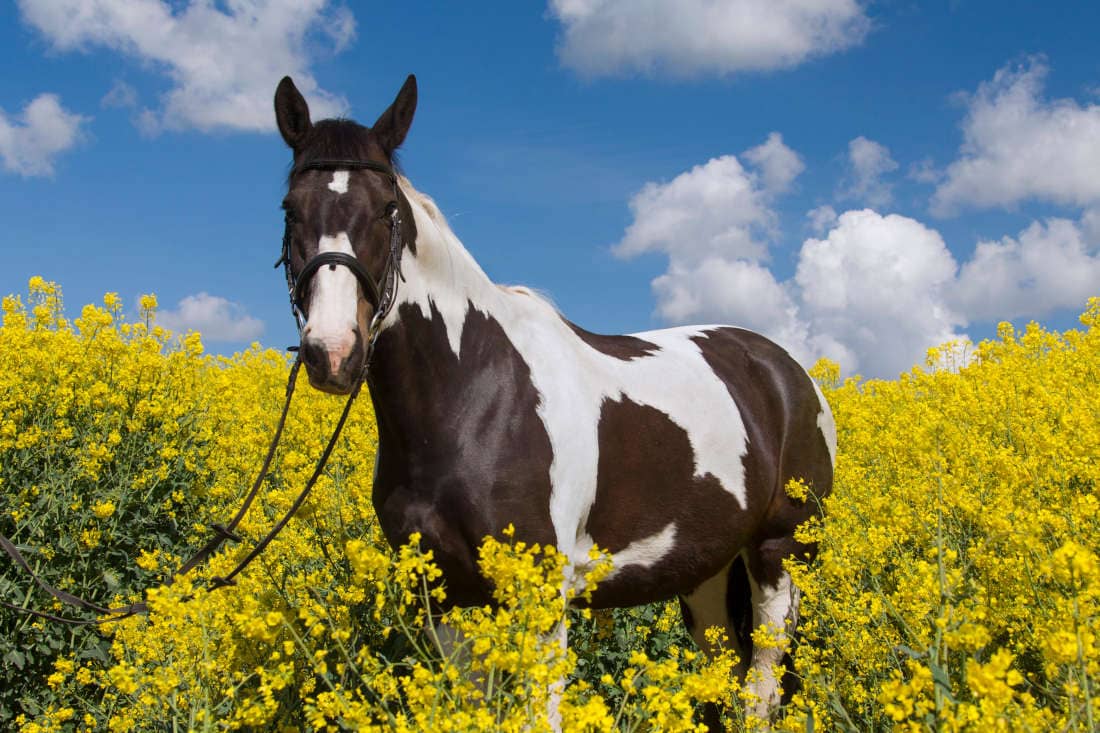
The American Indian Horse is a rare North American heritage type known for their hardiness, versatility, and deep cultural significance. These horses represent a living link to the Colonial Spanish horses brought to the Americas by Spanish explorers, shaped over centuries by the landscapes and peoples of North America.
Modern American Indian Horses carry the legacy of five hundred years of selection under some of the most demanding conditions on the continent.
They are defined by practical traits like stamina, intelligence, and adaptability rather than a particular look or breed standard. Their registration spans five classes, reflecting the diversity of bloodlines and types that fall within the American Indian Horse type.
Owners and enthusiasts prize these horses for their awareness, loyalty, and ability to excel in a wide range of disciplines. Read on to learn more about the history, characteristics, common health conditions, and nutritional needs of American Indian Horses.
American Indian Horse History
The American Indian Horse reflects a lineage shaped by Spanish colonial horses and the deep cultural, practical, and selective influence of Indigenous peoples across North America.
As a heritage type, it represents not just ancestry, but a long-standing relationship between horses and the communities that bred and relied on them.
Origin
The American Indian Horse is associated with horses descended from Colonial Spanish stock introduced to the Americas by early explorers and settlers. Some of these horses escaped or were traded, forming feral bands that spread across North America and became integrated into Indigenous societies. [1]
Over time, Indigenous groups selectively bred these horses for traits such as endurance, soundness, intelligence, and adaptability to diverse terrains and climates. This helped shape distinct regional types that contributed to the foundation of what is now recognized as the American Indian Horse.
Genetic studies of New World horse populations show a high frequency of Iberian haplotypes, supporting the historical connection between these horses and Spanish ancestry. [2]
Recent research also indicates that horses were widely adopted and managed by Indigenous communities in the Great Plains and northern Rockies by the early seventeenth century, earlier than previously documented, suggesting Indigenous-led dispersal rather than direct European contact. [3]
Historic Use
Horses transformed the daily life of Indigenous peoples across broad regions of North America. They enabled more effective hunting, expanded mobility, and contributed to the development of distinctive horse cultures among many Native nations. [3]
Archaeological evidence shows that early historic horses in Indigenous contexts displayed osteological signs of management, riding, and local raising. These findings include evidence of bit wear and veterinary care, which indicates deep integration into Indigenous economies and ceremonial life. [3]
For more than two centuries, these horses allowed Native nations to maintain their territories against forces with greater numbers and technology. [4]
That legacy directly shaped the modern American Indian Horse. These horses are defined by traits that reflect their history and cultural significance — hardiness, stamina, intelligence, and a willingness to work — rather than superficial aesthetics.
What's your top priority with your horse's health?

What's your top priority with your horse's health?
Breed Registry
Today, the American Indian Horse is preserved as a distinct breed type by the American Indian Horse Registry (AIHR). Established in 1961, AIHR’s mission is to collect, record, and preserve the pedigrees of American Indian Horses and to promote and perpetuate the original type used by Native American nations. [5]
The AIHR does not maintain a closed studbook. Instead, registration is open to any horse that displays characteristic traits of horses descended from Colonial Spanish stock and shaped by Indigenous culture. [6]
AIHR offers five different classifications of registration: [7]
- Class O (Original): Horses with ancestry traceable to Native American tribal herds, bred to preserve original bloodlines of Indigenous nations.
- Class AA: Horses with at least one parent registered in Class O, including BLM mustangs with documented American Indian heritage.
- Class A: Horses with unknown bloodlines but a definite American Indian Horse type and characteristics.
- Class M (Modern): Horses of modern type whose parents may be registered with the Quarter Horse, Paint, Palomino, Pinto, Appaloosa, or similar associations.
- Class P: Ponies of American Indian Horse type, including those with Galiceno or Pony of the Americas breeding.
No horse or pony exhibiting draft horse breeding is eligible for registration.
| Breed Summary | |
|---|---|
| Breed Name | American Indian Horse |
| Also Known As | Indian Horse; Colonial Spanish Horse; Mustang; Cayuse; Spanish Pony |
| Breed Type | Heritage type (Colonial Spanish descent) |
| Origin | North America (Colonial Spanish foundation) |
| Breed Registry | American Indian Horse Registry (AIHR); founded 1961 |
| Population Status | Rare heritage type; small registered population |
| Average Height | 13 – 16 hh (typically 15 hh or under) |
| Average Weight | 700 – 1,000 lb (320 – 455 kg) |
| Common Coat Colors | All colors and patterns; leopard complex spotting, pinto, solid, roan, dun, grullo common |
| Conformation | Compact and athletic; long tapering muscling; sloping croup; low-set tail; excellent feet and legs; sturdy bone relative to size |
| Lifespan | 20 – 25 years |
| Price Range | $1,000 – $10,000+ USD depending on class, bloodlines, and training |
| Common Uses | Trail riding, ranch work, endurance, obstacle, pleasure riding, packing |
| Temperament | Intelligent, alert, independent; loyal and willing once trust is established |
| Best For | Trail enthusiasts and experienced riders who value versatility, stamina, and a deep partnership with their horse |
| Common Health Concerns | Congenital stationary night blindness (leopard complex horses), equine recurrent uveitis, equine metabolic syndrome, laminitis |
Breed Characteristics
American Indian Horses are usually recognized for traits aligned with their historical role rather than a specific breed standard.
While these horses can vary in appearance and pedigree, several themes appear consistently across descriptions of the breed and related Colonial Spanish populations. [2]
Conformation
American Indian Horses are compact and athletic. Most stand 15 hands or under, though their height can range from 13 to 16 hands with some individuals above or below this range. They typically weigh between 700 and 1,000 lb (320 – 455 kg), with a few individuals outside this range. [4][7]
The breed is known for efficient movement with practical conformation and good substance relative to their size. The ideal American Indian Horse is built for stamina, agility, and surefootedness. Their practical conformation reflects centuries of selection in demanding landscapes and conditions. [2]
Colors
American Indian Horses can appear in a wide variety of colors and patterns. Solid coats, pinto markings, and spotted patterns can all occur in the breed.
Many American Indian Horses have similar coloring to Appaloosas, including leopard complex spotting. Both breeds can trace their origins to Colonial Spanish horses and indigenous American societies. [7]
Color is not only a cosmetic trait. The leopard complex gene linked to certain spotted patterns in Appaloosas and American Indian Horses is also associated with certain inherited eye conditions. [8]
Temperament
The American Indian Horse is generally described as intelligent, alert, and independent. Many riders value these horses for their awareness of terrain, their self-preservation instincts, and their ability to adapt to changing conditions. [7]
In daily handling, this often means American Indian Horses respond best to clear, consistent training. They are rewarding partners for riders who appreciate sensitivity, common sense, and responsiveness. [7]
However, temperament can vary widely across individuals within a breed. Bloodlines and training also significantly impact the suitability of specific horses for different riders.
Disciplines
American Indian Horses are best known as versatile all-around horses. Depending on their bloodlines, they make excellent partners for trail riding, ranch work, obstacle riding, pleasure riding, packing, and endurance riding.
Their strongest training advantage is their adaptability. American Indian Horses can excel in many different jobs, especially with riders who value their versatility.
American Indian Horse Health
The American Indian Horse is a rare North American heritage type descended from Colonial Spanish horses and shaped by centuries of Indigenous horsemanship. These compact, hardy horses are prized for their stamina, intelligence, and versatility.
As with other rare breeds, dedicated research on the American Indian Horse is limited. However, owners can use existing literature on related breeds like Appaloosas and Colonial Spanish horse types to make evidence-based management decisions.
Their most common health concerns are related to leopard complex spotting as well as metabolic conditions commonly associated with easy keeper breeds. A forage-based diet, regular body condition monitoring, and careful pasture management are central to keeping these horses healthy.
Genetic Conditions
American Indian Horses with leopard complex spotting are susceptible to inherited eye conditions also found in Appaloosas. [8]
Studies of the TRPM1 gene found a link between leopard complex spotting and congenital stationary night blindness (CSNB) in horses. CSNB is an inherited, non-progressive retinal disorder characterized by impaired vision in low-light environments. [8]
Research suggests that Appaloosas and horses with leopard complex spotting have an increased risk of equine recurrent uveitis (ERU), a progressive autoimmune condition causing chronic eye inflammation that can lead to blindness. [9]
Immediate veterinary attention is critical for managing equine recurrent uveitis to prevent damage. Studies found Appaloosas and related breeds may have more persistent, low-grade inflammation, which is more difficult to detect than acute flares in other breeds. [10]
Health Concerns
Most health risks in American Indian Horses are related to management, environment, and diet rather than inherited breed-specific disorders.
As a hardy heritage type developed under natural conditions, these horses are typically efficient at utilizing forage, which can increase the risk of excess weight gain when kept on rich pasture or high-calorie feeding programs. Body condition scoring is a useful tool for tracking fat cover and monitoring changes in weight over time.
Digestive management is also important. Like all horses, American Indian Horses are adapted for continuous grazing and benefit from consistent access to forage, which supports normal digestive function and behavior. Low fiber intake can negatively affect gut health and increase the risk of behavioral issues. [11]
An American Indian Horse fed limited forage, large concentrate meals, or subjected to long periods without feed may be at greater risk of digestive upset and related health concerns. [12]
American Indian Horses are often managed barefoot, reflecting both traditional practices and the breed’s adaptation to natural terrain and extensive movement across varied landscapes.
When hooves are properly maintained, many individuals develop strong, well-shaped feet that perform well without shoes. However, inconsistent trimming or management that does not match workload or footing can lead to imbalance, chipping, or discomfort.
In some cases, transitioning from a barefoot lifestyle to confined or soft environments may reduce natural hoof wear, requiring more frequent trimming to maintain proper hoof form and support sound movement.
Care and Management
American Indian Horses descend from feral herds that once roamed open rangeland. In a domestic environment, the breed does best in management systems that provide consistent turnout, regular movement, and forage-based diets that promote optimal digestive function.
To keep American Indian Horses healthy, owners should implement a preventive care routine that supports their hardiness, versatility, and often barefoot management, including:
- Veterinary Exams: Schedule regular veterinary check-ups to monitor overall health, body condition, and soundness, particularly for horses used in diverse disciplines or kept in variable environments.
- Vaccinations: Follow a vaccination schedule recommended by your veterinarian to protect against region-specific infectious diseases, especially for horses that travel or interact with other herds.
- Dental Care: Routine dental check-ups and floating help maintain efficient chewing and overall comfort, supporting their ability to utilize forage-based diets.
- Parasite Management: Implement a targeted parasite control program based on fecal egg counts and veterinary guidance to support digestive health and maintain optimal condition.
- Hoof Care: Regular farrier care helps maintain strong, balanced hooves. Many American Indian Horses do well barefoot, but trimming should be tailored to terrain and workload, with shoeing used when additional protection or support is needed.
- Exercise: Daily turnout supports hoof health, soundness, metabolic regulation, and mental well-being, especially in horses that gain weight easily.
Horses with leopard complex spotting require regular monitoring for signs of equine recurrent uveitis, including: [13]
- Squinting
- Eye discharge
- Cloudy eye
- Changes in iris color
Horses with confirmed CSNB benefit from well-lit housing at night to minimize hazards associated with impaired low-light vision. [14]
Nutrition
Nutrition is one of the most important aspects of keeping American Indian Horses healthy. The best feeding plan for this breed is forage-first, balanced, and individualized based on the horse’s age, workload, and health status.
Weight Maintenance
American Indian Horses are typically easy keepers, meaning they can gain excess weight when overfed or kept on energy-dense diets. Obesity is associated with equine metabolic syndrome (EMS), making it important to maintain an appropriate body condition for long-term health.
While a forage-first diet is recommended to support digestive and mental health, full-time turnout on rich, high sugar pasture grass can increase the risk of laminitis in easy keepers like the American Indian Horse. [15]
A body condition score of five out of nine is considered ideal for most horses. Contact a veterinarian if unexpected weight loss occurs, as this may indicate an underlying health concern such as dental disease, digestive dysfunction, or conditions such as PPID.
Sample Diet
The following sample diet is intended for a mature 900 lb (410 kg) American Indian Horse with normal body condition at maintenance (not exercising).
| Feed | Maintenance Diet |
|---|---|
| (Amount / Day) | |
| Mid-Quality Hay (8% crude protein) | 18 lb (8.2 kg) |
| Salt | 2 tbsp |
| Omneity® | 150 g (1.5 scoops) |
| Diet Analysis | |
| Digestible Energy (% of Req) | 105 % |
| Protein (% of Req) | 113 % |
| HC (ESC + starch; % Diet) | 8.8 % |
Most American Indian Horses can meet their energy and protein needs on a forage-based diet, provided the hay is of adequate quality and offered in amounts appropriate for their body weight and workload. However, hay is naturally low in certain essential vitamins and minerals that horses require in their diet. [16][17]
To balance the diet, feed a comprehensive vitamin and mineral supplement that corrects common deficiencies without adding unnecessary sugars or excess calories.
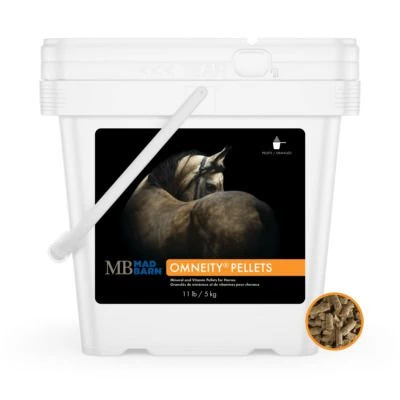
Mad Barn’s Omneity® is a complete, balanced supplement that provides key nutrients to support hoof strength, muscle development, metabolic health, immune function, and coat condition in an easy-to-feed, palatable pellet form.
All horses require access to clean, fresh water at all times. Horses in heavy work or exposed to hot, dry, or variable climates may lose more fluids and electrolytes through sweat, particularly during extended work or travel.
While a salt block can help promote hydration, most horses do not consume enough sodium from a free-choice source alone. Adding approximately 2 tablespoons of loose salt to the daily ration helps support electrolyte balance and proper hydration.
Forage
Forage should form the foundation of every horse’s diet. To maintain optimal digestive function, horses need to consume approximately 2% of their body weight in forage daily. That means the average 900 lb (408 kg) American Indian Horse should eat around 18 lb (8 kg) of hay every day. [17]
For horses prone to metabolic concerns, forage quality matters as much as quantity. Pasture and forages high in hydrolyzable carbohydrates (HC; sugar + starch) can increase the risk of metabolic issues in susceptible horses. [15] Feeding low-HC hay and restricting pasture access can help keep these horses healthy.
A hay analysis is the most accurate way to assess the energy and protein levels in your horse’s hay. This analysis provides valuable information about carbohydrate and mineral levels in the forage, which helps guide optimal dietary adjustments.
Feeding Recommendations
A well-balanced diet supports healthy hooves, skin, joints, and digestion in American Indian Horses, helping maintain overall resilience and adaptability across different environments and workloads.
Most American Indian Horses do not require commercial concentrates in their diet. These horses are typically efficient metabolizers and may be prone to weight gain on energy-dense feeds. Diets high in sugar and starch can increase the risk of digestive upset, excitability, laminitis, and metabolic imbalance. [18][19]
To minimize sugar, starch, and calorie intake, use a concentrated vitamin and mineral supplement in place of grain. If a carrier is needed for supplements, soaked hay pellets or beet pulp provide a safe, fiber-based option without excess starch.
For senior horses or those with dental issues, beet pulp and forage cubes can be easier to chew and digest. Horses that quid or have difficulty breaking down long-stem hay may benefit from soft, easy-to-chew forage options to help maintain body condition.
If additional calories are needed to support body condition or increased workload, consider a fat supplement instead of adding more grain. Sources high in omega-3 fatty acids support joint comfort, coat quality, and overall metabolic health. [20][21]
All American Indian Horses should have access to fresh water and salt at all times. Providing approximately 2 tablespoons of plain loose salt daily helps meet sodium needs and support consistent hydration.

Nutritional Supplements
Supplements can help address targeted concerns in American Indian Horses, but balanced nutrition comes first. Meeting the horse’s basic nutritional needs through appropriate forage and a quality vitamin-mineral supplement is the foundation before adding targeted products.
Mad Barn supplements that may support American Indian Horses include:
- Omneity®: A comprehensive vitamin and mineral supplement with science-backed levels of biotin, amino acids, and pre and probiotics for horses on forage-based diets.
- AminoTrace+: A concentrated, low-NSC vitamin and mineral supplement formulated to support hoof quality, muscle development, antioxidant function, and metabolic health without added calories.
- OmegaPrime+: A higher-potency omega-3 oil that supplies DHA and EPA for horses needing focused support for normal inflammatory balance, joint comfort, and respiratory function.
- W-3 Oil: An omega-3 enriched oil that adds cool calories while supporting body condition, skin quality, coat shine, and DHA intake.
- Visceral+: A comprehensive gastric and hindgut formula for horses that need digestive support, containing probiotics, prebiotics, yeast, and herbs.
Need help creating a feeding plan? Submit your American Indian Horse’s current diet for a free evaluation by Mad Barn’s equine nutritionists.
Frequently Asked Questions
Here are some frequently asked questions about American Indian Horses:
The American Indian Horse is a North American heritage type preserved by the American Indian Horse Registry (AIHR) since 1961. These horses descend from Colonial Spanish horses introduced to the Americas and later shaped by Indigenous breeding programs. Today, the AIHR recognizes multiple classes based on bloodline documentation and type, reflecting the breed’s diversity.
Yes, American Indian Horses trace much of their ancestry to Colonial Spanish horses. Genetic studies of North American heritage horse populations show strong Iberian influence, consistent with their historical origins. This shared ancestry contributes to their conformation, hardiness, and coat characteristics.
American Indian Horses are typically intelligent, alert, and highly responsive to their environment. They are often described as independent thinkers that form strong bonds with consistent handling. With patient training, they are known for their loyalty, willingness, and adaptability.
Yes, many American Indian Horses excel as trail horses due to their stamina, surefootedness, and practical mindset. Their history of traveling long distances over varied terrain contributes to their reliability in outdoor environments. They are also used for ranch work, pleasure riding, and endurance activities.
American Indian Horses occur in a wide range of coat colors and patterns. These include solid colors, pinto patterns, and leopard complex spotting such as blanket, leopard, and varnish roan. Dilute colors like buckskin, dun, and palomino are also common, and there are no color restrictions for registration.
Horses with leopard complex spotting may be predisposed to eye conditions such as equine recurrent uveitis and congenital stationary night blindness. In addition, many American Indian Horses are efficient metabolizers and may be prone to weight gain and obesity, which is linked to equine metabolic syndrome, which can increase the risk of laminitis.
Many American Indian Horses are considered easy keepers due to their efficient metabolism. They often maintain body condition on relatively low-calorie diets compared to other breeds. Careful management is important to prevent weight gain and associated metabolic issues.
American Indian Horses generally do well on a forage-based diet consisting of grass hay or pasture, along with balanced vitamins and minerals. Concentrates are often unnecessary for horses at maintenance, and excess starch and sugar should be avoided. Diets should be adjusted based on workload, body condition, and forage quality.
American Indian Horses vary in size depending on type and breeding background. Most fall within a small to medium range, but both pony-sized individuals and larger riding horses are recognized within the registry. This variation reflects the breed's diverse heritage.
American Indian Horses are versatile and used for trail riding, ranch work, endurance riding, and general pleasure activities. Their stamina, adaptability, and strong work ethic make them suitable for a variety of disciplines rather than a single specialized role.
Some American Indian Horses can be suitable for beginners, particularly individuals with calm temperaments and prior training. However, their sensitivity and intelligence mean they often respond best to confident, consistent handling. Matching the horse's temperament and training level to the rider's experience is key for safe riding and handling.
Conformation varies widely due to the breed's diverse background, but many individuals display traits associated with Spanish-type horses. These may include a refined head, strong neck, deep chest, short back, and well-defined musculature. Overall, the breed emphasizes functional, athletic conformation suited to endurance and versatility rather than a strict show standard.
The cost of an American Indian Horse varies widely depending on pedigree, training, age, and location. Prices can range from a few thousand dollars for untrained or grade horses to higher amounts for well-trained individuals with documented lineage. Availability may also influence pricing due to the breed’s relative rarity.
Summary
The American Indian Horse is a rare North American heritage type shaped by Indigenous stewardship and valued for its hardiness, versatility, and adaptability across diverse environments. Rather than a standardized breed, it represents a functional type defined by performance and resilience.
- Descended from Colonial Spanish horses and developed by Indigenous communities for endurance, intelligence, and environmental adaptability
- The American Indian Horse Registry includes five classification groups that accommodate a wide range of ancestry
- Leopard complex spotting is common in some individuals and is associated with inherited eye conditions such as congenital stationary night blindness and equine recurrent uveitis
- Many American Indian Horses are prone to weight gain, increasing their risk of obesity, laminitis, and metabolic disorders if overfed
- A forage-first diet with controlled access to high-sugar pasture supports digestive health and helps maintain appropriate body condition
References
- Luís. C. et al. Iberian Origins of New World Horse Breeds. Journal of Heredity. 2006.
- Conant. E. K. et al. A Microsatellite Analysis of Five Colonial Spanish Horse Populations of the Southeastern United States. Animal Genetics. 2012. View Summary
- Taylor. W. T. T. et al. Early Dispersal of Domestic Horses into the Great Plains and Northern Rockies. Science. American Association for the Advancement of Science. 2023. View Summary
- Sponenberg. D. P. The Colonial Spanish Horse in the USA: History and Current Status. Archivos de zootecnia. Servicio de Publicaciones. 1992.
- Welcome to AIHR. AIHR. 2026.
- What is an American Indian Horse?. AIHR. 2026.
- Lynghuag F. The Official Horse Breeds Standards Guide. Voyageur Press. 2009.
- Bellone. R. R. et al. Evidence for a Retroviral Insertion in TRPM1 as the Cause of Congenital Stationary Night Blindness and Leopard Complex Spotting in the Horse. PLOS ONE. Public Library of Science. 2013. View Summary
- Rockwell. H. et al. Genetic Investigation of Equine Recurrent Uveitis in Appaloosa Horses. Animal Genetics. 2020. View Summary
- Sandmeyer. L. S. et al. Risk Factors for Equine Recurrent Uveitis in a Population of Appaloosa Horses in Western Canada. Veterinary Ophthalmology. 2020. View Summary
- Ermers. C. et al. The Fibre Requirements of Horses and the Consequences and Causes of Failure to Meet Them. Animals. 2023. View Summary
- Vokes. J. et al. Equine Gastric Ulcer Syndrome: An Update on Current Knowledge. Animals. 2023. View Summary
- Thomasy. S. M. Equine Recurrent Uveitis. Merck Veterinary Manual. 2025.
- Young. A. et al. Congenital Stationary Night Blindness. UC Davis Veterinary Medicine. 2020.
- Watts. K. Pasture Management to Minimize the Risk of Equine Laminitis. Veterinary Clinics of North America: Equine Practice. 2010. View Summary
- Richards. N. et al. Nutritional and Non-Nutritional Aspects of Forage. Veterinary Clinics of North America: Equine Practice. 2021. View Summary
- Nutrient Requirements of Horses: Sixth Revised Edition. National Academies Press, Washington, D.C. 2007. View Summary
- Cipriano-Salazar. M. et al. The Dietary Components and Feeding Management as Options to Offset Digestive Disturbances in Horses. J Equine Vet Sci. 2019.
- Geor. R. J. Metabolic Predispositions to Laminitis in Horses and Ponies: Obesity, Insulin Resistance and Metabolic Syndromes. Journal of Equine Veterinary Science. 2008.
- Manhart. D. R. et al. Markers of Inflammation in Arthritic Horses Fed Omega-3 Fatty Acids. The Professional Animal Scientist. 2009.
- Richards. T. et al. Effects of Dietary Camelina, Flaxseed, and Canola Oil Supplementation on Transepidermal Water Loss, Skin and Coat Health Parameters, and Plasma Prostaglandin E2, Glycosaminoglycan, and Nitric Oxide Concentrations in Healthy Adult Horses. Journal of Animal Science. 2023. View Summary