English
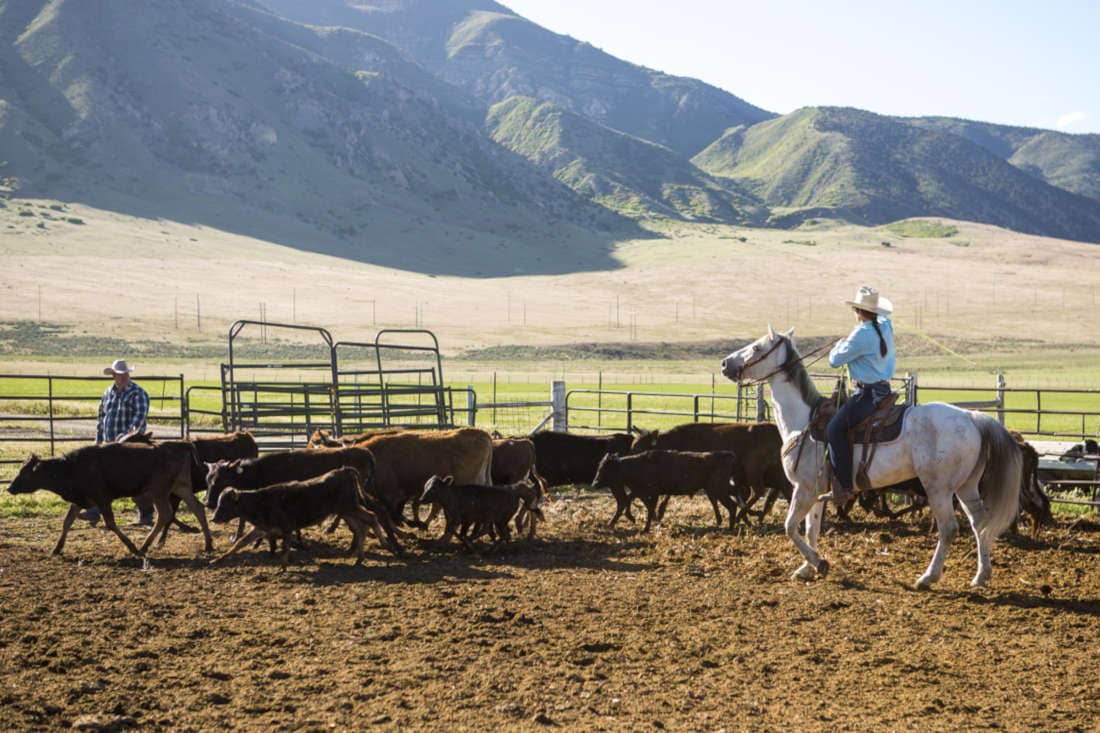
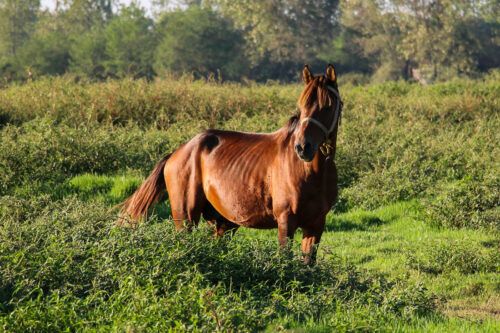
Stock horses are compact, muscular breeds known for working cattle and performing western sport disciplines. The stock horse is a type rather than a breed, and some of the most recognizable breeds in this group include the American Quarter Horse, the Morgan, and the American Paint Horse.
Historically, ranchers raising cattle, sheep and other livestock needed horses that could cover long distances, maintain focus under pressure, and execute precise maneuvers around unpredictable animals. Over time, these working conditions produced recognizable horses shaped by utility, durability, and steadiness.
Unlike breeds refined for racing, draft power, or exhibition movement, stock horses were bred for “cow sense” and efficiency in agricultural labor. This horse type is defined by quick acceleration, hard stops, balanced turns, and clear responses. Reliable stock horses are attentive without being reactive, and energetic without sacrificing control.
Keep reading to learn more about stock horses, including their history and development, health concerns, and care and nutrition tips.
Stock Horse History
Stock horses were developed to meet the practical demands of livestock management, where riders were needed to move cattle and sheep across large areas. Unlike horses bred for warfare, transport, or sport, these were shaped by agricultural necessity.
Stock horses trace their roots back to Iberian equines introduced during the colonial period. As cattle industries expanded across open rangelands, horses became indispensable for ranching economies. Over generations, selective breeding emphasized traits that improved cattle handling efficiency. [1]
In North America, stock horse breeding favored compact, muscular builds suited to working long hours under saddle. Quick acceleration, sharp turns, and firm stops supported handling livestock in close quarters, where precise control was needed. [2]
In Australia, work on large cattle and sheep stations led to selection for stamina and durability. Horses often covered long distances across uneven terrain while still gathering and moving livestock through open range.
Reliable behavior under pressure and steady performance during long workdays were essential, shaping this type over time. [3]
| Stock Horse Summary | |
|---|---|
| Type Name | Stock Horse |
| Also Known As |
|
| Breed Type |
|
| Origin |
|
| Representative Breeds |
|
| Breed Registries | Multiple registries depending on breed, including
|
| Population Status |
|
| Average Height |
|
| Average Weight |
|
| Common Coat Colors |
|
| Conformation |
|
| Lifespan |
|
| Price Range |
|
| Common Uses |
|
| Temperament |
|
| Best For |
|
| Common Health Concerns | Varies by breed; may include
|
Stock Horse Characteristics
Traditional stock horse build, behavior, and use set them apart from other horse groups. These traits reflect a balanced mix of function, control, and versatility shaped through long-term livestock handling over time.
Conformation
Stock horses have a practical, work-focused conformation, with most standing between 14.2 and 16 hands tall. Compact, muscular builds support daily agricultural work across varied terrain and long hours. [1]
Deep chests and short cannon bones provide strength and durability for sustained activity, while lower-set hocks allow efficient weight shifts during sliding stops, rollbacks, and tight turns. [1]
Well-developed hindquarters, including a strong gaskin and stable stifle, support quick lateral movement and controlled paces used in ranch work and performance events, where balance and responsiveness are essential. [1]
Temperament
Stock horses are known for their strong work ethic, steady temperament, and calm behavior under pressure. These traits were shaped by regular exposure to unpredictable livestock, noise, and tight spaces. [1]
Many stock horses are selected for their “cow sense,” their instinctive awareness of livestock movement and behavior. Skilled stock horses read subtle shifts in posture or direction and adjust their position in response. Horses who anticipate cattle movement reduce rider input, improve handling efficiency, which supports safety during livestock management.
Most stock horses offer a combination of calm behavior, adaptability, and reliability that make them suitable for riders across a variety of experience levels.
Disciplines
Stock horses bridge traditional ranch work and modern equestrian sport. Many still support livestock operations across large landscapes, where steady movement and quick response are essential for managing cattle. Those same physical traits also carry into competitive events, supporting speed, control, and precise handling in performance settings. [1]
Stock horses’ natural athleticism makes them well-suited to sports that evolved from cattle handling, such as:
Each discipline tests a different part of the stock horse’s working skill set, but all draw on the same core traits shaped through centuries of livestock work.
What's your top priority with your horse's health?

What's your top priority with your horse's health?
Stock Horse Breeds
Several modern breeds reflect the stock horse type, each shaped by regional conditions and livestock systems.
American Quarter Horse
American Quarter Horses are one of the most widely recognized modern stock breeds. They are foundational to western cattle operations due to their compact strength, rapid acceleration, and ability to rate and track livestock.
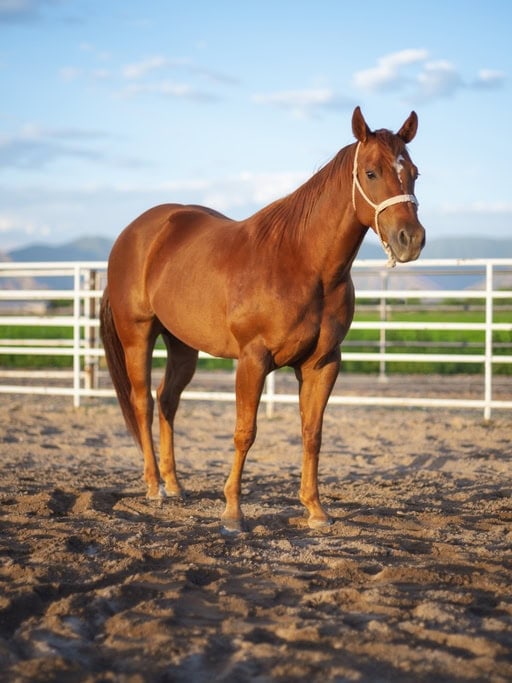
Their balance between speed and control make American Quarter Horses especially effective in confined working environments where quick decisions and responsiveness are required. Selective breeding for cutting, reining, and cattle disciplines refined the breed’s cow sense and maneuverability over generations. [2][3]
American Quarter Horses typically have short, wide heads with small ears and deep, broad chests. Many have downhill builds compared to other sport horses, which supports their balance during quick stops and turns. [3]
Australian Stock Horse
Australian Stock Horses have powerful hindquarters, slender necks, and sloping shoulders, with a variety of coat colors reflecting their diverse ancestry. They are distinguished by their stamina, endurance, and adaptability to unforgiving terrain.
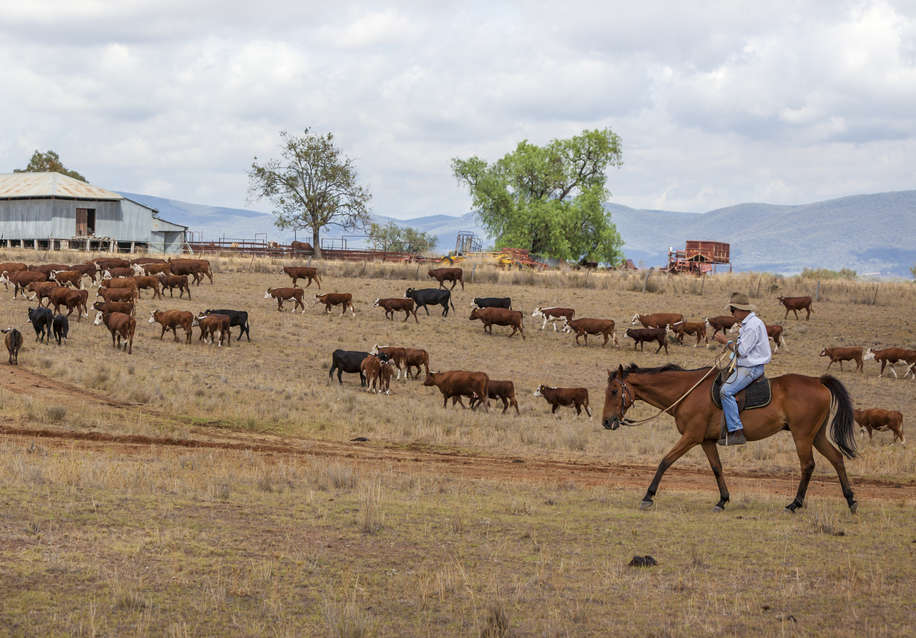
Long-distance travel, open-country management, and harsh conditions emphasized breeding for versatility, soundness, and steadiness over performance traits tied to specific maneuvers. [4][5]
American Paint Horse
American Paint Horses share ancestry with American Quarter Horses and often perform similar stock work on ranches and in competition. A compact build, quick movement, and the ability to handle cattle are common in this type, though some individuals with Thoroughbred influence show a lighter frame while still retaining stock horse function. [6]
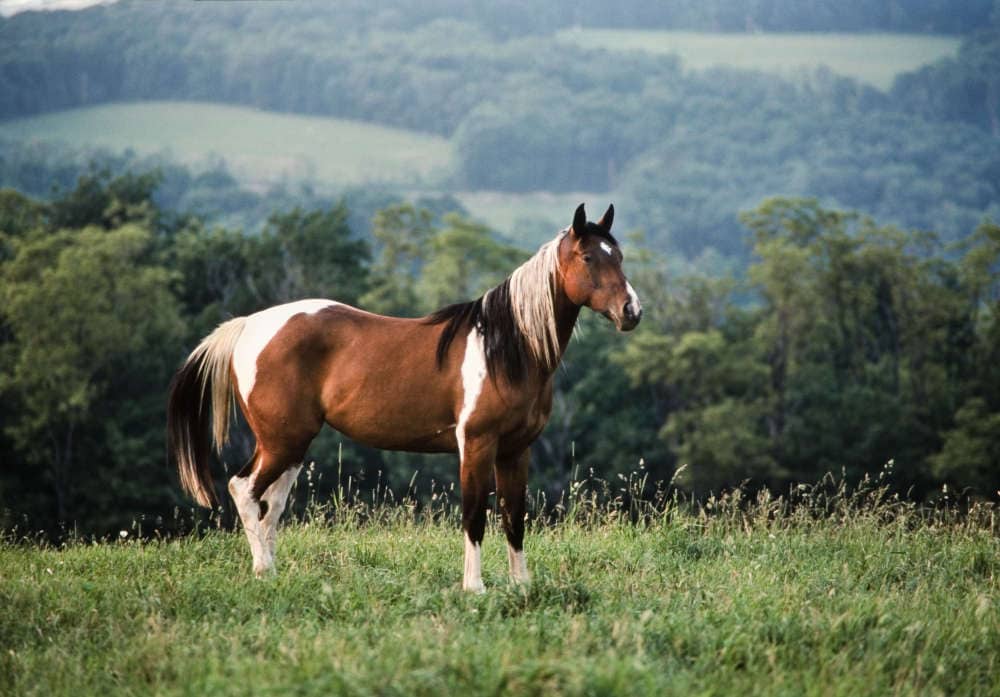
Coat patterns set American Paint Horses apart from other stock breeds, with multicolored markings such as tobiano, overo, and tovero. Registry standards are built on a stock horse genetic base, so the American Paint Horse is often understood as a color registry layered onto a working type, combining coat pattern with established performance traits. [6]
Morgan Horse
Morgan Horses rank among the earliest established breeds in the United States. While not always classified as a stock breed, their history shows consistent use as practical utility horses across agriculture, transport, and military service. [7]
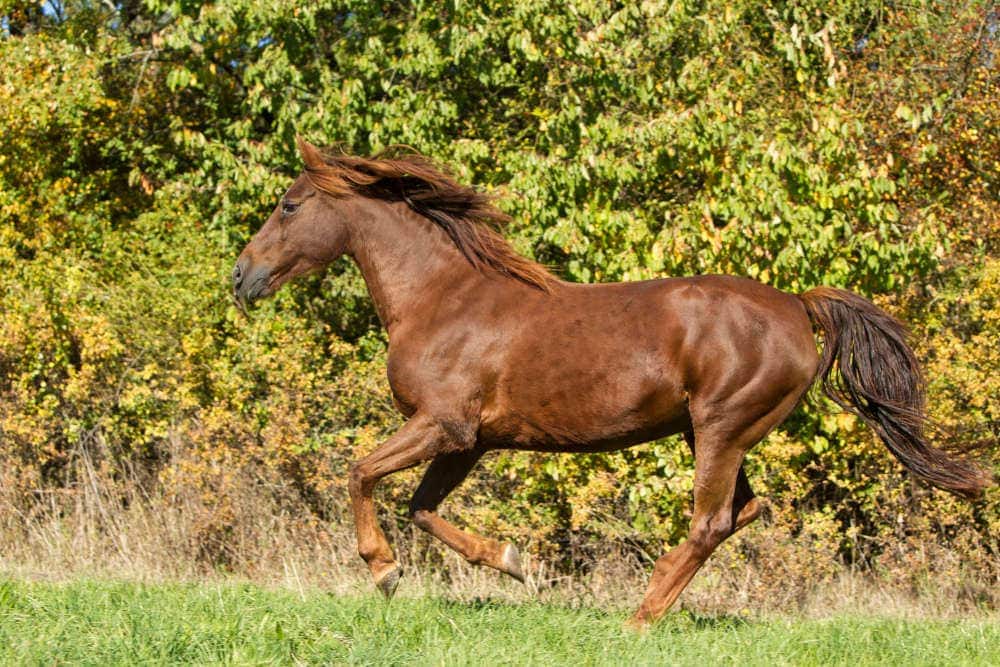
Morgan horses trace their ancestry to a bay stallion named Figure (later called a ‘Justin Morgan horse‘) who was foaled in 1789. Figure was famous for his strength, stamina, and athletic ability. His offspring inherited the same traits, establishing the modern Morgan breed. [8]
Modern Morgans usually stand between 14 and 15 hands tall. They have expressive heads with large eyes and short, wide-set ears, along with a deep throatlatch and an upright, arched neck. A longer topline sets them apart from other stock horse types. [9]
Criollo
Modern Criollos trace their roots to Spanish horses brought to the Río de la Plata region in 1535 by Spanish settlers. Natural selection favored horses who could handle heat, cold, low-quality forage, and long travel across open grasslands, eventually becoming the hardy and resilient Criollo. [10]
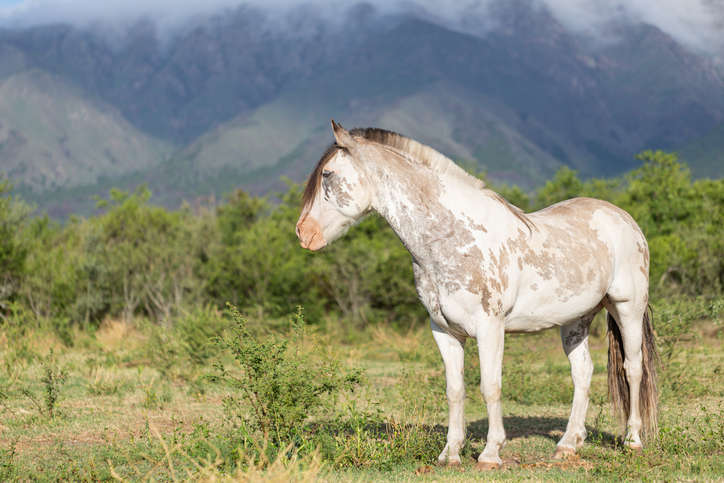
Throughout the nineteenth century, crossbreeding with Thoroughbred and draft horses threatened to dilute the original type. In response, Argentina established formal breed standards and a registry in the early twentieth century to restore traditional Criollo characteristics. [11]
Criollos average 14.3 hands tall. They have broad foreheads, straight or slightly convex profiles, short backs, sloped shoulders, and strong limbs. Agile movement, soundness, and stamina support its continued use as a reliable working stock horse. [10]
Stock Horse Health
Stock horse breeds are susceptible to unique health concerns based on their workloads, genetics, and management.
Genetic Health Concerns in Stock Horses
Stock horses include a range of breeds such as the American Quarter Horse, American Paint Horse, Morgan, and Criollo, each with distinct genetic risk profiles influenced by lineage and breeding practices. Some inherited conditions are well-characterized and widely tested, while others are less common or still under investigation.
Among these breeds, American Quarter Horses and related lines have the highest prevalence of documented inherited disorders, many of which are screened using standardized genetic panels.
The most common genetic conditions within Quarter Horse lines include: [12][13][14][15][16][17][18][19][20]
- Polysaccharide Storage Myopathy (PSSM): A muscle disorder affecting glycogen storage, leading to stiffness, poor performance, and tying-up. PSSM1 is caused by a mutation in the GYS1 gene and is relatively common in Quarter Horses, while Morgans have a lower prevalence. PSSM2 can also occur but has an unknown cause.
- Hyperkalemic Periodic Paralysis (HYPP): A disorder originating from Quarter Horse bloodlines that disrupts muscle function, causing tremors, weakness, and, in severe cases, collapse or sudden death. HYPP has also been observed in related breeds and in rare cases with similar clinical presentation in Criollos, though without the same confirmed mutation.
- Hereditary Equine Regional Dermal Asthenia (HERDA): A recessive disorder in Quarter Horses caused by defective collagen formation, resulting in fragile skin that tears easily and heals poorly.
- Glycogen Branching Enzyme Deficiency (GBED): A fatal recessive disease that impairs glycogen storage, typically resulting in stillbirth or death within the first few weeks of life.
- Malignant Hyperthermia (MH): A condition triggered by stress or certain anesthetics, causing excessive muscle contraction and dangerously high body temperature.
- Overo Lethal White Syndrome (OWLS): A recessive disorder in American Paint Horses associated with the frame overo coat pattern, resulting in foals born with an underdeveloped intestinal tract and a non-survivable condition.
Other stock horse breeds show different patterns of genetic risk. Morgan horses have a relatively low prevalence of PSSM1 compared to other stock breeds, although muscle disorders can still occur. [14] In contrast, Criollo horses exhibit high genetic diversity, which may reduce the overall risk of inherited disease and improve adaptability and fertility. [21]
With that being said, there have been isolated reports of Criollos with disorders that resemble inherited conditions seen in other breeds, including HYPP-like syndromes and neurologic disorders such as Wobbler syndrome. [16][22]
Additionally, their genetic link to Iberian breeds suggest potential susceptibility to conditions such as osteochondrosis dissecans and metabolic disorders. [23]
Overall, genetic risks in stock horses vary widely by breed and bloodline, and are best managed through informed breeding decisions and appropriate genetic testing where available.
Health Problems
Repetitive, high-impact movements seen in livestock work and western disciplines place stress on stock horse joints and soft tissues, with hocks, stifles, fetlocks, and the suspensory system often affected.
Over time, these activities may contribute to joint inflammation, soft tissue strain, or degenerative changes if conditioning and workload are not carefully managed. Proper hoof care and gradually increasing intensity of work help ensure stock horse soundness.
Many stock horses are easy keepers, with efficient metabolisms that help them easily maintain body condition on limited forage. Lower activity levels in domestic settings can increase a stock horse’s risk of weight gain and insulin dysregulation.
Careful dietary management, maintenance of appropriate body condition, and consistent exercise are important to support their metabolic health.
Care and Management
To keep stock horses healthy, provide consistent, preventive care that supports their musculoskeletal health, workload demands, and overall resilience. Work with your veterinarian and farrier to ensure your stock horse’s care plan includes:
- Veterinary Exams: Schedule regular veterinary check-ups to monitor soundness, metabolic health, and overall condition, particularly in horses used for performance or ranch work.
- Vaccinations: Follow a vaccination schedule recommended by your veterinarian, especially for horses that travel, compete, or are exposed to other livestock.
- Dental Care: Routine dental exams and floating support proper chewing, weight maintenance, and comfort under saddle.
- Parasite Management: Implement a targeted parasite control program based on fecal egg counts and veterinary guidance to maintain digestive health and body condition.
- Hoof Care: Consistent farrier care is essential to support balance, traction, and durability. Horses working on varied terrain or performing athletic maneuvers may require specialized trimming or shoeing.
- Turnout & Exercise: Daily turnout and regular exercise help maintain joint health, muscle tone, and mental well-being, especially for horses used in intermittent or seasonal work.

Stock Horse Nutrition
A stock horse’s nutritional needs are based on individual body weight, workload, and metabolism. Forage is the foundation of most diets, with additional feeds adjusted to match each horse’s activity level and body condition. Working with an equine nutritionist can help build a tailored feeding program suited to your horse’s needs.
Weight Maintenance
Many stock horses are considered easy keepers, meaning they can maintain their weight more easily than other types. This can lead to excess weight gain in stock horses that have unrestricted forage or lower work loads.
Overweight horses have a higher risk of laminitis and limited performance. Body condition scoring can help determine whether your horse is at a healthy weight, and guide feeding adjustments as needed.
Other weight management strategies include slow feeders and small-hole hay nets which can extend a horse’s eating time while moderating their overall intake.
Sample Diet
Below is a sample diet for a mature, 500 kg (1,100 lb) stock horse type at maintenance (not exercising).
| Feed | Maintenance Diet (Amount / Day) |
|---|---|
| Mid-Quality Hay (8% Crude Protein) | 7.5 kg (22 lb) |
| Salt | 30 g (2 tbsp) |
| Omneity® Pellets | 200 g (2 scoops) |
| Diet Analysis | |
| Digestible Energy (% of Req) | 106% |
| Protein (% of Req) | 113% |
| NSC (% Diet) | 8.8% |
Most stock horses can meet their energy and protein needs on a forage-based diet, provided the hay is of adequate quality and fed in amounts appropriate for body weight, workload, and metabolic type. However, many types of hay are naturally low in certain essential vitamins and minerals. [24]
To balance the diet, feed a comprehensive vitamin and mineral supplement that corrects common deficiencies without adding unnecessary sugars or calories.
Mad Barn’s Omneity® is a complete, balanced supplement that provides key nutrients to support hoof strength, muscle development, metabolic health, immune function, and coat quality in an easy-to-feed, palatable form.
All horses require free access to clean, fresh water at all times. Stock horses used for ranch work, performance, or long riding sessions may lose significant fluids and electrolytes through sweat, particularly in hot weather or during extended periods of activity.
While a salt block can help promote hydration, horses may not consume enough sodium from a free-choice source alone. Adding approximately 2 tablespoons of loose salt to the daily ration helps support electrolyte balance and proper hydration.
Forage
The amount of forage a stock horse needs depends on body weight, workload, and metabolic type. Most horses consume around 2% of their body weight in dry matter each day. For example, an 1,100 lb (500 kg) stock horse will eat approximately 22 lb (10 kg) of hay daily on a forage-only diet. [24]
The best hay for a stock horse depends on energy requirements, workload, and metabolic efficiency. Mid-maturity grass hay is often ideal, providing moderate energy and fiber without excessive sugars that can contribute to weight gain or metabolic issues in easy-keeping horses.
Stock horses in regular work, training, or competition may benefit from higher-calorie forage sources such as alfalfa, which supplies additional protein and energy to support muscle recovery and sustained performance. If protein requirements are already met, beet pulp is a suitable low-starch option for adding calories.
Free-choice hay supports digestive and behavioral health, but many stock horses have an efficient metabolism and may gain excess weight if forage is unrestricted. Using slow feeders can help extend feeding time for horses with restricted rations.
When turned out on pasture, stock horses may require controlled grazing during spring and fall when grass sugar levels are highest. Grazing muzzles or turnout on dry lots can help prevent overconsumption and reduce the risk of metabolic issues or laminitis.
A forage analysis is the best way to determine if your hay meets your horse’s nutritional requirements and to identify any deficiencies that may require supplementation.
Feeding Recommendations
A well-balanced diet supports healthy hooves, skin, joints, and digestion in stock horses, helping prevent nutrition-related health issues that can affect comfort, performance, and longevity.
Most stock horses do not require commercial concentrates when fed adequate forage. Many stock-type breeds are efficient metabolizers and prone to excess weight gain, particularly in light work or maintenance. High-starch or high-sugar feeds can increase the risk of digestive upset, excitability, laminitis, and metabolic imbalance. [25][26]
To minimize sugar, starch, and excess calorie intake, use a concentrated vitamin and mineral supplement in place of grain. If a carrier is needed for supplements, soaked hay pellets or beet pulp provide a safe, fiber-based option without excess starch.
For senior horses or those with dental issues, beet pulp and forage cubes can be easier to chew and digest. Horses that quid or have difficulty chewing long-stem forage may benefit from softer alternatives to help maintain body condition.
If additional calories are needed to maintain condition or support moderate to intense work, consider a fat supplement instead of adding more grain. Sources high in omega-3 fatty acids support joint comfort, coat quality, and metabolic health. [27][28]
All stock horses should have access to fresh water and salt at all times. Providing approximately 2 tablespoons of plain loose salt daily helps meet sodium requirements and supports hydration, especially in working horses.
Nutritional Supplements
Targeted nutritional support from supplements can help maintain health, performance, and recovery in stock horses. Always ensure your horse’s diet is balanced before adding supplements.
Depending on your horse’s workload, metabolic type, and forage quality, supplements to consider include:
- Natural Vitamin E supports muscle recovery, neurological function, and antioxidant defense, particularly in horses without regular access to fresh pasture.
- OmegaPrime+ supplies a concentrated source of DHA and EPA for horses needing targeted omega-3 support. It helps maintain joint comfort, respiratory function, and normal inflammatory balance.
- w-3 Oil provides omega-3 enriched fat to support body condition and coat quality. It also serves as a calorie-dense energy source for horses in moderate to intense work.
- Magnesium Oxide supports muscle function, metabolic health, and may help promote calm behavior in some horses.
Submit your stock horse’s diet online for a free evaluation from our qualified equine nutritionists.
Frequently Asked Questions
Here are some frequently asked questions about stock horses:
A stock horse is a type of horse developed for working with livestock, particularly cattle and sheep. These horses were bred for practical ranch tasks such as herding, sorting, and controlling animals in open or confined spaces. Breeds such as the American Quarter Horse, American Paint Horse, Australian Stock Horse, and Criollo are classic examples of this type. Today, stock horses are used in both traditional ranch work and western performance disciplines.
Common stock horse breeds include the American Quarter Horse (AQH), American Paint Horse (APH), Australian Stock Horse, and Criollo. Morgan horses are also sometimes included due to their history as versatile working animals in North America. Each breed developed under different environmental and cultural conditions but shares similar traits suited to livestock work. These breeds combine athletic ability, trainability, and durability.
Stock horses are used for working livestock, including herding, sorting, roping, and general ranch work. They are also widely used in western performance events such as reining, cutting, and reined cow horse competitions. Breeds like the American Quarter Horse and Australian Stock Horse are especially prominent in these disciplines. Their versatility also makes them popular for recreational riding and ranch versatility events.
Stock horses are typically compact, muscular, and well-balanced, with strong hindquarters that support quick acceleration and powerful stops. They often have a broad chest, short back, and lower-set hocks that allow for agility and control. These traits are especially evident in breeds like the American Quarter Horse and Criollo. Their conformation is designed for efficiency, durability, and precise movement.
Stock horses generally stand between 14.2 and 16 hands high and weigh between 950 and 1,250 pounds. Breeds such as the Morgan and Australian Stock Horse may fall toward the upper end of this range, while Criollos are often more compact. This moderate size allows for both agility and strength. Individual size varies based on breeding and intended use.
Stock horses are known for their calm, responsive, and trainable temperament. Breeds like the American Quarter Horse and Morgan are especially valued for their steady disposition and willingness to work. These horses are typically attentive to rider cues while remaining composed around livestock. This combination of sensitivity and reliability makes them well suited to both work and competition.
Cow sense refers to a stock horse’s ability to read and anticipate the movement of livestock. Horses with strong cow sense can position themselves effectively with minimal rider input, improving efficiency and safety. This trait is particularly valued in breeds like the American Quarter Horse and American Paint Horse used in cutting and cow horse events. It develops through both genetics and experience.
Stock horses are often suitable for beginner riders due to their generally steady temperament and willingness to work. Many American Quarter Horses and Paint Horses are known for being calm and forgiving when properly trained. However, suitability depends on the individual horse’s experience and training. Matching the horse to the rider remains important for safety and confidence.
Many stock horse breeds, including the American Quarter Horse and Criollo, are considered easy keepers. This means they can maintain body condition on relatively modest feed intake. While this efficiency is beneficial in working environments, it can lead to weight gain in domestic settings. Careful management of diet and exercise is important to prevent obesity.
Stock horses should be fed a forage-based diet consisting primarily of hay or pasture. Efficient breeds such as the Criollo and Australian Stock Horse often require careful calorie control to avoid weight gain. A balanced intake of vitamins and minerals supports overall health and performance. Diets should be adjusted based on workload, age, and body condition.
Stock horses typically require 1.5 to 2 percent of their body weight in forage each day on a dry matter basis. This intake supports digestive health and energy needs. Horses in heavier work may require additional calories, while easy keepers may need restricted intake. Consistent forage access supports natural feeding behavior.
Stock horses may be prone to joint and soft tissue injuries due to the physical demands of ranch work and performance events. Breeds such as the American Quarter Horse may also be predisposed to certain genetic or metabolic conditions depending on lineage. Obesity, insulin dysregulation, and laminitis are common concerns in easy-keeping individuals. Preventive care and proper conditioning help reduce risk.
The cost of a stock horse varies widely depending on breed, training, and intended use. American Quarter Horses and Paint Horses with performance records often command higher prices, while less specialized horses may be more affordable. Prices can range from a few thousand dollars to significantly higher for competition horses. Ongoing care and training costs should also be considered.
Stock horses are generally adaptable and can perform well in a variety of environments. Breeds such as the Criollo and Australian Stock Horse are particularly known for their ability to thrive in harsh or variable conditions. With proper management, most stock horses can adjust to different climates and workloads. Their adaptability contributes to their global popularity.
Stock horses differ from other types in their emphasis on agility, responsiveness, and livestock-handling ability. Unlike breeds developed primarily for speed or appearance, stock horse breeds such as the American Quarter Horse and Criollo were selected for practical working traits. Their combination of physical build and behavioral traits supports precise, controlled movement. This makes them uniquely suited to both ranch work and western performance sports.
Summary
Stock horses are a functional type developed for livestock work, known for their agility, control, and strong cow sense. These horses are widely used in ranching and western disciplines, with traits shaped by practical demands rather than appearance.
- Stock horses are compact, muscular horses bred for cattle handling, with traits like quick acceleration, sharp turns, and responsiveness
- This type includes breeds such as the American Quarter Horse, American Paint Horse, Morgan, Australian Stock Horse, and Criollo
- Selective breeding emphasized stamina, durability, and calm behavior under pressure for effective livestock management
- Genetic health risks vary by breed, with Quarter Horses more commonly affected by conditions like HYPP, PSSM, and HERDA
- Many stock horses are easy keepers and may be prone to weight gain and metabolic issues without proper diet and exercise
References
- McCall. C. A. Light Horse Breed Types and Uses. Alabama Cooperative Extension System. 2011.
- Petersen. J. L. et al. The American Quarter Horse: Population Structure and Relationship to the Thoroughbred. Journal of Heredity. 2014.
- What Is a Quarter Horse?. AQHA. 2026.
- Burke. D. Australian Stock Horse. Burke’s Backyard. 2013.
- Campdrafting. The Australian Stock Horse Society.
- Registration Guides. APHA: American Paint Horse Association. 2026.
- Dutson. J. Storey's Illustrated Guide to 96 Horse Breeds of North America. North Adams, MA : Storey Pub. 2005.
- Tippin. B. L. History Lesson | Justin Morgan. The Morgan Horse. 2015.
- Judging Standards. AMHA. 2014.
- Argentine Criollo Horses - Oklahoma State University. Oklahoma State University. 2021.
- Vila. F. et al. The Criollo Horse in Uruguay. Animal Genetic Resources. 1997.
- Firshman. A. et al. Epidemiologic characteristics and management of polysaccharide storage myopathy in Quarter Horses. Am J Vet Res. 2003. View Summary
- McCue. M.E. et al. Estimated prevalence of the Type 1 Polysaccharide Storage Myopathy mutation in selected North American and European breeds. Anim Genet. 2010. View Summary
- Valberg. S. J. Exertional Myopathies in Horses. Merck Veterinary Manual. 2024.
- Rudolph. J. et al. Periodic paralysis in Quarter Horses: a sodium channel mutation disseminated by selective breeding. Nature Genet. 1992.
- Diakakis. N. et al. Hyperkalaemic periodic paralysis-like syndrome in a Criollo Argentino horse. Equine Vet Ed. 2010.
- Rashmir-Raven. A. et al. Hereditary equine regional dermal asthenia (HERDA) in Quarter Horses: A review of clinical signs, genetics and research. Equine Vet Ed. 2015.
- Wagner. M. et al. Allele Frequency and Likely Impact of the Glycogen Branching Enzyme Deficiency Gene in Quarter Horse and Paint Horse Populations. J Vet Intern Med. 2008. View Summary
- Aleman. M. et al. Malignant Hyperthermia Associated with Ryanodine Receptor 1 (C7360G) Mutation in Quarter Horses. J Vet Intern Med. 2009.View Summary
- Frank. N. et al. Equine Metabolic Syndrome. J Vet Intern Med. 2010.View Summary
- Corbi-Botto. C. et al. Genomic structural diversity in Criollo Argentino horses: Analysis of copy number variations. Gene. 2019.View Summary
- Cardona. J. et al. Cervical vertebral stenotic myelopathy (CVSM) in a Colombian Criollo Horse. Revista Colombiana de Ciencia Animal. 2014.
- Vega-Pla. J. et al. P4051 Genetic relationships between Iberian and Criollo horse breeds. J Anim Sci. 2016.
- National Research Council. Nutrient Requirements of Horses. National Academies. 2007. View Summary
- Cipriano-Salazar. M. et al. The Dietary Components and Feeding Management as Options to Offset Digestive Disturbances in Horses. J Equine Vet Sci. 2019.
- Geor. R. J. Metabolic Predispositions to Laminitis in Horses and Ponies: Obesity, Insulin Resistance and Metabolic Syndromes. Journal of Equine Veterinary Science. 2008.
- Manhart. D. R. et al. Markers of Inflammation in Arthritic Horses Fed Omega-3 Fatty Acids. The Professional Animal Scientist. 2009.
- Richards. T. et al. Effects of Dietary Camelina, Flaxseed, and Canola Oil Supplementation on Transepidermal Water Loss, Skin and Coat Health Parameters, and Plasma Prostaglandin E2, Glycosaminoglycan, and Nitric Oxide Concentrations in Healthy Adult Horses. Journal of Animal Science. 2023. View Summary