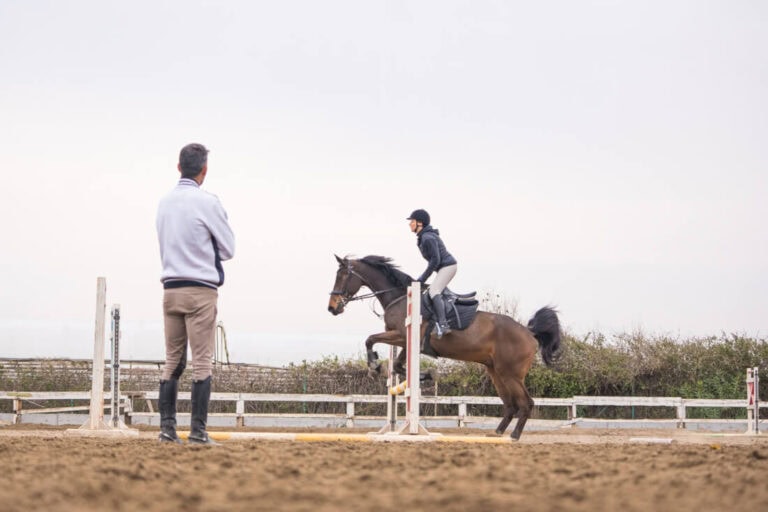
As riders, we are constantly working to improve our skills for both ourselves and our horses. We know that our actions in the saddle can be the difference between a 12-fault round and a flawless double clear. We want to...
Riding a green horse can be both a challenge and a valuable learning experience for skilled equestrians. Green horses are horses that are still learning the fundamentals of communication, balance, and trust, which means every interaction shapes their development. Regardless...

Starting horseback riding lessons is an exciting step for anyone eager to connect with horses and learn a new skill. Riding offers many benefits, including physical exercise, improved balance and coordination, and a deeper understanding of horse behavior. For beginners,...
Understanding equine personality is essential for building strong relationships with horses and ensuring effective training, care, and welfare. Horses possess unique temperaments and behaviors that influence their interactions with the world. Recognizing the genetic and environmental influences of these traits...
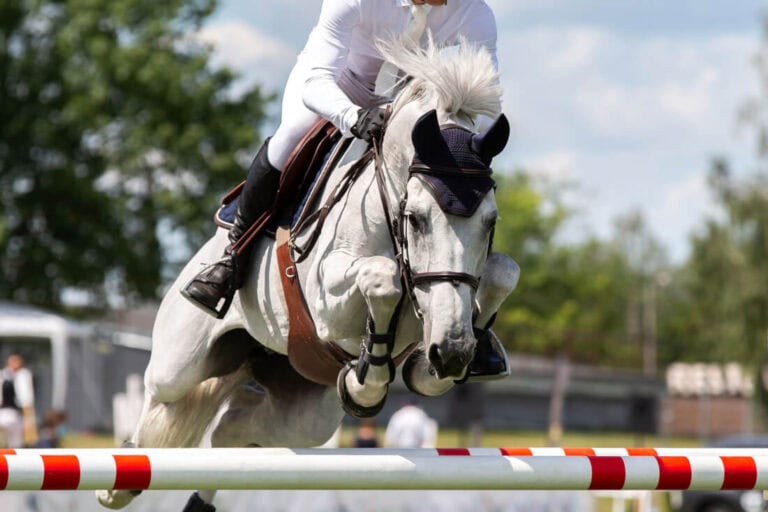
Welfare in equestrian sports, particularly in show jumping, is fundamental to ensuring the long-term health, happiness, and well-being of the horses involved. Show jumping is a sport that demands speed, precision, and agility, all which place significant physical and mental...
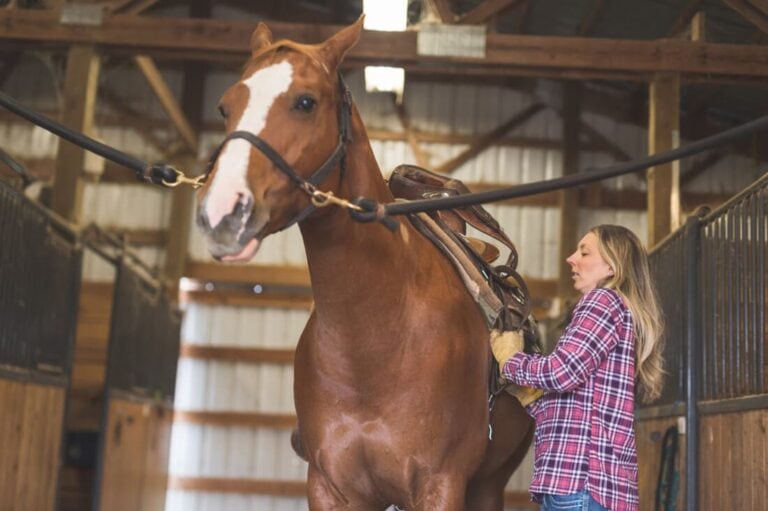
Cross ties are a key handling tool in equine management, providing a practical way to keep horses still during grooming, tacking, farriery and veterinary care. When used properly, cross ties can improve safety and efficiency while helping horses learn to...
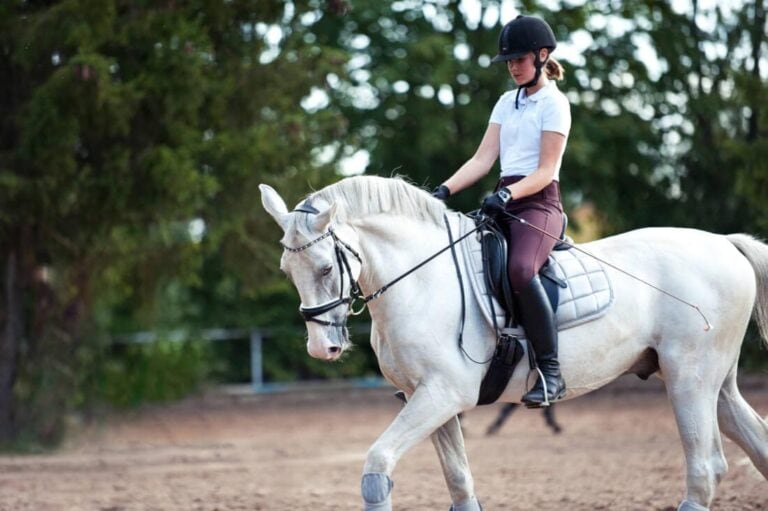
Riding involves more than just passively sitting on a horse — it's a partnership that relies on clear communication and mutual understanding. Rider's aids are the tools we use to convey our intentions to the horse, guiding their movements and...
Recognizing the underlying causes of aggression is crucial to preventing dangerous situations and fostering positive human-horse interactions. Understanding the root causes of aggressive behavior and implementing effective management strategies are essential for ensuring the safety and well-being of both horses...
Social License to Operate (SLO) is the informal but important public approval that lets industries operate without major opposition. In equestrian sport, SLO reflects how the public views the sport’s ethics, transparency, and care for animal welfare. The level of...
Securing a horse safely while grooming, tacking up, or providing veterinary care is a fundamental skill in horse management. However, improper tying and hitching methods can lead to stress, injury, or dangerous behavioral issues. When selecting a hitching system, it's...
Horses are intelligent and perceptive animals. Through proper training, we can teach them to do all sorts of incredible things – from fun tricks to complex dressage movements, the possibilities are almost endless. The horse’s brain is very different from...
Rollkur, or hyperflexion, is a technique used in equestrian disciplines to create a compact, low, and rounded horse posture. It involves excessive flexion of the horse’s neck, where the horse’s head is drawn back towards its chest, potentially exceeding its...
Tongue ties are devices commonly used in horse racing to restrict a horse's tongue, which helps improve control and optimize upper airway function. Typically made from materials such as cloth, leather, or elastic, these devices are tied around the tongue...
Oral health is crucial to a horse's overall well-being. This article covers the various types of oral lesions that horses can develop, potential causes, and how to prevent them. By understanding the signs and causes of oral lesions, owners can...
Ring sour refers to resistance or frustration behaviors in performance horses, often occurring during ring work in training or competition settings. Horses, like humans, can become frustrated by difficult, repetitive tasks, especially when the task lacks variety or causes confusion...
It’s a situation that many equestrians know well – it’s a beautiful day and you’ve decided to take your horse on a hack, just the two of you. But the peace and serenity doesn’t last long as your horse begins...
Equine tail alteration practices, including tail docking, nicking, and blocking, are highly controversial. These procedures involve modifying or removing parts of the tail, primarily for aesthetic or competitive purposes. Such practices raise significant welfare concerns due to the associated pain...
Branding is a traditional practice used to permanently mark horses for identification purposes. This method involves creating a lasting mark on a horse's skin by applying either a heated iron (hot branding) or a supercooled iron (freeze branding). While branding...
Spookiness refers to a sudden and frequently exaggerated reaction to a perceived threat. Spooky behavior can manifest in several different ways, including bolting, spinning, jumping, or freezing in place. Spooking is a natural behavior that has its roots in the...
Around the world, there's a growing demand for a shift in the equine industry towards prioritising the health and well-being of domestic horses, a movement that has reached a pivotal moment. Stakeholders within the industry, including horse owners, professionals, regulators...
Nosebands have been part of bridles for nearly 4,000 years. [ref n="1"] They can have different functions depending on their design, placement on the face, material and tightness. Many people only use nosebands because they are expected or required in...
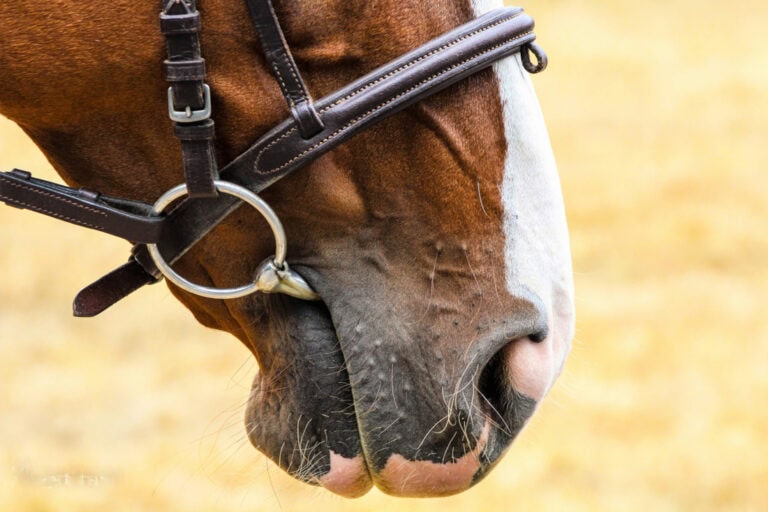
Bits are a common component of riding equipment, used by the vast majority of riders. Bits play a pivotal role in communication between the horse and rider, and the choice of bit can influence the horse's responsiveness to cues. Horse...