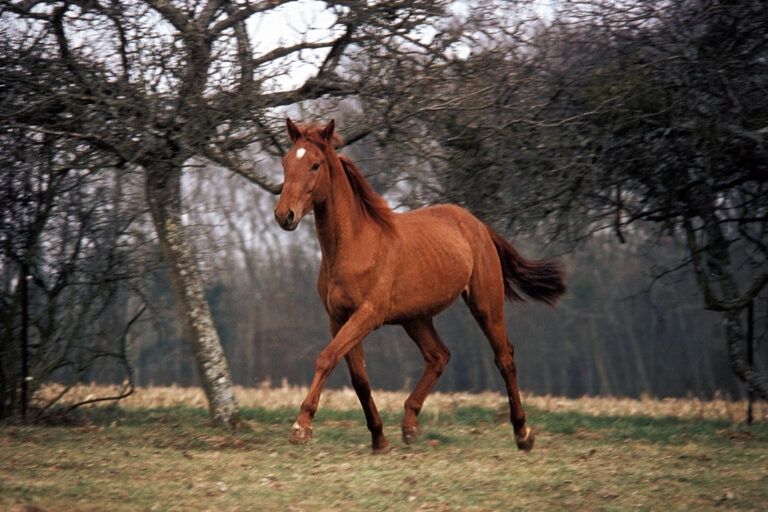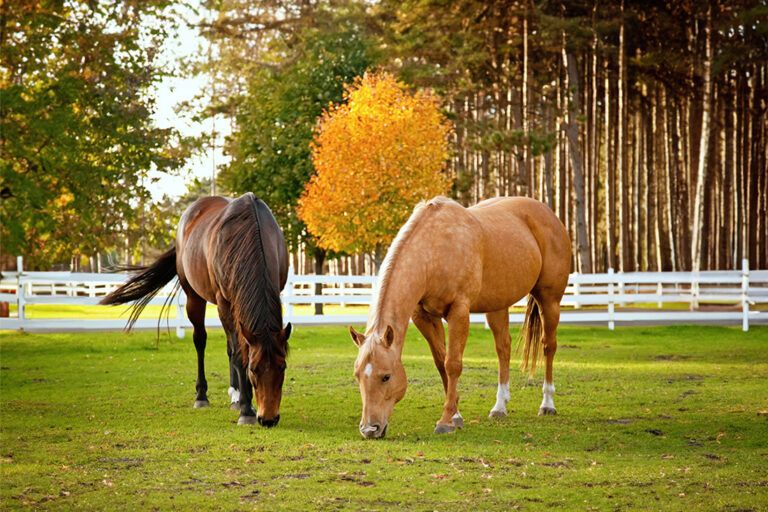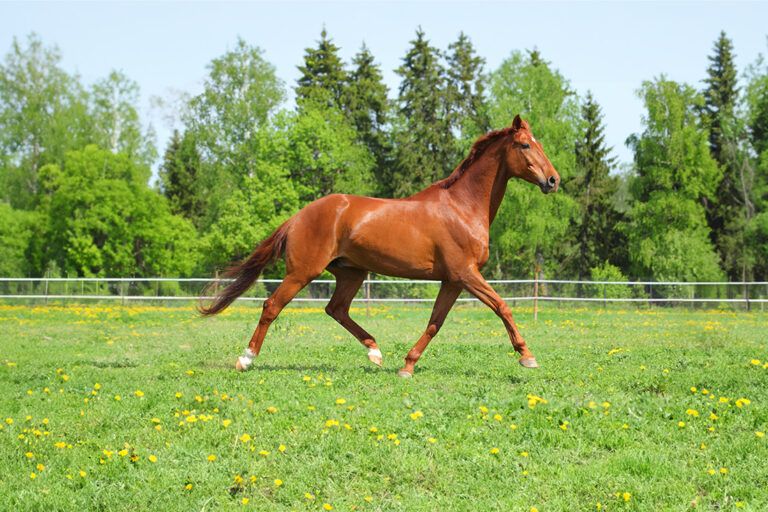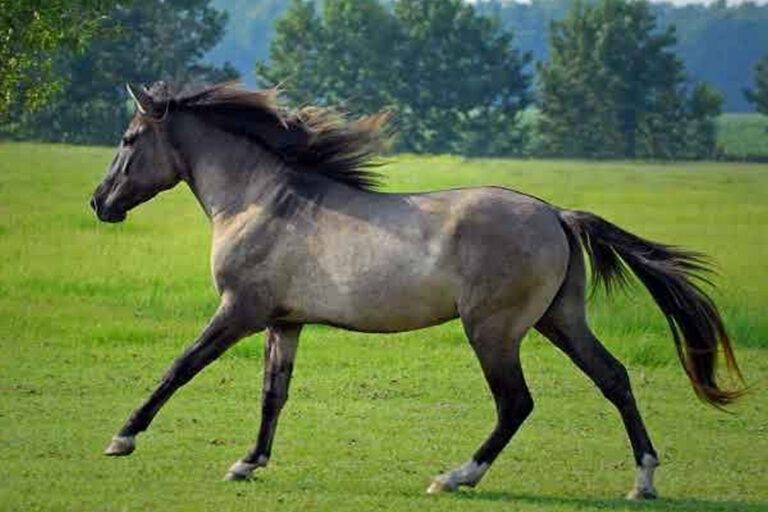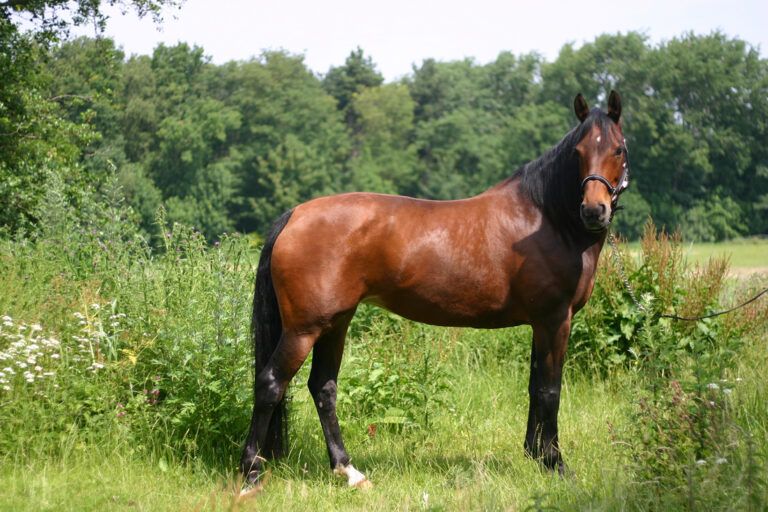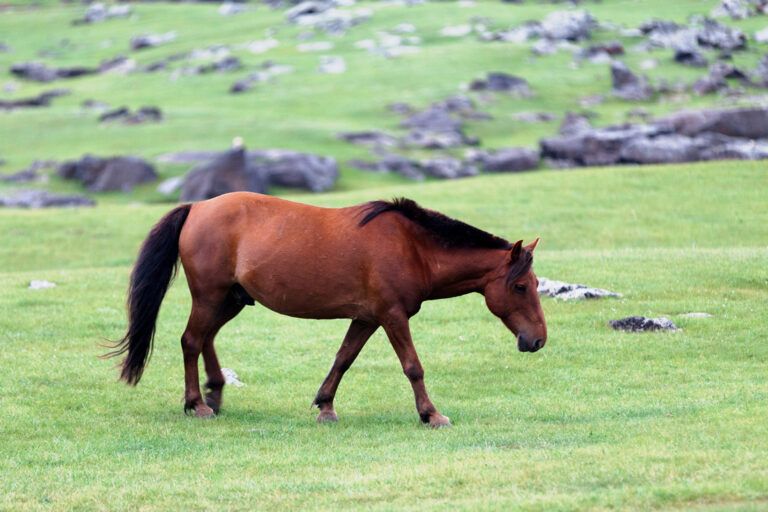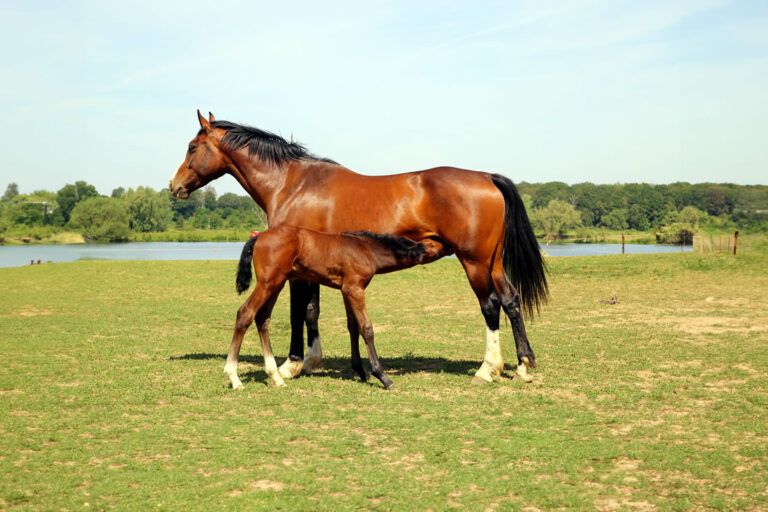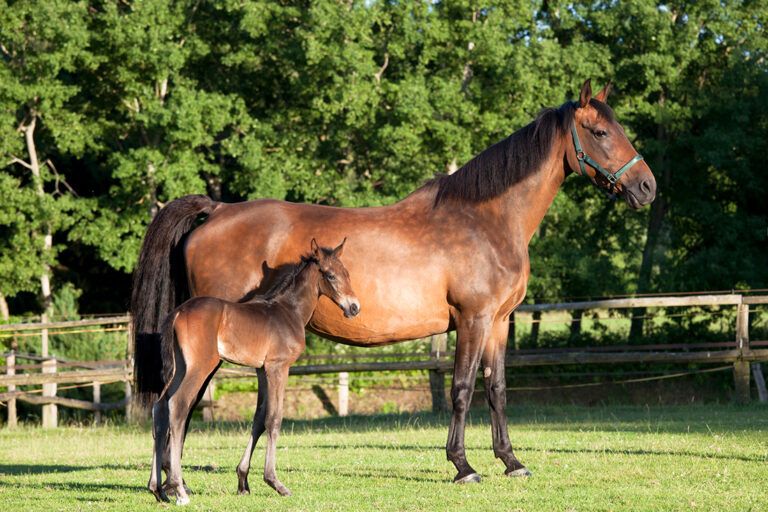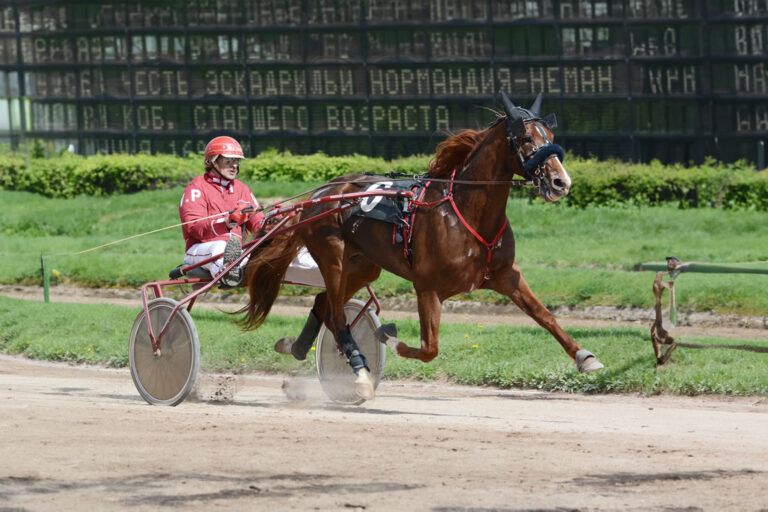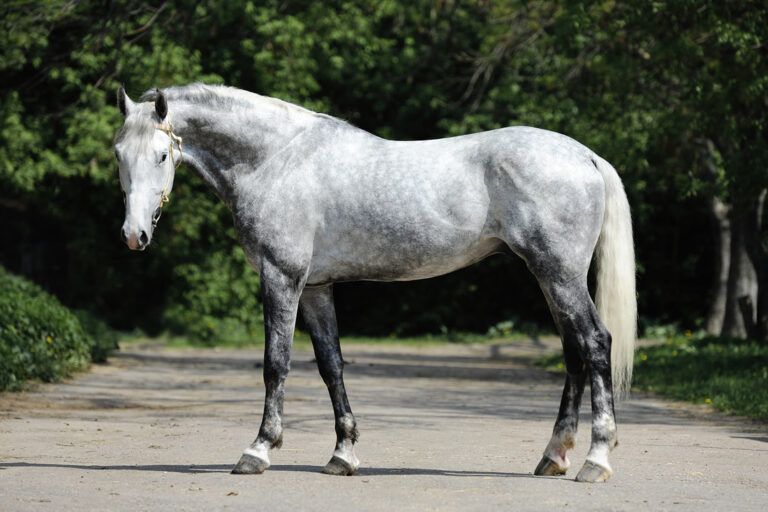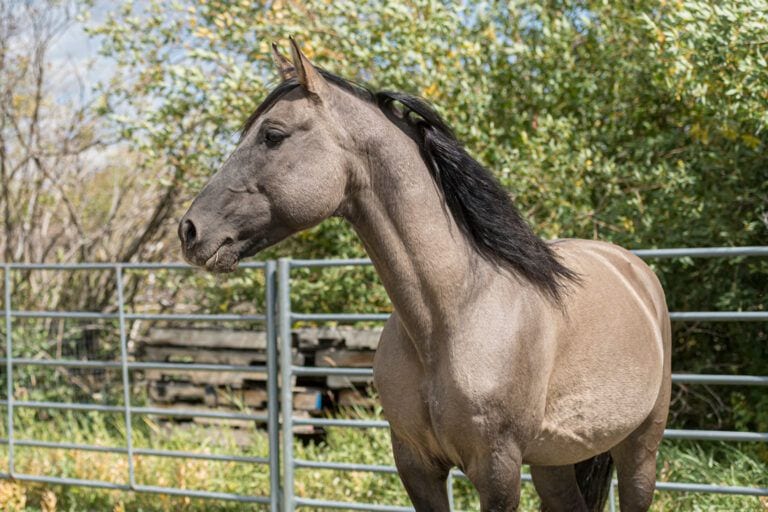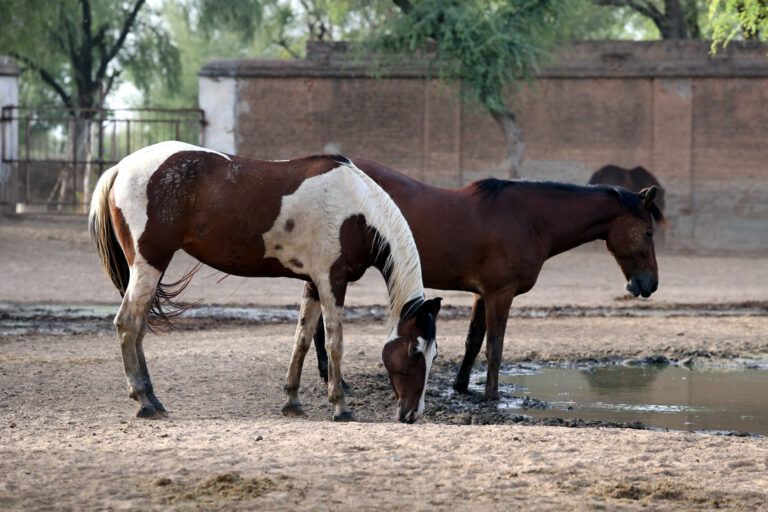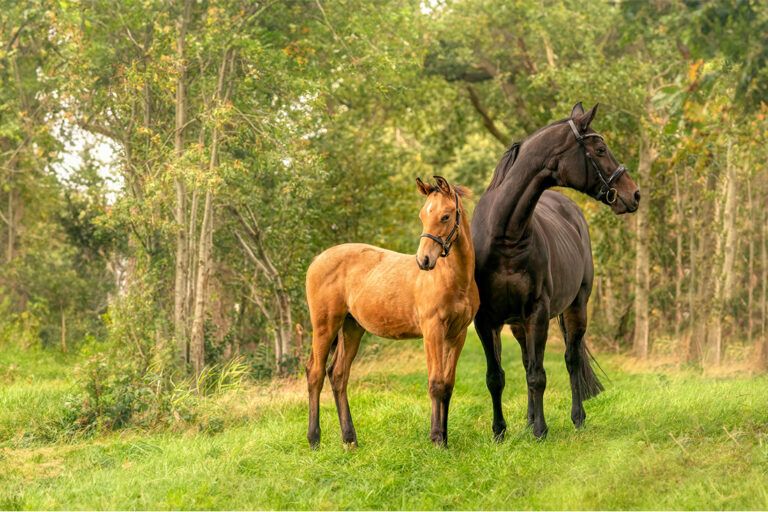
A grade horse is any horse with unidentifiable or unknown parentage. These horses also include unregistered equines with mixed breeding. Grade horses don’t have a uniform breed type, and characteristics can vary significantly between individuals. Their lack of registered pedigrees...
The Oldenburg, or Oldenburger, is a well-known warmblood breed from Lower Saxony in Germany. Oldenburgs are famous sport horses commonly used for dressage and show jumping. This breed profile will discuss the history, characteristics, health problems, and nutritional needs of...
The Selle Francais is a sport horse breed from France, best known for their talent in the show-jumping arena. Selle Francais horses also compete at the elite level of dressage and eventing. This breed profile will discuss the history, characteristics,...
Horses are often classified into three main groups based on their temperament and physiology: hot-blooded, cold-blooded, and warm-blooded. But what do these horse types mean and what is the difference between the three?
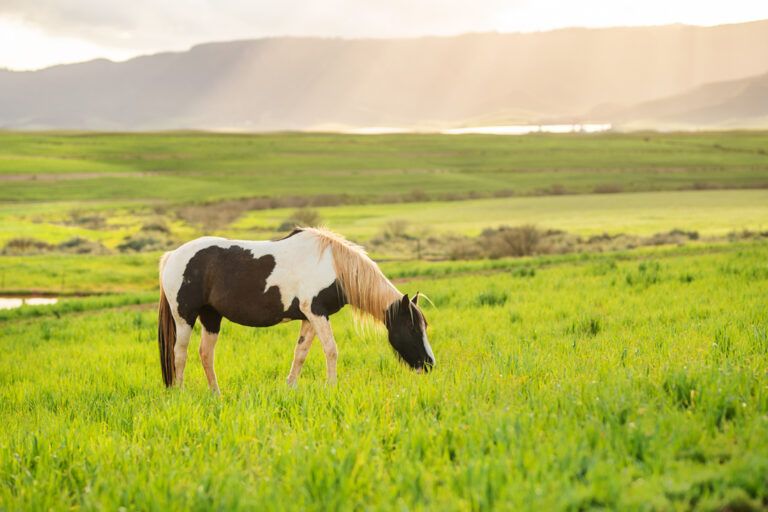
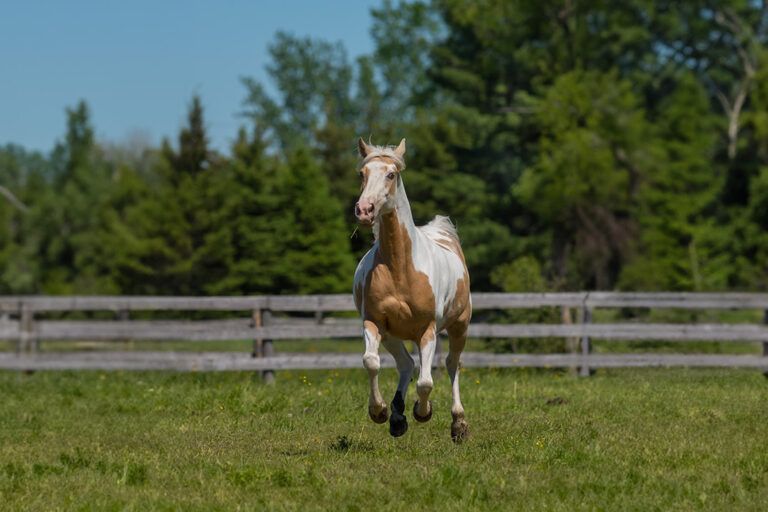
Pinto horses are a recognized colour breed in North America. Unlike some colour breed registries, the Pinto breed organization accepts horses with diverse and undocumented ancestry. Registered Pintos are classified as miniature, pony, horse, or utility types depending on their...
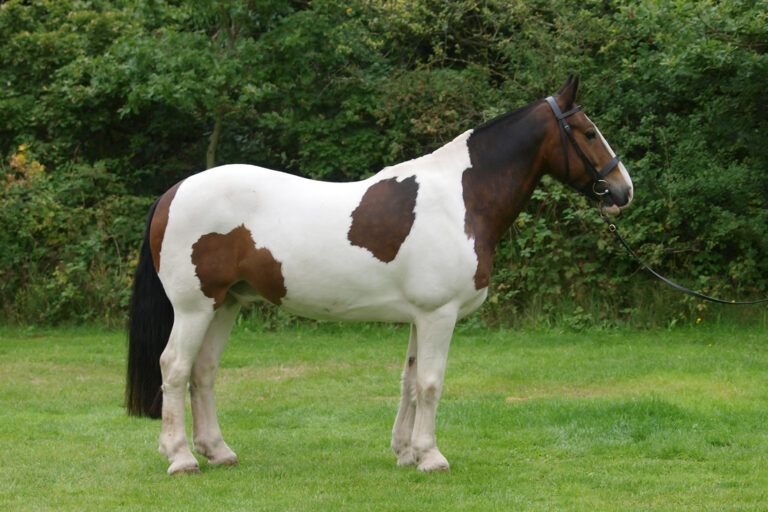
Cobs are small draft-type horses known for their hardiness and versatility as recreational riding mounts. The cob isn’t a distinct breed. The term refers to a common body type in several popular horse breeds. This guide will discuss the history,...
The Swedish Warmblood is a sport horse breed that originated at the state studs of Sweden. While less popular than some warmbloods from mainland Europe, many Swedish Warmbloods excel at the top level of equestrian sport. This Scandinavian breed was...
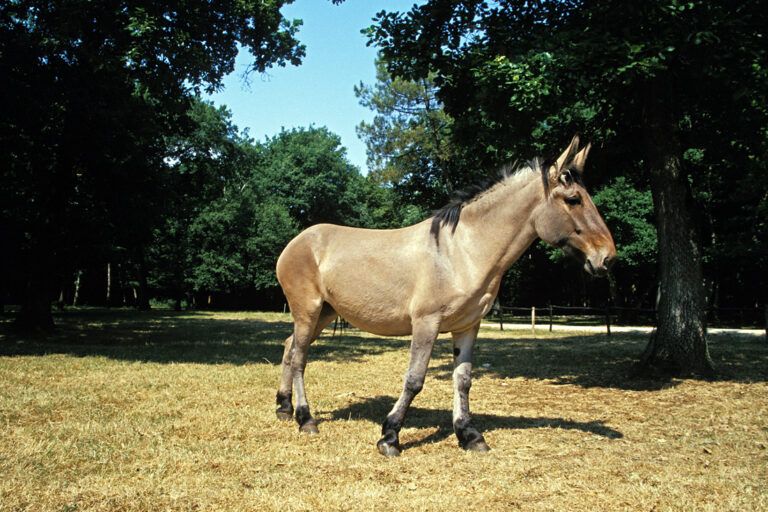
Mules are an equid hybrid produced by crossing a female horse and a male donkey. Enthusiasts claim mules combine the best of both species, offering the strength, endurance, and patience of the donkey with the speed, agility, and aesthetics of...
Hairlessness is rare in horses. While selective breeding produced several hairless breeds in other domestic animals, no truly hairless horse breeds exist. There are anecdotal accounts of hairless horses throughout history. Some horse breeds are mistaken for hairless horses due...
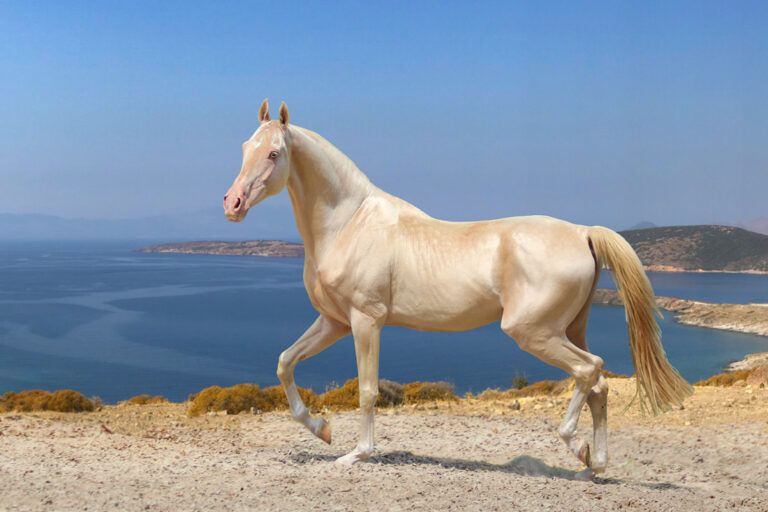
There are hundreds of horse breeds found around the world, each uniquely adapted to their local environment and their role in human society. These breeds vary widely in appearance, size, and conformation, reflecting the particular conditions of their selective breeding....
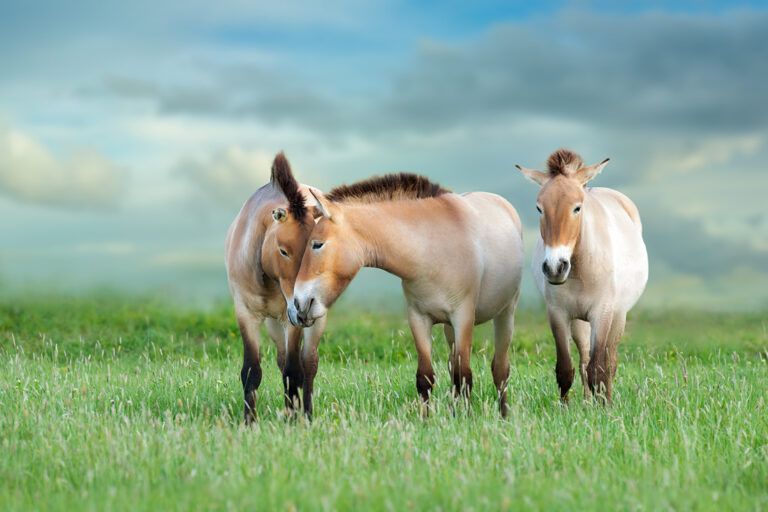
The Przewalski’s horse is an endangered equid native to the steppes of Central Asia. Named after the Russian explorer Nikolai Przewalski, who first described them in the late 19th century, these horses have a robust build, a thick, upright mane,...
Gaited horse breeds have the natural ability to perform ambling gaits not observed in other equines. While different breeds have unique gaits, most gaited horses share a common genetic mutation linked to ambling patterns of locomotion. These breeds gained popularity...
The Carolina Marsh Tacky is a critically endangered horse breed native to the low country of South Carolina. These horses belong to a group of Colonial Spanish breeds descended from Iberian horses brought to America by early Spanish explorers.
Gaits are the different patterns of locomotion that horses use to move. As quadrupeds, horses can perform more movement patterns than humans. However, not all horses move in the same way. Your horse’s natural gaits depend on his breed. Some...
Draft horses are heavy breeds originally developed as working animals. Selective breeding for size and strength produced equines that are significantly larger than most modern riding breeds. Some historians believe draft breeds descend from Medieval Europe’s famous “Great Horse.” But...
Gait abnormalities in horses can lead to compromised performance, increased risk of injury, and in some cases, may necessitate early retirement from work. These disorders often present similarly to lameness, but do not necessarily involve pain. While minor conformational faults...
The Dutch Warmblood is a sport horse breed that is managed by the Royal Warmblood Horse Studbook of the Netherlands (KWPN). The breed is highly regulated to ensure the quality and performance of registered horses. The KWPN distinguishes horses between...
The Spotted Saddle Horse is an American gaited breed from central Tennessee. These horses descend from small pinto Spanish-type horses and are closely related to the Tennessee Walking Horse. Unlike other gaited breeds developed in the region, all Spotted Saddle...
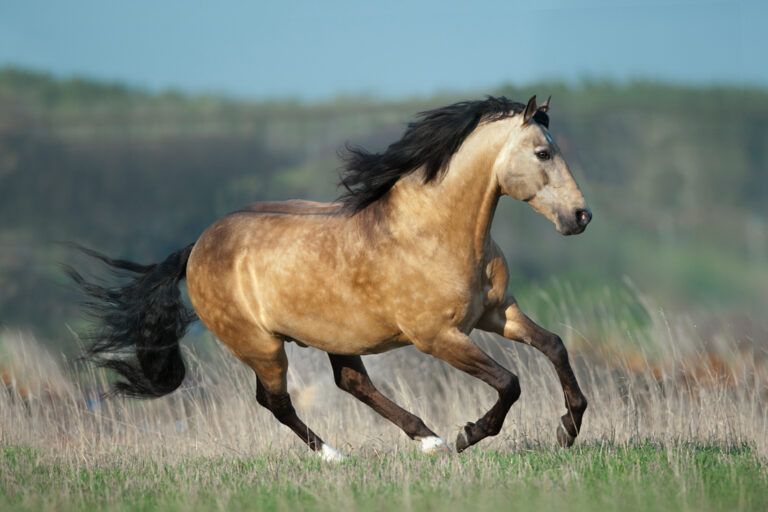
The Lusitano is an Iberian horse breed from Portugal. These horses are closely related to Spanish PREs, with both breeds sharing the same studbook until the two countries established separate registries in the 1960s. Their name comes from the ancient...
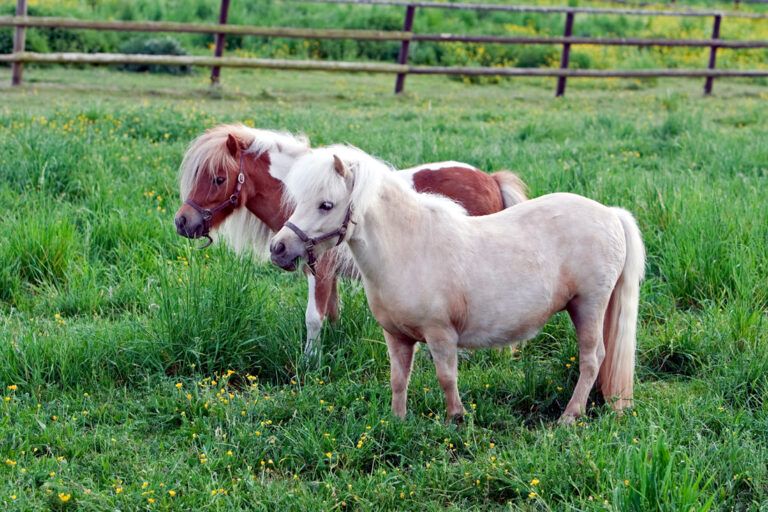
The Falabella is the smallest breed of horse in the world, typically standing between 28 to 34 inches tall at the withers. Despite their diminutive size, they possess all the features and proportions of a typical horse. Falabella horses are...
The Mongolian horse is an Asian horse breed that traces its roots back to the time of Genghis Khan. First raised by nomadic Mongol tribes, these small but sturdy horses played a pivotal role in the early conquests of the...
The Hanoverian is a popular warmblood breed from Lower Saxony in Germany. Also known as the Hannoveraner in German, the breed produces some of the most successful sport horses in the world. Modern Hanoverians have won gold medals in all...
The Anglo-Arabian is a mixed horse breed with Arabian and Thoroughbred ancestry. These horses are also known as Anglo-Arabs. Unlike other part-bred Arabians recognized by breed societies, these horses don’t need at least one purebred Arabian parent. To qualify as...
The Friesian is an iconic horse breed known for their fairytale looks and striking charisma. These horses are often featured in Hollywood productions, contributing to the breed’s rapidly growing popularity in recent decades. Originally from Friesland in the Netherlands, the...
The Holsteiner horse is a warmblood breed from the Schleswig-Holstein region of northern Germany. Also known as the Holstein horse, this is one of the oldest warmblood breeds in the world. This profile will discuss the history, breed characteristics, health...
The French Trotter is a trotting horse breed developed for racing in Normandy, France. These horses are also known as Norman Trotters and Anglo-Norman Trotters. While closely related to Standardbreds, French Trotters do not pace. They are bred specifically for...
The Orlov Trotter is a rare Russian breed known for their elegant appearance, trotting ability, and noble history. Once used for harness racing throughout Russia, these horses declined in popularity after the rise of the less-refined but faster Standardbred breed....
The Missouri Fox Trotter is a popular gaited breed of horse that originated in the Ozark Mountains. Recognized as the official horse of the U.S. State of Missouri, this breed is famous for its ability to perform a smooth ambling...
Want an easy and convenient way to learn more about horses? Nothing is better than a podcast for immersing yourself in equine education while you’re on the go. Hundreds of free horse podcasts are available online, covering nearly every topic...
The Marwari horse is a rare, gaited breed native to Marwar, a region in Northwestern India. Marwaris are an important part of Indian culture and history, but outcrossing threatens the persistence of this noble breed. This breed profile will discuss...