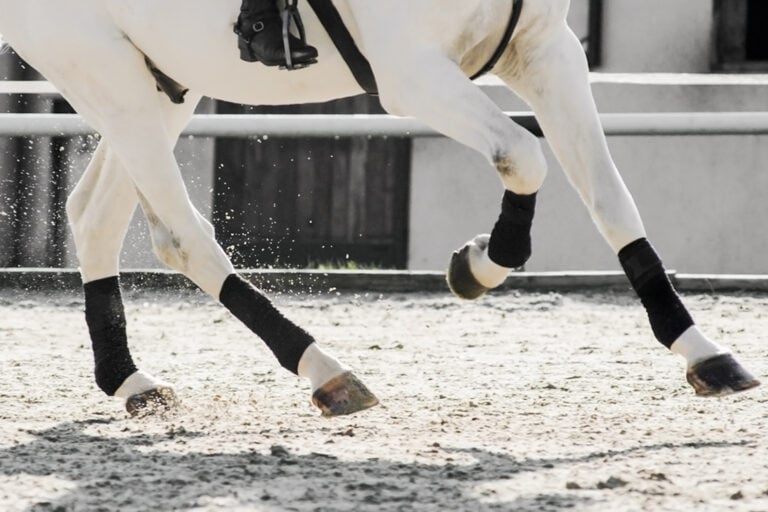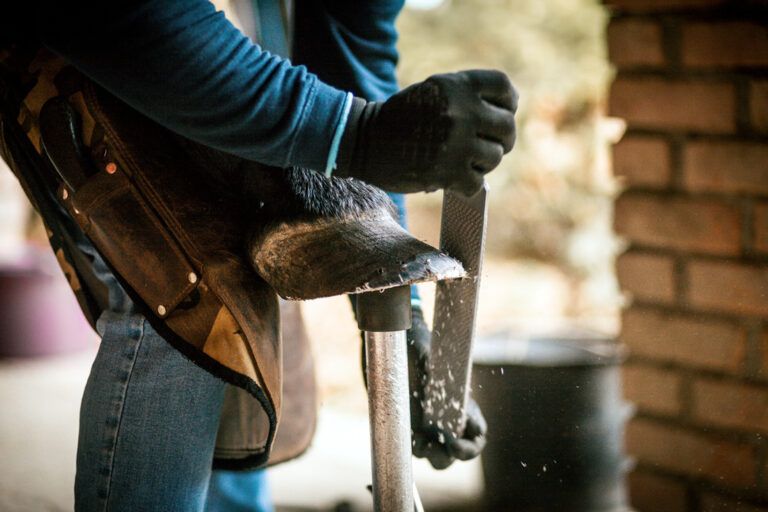
A strong hoof is the foundation of a sound horse. When it comes to proper hoof care, it's all about balance. All horses need regular farrier care, and working with an experienced farrier is one of the best investments you...
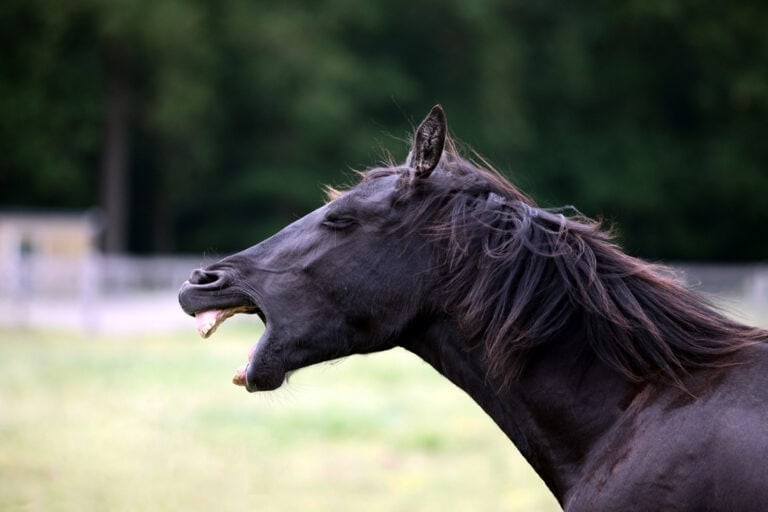
Coughing is a common clinical sign in horses that can be entirely benign or the first clue of a medical condition. Your horse’s cough is a normal reflex that keeps his airway healthy and clean. But some conditions associated with...
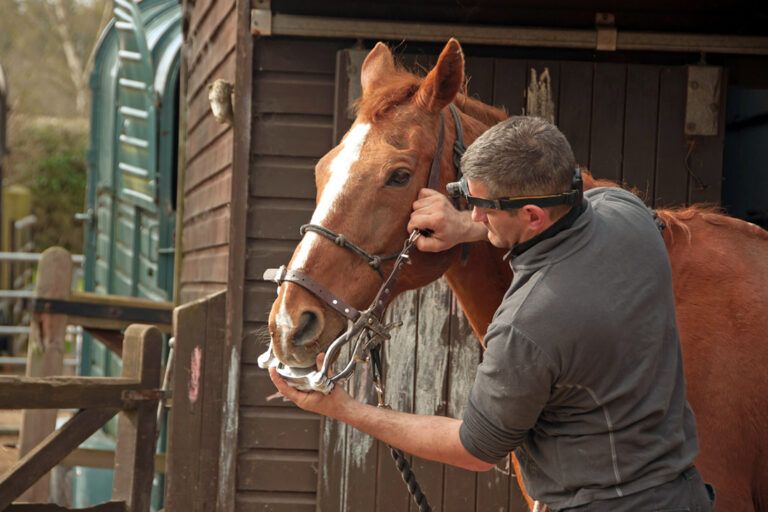
Routine equine dentistry is an often overlooked aspect of preventative care that can significantly impact your horse's welfare and performance. Horses have specialized teeth adapted to continuous grazing. Unlike human teeth, horse teeth erupt throughout their life and can become...
Lasix (furosemide) is a medication routinely used to prevent lung bleeding in horses with exercise-induced pulmonary hemorrhage (EIPH). This bleeding disorder is prevalent in racehorses following bouts of high-intensity exercise. Veterinarians often recommend treating with Lasix on race days to...
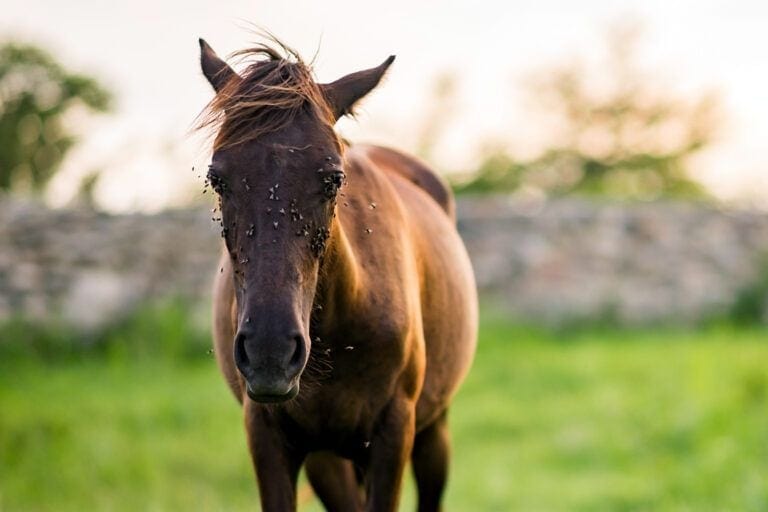
Flies are more than just a nuisance to horses and their owners. Without proper fly control, these insects can transmit diseases to your horse and cause skin irritations. Effective fly control for horses starts before fly season begins with environmental...
By-product ingredients are a fixture in equine diets, either as components of a complete feed or as concentrates added into the diet on their own. Although the term “by-product” may carry a negative connotation, these feeds are often high-quality, cost-effective...
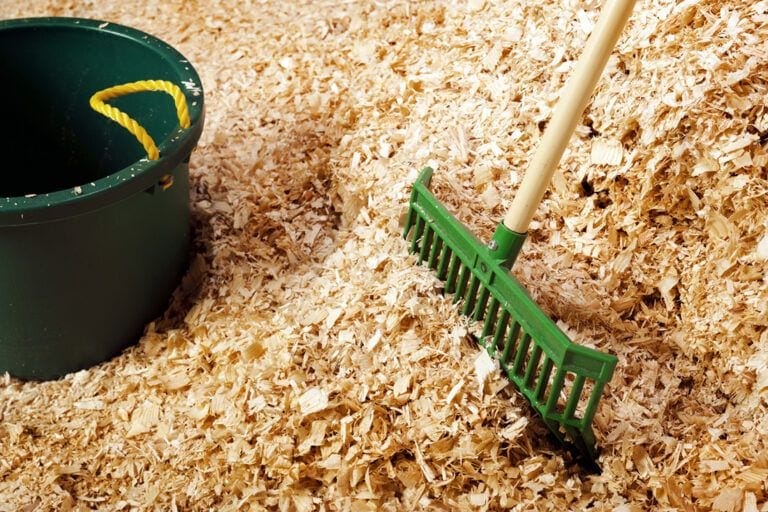
The type and amount of bedding you use for horses affects more than just how long it takes you to clean his stall. Bedding adds cushion to the floor of your horse's living space, absorbs moisture, and helps control odours...
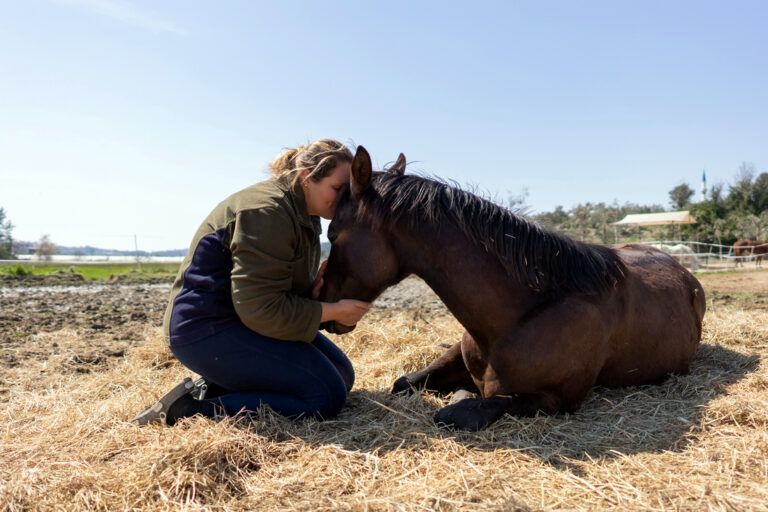
If you own horses long enough, you'll eventually have to deal with the loss of a horse. Saying goodbye to a beloved equine can be traumatic. But death is an inevitable aspect of caring for any animal. Sometimes horse owners...
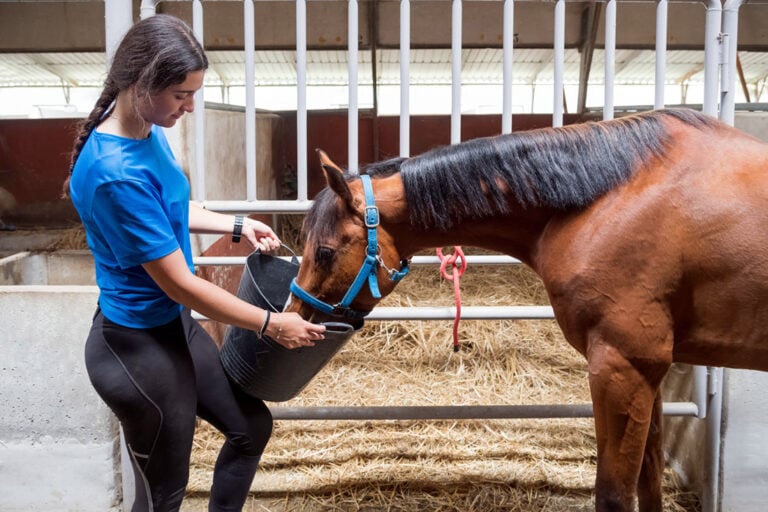
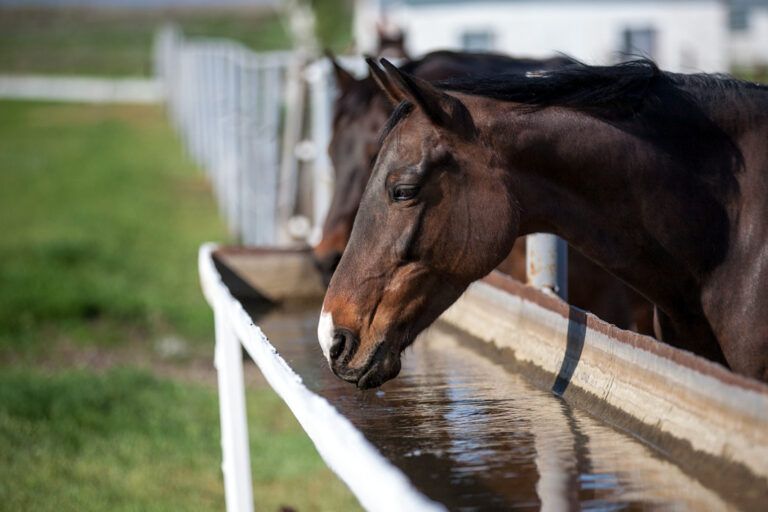
Water is the most vital component of the equine diet, but it is often overlooked when considering your horse's nutritional needs. Hydration influences several aspects of horse health, including exercise tolerance, digestion, and temperature regulation. Not only do you need...
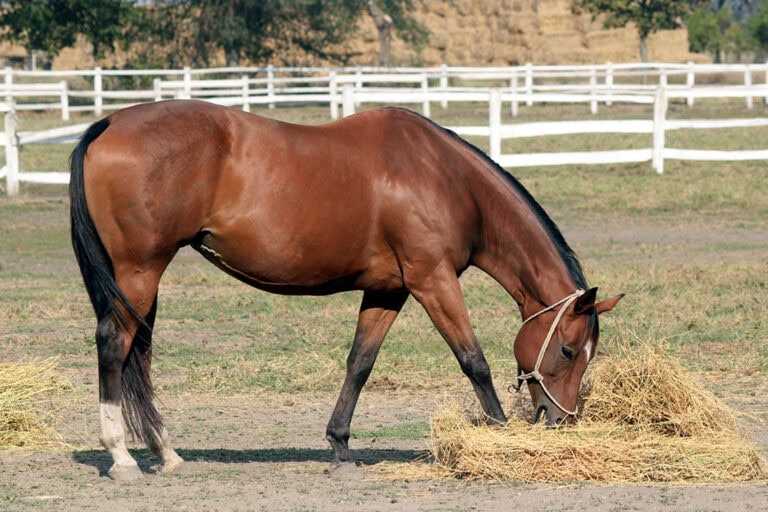
A large, round belly doesn't always mean your horse is overweight. Some horses have a hay belly that makes them appear pregnant, yet they may struggle to maintain enough body condition to cover their ribs. While multiple factors contribute to...
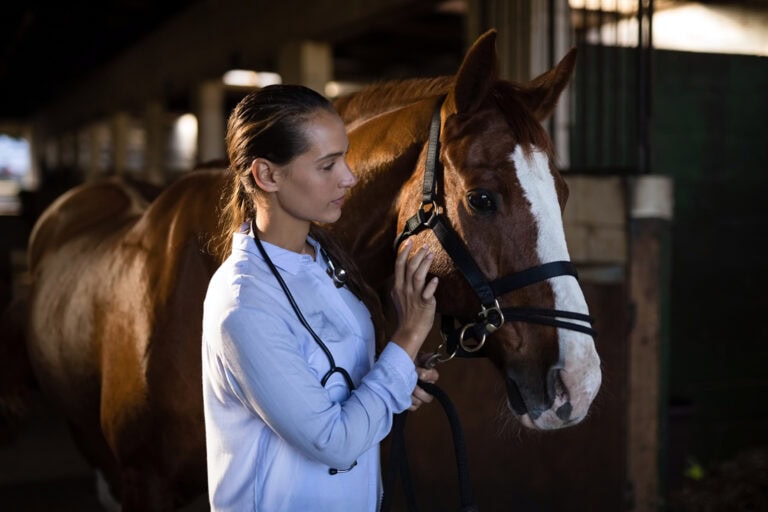
Antibiotics or antimicrobial drugs are effective medications for the treatment of bacterial infections in horses. Common equine infections requiring antibiotics include infected skin wounds and abscesses, pneumonia, infectious diarrhea, cellulitis, peritonitis and more. Many antibiotics have broad-spectrum action meaning they...
Horses may not require as much sleep as humans, but quality sleep is still vital for your equine's overall health and well-being. Although horses can sleep standing up thanks to their unique stay apparatus, REM sleep is only possible when...
Glucosamine and chondroitin sulfate are two of the most common ingredients found in equine joint products. These natural supplements are purported to promote mobility and joint comfort in hard-working performance horses and aging seniors. But despite their commercial success, there...