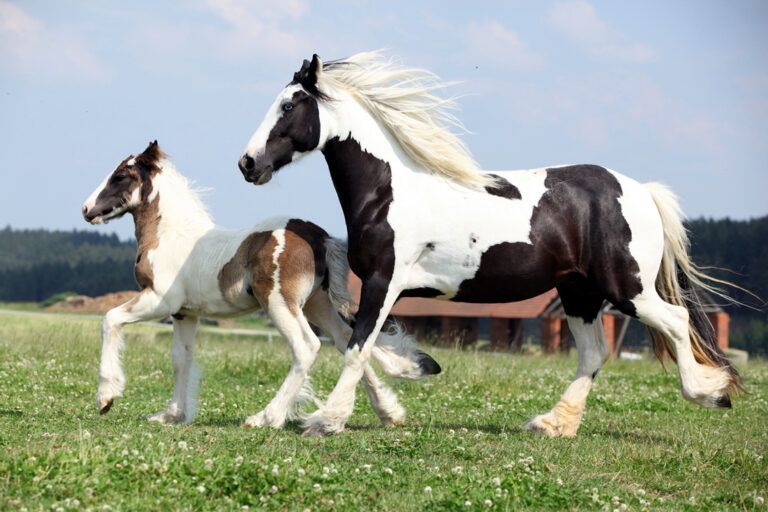
The Gypsy Vanner is one of the most recognizable breeds in the world. Also known as the Gypsy Cob, Irish Cob, and Romani Cob, these horses resemble a smaller version of draft-type breeds and come in many different coat colours....
The Percheron is a French draft horse breed known for its power and versatility. Although the breed's exact origins remain a mystery, these horses likely descend from the heavy war horses ridden into battle by Medieval knights. Percherons gained popularity...
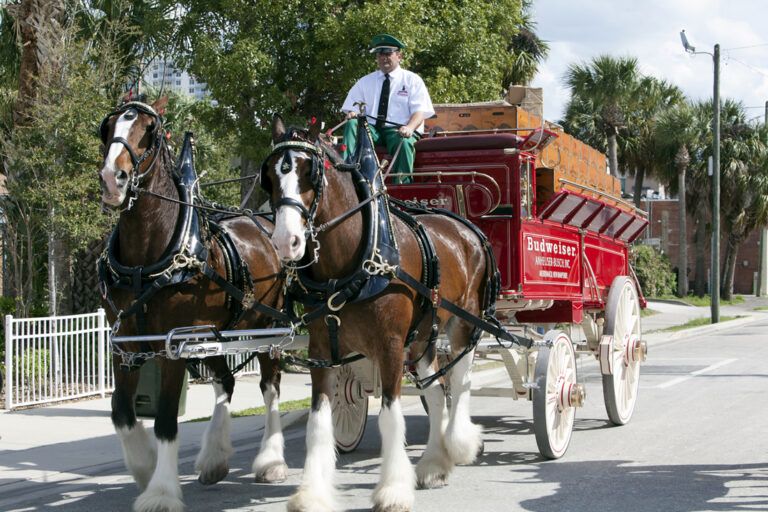
The Clydesdale is an iconic breed of draft horse from Scotland. Made famous by the Budweiser Clydesdales that pull the company's beer wagon at special events, the breed is renowned for its distinctive looks and powerful pulling ability. These horses...
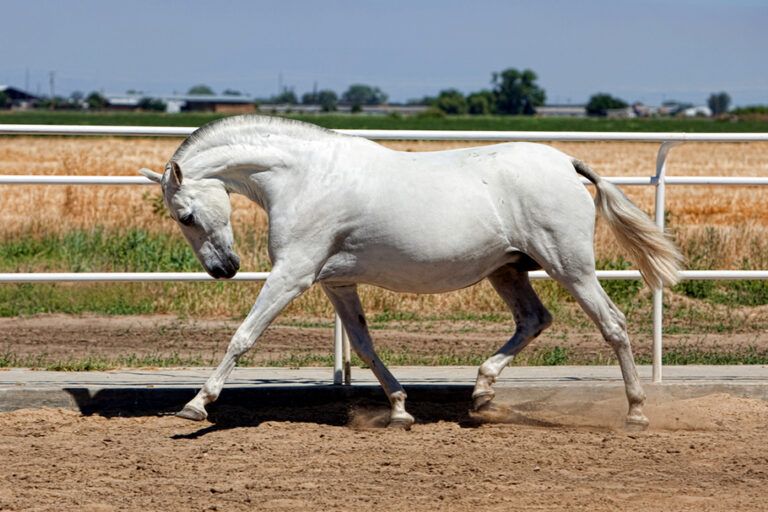
Andalusian horses belong to a lineage of baroque horses originating from the Iberian Peninsula, a region of southwestern Europe that contains modern-day Spain and Portugal. Today, the Andalusian name is most commonly used in North America to refer to horses...
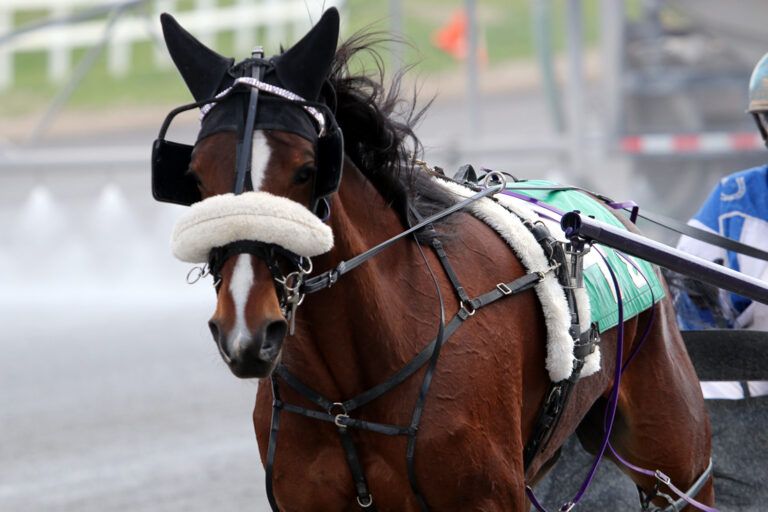
The Standardbred is an American breed developed for the sport of harness racing. But just like their Thoroughbred ancestors, these horses can go on to successful second careers as riding horses after they leave the racetrack. Standardbreds are classified as...
Miniature Horses are the smallest horse breed in the world. Originating from Shetlands and other pony breeds, modern breeding programs aim to produce minis with physical characteristics that resemble full-sized horses in a smaller package.
The Hackney is an elegant breed of light horses developed in Great Britain for carriage driving. These equines are known for their high-stepping trots, which help them stand out in harness show arenas. Hackneys come in two different height ranges....

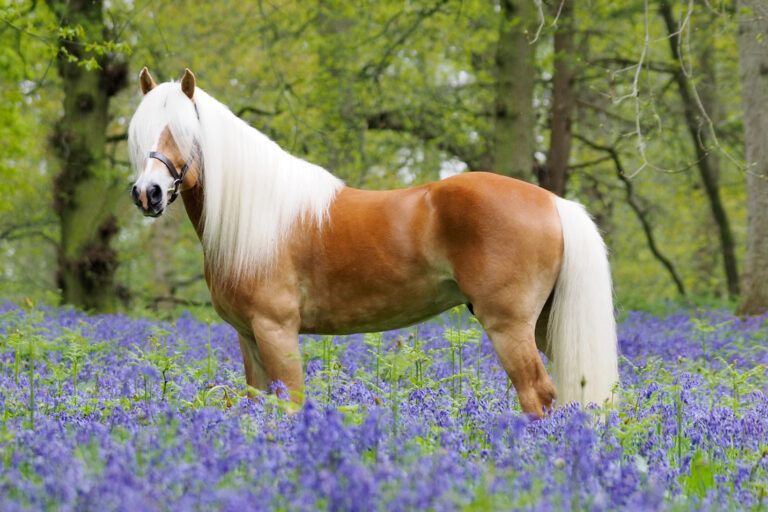
The Haflinger is a small horse breed from the Tyrol region of Austria and Italy. Initially developed for traversing the region’s mountainous terrain, this hardy breed is now commonly used as a versatile family horse.
The Paso Fino is a gaited horse breed from the Caribbean and South America. The breed’s name translates to ‘fine step,’ which refers to the Paso Fino’s famously smooth four-beat lateral ambling gait.
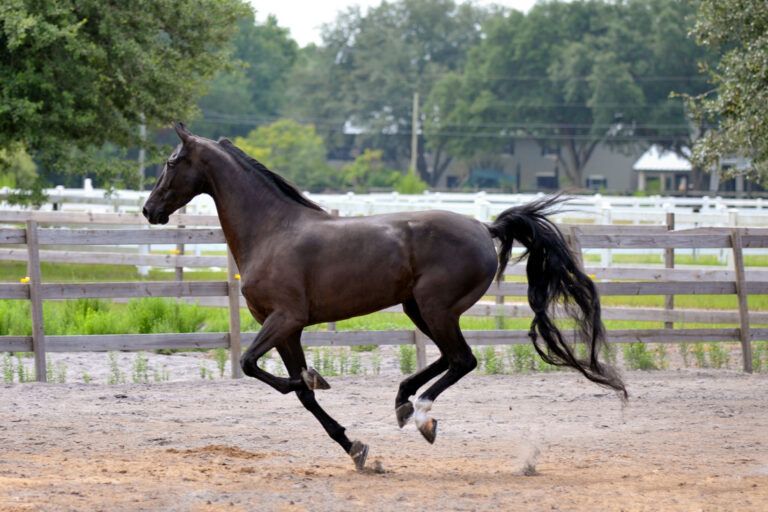
The American Saddlebred horse is a charismatic equine breed with high-stepping gaits and eye-catching looks. Often called "the horse America made”, the breed traces back to Colonial America when settlers crossed imported Thoroughbreds and gaited breeds to produce a distinct...
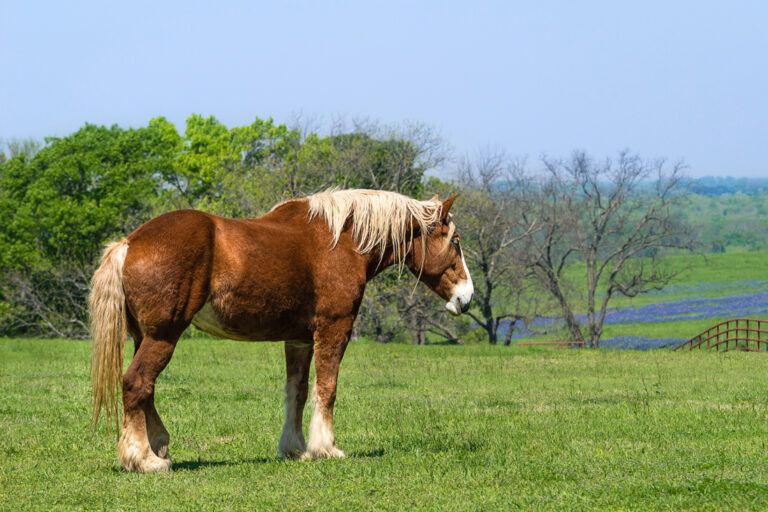
The Belgian Draft is one of the largest horse breeds in the world. With roots tracing back to the heavy horses that carried Medieval knights into battle, the Belgian has an impressive stature and exceptional power. In North America, Belgian...
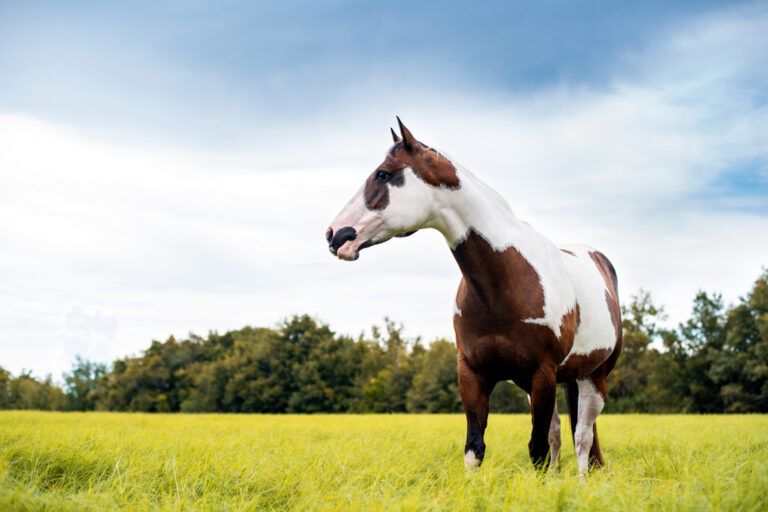
The American Paint Horse is an eye-catching breed with distinctive colouring and stock horse bloodlines. This American breed shares ancestry with the Quarter Horse, which deliberately excluded horses with pinto coat patterns from their breed registry. Paint Horses are adored...
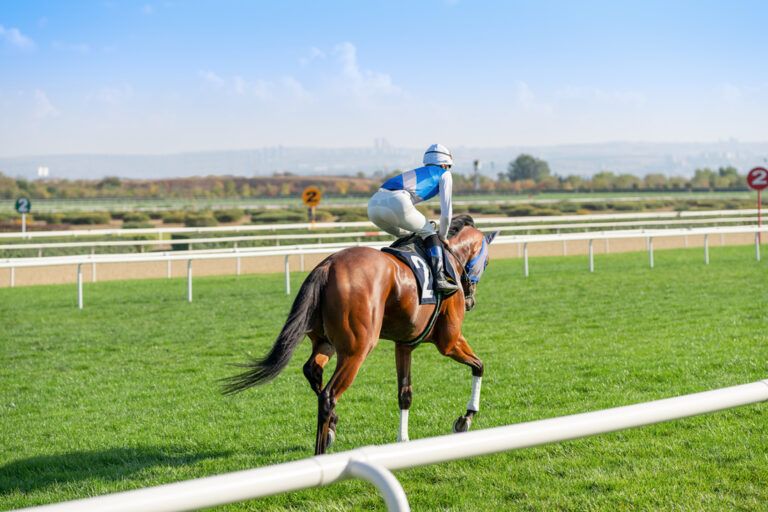
The Thoroughbred is a popular horse breed widely recognized for its speed and athleticism. Bred specifically for horse racing since the 17th century, Thoroughbreds continue to rule racetracks around the world. While the racing industry produces tens of thousands of...
External shine is a reflection of internal health. So if you want your horse to have a gleaming, glossy coat, you'll have to start from the inside out. Quality grooming and care have a significant impact on coat health. But...
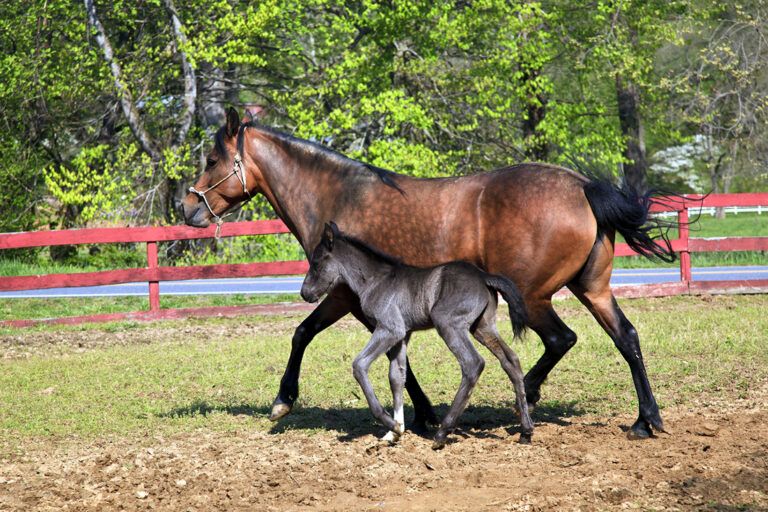
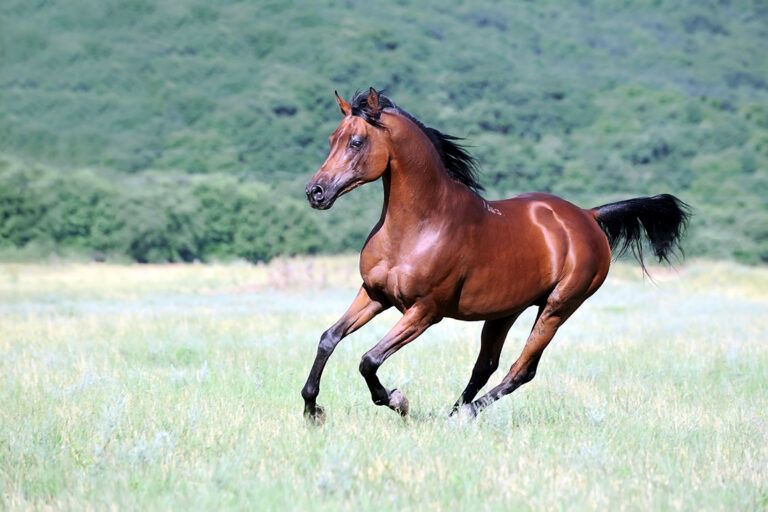
The Arabian is one of the oldest recognized horse breeds, with a history spanning thousands of years. The breed originated in the Arabian Peninsula and spread worldwide through war and trade. Today, nearly every modern breed of riding horse carries...
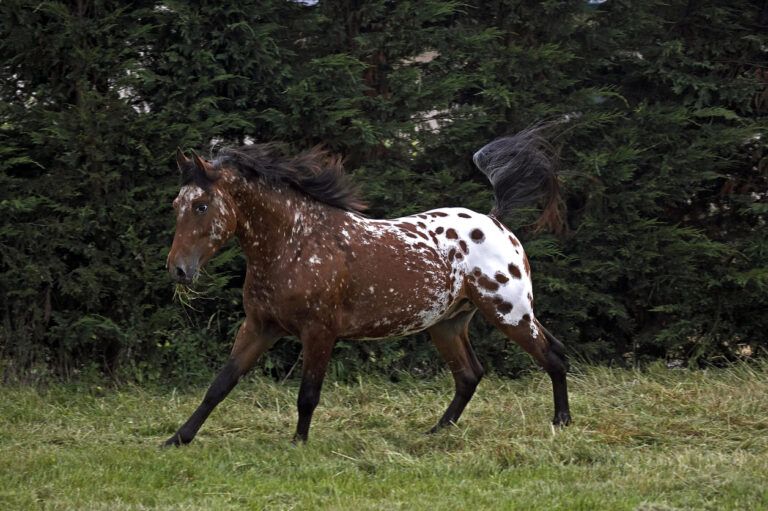
Appaloosa horses are instantly recognizable by their distinctive spotted colouring. But there's more to Appaloosas than their colourful coats. This breed's rich history and adaptable disposition make it a favourite mount for riders who want to stand out in any...
The Morgan horse is a versatile American horse breed known for excelling in a wide range of disciplines. First developed in the Northeastern United States in the 1800s, modern Morgans have long maintained a reputation as dependable companions and willing...
No horse owner wants to face the impossible decision of leaving their animal behind in an emergency. While natural disasters can be unpredictable, an emergency preparedness checklist can help horse owners keep their animals safe when disaster strikes. Not having...
Strange lumps, itching, bald spots, redness, skin flaking, and scruffy patches are common signs of skin problems in horses. While most equine skin irritations don’t present serious health risks, persistent skin problems can lead to infections and could indicate allergies,...
Forage is the single highest volume component in the equine diet. The type, quality, and maturity of the forage you feed have the greatest impact on the nutritional composition of your horse's ration. The only way to precisely assess the...
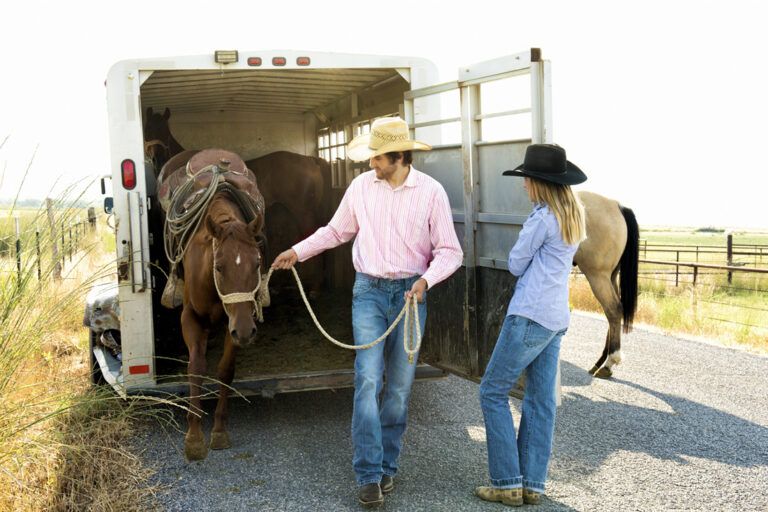
Whether you are a seasoned equestrian or a new horse owner, trailering your horse can be a daunting task but does not have to be uncomfortable for you or your horse. Many factors influence equine welfare while trailering. However, the...
Modern domestic horses have very different lifestyles than their wild ancestors. While keeping horses in stalls is convenient for humans, confinement can be detrimental for animals who evolved to graze and walk throughout the day. Turning horses out to pasture...
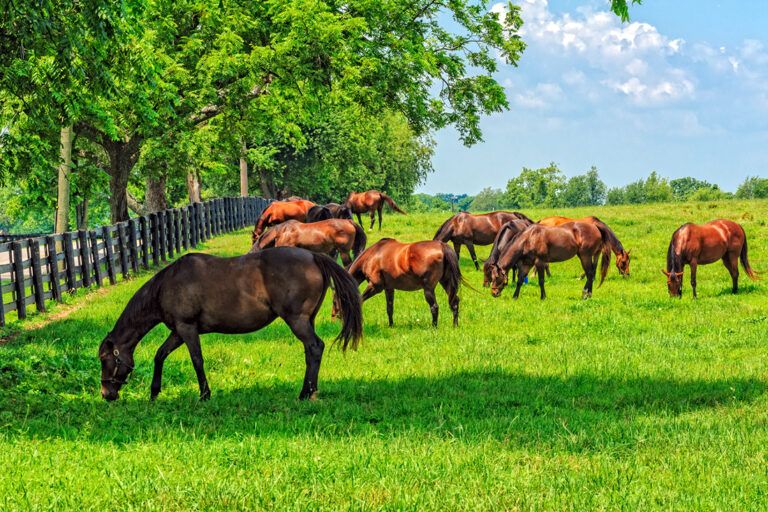
Turning horses out on pasture is one of the best ways to encourage natural grazing behaviour. Fresh forage can be a valuable part of a balanced equine diet, but grass does not have the same nutritional value throughout the year....
The American Quarter Horse is the most popular horse breed in the world. The AQHA has registered more than 6 million Quarter horses since 1940, thanks to the breed's trademark character and versatility. As one of the oldest recognized breeds...
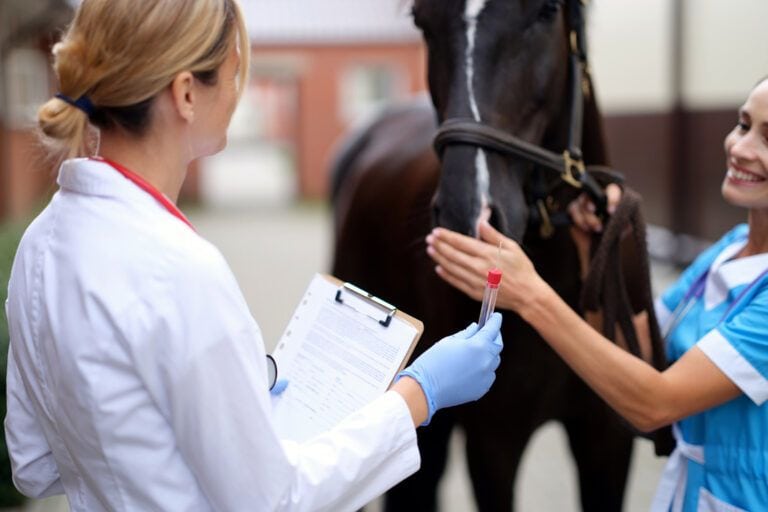
The Coggins test is a standard fixture in a routine annual equine wellness appointment. Veterinarians usually pull blood for this test when they perform spring vaccines but, some horse owners may not fully understand why. Coggins testing is often mandatory...
Grazing fresh forage while out on pasture can provide excellent nutrition for horses. But environmental conditions and horse needs can make it challenging to maintain productive pastures. Some pastures require very little management to support a low density of horses....
While acres of lush green fields seem like the idyllic setting for a horse farm, constant access to high-quality pastures isn't always best for your horse's health. Space limitations and environmental conditions can also make grass turnout impossible for some...
Bones, joint cartilage, ligaments, and tendons make up your horse's skeletal system, which provides structural support for your horse's body. Most horse owners pay close attention to the role of joints and soft tissue health in preserving soundness and comfort....
Taking care of a horse is an ongoing commitment. Even routine horse care requires significant time and resources. Horses need secure environments, adequate exercise, social companionship and a balanced diet to thrive. They also have unique digestive systems susceptible to...
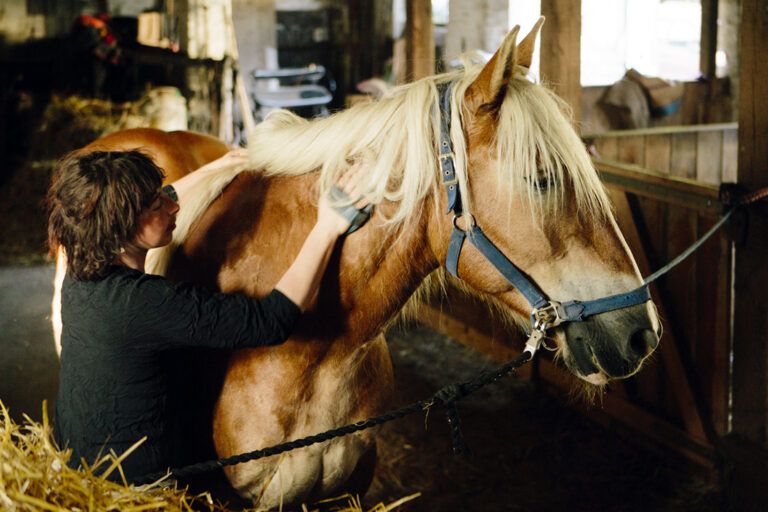
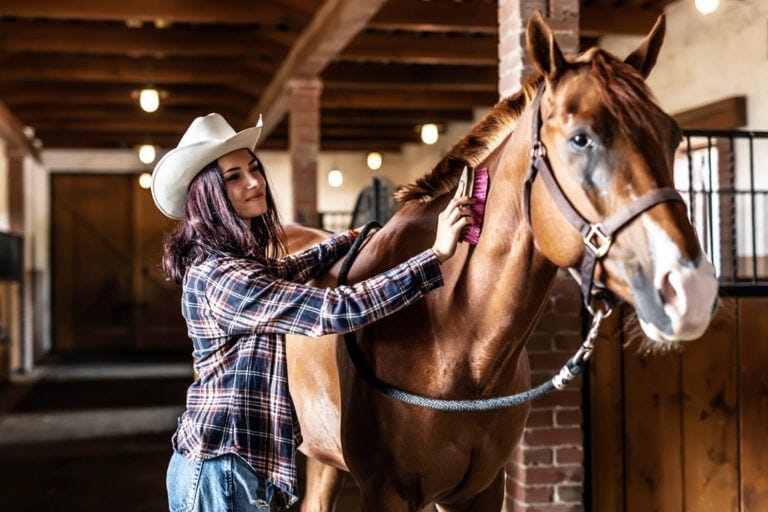
A proper grooming routine involves more than just knocking the dirt off your horse's coat before tacking up. A well-groomed horse is a well-cared-for horse. Learning to groom your horse correctly and following a thorough daily grooming routine can significantly...