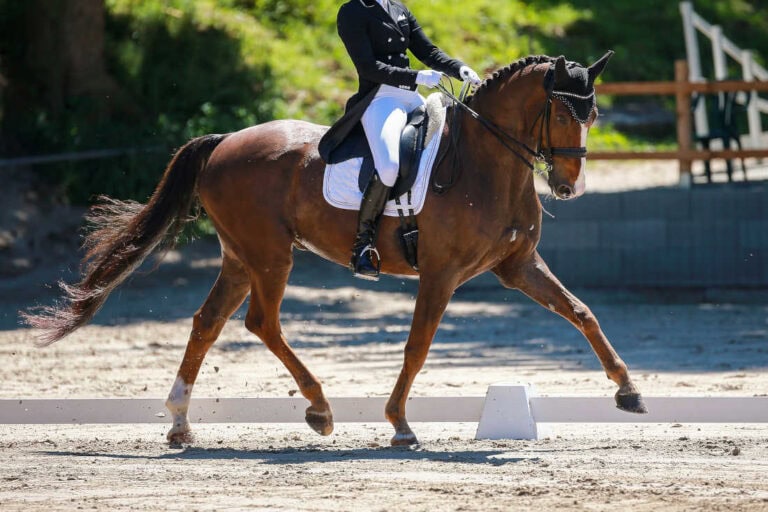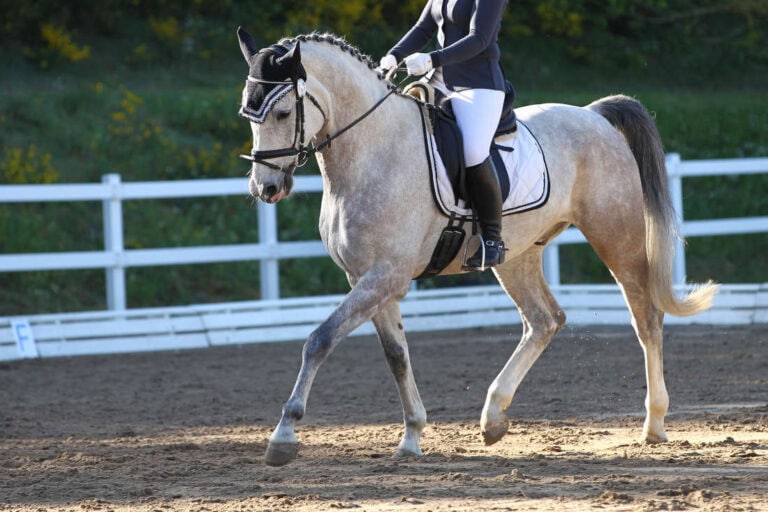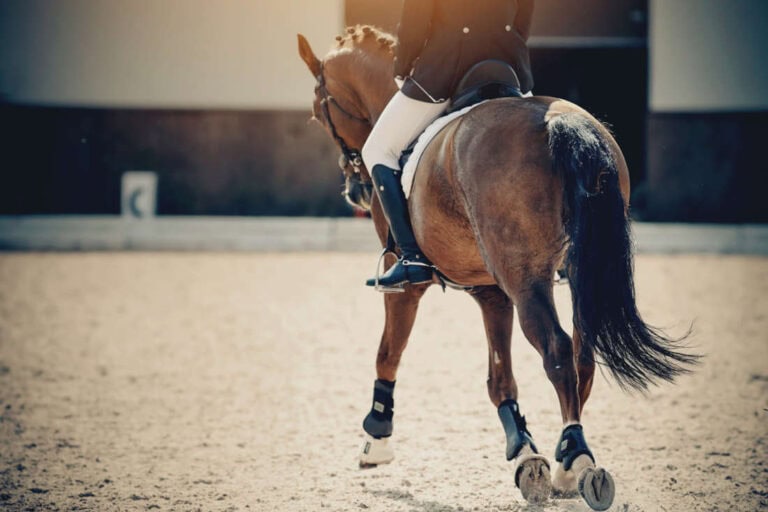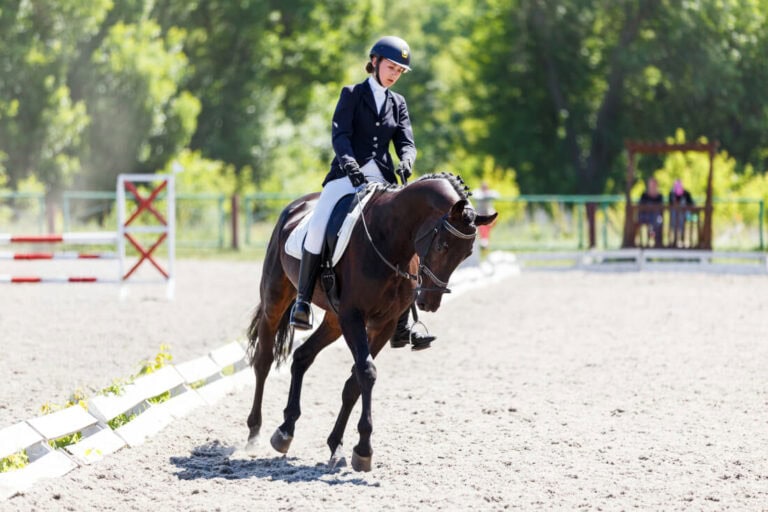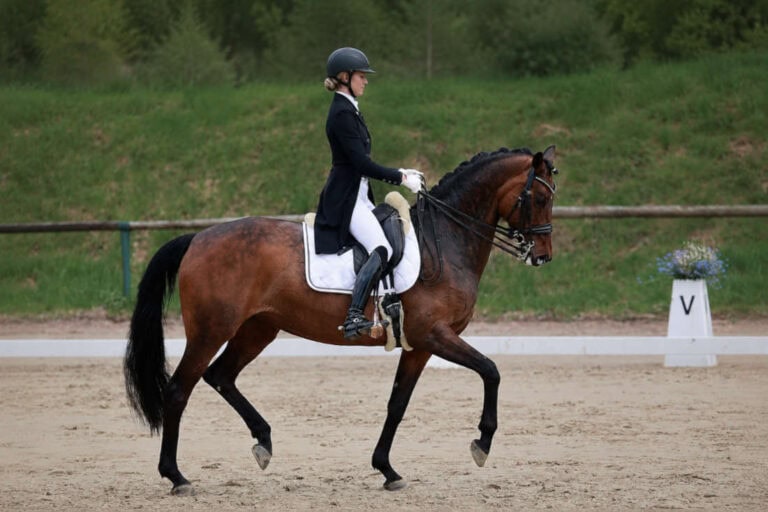
Piaffe and passage are defining movements of Grand Prix dressage. Watching a horse trot in place with power and cadence, or float forward in slow, elevated suspension, is unlike anything else in equestrian sport. Piaffe and passage appear from Intermediate...
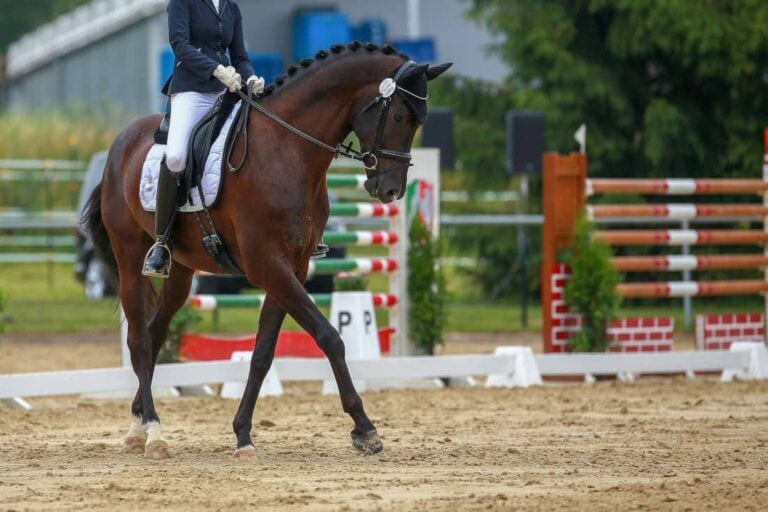
The turn on the haunches is one of those dressage movements that looks simpler from the rail than it feels in the saddle. This movement asks the horse to move its front end around its hind end in a small,...
The shoulder-in is one of the most important lateral movements in dressage training. This movement appears in competition tests from Second Level onward and is a valuable schooling exercise for horses at many stages of development. Few exercises address suppleness, straightness,...
The leg yield is a foundational lateral movement in dressage. To perform this movement, the horse travels forward and sideways at the same time. The body stays nearly straight, with a slight flexion at the poll away from the direction...
The Scandinavian Coldblood Trotter is a distinctive Nordic harness racing breed developed in Norway and Sweden from traditional coldblood working horses. Unlike lighter trotting breeds bred primarily for speed, Scandinavian Coldblood Trotters retain the strength, durability, and substance of their...
The Norman Cob is a rare French light draft breed developed in Normandy as a practical horse for carriage work, agriculture, and everyday utility. Known for its compact strength, expressive trot, and steady temperament, this breed combines some of the...
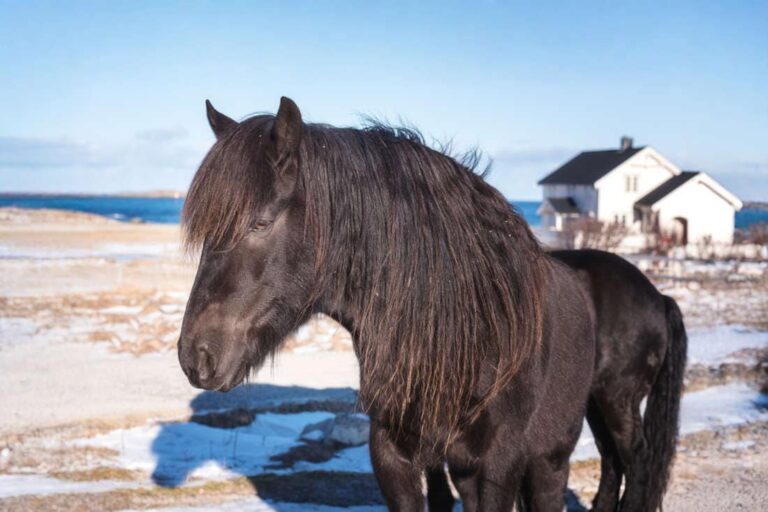
The Dole Gudbrandsdal is a traditional Norwegian coldblood horse developed for farm work, forestry, and transport in the rugged landscapes of eastern Norway. Known for their strength, endurance, and calm [...]
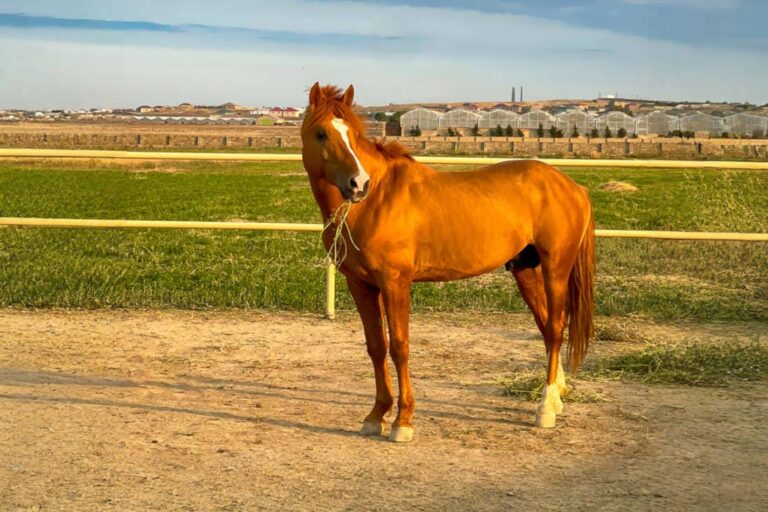
The Karabakh horse is a rare light riding breed from the Karabakh region of present-day Azerbaijan, known for its athleticism, responsiveness, and distinctive golden sheen. Shaped by centuries of breeding in a mountainous landscape, this breed developed as an agile,...
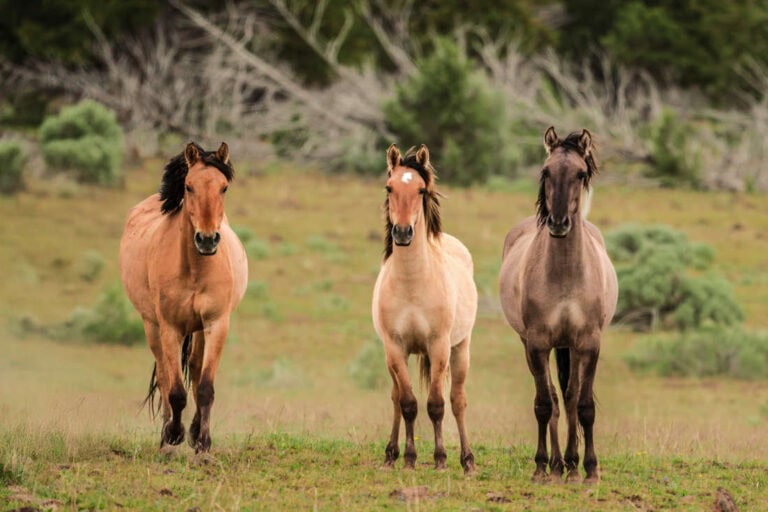
The Kiger Mustang is a rare American Mustang strain from southeastern Oregon, known for its dun coloring, primitive markings, and strong Spanish-type appearance. Closely associated with the Kiger and Riddle Mountain herd management areas, these horses have attracted lasting interest...
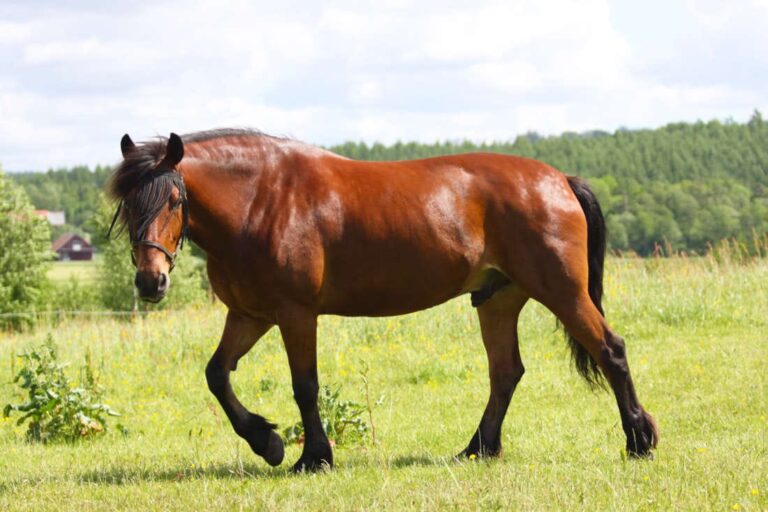
The North Swedish horse is a traditional cold-blooded breed from northern Sweden, developed for strength, endurance, and reliability in forestry and agricultural work. Shaped by generations of use in rugged terrain and harsh climates, these horses are known for their...
Therapeutic riding, sometimes called adaptive riding, is a specialized form of horseback riding instruction designed to help individuals with disabilities or diverse needs participate safely in equestrian activities. These programs adapt riding instruction, horsemanship skills, and barn activities to meet...
The Albanian Horse is a small native breed from the Balkans and the only horse breed Indigenous to Albania. Varied geography and regional uses led to the emergence of two types: the smaller Mountain type and the slightly larger Myzeqea...
Sending a horse in training can be a valuable way to build skills, improve behavior, and develop a more consistent, rideable partner when the program is well-matched to the horse's needs. With clear goals, open communication, and appropriate expectations, professional...
The American Indian Horse is a rare North American heritage type known for their hardiness, versatility, and deep cultural significance. These horses represent a living link to the Colonial Spanish horses brought to the Americas by Spanish explorers, shaped over...
The Kazakh horse is the traditional native horse of Kazakhstan and closely related regional types used in pastoral systems across Central Asia. For generations, these horses supported travel, herding, and daily work in nomadic and semi-nomadic communities where stamina, thrift,...
The Gotland horse, also known as the Gotland pony or Gotlandsruss, is a hardy native Swedish pony known for its ancient roots, athletic movement, and practical versatility. As the only pony breed native to Sweden, the Gotland has an important...
The Eriskay Pony is a rare native pony breed from the Outer Hebrides of Scotland. Shaped by generations of life in a rugged island environment, these ponies are admired for their strength, soundness, and kind disposition. Historically, they were essential working...
Horse owners often wonder what supplements their horse actually needs to stay healthy and perform well. While feed rooms are often filled with products promising support for gut health, joints, [...]
Winter horse care comes with its own set of challenges, and bathing horses in cold weather can be one of the trickiest. Mud, sweat, and manure stains still happen during winter, but washing a horse when temperatures drop requires extra...
Anatomical bridles for horses have become increasingly common in modern tack rooms. Often described as ergonomic bridles, these designs typically feature contoured crownpieces, cutaway nosebands, additional padding, and other modifications intended to reduce pressure on sensitive areas of the horse’s...
A double bridle is a piece of English tack that uses a bridoon and a Weymouth bit at the same time. Each individual bit is connected to its own rein, allowing for refined and independent aids. It is most commonly...
A musical dressage freestyle is a test in which riders choreograph required movements to music instead of following a fixed pattern. Blending technical precision with artistic interpretation, it allows horse and rider to showcase harmony, creativity, and degree of difficulty...
The Dressage Pyramid of Training is a widely used framework that clearly and concisely outlines fundamental training concepts for developing a dressage horse. This training scale is typically depicted as a pyramid to illustrate that each step toward higher levels...
Classical dressage is a traditional method of training horses rooted in the principles of old masters and historical riding schools. At advanced levels, classical dressage resembles equestrian art, but its foundation lies in systematic gymnastic development designed to help the...
English riding is one of the most recognizable and widely practiced forms of horsemanship. Rooted in classical traditions, it has evolved into a diverse family of disciplines that emphasize balance, precision, and effective communication between horse and rider. From the...
The Florida Cracker Horse is a rare and historically significant horse breed known for its deep roots in American heritage. Developed from Spanish horses brought to Florida in the 16th century, this breed played a vital role in the cattle...
The American Cream Draft Horse is a distinct draft breed known for their striking champagne coat, gentle temperament, and deep roots in American agricultural history. As one of only a few draft horse breeds developed in the United States, the...
The Racking Horse is an American gaited horse breed known for their smooth four-beat rack. Developed in the southern United States, this breed combines a calm temperament with elegance and stamina, making them a popular choice for trail riding, showing,...
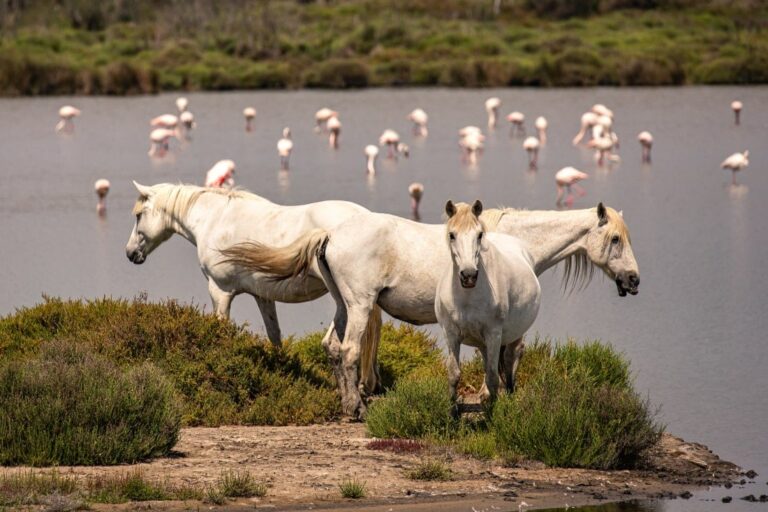
The Camargue Horse is an iconic French horse breed native to the marshy wetlands of southern France. These small, rugged horses have roamed the Camargue region for centuries, surviving in semi-feral conditions and developing unique adaptations that make them exceptionally...
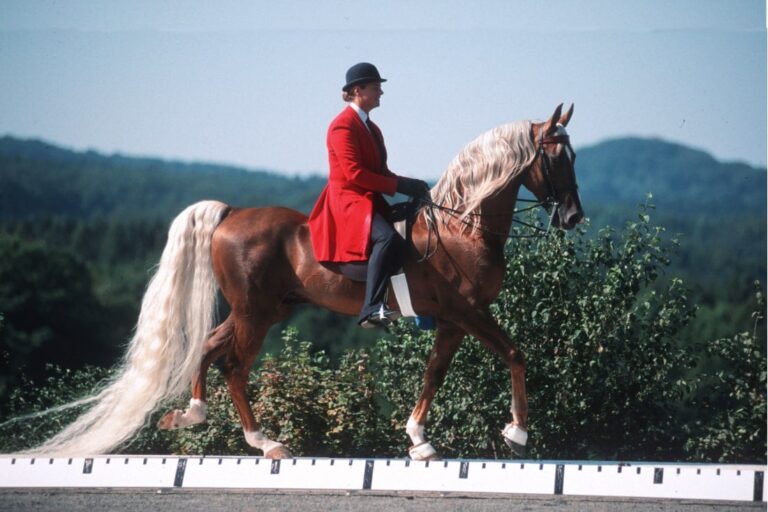
Saddle seat is an elegant English riding discipline designed to showcase the brilliance, animation, and style of high-stepping horse breeds. This discipline originated in the United States and has become closely tied to breeds such as the American Saddlebred, Morgan,...