English
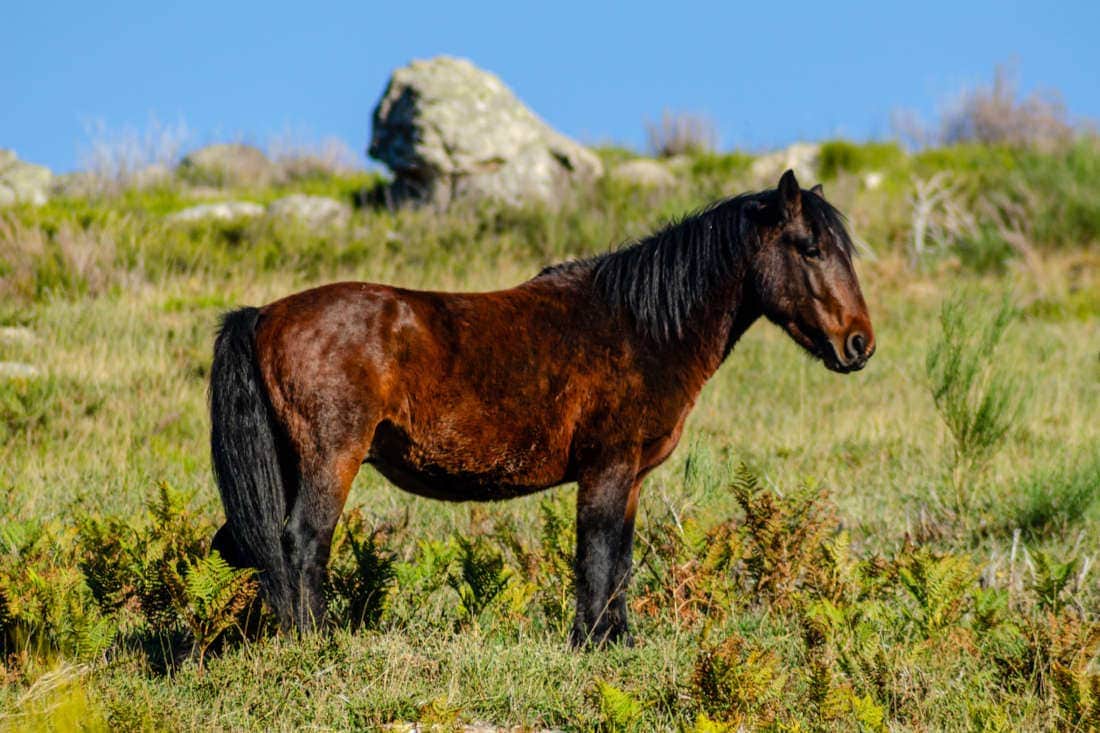
The Garrano horse is a rare native breed from northern Portugal known for its hardiness, sure-footedness, and close connection to the mountain landscapes where it developed.
Compact and resilient, the Garrano was shaped by rough terrain, sparse forage, and extensive management. These conditions helped produce a practical small horse with strong survival traits, efficient metabolism, and the agility needed for work and travel in hilly regions.
Today, Garranos are valued for trail riding, trekking, conservation grazing, and preserving Portugal’s equine heritage. Like many hardy native breeds, they often do well on simple forage-based diets, but domestic management requires attention to body condition, hoof care, dental health, parasite control, and metabolic risk.
Keep reading to learn more about the Garrano’s history, characteristics, common health concerns, care requirements, and nutritional needs.
Garrano Horse History
The Garrano’s history is closely tied to the mountains and rural communities of northern Portugal. This is a breed shaped by function. For generations, Garranos survived in a demanding environment where sure-footedness and endurance mattered more than size or speed.
Origin
The Garrano is one of Portugal’s native horse breeds and is strongly associated with the Minho region and nearby mountain areas in the north of the country. It is widely regarded as an ancient Iberian type that retained many primitive traits likely because it developed under extensive management and relatively harsh environmental conditions.
Genetic research supports the Garrano’s status as a distinct Portuguese semi-feral pony breed and highlights the importance of conserving its genetic identity. [1]
A broader comparison of Portuguese horse breeds also found that the Garrano shows a high level of genetic diversity. [2]
Historic Use
Historically, Garranos were practical horses for everyday life. Their compact size made them economical to keep, while their strength and balance made them useful in difficult terrain. They were used for riding, carrying packs, and light agricultural work in places where larger horses were less efficient. [3]
Because many Garranos lived in free-ranging or semi-feral systems, the breed also retained strong natural survival traits. Research on feral Garrano populations shows how closely their present-day ecology still reflects the pressures of landscape, food availability, and human activity. [4]
Breed Registry
As a rare breed, the Garrano depends on organized breeding oversight to preserve type, pedigree, and long-term viability. In Portugal, the breed is maintained through ACERG and the official Garrano studbook. [3]
This kind of registry work matters because small populations can lose diversity over time if breeding decisions are not carefully managed. Research on the Garrano’s population structure shows significant differentiation among regional subpopulations, making thoughtful conservation breeding especially important. [1]
| Breed Summary | |
|---|---|
| Breed Name | Garrano |
| Also Known As | Garrana |
| Breed Type | Native pony / small horse |
| Origin | Northern Portugal (Minho region and nearby mountain areas) |
| Breed Registry | ACERG; official Garrano studbook |
| Population Status | Rare native breed |
| Average Height | 11.3 – 13.1 hh |
| Average Weight | Approximately 660 lb (300 kg) |
| Common Coat Colors | Bay, dark bay, brown, black, chestnut; flashy white markings are uncommon |
| Conformation | Compact, sturdy frame, balanced topline, deep body, strong limbs, durable feet, straight or slightly concave profile |
| Lifespan | 25 – 30 years |
| Price Range | Estimates start at $2,000 USD |
| Common Uses | Trail riding, trekking, pleasure riding, light agricultural work, conservation grazing, cultural heritage |
| Temperament | Alert, intelligent, independent, willing, sensible |
| Best For | Owners seeking a hardy, sure-footed native horse for trail riding, trekking, conservation grazing, or heritage preservation |
| Common Health Concerns | Obesity, insulin dysregulation, laminitis, equine metabolic syndrome, hoof overgrowth, dental disease, parasite burdens |
Breed Characteristics
The Garrano is best understood as a functional native horse. It was not developed for extreme specialization. Instead, the breed combines balance, durability, and practical movement in a compact body. Many of its defining traits reflect adaptation to mountain living and extensive management.
Conformation
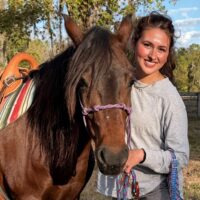
The Garrano is a small horse or large pony with a compact, sturdy frame. Most individuals have a balanced topline, a relatively deep body, strong limbs, and durable feet.
The head is usually plain and practical rather than refined, with a straight or slightly concave profile. The mane and tail are often full, and the overall build suggests strength and agility rather than speed. [3]
Breed descriptions commonly place the Garrano at roughly pony height, usually around 11.3 to 13.1 hh. That size, combined with strong bone and good balance, makes the breed efficient over rough ground.
Colors
The Garrano is most often associated with dark, traditional coat colors. Bay and dark bay are common, usually with a black mane and tail. Some horses may appear brown, black, or chestnut, but flashy white markings are not typical of the breed.
The overall look is one of simplicity and utility, which fits the Garrano’s long history as a hardy working horse.
Temperament
Garranos are often described as alert, intelligent, and independent. That independence makes sense in a breed that spent much of its history living with less human intervention than many modern domestic horses.
Well-handled Garranos can be willing and sensible partners. At the same time, horses raised in semi-feral settings may need more patience during early training. They are often observant and responsive, but they may not be as immediately people-oriented as horses raised in close domestic contact from birth.
Research on social organization in feral Garrano ponies also shows the breed retains complex herd behavior and strong social bonds. [5]
Disciplines
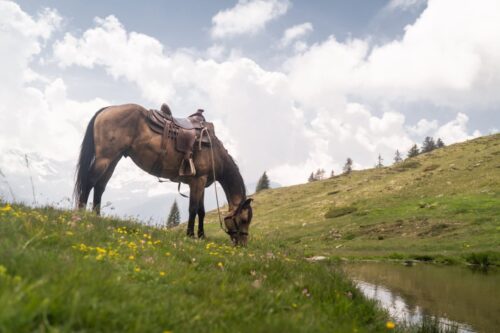
Today, Garranos are best suited to practical and low-impact disciplines. They are used for trail riding, trekking, pleasure riding, and light work. Their sure-footedness makes them especially useful in hilly or uneven terrain.
The breed is also used in conservation grazing projects. In managed landscapes, hardy native horses such as the Garrano can help control vegetation, support habitat management, and preserve traditional grazing systems. [6]
Garranos are not usually bred for elite modern sport, but that does not limit their value. For the right owner, their stamina, manageable size, and resilience make them appealing horses for everyday riding and heritage preservation.
Garrano Health
Garranos are generally considered robust horses, but hardy does not mean maintenance-free. Native breeds still need routine preventive care, balanced nutrition, and thoughtful management. In domestic settings, the biggest risk often comes from overfeeding rather than underfeeding.
Genetic Diseases
There are few well-documented breed-specific inherited diseases published for the Garrano. Careful breeding decisions are important to maintain robust bloodlines.
Rare breeds can face population-level genetic risks when numbers are low. Loss of diversity, genetic bottlenecks, and inbreeding pressure can all become concerns over time. In the Garrano, conservation-focused genetic work has helped document breed structure and support long-term preservation efforts. [1]
Research comparing Portuguese horse breeds also suggests that the Garrano still maintains a useful level of genetic diversity, despite remaining a rare population. [2]
Health Problems
The health concerns most relevant to Garranos are similar to those seen in many native ponies and other easy keepers. These horses evolved to use calories efficiently. In a domestic environment with rich pasture, generous hay, and little work, that efficiency can lead to weight gain and other health risks.
Obesity is one of the most important management concerns in easy-keeper horses. Excess body fat is linked to insulin resistance and increased risk of laminitis. [7] Insulin dysregulation is a key feature of equine metabolic syndrome and is strongly associated with laminitis in horses and ponies. [8]
In easy-keeper populations, visible fat deposits and excess body condition are useful warning signs. Research in pony-type horses shows that obesity-related markers can help identify animals at greater metabolic risk. [9]
Pasture and turnout management are important for horses with a risk of insulin resistance. In ponies with metabolic concerns, pasture grazing can trigger substantial insulin responses, especially when grass is lush or rapidly growing. [10]
Body condition scoring is one of the most useful tools for owners. In ponies, body condition scoring correlates well with body fat in lean and moderately conditioned animals, but becomes unreliable as ponies increase body condition. In obese ponies, small errors in scoring translate into large errors in estimated body fat. [11]
Care and Management
Beyond metabolic health, Garranos still require the same basic preventive care as any other horse. Hoof overgrowth, dental problems, parasite burdens, and minor injuries can all develop when management is inconsistent.
Horses in this breed benefit from regular movement, turnout, access to forage, and social contact with other horses. Many do well in outdoor living systems as long as they have shelter, clean water, and sound pasture management.
The following routine care priorities help support soundness, metabolic health, and daily welfare:
- Veterinary exams: Schedule regular checkups for overall health screening, soundness, and body condition monitoring
- Vaccinations: Follow a vaccination schedule recommended by your veterinarian based on your horse’s region, travel, exposure risk, and lifestyle
- Dental care: Routine dental care supports efficient chewing on high-forage diets
- Parasite management: Use a strategic deworming plan based on fecal egg counts and veterinary guidance
- Hoof care: Regular farrier care is still important even for horses with naturally strong feet
- Exercise and turnout: Regular movement, turnout, and social contact support fitness and help limit unhealthy weight gain
Even naturally durable hooves can become overgrown or unbalanced in softer domestic conditions. Dental exams, vaccinations, and parasite control should also be kept up to date.
When bringing Garranos from extensive systems into domestic management, diet and routine should change gradually. Sudden access to rich pasture or concentrated feed can increase the risk of digestive and metabolic problems. Consider working with an equine nutritionist or use Mad Barn’s Diet Transition Calculator to plan for dietary changes if you are moving a horse into a new living situation.
Nutrition
Nutrition is one of the most important parts of Garrano care. This breed developed on relatively modest forage, so most horses do not need energy-dense feeds. In practice, Garranos often do best on a simple diet built around forage-based feeding, balanced minerals, and close attention to body condition.
Weight Maintenance
Most Garranos should be managed as easy keepers unless there is a clear reason to feed more heavily. Calorie control matters, especially during spring pasture growth or periods of low activity.
The goal is not to restrict feed harshly. Instead, owners should provide enough forage to support gut health while avoiding excess energy intake. Horses that gain weight easily may need controlled pasture access, slower feeding systems, or lower-calorie hay.
Limiting starch and sugar is also wise for horses prone to metabolic issues. Research suggests that hydrolyzable carbohydrate (HC; sugar + starch) intake should be managed carefully for horses with insulin resistance. [12]
Garranos in regular work, with poor body condition, or in late gestation may need more calories, but these changes should be made deliberately rather than by default. A forage-first feeding program with appropriate mineral balance is usually the best starting point.
Sample Diet
The following sample diet is intended for a mature 660 lb (300 kg) Garrano with normal body condition at maintenance (not exercising).
| Feed | Amount per day |
|---|---|
| Hay (mid quality; 8% crude protein) | 13.5 lb (6.1 kg) |
| Salt (plain) | 1 tbsp |
| Omneity® Pellets | 100 g |
| Diet Analysis | |
| Digestible energy (% of req) | 108% |
| Protein (% of req) | 115% |
| HC (ESC + starch; % diet) | 8.8% |
Most Garranos can meet their energy and protein needs on a high-quality forage-based diet, especially when they are kept at maintenance or used for light riding. As a hardy native pony-type breed, the Garrano often uses calories efficiently and usually does not require energy-dense feeds unless workload, growth, pregnancy, lactation, age, or poor body condition increases requirements.
Although hay and pasture can often provide adequate energy and protein, forage-only diets are frequently low in key vitamins and minerals. A comprehensive vitamin and mineral supplement helps correct these common gaps without adding unnecessary sugars, starches, or calories.
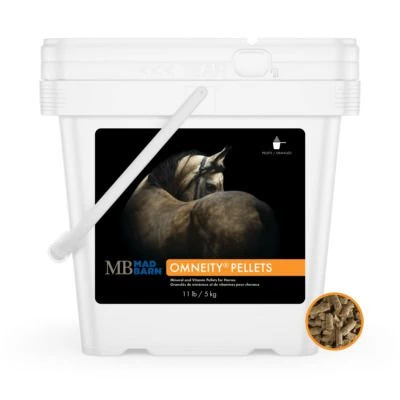
Omneity® Pellets provide complete vitamin and mineral support for forage-based diets. This balanced supplement supports hoof quality, muscle function, metabolic health, immune function, and coat condition in an easy-to-feed, palatable pellet form.
Garranos should also have constant access to clean, fresh water. Providing plain loose salt and adding 1 tbsp of salt to the daily ration is recommended to support hydration and electrolyte balance, particularly for horses in work, during hot weather, or when consuming dry hay. Salt blocks can help, but many horses do not consume enough from blocks alone.
Forage
Forage should make up the foundation of the Garrano diet. Most horses should receive approximately 1.5 – 2% of their body weight in forage dry matter per day, adjusted according to body condition and metabolic status. For a 660 lb (300 kg) Garrano, this is roughly 10 – 13 lb (4.5 – 6 kg) of forage dry matter daily. [13]
Because Garranos are efficient keepers, forage quality matters as much as forage quantity. Mature grass hay is often a good choice for horses that maintain weight easily. Rich pasture, high-calorie hay, or unrestricted access to lush grass may contribute to excess weight gain and increase metabolic risk in at-risk horses. [14][15]
To minimize sugar and starch intake, use a concentrated vitamin and mineral supplement in place of grain. Slow feeders, small-hole hay nets, track systems, dry lots, or grazing muzzles can help extend eating time while limiting excess calorie intake.
A forage analysis is the best way to assess energy, protein, sugar, starch, and mineral levels in hay or pasture. This information makes it easier to balance the ration accurately and avoid overfeeding an easy keeper.
Feeding Recommendations
Garranos generally do best on a simple, low-starch feeding program that supports steady body condition and metabolic health. Their hardy background and efficient metabolism mean many horses in this breed do not need commercial grain or large concentrate meals.
High-starch and high-sugar feeds can increase calorie intake quickly and may not suit Garranos prone to obesity, insulin dysregulation, or laminitis. Instead of grain, use a concentrated vitamin and mineral supplement to balance the diet while keeping added calories low.
If a carrier is needed for supplements, choose fiber-based options such as soaked hay pellets, a small amount of beet pulp, or forage cubes. These options are generally more appropriate than cereal grains for easy-keeper horses and can help maintain a forage-focused ration.
Garranos in heavier work, poor body condition, or cold conditions may need additional calories. When more energy is required, increase calories gradually using digestible fiber first. If further support is needed, a fat supplement can provide concentrated calories without relying on high-starch feeds.
Senior Garranos or horses with dental issues may struggle to chew long-stem hay effectively. In these cases, soaked hay pellets, chopped forage, beet pulp, or mashed feeds can help maintain fiber intake and body condition.
Provide clean water at all times and feed plain loose salt daily to encourage adequate sodium intake. For most mature horses, about 1 tablespoon of loose salt per day is a practical starting point, with higher needs during sweating, travel, or hot weather.

Nutritional Supplements
Providing a balanced forage-based diet with adequate vitamins and minerals should be the first priority when building a feeding plan for your Garrano. Once the base diet is balanced, nutritional supplements can provide extra support for individual needs.
Recommended Mad Barn supplements include:
- Omneity® Premix: A concentrated vitamin and mineral supplement that helps balance forage-based diets without adding many extra calories.
- Omneity® Pellets: A pelleted version of Omneity that works well for horses who do better with a convenient top-dressed pellet.
- AminoTrace+: An option for horses that need added amino acids along with vitamins and minerals, such as growing horses, breeding animals, or horses with higher protein needs.
- Visceral+: Can be used for horses needing extra digestive support during stress, travel, management changes, or periods of inconsistent forage intake.
- OmegaPrime+: A concentrated source of omega-3 fatty acids to support joint health and normal inflammatory balance without adding unnecessary sugar or starch.
For most Garranos, supplements work best as part of an overall diet plan that prioritizes forage quality, calorie control, salt, and balanced vitamins and minerals. Submit your horse’s diet online for a free evaluation from one of our qualified equine nutritionists.
Frequently Asked Questions
Here are some frequently asked questions about Garrano horses:
A Garrano horse is a rare native pony or small horse breed from northern Portugal. The breed is known for its hardy constitution, sure-footed movement, compact build, and ability to thrive on modest forage. Garranos developed in mountain landscapes where endurance, balance, and efficient metabolism were more useful than size or speed. Today, they are valued for riding, trekking, conservation grazing, and cultural heritage preservation.
Garrano horses come from northern Portugal, especially the Minho region and nearby mountain areas. The breed developed under extensive management in rugged terrain with rough weather and limited grazing. These conditions helped shape the Garrano into a tough, agile, and resourceful native horse. Genetic research supports the Garrano's identity as a distinct Portuguese semi-feral pony breed. [1]
The Garrano horse is considered a rare native breed that depends on organized conservation and breeding oversight. In Portugal, the breed is maintained through ACERG and the official Garrano studbook. Because rare breeds can lose genetic diversity over time, thoughtful breeding decisions are important for long-term preservation. Research on the Garrano's population structure shows meaningful differentiation among regional subpopulations, making conservation breeding especially important. [1]
A Garrano horse is typically pony-sized, standing about 12.2 to 13.2 hands high. Most have a compact, sturdy frame with strong limbs, durable feet, and a relatively deep body. The average weight listed for the breed is approximately 660 lb (300 kg). Although small, Garranos are built for strength, balance, and efficient movement over rough ground.
Garrano horses are most often bay, dark bay, brown, black, or chestnut. Bay and dark bay are especially common and are usually paired with black points, mane, and tail. Flashy white markings are not typical of the breed. The overall appearance is practical and traditional, reflecting the Garrano's long history as a hardy working horse.
Garrano horses are used for trail riding, trekking, pleasure riding, light agricultural work, conservation grazing, and cultural preservation. Their sure-footedness and stamina make them especially useful in hilly or uneven terrain. Historically, they served as riding horses, pack animals, and light work partners in rural communities. They are not usually bred for elite modern sport, but they remain valuable for practical, low-impact disciplines.
The temperament of a Garrano horse is typically alert, intelligent, independent, sensible, and willing when well handled. Their independence reflects a history of living in free-ranging or semi-feral systems with less human intervention than many modern breeds. Horses raised with regular handling can become practical and responsive partners. Garranos from semi-feral backgrounds may need patient training and experienced handling during the transition to domestic management.
Garrano horses can be good for some beginners when they are well handled, properly trained, and matched to the rider's ability. Their manageable size, sensible nature, and sure-footedness can make them appealing for trail and pleasure riding. However, Garranos raised in semi-feral systems may be more independent and observant, which can make early training more challenging. Beginner suitability depends more on the individual horse's handling, temperament, and education than on breed alone.
Garrano horses are generally easy keepers because they evolved to use calories efficiently on modest forage. This trait is useful in low-resource environments, but it can become a health risk in domestic settings with rich pasture, generous hay, or limited exercise. Easy keepers can gain excess weight quickly if calorie intake is not managed. Regular body condition scoring is one of the best ways to identify unhealthy weight gain early. [9]
Common health concerns in Garrano horses are similar to those seen in many hardy native ponies and easy keepers. The main risks include obesity, insulin dysregulation, equine metabolic syndrome, and laminitis when calorie intake is too high or pasture access is poorly controlled. They also need routine care for hooves, teeth, parasites, vaccination, and minor injuries. Hardy breeds still require consistent preventive care and thoughtful management.
Garrano horses may be prone to laminitis if they become overweight or develop insulin dysregulation. Excess body fat increases metabolic risk, and insulin dysregulation is strongly associated with laminitis in horses and ponies. Rich or rapidly growing pasture can be a particular concern for susceptible easy keepers. Owners should monitor body condition, limit excess calories, and seek veterinary guidance if signs of laminitis or metabolic disease appear.
A Garrano horse should usually be fed a forage-based diet with controlled calories, balanced vitamins and minerals, and close attention to body condition. Most do not need energy-dense feeds unless they are in regular work, underweight, growing, breeding, or otherwise have higher nutritional demands. For horses prone to metabolic problems, sugar and starch intake may need to be limited. A simple forage-first program with salt and appropriate mineral balance is usually the best starting point.
Garrano horses may need supplements when forage alone does not provide a balanced intake of vitamins, minerals, amino acids, or other nutrients. The first priority is to balance the base diet without adding unnecessary calories. Omneity Premix or Omneity Pellets can help support forage-based diets with vitamins and minerals, while AminoTrace+ may suit horses with higher amino acid needs. Supplements should be chosen for the individual horse's diet, workload, body condition, and management needs rather than added by default.
Garrano horses should be managed in domestic settings with regular turnout, movement, social contact, shelter, clean water, and controlled access to calories. Because the breed is efficient and hardy, overfeeding is often a bigger concern than underfeeding. Hoof care, dental exams, vaccination, and parasite management should stay on a routine schedule even when horses appear naturally robust. Diet and routine should change gradually when a Garrano moves from an extensive or semi-feral system into closer domestic care.
Summary
The Garrano is a rare native horse breed from northern Portugal valued for hardiness, sure-footedness, and practical use in rugged terrain. These efficient keepers often thrive on forage-based diets, but domestic care requires close attention to weight, metabolic health, hoof care, dental care, and balanced nutrition.
- Garranos are compact, resilient horses shaped by northern Portugal's mountain landscapes
- The breed is used for trail riding, trekking, light work, conservation grazing, and cultural heritage preservation
- Common management concerns include obesity, insulin dysregulation, laminitis, hoof overgrowth, dental disease, and parasite burdens
- Most Garranos do best on controlled forage intake, balanced minerals, plain salt, and limited starch and sugar
- Regular preventive care, turnout, movement, and social contact help support soundness and welfare
References
- Morais. J. et al. Genetic structure of an endangered Portuguese semiferal pony breed, the Garrano. Biochem Genet. 2005. View Summary
- Luís. C. et al. Genetic diversity and relationships of Portuguese and other horse breeds based on protein and microsatellite loci variation. Anim Genet. 2007. View Summary
- ACERG - Associação de Criadores de Equinos da Raça Garrana. ACERG.
- Mendonça. R. S. et al. Population Characteristics of Feral Horses Impacted by Anthropogenic Factors and Their Management Implications. Front Ecol Evol. 2022.
- Africa. D. D. et al. Herding as an emergent behaviour in harem groups of feral Garrano ponies. J R Soc Interface. 2025. View Summary
- Introduction of a new herd of Garrano horses | Faia Brava reserve in Portugal. Giving Back To Nature.
- Geor. R. J. and Harris. P. Dietary management of obesity and insulin resistance: countering risk for laminitis. Vet Clin North Am Equine Pract. 2009. View Summary
- Frank. N. and Tadros. E.M. Insulin dysregulation. Equine Vet J. 2014. View Summary
- Box. J.R. et al. Insulin dysregulation in a population of Finnhorses and associated phenotypic markers of obesity. J Vet Intern Med. 2020. View Summary
- Fitzgerald. D.M. et al. Insulin and incretin responses to grazing in insulin-dysregulated and healthy ponies. J Vet Intern Med. 2019. View Summary
- Dugdale. A.H.A. et al. Assessment of body fat in the pony: part I. Relationships between the anatomical distribution of adipose tissue, body composition and body condition. Equine Vet J. 2011. View Summary
- Macon. E.L. et al. Identifying possible thresholds for nonstructural carbohydrates in the insulin dysregulated horse. Equine Vet J. 2023. View Summary
- Nutrient Requirements of Horses: Sixth Revised Edition. National Academies Press, Washington, D.C. 2007. View Summary
- Cipriano-Salazar. M. et al. The Dietary Components and Feeding Management as Options to Offset Digestive Disturbances in Horses. J Equine Vet Sci. 2019.
- Geor. R. J. Metabolic Predispositions to Laminitis in Horses and Ponies: Obesity, Insulin Resistance and Metabolic Syndromes. Journal of Equine Veterinary Science. 2008.