English

The gut microbiome plays a central role in your horse’s digestive health, immune function, and overall performance. A healthy gut helps horses digest feed efficiently, absorb nutrients, and maintain normal immune defenses.
The foregut, which includes the stomach and small intestine, is responsible for much of nutrient digestion and absorption. The hindgut, which includes the cecum and colon, supports fiber fermentation and depends on a stable microbial population to help horses extract energy from forage.
When gut function is disrupted, horses may experience changes in digestion, body condition, behavior, performance, or resilience during stress. For this reason, supporting gut health means paying close attention to the hindgut microbiome and the dietary, management, stress, hydration, exercise, and medication factors that influence it.
Keep reading to learn what the equine microbiome is, why it matters, what can disrupt it, and how horse owners can support a stable hindgut environment through practical feeding and management strategies.
What is the Equine Microbiome?
The equine microbiome is the community of microorganisms that inhabit the horse’s digestive tract. These microbes are essential to digestive function, contributing to fibre fermentation, nutrient availability, microbial balance, and the stability of the gut environment.
Microbes are found throughout the horse’s digestive tract, but the hindgut microbiome has the greatest role in microbial fermentation. In the cecum and colon, microbial populations break down fibre that cannot be digested by the horse’s own enzymes, producing compounds that support digestive function and gut health. [1]
Smaller microbial populations are also present in the stomach and small intestine, but the hindgut is the main site of fibre fermentation in the horse. [1]

The horse’s microbial community is highly responsive to changes in diet, medication use, stress, age, hydration, and management. Forage type and starch intake are especially important because they influence substrate availability for microbial fermentation.
A stable microbiome supports normal digestion and gut barrier function. Disruption to this community can alter fermentation patterns and contribute to digestive upset and other health concerns.
Relevant Microbial Species
The microbiome is a community of microbes composed mainly of bacteria, along with protozoa, bacteriophages, and archaea. [2] In horses, these microbes carry out much of the fibre fermentation that occurs in the hindgut. [1]
During fermentation, microbes break down plant material and produce volatile fatty acids (VFAs), which horses absorb and use as an energy source. [1] Microbes also synthesize certain vitamins and help convert nutrients into forms that can be absorbed and used by the horse.
The most dominant microbial phyla (types) in the equine gut microbiome are:
- Firmicutes: Involved in fermenting structural plant components, including cellulose, to help horses obtain energy from forage.
- Bacteroidetes: Involved in breaking down starch and fibre in the hindgut, contributing to microbial fermentation and nutrient availability.
These microbial groups support the fermentation processes that allow horses to extract energy from fibrous feeds. [2]
Other microbial groups also contribute to the overall hindgut environment. Protozoa can participate in fermentation, archaea are involved in microbial metabolic processes, and bacteriophages can influence bacterial populations within the gut.
Together, these organisms form a complex ecosystem that depends on steady forage intake, gradual diet changes, and consistent management to remain balanced. [2]
What's your top priority with your horse's health?

What's your top priority with your horse's health?
Why Is the Horse’s Gut Microbiome Important?
The horse’s gut microbiome supports several core functions that affect digestive health, nutrient use, immune defenses, and resilience during stress or management changes.
These functions can be grouped into three main areas:
- Digesting feed and helping the horse extract nutrients
- Supporting immune function
- Maintaining a stable microbial community in the gut
Digestion & Nutrient Extraction
Horses are hindgut fermenters, meaning organisms in the cecum and colon are vital for breaking down fiber that the horse cannot digest on its own.
During fermentation, gut microbes produce volatile fatty acids (VFAs), which the horse can absorb and use as an energy source. These VFAs help fuel cellular processes, performance, growth, and reproduction.
The gut microbiome contributes to nutrient availability by synthesizing certain water-soluble vitamins and converting dietary nitrogen into microbial amino acids and protein.
These compounds primarily support microbial growth and fermentation in the hindgut. Some may also be absorbed and used by the horse, depending on where they are formed and how much is available.
Immune System Support
A large proportion of the horse’s immune system is associated with the gut, where immune cells are in close contact with the intestinal contents. The gut microbiome begins developing immediately after birth, and early microbial exposure helps shape normal immune system development. [1]
In adult horses, the gut microbiota support normal immune function by helping maintain the intestinal barrier. This barrier includes the gut lining, mucus layer, and immune defences that help regulate what passes from the digestive tract into the body.
When the intestinal barrier is functioning normally, it allows nutrients to be absorbed while helping limit the movement of harmful pathogens, toxins, and inflammatory compounds into circulation. [1]
Toxin Handling & Microbial Balance
A stable microbiome helps maintain the gut environment by regulating fermentation activity, hindgut pH, and competition between microbial populations. When fermentation remains balanced, acids produced by microbes are absorbed, buffered, or used by other microbes, helping keep hindgut pH within a normal range.
If this balance is disrupted, lactic acid-producing bacteria may increase and hindgut pH can decline. A lower pH can suppress fibre-fermenting microbes, alter normal fermentation, and create conditions that allow harmful bacteria to multiply or release toxins. [1]
Some microbial populations can also transform or degrade certain harmful compounds before they are absorbed. This contributes to normal toxin handling in the digestive tract, although the extent of this effect depends on the compound, microbial population, and overall gut conditions. [1]
This is one reason a stable microbiome may help horses remain more resilient during periods of stress, diet change, travel, medication use, or other disruptions.
What Happens When a Horse’s Microbiome is Disrupted?
When the horse’s gut microbiome is disrupted, gut dysbiosis can occur. Dysbiosis refers to a shift in the microbial community that reduces normal gut stability and allows potentially harmful microbes to increase in the hindgut.
Harmful microbes can include pathogenic bacteria such as Salmonella and certain strains of E. coli. When these organisms increase in the gut, they can produce toxins, irritate the intestinal lining, and trigger local inflammation.
This can weaken the intestinal barrier, which normally helps control what passes from the digestive tract into the body. Reduced barrier integrity is often described as leaky gut. When this barrier is compromised, bacterial toxins and inflammatory compounds may move across the gut lining and contribute to systemic inflammation, digestive upset, and poorer overall health. [1]
Early signs that may be associated with gut dysbiosis include: [1]
- Diarrhea
- Weight loss
- Poor appetite
- Reduced performance
- Behavioral changes, such as increased nervousness or aggression
- Increased risk of illness, including colic and laminitis
These signs may be present in horses with gut dysbiosis, but they are not specific to dysbiosis and may have many possible causes. For horse owners, recognizing possible signs of gut imbalance and understanding what contributes to dysbiosis are important steps in supporting long-term digestive health.
When to Call the Veterinarian
Digestive changes can have many causes, and some require prompt veterinary evaluation. Horse owners should seek guidance from a veterinarian if their horse’s symptoms worsen, persist, or do not improve with appropriate management changes.
Call a veterinarian promptly if you observe:
- Signs of colic, including pawing, rolling, looking at the flank, or repeated lying down
- Diarrhea that is severe, persistent, or accompanied by depression or fever
- Sudden lameness, reluctance to move, or signs consistent with laminitis
- Loss of appetite, dehydration, or reduced manure output
A veterinarian can help determine whether the signs are related to the digestive tract, another health condition, diet, medication use, or management changes. Early evaluation helps avoid delays in care when symptoms may indicate a more serious problem.
What Disrupts the Equine Microbiome?
Several factors that affect the stability of the hindgut environment can disrupt the equine microbiome.
Because the horse’s hindgut relies on a balanced community of microbes to ferment fiber and support digestive function, sudden changes can shift this population before it has time to adapt. This may contribute to gut dysbiosis, where beneficial microorganisms are reduced and harmful bacteria become more dominant.
For horse owners, understanding what disrupts the microbiome is an important step in supporting long-term gut health.
Dietary Factors
Diet is one of the main influences on the horse’s gut microbiome because feed determines which substrates are available for microbial fermentation. Changes in forage type, starch intake, feeding schedule, or overall diet composition can shift microbial populations and fermentation patterns in the hindgut.
When dietary changes occur suddenly, the microbial community may not have enough time to adapt. This can increase the risk of gut dysbiosis, particularly during abrupt feed changes, seasonal forage transitions, or when high-starch feeds are introduced or increased.
Dietary Changes
Diet changes alter the substrates available for fermentation, requiring the microbial population to adjust toward microbes that can use the available feedstuffs efficiently.
For example, when horses transition from pasture during warmer months to stored hay in colder months, the gut microbiome adapts to the change in forage composition.
Bacteroidetes, which help break down complex carbohydrates, may increase, while Firmicutes, which include many fibre-fermenting microbes, may decrease as the hindgut adapts to the fibre profile of hay. [3]
When a new diet is introduced rapidly, the horse’s microbial community may not have enough time to adapt. This can reduce beneficial microorganisms and allow harmful microbes to thrive. [3]
Seasonal forage availability can also affect the gut microbiome, as transitions between fresh pasture and stored forage may reduce the abundance of beneficial bacteria in the hindgut. [3]
Seasonal Transitions
Making seasonal transitions to spring pasture gradually is especially important when grass is lush, rapidly changing, and higher in hydrolyzable carbohydrates (sugar and starch). Introducing grazing time slowly gives the hindgut microbiome time to adapt while reducing the risk of digestive upset during the shift from stored forage to fresh grass.
For broader diet changes, Mad Barn’s Equine Diet Transition Calculator can be used to create a structured transition schedule. This helps horse owners phase in new feeds or forage sources over time instead of making abrupt changes that may disrupt the microbial population.
High-Starch Diets
High-starch diets include cereal grains such as oats, corn, barley, and grain-based concentrates. These are often fed to support moderate-to-intense training by meeting horses’ increased energy requirements with carbohydrates.
However, excessive starch intake can contribute to gut dysbiosis by reducing beneficial bacteria and promoting harmful bacteria.
Dietary fat can also provide additional energy for horses with higher calorie requirements while reducing reliance on grain-based feeds. Fat provides more than twice the calories of carbohydrates on a weight basis, helping increase caloric intake with just a small amount of additional feed. [4]
Common fat sources for horses include vegetable oils, flaxseed, and high-fat commercial feeds formulated to increase calorie density.
Mad Barn’s w-3 Oil is a palatable, easy-to-feed source of cool calories for exercising horses, hard keepers, and horses that need additional energy without increasing grain intake. It also provides essential fatty acids, including omega-3 DHA, along with natural vitamin E to support overall health as part of a balanced feeding program.
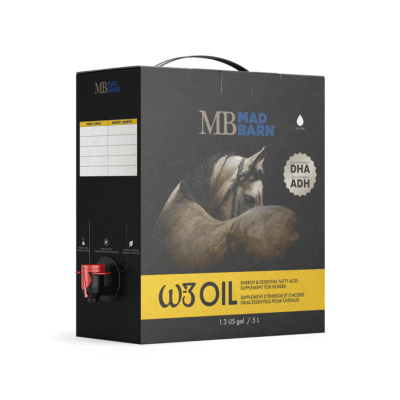
Because fat should be introduced gradually, work with an equine nutritionist to determine how much added fat is appropriate for your horse’s workload, body condition, forage intake, and overall diet.
Stress Factors
Stress can affect the horse’s gut microbiome by altering gut motility, feed intake, immune activity, and the intestinal environment. These changes can disrupt normal fermentation and make the hindgut more susceptible to shifts in microbial populations.
Stressors such as transportation, moving to a new barn, and abrupt changes in social groups have been associated with increased populations of potentially harmful bacteria and reduced populations of beneficial fibre-fermenting bacteria. [5]
Transportation
Transportation exposes horses to several stressors at once, including confinement, unfamiliar surroundings, changes in routine, and separation from familiar companions. Even short trips can trigger measurable stress responses, while long-distance travel may result in elevated stress hormones and other physiological changes. [6]
These changes can disrupt the balance of bacteria in a horse’s hindgut, reducing beneficial microbes and increasing harmful bacteria.
Horses may also consume less forage and water during travel, which contributes to dehydration, electrolyte losses, and reduced gut motility. These increase the risk of digestive disturbances, including colic, gastric ulcers, and other signs of gastrointestinal upset. [7]
Training
Excessive exercise or rapid increases in physical demands can also act as stressors, producing similar effects on the gut microbiome. [8]
Horses beginning a new training program or returning to work after time off may be more vulnerable if their exercise demands increase too quickly. Excessive training can increase a horse’s physical stress and affect appetite, digestion, and stability of the hindgut environment. [8]
Isolation
Isolation can occur during stall rest, quarantine, injury recovery, companion loss, transportation, or other management situations where horses are housed alone for extended periods.
Reduced social interaction can be especially challenging for horses accustomed to living in stable groups or alongside preferred companions. [9]
Stress associated with social isolation can affect horses’ appetite, digestive function, and the stability of their hindgut microbiome. Stress can affect gastrointestinal motility and microbial balance, making adequate fiber intake, a predictable feeding schedule, water access, and gradual dietary changes an important part of digestive stability. [9]
Moving to a New Barn or Changing Herdmates
Changes in herd structure can be challenging. This may include moving to a new barn, joining a different group of horses, or having new herd mates introduced to an existing herd.
Horses naturally form social hierarchies, and these changes often involve a period of adjustment as new relationships are established. During this time, some horses may spend less time eating or drinking if they’re stressed or displaced by more dominant herd members. [9]
New surroundings, unfamiliar routines, and separation from familiar companions can all lead to stress responses that contribute to changes in horses’ gut microbiome. These disruptions can alter the balance of beneficial and harmful microbes in the digestive tract, which affect digestive efficiency and overall well-being.
Lack of Turnout
Limited turnout can contribute to gut dysbiosis by limiting movement, forage intake consistency, and normal grazing behavior.
Horses kept indoors for long periods may have lower intestinal motility than horses on pasture, which can slow the movement of feed through the digestive tract and affect their hindgut environment. [10]
Turnout supports gut health by allowing horses to move freely and graze for longer periods. This steady intake of forage helps maintain fermentation in the hindgut and supports a more stable microbial population. When turnout is restricted, providing consistent forage access and controlled exercise can help reduce the digestive effects of confinement. [10]
Medical Factors
Antibiotic use is one of the greatest risks associated with gut dysbiosis. [11] While illness itself can negatively affect the gut microbiome, oral antibiotic administration can rapidly increase harmful bacteria in the hindgut while eliminating beneficial bacteria.
Other medicationsthat may contribute to dysbiosis include sedatives used for dental work or surgery, as well as deworming products. [11]
Medication decisions should always be made with veterinary guidance, especially for horses with a history of digestive disturbance.
Horse-Specific Factors
Each horse has a unique gut microbiome and a different level of vulnerability to gut dysbiosis. Horse-specific characteristics such as age can influence individual risk.
Young horses have immature microbiomes, while senior horses often experience age-related changes in microbiome composition and resilience, including reduced microbial diversity. [2] These differences can influence how well an individual horse adapts to diet, stress, medication, and management changes.

How to Support Your Horse’s Gut Health
Supporting the gut microbiome requires consistent attention to diet, routine, stress, hydration, and exercise.
Small management choices can help maintain a more stable hindgut environment and reduce the risk of digestive disruption.
1) Prioritize Forage Intake & Quality
The equine gut microbiome is primarily adapted to fiber fermentation, making forage-based diets ideal for most horses. Forages are naturally high in fiber, particularly cellulose and hemicellulose, which are complex structures made from glucose and other sugars.
A high supply of fermentable fiber in the hindgut increases microbial diversity, supports microbial stability, and helps maintain beneficial bacteria. [2]
The majority of a horse’s diet should consist of high-quality forage to supply microbes with fermentable fiber and support adequate VFA production.
Early-maturity forages tend to be softer, more digestible, and more nutrient-dense because of their higher fermentable fiber content. [12] These forages may be useful for horses with higher calorie needs, including performance horses, underweight horses, and senior horses.
Later-maturity forages tend to be lower in calorie density and take longer for the horse to digest. [12] These forages may be more appropriate for overweight horses or horses at maintenance. To determine forage nutritional value, submit forage samples for analysis.
High-quality forage should also be free of mold and spoilage, which can impair hindgut function. Inspect forage regularly for visible mold, such as gray or brown spots, as well as musty or fermented odors. Forage should not feel warm or damp to the touch.
2) Limit Starch Intake
An ideal equine diet is generally high in fiber with a strictly controlled amount of starch to promote beneficial bacteria and limit growth of harmful bacteria. It is typically recommended to feed no more than 1 gram of starch per kilogram of body weight per meal. [13] This limit is often exceeded when large grain meals are fed at once.
While fiber is digested in the hindgut, starches are primarily digested in the small intestine. When high levels of starch are consumed, the small intestine can be overwhelmed, allowing starch to reach the hindgut and undergo rapid microbial fermentation. [13]
Starch digestion in the hindgut causes a decrease in colonic pH, which can contribute to hindgut acidosis. A prolonged low pH can result in a significant loss of fiber-digesting bacteria and increase the risk of colic and laminitis. [14][15]
Extreme scenarios, such as a horse breaking into the feed room and eating a large meal of grain, may result in severe starch-overload hindgut acidosis.
In modern feeding programs, starch intake typically does not reach this level. However, horses fed higher-starch diets should receive multiple small meals per day to support starch digestion and energy absorption in the foregut.
3) Make Feeding Changes Gradually
Feed changes should be made slowly to allow time for the microbial population to adapt. When implementing diet changes, monitor horses for regular bowel movements, undigested feed in the feces, or changes in manure appearance, such as “firehose diarrhea” also known as free fecal water.
If you are unsure about the timeline for changing diet components, an equine diet transition calculator can help create an appropriate feed-transition schedule.
4) Support Consistent Management
Keeping a regular feeding schedule supports a stable gut microbiome. When abrupt changes to routine occur, such as changing the number of meals per day or altering forage availability, the gut microbiota may not adapt quickly enough.
For this reason, changes in schedule should be introduced gradually whenever possible. If forage supplies must be restricted for weight loss, using slow-feeder hay nets can help maintain more consistent forage access while reducing total intake.
5) Manage Stress
Stressors such as transportation, new environments, and extreme weather can negatively affect the gut microbiome. Helping your horse acclimatize to transport, maintaining the usual routine in new environments, and ensuring constant access to shelter can help reduce the impact of stress. [16]
For horses prone to stress-related digestive changes, management practices that support lower stress levels may also support a more stable hindgut environment.
6) Maintain Hydration
Constant access to clean water is crucial for maintaining a healthy gut microbiome. Water supports fermentation processes in the hindgut and helps maintain normal gut motility.
Extreme temperatures, both cold and hot, can reduce water consumption. In these cases, supplementing with salt can help stimulate thirst and encourage drinking. [17]
Supporting adequate hydration is especially important during weather changes, travel, and increased workload. Providing 2 tbsp of loose salt in the daily ration along with free-choice access is recommended to meet sodium requirements and stimulate thirst.
7) Provide Regular Exercise
While excessive exercise can negatively affect the microbiome, regular exercise that is appropriate for the horse’s age, training, and level of fitness can promote beneficial bacteria in the equine microbiome and enhance feed digestibility in horses. [18]
Gradual increases in workload give the gut microbiome time to adapt to higher exercise demands. A consistent conditioning program can also help support digestive health, performance, and recovery.
8) Balance the Diet
Forages are the primary source of fiber, protein, and energy in equine diets. However, vitamins and minerals can be deficient in forage-based diets. When grasses are cured to make hay, vitamins are rapidly degraded, which can lead to insufficient vitamin A and vitamin E supply. [19]
Trace minerals such as zinc, copper, and selenium, which support antioxidant function, are also often deficient in forage-based diets. [19][20]
Mad Barn’s Omneity® Pellets provides a balanced vitamin and mineral supplement formulated to complement forage-first diets.
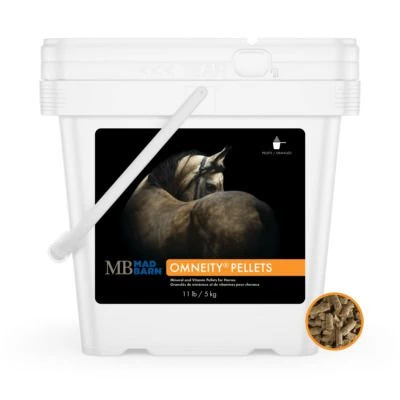
Salt should also be provided daily to meet sodium needs and encourage water consumption. Feed at least 2 tablespoons per day added to the feed, unless your veterinarian or nutritionist recommends a different amount for your horse.
Table 1. Ways to support your horse’s gut health
| Gut health strategy | Why it helps | Practical action |
|---|---|---|
| Prioritize forage intake and quality |
|
|
| Limit starch intake |
|
|
| Make feeding changes gradually |
|
|
| Keep management routines consistent |
|
|
| Manage stress |
|
|
| Maintain hydration |
|
|
| Provide regular exercise |
|
|
| Balance forage-first diets nutritionally |
|
|
Do Horses Need Probiotics for Gut Health?
Probiotics are live microbes that support the equine gut microbiome by continually introducing beneficial organisms and encouraging the growth of beneficial microbial populations. Microbial cultures in probiotics include bacteria such as Lactobacillus acidophilus and yeast strains such as Saccharomyces cerevisiae.
Probiotics may be helpful for horses with depleted levels of beneficial microbes due to persistent digestive issues, periods of stress, or antibiotic treatment. Optimum Probiotic contains five strains of probiotic microbes and is formulated to support healthy gut microflora.
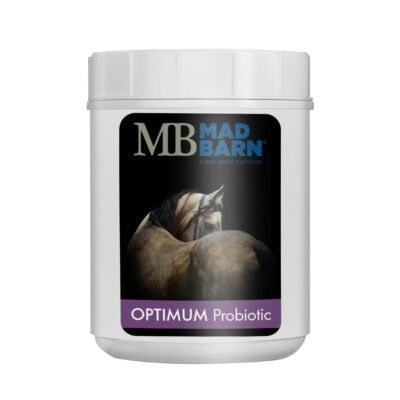
Prebiotics are non-digestible plant fibers, such as fructo-oligosaccharides (FOS) and mannan-oligosaccharides (MOS), that support the equine gut microbiome by nourishing beneficial microbes, enhancing fiber digestibility, and helping neutralize pathogens and toxins in the gut. [17]
Supplementing probiotics and prebiotics together may increase beneficial microbes and help support the overall microbial environment.
Mad Barn’s Optimum Digestive Health contains probiotics and prebiotics and is formulated to support gut health and immune function as part of a balanced feeding and management program.
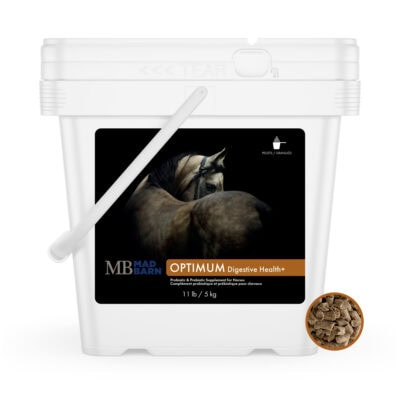
Supporting a Healthy Equine Gut Microbiome
The equine gut microbiome is central to digestive efficiency, nutrient utilization, immune function, and overall well being. Because the hindgut relies on a stable population of beneficial microbes to ferment fiber, changes in diet, stress, hydration, exercise, or medication use can affect gut health and performance.
For horse owners, the most important goal is to support a steady hindgut environment. This means avoiding abrupt changes, recognizing factors that can disrupt the microbiome, and watching for changes in manure, appetite, body condition, behavior, or performance that may signal digestive imbalance.
Supporting the microbiome starts with consistent management practices, including providing ample forage, making dietary changes gradually, minimizing unnecessary stress, ensuring adequate water intake, and feeding a nutritionally balanced diet. These foundations help beneficial microbes remain stable and allow the horse to make better use of forage-based nutrition.
For horses that need additional digestive support, probiotics and prebiotics may help maintain a healthy microbial environment. By prioritizing hindgut health as part of daily care, horse owners can help support their horse’s digestive function, resilience, and long-term wellness.
Frequently Asked Questions
Here are some frequently asked questions about the equine gut microbiome:
The equine gut microbiome is the community of microorganisms that live in and around the horse's digestive tract, especially in the hindgut. This community is made up largely of bacteria, along with protozoa, bacteriophages, and archaea. These microbes help break down feed, ferment fiber, produce volatile fatty acids, and support the stability of the gut environment. [1][2]
The hindgut microbiome is important for horses because the cecum and colon are the main sites of microbial fiber fermentation. Horses cannot fully digest fiber with their own enzymes, so they depend on hindgut microbes to convert forage into volatile fatty acids that can be used for energy. A stable hindgut microbiome also supports nutrient use, gut barrier function, immune defenses, and resilience during stress or management changes. [1]
Signs of gut dysbiosis in horses may include diarrhea, weight loss, poor appetite, reduced performance, behavioral changes, and increased risk of illness such as colic or laminitis. Gut dysbiosis occurs when the balance between beneficial and harmful microbes shifts, allowing harmful organisms to become more dominant. These signs are not specific to dysbiosis and can have many possible causes, so persistent, worsening, or severe symptoms should be discussed with a veterinarian.
Gut health can affect a horse's immune system because a significant portion of immune function is associated with the digestive tract. The gut microbiome helps support immune development early in life and helps maintain the intestinal barrier in adult horses. A healthy intestinal barrier helps limit harmful pathogens and toxins from moving out of the gut and into the rest of the body. [1]
The equine gut microbiome can be disrupted by sudden diet changes, seasonal forage changes, high-starch diets, stress, illness, medication use, dehydration, and rapid increases in workload. These factors can alter the hindgut environment before the microbial population has time to adapt. When beneficial microbes decline and harmful microbes become more dominant, the horse may be more vulnerable to digestive upset and reduced resilience.
Sudden feed changes affect a horse's gut by forcing the microbial population to adjust quickly to different feedstuffs. If the change happens too fast, beneficial microorganisms may decline and harmful microorganisms may have an opportunity to overgrow. Gradual feed transitions give the hindgut microbiome more time to adapt and can help reduce the risk of digestive upset.
High-starch diets can be a problem for equine gut health when too much starch reaches the hindgut instead of being digested in the small intestine. Rapid starch fermentation in the hindgut can lower colonic pH, reduce fiber-digesting bacteria, and contribute to hindgut acidosis. This shift may increase the risk of digestive disturbance, colic, and laminitis, especially when large grain meals are fed at once. [3]
How much starch a horse should eat per meal depends on body weight, workload, total diet, and individual digestive tolerance. A common guideline is to feed no more than 1 gram of starch per kilogram of body weight per meal to reduce the risk of excess starch reaching the hindgut. Horses that need higher-starch feeds should generally receive them in multiple small meals rather than one large grain meal. [3]
Forage can support a healthy gut microbiome by supplying the fermentable fiber that hindgut microbes are adapted to use. A forage-based diet helps maintain microbial diversity, supports microbial stability, and provides the foundation for normal volatile fatty acid production. Forage quality also matters, so hay and pasture should be checked for mold, spoilage, dampness, warmth, or musty odors. [2]
Horse owners should make diet changes gradually to protect gut health and give the microbial population time to adapt. During transitions, monitor appetite, manure quality, regular bowel movements, and signs of undigested feed in the feces. If a major diet change is needed, a structured feed-transition schedule can help reduce the risk of digestive disruption.
Stress can affect a horse's gut microbiome by increasing harmful bacteria and reducing beneficial fiber-fermenting bacteria. Transportation, new environments, abrupt changes in companions, extreme weather, and rapid increases in workload may all contribute to microbial disruption. Maintaining familiar routines, helping horses acclimatize to change, and providing shelter can help support a more stable hindgut environment. [5][7]
Antibiotics can disrupt a horse's gut microbiome by reducing beneficial bacteria and allowing harmful bacteria to increase in the hindgut. Oral antibiotic administration is one of the greater medication-related risks for gut dysbiosis, although illness itself can also affect the microbiome. Medication decisions should be made with veterinary guidance, especially for horses with a history of digestive disturbance. [6]
Young and senior horses may be more vulnerable to gut microbiome changes because age influences microbial development, diversity, and resilience. Young horses have immature microbiomes that are still developing, while senior horses may experience age-related shifts in microbiome composition. These differences can affect how well an individual horse adapts to diet changes, stress, medication, and management changes. [2]
Hydration supports gut health in horses by helping maintain hindgut fermentation and normal gut motility. Constant access to clean water is important, especially during hot weather, cold weather, travel, and increased workload. Daily salt can help encourage drinking when water intake is reduced, unless a veterinarian or nutritionist recommends a different approach. [8]
Exercise can support a healthy gut microbiome when it is regular, appropriate, and introduced gradually. Consistent exercise may promote beneficial bacteria and improve feed digestibility in horses. However, overexercise or sudden increases in physical demands can act as stressors, so conditioning should progress steadily to support both digestive health and performance. [9]
Horses may benefit from probiotics for gut health when beneficial microbes have been depleted by persistent digestive issues, stress, or antibiotic treatment. Probiotics are live microbes that help introduce beneficial organisms and support the overall microbial environment. Mad Barn Optimum Probiotic contains five strains of probiotic microbes and is formulated to support healthy gut microflora as part of a balanced feeding and management program. [10]
The difference between prebiotics and probiotics for horses is that probiotics provide live beneficial microbes, while prebiotics provide non-digestible plant fibers that nourish beneficial microbes already in the gut. Prebiotics such as FOS and MOS can support fiber digestibility and help neutralize pathogens and toxins in the digestive tract. Using prebiotics and probiotics together may help increase beneficial microbes and support the broader hindgut environment. [8]
A forage-first diet can be nutritionally balanced by addressing vitamin and mineral gaps that are common in hay and pasture-based feeding programs. Forages provide most of the fiber, protein, and energy in many equine diets, but they may be low in nutrients such as vitamin A, vitamin E, zinc, copper, and selenium. Mad Barn Omneity Pellets are formulated to complement forage-first diets by providing balanced vitamin and mineral support.
You should call a veterinarian for possible digestive problems if your horse has persistent digestive upset, unexplained weight loss, reduced appetite, recurring diarrhea, or a noticeable change in behavior or performance. Prompt veterinary care is especially important for signs of colic, severe diarrhea, fever, dehydration, reduced manure output, sudden lameness, reluctance to move, or signs consistent with laminitis. A veterinarian can help determine whether the problem is related to the digestive tract, diet, medication, illness, or another health condition.
Not every horse needs a probiotic, but some horses may benefit from probiotic support during periods of digestive disruption, stress, travel, antibiotic treatment, or diet change. Probiotics provide live beneficial microbes that help support a healthy microbial environment in the gut. Optimum Digestive Health combines probiotics with prebiotics to help support gut health, immune function, and a stable hindgut environment as part of a balanced feeding and management program. [10]
A horse may benefit from a gut support supplement if they are prone to digestive upset, poor appetite, loose manure, stress-related changes, travel stress, or management changes that challenge digestive stability. Gut support supplements do not replace good forage, gradual feed changes, clean water, and consistent routines, but they can help support digestive comfort in horses that need additional nutritional support. Visceral+ is formulated to support both gastric and hindgut health, making it a useful option for horses that need comprehensive digestive support.
Summary
The equine gut microbiome is the community of microorganisms that live in a horse's digestive tract, made up mostly of bacteria, along with smaller populations of protozoa, archaea, and other microbes. These microbes help horses ferment fiber from forage, producing volatile fatty acids that the horse can use as energy.
- The gut microbiome is mainly located in the hindgut, where bacteria and other microbes ferment fiber to produce volatile fatty acids which are the horse's primary energy source
- A healthy microbiome supports digestion, nutrient use, immune function, intestinal barrier integrity, and protection against harmful bacteria and toxins
- Gut dysbiosis occurs when harmful microbes outnumber beneficial microbes, which can lead to digestive disturbances and other performance and health concerns
- Dysbiosis triggers include sudden diet changes, high-starch meals, seasonal forage changes, stress, transport, illness, antibiotics, deworming, age, and rapid changes in workload
- Supporting gut health involves prioritizing good-quality forage, limiting starch intake, making feeding changes gradually, maintaining consistent routines, managing stress, supporting hydration, and providing regular exercise
References
- Boucher. L. et al. Current Understanding of Equine Gut Dysbiosis and Microbiota Manipulation Techniques: Comparison with Current Knowledge in Other Species. Animals. 2024. View Summary
- Chaucheyras-Durand. F. et al. Gastro-Intestinal Microbiota in Equines and Its Role in Health and Disease: The Black Box Opens. Microorganisms. 2022. View Summary
- Hansen. N. C. K. et al. High Nutrient Availability Reduces the Diversity and Stability of the Equine Caecal Microbiota. Microbial Ecology in Health and Disease. 2015. View Summary
- Geor. R. J. et al., Eds. Equine Applied and Clinical Nutrition: Health, Welfare and Performance. Elsevier. 2013.
- Kang. H. et al. Heat Stress in Horses: A Literature Review. International Journal of Biometeorology. 2023. View Summary
- Schmidt. A. et al. Cortisol Release and Heart Rate Variability in Horses During Road Transport. Hormones and Behavior. 2010. View Summary
- Padalino. B. et al. Health Problems and Risk Factors Associated with Long Haul Transport of Horses in Australia. Animals. 2015. View Summary
- Górniak. W. et al. Effect of Intense Exercise on the Level of Bacteroidetes and Firmicutes Phyla in the Digestive System of Thoroughbred Racehorses. Animals. 2021. View Summary
- Hartmann. E. et al. Keeping Horses in Groups: A Review. Applied Animal Behaviour Science. 2012.
- Williams. S. et al. Water Intake, Faecal Output and Intestinal Motility in Horses Moved from Pasture to a Stabled Management Regime with Controlled Exercise. Equine Veterinary Journal. 2015. View Summary
- Kauter. A. et al. The Gut Microbiome of Horses: Current Research on Equine Enteral Microbiota and Future Perspectives. Animal Microbiome. 2019. View Summary
- Ely. R. E. et al. Studies on the Composition of Lignin Isolated from Orchard Grass Hay Cut at Stages of Maturity and from Corresponding Feces. Journal of Dairy Science. 1953.
- Vervuert. I. et al. Effect of Feeding Increasing Quantities of Starch on Glycaemic and Insulinaemic Responses in Healthy Horses. The Veterinary Journal. 2009.
- van de Berg. M. et al. Fecal pH and Microbial Populations in Thoroughbred Horses During Transition from Pasture to Concentrate Feeding. Journal of Equine Veterinary Science. 2013.
- Park. T. et al. Comparison of the Fecal Microbiota of Horses with Intestinal Disease and Their Healthy Counterparts. Veterinary Sciences. 2021.
- Lara. F. et al. Changes in the Gut Microbiome and Colic in Horses: Are They Causes or Consequences?. Open Veterinary Journal. 2022. View Summary
- Li. F. et al. Gut Microbiome Regulation in Equine Animals: Current Understanding and Future Perspectives. Frontiers in Microbiology. 2025.
- Ma. R. and Wang. C. Microbiome Analysis Reveals the Positive Effects of Exercise on the Gut Microbiota in Horse. Microbial Pathogenesis. 2026. View Summary
- Nutrient Requirements of Horses: Sixth Revised Edition. National Academies Press. 2007. View Summary
- Richards. N. et al. Nutritional and Non-nutritional Aspects of Forage. Veterinary Clinics of North America: Equine Practice. 2021. View Summary
- Ony. E. E. Digestive Aids: Does Your Horse Need Them?. Kentucky Equine Research. 2002.