English
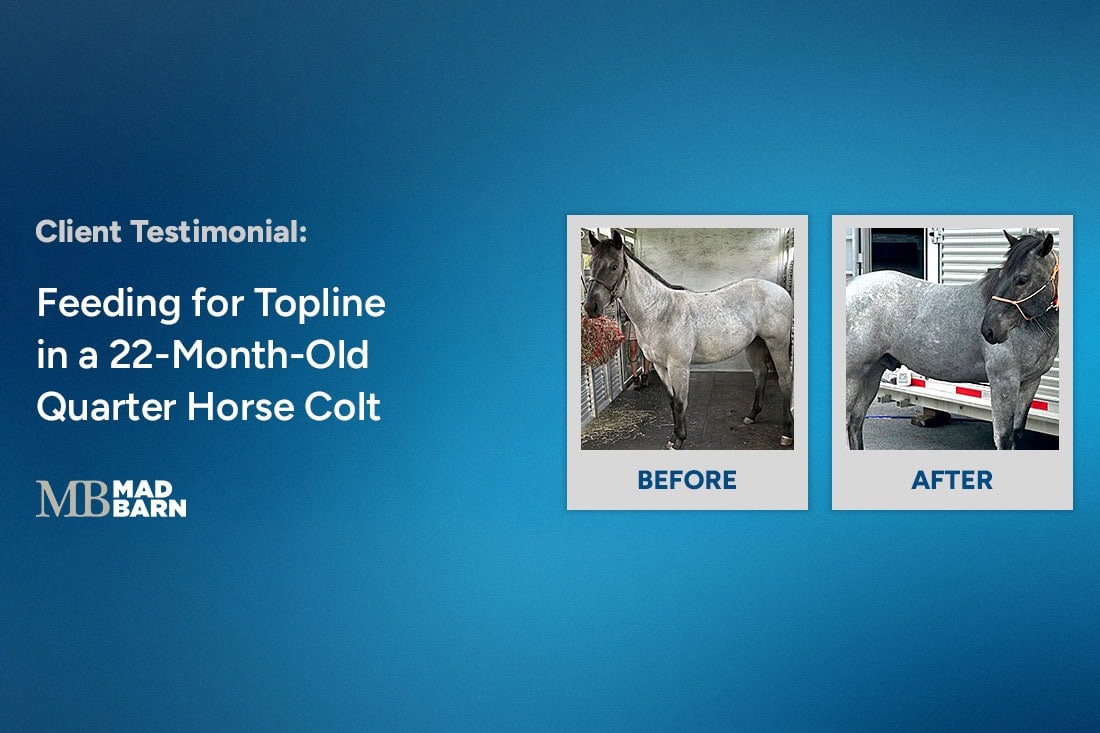
In March 2026, Deuce’s owner submitted a progress report for her 22-month-old Quarter Horse colt in New York, USA. At the time, Deuce weighed approximately 950 lb (431 kg) and was reported to be in good body condition.
His owner contacted Mad Barn to share his progress after a previous episode of significant muscle loss that had been addressed with veterinary care.
As part of his nutritional support program, she added Mad Barn’s Three Amigos to provide supplemental essential amino acids involved in muscle protein synthesis, topline development and overall muscle health.
Presentation Prior to Diet Intervention
Deuce maintained a healthy body condition throughout his first year of life until August 2025, when he experienced an episode of Immune-Mediated Myositis (IMM). According to his owner, his veterinarian suspected that routine vaccine boosters administered earlier that month triggered the condition.
As a result of the inflammatory response associated with IMM, Deuce lost a significant amount of muscle mass, particularly along his topline and hindquarters. The rapid muscle loss raised concerns about his ability to regain condition and support healthy growth during recovery.
The following photo was provided of Deuce in July 2025, one month prior to the episode of IMM:
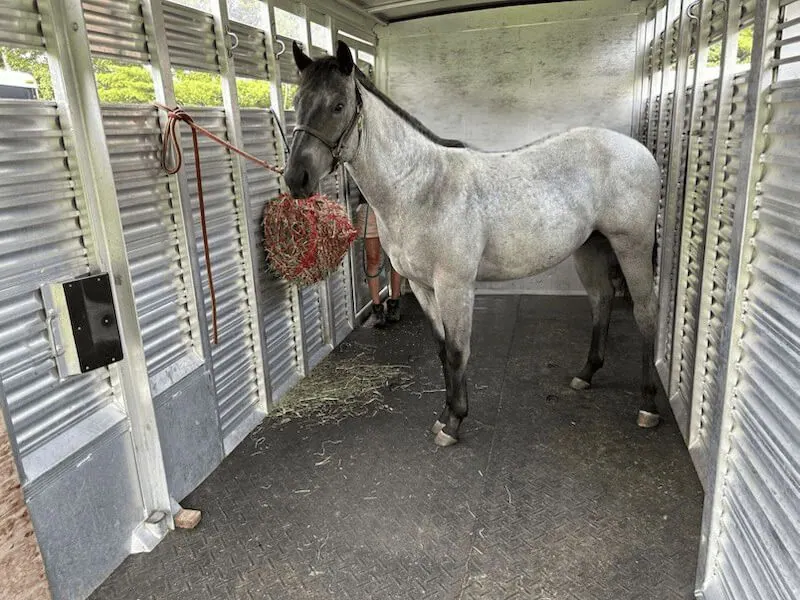 Deuce, July 2025
The following photos show Deuce’s muscle loss in August 2025 after the IMM episode:
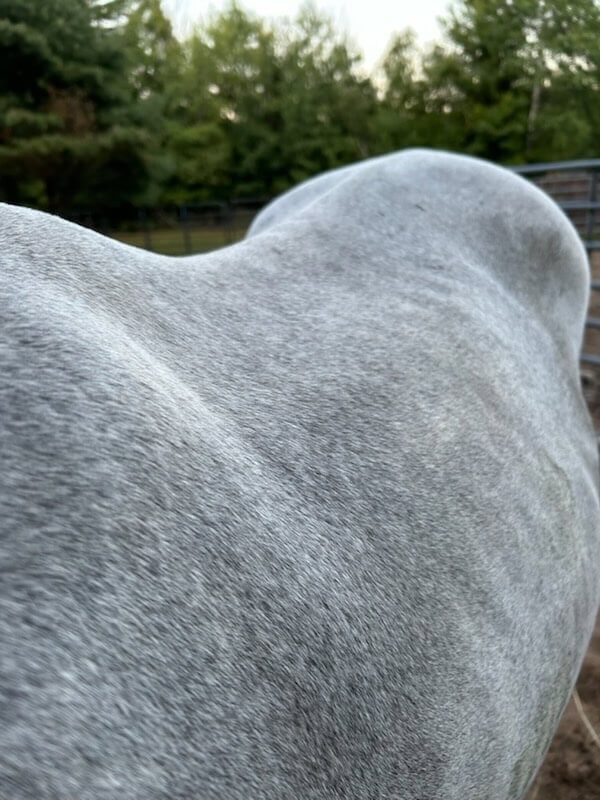 Deuce, August 2025
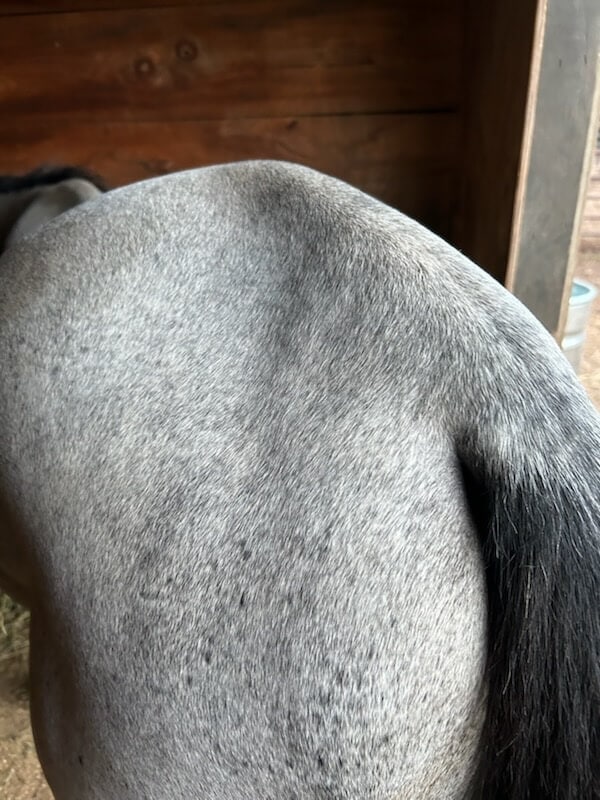 Deuce, August 2025
Horse History
Prior to purchasing Deuce, his owner was unaware that he carried a genetic mutation in the MYH1 gene. This mutation is associated with Myosin Heavy Chain Myopathy (MYHM), a genetic muscle disorder that can cause sudden episodes of muscle damage, stiffness, weakness and rapid muscle loss.
After Deuce experienced an episode of immune-mediated myositis (IMM), genetic testing identified the MYH1 mutation and confirmed a diagnosis of MYHM. This helped explain why his muscle loss was not simply a result of growth, conditioning or diet, but was linked to an underlying genetic susceptibility affecting skeletal muscle.
Various stressors can trigger IMM in horses with the MYH1 mutation, including vaccination and infectious diseases. In Deuce’s case, routine vaccine boosters likely triggered the immune response that led to the IMM episode and subsequent muscle loss.
Myosin Heavy Chain Myopathy (MYHM)
Myosin Heavy Chain Myopathy (MYHM) is a genetic muscle disorder caused by a mutation in the MYH1 gene. The condition occurs most commonly in Quarter Horses and related breeds, including Paint Horses and Appaloosas. Depending on the specific genetic variant inherited, affected horses may have an increased risk of developing muscle disease and may pass the mutation on to their offspring. [1][2]
Genetic testing can identify horses carrying the MYH1 mutation, allowing owners and veterinarians to make informed management decisions and better understand the risk of future muscle-related events.
Following his IMM episode, genetic testing confirmed that Deuce was homozygous (My/My) for the MYH1 mutation, placing him at increased genetic risk for developing clinical signs of MYHM. [3]
Horses with MYHM can develop one of two distinct clinical syndromes: Immune-Mediated Myositis (IMM) or Non-Exertional Rhabdomyolysis, a form of muscle damage that occurs independently of exercise. Some horses experience only one presentation, while others may develop both at different points throughout their lives. [3]
Immune-Mediated Myositis (IMM)
Immune-Mediated Myositis (IMM) is an autoimmune muscle disorder in which the horse’s immune system mistakenly attacks its own muscle tissue, resulting in rapid and often severe muscle loss. [4]
The hallmark sign of IMM is rapid muscle atrophy, particularly along the topline and hindquarters. Affected horses may also exhibit stiffness, weakness, fever, lethargy, or a decreased appetite. In severe cases, horses can lose a substantial amount of muscle mass within days. [5]
Horses with the MYH1 mutation typically experience a triggering event before developing clinical signs. Common triggers include vaccination, respiratory infections, strangles, and other immune-stimulating events. Following exposure to a trigger, the immune system mistakenly targets its own muscle fibers, leading to inflammation and muscle degeneration. [4][5]
Although treatment can help control acute episodes, some horses have recurrent bouts of IMM throughout their lives. Early recognition and veterinary intervention are important for limiting muscle loss and supporting recovery.
In Deuce’s case, routine vaccine boosters likely triggered an episode of IMM, resulting in significant muscle loss along his topline and hindquarters.
Non-Exertional Rhabdomyolysis
Non-Exertional Rhabdomyolysis (non-exertional tying-up) is the other clinical syndrome associated with Myosin Heavy Chain Myopathy (MYHM).
Unlike exercise-induced muscle disorders, this condition can occur without physical exertion and causes muscle damage, stiffness, pain, weakness, and elevated muscle enzyme levels. In severe cases, affected horses may show reluctance to move, sweating, or muscle tremors. [3]
Researchers do not fully understand what triggers non-exertional rhabdomyolysis in horses with the MYH1 mutation, but stress, illness, and other physiological challenges may contribute to episodes. Not all horses with MYHM develop this form of the disease, and some horses may never show clinical signs despite carrying the mutation.
Although Deuce tested positive for the MYH1 mutation, his owner reported he had not experienced any tying up episodes by the time they contacted Mad Barn about his condition.
Initial Diet
Before dietary adjustments were made, Deuce’s daily ration consisted of:
- Free-choice first cutting mixed grass/alfalfa hay
- 2 lb (0.91 kg) – SafeChoice® Mare & Foal (Nutrena)
Based on the information provided, this diet appeared to supply adequate energy and protein to support growth and body condition. However, it did not provide adequate levels of several essential vitamins and trace minerals, including zinc, copper, selenium, and vitamins A and E.
These nutrients are important for normal growth, muscle function, antioxidant status, immune function and tissue repair. For a young horse recovering from significant muscle loss, gaps in vitamin and mineral intake may limit the nutritional support available for rebuilding muscle and maintaining overall health.
Improving the overall balance of his feeding program would ensure Deuce received the nutrients needed to support recovery, continued growth and long-term muscle development.
Intervention
Deuce’s recovery required both veterinary treatment for IMM and nutritional support to help rebuild the muscle mass lost during the acute episode.
After his diagnosis, his owner adjusted his feeding program to increase nutrients involved in muscle repair and development. These changes focused on providing more high-quality protein, essential amino acids and vitamin E to support muscle protein synthesis, antioxidant status and recovery.
When Deuce’s owner later contacted Mad Barn, our nutritionists reviewed the feeding program and recommended changes to simplify the ration, improve overall diet balance and continue supporting his growth, recovery and long-term muscle development.
Owner Intervention
After Deuce’s veterinarian confirmed the diagnosis of IMM, Deuce completed an eight-week course of corticosteroid therapy to help control the immune response and limit further muscle damage.
To support recovery, his owner also modified his diet to increase his intake of protein, essential amino acids, and vitamin E through a combination of feeds and supplements.
Together, these nutritional changes and veterinary treatment helped Deuce regain the muscle mass he lost during the IMM episode and return to a healthy body condition.
With continued monitoring, Deuce’s owner revised the diet further, with the diet at the time of Mad Barn consultation consisting of:
- Free-choice first cutting mixed grass/alfalfa hay
- 2 lb (0.91 kg) – Empower® Topline Balance® (Nutrena)
- 2 lb (0.91 kg) – Alfalfa Chopped (Standlee)
- 3 – 4 oz (90 – 120 g) – Naturals Golden Ground Flax (Triple Crown)
- 1 scoop (20 g) – Three Amigos
- 4,000 IU (28 g) – Elevate Maintenance Powder (Kentucky Performance Products)
- 1 scoop (28.4 g) – Biotin II 22X (MVP)
Table 1. Summary of Owner’s Diet Intervention
| Horse Issue | Nutrition Goal | Intervention | Notes |
|---|---|---|---|
| Topline Muscle Loss | Support muscle recovery and development |
|
|
Mad Barn Support
In March 2026, Deuce’s owner reached out to Mad Barn’s nutritionists to ensure his diet supported his ongoing recovery and long-term health. After reviewing his feeding program, the nutrition team developed an updated diet plan to optimize his nutritional program.
Table 2. Summary of Mad Barn Recommended Diet Update
| Horse Issue | Nutrition Goal | Intervention | Notes |
|---|---|---|---|
| Muscle Health | Support muscle health and recovery |
|
|
| Diet Balance | Optimize vitamin and mineral support |
|
|
While horses with MYHM do not require specialized dietary management, the recommended dietary changes aimed to support Deuce’s growth and ensure he received adequate amino acids, vitamins, and minerals to support muscle development and overall health.
Fortifying the Diet
The recommended dietary adjustments aimed to optimize the overall balance of Deuce’s diet while supporting continued growth, muscle development, and long-term health.
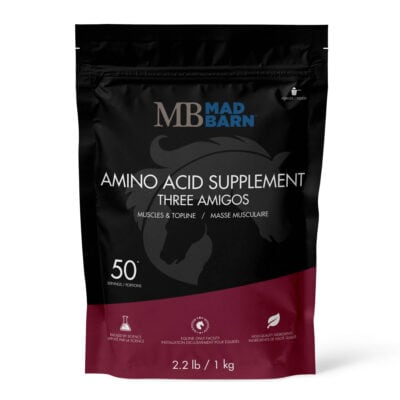
Because Deuce responded well to amino acid supplementation during his recovery, the updated feeding program continued with Three Amigos to provide high levels of essential amino acids that support muscle protein synthesis and growth.
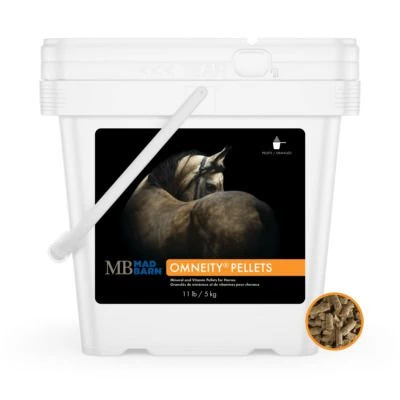
To simplify the feeding program and improve nutrient delivery, the updated diet replaced the ration balancer and biotin supplement with Omneity® Pellets. This change provided more comprehensive vitamin and mineral fortification while supplying highly bioavailable forms of key nutrients.
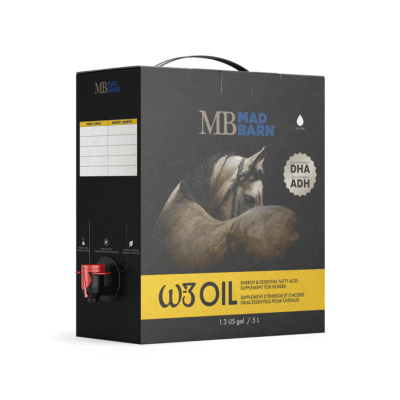
The updated diet also replaced ground flaxseed with w-3 Oil to provide additional support for muscle health and recovery. W-3 Oil supplies a concentrated source of omega-3 fatty acids and natural vitamin E, including highly bioavailable DHA, which supports a healthy inflammatory response and provides antioxidant support for muscle tissue.
Updated Diet
Following consultation with Mad Barn, Deuce’s daily diet consisted of the following:
- Free-choice first cutting mixed grass/alfalfa hay
- 2 lb (0.91 kg) – Alfalfa Cubes or Pellets
- 2 scoops (200 g) – Omneity® Pellets
- 1 scoop (20 g) – Three Amigos
- 4 oz (120 ml) – w-3 Oil
- 2,000 IU – Natural Vitamin E
Outcome
By late October 2025, Deuce had regained lost muscle mass during the IMM episode. Veterinary treatment, combined with targeted nutritional support, helped him rebuild muscle and return to a healthy body condition.
The following photos document his recovery and highlight the changes in muscle development one, two, and seven months after the onset of the IMM episode:
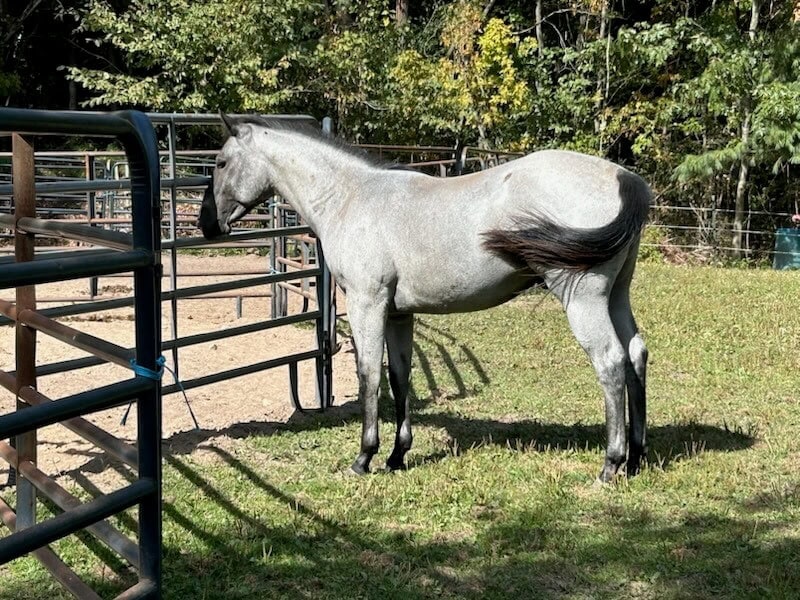 Deuce, Sept 2025
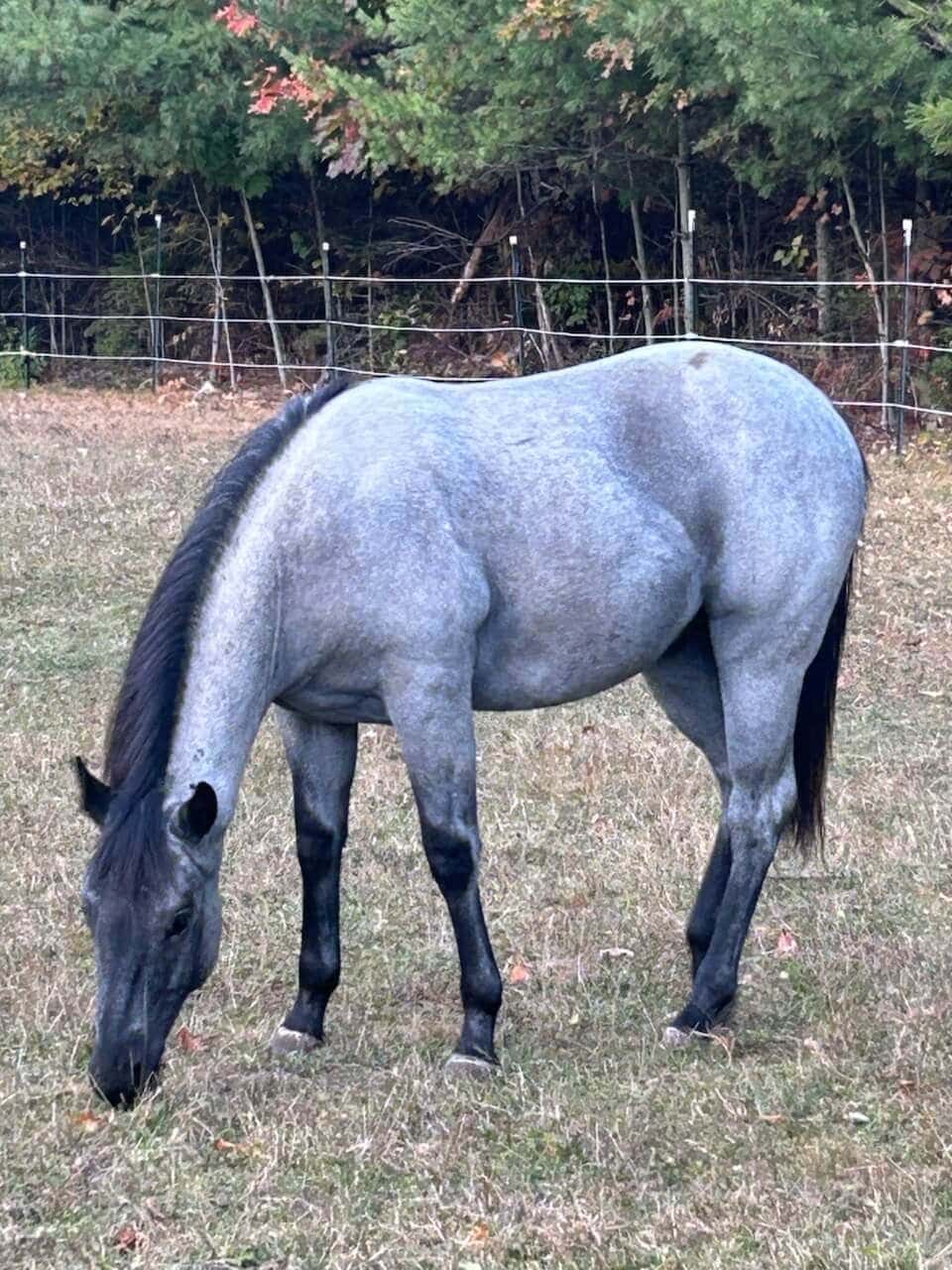 Deuce, Oct 2025
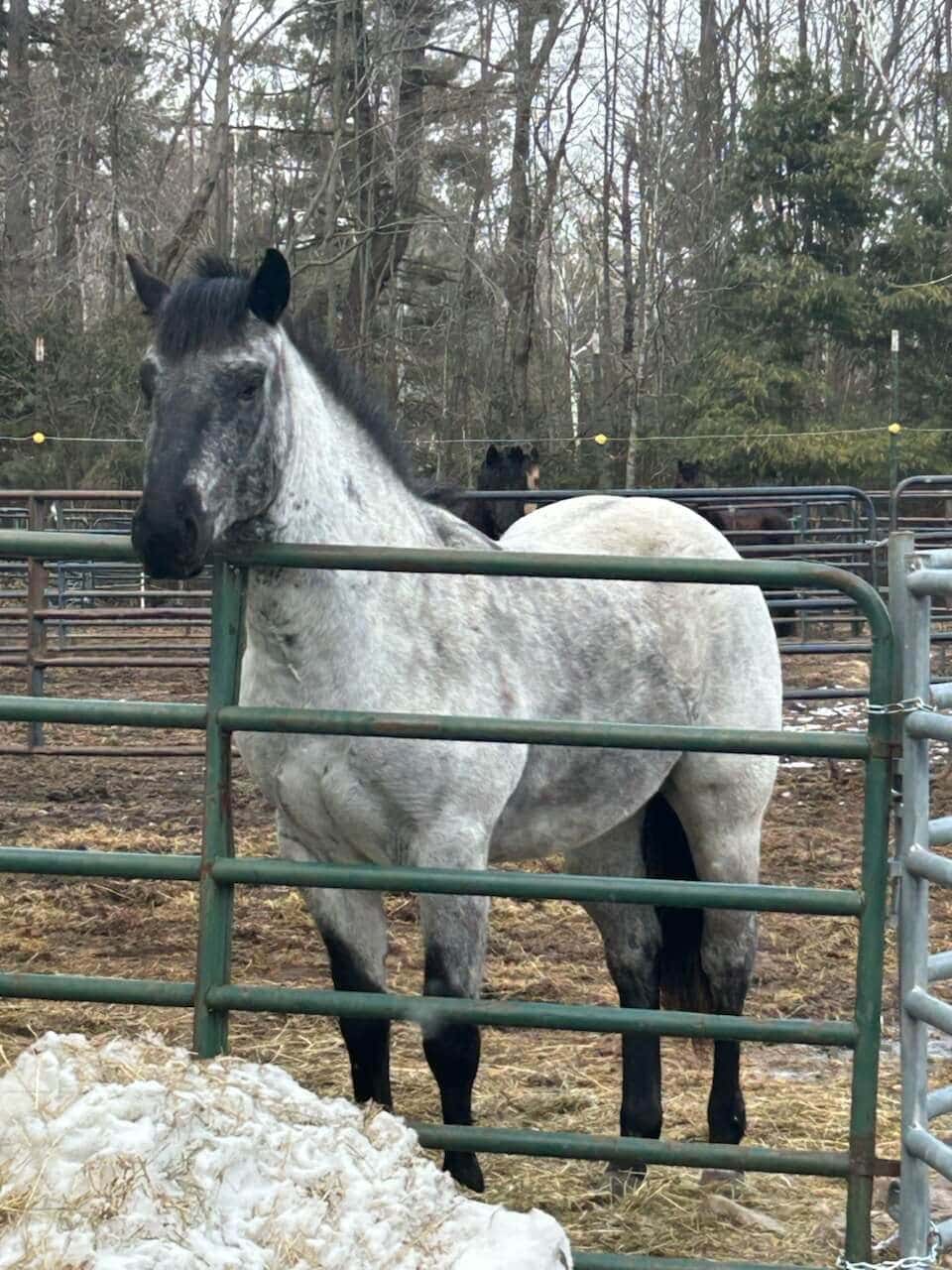 Deuce, March 2026
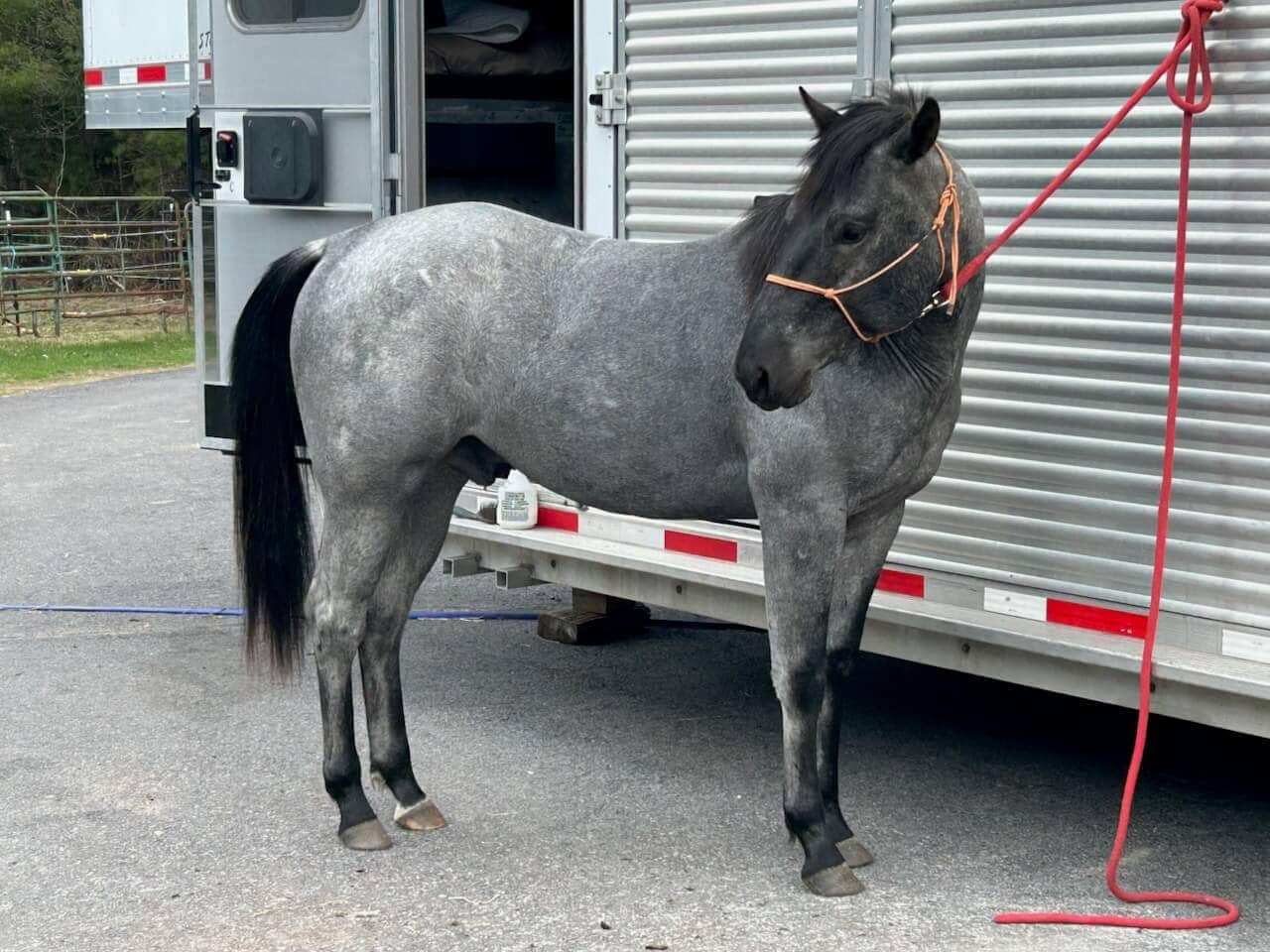 Deuce, April 2026
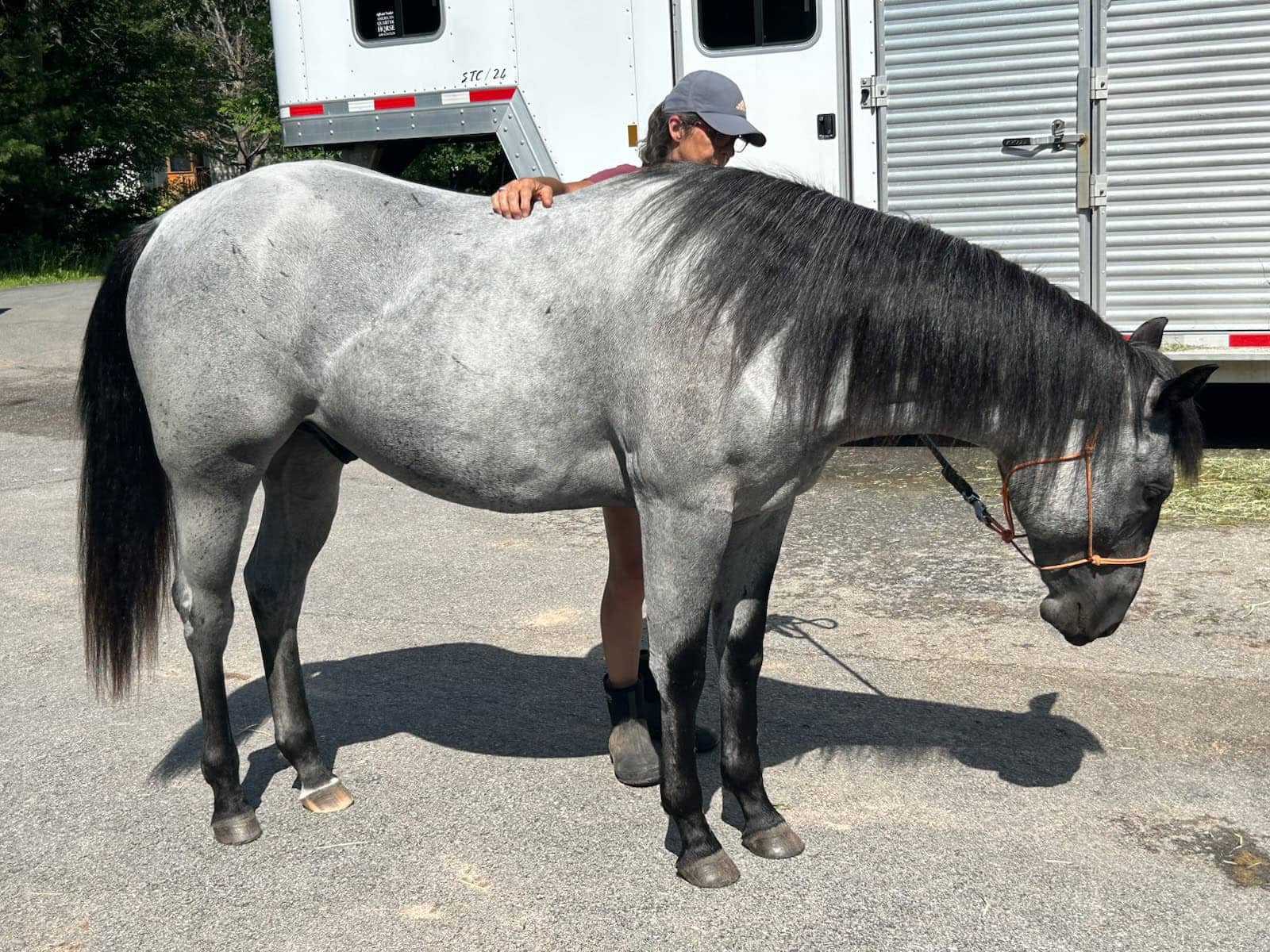 Deuce, July 2026
Discussion
This case highlights the importance of evaluating the whole diet when supporting horses recovering from significant muscle loss. Although Deuce had already regained the muscle mass lost during his episode of IMM, his diagnosis of MYHM prompted his owner to seek a nutrition consultation to ensure his diet would continue to support healthy growth and long-term muscle health.
Recovery from muscle damage increases the demand for nutrients involved in muscle repair and development, particularly high-quality protein and essential amino acids. Young, growing horses also require adequate vitamins and minerals to support ongoing growth and tissue development.
The recommended dietary adjustments focused on strengthening the nutritional foundation of his diet by providing a more comprehensive source of vitamins and minerals, maintaining supplemental amino acid support, and adding omega-3 fatty acids and natural vitamin E. Together, these changes helped ensure Deuce’s diet supplied the nutrients needed to support continued growth, muscle development, and overall health.
“His energy is awesome and his recovery is impressive ... I believe a big contributing factor was Mad Barn's Three Amigos”
— Feedback From OwnerThis case also demonstrates that horses with MYHM do not necessarily require specialized feeding programs. Instead, owners should focus on providing a balanced diet that meets requirements for energy, protein, amino acids, vitamins, and minerals while working closely with their veterinarian to manage the condition.
Related Case Studies
Mad Barn nutritionists have helped thousands of horse owners improve their horses’ diets to support topline development, healthy weight gain, and overall condition.
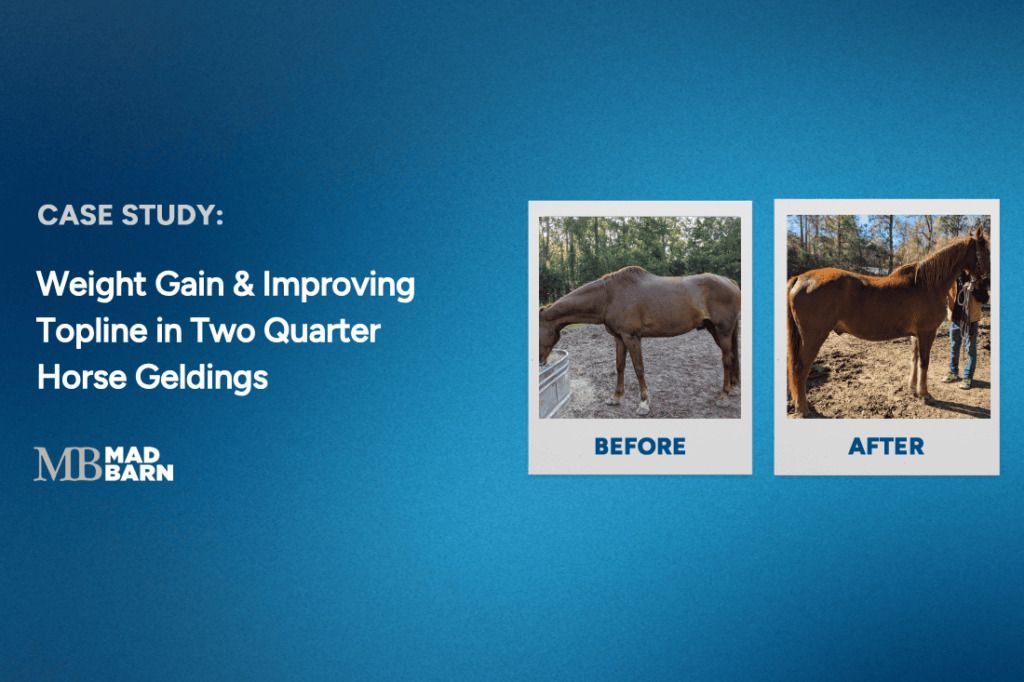
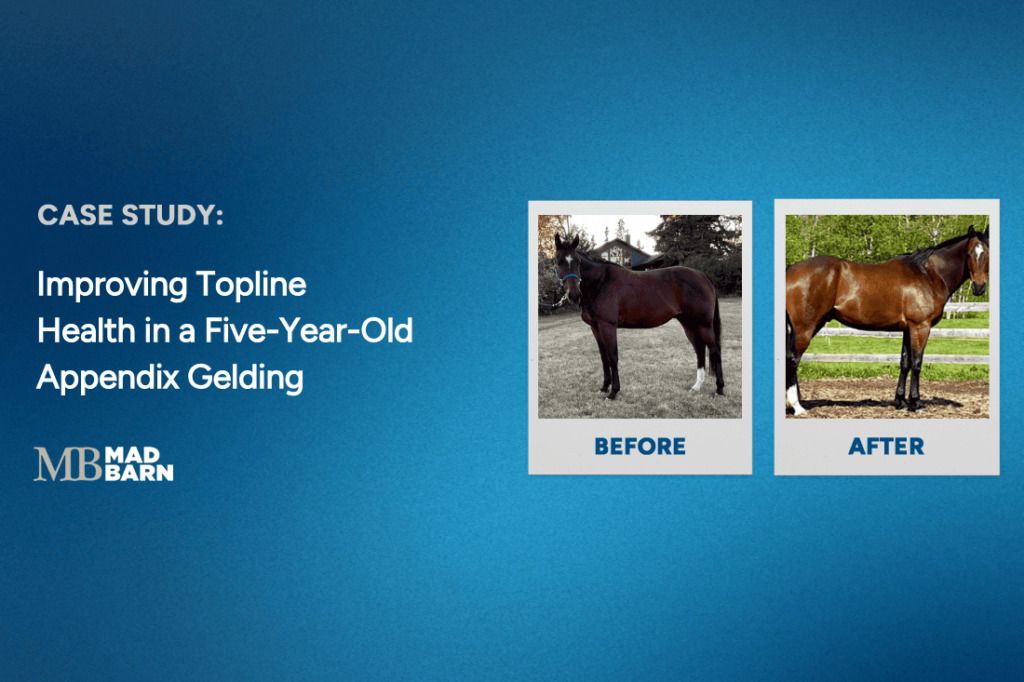
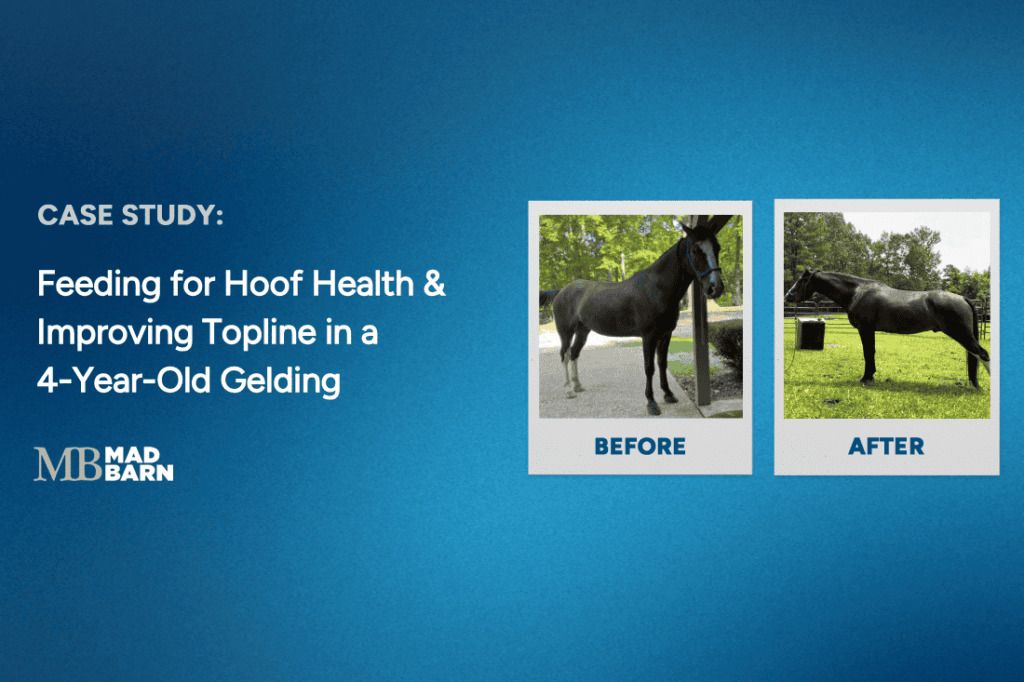
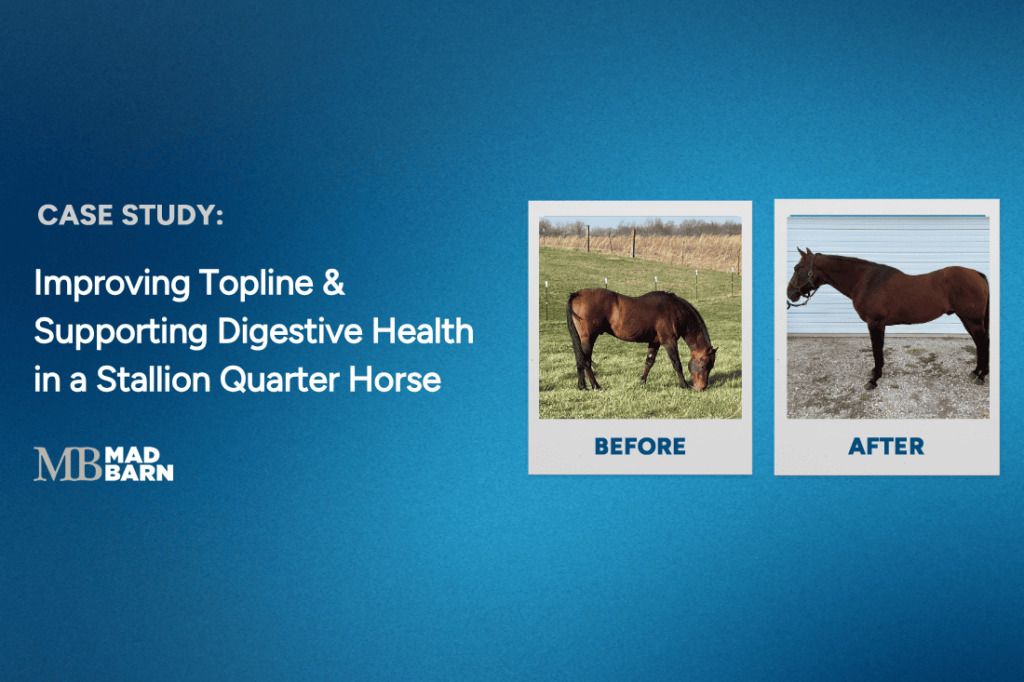
Deuce’s story is an owner-submitted testimonial focused on nutritional support after an episode of IMM. For examples of professionally reviewed Mad Barn case studies involving diet evaluation, muscle support, weight gain and metabolic support, see the related reports below:
References
- Gianino. G. M. et al. Prevalence of the E321G MYH1 variant for immune-mediated myositis and nonexertional rhabdomyolysis in performance subgroups of American Quarter Horses. Journal of Veterinary Internal Medicine. 2019.
- Valberg. S. J. et al. An E321G MYH1 mutation is strongly associated with nonexertional rhabdomyolysis in Quarter Horses. Journal of Veterinary Internal Medicine. 2018. View Summary
- Valberg. S. J. et al. Prevalence of clinical signs and factors impacting expression of myosin heavy chain myopathy in Quarter Horse-related breeds with the MYH1 E321G mutation. Journal of Veterinary Internal Medicine. 2022. View Summary
- Valberg. S. J. Genetics of Equine Muscle Disease. Veterinary Clinics of North America: Equine Practice. 2020. View Summary
- Finno. C. J. et al. A missense mutation in MYH1 is associated with susceptibility to immune-mediated myositis in Quarter Horses. Skeletal Muscle. 2018. View Summary